Australia Day: We Can Do Better

There’s a lot of controversy about celebrating Australia Day on January 26, and with good reason.

Some Aussies — in all honesty, mostly white ones – argue that there is nothing wrong with celebrating our country on that day as we do.

They would most likely be quite surprised to know that Australia Day wasn’t celebrated nationally until 1935: it’s not something we’ve been doing since 1788. Even more surprising would be the fact that it’s only been a public holiday since 1994 – not even thirty years.

A growing number of Aussies feel conflicted about the date. They are coming to understand that, as it is, it is a celebration that causes grief and hurt to the Indigenous and Torres Strait Islander people of Australia. For them, it is ‘Invasion Day’ or ‘Day of Mourning’, which is a very fair call.

January 26 marks the anniversary of the date in 1788 when the First Fleet sailed into Sydney Harbour, set up camp, and began the first British colony in Australia. It is impossible to condense the history of the nation since then into just one sentence, but it’s fair to say that the story is characterised by dispossession, racism, violence, massacre and oppression toward the Indigenous people of the country. That is why celebrating that date is so offensive to them. Anyone who doesn’t understand that is either a. extremely white privileged, b. not trying hard enough or c. both.

It is common understanding that if one is doing something that hurt someone else, and if it is in that person’s power to stop, I should stop doing it. Even if there is an apology, the only way to prove the apology means anything at all is to refrain from doing it again. The only way to heal a damaged relationship is to change one’s ways.
This is as true on a national level as it is for an individual.

We have seen our national government issue an apology for the actions of the past. Now, as a nation, we must prove that we meant it.

There is no reason why we can’t change the date for celebrating our nation. There’s a lot to celebrate, but we can also do much better than we have in the past.

Some people suggest that we should celebrate Australia Day on January 1st – the anniversary of Federation. It’s a good idea, despite the complaints that people will be hung over from New Year’s Eve parties the night before. That’s a choice for each individual to make – but wouldn’t less drunkenness be a good thing anyway?

Alternatively, I suggest that the Australian government should commit to and sign a Treaty with the Indigenous people, as they have been pleading for the government to do for years. This Treaty, made in collaboration with Indigenous people, would acknowledge the past, shape the future, and enable us to move on together in a spirit of reconciliation and healing.
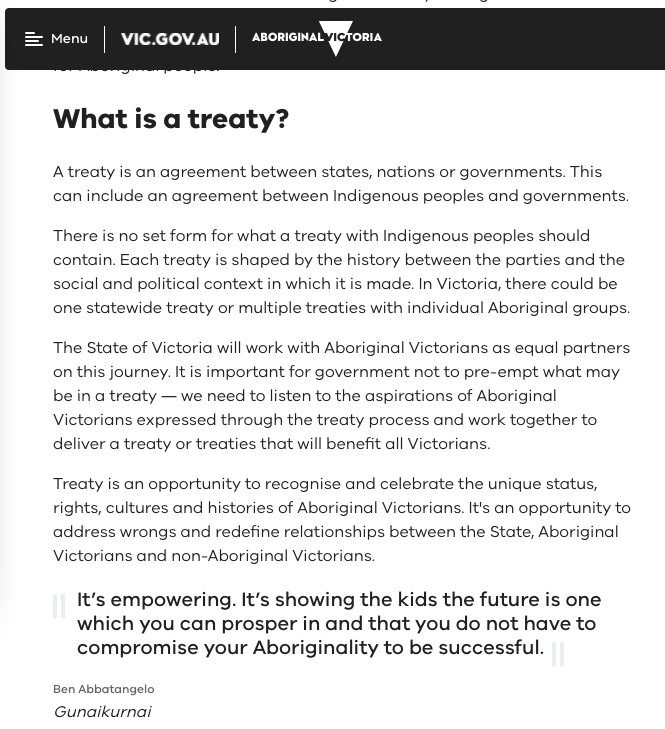

The date on which that Treaty was established and signed should be the new date for Australia Day. We could even call it Treaty Day, or Australian Treaty Day, to put the focus on the relationship instead of the painful memories of the past.

I’m not Indigenous, and I do not pretend to share their experiences or speak for anyone else.

I am, however, a History teacher who seeks to teach Australian history with empathy and awareness of the experiences of Australia’s First Nations people, and to encourage my students to understand that our nation’s story began long before 1788. I am an Australian who loves my country, but also one who is deeply sorry for the suffering of the Indigenous people, past and present.

As such, I cannot help but think that either one of those two ideas would have to be better than what we have now.

I will not be attending or watching any Australia Day celebrations tomorrow.
Instead, I intend to mark the day by signing the Uluru Statement From The Heart, which is a call to Australians to rally together to achieve constitutional recognition for our First Nations peoples and to establish an Indigenous voice to Parliament.
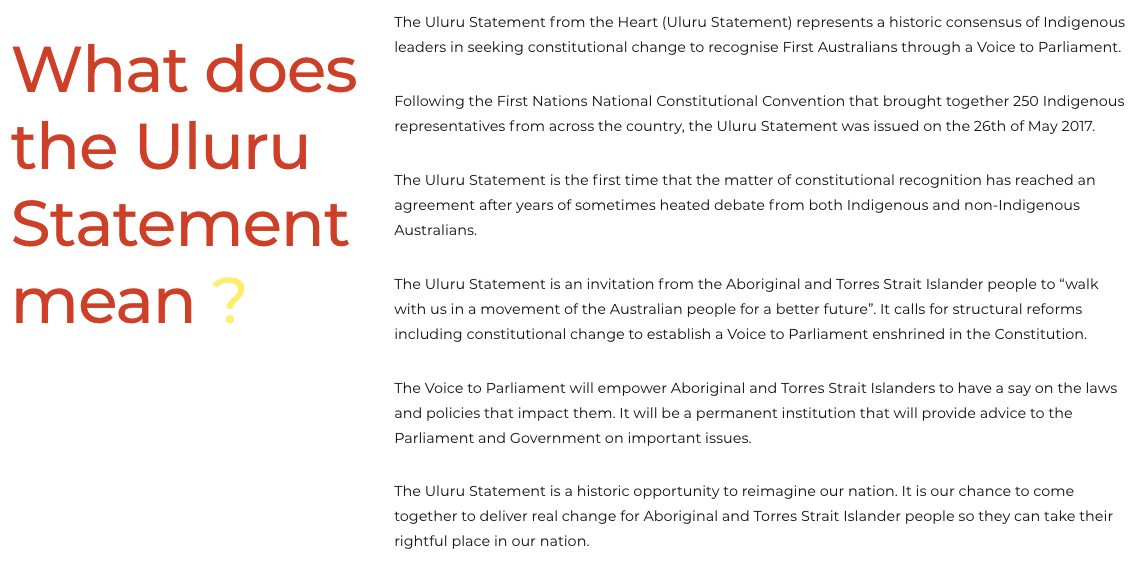
It’s high time we did better, Australia. Let’s change the date, and move forward in a common spirit of reconciliation and healing.

Australia Day: We Can Do Better
#changethedate #AustraliaDay
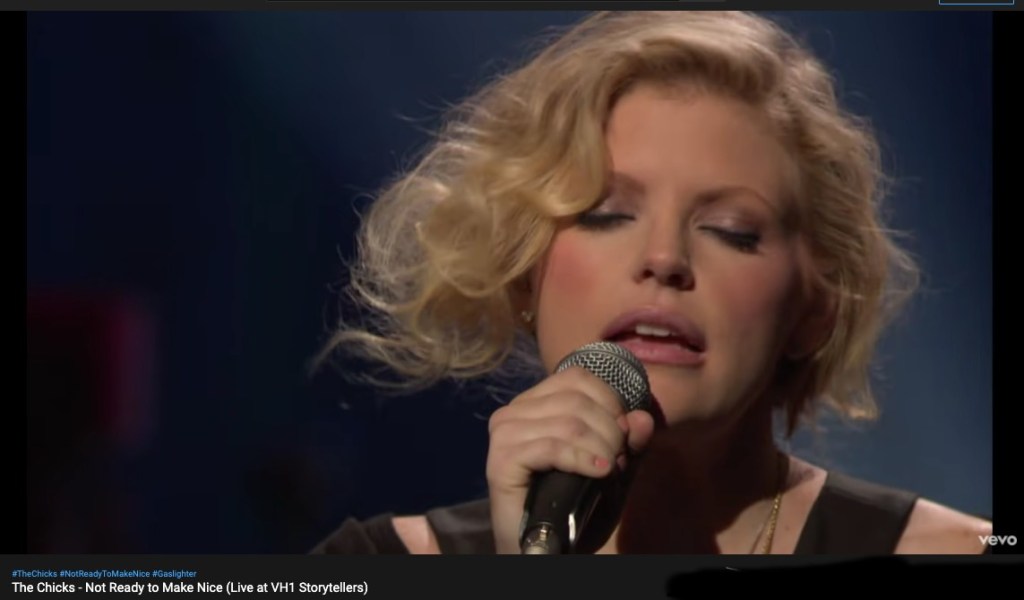
Not Ready To Make Nice

Forgiveness does not mean being a doormat. Far from it.

Today, for reasons of my own that do not need to be shared publicly, this song is playing in my head.

Screenshot: The Chicks — Not Ready To Make Nice

Don’t get me wrong: I firmly believe in forgiveness. Even if the other person never knows I have forgiven them, it’s important for myself spiritually and emotionally to move on from carrying that burden.

That does not always mean I can trust them again.

Contrary to what the platitudes say, time does not heal all wounds and forgiveness does not erase the memory.

It is also important, both spiritually and emotionally, that I protect myself and those I love from harm. If that means not giving someone the means to damage me or my family again, then that is what I must do.

I can be civil without letting a toxic person into my life or my home. Those barriers are not coming down.

I can let others have a friendship or relationship with that person if they are determined to do so, but if I see that they are in danger of experiencing significant harm, I will speak up or stand between them if I must.

I know that many of my Christian friends and family would say that my forgiveness is incomplete. They might suggest I am not showing love.

I would argue that sometimes the kindest and forgiving thing you can do for a person is to stay right away from them. I would also argue that neither God nor the nature of forgiveness itself demands that one must become a doormat or a willing receptor of someone else’s malignity.

There are a handful of people about whom I have made that decision over the course of my life, and I am confident that in each situation, slamming that door firmly and permanently shut is the best thing I could have chosen to do about it.

Sometimes, you just have to leave certain people behind and move on.

Not Ready To Make Nice #forgiveness #selfcare #Boundaries

A Few Home Truths About Freedom of Speech

Freedom of speech is a human right. 
It is the right to express  one’s ideas and opinions verbally or in writing, either publicly or privately.
It is the right to engage in public conversation about personal and public issues and events.
It is the right to communicate meaningfully with other people. 

Even so, it has it’s ethical limitations. 

All individuals have freedom of speech. It is not just the domain of one person, or one group. 
This means that the right is also accompanied by the responsibility of listening to, and responding thoughtfully to, the ideas and opinions of others. Freedom of speech is a two way street. 

It is not the right to cause harm or injury to other people. 
It is not the right to incite violence. 
It is not the right to abuse, slander, or misrepresent situations or other people. 
It is not the right to spread dangerous disinformation.
It is not the right to break the law or commonly accepted rules. 

The people decrying Twitter and Facebook for banning Trump need to understand these things. 

When he opened his social media accounts, he agreed to the terms and conditions. Nobody can have those accounts without agreeing to those rules, which clearly state that one cannot use that social media platform to break the law or encourage anyone else to do so. There is a clearly stated warning that infringement of those rules will result in your account being suspended or cancelled. 

There is no doubt that these are the rules invoked when the accounts belonging to a range of criminals and terrorists were cancelled in the past. People and governments actively and rightly demanded that this should be the case in response to the manifesto and live streaming of the actions of the Christchurch mosque terrorist, for example. 

It is illegal to use social media to promote illegal activity or post offensive material. 

Why, then, should Trump not be banned for inciting a riot or encouraging sedition? Why should his followers not be banned for plotting violence and premeditating murder and insurrection? 

The clear answer is that they absolutely should. 

Anyone using social media to plan or conduct a criminal act should be banned and then prosecuted to the full extent of the law. 

Twitter, Facebook, and Instagram have acted rightly. 
They have not assaulted anyone’s free speech. It is not censorship. Those on the quiet end of a ban have invited that consequence for themselves. 

A Few Home Truths About #FreedomOfSpeech
#Rights2021 #SocialMedia

Tattoo

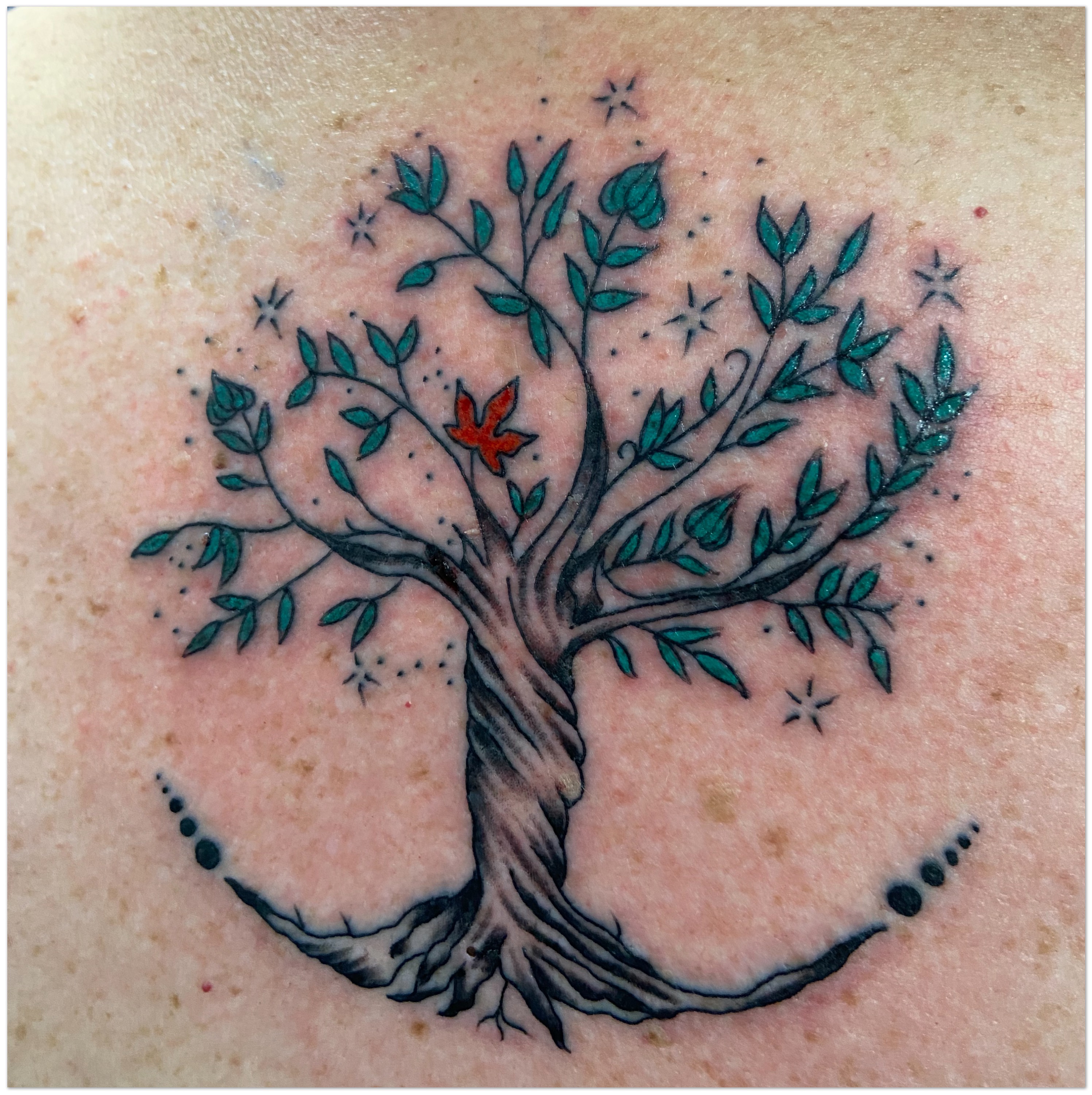
Today is new tattoo day.

My new ink.

This tattoo honours my late father, my family, and my unique identity within it. My family’s surname is Dutch: Groenenboom, which translates to ‘green tree’.

I am thankful to be starting the new year by doing something to deeply meaningful. It is a positive way of acknowledging those who have passed, including my dad and my beloved cousin six months ago, those who remain and are still flourishing, and my connection to them all.

I spent months choosing the tree design, as there are myriad options available and many are gorgeous. I chose this one because it symbolises strength, beauty and grace. The maple leaf represents me, obviously— unique among the other leaves, but strongly connected and coming from the same source.

I am so proud that this symbol is now part of me.

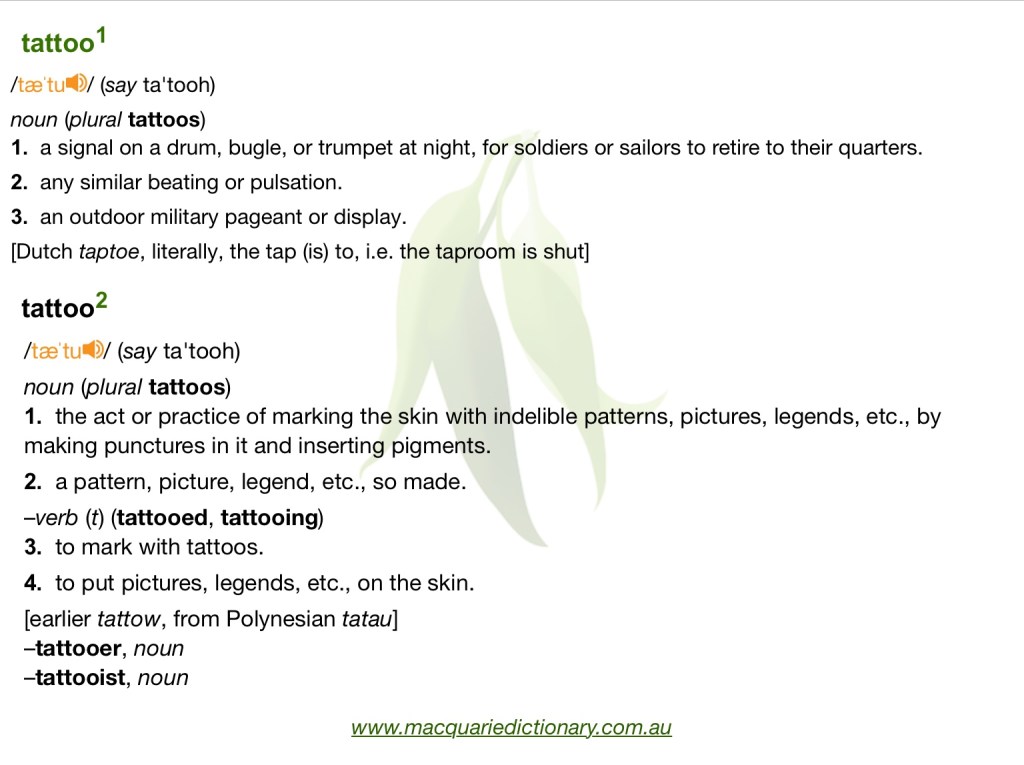
The word tattoo is interesting because the one word has two completely different sets of meanings that have come from entirely distinct sources.

That makes it a homophone, a homograph, and a homonym all at the same time: as it is pronounced and spelt identically for each of its various meanings.

Tattoo.
#tattoo #tattooart #symbolism

Auld Lang Syne.

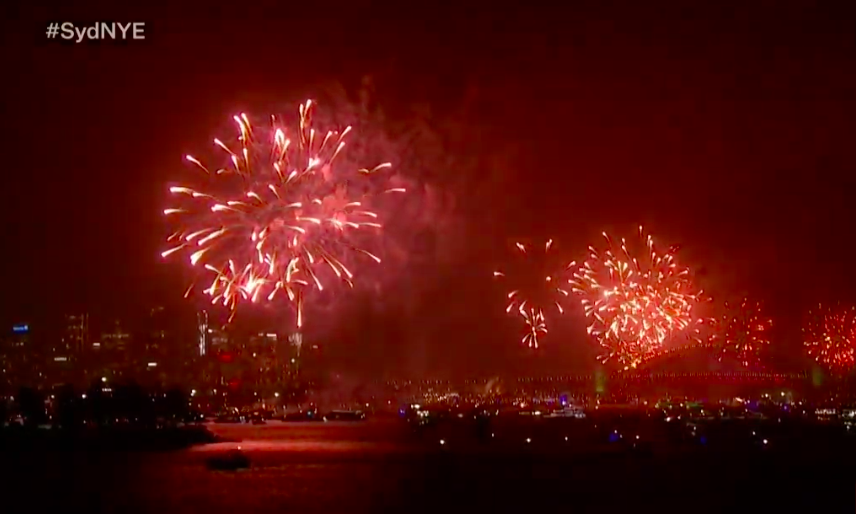
The fireworks over Sydney Harbour were sensational.

Last night, at the turn of the new year, we watched the fireworks over Sydney Harbour on TV, followed by this beautiful rendition of ‘Auld Lang Syne’ by the cast of the musical Hamilton.

Traditionally sung on New Year’s Eve, ‘Auld Lang Syne‘ is a song about remembering the friends and loved ones we have known in the past.

For the first time in my lifetime of knowing this song, it brought tears to my eyes: not only was 2020 brutal in numerous ways, I knew I was not the only one who was painfully aware of missing a beloved someone. I was blown away by the realisation that this song is as much about grief as it is about wistfulness, friendships of the past, and happy memories.

“Should auld acquaintance be forgot
And never brought to min’?
Should auld acquaintance be forgot
And auld lang syne?”

Robert Burns, 1796

The song we sing now is part of a longer song written by the Scottish poet Robert Burns in the late 18th century. Sadly, though, many people sing it without really knowing what it means.

Auld Lang Syne is a sweet little Scots phrase that means ‘for old time’s sake’. It translates literally to “old long since”.
This song was a reinvention of an older song. Burns wrote about his song in separate letters to different people:

“It is the song of the olden times, which has never been in print… I took it down from an old man’s singing.”
“Light be on the turf of the heaven-inspired poet who composed this glorious fragment.”

Robert Burns

Just as the original song was much older than Burns’ version, the words themselves are very old. Auld and lang both come from the Old English of the Anglo-Saxons, while syne dates to the 1300s.

It is a beautiful phrase to say: it feels nice in the mouth, and it sounds just lovely, especially when spoken with a Scottish accent.

From now on, when I hear ‘Auld Lang Syne’, I shall think of the wonderful people I have known and loved in my life, and of the happier times of the past, but I will also think of the beautiful words that have been passed down to use from auld lang syne, too.

I’d like to take this opportunity to wish all my readers a happier, more hopeful new year. Lang may yer lum reek.

Auld Lang Syne.
#words #AuldLangSyne #NewYear2021

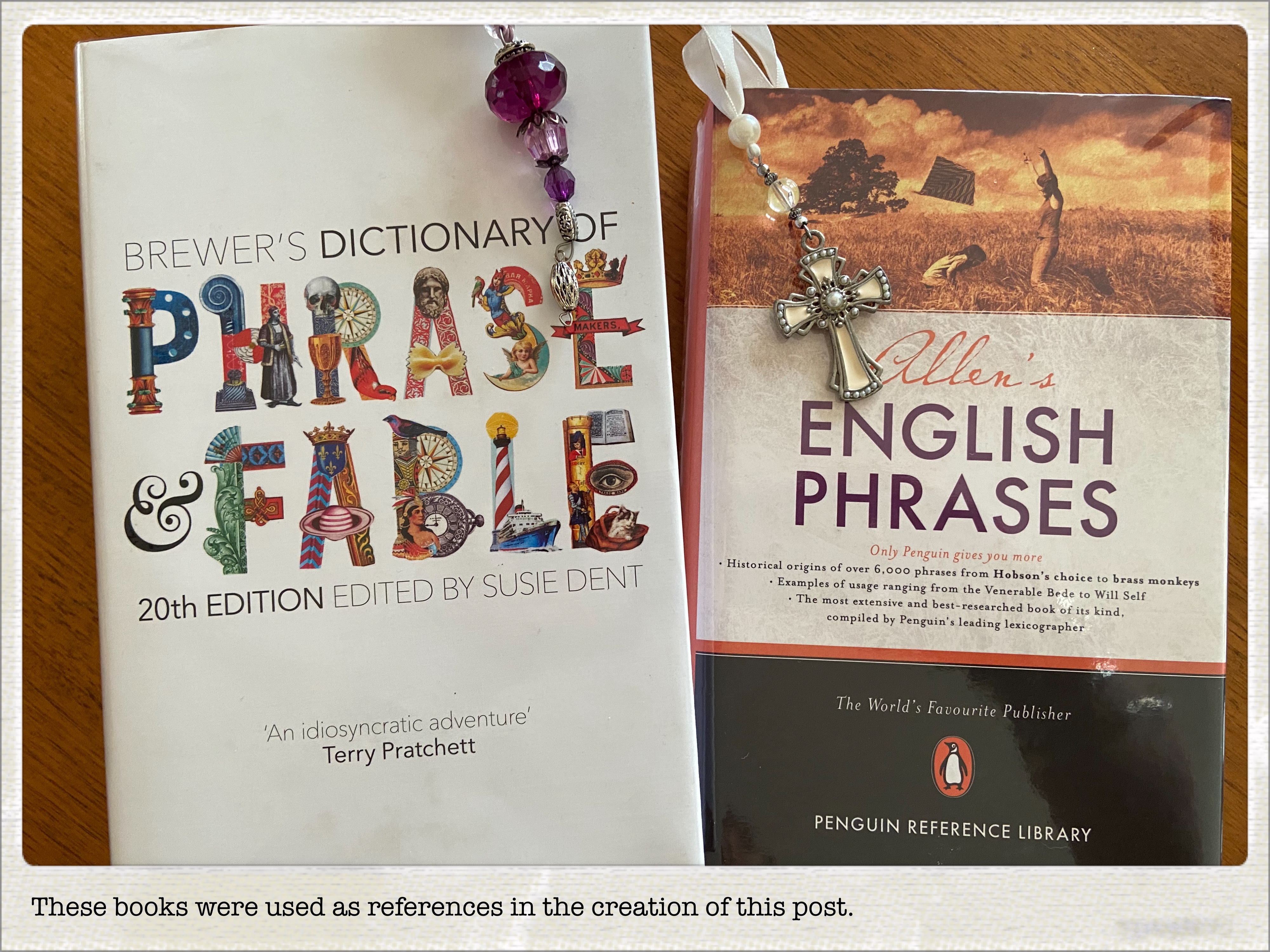
These books, both in my personal library, were used as references in the preparation of this post.

New Year’s Eve, 2020

Today, I am juggling the mixed emotions of finally reaching the end of a traumatic year, and knowing that the ticking over of a clock, or the turning of a page of the calendar, doesn’t actually make a miraculous, instantaneous difference?

What else does one do with all of that but turn it into a poem?

wordynerdbird's avatar

Photo by Tairon Fernandez on Pexels.com

It’s December 31, 2020:
Christmas is back in its box,
And I’m ready to cheer
For the end of this year
Full of tragedy, heartbreak and shocks.

I’m not sure next year will be better
After all, it’s only tomorrow,
And if people don’t care
For how other folk fare,
We could be in for more sorrow.

Still, as this horrid year closes,
I’m hoping for a reprieve:
A little more joy,
A lot more hope—
That’s my prayer this New Years Eve.

ⓒ2020 Joanne Van Leerdam

New Year’s Eve, 2020
#NewYearsEve #newyearseve2020 #PoetsTwitter

View original post

Christmas Eve, Without You.

I’m usually a real kid about Christmas. It’s one of my favourite times of year.

This year, though, I’ve really had to try hard to muster my Christmas mojo, and I’m not sure I really succeeded.

Christmas Eve was particularly hard this year. I felt so disconnected and indifferent, and I didn’t know what to do with that.

My response was the same as always: write something!

Verbalising these feelings helped me deal with them. They were — and are
— still there, but I have been able to relax and let them coexist in counterbalance with my enjoyment of Christmas Eve and Christmas Day.

Today is what today is. My feelings are what they are. It’s all part of the process of grieving and moving forward and reconciling conflicting emotions while continuing to live.

wordynerdbird's avatar

Image by PeggyChoucair on Pixabay.

Joy is elusive this Christmas Eve,
Anticipation is aloof.
The empty chair, the missing gift,
The place not set at the table,
All murmur a silent, sorrowful chorus
Like a incantation, warding off
The overruling spirit of the season.
The magic of tinsel, baubles and tree
Cannot dispel the indifference
Cast by Memory and Grief as they linger,
Neither out of sight nor mind
Amid the coloured lights and carolling
On Christmas Eve without you.

ⓒ2020 Joanne Van Leerdam

View original post

Writing It Instead Of Carrying It

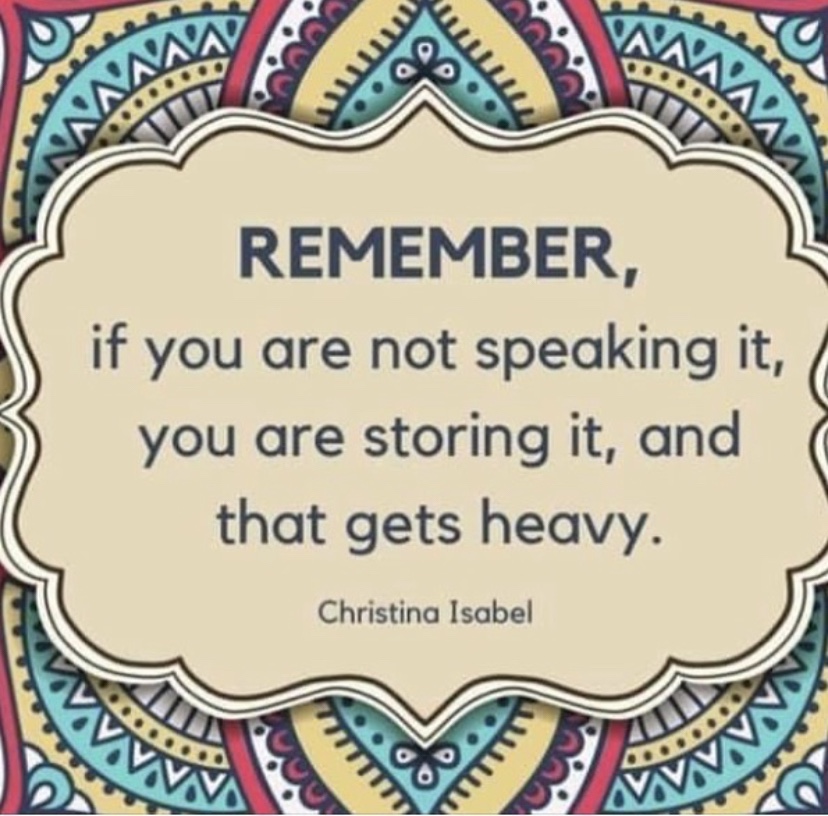
When this image appeared on my Instagram feed this morning, my immediate response was “Yes!”

Image text: Remember. If you are not speaking it, you are storing it, and that gets heavy. Christina Isobel.
I don’t know who created this image. I acquired it via Instagram.

This is why I have been writing and posting poetry and blog posts to help me deal with my feelings about my first Christmas without two very special people in my life, my father and one of my closest friends, both of whom passed away within five days at the end of June.

I have been doing everything I can to make Christmas joyful. Part of that has been working through my feelings and accepting the changes in life that have happened in this mixed up and turbulent year.

It is not that I have no joy or excitement. It doesn’t mean I don’t want to celebrate or focus on the positives in life. It means I need to works out how to manage the shades of guilt I experience when I feel joy, and the weight of sorrow at the very same time as enjoying the lightness of excitement and anticipation.

I fully realise that Christmas is very different for many, many people this year. Lockdowns, halted travel plans and distance have made sure of that. Like me, many people are grieving. Others are facing different sets of challenging circumstances.

The fact is, though, that it is my life that I am living. I have to manage my grief and work out how to balance things for myself. Nobody else can do it for me, and it has to be done. To refuse or fail to deal with my feelings isn’t healthy.

So, I write poetry and blog posts. I blurt my feelings and ideas down onto the page, then shape and craft them into something that both expresses how I feel and lets  others in similar situations know that they are not alone, and that their feelings are not wrong or abnormal.

That is my Christmas gift to the grieving people of the world; empathy, understanding and the room to feel as they do without judgment.

Writing It Instead of Carrying It
#emotions #grief #WritingCommunity

With Love, Me.

I wrote this poem not just for myself, but also for my family and friends who are really feeling the absence of a loved one this Christmas.

I don’t think it requires any explanation. I just wanted to share it with you here.

As always, any feedback is greatly appreciated.

67 Years.

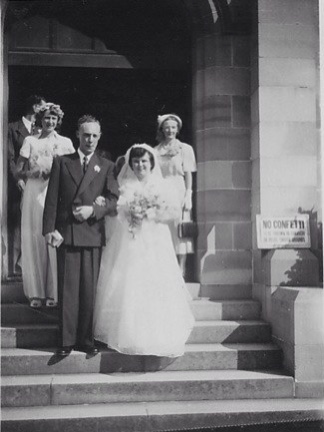
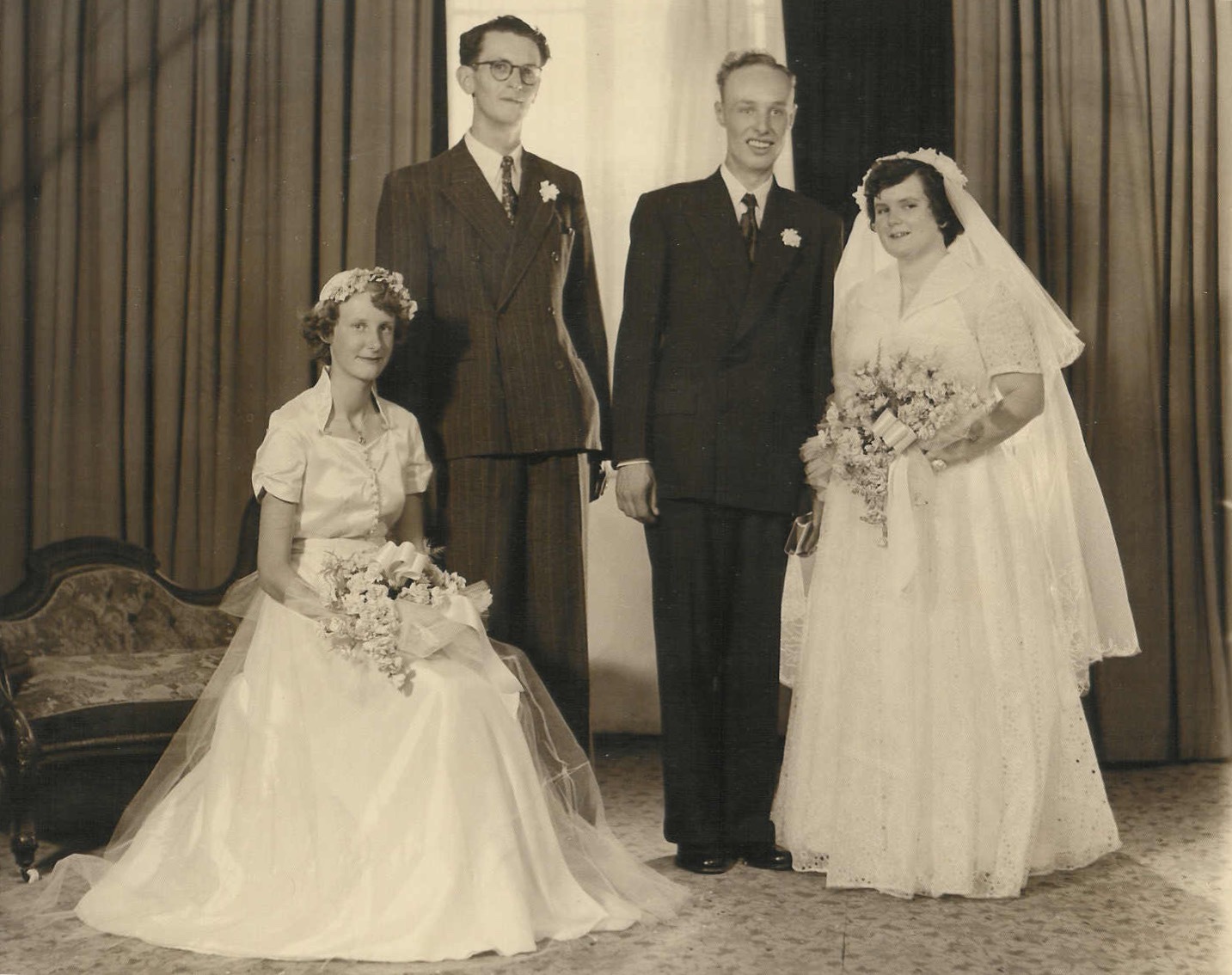
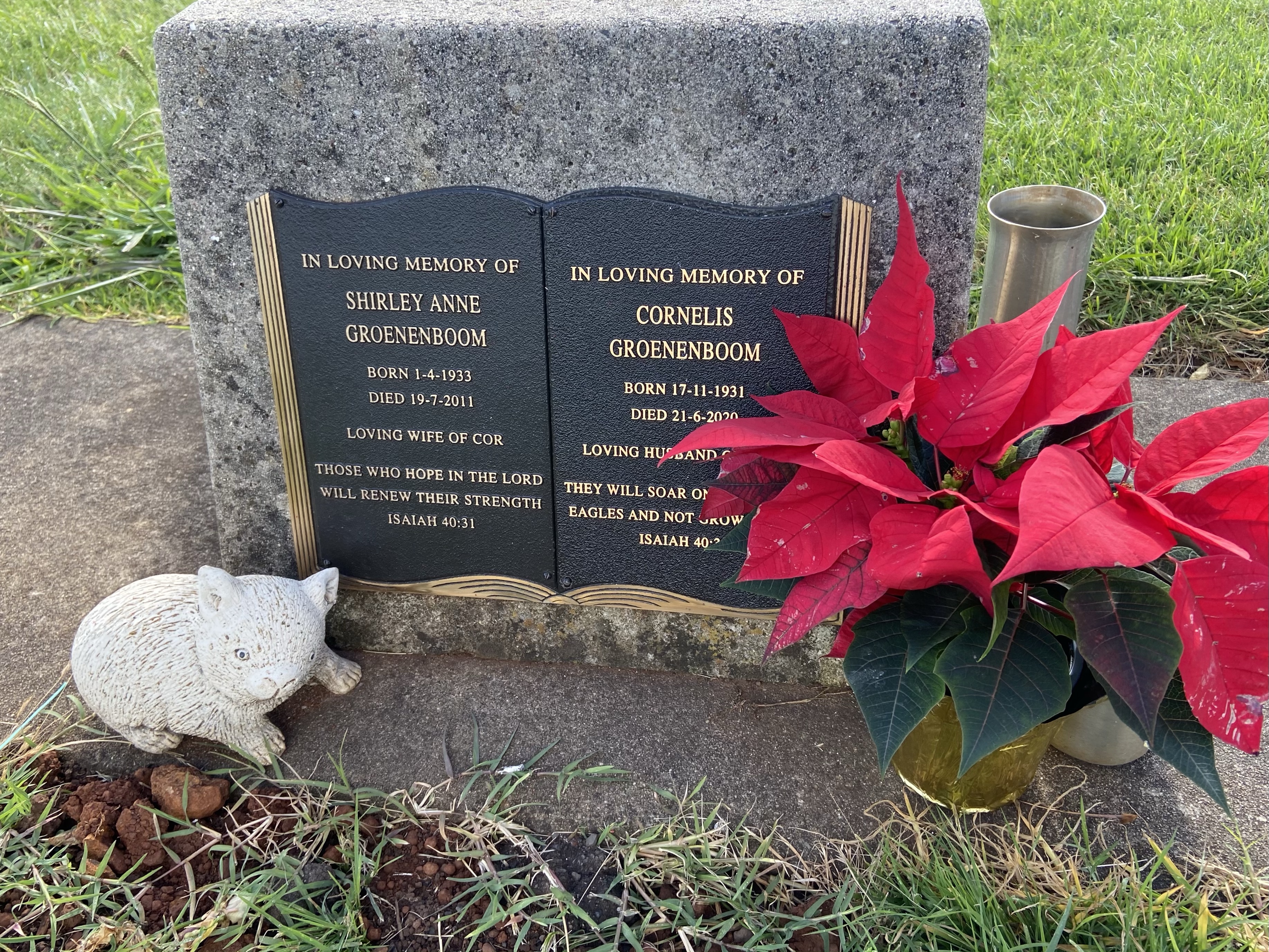
This morning, my sister and I visited Mum and Dad’s grave on the 67th anniversary of their marriage.

On this date, every year since 2011, I have been purposeful in spending quality time with Dad as he spent the anniversary without Mum. He often had some tears, as did I, and we would talk about family times and happy memories. There would invariably be coffee and cake involved at some point of the day.

This year, Mum and Dad are together again, and we are without them both for the first time.

Instead of coffee and cake, we went out for breakfast together before heading up to the pretty little cemetery on top of the hill.

Nature blessed us with a beautiful morning: sunshine, blue sky, white fluffy clouds, and a light breeze. The grass is starting g to cover the grave now, so it looks less  fresh and confronting. Still, it was the first time my sister, brother-in-law and husband had been back to the grave since the day of Dad’s funeral, so in that respect it was harder for them than for me.  I quite like cemeteries, and I have been back to visit Mum and Dad’s grave on several occasions. 

Neither my sister nor I had a big howly cry, which we wouldn’t be ashamed to admit because we have both done it several times before, but we both had some tears. We’re not ashamed of those, either. Crying is healthy, and so is owning your emotions.

Christmas won’t be the same this year. For the first time in our lives, we will be doing it without our father. I haven’t bought boxes of chocolate-coated ginger or liquorice allsorts for the first time in decades.

It’s all kind of weird, and it hurts, but we are doing our best to make it positive and memorable. Before visiting the cemetery, we went out for breakfast with our husbands. We bought a little Christmas poinsettia, which Mum always loved, to decorate their grave instead of taking fresh flowers this time.

Most importantly, my sister and I are spending Christmas together. I am so enormously thankful that, after months of lockdown and closed state borders, she and my brother-in-law can be here.

There are gifts under the tree, plans for special meals and treats, and neither of us has to navigate the first Christmas as orphans on our own. Our other siblings and my nieces can’t be with us, but they will be with family. We will video call and spend time together that way. It’s not perfect, but it beats not being together at all.

As I observed in my post on Dad’s birthday, the firsts are hard. There are so many feelings, and it can be challenging to know how to mark the date without being morose. It’s good to honour the memories, but the fear of people thinking you spend too much time in Memoryville or Griefland is real.

Will they want to read another Facebook post or blog about it? The fact is, some won’t, and that’s okay. At the same time, there are plenty of others who will. We are not the only ones grieving for a loved one for the first time this Christmas.

It matters to me, and to them, that we know we are not alone in our feelings, nor are we weird or wrong for feeling the way we do. It’s completely natural, and the best thing to do is acknowledge it: cry and laugh when we need to, retell the family stories, share memories, and deal with it in the most positive and constructive ways we can.

It’s also important to be deliberate about creating new memories and treasuring our time together, so that we make this first Christmas as merry and bright as we can.