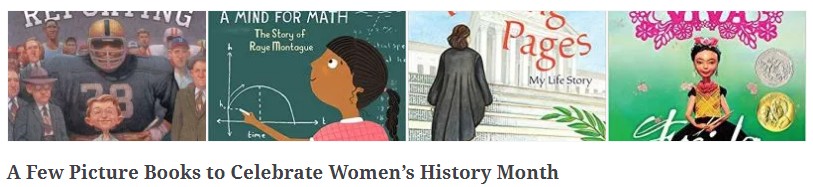
Last week, before the calendar switched to March, I changed our book displays in our classroom. Not because we stop celebrating Black history and excellence but because we wanted to add the component of females in history.
I was asked if I would share my list here, and while I don’t mind sharing it, I will say that it has holes. While I wanted to showcase an inclusive mix of picture books, I am still adding picture books that go beyond the well-known stories. I feel like there are many unknown women whose picture books are not on our shelves at the moment, so I am working on finding these for the future. I also want to continue to work on including more indigenous or First Nation stories, as well as stories of women who defy the narrow definition of their gender.
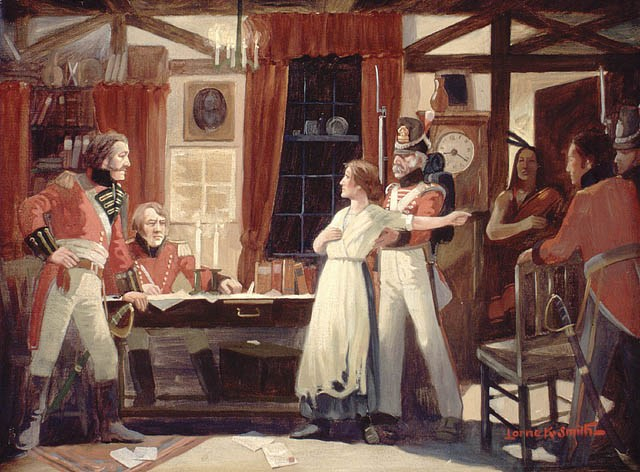
Originally posted on An Aussie Maple Leaf, adrift on the wind…: Laura Secord was an incredibly gutsy woman.? When she overheard plans by the Americans to attack the British soldiers defending Canada in the War of 1812, she walked almost 20 miles from her home in Queenston to warn them. She was determined to get…
When she overheard plans by the Americans to attack the British soldiers defending Canada in the War of 1812, she walked almost 20 miles from her home in Queenston to warn them. She was determined to get the message to the British soldiers, under the command of Lieutenant FitzGibbon, at Beaver Dams, where the Americans planned to attack.
This was no walk in the park. It was over varied terrain in 19th century ladies’ shoes and clothing which, it may safely be assumed, were not designed for much other than drinking tea in parlours and visiting a shop or two on the odd occasion. She didn’t go by the main road, because she didn’t want to be stopped by more American soldiers. Even though she was afraid when she came upon a camp of Iroquois, she asked for directions and was pleased to…
As a woman who both reads and writes horror, that’s an exciting prospect. I am set to be be featured on some blogs and websites this month, and I’ll be sharing posts featuring other authors on my social media, too.
First though, I want to acknowledge two authors who were my first inspirations with all things Gothic and macabre.
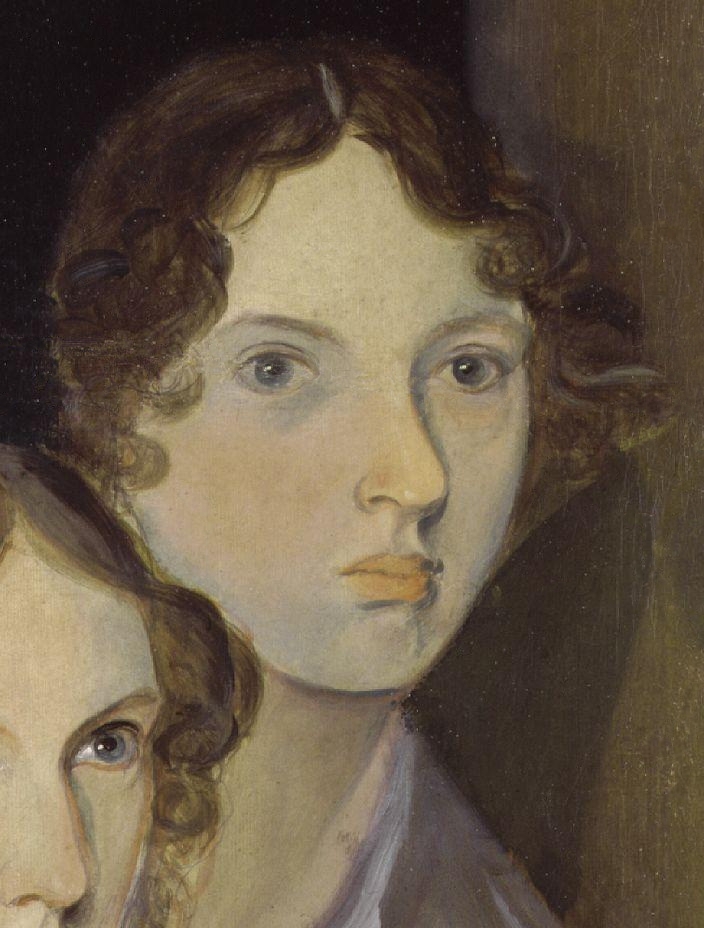
Emily Bronte was the author of the Victorian Gothic classic ‘Wuthering Heights’ and some very dark, moody poetry. It was a significant change in the literature of the time – it was so dark and fraught with anger and tension that many readers really had no idea how to respond to it. I also think it is a sign of her literary genius that she wrote a book that became recognised world-wide as a masterpiece and a classic, despite the fact that there is not one single character who is likeable throughout the whole work!
She is also a very fitting figurehead for Women in Horror Month, given that she and her sisters couldn’t get their books published until they deliberately put masculine pen names on them instead of their own. For the most part, we’ve moved beyond such Victorian prejudices and embraced the myriad wonderful books that have been written by women, although there are still some today who suggest that women who write horror should publish under their initials or a pen name to avoid such discrimination. How is it even possible that this is still a reality 170 years later?
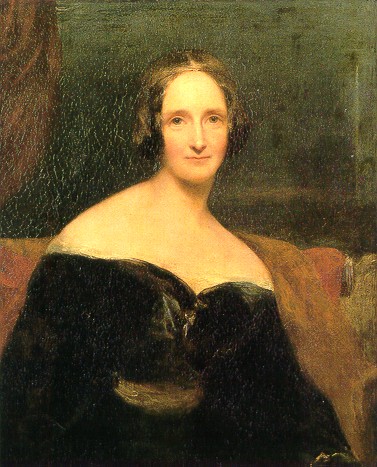
Mary Shelley wrote the Victorian Gothic/horror classic ‘Frankenstein’ in a competition with her future husband, Percy Bysshe Shelley, the poet Lord Byron and another man named John Polidori to see who could write the best horror story in a given time. Not only did she write something incredibly powerful and ground-breaking on a number of levels, she beat three men at their own game in the process.
These are just two of the women in the course of literary history who made an event like Women in History Month a possibility for female authors and for readers of all persuasions in the 21st century.
What a debt of gratitude and honour we owe them.



 WordyNerdBird