Tristful.

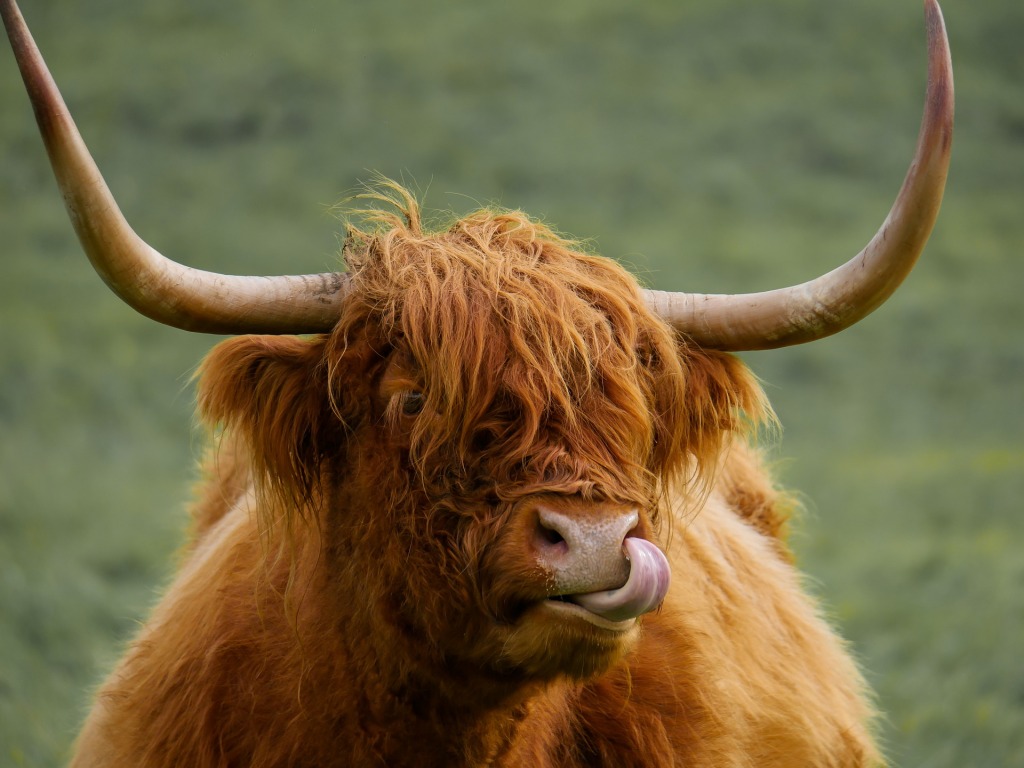
Image by huskyherz on Pixabay.

Tristful is an archaic word that means to be melancholy or full of sadness. Like forswunk and forwallowed, it is a word which is said to be obsolete now, but it is so beautiful that I want to bring it back. 

It came into the English language, as many words did, courtesy of the Normans and the Plantagenets, in medieval times.  The Latin word tristis gave French the word triste, which gave English trist meaning sad or gloomy, and thus tristful. 

I discovered this word today while looking for words to describe my feelings and state of mind at this point in my grief journey. Over the past few days, I have been feeling as though everything is too hard, and I just want to withdraw into my cocoon and wallow. I’m not angry, nor am I ungrateful, but I am definitely not numb. My emotions are very close to the surface, and at times I am unable to hold back the tears. 

I know all of that is completely natural, and I know I need to accept it and work through it. I know it won’t last forever.

But I also needed the words to understand and express my emotions. 

I have been using the term ‘melancholy’ a lot, and it describes my condition perfectly. However, I know that while one cannot actually wear a word out, it is entirely possible to cheapen it with overuse. Melancholy is a word that I love because it is so expressive, and because it’s beautiful to say and to hear, so I would hate to be guilty of turning it into a cliche. 

Sad isn’t deep enough. Miserable would be appropriate, but it feels more temporary and somehow more minor than what I am experiencing. 

I very quickly rejected morose and in a funk because both suggest sullenness or a bad mood, which is not reflective of my feelings or state of mind. Moody was no better.

When I saw tristful listed in my thesaurus under the entry for melancholy, I had an immediate sense of having discovered a gem that most people had laid aside and forgotten about. As I researched its meaning and etymology, I knew I had discovered the perfect alternative. 
Tristful: to be melancholy or full of sadness. #words #emotions #etymology #English #blogpost

Rumination and Overthinking.

Today in one of my classes, a student commented that they were ruminating on the answer to a question. I responded that I hadn’t even noticed her swallowing it in the first place. I laughed, and she looked at me blankly.

As I explained to my class, the word ‘ruminate’ has two different meanings which are related, but quite different according to context.

To ruminate means both “to turn over in the mind,” and “to chew cud” as cows and other ruminant animals do.  Both senses of the word were being used in English by the early 16th century.

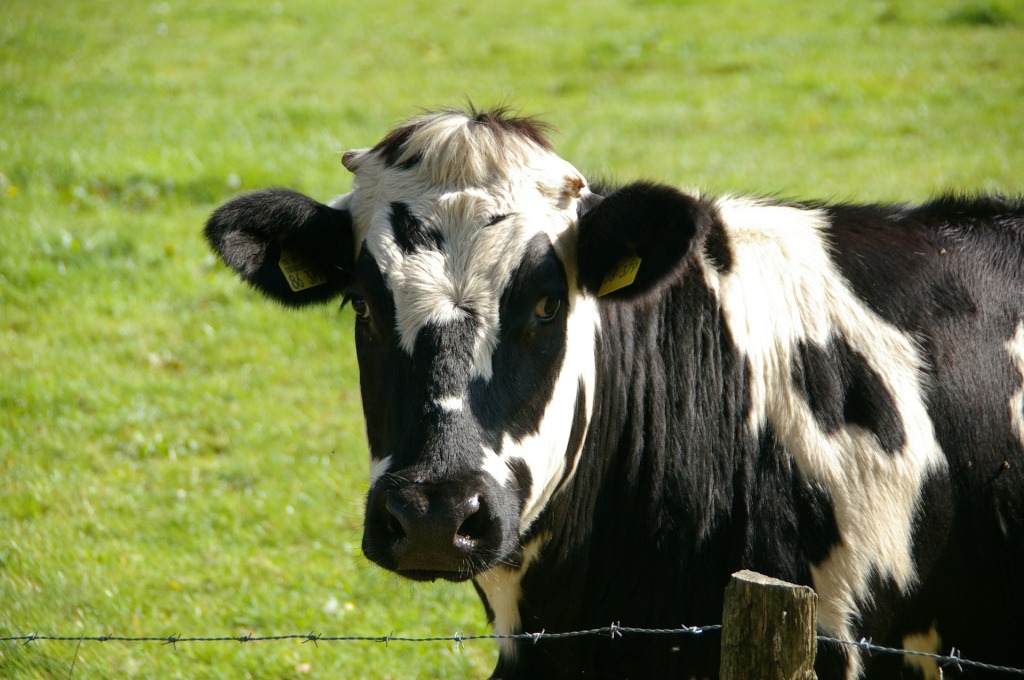
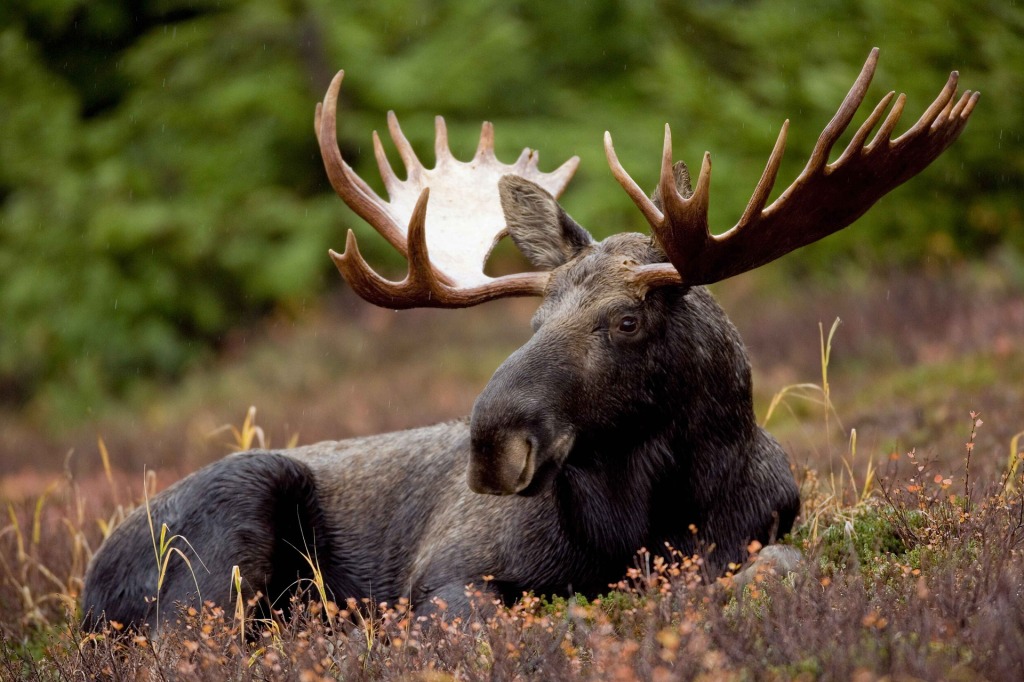
It comes from the Latin word ‘ruminatus’ and carried both meanings  even in Latin. It is related to the name of the rumen, that part of the stomach from which cows, buffalo, deer, moose, elk, sheep, goats, llamas, camels and giraffes bring up their cud to chew it over again. 

One might think it might be more of a challenge for a giraffe, a llama or a camel  to achieve it  because their necks are so much longer, but  it does come naturally to them. Personally, I’m thankful that it’s not something I’m required to do at all. 

It is this idea of bringing things back and chewing them over again that relates the two senses of ‘ruminate’. 

It’s also normal and healthy for people to think things over carefully, especially serious or important matters. That can prevent hasty or unwise decisions being made. 

The danger of rumination arises when thoughtful consideration gives way to overthinking.

Overthinking is a term that can describe behaviours that range from overly prolonged deliberation to being caught in destructive cycles of fear, doubt, criticism or agonised indecision. 

Overthinking can result in drawing wrong and sometimes dangerous conclusions, relationship breakdown, self abuse, substance abuse, and self-destructive thoughts and behaviours. It can affect sleep, emotions, physical condition, and mental health, anxiety levels, concentration and performance. 

Overthinking doesn’t solve anything, and often actually makes things worse. 

It’s probably better just to leave the rumination to the animals. 

Rumination and Overthinking
#thoughts #words #language #psychology #emotions

References and reading:
6 Tips To Stop Overthinking Amy Morin Feb 2 2016

How to avoid the detrimental effects of overthinking. Evelyn Lewin May 17 2016

Learn How To Stop Overthinking Everything Tony Robbins

How Overthinking Can Affect Mental And Physical Health Syeda Hasan July 12, 2019

Psychologists Explain How To Stop Overthinking Everything Thomas Oppong Nov 16, 2019 

The Psychology Behind Chronic Overthinking (and How to Stop It), According to an Expert Kelsey Clark and Carolin Lehmann Oct 10, 2019

What is Overthinking Disorder? By Sarah Fader July 9, 2020

On Tenterhooks.

Image Credit: Daniel_Nebreda

This morning I used the term “on tenterhooks” and then wondered where it came from.

It’s a term that means painful anticipation or being kept in suspense, commonly used by English speakers to describe any situation of tension or anxiety while waiting.

I imagined something being suspended or hung up, waiting for something to happen— which is exactly how I felt when I said it. I imagined the hooks to be larger and more cruel than they actually were, perhaps as some form of medieval torture or punishment, like hanging someone on a wall or in mid air using hooks to hold the body. That is an indication of several truths about me: my own feelings at the time, my love of medieval history, and my horror author’s tendency toward macabre imagination.

As it turns out, I was overthinking that part.

A little research at etymonline.org and worldwidewords.org informed me that it’s a very old word from the early 14th century that relates to the preparation of cloth, particularly woven woollen fabric, by hanging it up on a frame known as a tenter to stretch, straighten the weave, and dry. Tenter hooks were bent nails that held the fabric in place on the frame.

By the early 1500s, people spoke of being on the tenters to express being in suspense or waiting anxiously. The phrase “on tenterhooks” appeared in print for the first time in Tobias Smollett’s Roderick Random in 1748.

It is related to the word tent in that the word was used to describe the way in which hides, skins or coarse cloth were hung over a framework of poles to create a temporary dwelling, which then came to be called a tent.

Both tent and tenterhooks come to English from the Latin, tendere, meaning to stretch, via the old French word tente. They are related to the words tense, tension, intense and the phrase highly strung.

Although the ideas have come to be closely associated, tenterhooks and suspense are not related words.