A Favourite Classic Novel: Jane Eyre by Charlotte Bronte

You’ve got to hand it to the Bronte sisters: they certainly had a handle on brooding, emotionally charged stories that made powerful observations about human nature and psychology. 

Charlotte Bronte’s ‘Jane Eyre’ immerses the reader in the life of the young Jane, orphaned and unloved, and has them look on over her shoulder as she grows up, learning resilience and wisdom while finding her place in the word. The relationship between Jane and the reader is an intimate one, in which Jane tells her story and reveals her thoughts and feelings as if to a confidante. 

Whether or not you agree with her choices, Jane is a in independent and spirited woman in an age where that was not really socially acceptable, and her story is certainly a compelling read.

A Favourite Classic Novel: ‘Treasure Island’ by R.L. Stevenson

‘Treasure Island’ is a ripping adventure story of pirates, treasure, mystery and courage that takes the young Jimn Hawkins from his home at the Admiral Benbow Inn to the Caribbean and back again. 

It has been made into movies, cartoons for TV, comic strips, graphic novels and all sorts of adaptations over the years but, for me, nothing beats the original book.

The story is told richly, with an interesting and varied cast of characters. The most famous figure in the book is Long a John Silver, whose reputation exceeds that of anyone else in the story. People may not recognise the name of Jim Hawkins, the heroic young main character of the novel , but everyone knows of Silver as a notorious pirate. 

‘Treasure Island’ is a great book for older children and teenagers. It’s a book that I still love reading, and I always enjoy enjoy teaching it because my students always respond positively to the story and it’s key ideas. 

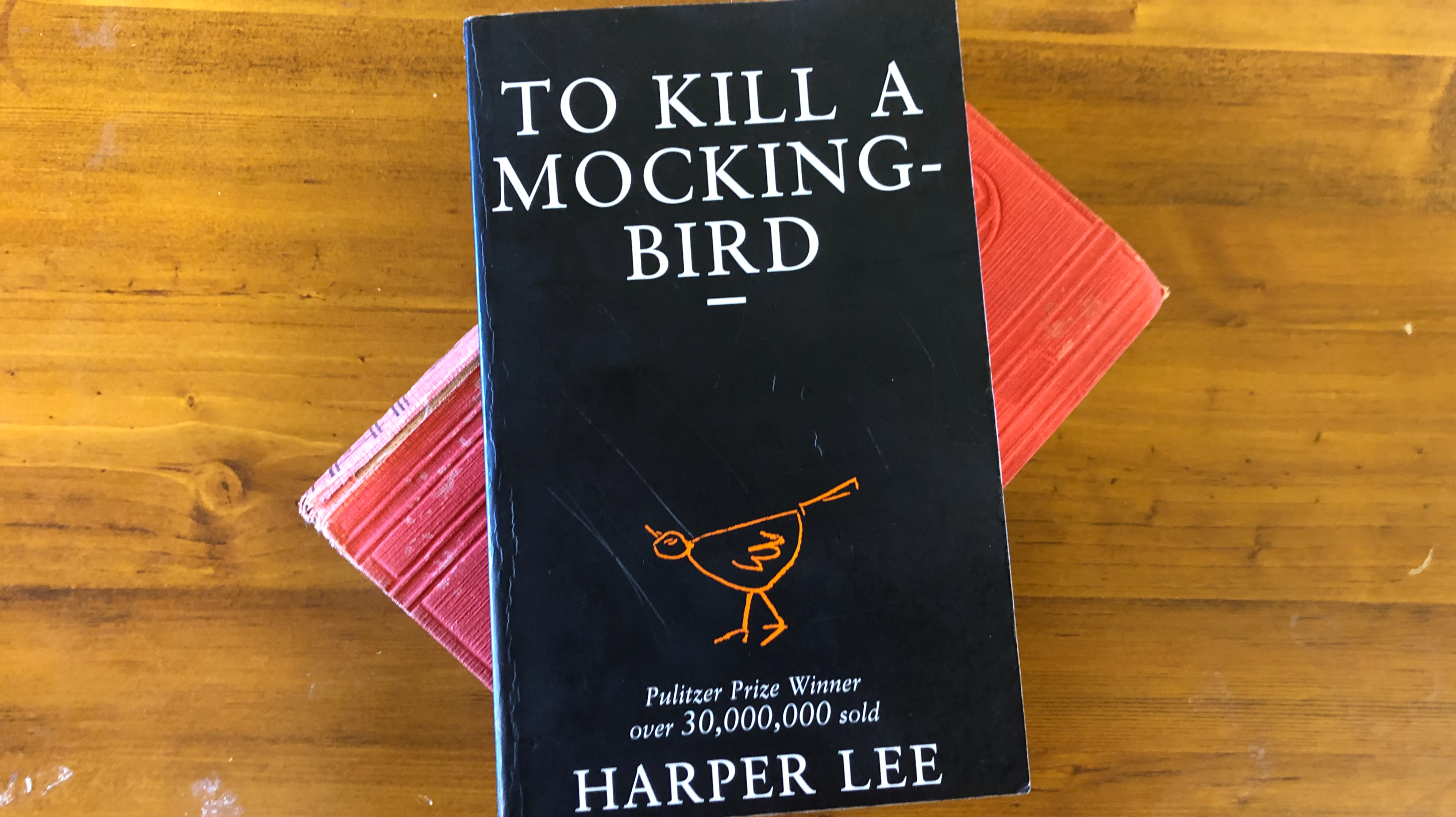
A Favourite Classic Novel: ‘To Kill A Mockingbird’ by Harper Lee

This is such an important book. Through the eyes and experiences of six-year-old Scout Finch, the reader comes to understand key lessons about prejudice, equality, and personal integrity that profoundly influence the way they see and interact with other people. 

The story is told in a very matter-of-fact manner, yet it is laden with irony and quite intricately constructed layers of meaning that give it depth and enable it to have a powerful effect on the reader. The simplicity of Scout’s questions contrasts with the significance of the behaviour and beliefs challenged by her perplexity, while the wisdom of the adults to whom she turns for answers inspires the reader, too. 

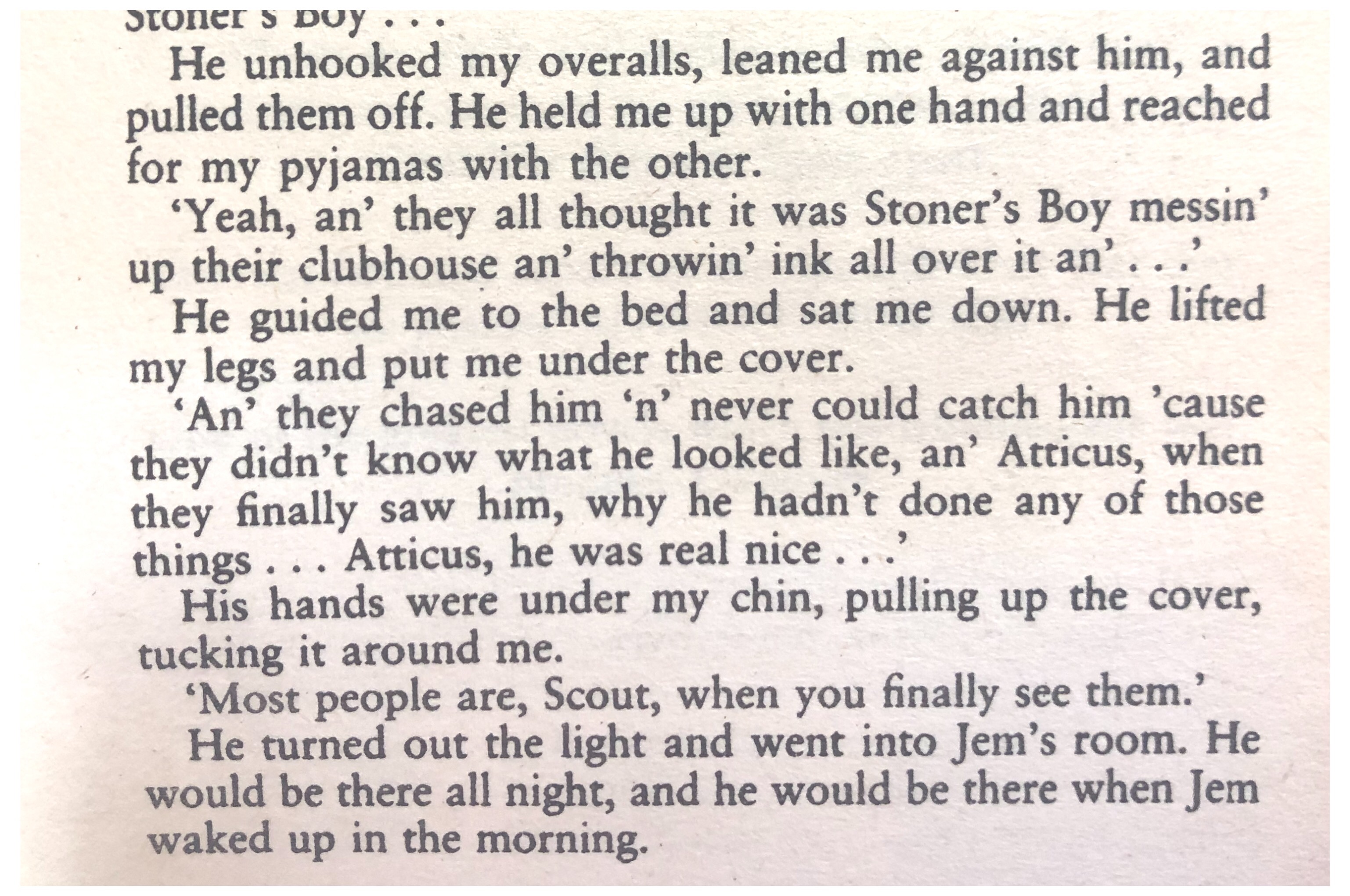
I have numerous favourite scenes and quotations from this book, but the one I love most is the tender scene between father and daughter at the close of the book, which really emphasises the message of the book as a whole: 

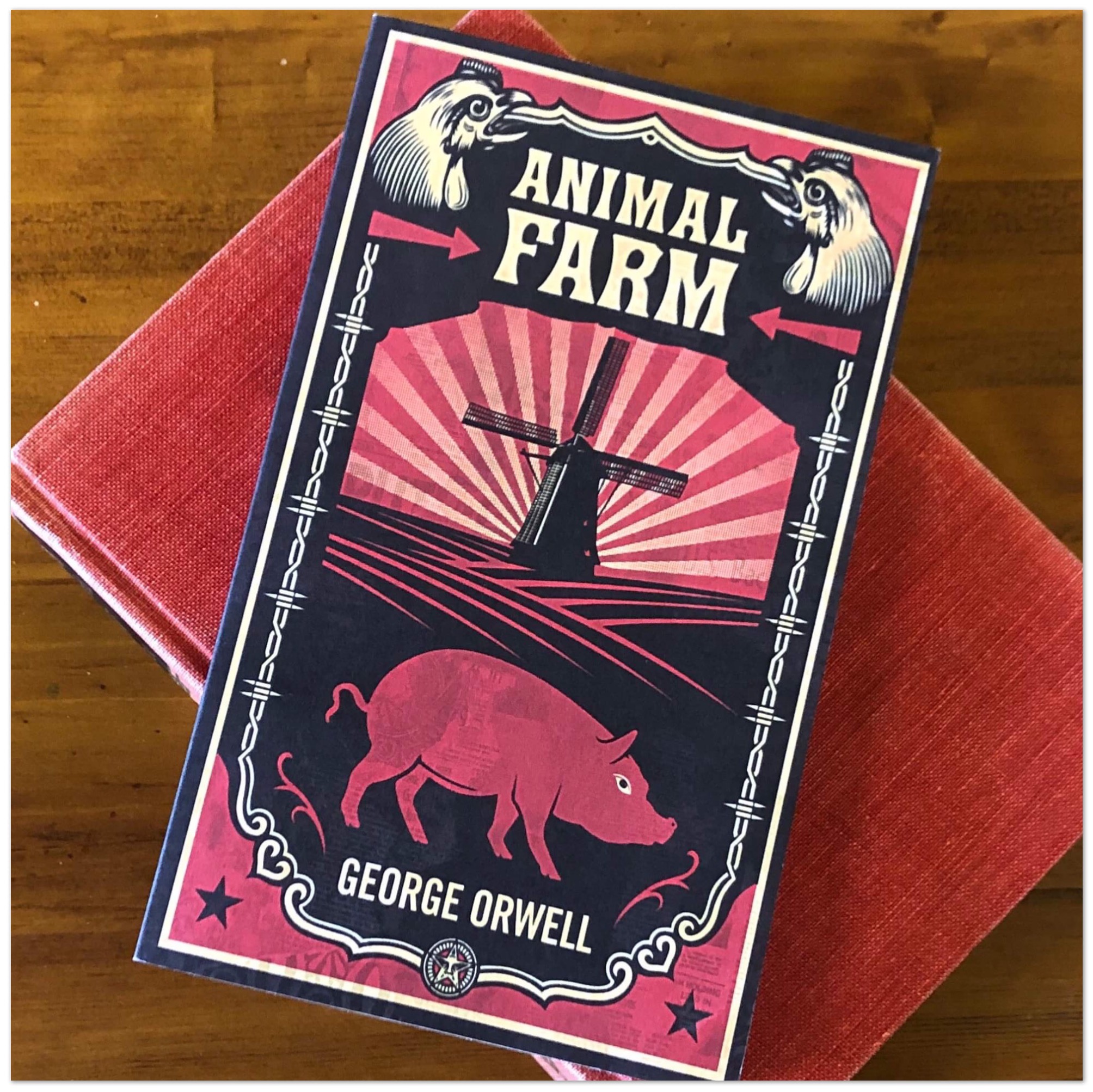
A Favourite Classic Book: ‘Animal Farm’ by George Orwell

This novella is a genius piece of political satire based on the events leading up to the Russian Revolution in 1917 and the rule of the dictators who followed. 

The allegorical use of animals on a farm enables the author to be critical and insightful without making direct accusations. Indeed, the most effective use of insinuations and suggestions is a trait that Orwell shares with Snowball and Napoleon, the two most prominent characters in the book. 

As the plot moves from incitement to revolution and then tyranny, each phase of influence and control is cleverly and powerfully exposed as those in charge exert their will over the rest of the characters.

Although it was published seventy years ago, this brilliant work retains a great deal of relevance today because, in all honesty, politics and politicians haven’t really changed that much. 

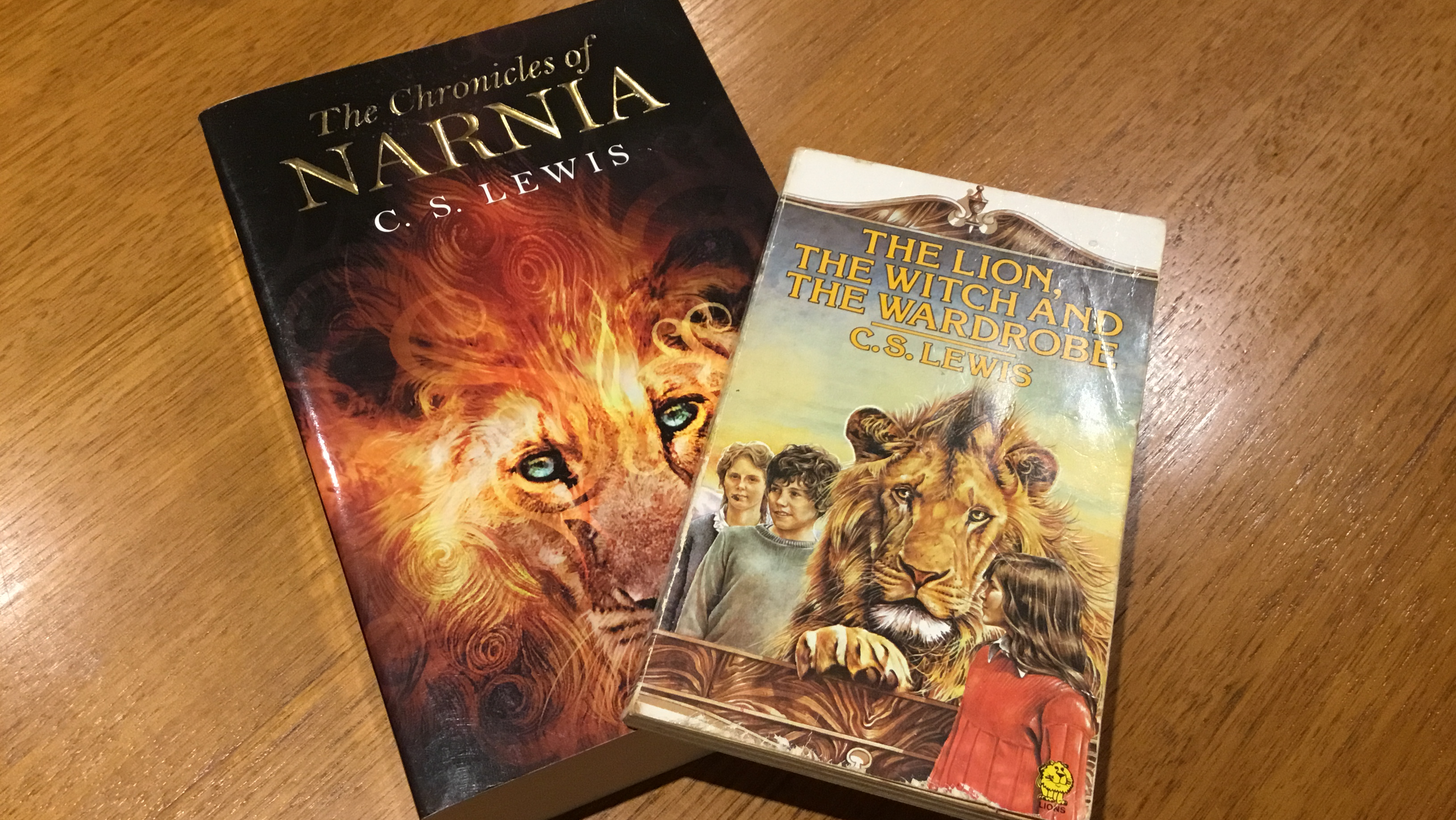
A Favourite Classic Series: The Narnia Chronicles by C.S. Lewis

I may be cheating by covering a whole series instead of just one of the novels, but how does one choose a single favourite among such an incredible set of books?

Supposedly written for children, The Narnia Chronicles fill me with as much joy and wonder now as they ever did. They are stories that never, ever get old.

I collected a mismatched set of the books over several years as a child, and then as a teenager I indulged my slightly OCD book-neediness and bought a boxed set with matching covers. I can’t find any of the first lot, and only one of the boxed set remains on my shelf. I’ve lost a few in different classrooms over the years and others courtesy of unreturned loans, so several years ago I bought the complete set in one volume so I could read them all again.

While each book in the series is a unique and brilliant story in its own right, as a collection they are remarkably cohesive and unified.

The Narnia Chronicles really are the works of a master storyteller. 

A Favourite Classic Novel: ‘Vanity Fair’ by William Makepeace Thackeray

‘Vanity Fair’ is the story of Becky Sharp, a woman who starts out with very little and demonstrates that with ingenuity and determination, one could work one’s way up the ranks of society, despite the upper classes pretensions that this could never be so. 

Written with considerable wit and thoughtful insight, it’s a really entertaining story, but it also delivers a fascinating study of human nature and quite biting commentary on social status and those who possess it.

Although our society has changed significantly since this book was published in 1848, human nature hasn’t, so ‘Vanity Fair’ remains quite a relevant commentary on people and how they see and treat one another. 

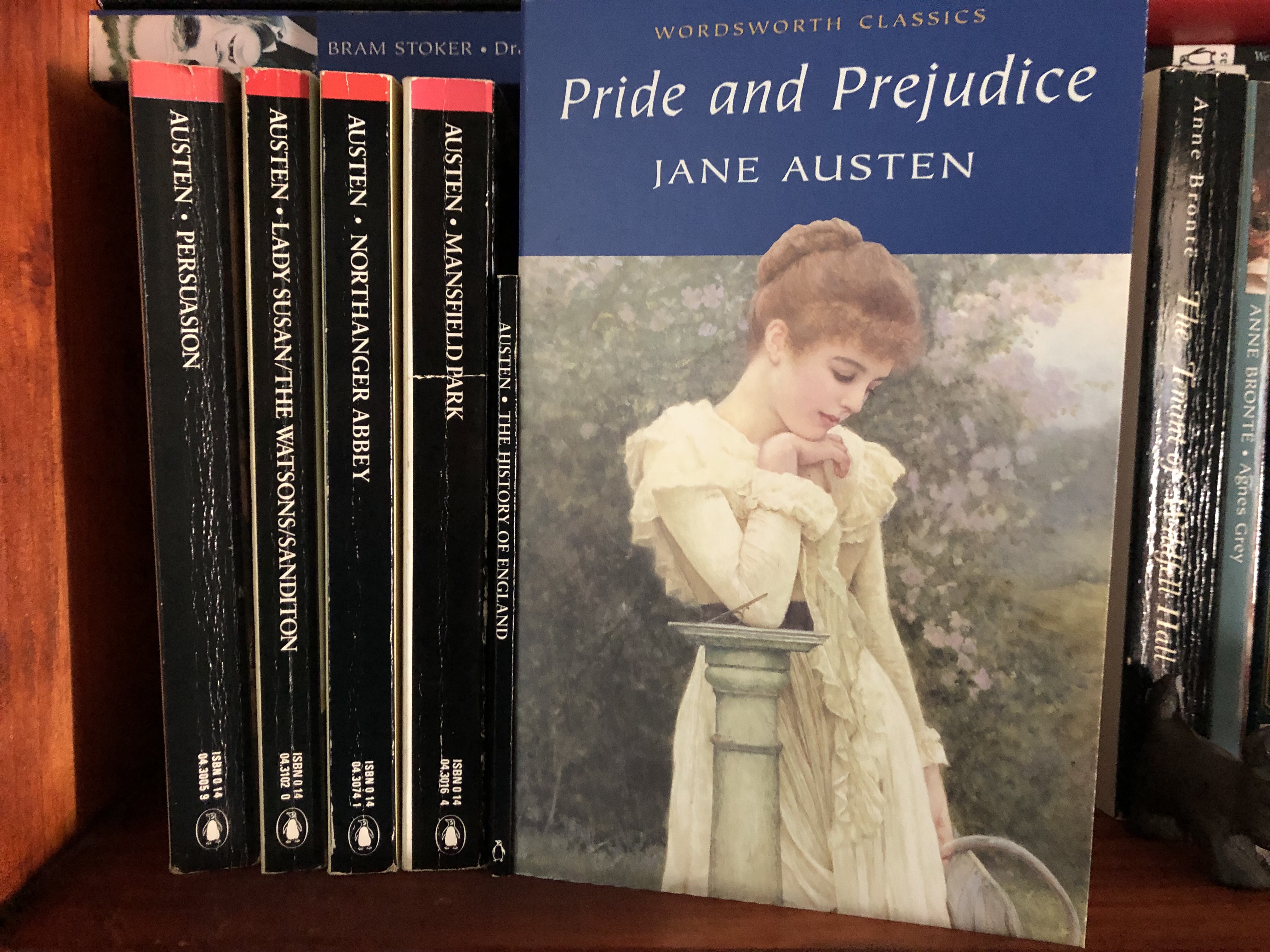
A Favourite Classic Novel: ‘Pride and Prejudice’ by Jane Austen

Many people assume that this is a book all about love and courtship. That comes into it, of course, but really only the sense that Jane Austen is blowing an enormous raspberry to the way society did those things.

‘Pride and Prejudice’ is full of delicious snark and subversive humour, parody and caricature, that make its observations far more rapier than romantic. 

Of course, Mr Darcy is smolderingly handsome and, as an introvert, I totally get that he was regretting being dragged along to that party long before he even got there, and by the time he was offending all the locals, was busy trying to think of ways to leave without anyone noticing. Further evidence of that is found in the fact that he falls for the one brainy chick who is happy in her own company and reading a book without needing someone affirming her delicate sense of self every three minutes.

Elizabeth is smart and sassy enough to stand up for herself, and to not settle for the first nincompoop who tried to marry her, nor does she agree to marry Darcy just because he’s loaded. No, she is a woman of substance.

Those things are enough to make us love them both more than the rest of the characters, most of whom are either quite socially acceptably bland or rather horrid.

If you’re not sure where to find the sarcasm,  it all starts with the very first line. Let’s be honest: what rich man, living the dream and enjoying his wealth, is desperate to find a wife to keep him at home and spend his money for him? 

Yeah. I don’t think so, either. 

May Be A Favourite Novel.

Holy Toledo! It’s already the last day of April! I’m sure I can’t be the only one feeling as though the year is rushing by at unprecedented speed… can I? 

Sadly, the end of April means it’s also the end of Poetry Month. I have really enjoyed sharing some of my favourite poems and poets with you all this month— something I may still do from time to time as the mood strikes me.

In May, I plan to balance the poetry by sharing my thoughts on some great classic novels. I won’t be working from a definitive “most popular” list: rather, my list is a highly subjective collection of personal favourites. 

Of course, I will also continue to take the opportunity to share all those riveting highlights of my life— I never wake up expecting to be fascinating, but it just keeps on happening!— and to explore and discuss relevant points of interest for Indie authors as they come up, as I try to do.


A One-Off Inscription.

There is more truth than most people realise in the jokes about authors killing people off in their books.

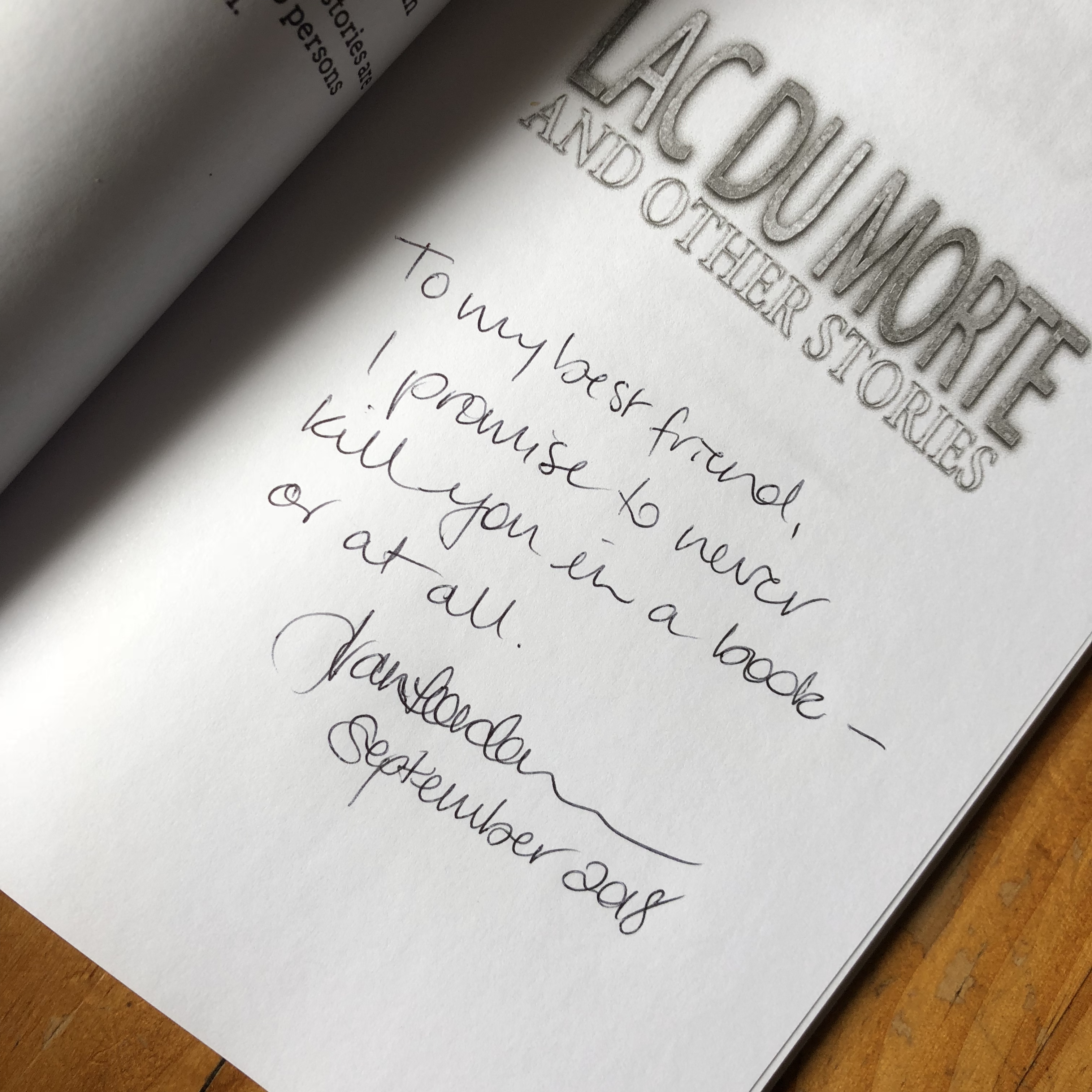
Yesterday I signed a paperback copy of my latest book for my best friend. I have written something personal and unique to her and our friendship in her copy of every one of my books.

Yesterday’s effort was by far my favourite.

2018-09-22 13.40.06

You should understand that this is not a promise I’m willing to make to just anyone. Anyone who has read ‘A Poet’s Curse’, for example, will have worked that out very quickly.

Jokes are frequently made about authors putting people in a book and killing them, but most don’t realise just how satisfying and therapeutic that can be.

Oh, we change the name and some minor details, but the important thing is that we know who we’re finishing off, even if the rest of the world doesn’t. And you know, it is important to conceal the true identities of our victims because, in the end, nobody wants it to backfire or get ugly.

I have, in fact, had a number of people ask me if a particular poem or story was about them. Rather than confirming or denying anything, I’ve gone the “self-examination” route. Each of them received the same answer: “If you think that’s a possibility, I suggest you to take a long, hard look at yourself and how you treat people. It might be time to do some repairs.

As an author, I can have my macabre little cake and eat it, too. And as an extra reward for good behaviour, I get to keep my best friend. Bonus!

10 Authors Who Have Inspired Me.

These authors have left their fingerprints on my life… and on my writing.

A couple of friends on Facebook tagged me in this challenge last night:

For those authors out there, list 10 other authors/individuals who’ve made an impression on you or who have helped influence your writing in some manner.

This is the sort of tag challenge I enjoy, because it gives me an opportunity to acknowledge some of the influences who have helped me to become the writer that I am today.

I’m a total bookworm, and I know I’ve read many, many magnificent books in my time. They’ve all contributed to my imagination, my understanding of the world, and the wellspring of ideas that flow through my brain and into my words.

The ten I’ve listed here are authors whose work I have consciously aspired to honour in my own writing, either stylistically or in the themes and ideas I regularly explore.

None of the names on this list will surprise anyone who knows me. Those who have read my work probably won’t be too surprised either – not because I have copied them, but because of the “trace evidence” in various poems or stories I have written.

This list is presented in no particular order, because I couldn’t possibly rank them. I wouldn’t even know where to start.

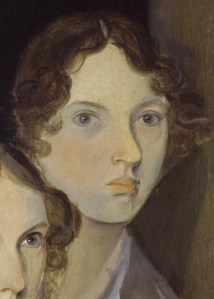
Emily Bronte

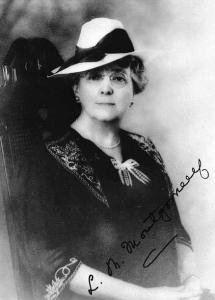
L.M. Montgomery

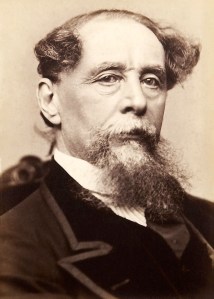
Charles Dickens

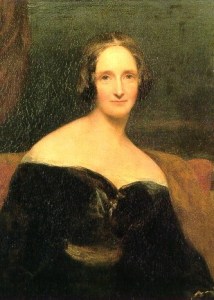
Mary Shelley

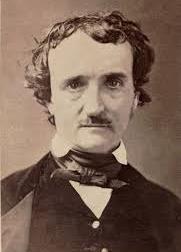
Edgar Allan Poe

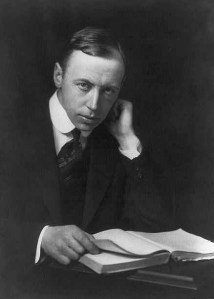
Alfred Noyes

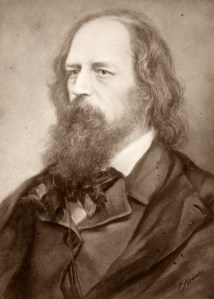
Alfred, Lord Tennyson

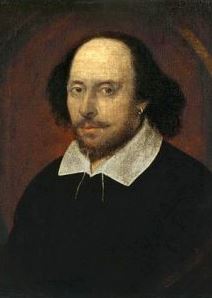
William Shakespeare

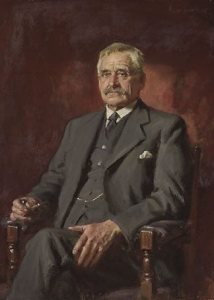
A.B. “Banjo” Paterson

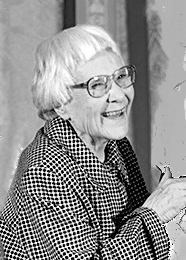
Harper Lee

I’d love to know…

Are any of these authors a favourite of yours?

Who has inspired you?

Whose books have you loved reading?