Why do we call the W ‘double U’ instead of ‘double V’?
For the answer to this, we need to go back to Rome, where they made no distinction V and U, nor between the letters I and J, even though one of each pair is a vowel and the other a consonant.
This means that in Roman times, these pairs of letters– U and V , and I and J –were what we call allographs. An allograph is an alternative form of the same letter, like upper and lower case letters, or the same letter in plain or italic, or in different fonts. Replacing one with the other does not change how the words are said.
Thats why you’ll see AVGVSTVS instead of AUGUSTUS or IVLIVS instead of JULIUS on old Roman coins.
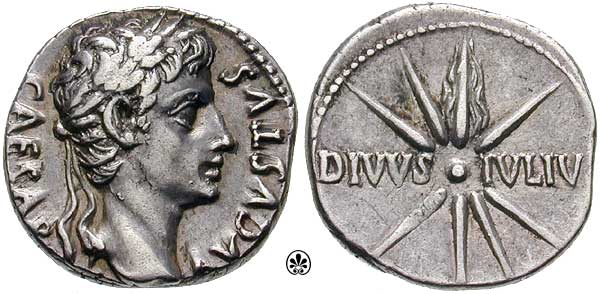
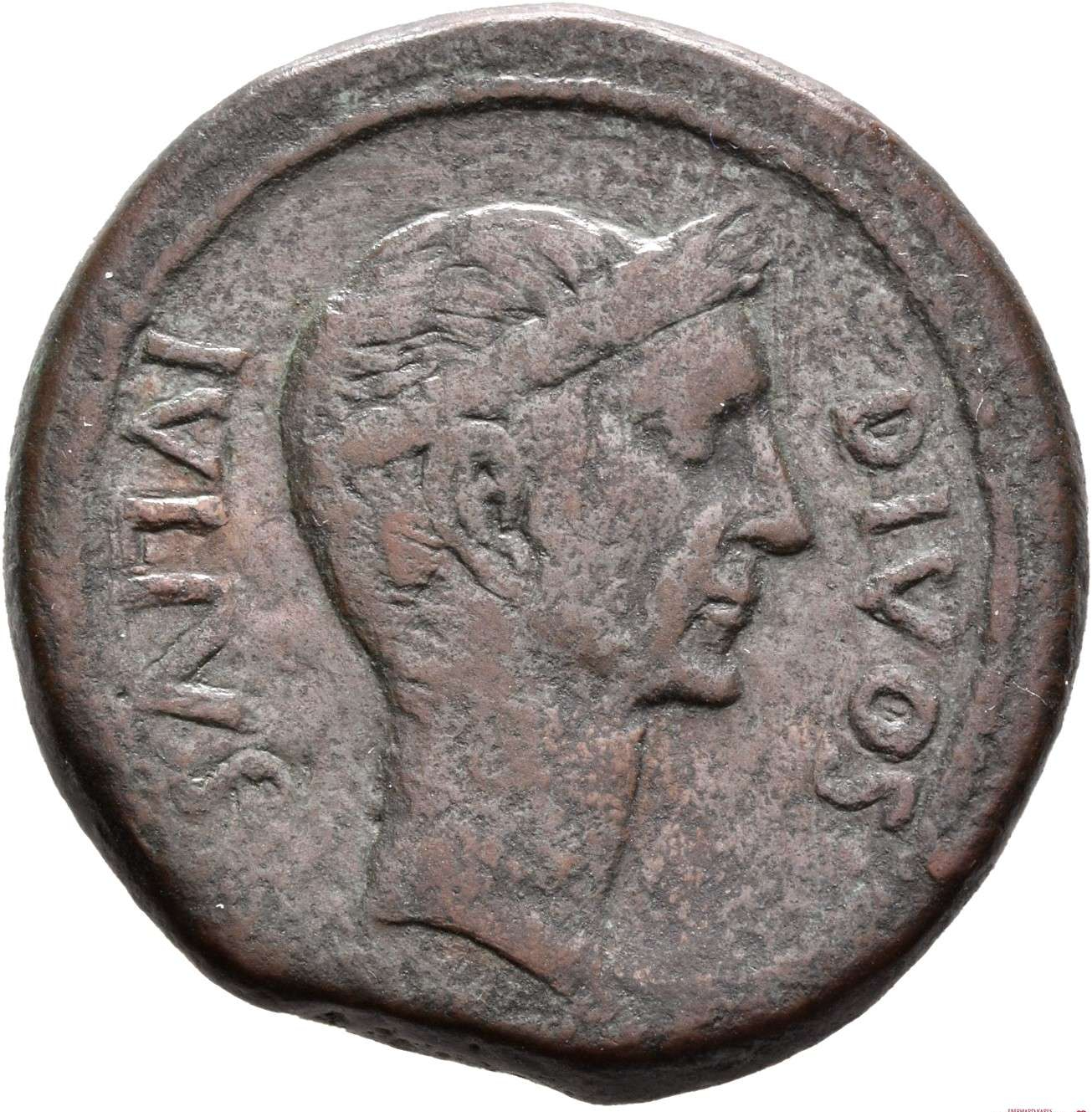
Images used under Creative Commons Licences: Image 1 Image 2
The Romans did not have a letter for the /w/ sound because they didn’t really use it. In contrast, the Anglo-Saxons of early medieval England used the sound a lot in their language, so they needed a letter for it when they started writing things down using the Latin alphabet instead of the runic alphabet they had used previously. They originally wrote it as uu– which makes sense as the /w/ sound comes right at the end of the long /u/ sound– but then reverted to using the runic character wynn to represent the sound. When the Normas arrived in England in the 11th century, they brought back the usage of the conjoined uu to represent the /w/ sound, and it literally became the double U.
Even in today’s English, the previous identity of U and V is reflected in the varied spelling of similarly pronounced words such as flower and flour, guard and ward, or lour and lower.

Sources:
Grammarphobia
Lexico.com
Why the W is called ‘Double U’ instead of ‘Double V’.
Tweet
#English #language #history
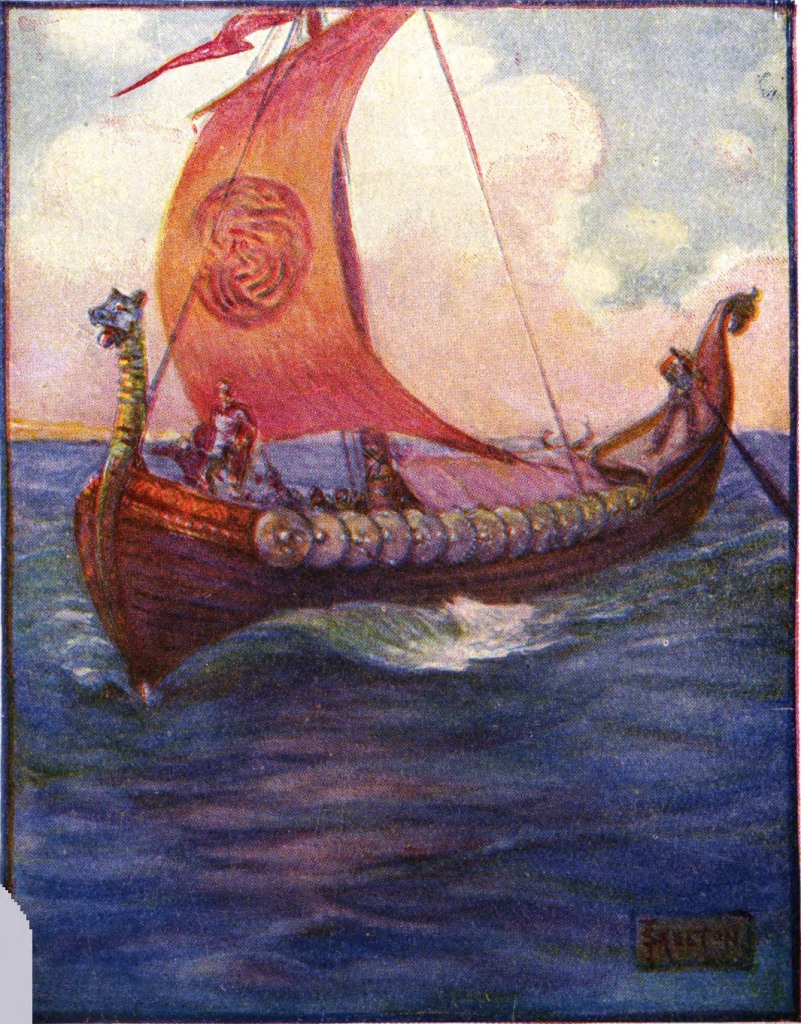
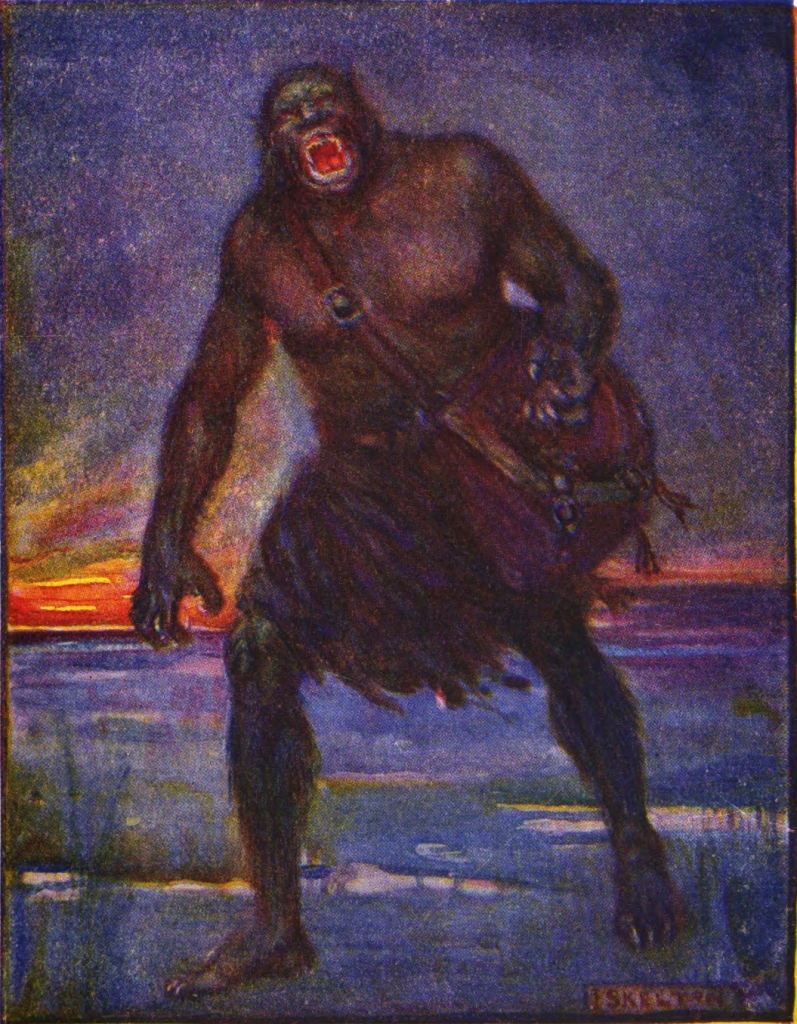
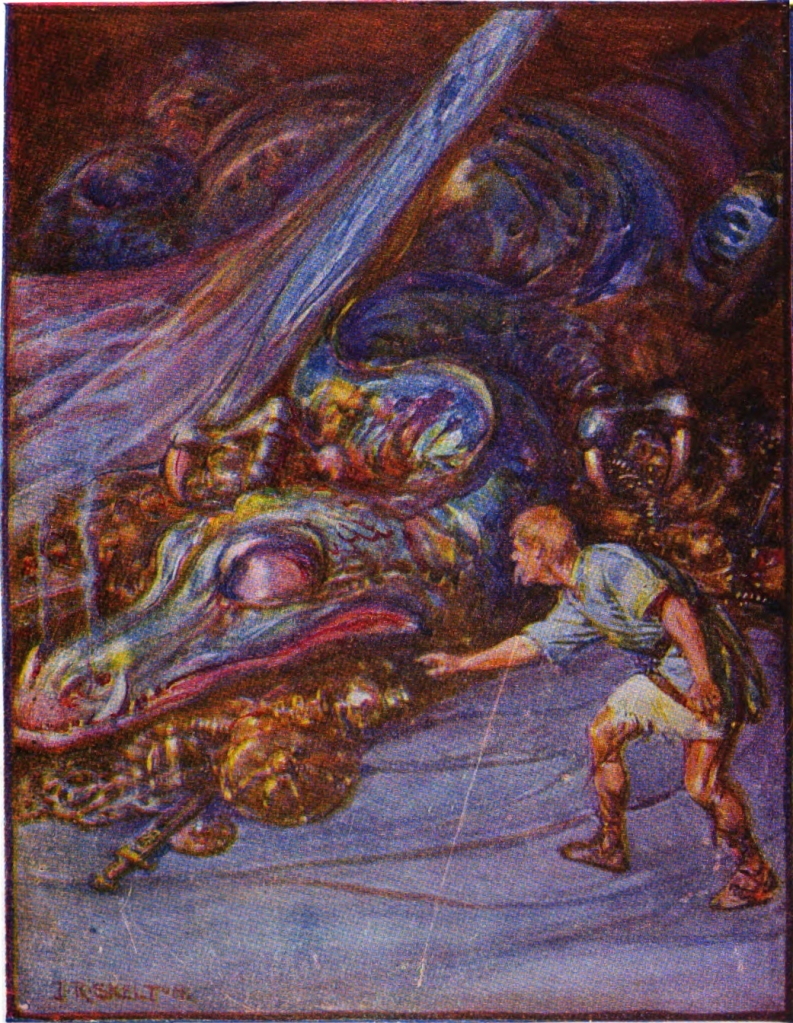
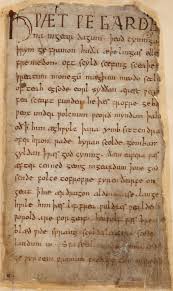 After being passed down as an oral tradition for centuries, Beowulf was written down somewhere between the eighth and tenth centuries in Old English, the language that the Anglo-Saxons spoke in Britain. We don’t know who wrote it, or exactly when or where it was written down, or if the characters in the poem really existed. The single manuscript that still exists was written in two different people’s handwriting. The poem could be one traditional tale, or a combination of a number of folk tales into one great story. There was a Swedish king named Hygelac who died in 521AD, so it is possible that some or all of the characters were based on real people.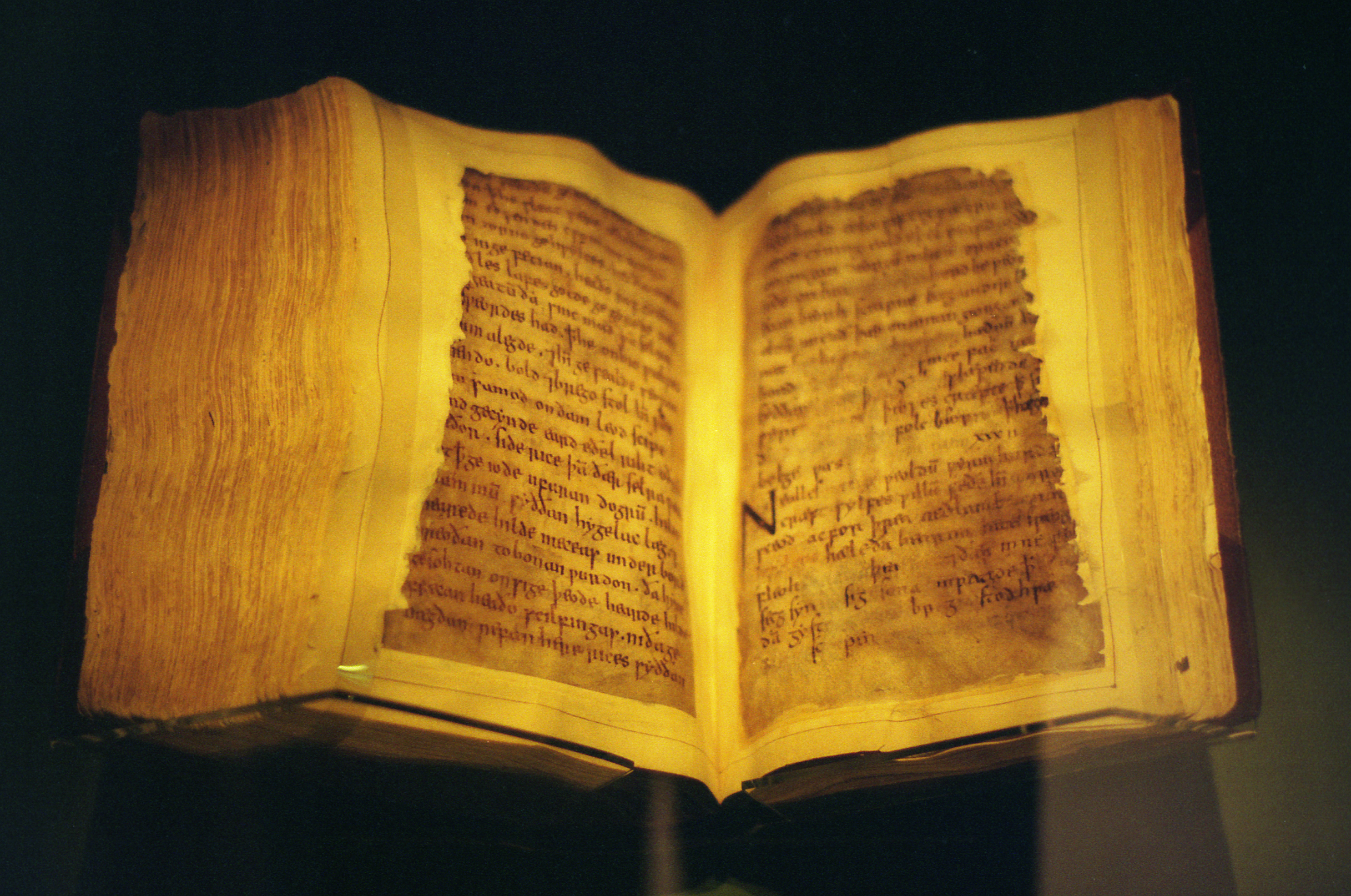

 WordyNerdBird