Women in History: Boudicca

Boudicca, also known as Boadicea, was queen of the Iceni tribe in the first century AD. 

The Iceni people lived in south-eastern England at the time when the Romans were invading and taking possession of the land. When the Roman forces gained control of southern England in 43AD, they allowed the Iceni king Prasutagus and his queen, Boudicca, to continue to rule.  

This changed when Prasutagus died: the Romans assumed direct control and confiscated the property of all the Iceni families that were considered important. Boudicca was stripped and flogged  and her daughters were raped. Not surprisingly, the resentment against the Romans grew in intensity and became more widespread.

In 60 or 61 AD, Boudicca and the  Iceni seized the opportunity to rebel while the Romans were distracted by a military campaign in North Wales. Other nearby tribes, also resentful of the Romans, joined the uprising.

As the Romans soon discovered, his was not just some local skirmish or a it of grumbly discontent.

Boudicca and her warriors not only defeated the Roman Ninth Legion, they destroyed the city of Camulodunum (Colchester), at that time the capital of Roman Britain, then killed thousands of people as they sacked the cities of Londinium (London) and Verulamium (St Albans). 

The scale and decisive nature of the rebellion caused Nero to consider withdrawing from Britain altogether. 

Finally, Boudicca’s forces were  defeated by a regrouped Roman force led by the Governor, Gaius Suetonius Paulinus himself. It was a crushing defeat in which many Britons were killed.  

While some claim she died of an illness, Boudicca is widely believed to have poisoned herself tather than being captured by the Romans. It does seem a fitting final act of defiance for that strong, brave and very angry woman to die in her own terms and not at the hands of the overlords she hated.
Women in History: Æthelflæd

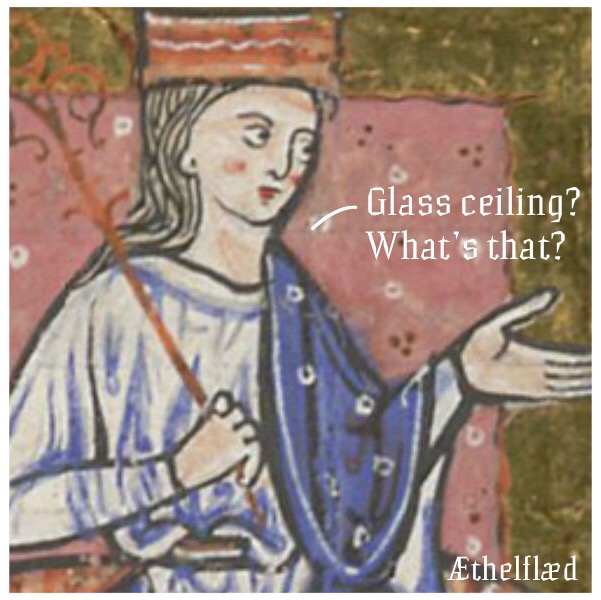
Meet one of my favourite women in history: Æthelflæd, Lady Of The Mercians.

In today’s Women’s History Month post, I want to introduce you to another favourite feisty English princess: Æthelflæd, Lady of the Mercians.

Born in 870  as the first daughter of King Alfred the Great and his wife Ealswith,  she grew up in a kingdom plagued by Viking invasions and increasing Danish domination of lands the had until recently been other Anglo-Saxon kingdoms. 

In 878, the tide began to turn when Alfred defeated the Danes at the Battle of Edington, and  Æthelred  became leader of the the half of Mercia that was still under English control. As Lord of the Mercians, he acknowledged Alfred as King over all the English people who lived in areas not controlled by the Vikings. This alliance was sealed by the marriage of Æthelflæd to Æthelred. 

Not content to be a political pawn, Æthelflæd established herself in Mercia as a very capable co-ruler with Æthelred, and when his health began to fail, she took on the responsibilities of rule. When he died in 911, she assumed sole leadership of the kingdom and ruled in her own right as the Lady of the Mercians. 

This was the first time a woman had ruled an English kingdom, and she did a brilliant job of it. She fought against the Danes alongside her father and then he brother Edward, who became King on the death of Alfred in 899, enjoying victories that led to the Viking rulers of York offering her their loyalty in 918. However, Æthelflæd died before she was able to accept their offer and Edward absorbed Mercia into his own kingdom. 

RClearly, Æthelflæd was a woman who was not content to take a passive role in either history or her own life. She recognised no glass ceilings, and showed most of the men around her— including her own brother— how leadership should be done. 

To learn more about this fascinating woman, I recommend Annie Whitehead’s fabulous work of historical fiction, To Be A Queen.

Women in History: Matilda

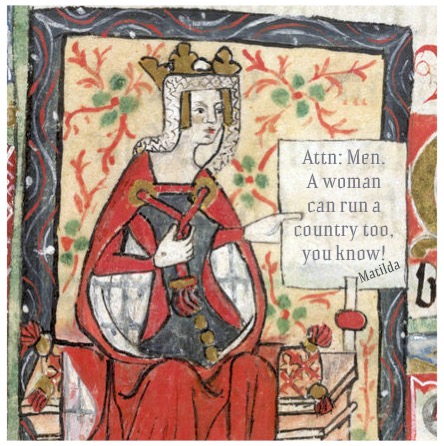
Matilda, also known as Maud, has long beem one of my favourite feisty women of history. Long before it was acceptable, let alone fashionable, she knew what she was entitled to, did everything in her power to get it, and refused to let any man tell her what she could or could not do. 

The daughter of Henry I of England, Matilda was born in London in 1102.
Her brother, William the Aetheling, was heir to both the English and Norman thrones. Matilda was married twice, both times in the interest of Political alliances that would help to protect strengthening Normandy against the French. In 1114 she was married to the German Prince Henry, who would later become the Holy Roman Emeror Henry V, but she was left childless and a widow when he died in 1125. In 1128 she married Geoffrey of Anjou, who gave the Plantagenet dynasty its name.

Her brother diedin 1120, making Matilda Henry I’s sole legitimate heir, and although a woman had not  ruled either England or Normandy on her own before, Henry forced his baronsto accept her as his successor. However, her marriage to Geoffrey was unpopular because the barons had insisted that Matilda should not be married out of England without their consent. In 1133, Matilda gave birth to her first son, giving the barons hope of a different heir, but he was only two when Henry I died.

In a swift and powerful coup, the English throne was taken by Stephen of Blois, grandson of son of William the Conqueror by his daughter, Adela. The church and most of the baronage supported Stephen, but Matilda’s claims were powerfully upheld in England by her half brother Robert of Gloucester and her uncle, King David I of Scotland.

A series of battles, captures and exiles ensued in a civil war between Matilda and Stephen and those loyal to each of them, a period referred to as The Anarchy. Never one to give up, Matilda kept on fighting despite the gradual attrition of her supporters, and managed to take Stephen as her prisoner at Lincoln in 1141.

A clerical council at Winchester acclaimed her ‘The Lady of the English” and she made a victorious entry into London, but the people thought her haughty and greedy, and rejected her before her coronation. She fled to the west of England, after which her support base continued to be depleted.

Matilda retreated to Normandy in 1148, and instead of fighting to regain her throne, sought instead to secure the position of her eldest son, Henry, who became duke of Normandy in 1150 and King Henry II of England in 1154. While Henry was active in ruling England, it was Matilda who oversaw and maintained the European elements of his kingdom.

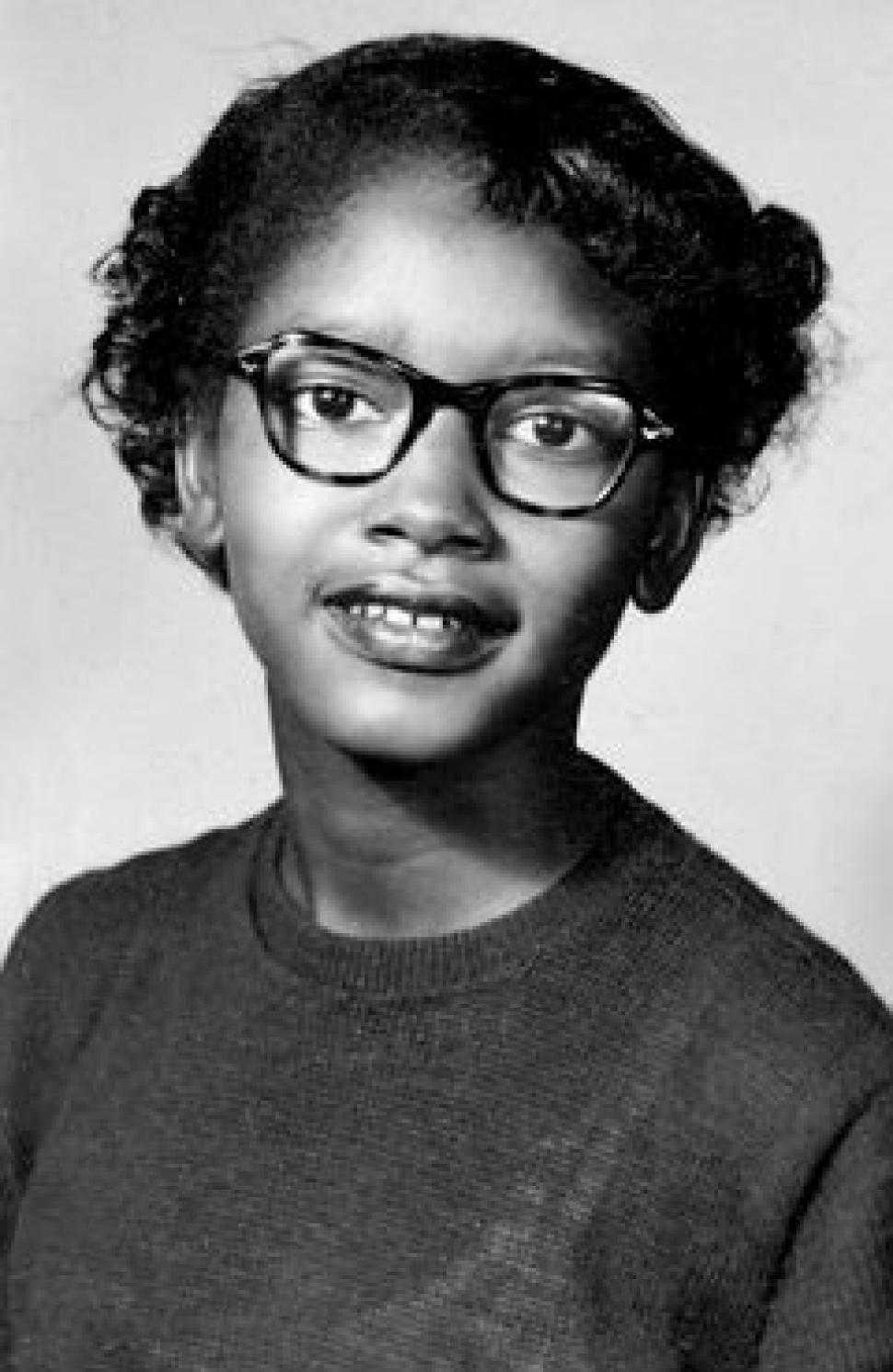
Women in History: Claudette Colvin

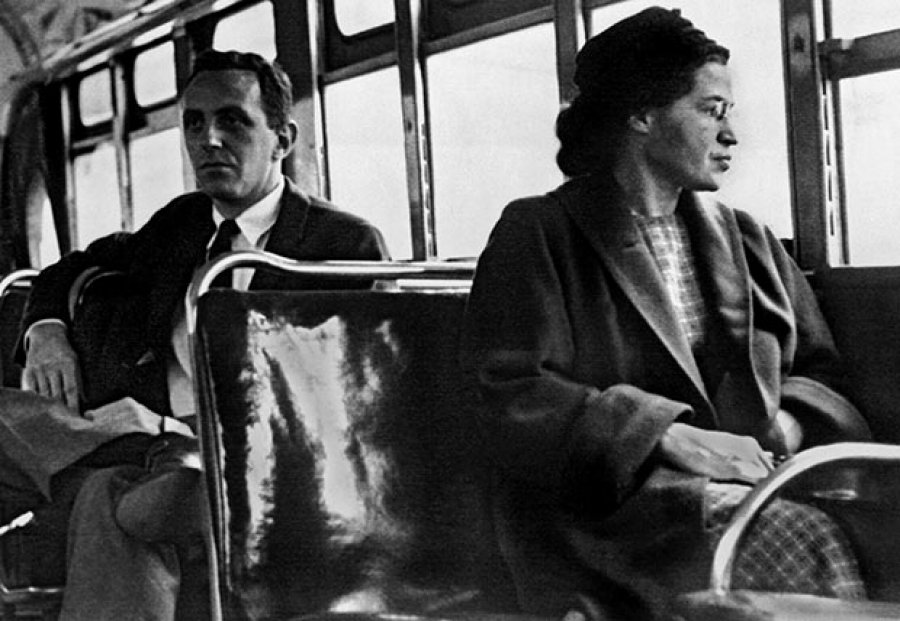
We’ve all heard of Rosa Parks, and rightly so. Her refusal to give up her seat to a white person on a segregated bus sparked the Montgomery Bus Boycott and was a pivotal moment in the Civil Rights Movement in the United States. 

The very bus on which she rode is in the Henry Ford Museum in Detroit, commemorating her actions and their importance in the history of the nation. 

Have you, though, heard of Claudette Colvin? 
Probably not. But you should have. 

Nine months before Rosa Parks’ defiant actions, fifteen year old Claudette Colvin was riding a segregated bus home from school in Montgomery, Alabama, and refused to give her seat up for a white woman. 

Source: Claudette Colvin Biography, https://www.biography.com/people/claudette-colvin-11378 Accessed March 13, 2019

Colvin was arrested and tried in juvenile court for her defiance.  Her mother discouraged her from speaking publicly about her actions, preferring to let Rosa Parks take the spotlight. 

I have to wonder, though: just how much did Claudette Colvin inspire Rosa Parks to refuse to give up her seat? And why aren’t we taught with equal admiration about this brave young woman who made her stand by remaining seated?

I am sure of one thing, though: I will be including Claudette Colvin in my lessons on the Civil Rights Movement from now on. My fifteen year old students need to know that nobody is too young to change the world for the better. 

Lucy Maud Montgomery.

Another of my favorite women in history is Lucy Maud Montgomery, author of ‘Anne of Green Gables’.

That book, and those that follow it in the series, have been lifelong favorites of mine.

This post is one I wrote when my brother Sean and I visited Prince Edward Island and stayed with my wonderful friend Audrey, who lives on the island and was a very willing tour guide for us.

We visited a number of places related to Lucy Maud, experiences which only deepened my love and admiration for this most excellent and inspirational writer.

wordynerdbird's avatarAn Aussie Maple Leaf, adrift on the wind...

Lucy Maud Montgomery is famous as the author of “Anne of Green Gables” and many other books. She was also a poet – something I did not know until today!

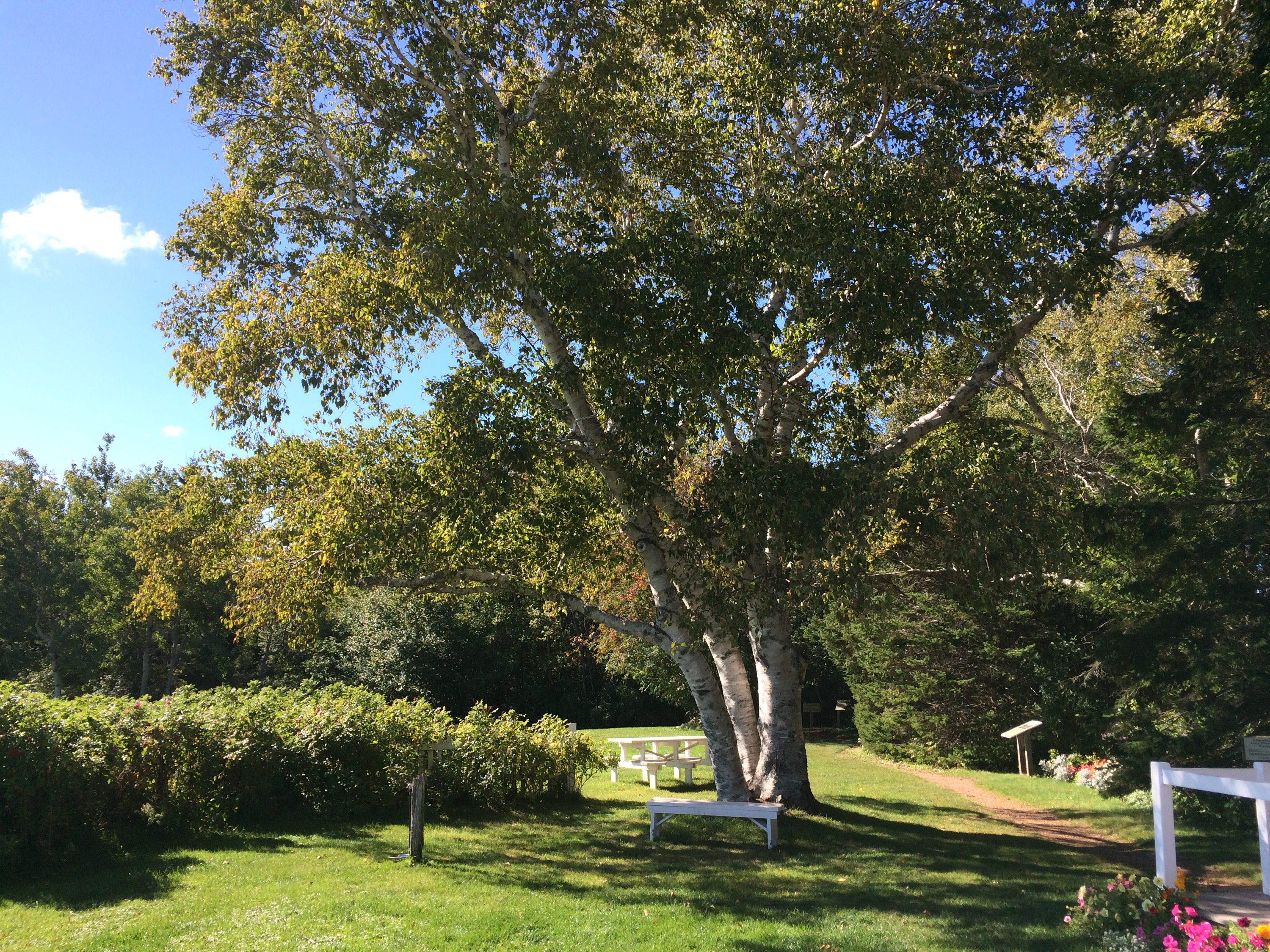
In addition to visiting Green Gables, I also visited he site of the home in which Montgomery lived with her grandparents at Cavendish and her birthplace at New London, on Prince Edward Island.

Both of these experiences were lovely. The home of Montgomery’s grandparents is no longer standing, but the site is commemorated by a rustic bookstore which specialises in book by, and about, Montgomery.

Walking through the house in which Montgomery was born was both fascinating and quite moving.

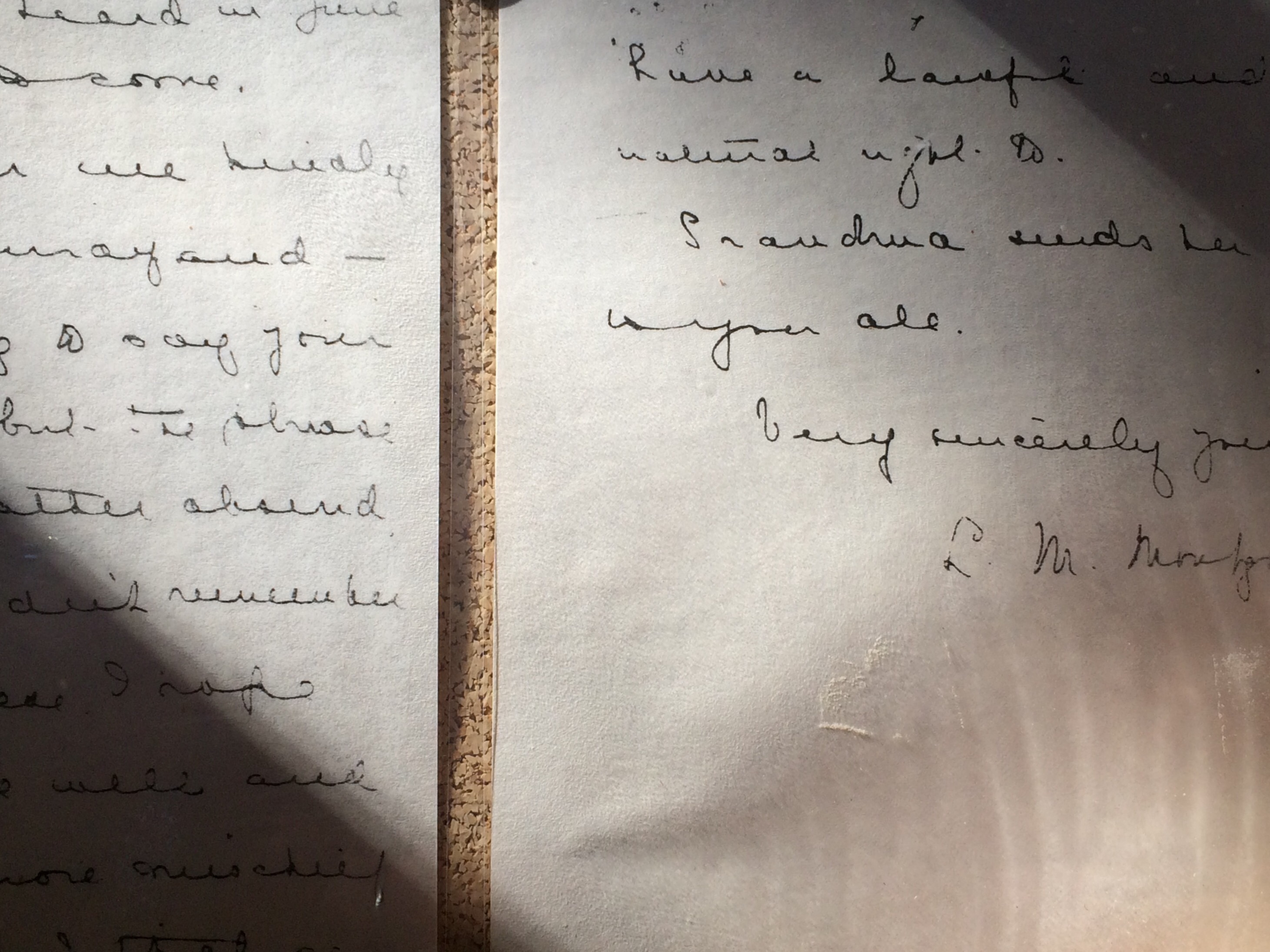
To see letters handwritten by her, clothes and shoes that she wore, and to walk on the very same floorboards and stairs that she walked on as a child had a very profound effect on me. I have always felt…

View original post 187 more words

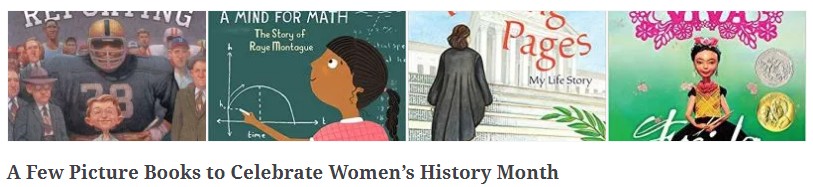
A Few Picture Books to Celebrate Women’s History Month

This is a wonderful collection of children’s books that celebrate significant women in history.

I’m also very encouraged to see that the women featured in these stories are from different countries and cultures.

What a brilliant way to celebrate Women’s History Month in a way that inspires and educates our kids!

Pernille Ripp's avatarPernille Ripp

Last week, before the calendar switched to March, I changed our book displays in our classroom. Not because we stop celebrating Black history and excellence but because we wanted to add the component of females in history.

I was asked if I would share my list here, and while I don’t mind sharing it, I will say that it has holes. While I wanted to showcase an inclusive mix of picture books, I am still adding picture books that go beyond the well-known stories. I feel like there are many unknown women whose picture books are not on our shelves at the moment, so I am working on finding these for the future. I also want to continue to work on including more indigenous or First Nation stories, as well as stories of women who defy the narrow definition of their gender.

So what is gracing our shelves right now?

View original post 76 more words

Laura Secord.

Originally posted on An Aussie Maple Leaf, adrift on the wind…:
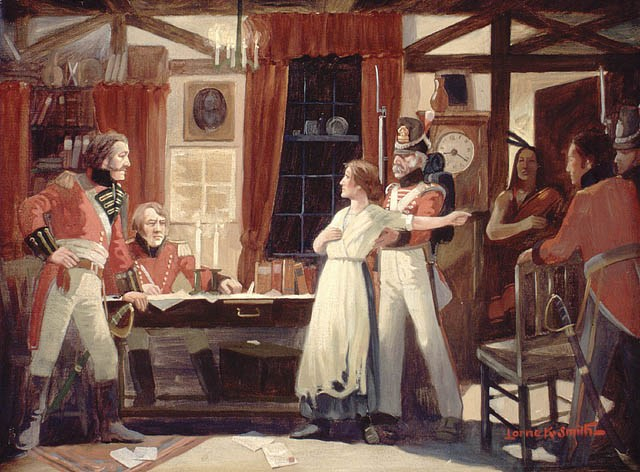
Laura Secord was an incredibly gutsy woman.? When she overheard plans by the Americans to attack the British soldiers defending Canada in the War of 1812, she walked almost 20 miles from her home in Queenston to warn them. She was determined to get…

One of my favourite Canadian women in history is Laura Secord.

I’m sure that when you read this post, reblogged from my Maple Leaf Aussie Adrift On The Wind blog, you’ll understand why I think so much of her.

This is a post I wrote about her on the day that my brother and I visited her monument at Queenston Heights and, later in the day, her home.

Enjoy!

wordynerdbird's avatarAn Aussie Maple Leaf, adrift on the wind...

Laura Secord was an incredibly gutsy woman.

When she overheard plans by the Americans to attack the British soldiers defending Canada in the War of 1812, she walked almost 20 miles from her home in Queenston to warn them. She was determined to get the message to the British soldiers, under the command of Lieutenant FitzGibbon, at Beaver Dams, where the Americans planned to attack.

This was no walk in the park. It was over varied terrain in 19th century ladies’ shoes and clothing which, it may safely be assumed, were not designed for much other than drinking tea in parlours and visiting a shop or two on the odd occasion. She didn’t go by the main road, because she didn’t want to be stopped by more American soldiers. Even though she was afraid when she came upon a camp of Iroquois, she asked for directions and was pleased to…

View original post 196 more words

Women in History Month

February’s Women in Horror Month is done and we’ve rolled into March, which is Women in History Month.

I love reading and studying history, so my plan is to share some of my favourite historical feisty ladies with you during the course of the month.


Ambrosia.

I remember as a child going to visit friends of my parents’ for dinner, and being served a dessert called Ambrosia. I had never heard of it before, and I remember being amazed by how sweet and delightful it was. The sensation of wanting more when the little dish set before me was empty is still a very clear memory.

When I was a bit older and started reading about history, I discovered that ambrosia was a mythical substance that, having been brought to the Ancient Greek Gods by doves, became their food of choice, along with their favoured drink, nectar. Ambrosia and nectar may have even originally been the same thing, but Homer and  Sappho both distinguish between them. Given that they were present in Ancient Greece and I was not. their authority on the matter is something I am willing to accept.

Ambrosia was understood to be fragrant, powerful and reserved for the gods, who adored it because of its healing and cleansing powers, and because it took years off their physical ages. It filled them with passion and made them desirable. Little wonder, then, that they wanted to keep it for themselves! 

In time, ‘ambrosia’ was a term that became popular among the Romans as any delightful essence or concoction of food or drink, and then may have given rise to the idea of “the elixir of life” that people have been searching for ever since. 

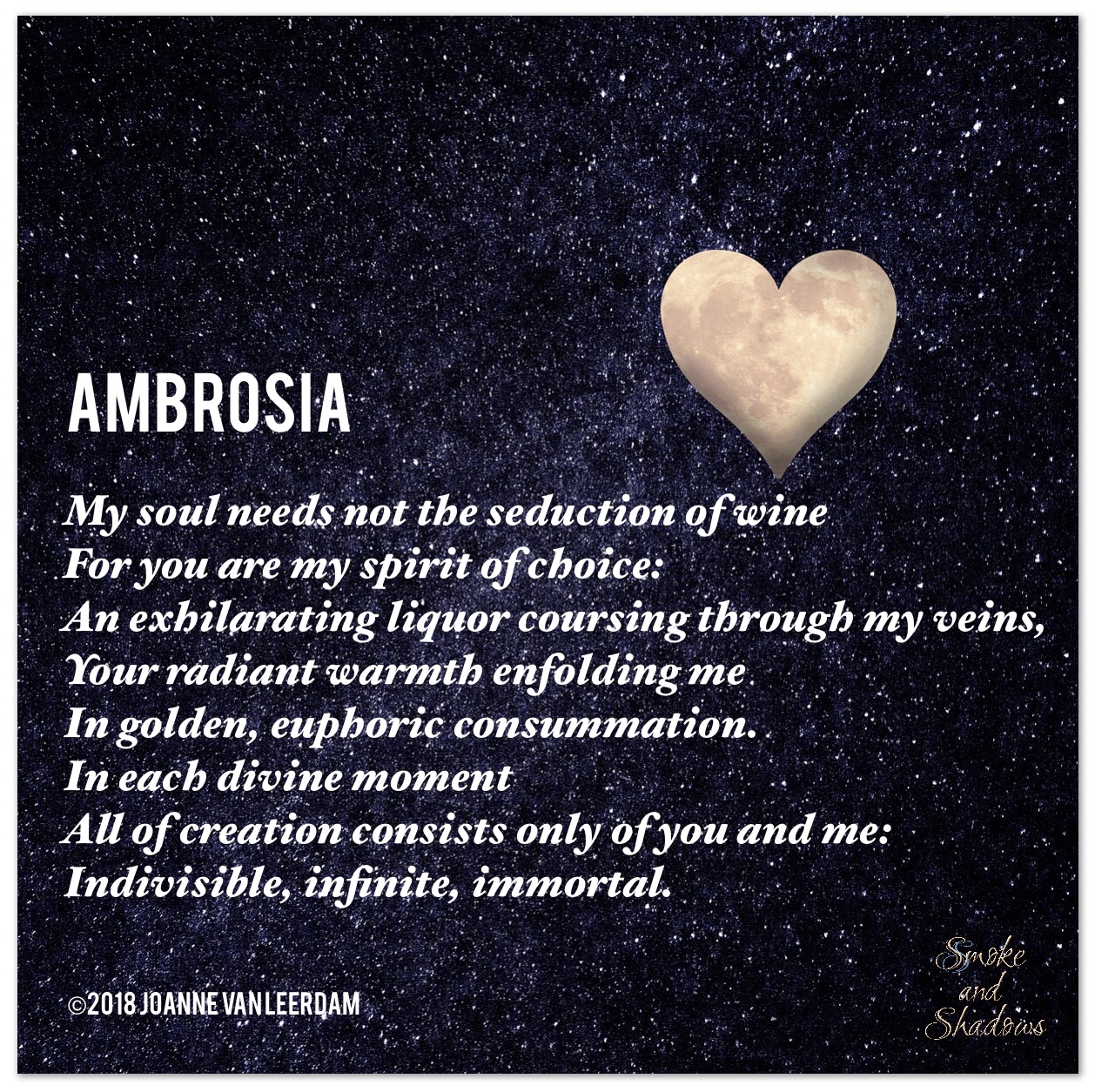
It was the concept of drinking something that resulted in passion that lasted for eternity that caused me to write my poem Ambrosia about the power of a lover’s effect on one’s life and soul. I wanted to capture that heady, addictive feeling between lovers that makes them believe nothing and nobody else matters, and that their love transcends time, place and physical limitations. 

Anyone who has experienced those feelings will relate. Anyone who has landed hard on their posterior after doing something stupid for love will probably relate, but may also mutter uncharitable things about love and romance under their breath. Those who haven’t experienced it may scoff. 

Yet the feelings and experiences described in the poem do exist, and they are what the celebration of Valentine’s Day has come to be all about: it’s the kind of love that everyone wants to find and experience, although it’s fair to say that not everyone does. 

We must remember, after all, that the legend of Valentines Day was never about flowers, candlelight dinners and fairy-tale, kissy-face wedding proposals: it began with a man being executed for something he believed in. 

At any rate, I wrote Ambrosia in honour of the love of my life who, after many years together, still hasn’t driven me to drink. I have, however, been known to do take a risk or two for the love of him from time to time, so it’s an appropriate poem to share on Valentine’s Day. 

If you appreciated this post or my poem, please click “like” so that it becomes visible to more people.

Ambrosia is publshed in my book, Smoke and Shadows.

87, Not Out.

Happy 87th Birthday to my Father.

My father was born on November 17, 1931.

Just for context, the world was still in the grip of the Great Depression, Hitler had not yet risen to power in Germany, Thomas Edison had just passed away, and Al Capone had just been sent to prison for tax evasion. Don Bradman was playing cricket for Australia and Phar Lap had won

My father grew up in Rotterdam in The Netherlands before moving to Australia with his parents and sisters. Life was certainly different after WWII, and even more different on the other side of the world where the seasons were back to front, everyone spoke English, and water swirled down the drain in the opposite direction.

If someone had told Dad in 1951 that those were not the biggest changes he would encounter in his life, he probably wouldn’t have believed them. There was, however, so much more to come, such as:

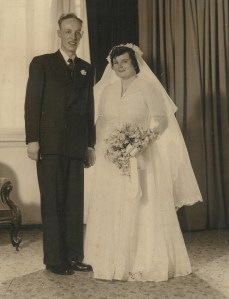
Marriage. Dad and Mum married in 1953 and enjoyed almost 58 years together.

December 19, 1953.

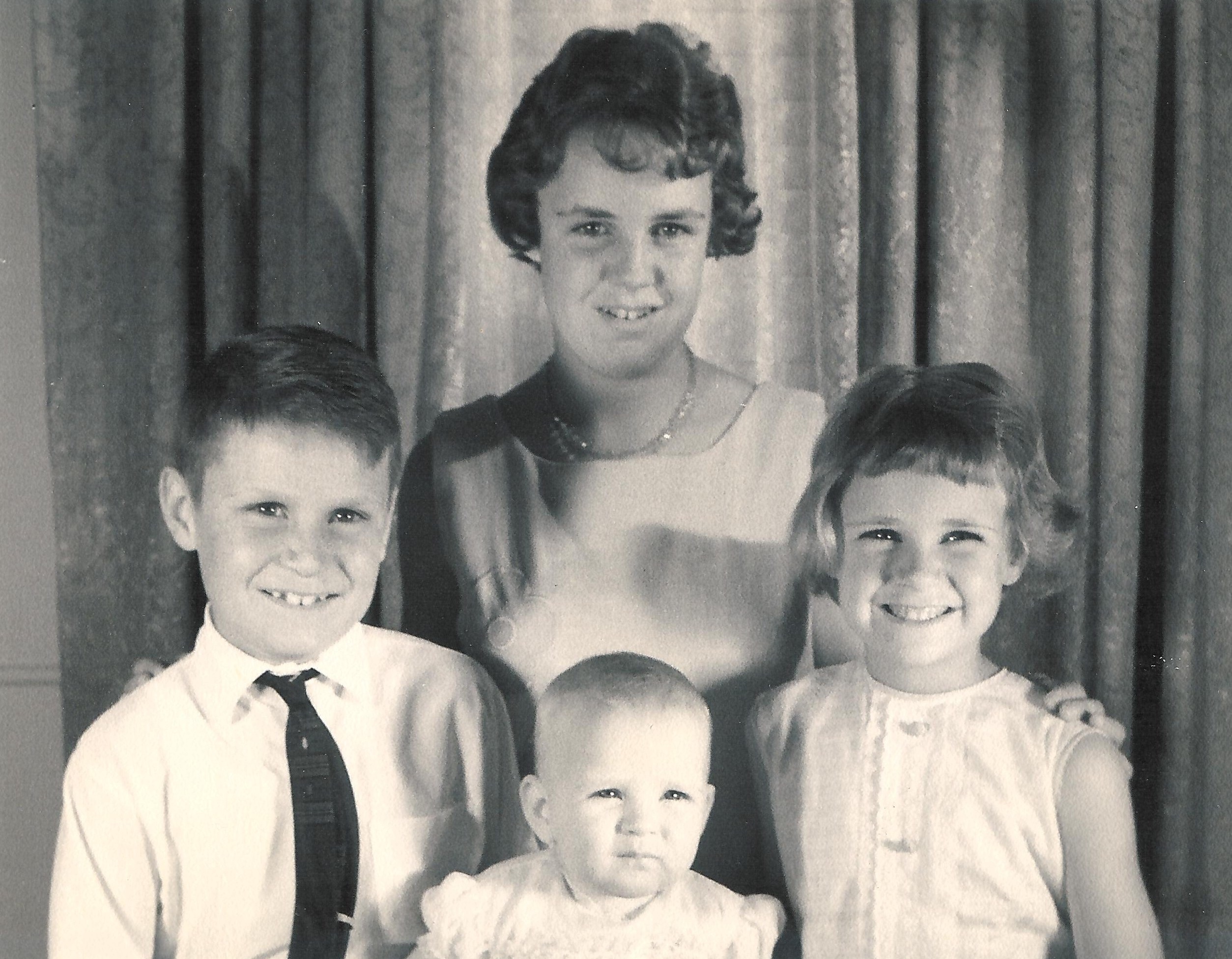
Four amazing and incredibly talented kids.

Yep, that’s me giving the photographer the stink eye. Cute, eh?

Colour TV.
Electric typewriters.
A change of career from industrial chemistry to bookstore owner.
Computers.
The CD.
Mobile phones.
The Internet.
Smart phones.
Digital books and music.
Studying online.

Dad has taken it all in his stride. He hasn’t let new things scare him off or make him feel obsolete. Time after time, he has shown his willingness and aptitude to give something new a red hot shot.

He hasn’t always found new technology easy, but once he’s got the hang of it, he’s proven that he can send a text or an email, make a call, and waste time on Facebook and Instagram as effectively as anyone can. He has been studying Biblical Hebrew online. He has the Kindle app on his iPad, on which he reads the books his daughter has written, which he has purchased online from Amazon. He also uses the iPad to listen to his son’s sermons and keep in touch with his relatives around the world. His grandchildren send him pictures of their kids via instant message, and he saves them on his phone to look at them again later.

I’m proud of my dad. Things aren’t always easy for him now, especially health-wise, but he’s still going and he’s still doing his best to enjoy all those things that make his life interesting and entertaining.

At the age of 87, he is not only the father of four but also grandfather of seven and great-grandfather to six.

He’s had a quiet day today, but he has been spoilt with a few special treats and received some phone calls from friends and family that he has really enjoyed. We’ve enjoyed some time together, too, and I treasure the moments where we can still just hang out and enjoy each other’s company.

I know it won’t last forever. Nothing does.
But my dad is still on the wicket with a score of 87, not out. Howzat?