It’s easy to read a post and move on, andeven easier to like a blog post without reading it.
But stop and think for a moment. How much more valuable to the writer, and other readers, if you actually bothered to respond. Isn’t that what you’d hope for when writing your next blog post? Nobody wants to invest time in writing something that people are just going to skim over.
Not only that, but you will gain more from the post and from the interaction with others than you realise.
You might gain new ideas or perspectives, or you might just end up feeling a little better about life.
It doesn’t have to be a long or complicated post. Even just saying “thank you” or “I liked this!” does the trick.
However, commenting on a blog post is more useful than just propping up the ego of some blogger who…
Lucy Mitchell’s experiences, as she describes in the article reblogged here, are not uncommon. Many writers, artists and musicians use their creativity to help process and deal with their mental health issues.
I share this author’s experience of gaining motivation, encouragement and purpose from writing and self-publishing my works.
Withdrawing my first book from its publisher and taking control of my publishing journey as an Indie author was incredibly empowering. Producing not just good writing but excellent books has been as source of both pleasure and pride for me, but it has also been fabulous therapy.
Every poem I write, whether it’s about mental health or a medieval princess saving herself and taking control of her destiny is evidence of my strength and resilience, even at those times when I am not feeling particularly strong or resilient.
The fact that I can write about my own mental health in a way that others relate to and find powerful is both liberating and encouraging. And every time I kill someone fictionally, it saves me bail money and keeps me out of jail because I haven’t actually laid hands on anyone. That’s a system that has worked extremely well for me so far, so I will stick with it.
Every book I have published is testimony to my survival. This is, perhaps, most true of A Poet’s Curse, which was written indirect response to evil behaviour and nasty people. Publishing that little volume, to which I like to refer as my “dark little book of hateful poetry” really felt like I was taking my life back from those who tried to destroy me, and I celebrated it as such.
At this point of my writing and publishing career, I can say that I am incredibly proud of what I have achieved. That in itself is positive and motivating, and encourages me to keep going. There are still a lot of ideas bubbling away, and there’s life in the old girl yet.
And where there’s life, there’s hope.
All of this is proof of how far I have come from those very dark times that almost destroyed me, and of my determination to never go back.
I hope you appreciate and enjoy the insights from Lucy Mitchell as much as I did.
I love a great historical fiction read, so when I discovered this article yesterday, I thought it well worth sharing.
I fully agree with the author’s comments about what distinguishes excellent historical fiction from the rest. There is no substitute for research and ensuring that a story is entirely consistent with the time, place and people involved.
In keeping with the encouragement to pick up a work of historical fiction, I’d like to recommend some that I have found to be excellent.
To Be A Queen by Annie Whitehead
Miriamne the Magdala by J.B. Richards
A Daffodil for Angie by Connie Lacey
Blood and Ink by DK Marley
The Artist by Lyra Shanti
I do hope you enjoy this excellent post by Steve Cochrane.
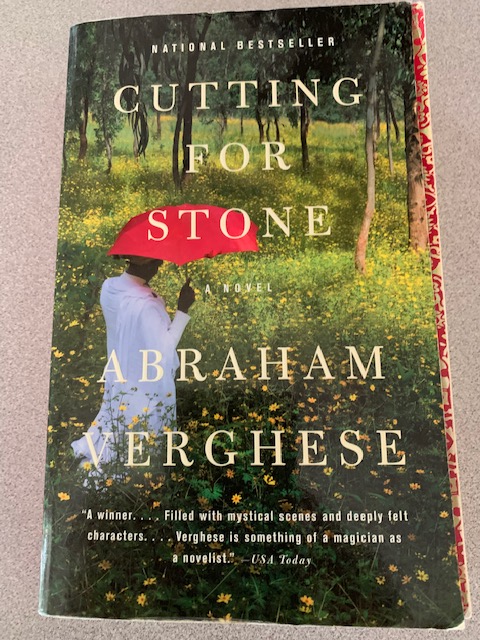
I love to read. For the past 20 years plus, I’ve read on average 150 books a year. I even keep a list in my journal of all those books, so could prove it to you if you wanted! Books on history always figure prominently on that list, but not only non-fiction. I also love the genre of historical fiction. My latest one is titled Cutting for Stone by Indian-American writer Dr. Abraham Verghese.
This book has the elements of what I value in historical fiction. It is set in Ethiopia over a period of about forty years, dealing with issues of immigration from India and set in a hospital in the capital of Addis Ababa. The first element I value is what this book has in rich measure, a well researched context. Historical context must be accurate, or the book should rather be in the science fiction…
I really enjoy the Interesting Literature blog. It’s well organised and curated, and has lots of excellent posts about all sorts of different literature. There are collections of poems or novels by theme, and various authors’ and poets’ “best of” lists.
If you liked my Poetry Month or Classic Novels posts, you may well appreciate their posts as much as I do. (If you missed them, you can find them easily by clicking on those tags on this post.)
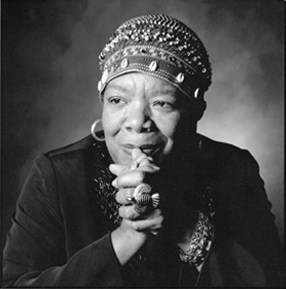
This post about Maya Angelou’s poetry is a great example of the excellent content you’ll find at Interesting Literature.
History is full of amazing women who had strength, courage and determination and showed men a thing or two about how things should be done.
There are so many great women that I would have loved to write about, but I couldn’t get to them all because I wanted to focus on featuring some of the less heroines of history with whom many people would not be familiar. I did find this excellent post that includes quite a few ladies who were on my list, so I thought I would share it with my readers on this final day of Women’s History Month.
I hope you enjoy this great post from Nerdome featuring some fabulous famous femmes including feisty royals Elizabeth I and Catherine the Great, and two of my literary loves, Jane Austen and Maya Angelou.
Happy Women’s Day ! , Today we are going to remember , powerful and inspirational women who have been pioneers for women’s rights and racial equality and have defined the worlds of science, mathematics, aviation and literature.
Whether these famous females were inventors, scientists, leaders, politicians, or literal Queens, these strong women undeniably changed the world for the better.
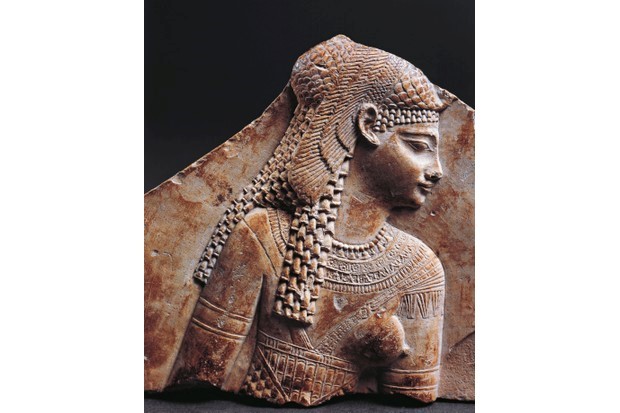
Cleopatra, 69 BC-30 BC Egyptian pharaoh
Cleopatra. (Photo By DEA PICTURE LIBRARY/De Agostini/Getty Images)
Final ruler of Egypt’s Ptolemaic dynasty, Cleopatra was more than the famous beauty her subsequent, simplistic portrayals often depict. A formidable, politically shrewd monarch, she was directly involved in the running of a kingdom that faced challenges on many fronts.
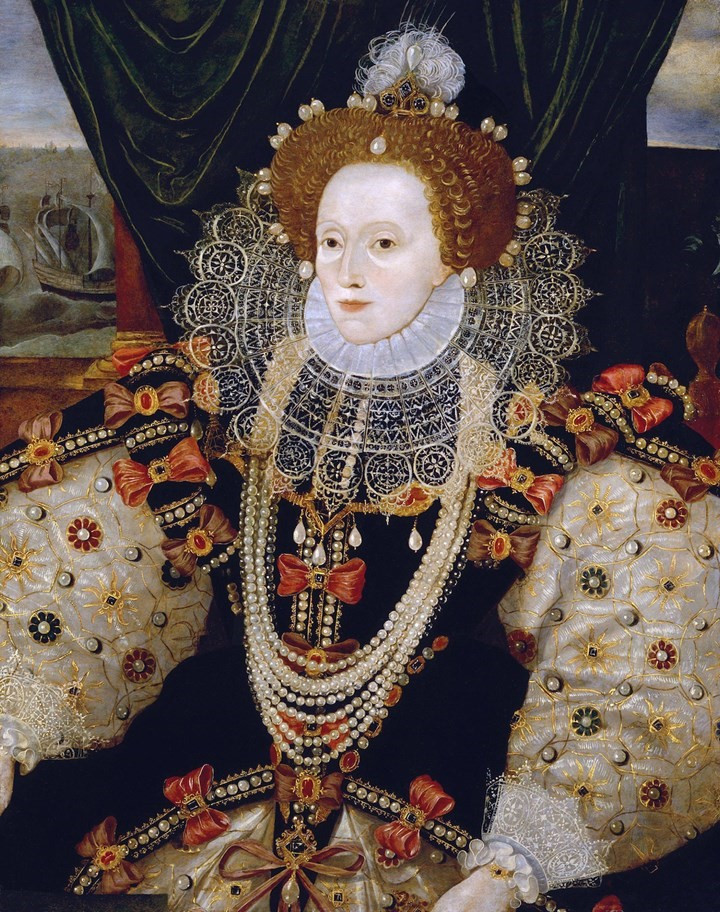
Queen Elizabeth I (1533 – 1603)
“Though the sex to which I belong is considered weak you will nevertheless find me a rock that bends to no wind.”
The Armada portrait of Queen Elizabeth I painted in 1588
Each of them rebelled in one way or another against the social conventions of their time, showing even in their strongly patriarchal societiy that women were capable of far more than just making politically astute marriages nd popping out royal babies to guarantee the king an heir— or several.
I stumbled across this article from the History Extra website on the weekend, and thought it made a wonderful addition to my collection of articles here.
I hope you enjoy it as much as I did!
7 Things You Didn’t Know A Medieval Princess Could Do
I have written several posts recently about scammers, cheats and piracy in the Indie publishing world.
This post by Suzan Tisdale lays out very plainly the ways in which readers can know that a book website is most likely illegal.
It’s hard to believe this is what it has come to: that people need to be informed so directly about the ways in which authors all over the world are being ripped off.
Yet this is one of those issues that goes much farther than most of us ever realise.
Another of my favorite women in history is Lucy Maud Montgomery, author of ‘Anne of Green Gables’.
That book, and those that follow it in the series, have been lifelong favorites of mine.
This post is one I wrote when my brother Sean and I visited Prince Edward Island and stayed with my wonderful friend Audrey, who lives on the island and was a very willing tour guide for us.
We visited a number of places related to Lucy Maud, experiences which only deepened my love and admiration for this most excellent and inspirational writer.
Lucy Maud Montgomery is famous as the author of “Anne of Green Gables” and many other books. She was also a poet – something I did not know until today!
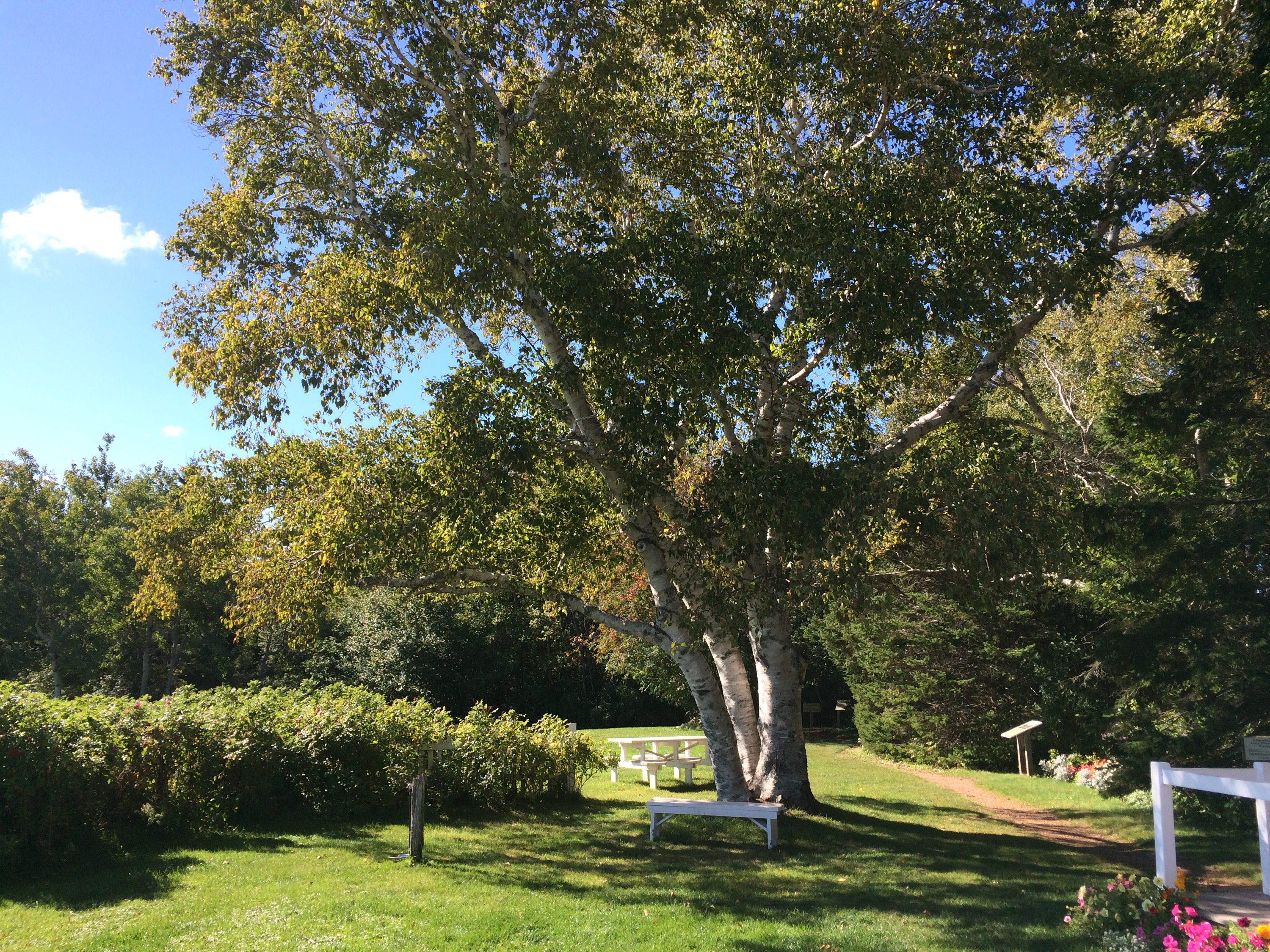
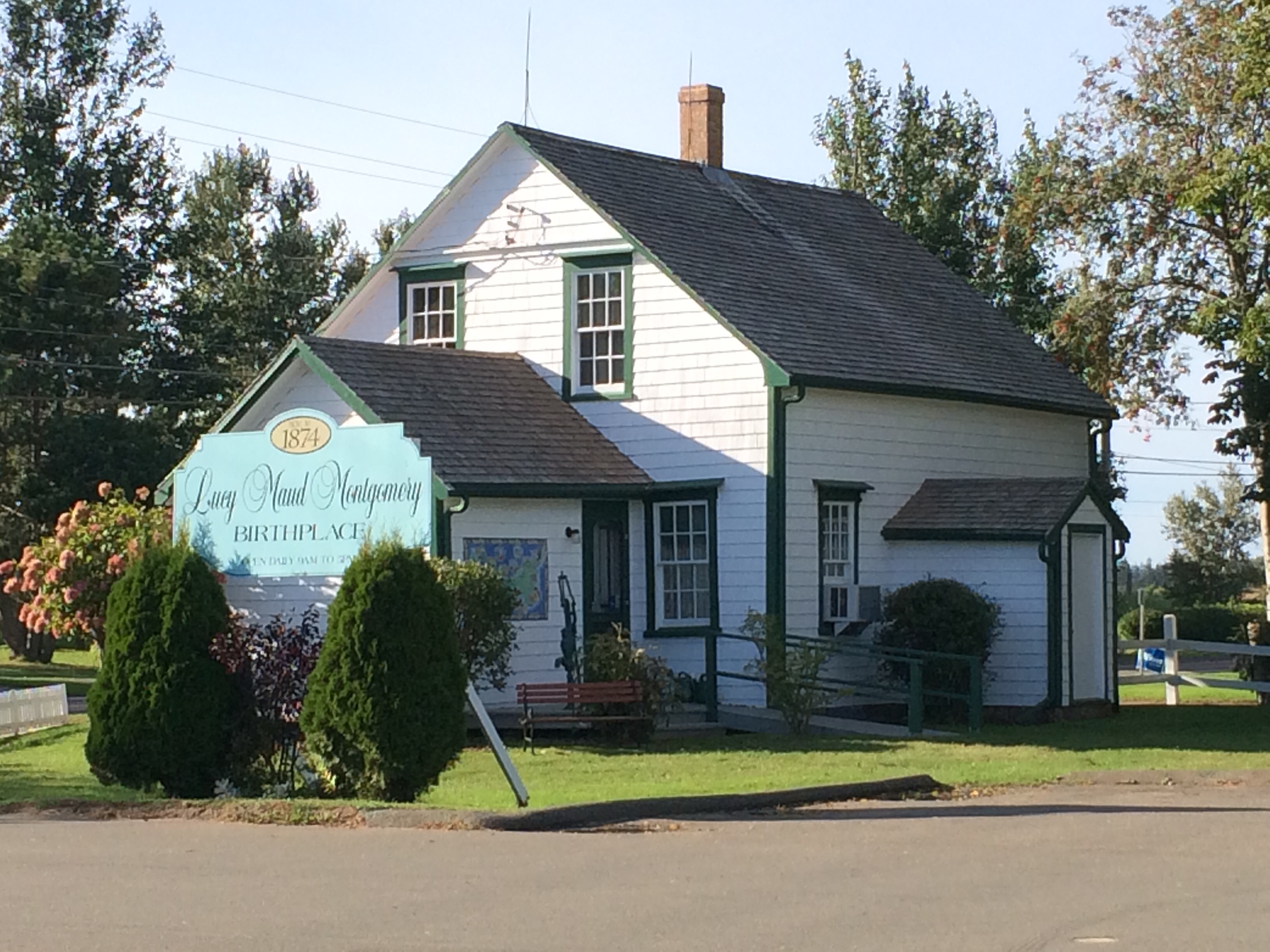
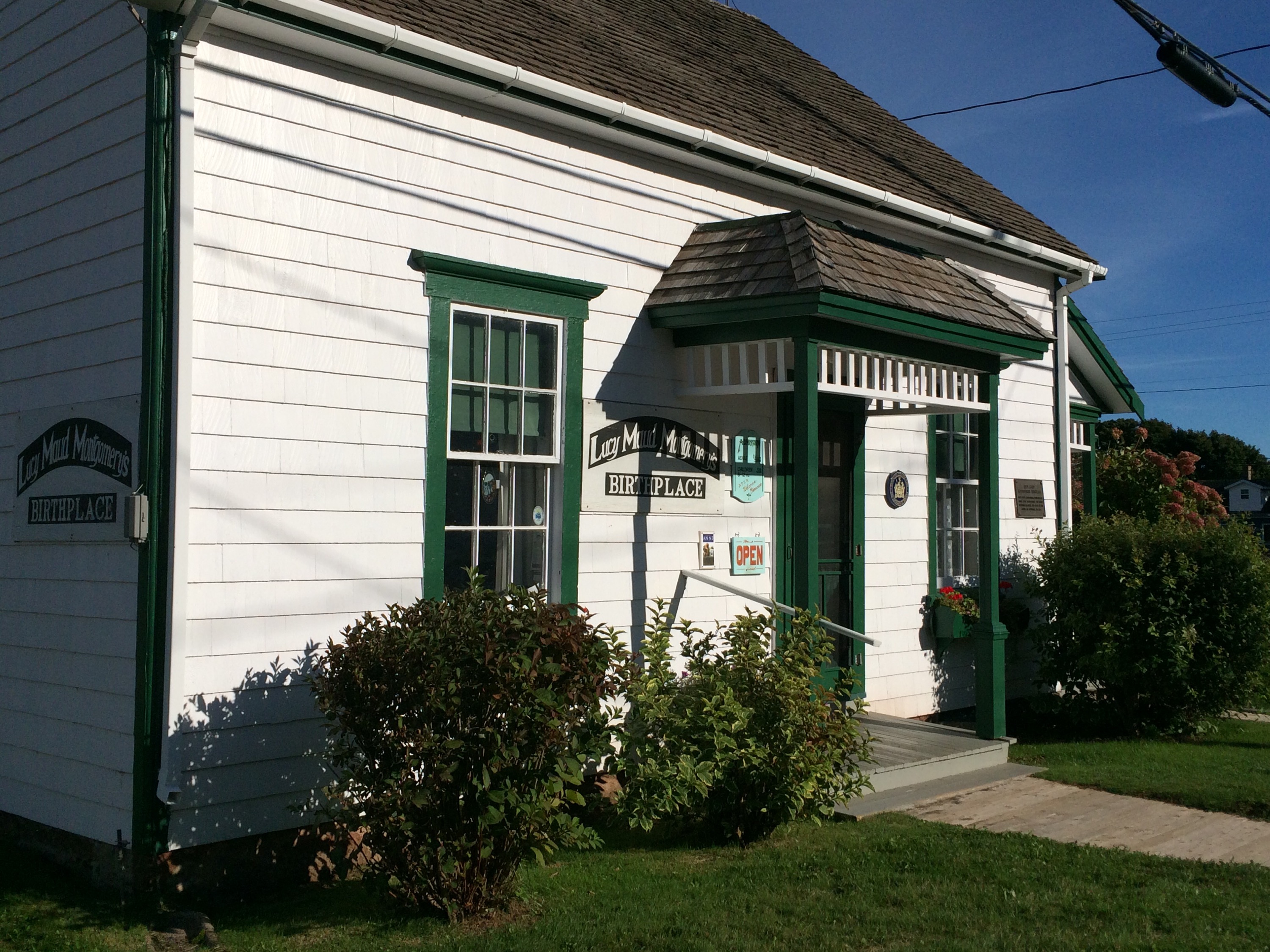
In addition to visiting Green Gables, I also visited he site of the home in which Montgomery lived with her grandparents at Cavendish and her birthplace at New London, on Prince Edward Island.
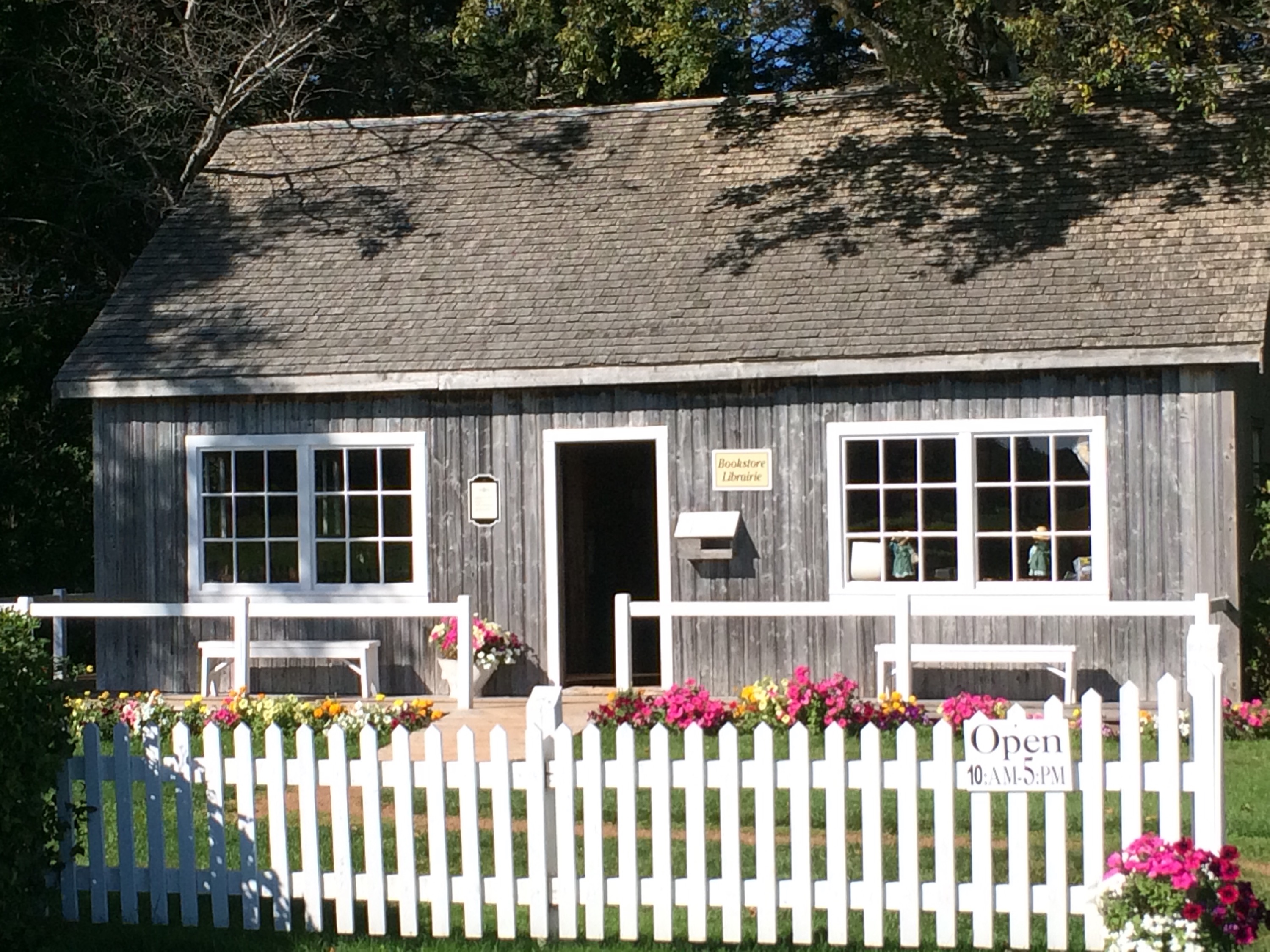
Both of these experiences were lovely. The home of Montgomery’s grandparents is no longer standing, but the site is commemorated by a rustic bookstore which specialises in book by, and about, Montgomery.
Walking through the house in which Montgomery was born was both fascinating and quite moving.
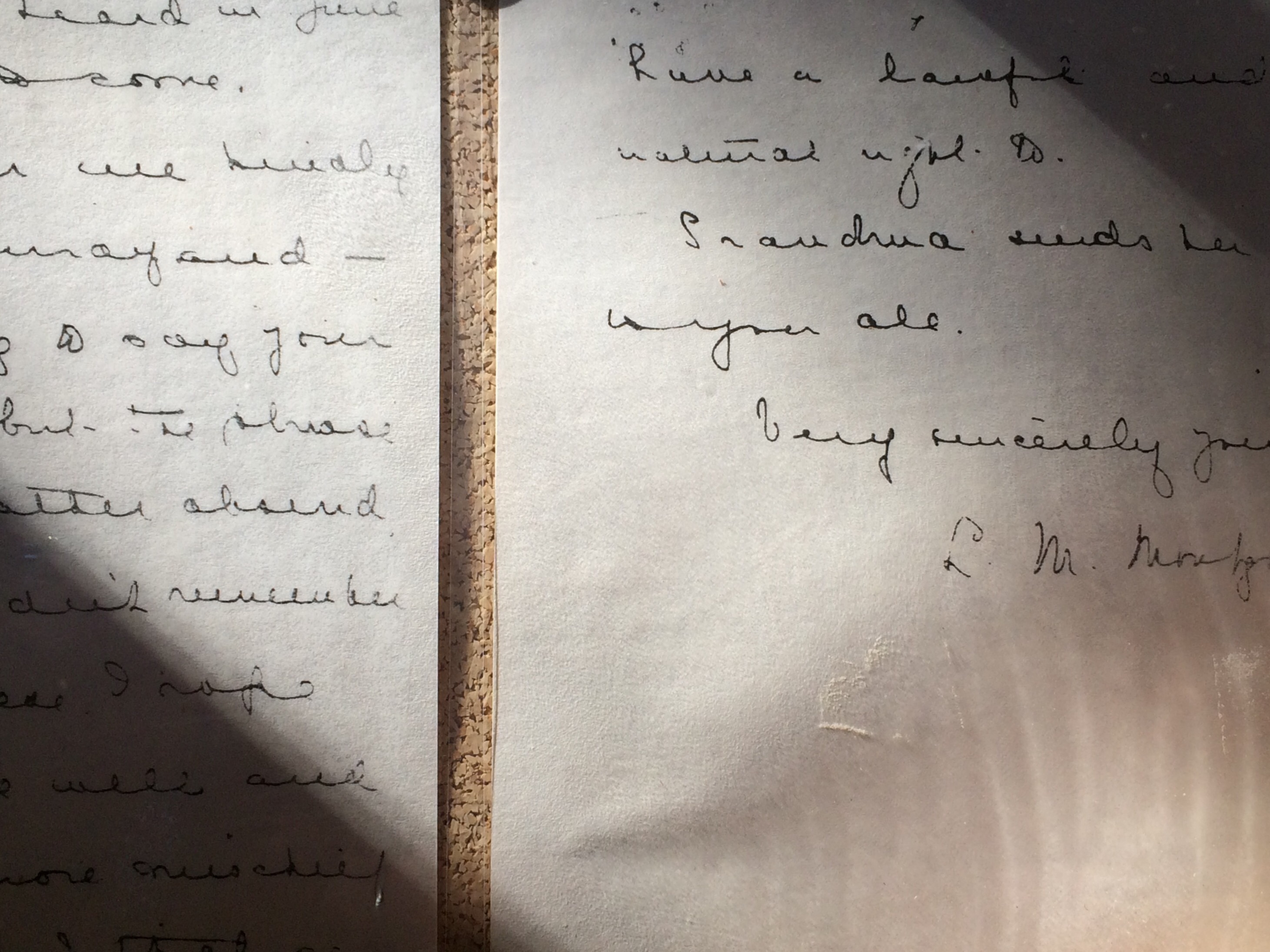
To see letters handwritten by her, clothes and shoes that she wore, and to walk on the very same floorboards and stairs that she walked on as a child had a very profound effect on me. I have always felt…








 WordyNerdBird