This article resonates deeply with me on so many levels. My mother used to quote things like this all the time, with her favourite being “Stop it! Stop it! Someone will get hurt in a minute!” My beloved mum is long gone, but this still gets quoted among our family in our best “Mum” voice on a regular basis.
The author of this post makes some really good points about how people treat one another, especially on social media where some seem to think that everything is acceptable because they are hiding behind a screen and a keyboard.
Cruelty is never okay. A joke among friends is one thing: mocking someone, making fun of them, calling names or deriding their character is a different beast altogether.
It really isn’t so hard to be kind. It really isn’t so hard to put yourself in someone else’s shoes and think about how they might feel.
It’s pretty basic, really, to “do to others as you would have them do to you”, but so few people seem to manage it.
In the immortal words of Maxwell Smart, “if only they used their [social media] for goodness instead of rottenness.”
Make good choices, people. Choose the positive. Choose kindness.
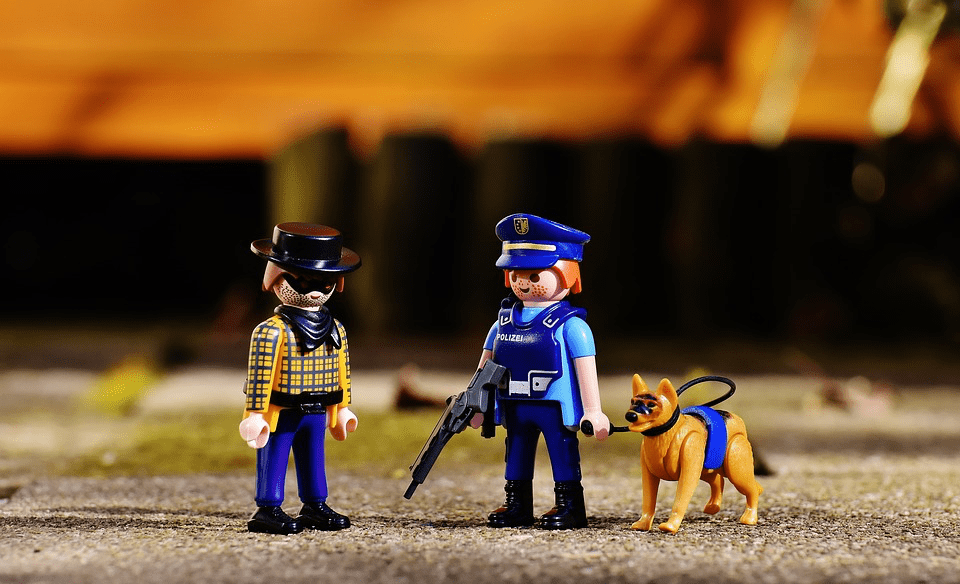
Remember that gem? I’m sure my parents rolled that one out a time or two when I was finally doing something active. I’ve always been risk adverse. Better safe than sorry has been my life’s mission statement.
Yeah, sometimes I think I was born old…
But I want to change this saying to fit our wonderful social media age. I think it should be ‘it’s all fun and games until we need the people we’re making fun of’.
Because as much as I like to think I don’t need people sometimes life is much easier with people. Most of the time they were people I had just met. People who were capable of empathy, capable of being decent, friendly human beings, capable of showing someone respect just because and without judgement.
Every now and then, a fascinating discovery is made that thrills scholars and literature lovers alike.
This is one such revelation: the annotations on a rare First Folio are in the handwriting of 17th century poet John Milton, author of the epic poem Paradise Lost’.
Today I was browsing in a bookstore when a guy nearby did the most romantic thing I’ve witnessed in quite some time.
He took out his phone, made a call and said, “Hi sweet, I’m just at the bookstore… do you need anything?”
I was overcome with “all the feelings” and I’m sure I had a goofy smile all over my face, despite the realisation that my dream man was a complete stranger and in a relationship with someone for whom he is willing to buy books.
And they say romance is dead. What I saw and heard today proves otherwise.
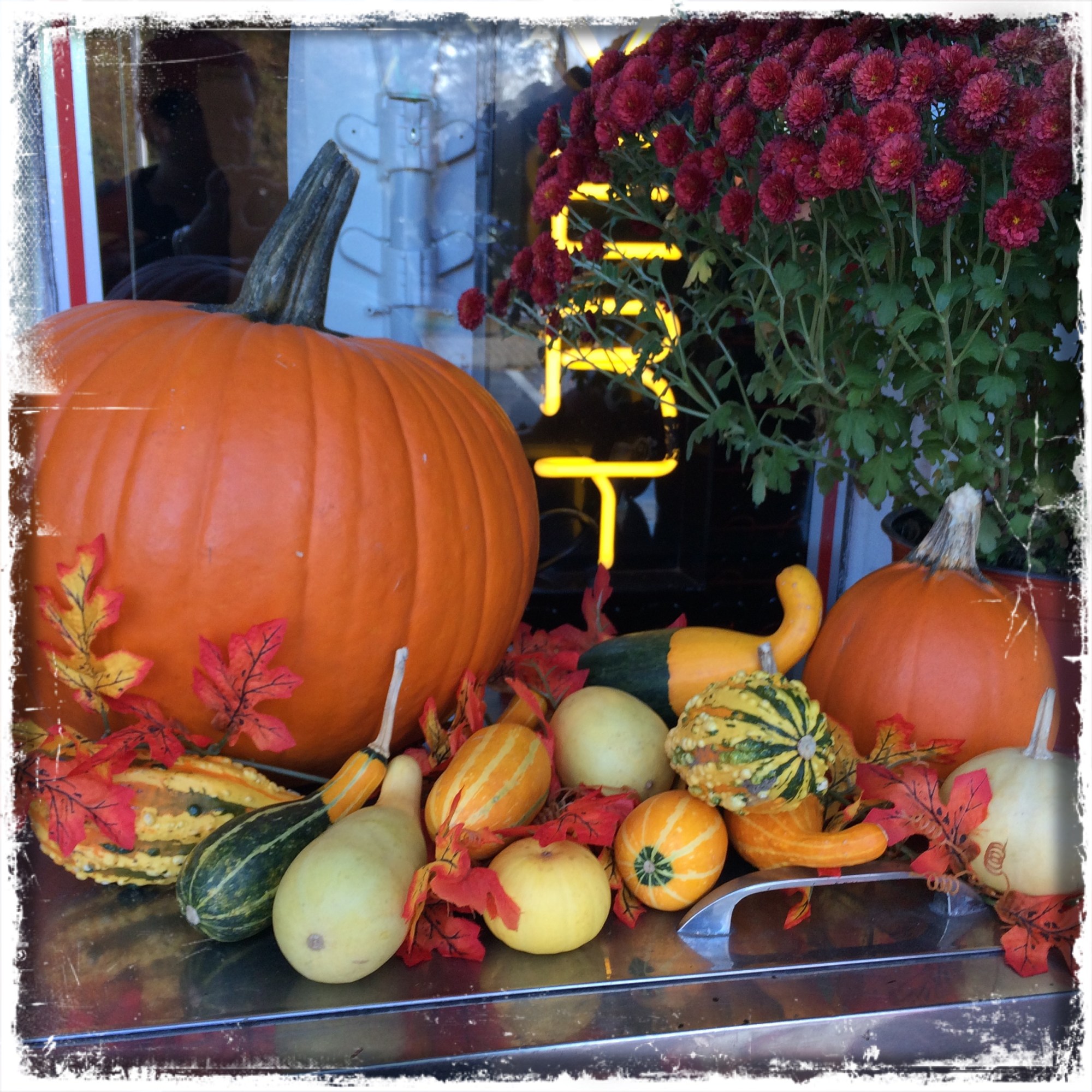
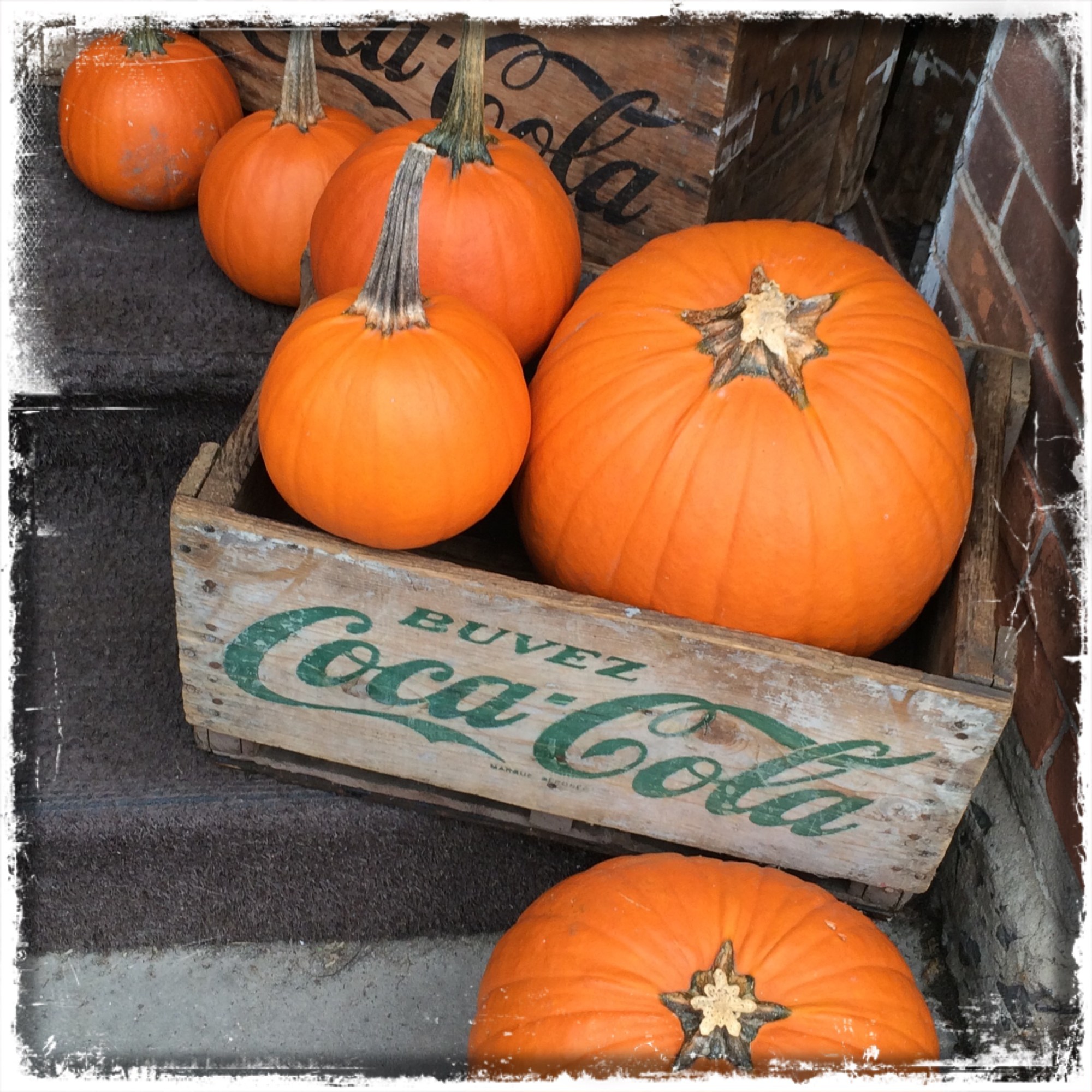
I love pumpkin. It’s my favourite vegetable. I love the colour and shape of them. I love the fact that they are all so different. If there were ever a type of vegetable that embraced individuality, the gourds and squashes would be it.
When I visited Canada, I loved seeing them decorating shops, gardens, front porches, letterboxes, streetscapes… they were everywhere. What really surprised me is how little pumpkin they actually seemed to eat, unless it was in a pie.
Speaking of which, I need some pumpkin pie. I adore pumpkin pie, but it’s really hard to get here in Australia.
While I’m daydreaming about that most delectable of desserts, please enjoy this rumination on ‘pumpkin’ via Sesquiotica.
It’s orange, except when it isn’t. And it’s big, except when it isn’t. But when it’s big, it can be very big, and it can keep getting bigger and bigger, sometimes until it’s too big and it just breaks right open. Hazards of competitive growing!
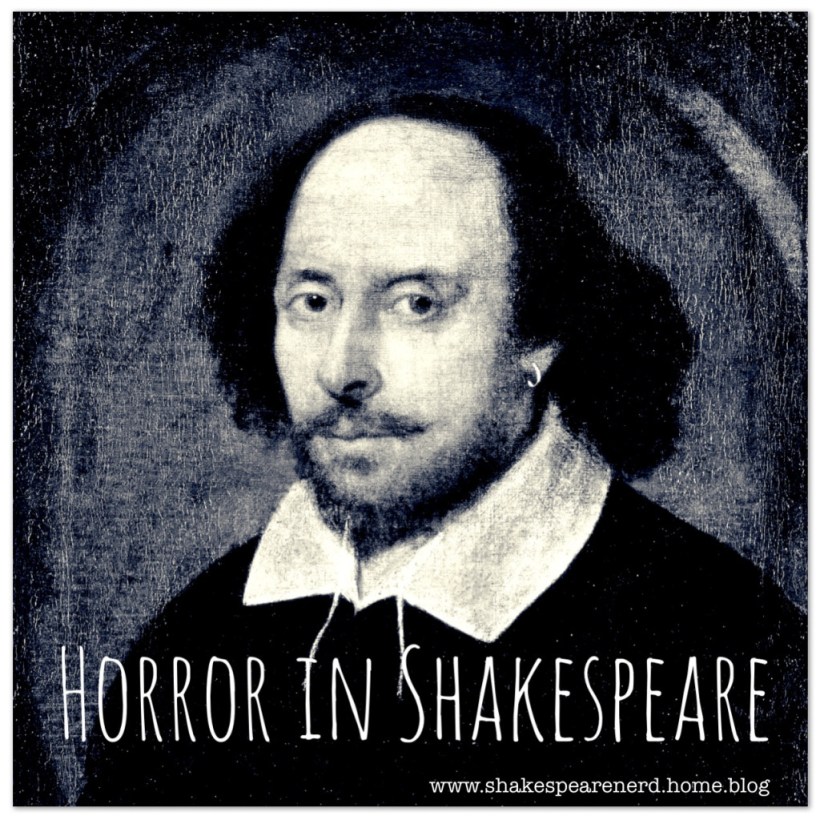
Don’t let all that fancy language and the ‘thees’ and ‘thous’ fool you: Shakespeare definitely wrote some scenes that are more than worthy of Halloween reading.
The scene in which Banquo’s ghost appears in ‘Macbeth’ is a case in point.
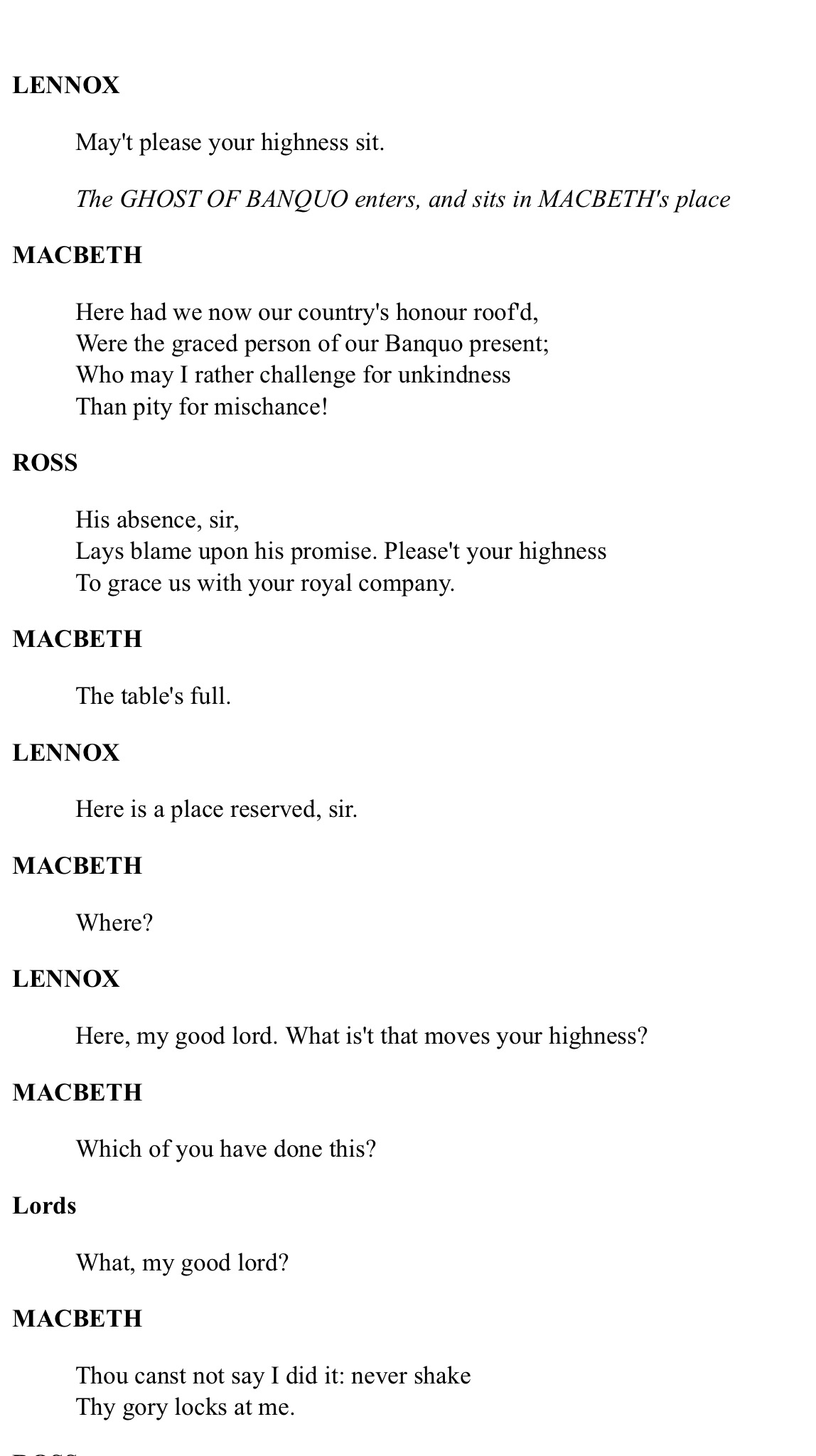
There is a beautifully crafted moment in Act 3, Scene 4 of ‘Macbeth’ where Macbeth, Lady Macbeth, and a group of lords gather for dinner. There is no place set for Banquo, because Macbeth knows he will not attend dinner – he cannot, because Macbeth has had him murdered.
Just as Macbeth is about to sit down, he makes a speech saying that all the greatest men of the kingdom would be under one roof if Banquo were there, but he hasn’t deigned to join them. At that moment, Banquo’s ghost has shown up and taken Macbeth’s seat. Macbeth, not realising the others can’t see Banquo, tells Ross he can’t sit down because the table’s full. Lennox shows him to his place, and Macbeth starts acting very strangely. He directly addresses Banquo’s ghost, saying “Thou canst not say I did it: never shake thy gory locks at me.”
As I often explain to my students, language adapts and evolves all the time. People invent new words, or blend old ones, to create new meanings or to explain something in a new way.
I’m always fascinated by the process, and take interest in which words are being “added to the dictionary”. Even that phrase makes me laugh, because we all know there’s more than one dictionary, and they don’t all add new words at the same time.
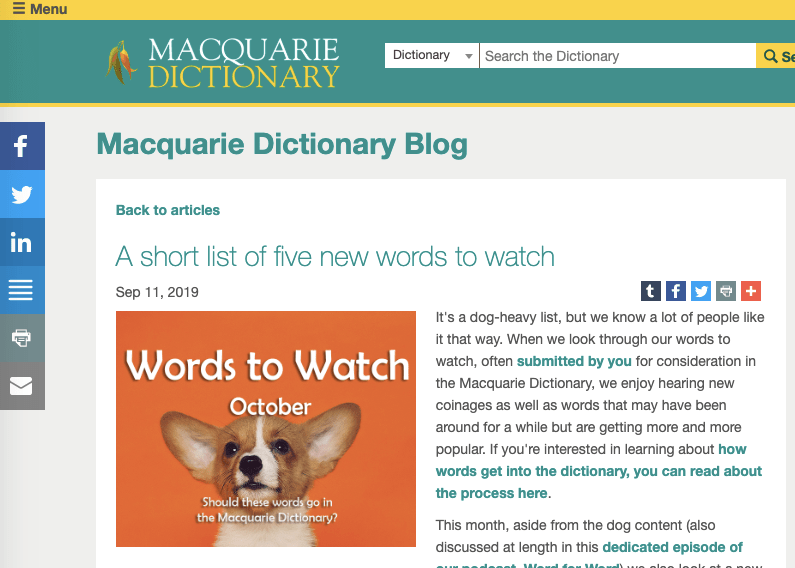
The article titled Five New Words To Watch comes from the Macquarie Dictionary Blog.
The Macquarie Dictionary is my favourite for a number of reasons. Macquarie University is my alma mater, and back when the first Macquarie Dictionary was being written and compiled, I had the privilege of having two of the contributors as my lecturers and tutors in English and Linguistics. More importantly, the definitions are clear and easily understandable, Australian colloquialisms are included, and the pronunciation guide is provided in the international phonetic alphabet, which I love.
Yeah. Nerdy, I know. But if you’ve been following my blog for three minutes, you’ll know I’m unapologetic about that.
I hope you enjoy this article. If you’d like to tell me your favourite newish words, or words you’ve invented, I’d be super happy for you to leave a comment!
Medieval British history is my absolute favourite era to read and study, so this article really appealed to me.
Seriously, who isn’t going to be intrigued by a series of kings who faced various challenges and misfortunes, connected by a ruby that is said to be cursed? What a fascinating historical mystery!
I hope you enjoy this post from the murreyandblue blog. If you’re at all interested in English medieval history, you should definitely give that blog a follow.
“….It is said that Henry V wore it [the Black Prince’s Ruby] in his jewel-encrusted helmet at the battle of Agincourt, and Richard III did also at the battle of Bosworth….”
I found the above sentence in a post on the British Medieval History Facebook group. How very intriguing. It’s something I had never heard before. Did Richard really wear the priceless but cursed gem at Bosworth? If so, was he (as one friend has suggested) emulating Henry V? Or even the Black Prince himself?
The ruby is actually “a magnificent 170-caratredspinel, the largest uncut spinel in the world. This particular precious stone, known as ‘the Great Imposter’, has a traceable history dating back seven centuries and is rumoured to be cursed, as its consecutive royal owners have been dogged by…
Dessert is the sweet course eaten at the end of a meal. What’s your favourite? I’m an absolute sucker for lemon meringue pie, but I also love a creamy lemon cheesecake.
A dessert wine is, similarly, sweet and intended to be enjoyed after a meal.
The key thing to remember is that this is the only meaning for this spelling.
Fun fact: ‘desserts’ is ‘stressed’ spelt backwards, and an anagram of ‘de-stress’. I don’t know about you, but I do not believe that can be a coincidence.
The word ‘desert’ is used when someone gets what they deserve, and it is said they have “got their just deserts”. It is usually used in a punitive way – ‘getting your just desert’ is generally not considered to be a pleasant experience.
Because this is a “thing” that happens, this use of the word is also a noun.
Fun fact: this is a phrase that came to us from French via Shakespeare, who used it in Sonnet 72, albeit in a more positive way than is usually done. So anyone using the word ‘desert’ in this way is using Shakespeare’s language without even realising it.
The word ‘desert’ can also mean abandoning or running away from a place. A soldier who goes AWOL is said to desert their post, while rats are said to ‘desert a sinking ship’ as a metaphor for people disowning or abandoning a place, person or situation that has become painful, awkward or insupportable.
When we say a place is deserted, it does not mean it looks like a desert. It means that there are no people around – everyone has departed.
Finally, a desert is a place that doesn’t get much rain, and is quite barren as a result.
This is the only meaning that sees ‘desert’ pronounced with the emphasis on the first syllable:dez-ert
This makes it a homonym, not a homophone.
Because it’s a place, this is also a noun.
Fun fact: while the Sahara Desert is hot and sandy, Antarctica is the world’s largest cold desert.
You can use a sentence to help you remember the three different words that share this spelling. Saying it aloud will help you remember which is which. Example: The soldier got his just deserts for deserting his post in the hot desert.
I’ve had reading glasses for some time, which is not at all surprising given the amount of reading, and writing I do. I suppose I’ve done well to last this long with only a slightly stronger prescription than that with which I started in senior high school.
For a while, though, I’ve noticed my longer-distance vision getting worse and, finally, today I collected my new glasses from the store and joined the ranks of those who wear glasses all day, every day.
I did not wear them driving home, figuring that a 45 minute drive was not the time to start adjusting to my new glasses. I put them on when I got home, and am currently working out how to hold my head oand how to move my eyes for different ranges of vision. Even though it is only the first night, it feels like It will be more a matter of learning some new habits rather than a difficult transition.
I’m looking forward to being able to see things more clearly and not having such tired eyes at the end of each day.
I remember the first time I saw ‘King Lear’ on stage. I was in my final year of high school and my English teacher took us to see the play.
It’s fair to say I was more than impressed, and I particularly remember this scene. It’s one thing to read it on the page, and another entirely to see it brought to life on the stage.
I hope you enjoy Shaekspeare Nerd’s post on this most macabre scene from King Lear: the eye-gouging of Gloucester.
There is one particularly macabre scene in King Lear where Lear’s daughter Regan and her husband, Cornwall, presided over the punishment of Gloucester for his “treason” in supporting Lear, the rightful king, after their rejection of him.
They are in Gloucester’s own home, no less, when they detain him, bind him to a chair and accuse him of treason. He has no idea of their evil intent, and reminds them more than once that they are his guests – and terrible ones at that.
Regan yanks hair out of Gloucester’s beard, and when Cornwall gouges out one of his eyes, presumably with a dagger, she picks up a sword and kills the servant who objects, then demands that Gloucester’s other eye be taken out, too. On doing so, Cornwall utters the words, “Out, vile jelly!” This really emphasises the vulnerability and delicate nature of the tissues and substance of the…


 …until somebody loses an eye.












 WordyNerdBird