There are many authors whose work I love reading. My to-be-read list is populated with dozens of books by fine writers, many of them Indies who write every bit as well as traditionally published authors.
Some, though, are on a special list. These are the writers whose book I will buy with the “Buy with 1 click” button on Amazon without needing to read a blurb, check out the cover, or read reviews to see what others have to say.
Without an exception, these authors are brilliant writers who deliver original, interesting and entertaining books every single time. I love the way they use words and the ways in which they stretch and stimulate my mind.
These are my “One Click” authors – in no particular order of preference. They’re all at the top of the list.
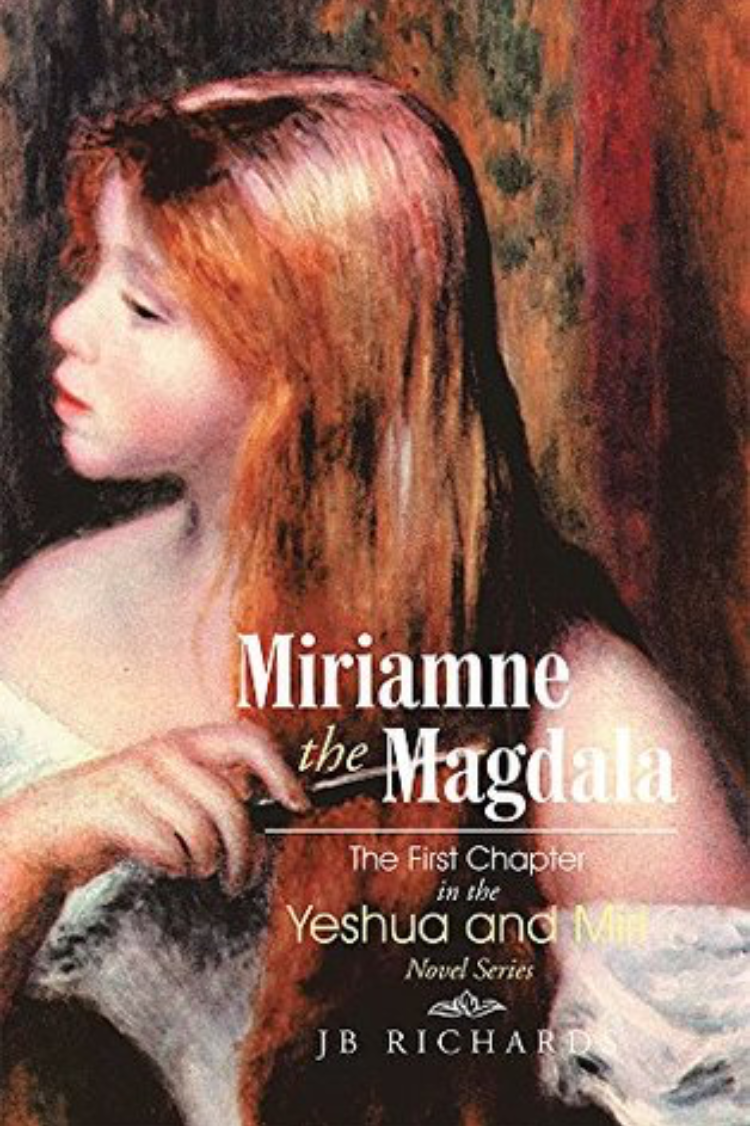
J.B Richards – historical fiction
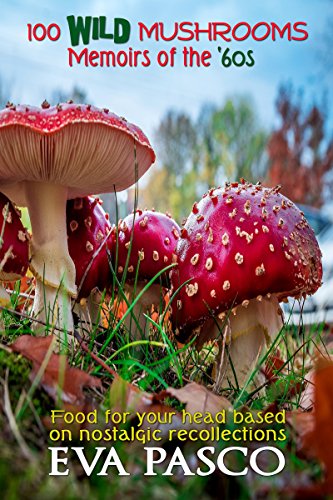
Eva Pasco – contemporary fiction
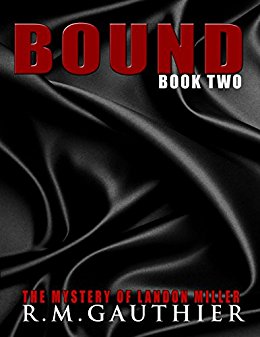
R.M. Gauthier – mystery/thriller, romance
Aliya DalRae – paranormal mystery/romance
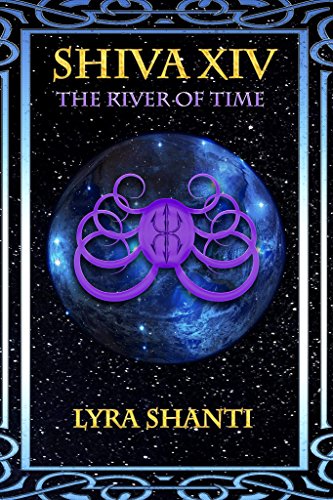
Lyra Shanti – sci-fi/space opera, poetry
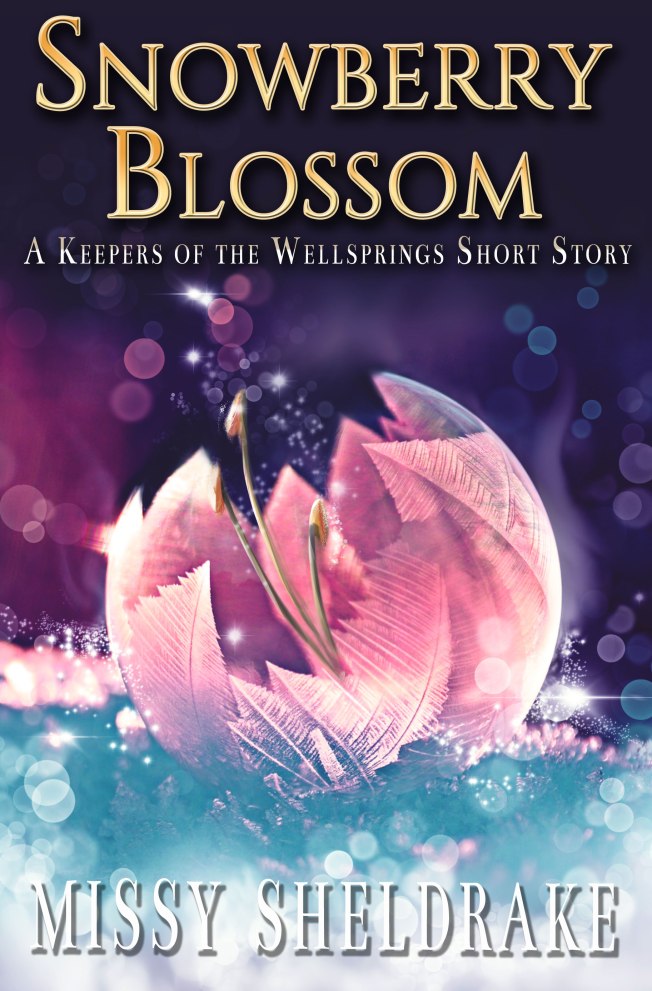
Missy Sheldrake – fantasy
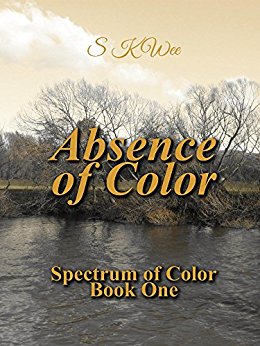
S.K Wee – fantasy
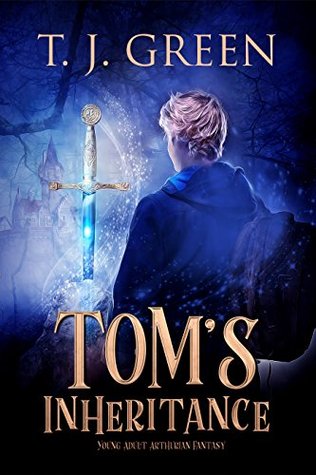
T.J. Green – fantasy
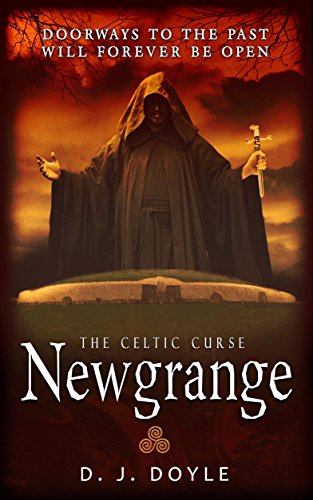
D.J. Doyle – horror
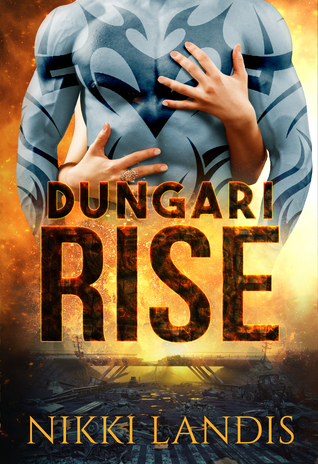
Nikki Landis – romance, mystery, horror
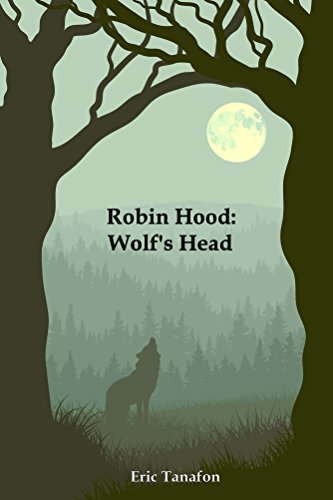
Eric Tanafon – fantasy with a paranormal element
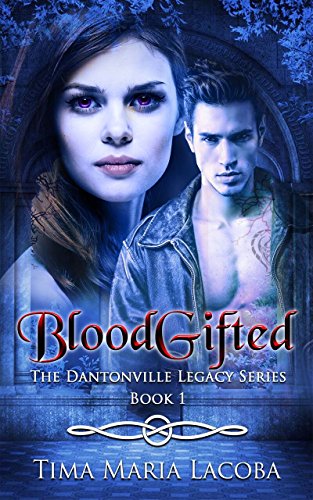
Tima Maria Lacoba – paranormal
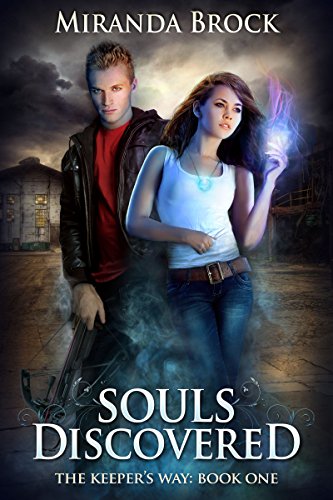
Miranda Brock – contemporary fantasy
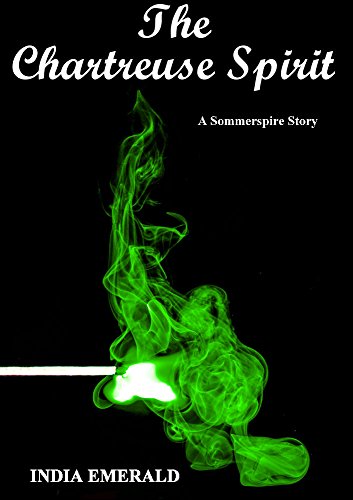
India Emerald – magical realism, contemporary fiction
Over the course of a few weeks earlier this year, I nominated my favourite podcasts about history (to which I added two more later on), Shakespeare, and the English language.
Now that the year is almost over, I’m willing to narrow it down to my favourite three podcasts of 2017.
My criteria for these choices are simple: they’re enjoyable, entertaining and interesting. I never scroll past them to see what else is on offer in the 20+ various podcasts I subscribe to. Truth be told, I probably should unsubscribe from some of them – perhaps that’s an idea for a New Year’s Eve cleansing ritual or something.
So, without further ado, here are my top three podcasts of 2017: 1. Rex Factor In this absolutely brilliant podcast, the kings and queens of England followed by the kings and queens of Scotland are reviewed, ranked, and rated according to the qualities an ideal ruler should have. It’s both historical and hysterical. Don’t try to listen to this in the hope that it will lull you to sleep. It won’t. https://rexfactor.podbean.com/p/about/
2. Lingthusiasm This podcast explores different aspects of the English language in just over 30 minutes for each episode. It’s interesting, word-nerdy, and fun.
twitter: @lingthusiasm http://lingthusiasm.com/
3. The British History Podcast A chronological history of Britain with a focus on the people and how they lived and died. It’s well told by a knowledgeable host with a very nice voice. Hey… it all helps. https://www.thebritishhistorypodcast.com/
If you have a podcast you really enjoy, I’d love to hear about it in the comments.
I spent some time in the car with my father today, and as we travelled the presenter on the radio was asking people to call in and talk about family memories and traditions at Christmas time. This was a great opportunity to ask Dad what Christmas was like for him when he was young, so that’s exactly what I did!
My father grew up in Holland during the Depression and World War II. His family were not really poor, but neither were they rich. My grandfather worked very hard to provide for his family, and both he and my grandmother managed their resources carefully.
The house was usually not decorated much for Christmas, but they did have a Christmas tree lit with candles. Dad also remembers the large fir trees that were put up in the churches, almost as tall as the roof. Some were lit with electric lights, but most were lit with candles. As many churches were built of wood, this was a cause of many fires. I can understand how the sight of such a big tree, lit and decorated, in a church would imprint itself on the memory of a young lad.
Christmas was a time when family would visit and often put on Christmas plays for one another. It was usually the children, but sometimes grownups too, who would act out the story of the first Christmas or plays about Sinterklaas and his companion, Swarte Piet. A play like this was usually the only observance of the St Nicholas tradition in my father’s family, although for some Dutch families, Sinterklaas is almost as big a celebration as Christmas itself. By the time Dad was a teenager, it was more common for people to listen to stories or plays on the radio than to perform them at home for their relatives.
Gifts were generally not exchanged by adults, but the children received a book as a gift. Dad also remembers that this was the time of year when children of a certain age – probably 11 or 12 years old – were presented with a Bible of their own by the Sunday School of their church.
I can’t imagine how strange their first Christmas in Australia must have seemed to them in 1951. Even then, it would have been such a world away from how we celebrate Christmas now. Commercialism and materialism have seen to that.
Having just turned 86, Dad celebrates Christmas on the other side of the world in the heat of summer, with trees illuminated by LED lights, a plethora of Christmas movies and ‘Carols by Candlelight’ concerts on TV . Family is still a focal point for all of us – my grandparents’ values have been firmly imprinted on us in that way, even if we do indulge in giving and receiving gifts that are generally luxuries. Dad, his sisters, and their families are spread across this enormous continent, so visiting happens via Skype and phone calls, while photos and news are shared on social media.
I do like to think, though, that there is still a sense of wonder at a pretty Christmas tree being lit up at night, and I hope that people stop to hear and reflect on the story of Christmas that goes beyond reindeer, presents and “being good”.
Today I accompanied my school’s Middle Year students on a trip to the cinema to see ‘Wonder’, a new film based on the bestselling book by the same name about a boy who has facial differences.Jacob Tremblay plays August Pullman, alongside Julia Roberts and Owen Wilson who play his parents. The stage is set when the Pullmans decide that Auggie should start 5th Grade in a mainstream school, having been homeschooled by his mother until then. Mandy Patinkin plays a very wise and empathetic school Principal, Mr Tushman.
What a sad world we live in when a kid gets less attention walking through the city or a park wearing a space helmet than he does when wearing his own face. It’s human nature, I know, but that doesn’t make it okay. This film challenges that “default setting” in a very compelling way.
Auggie’s teacher, Mr Brown, challenges the kids to ask themselves: What sort of person am I?
This movie challenges every audience member to ask themselves the same question. How do I deal with difference? What does my face tell them? What kind of friend am I? What monuments do my deeds leave?
The audience feels sympathetic to Auggie long before they see his face. When he says, “I know I’ll never be an ordinary kid ordinary kids don’t make others run away from playgrounds” it’s like a punch in the stomach that leaves you winded.
As the movie rolls on, we also see that the “regular” kids like Auggie’s sister, Via, have their own challenges with acceptance and friendship, even without the extra challenges that some kids face. Over and over, this film reminds me again just how cruel kids— and people in general— can be, in so many ways.
The journey of discovering who is real and who is not is often painful and traumatic. Together, Auggie and Via realise that they are each other’s best friends, and lean to rely on each other for the support and love that they need to get through each day.
The development of genuine friendship reminds us that looking past the surface to really see someone is what makes a crucial difference to anyone, but especially those who are so aware of that surface. There is also a painful reminder that even the nice kids can make mistakes when they focus on appearances instead of who someone really is.
This movie delivers so many powerful lessons about accepting others and even more about accepting ourselves. In both cases, we need to learn to live according to the precept established by Mr Brown in Auggie’s first lesson in 5th Grade: “When you have.a choice between being right or being kind, choose kind.”
It sounds simple— perhaps too simple. But is it?
The hardest part may be in finding the willingness to step out of our comfort zones and open our own minds to each other and the possibilities that our differences bring.
Everyone old enough to understand the difference between kindness and judgement should see this film.
I’ve found two more fantastic history podcasts to add to your list.
Myths and Legends
is an exploration of a wide variety myths and legends from all around the world. It’s fascinating to hear about where and how these stories developed, and how ancient stories have evolved over time. It also features a different mythical creature each week, many of which I’ve never heard about before.
is presented by David Crowther, who also delivers The English History Podcast. Designed to replace the first 21 episodes of the original podcast, it explores in more thoughtful detail the development of Anglo-Saxon culture and society.
Yesterday one of my students called another a ‘Philistine’. I know he meant to suggest that his friend was uncultured and ignorant, and that is what many understand the word to mean.
So, being the time-and-knowledge-generous history nerd that I am, I took a break from our study of World War I and explained to my class that what he meant to suggest is not what the Philistines were at all.
The Philistines were a cultured and wealthy civilisation that lived in Canaan between the coast of the Mediterranean Sea and the biblical kingdoms of Judah and Israel. They lived in and between five cities: Gaza, Ashkelon, Ashdod, Ekron and Gath. The same region bears the name ‘Palestine’ today – a name derived from the Philistine civilisation. The ancient Philistines enjoyed enough military prowess to hold their own against Lebanon, Syria and Egypt at different times, fighting with spears, straight swords and shields. When not fighting wars, they lived in elaborate buildings and made their own pottery.
It doesn’t really seem consistent with the idea of ignorance, does it?
Sadly, this is not the only case of such name-calling being so ironic.
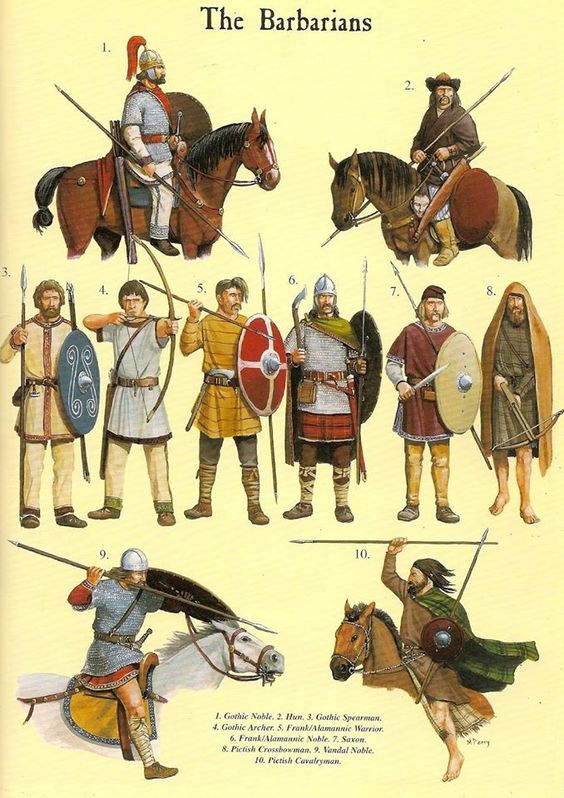
Barbarian is another term which is used quite wrongly. It’s used to suggest that someone is wild or uncivilised. Historically, the Barbarians were any number of Germanic tribes that moved throughout Europe in what many refer to as ‘The Dark Ages’, even though they weren’t so dark at all.
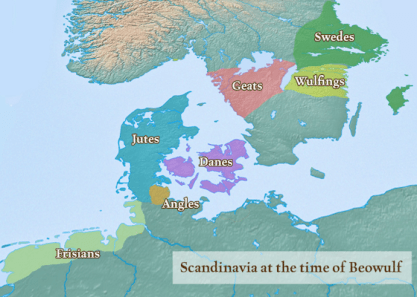
Really, if you look at them, they don’t look so incredibly different from one another, nor from the folk our history books tell us were our own ancestors. It may surprise you to know that the Barbarian tribes included the Angles, Saxons and Picts who set up shop in Britain after the fall of the Roman Empire and eventually became some of the most devotedly civilised people on earth. The Gauls became the French, the Geats became the Swedes, and the Danes went on to give us Hamlet, pastries and an Australian princess. (Disclaimer: I don’t know if the part about the pastries is true, but they must be called danishes for a reason… right?)
The Vandals, for example, may have left a trail of destruction in Gaul and Iberia, but they only made a bit of a mess of Carthage before taking it as their capital and making extensive renovations. As a military power, they had skill and knowledge – you’ve actually got to hand it to anyone who could not only withstand the power of the Roman Empire, but also hold their own in so many battles over such a long period. And when they weren’t busy fighting the Romans, they were highly cultured, enjoying music and poetry. They conducted a lot of industry and trade in their North African kingdom. It really was not about breaking or ruining stuff at all.
The Goths, oddly enough, did not sit around in dark clothes wearing black makeup. The name “Goth” was derived from ‘Geats’, the tribe famous for its honour and pride in the Anglo-Saxon legend of Beowulf, as told in the oldest English poem in existence.
Map Prepared by Louis Henwood for ‘The History of English’ podcast, episode 42
They actually had sophisticated architecture and beautiful mosaic art. They made and wore intricate gold jewellery. They were farmers, weavers, potters, blacksmiths. They followed intricate burial rites, making sure that the graves always pointed north.
Related to the Goths were the Visigoths, meaning “Goths of the west” who ruled Spain for a couple of centuries. They built churches that still stand today, decorated their buildings with intricate filigree art and stone arches. They were skillful metalworkers and jewellers.
It seems to me that we do history a disservice by misusing these terms in such a way. Connotations are not always the easiest things to track through history, but these seem quite unfair. I suspect that such practice grew out of the fear of anything or anyone different, foreign and/or pagan – a concept with which Western society is still painfully familiar.
By the end of all that, the kids’ eyes had glazed over a bit, and there was a fair bit of smiling and nodding going on. I don’t think they will be calling each other Philistines again, though. So… mission accomplished.
If you’d like to know more about Beowfulf and the Geats, you could listen to a fabulous episode from ‘The History of English’ podcast. It’s a great podcast, and if you’re interested in the development and history of the English language, or the relationships between language, people, and places, you should consider subscribing.
This morning didn’t seem any different than most when I left the house to head to work, but it proved to hold two lovely surprises.
The first surprise came in the form of a shop assistant who remembered me as her teacher from a number of years ago, and happily recalled the things she had studied and learned with me. An adult now, and with a different hair colour, I had not recognised her, but she knew me straight away.
It was nice to hear that she thought the books we read and the lessons we drew from them were valuable, and that history classes were interesting. It was wonderful to see that she had grown up into a confident, friendly and polite young woman with a lovely personality.
Of all the fond memories she recalled, though, one in particular had a profound effect on me: “You were the one teacher I ever had who showed me that it was okay to just be me, because that’s who I was meant to be. It’s something I have never forgotten.”
Wow! What a privilege to hear a former student say those words. I have struggled for many years with self acceptance, and as a teen I knew full well the agony of not fitting in with a particular crowd. Even then, I had the strength of will to resist peer pressure and not buy into many of the pitfalls that offered themselves to me at bargain prices and opportune moments. But that didn’t mean I was free of the wish to be someone or somewhere else – a desire that has recurred several times since.
Yet, somehow along the way, I managed to communicate something valuable about self acceptance to at least one teen in a similar situation.
I wonder if that knowledge would appease or satisfy those who think I push too many boundaries. Being part of a fairly conservative school, church and family, I take both pleasure and pride in not exactly looking conservative. I don’t intentionally break the rules, but I don’t mind testing their limits. My opinions often differ, and my willingness to assert them can make others uncomfortable. I don’t see that as a problem, though. There is merit in challenging people to see different perspectives and to accept differences. I’d like to think that people might become so used to my differences that I will need to think of something new to do to keep them on their toes.
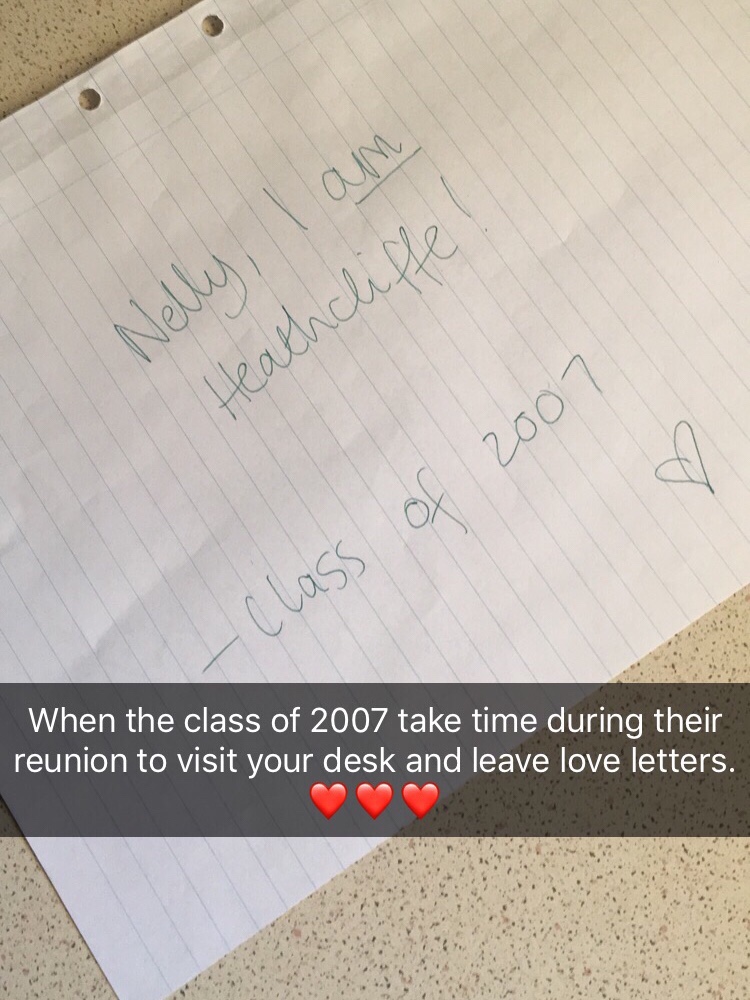
My second surprise was a note on my desk from ex-students who had a reunion on Saturday night. I attended the reunion: it was a lovely evening of catching up and reminiscing. I didn’t realise, though, that they had left me a love letter on their tour of the school. How gorgeous that they still know how to make their English teacher happy and proud.
My Grandpa used to tell me that there were never any guarantees of success, but there was one sure-fire way to fail, and that was to not try.
It’s good advice, and I’m thankful for that lesson – and many others – that he instilled in me.
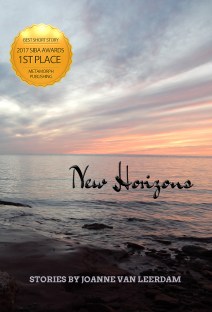
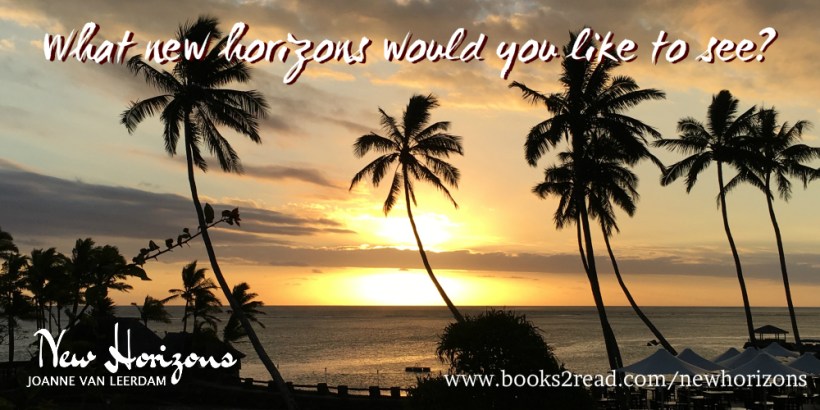
What a surprise this morning to realise it has been a year since ‘New Horizons’ was published.
When it launched, I was nervous about how it would be received. People knew me as a poet. Would they be interested in these stories? Would they find them as meaningful and profound as my poems?
It was certainly fitting that these stories are about how people encounter and respond to changes and new situations in their lives. Heaven knows, I was experiencing that for myself at the time.
Since then, it has sold around the world in paperback as well as ebook, and has won the 2017 SIBA Award for Best Short Story collection. It now has a shiny badge on its cover to announce that recognition to the world.
This gave me good reason for positive reflection this morning. There are times when life feels as though it’s at a standstill, or when it feels like I’m not achieving what I want to as a writer.
Yet in the past year, I’ve achieved more than I ever would have thought or dared to imagine twelve months ago:
Three new poetry collections, all of which have been nominated for awards.
Of those three books, Nova has won awards for 2017 Top Female Author – Poetry, Reality Bites 2017 Best Non-Romance, and the bronze medal for a poetry collection in the 2017 SIBA Awards.
Two poems in two different themed anthologies, nestled in amongst the work of some incredible writers.
Two macabre/horror titles.
Two ‘reinvented’ fairy tales about to be published in a magnificent anthology titled ‘Once Upon A Fabulous Time’, with other stories written by five of the most creative minds I know.
Who knew?
If you’re a writer – published, aspiring, or just for your own enjoyment – be encouraged. You may feel like you’re not achieving much, but you are. You may feel like you’re a small fish in a very large sea, but every small fish has its place and a purpose, too.
If there’s something you feel you’d like to do, or try, but you’re lacking confidence – be encouraged. You will never know what you can do until you try. The only way to find out where any road will take you is to follow it.
My Grandpa used to tell me that there were never any guarantees of success, but there was one sure-fire way to fail, and that was to not try. It’s good advice, and I’m thankful for that lesson – and many others – that he instilled in me.
So here’s to another year and whatever challenges, journeys and victories it brings.
After the fury of writing 13 short stories on a theme in 16 days between Friday 13th and Halloween, in addition to working and meeting various other commitments as a responsible adult, I spent a day deliberately not writing anything. My brain was fritzed.
November 1st was a strange day for this writer. After the fury of writing 13 short stories on a theme in 16 days between Friday 13th and Halloween, in addition to working and meeting various other commitments as a responsible adult, I spent a day deliberately not writing anything. My brain was fritzed.
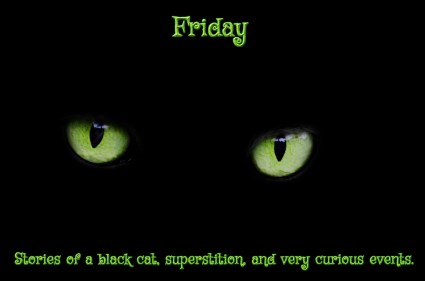
What I originally thought was just going to be the one mildly horrific story on Friday 13th turned into a series of 13 short horror stories featuring a black cat named Friday with a penchant for curious events. That darned cat just took over, and kept on presenting me with situations and superstitions to explore and present in different ways. I guess I should have expected that, given how cats tend to have a mind of their own and do whatever they please, regardless of what people think.
I also confess to having fallen in love with Friday. He’s affectionate, loyal and feisty. He’s mysterious – it’s never really clear whether he’s entirely responsible for the things that happen, or whether he’s a catalyst for some greater force of justice, but he’s always there when strange things happen. Either way, I’ve loved having him around.
Friday’s stories are available to read for free at WordyNerdBird Writes until 11.59pm EST on Friday, November 3rd.
After that, they’ll be appearing in a book at some time in the future. I’d love to have you read them and leave a comment or two in response.
 Over the course of a few weeks earlier this year, I nominated my favourite podcasts about
  1. Rex Factor In this absolutely brilliant podcast, the kings and queens of England followed by the kings and queens of Scotland are reviewed, ranked, and rated according to the qualities an ideal ruler should have. It’s both historical and hysterical. Don’t try to listen to this in the hope that it will lull you to sleep. It won’t.
  2. Lingthusiasm This podcast explores different aspects of the English language in just over 30 minutes for each episode. It’s interesting, word-nerdy, and fun.
 3. The British History Podcast A chronological history of Britain with a focus on the people and how they lived and died. It’s well told by a knowledgeable host with a very nice voice. Hey… it all helps.
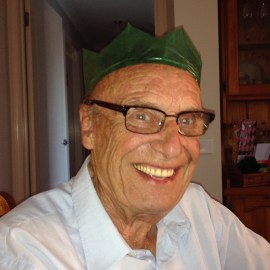 Having just turned 86, Dad celebrates Christmas on the other side of the world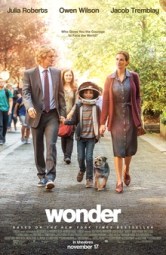
 WordyNerdBird