Poem: ‘The Owl and the Pussycat’ by Edward Lear

As a child, I always enjoyed this poem. I enjoyed the silliness of it, the musical rhythm and the sense of Fantasy. 

I
The Owl and the Pussy-cat went to sea
In a beautiful pea-green boat,
They took some honey, and plenty of money,
Wrapped up in a five-pound note.
The Owl looked up to the stars above,
And sang to a small guitar,
‘O lovely Pussy! O Pussy, my love,
What a beautiful Pussy you are,
You are,
You are!
What a beautiful Pussy you are!’

II
Pussy said to the Owl, ‘You elegant fowl!
How charmingly sweet you sing!
O let us be married! too long we have tarried:
But what shall we do for a ring?’
They sailed away, for a year and a day,
To the land where the Bong-Tree grows
And there in a wood a Piggy-wig stood
With a ring at the end of his nose,
His nose,
His nose,
With a ring at the end of his nose.  

III
‘Dear Pig, are you willing to sell for one shilling
Your ring?’ Said the Piggy, ‘I will.’
So they took it away, and were married next day
By the Turkey who lives on the hill.
They dined on mince, and slices of quince,
Which they ate with a runcible spoon;
And hand in hand, on the edge of the sand,
They danced by the light of the moon,
The moon,
The moon,
They danced by the light of the moon.


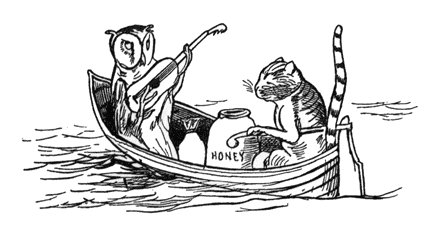
Image:Public Domain 
Edward Lear’s Own illustration of The Owl and the Pussy Cat

I must confess, though, that I hadn’t thought about this poem for many years until a friend quoted it in her newly-released paranormal romance novel. Having read and reviewed the book, it left me pondering the poem. 

In the poet’s Victorian setting it was classified as nonsense poetry, a bit of whimsy and silliness for the entertainment of children. 

I do wonder now, though, if there is a hint of rebellion against Victorian society’s moral and class standards in the unlikely union of those two mismatched creatures, and if that’s why they had to go away to be together. It could just be my 21st century sensitivities talking, but I’d like to think that maybe, back in the late 1860s, Lear was sending a subtle message to the morality police of the time that if two people were in love, they should be able to be together. 

I know people accuse English teachers of overthinking these things all the time, but just stop and think about it for a moment.

The owl and the pussycat weren’t supposed to be together, but they were quite free in expressing their feelings for one another and very happy together. Which of the two is male, and which is female? Or are they really even one of each? They do seem remarkably neutral in that regard, especially if you think of the strict gender stereotypes apparent in other Victorian literature such as that by Dickens, Thackeray, Trollope and the Brontes. 

It is just a curious thought, and I don’t want to shatter anyone’s enjoyment of a much-loved children’s poem. Maybe it is just whimsical make-believe. Maybe it’s not. We will never know. 

But it’s also a possibility that there are a whole bunch of people out there who might appreciate this poem a whole lot more on consideration of my uncommon little theory. Oh, I hope so!

P!nk and Poetry

In my post on Songs and Poetry, I explored the idea that lyrics of songs are often poetry. Indeed, one could argue that the more poetic and emotive the lyrics, the greater chance of that song becoming an anthem for some listeners. This is certainly true in my own experience. 

One of the artists in my “Anthems” playlist is P!nk. I love her attitude, her style, and her voice. Even more, I have found some of her lyrics to be enormously powerful and emotive, and very relatable. She may be a rock goddess who knows how to entertain, but she is also a poet who knows how touch someone’s soul. 

That’s why it came as no surprise to me that she used to write poetry. It shows. 

What P!nk says about the therapeutic effects of writing poetry is true, too. It does feel good to get the darkness out, and to shape it into something that is meaningful to others as well as oneself. As I have often commented, writing poetry is the most effective therapy I have ever had. 

Poem: ‘Honour’s Martyr’ by Emily Bronte

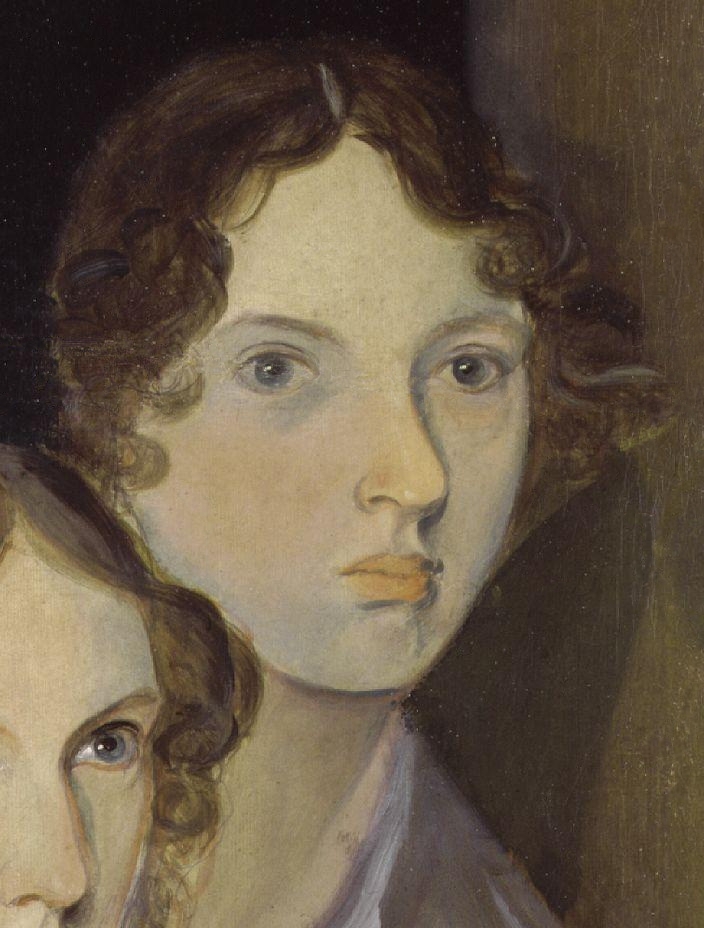
Emily Bronte, famous for her classic Victorian gothic novel Wuthering Heights, also wrote poetry.

Her poems do share some qualities with Wuthering Heights: themes of misery, loneliness and grief, and dark, powerful imagery that makes Bronte’s thoughts come to life and leap off the page.

While fewer people are familiar with her poems than that magnificent book, her poetry really does deserve to be more widely read.

This poem captures that feeling of complete isolation and the despair of inner conflict experienced by one agonising over the situation they are in while someone else sleeps peacefully, unaware of the torment of the other.

Honour’s Martyr

The moon is full this winter night;
The stars are clear, though few;
And every window glistens bright,
With leaves of frozen dew. 

The sweet moon through your lattice gleams
And lights your room like day;
And there you pass, in happy dreams,
The peaceful hours away!

While I, with effort hardly quelling
The anguish in my breast,
Wander about the silent dwelling,
And cannot think of rest.

The old clock in the gloomy hall
Ticks on, from hour to hour;
And every time its measured call
Seems lingering slow and slower:

And oh, how slow that keen-eyed star
Has tracked the chilly grey!
What, watching yet! how very far
The morning lies away!

Without your chamber door I stand;
Love, are you slumbering still?
My cold heart, underneath my hand,
Has almost ceased to thrill.

Bleak, bleak the east wind sobs and sighs,
And drowns the turret bell,
Whose sad note, undistinguished, dies
Unheard, like my farewell!

To-morrow, Scorn will blight my name,
And Hate will trample me,
Will load me with a coward’s shame?
A traitor’s perjury.

False friends will launch their covert sneers;
True friends will wish me dead;
And I shall cause the bitterest tears
That you have ever shed.

The dark deeds of my outlawed race
Will then like virtues shine;
And men will pardon their disgrace,
Beside the guilt of mine.

For, who forgives the accursed crime
Of dastard treachery?
Rebellion, in its chosen time,
May Freedom’s champion be;

Revenge may stain a righteous sword,
It may be just to slay;
But, traitor, traitor, from that word
All true breasts shrink away!

Oh, I would give my heart to death,
To keep my honour fair;
Yet, I’ll not give my inward faith
My honour’s name to spare!

Not even to keep your priceless love,
Dare I, Beloved, deceive;
This treason should the future prove,
Then, only then, believe!

I know the path I ought to go;
I follow fearlessly,
Inquiring not what deeper woe
Stern duty stores for me.

So foes pursue, and cold allies
Mistrust me, every one:
Let me be false in others’ eyes,
If faithful in my own. 

More on Emily Bronte: 10 Authors Who Have Inspired Me | Women in Horror Month: Inspirations

Poem: ‘When I Have Fears’ by John Keats

This was the first Elizabethan sonnet with which I ever fell in love.

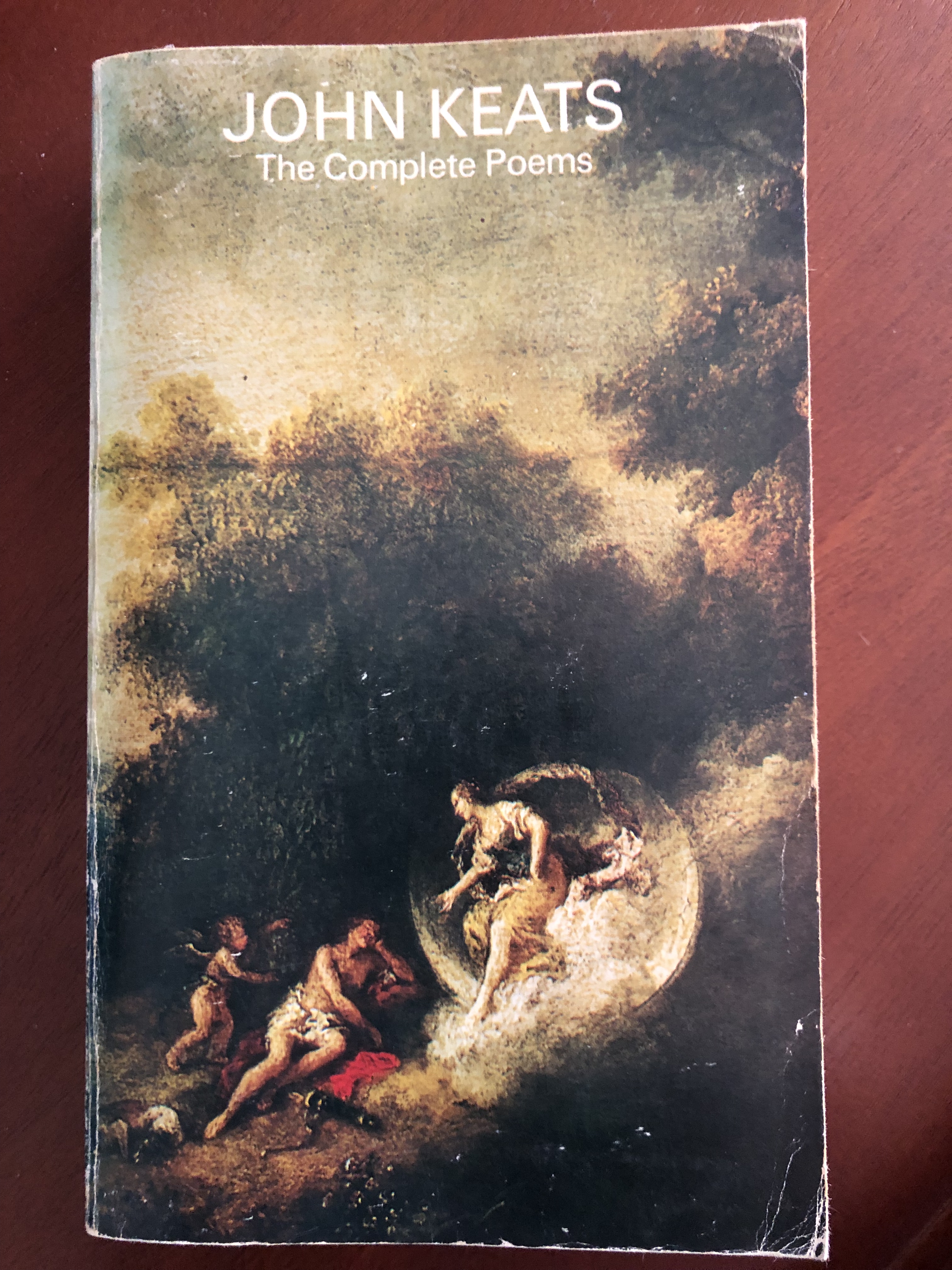
My English teacher lent me a book of John Keats’ poetry when I was in Year 9 at school, and this poem captured my heart. The eloquence, the imagery, the pathos… before the day was out, I had committed this poem to memory.

When I told the teacher the following day, and recited the poem for him, he gave me the book to keep. That I still have it, and that it automatically falls open at this poem should surprise nobody.

Sure, it’s dramatic and very ‘over-thinky’, but who of us hasn’t had those moments?

When I Have Fears that I May Cease to Be

When I have fears that I may cease to be
Before my pen has glean’d my teeming brain,
Before high piled books, in charact’ry,
Hold like rich garners the full-ripen’d grain;
When I behold, upon the night’s starr’d face,
Huge cloudy symbols of a high romance,
And think that I may never live to trace
Their shadows, with the magic hand of chance;
And when I feel, fair creature of an hour!
That I shall never look upon thee more,
Never have relish in the faery power
Of unreflecting love!—then on the shore
Of the wide world I stand alone, and think
Till Love and Fame to nothingness do sink.

If you enjoyed this poem and would like to read more Keats, I suggest either ‘To Autumn’ or ‘Bright Star’ – my other favourites!

Poem: ‘The Raven’ by Edgar Allan Poe

As both a reader and a writer, I love Poe’s work. Those who have read my dark poetry or horror stories will find it entirely unsurprising that I consider him one of my inspirations.

Last year I shared his poem ‘The Bells’ as part of my observance of (Inter)National Poetry Month.

This year, I have chosen ‘The Raven’ as my first post for Poetry Month because while it is most famous, being quoted or referred to in many books, films and popular culture, I have a very strong suspicion that most of the people who make those references have probably never read it.

The Raven

Once upon a midnight dreary, while I pondered, weak and weary,
Over many a quaint and curious volume of forgotten lore—   
While I nodded, nearly napping, suddenly there came a tapping,
As of some one gently rapping, rapping at my chamber door.
“’Tis some visitor,” I muttered, “tapping at my chamber door—            
Only this and nothing more.”

Ah, distinctly I remember it was in the bleak December;
And each separate dying ember wrought its ghost upon the floor.   
Eagerly I wished the morrow;—vainly I had sought to borrow   
From my books surcease of sorrow—sorrow for the lost Lenore—
For the rare and radiant maiden whom the angels name Lenore—            
Nameless here for evermore.

And the silken, sad, uncertain rustling of each purple curtain
Thrilled me—filled me with fantastic terrors never felt before;   
So that now, to still the beating of my heart, I stood repeating   
“’Tis some visitor entreating entrance at my chamber door—
Some late visitor entreating entrance at my chamber door;—            
This it is and nothing more.”

Presently my soul grew stronger; hesitating then no longer,
“Sir,” said I, “or Madam, truly your forgiveness I implore;   
But the fact is I was napping, and so gently you came rapping,   
And so faintly you came tapping, tapping at my chamber door,
That I scarce was sure I heard you”—here I opened wide the door;—            
Darkness there and nothing more.

Deep into that darkness peering, long I stood there wondering, fearing,
Doubting, dreaming dreams no mortal ever dared to dream before;   
But the silence was unbroken, and the stillness gave no token,   
And the only word there spoken was the whispered word, “Lenore?”
This I whispered, and an echo murmured back the word, “Lenore!”—            
Merely this and nothing more.

Back into the chamber turning, all my soul within me burning,
Soon again I heard a tapping somewhat louder than before.   
“Surely,” said I, “surely that is something at my window lattice;      
Let me see, then, what thereat is, and this mystery explore—
Let my heart be still a moment and this mystery explore;—           
’Tis the wind and nothing more!”

Open here I flung the shutter, when, with many a flirt and flutter,
In there stepped a stately Raven of the saintly days of yore;   
Not the least obeisance made he; not a minute stopped or stayed he;   
But, with mien of lord or lady, perched above my chamber door—
Perched upon a bust of Pallas just above my chamber door—            
Perched, and sat, and nothing more.

Then this ebony bird beguiling my sad fancy into smiling,
By the grave and stern decorum of the countenance it wore,
“Though thy crest be shorn and shaven, thou,” I said, “art sure no craven,
Ghastly grim and ancient Raven wandering from the Nightly shore—
Tell me what thy lordly name is on the Night’s Plutonian shore!”            
Quoth the Raven “Nevermore.”

Much I marvelled this ungainly fowl to hear discourse so plainly,
Though its answer little meaning—little relevancy bore;   
For we cannot help agreeing that no living human being   
Ever yet was blessed with seeing bird above his chamber door—
Bird or beast upon the sculptured bust above his chamber door,            
With such name as “Nevermore.”

But the Raven, sitting lonely on the placid bust, spoke only
That one word, as if his soul in that one word he did outpour.   
Nothing farther then he uttered—not a feather then he fluttered—   
Till I scarcely more than muttered “Other friends have flown before—On the morrow he will leave me, as my Hopes have flown before.”            
Then the bird said “Nevermore.”

Startled at the stillness broken by reply so aptly spoken,
“Doubtless,” said I, “what it utters is its only stock and store   
Caught from some unhappy master whom unmerciful Disaster   
Followed fast and followed faster till his songs one burden bore—
Till the dirges of his Hope that melancholy burden bore            
Of ‘Never—nevermore’.”

But the Raven still beguiling all my fancy into smiling,
Straight I wheeled a cushioned seat in front of bird, and bust and door;   
Then, upon the velvet sinking, I betook myself to linking   
Fancy unto fancy, thinking what this ominous bird of yore—
What this grim, ungainly, ghastly, gaunt, and ominous bird of yore            
Meant in croaking “Nevermore.”

This I sat engaged in guessing, but no syllable expressing
To the fowl whose fiery eyes now burned into my bosom’s core;   
This and more I sat divining, with my head at ease reclining   
On the cushion’s velvet lining that the lamp-light gloated o’er,
But whose velvet-violet lining with the lamp-light gloating o’er,            
She shall press, ah, nevermore!

Then, methought, the air grew denser, perfumed from an unseen censer
Swung by Seraphim whose foot-falls tinkled on the tufted floor.   
“Wretch,” I cried, “thy God hath lent thee—by these angels he hath sent thee   
Respite—respite and nepenthe from thy memories of Lenore;
Quaff, oh quaff this kind nepenthe and forget this lost Lenore!”            
Quoth the Raven “Nevermore.”

“Prophet!” said I, “thing of evil!—prophet still, if bird or devil!—
Whether Tempter sent, or whether tempest tossed thee here ashore,   
Desolate yet all undaunted, on this desert land enchanted—   
On this home by Horror haunted—tell me truly, I implore—
Is there—is there balm in Gilead?—tell me—tell me, I implore!”            
Quoth the Raven “Nevermore.”

“Prophet!” said I, “thing of evil!—prophet still, if bird or devil!
By that Heaven that bends above us—by that God we both adore—   
Tell this soul with sorrow laden if, within the distant Aidenn,   
It shall clasp a sainted maiden whom the angels name Lenore—
Clasp a rare and radiant maiden whom the angels name Lenore.”            
Quoth the Raven “Nevermore.”

“Be that word our sign of parting, bird or fiend!” I shrieked, upstarting—
“Get thee back into the tempest and the Night’s Plutonian shore!   
Leave no black plume as a token of that lie thy soul hath spoken!    “Leave my loneliness unbroken!—quit the bust above my door!
Take thy beak from out my heart, and take thy form from off my door!”            
Quoth the Raven “Nevermore.”

And the Raven, never flitting, still is sitting, still is sitting
On the pallid bust of Pallas just above my chamber door;   
And his eyes have all the seeming of a demon’s that is dreaming,   
And the lamp-light o’er him streaming throws his shadow on the floor;
And my soul from out that shadow that lies floating on the floor            
Shall be lifted—nevermore!
Transition.

It’s the last day of March, which brings us to the end of Women’s History Month. In all honesty, I’m feeling a little sad about that.

Blogging about some of the less well known  heroines of ancient and medieval history has been a most enjoyable occupation. I had fun creating some historical memes to accompany the posts and promote them on my social media, too.

I also loved writing about some of the courageous women who willingly took on situations of conflict, oppression and segregation in the 19th and 20th centuries.


If you missed any of those posts, they are easily found by clicking on Women, Women’s History Month or Women’s History categories and tags in the sidebar. 

With those great stories told, I am feeling a little like I do when I have just finished a great book and I don’t really know what to do with myself.

Yet I know that tomorrow  I will feel differently because there are some great things happening in April: not only is it (Inter)National Poetry Month, but it’s also a month-long celebration of Indie books in the Read Self Published group on Facebook. 

The first half of the Pead Self Published month will feature a specific genre or set of genres each day, which readers are free to peruse. The second half of the month will be focused on helping each individual visual reader find what they want to read. There will also be some giveaways, which are always fun — especially for the winners! 

Everyone is welcome to join in those events, which is aimed at showing readers what they want to read without the “hard sell” that many find offputting. 

I know with all of that going on, I will have some great things to share.  I will be posting some of my favourite poems on this blog, and Book Squirrel will be sharing some great reads and book suggestions in various genres.

On a personal level, there will be continued rehearsals for the show I’m in, a very well-earned and much needed two week long term break, and a camping trip over Easter that I am really looking forward to.

So, away with my sadness. I shall welcome April with open arms and a great deal of anticipation.

A Favourite Poem: ‘The Bells’ by Edgar Allan Poe

‘The Bells’ is a magnificent poem that is best read aloud.

‘The Bells’ is a poem that Poe wrote in the final year of his life, as he battled writer’s block that seemed to have developed with his grief for his wife, who died from tuberculosis. It is highly reflective of the way in which he perceived the changes that happen in one’s life – as one gets older, the ringing of the bells is less about happiness and increasingly about grief and fear. From courtship, to marriage, then grief and despair, and finally one’s own death, each stanza grows darker and longer than the one preceding it. The haunting tone of the final stanzas is powerful and chilling, leaving the reader with a strong sense of impending doom and terror.

For me, this poem also reflects how happy times seem to fly past quickly, while periods of darkness and sorrow seem to linger and to obscure the light of those happier memories and thoughts.

It’s a beautiful thing to quietly read and reflect on the poem, but it is possible to overlook some technical elements of the poetry if one reads it silently. Reading the poem aloud adds another dimension altogether to one’s understanding and experience of the poem.

In each stanza, the bells are made of particular metals that reflect the purpose and symbolism of the bells, but which also have different sounds when they ring in that verse of the poem.
The verbs used by Poe to describe the way in which the bells ring have been purposefully chosen to shape the meaning by controlling the speed and temperament of the reading. Short vowel sounds in “jingling” and “tinkling” are replaced with successively longer vowel sounds that slow the reading down and lower the register of the voice, so that the mood becomes more serious and sombre. By the end, the “moaning and the groaning of the bells” is oppressive and fearful, evoking horror and fear in the reader.

I really enjoy the onomatopoeia – words that sound like their meaning – of the poem as it grows progressively louder and heavier, emphasising and compounding the darkening tone and message of the poem. It is the sounds of the bells that tell us what is going on, as much as the other narrative provided by the poem.

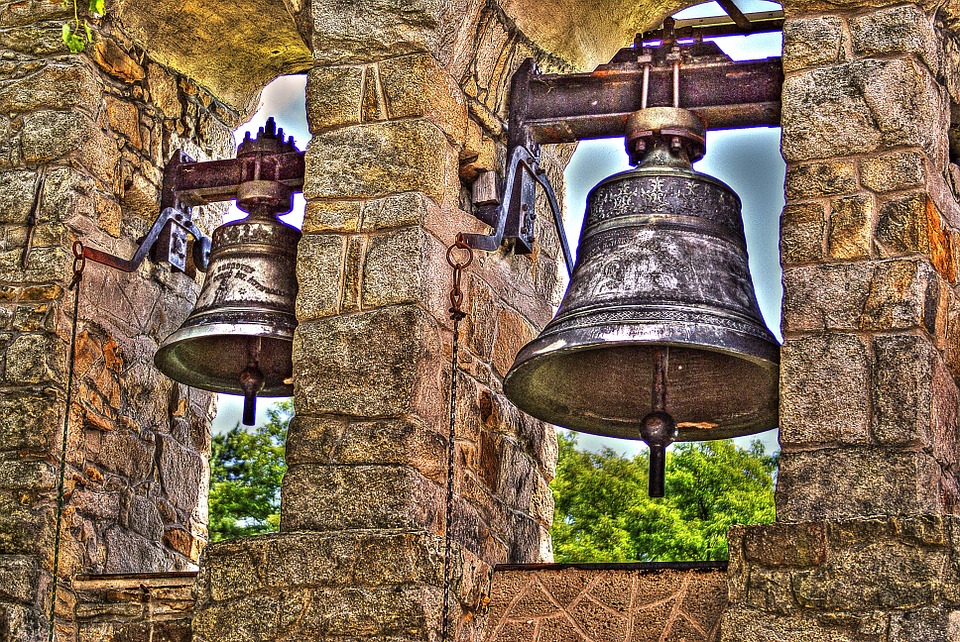
the-bells-419677_960_720

THE BELLS

I
Hear the sledges with the bells–
Silver bells!
What a world of merriment their melody foretells!
How they tinkle, tinkle, tinkle,
In the icy air of night!
While the stars that oversprinkle
All the heavens, seem to twinkle
With a crystalline delight;
Keeping time, time, time,
In a sort of Runic rhyme,
To the tintinnabulation that so musically wells
From the bells, bells, bells, bells,
Bells, bells, bells–
From the jingling and the tinkling of the bells.

II
Hear the mellow wedding bells
Golden bells!
What a world of happiness their harmony foretells!
Through the balmy air of night
How they ring out their delight!
From the molten-golden notes,
And all in tune,
What a liquid ditty floats
To the turtle-dove that listens, while she gloats
On the moon!
Oh, from out the sounding cells,
What a gush of euphony voluminously wells!
How it swells!
How it dwells
On the Future! how it tells
Of the rapture that impels
To the swinging and the ringing
Of the bells, bells, bells,
Of the bells, bells, bells, bells,
Bells, bells, bells–
To the rhyming and the chiming of the bells!

III
Hear the loud alarum bells–
Brazen bells!
What tale of terror, now, their turbulency tells!
In the startled ear of night
How they scream out their affright!
Too much horrified to speak,
They can only shriek, shriek,
Out of tune,
In a clamorous appealing to the mercy of the fire,
In a mad expostulation with the deaf and frantic fire,
Leaping higher, higher, higher,
With a desperate desire,
And a resolute endeavor
Now–now to sit or never,
By the side of the pale-faced moon.
Oh, the bells, bells, bells!
What a tale their terror tells
Of Despair!
How they clang, and clash, and roar!
What a horror they outpour
On the bosom of the palpitating air!
Yet the ear, it fully knows,
By the twanging,
And the clanging,
How the danger ebbs and flows;
Yet, the ear distinctly tells,
In the jangling,
And the wrangling,
How the danger sinks and swells,
By the sinking or the swelling in the anger of the bells–
Of the bells–
Of the bells, bells, bells, bells,
Bells, bells, bells–
In the clamour and the clangour of the bells!

IV
Hear the tolling of the bells–
Iron bells!
What a world of solemn thought their monody compels!
In the silence of the night,
How we shiver with affright
At the melancholy meaning of their tone!
For every sound that floats
From the rust within their throats
Is a groan.
And the people–ah, the people–
They that dwell up in the steeple,
All alone,
And who, tolling, tolling, tolling,
In that muffled monotone,
Feel a glory in so rolling
On the human heart a stone–
They are neither man nor woman–
They are neither brute nor human–
They are Ghouls:–
And their king it is who tolls;
And he rolls, rolls, rolls, rolls,
Rolls
A pæan from the bells!
And his merry bosom swells
With the pæan of the bells!
And he dances, and he yells;
Keeping time, time, time,
In a sort of Runic rhyme,
To the pæan of the bells–
Of the bells:
Keeping time, time, time,
In a sort of Runic rhyme,
To the throbbing of the bells–
Of the bells, bells, bells–
To the sobbing of the bells;
Keeping time, time, time,
As he knells, knells, knells,
In a happy Runic rhyme,
To the rolling of the bells–
Of the bells, bells, bells–
To the tolling of the bells,
Of the bells, bells, bells, bells–
Bells, bells, bells–
To the moaning and the groaning of the bells.

Joey'sMapleLeafTatt

If you enjoyed this post, please click “like” to increase its visibility to other readers.
Shares and comments are also appreciated.

The Poet’s Insights: ‘The Artist’

The poet tells the story behind her poem, ‘The Artist’.

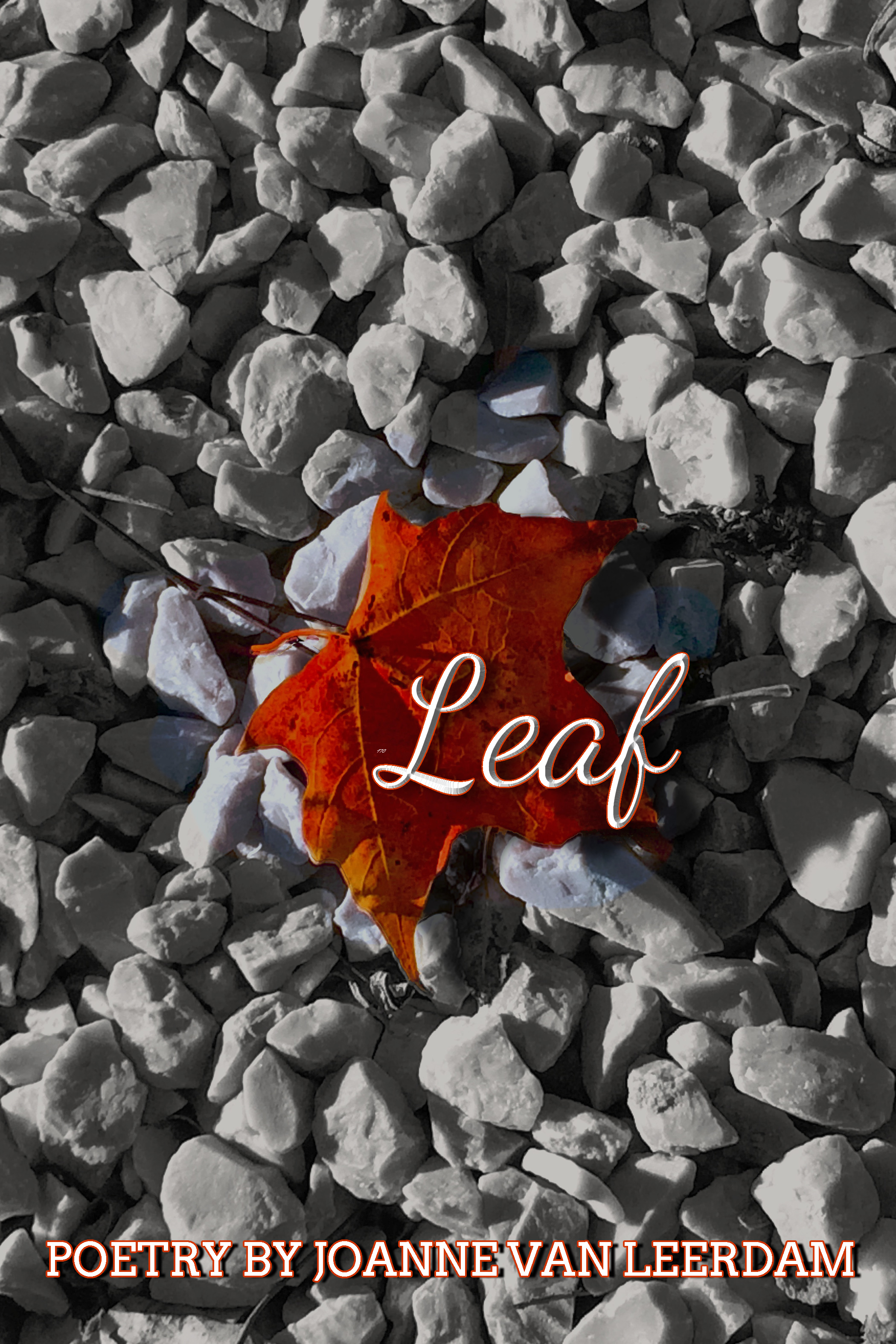
‘The Artist’ is one of my favourite poems from ‘Leaf’, my first published book of poetry.


2016-07-16-15-09-161.jpg
The inspiration for this poem came from my long-time friend Nicky, who is an gifted artist.
Nicky was one of the people who really pushed me to pursue publication of my poetry. She is an infinite source of encouragement and support, but more than that, she is a loyal and constant friend and confidant.

I should preface this story by pointing out that I’ve never been good at drawing or painting. My grandfather was an artist. My sister once painted a brilliant life-size portrait of Charlie Chaplin that covered her bedroom door for years. My mother could draw animals, people, and groovy designs with a ball point pen and make them look fantastic.

And then, there’s me. The only thing I can draw is cash from an ATM, and the occasional stick figure.

One day, Nicky showed me one of her beautiful paintings, which she had just completed. I gazed at it for a while, and sighed,”I wished I could do that.”

The Artists Plain

Without missing a beat, she replied, “You do. You just do it with words.”

That came as a real revelation to me. At that point in my life, I just wrote poetry for myself, and shared the ones I liked with a couple of friends. I didn’t really consider myself a poet as such, nor did I think I’d ever be published.

With those words, she inspired this poem.

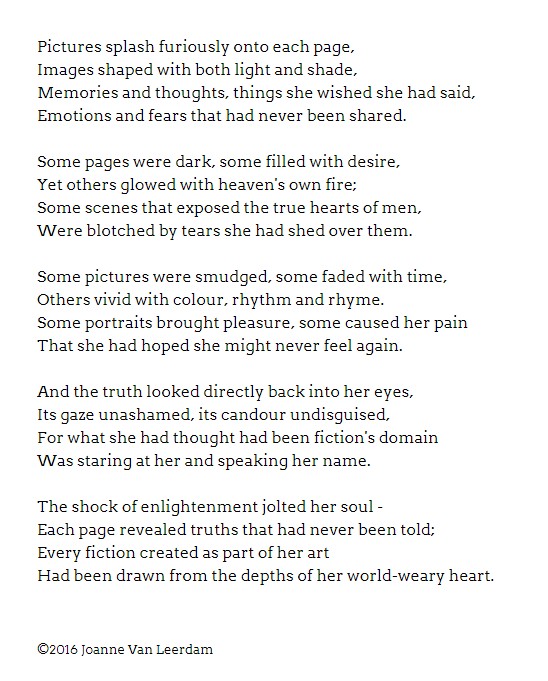
The Artist.

ScreenHunter_439 Apr. 11 11.03

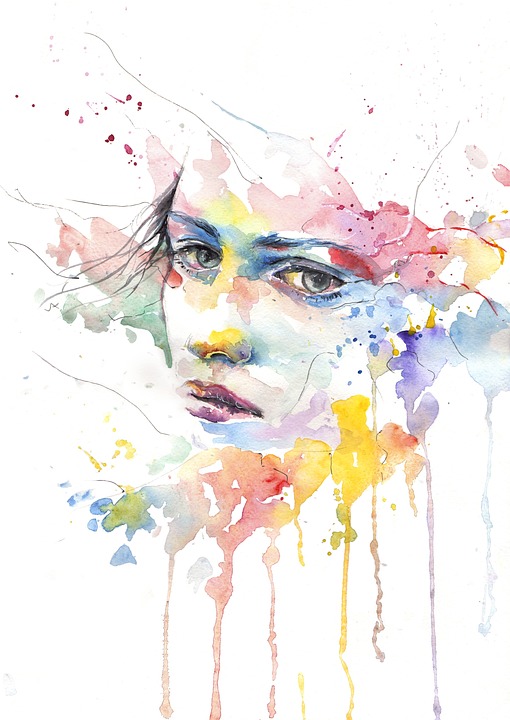
As a poem, I believe it hass integrity. It feels and sounds good when reading it aloud, and the rhythm works well with the ideas of making brush strokes and splashing a bit of paint around. At the end, it’s a reflection of that moment when the artist stands back and is surprised by what she finds on the easel in front of her.

The artist in the poem is definitely me. Like the artworks in the poem, some of my writing is vivid and colourful, while other pieces are dark and tear-smudged. Even a poem that appears to be fictional, like ‘Misery’ – which has been included in a fairy tale anthology! – is deeply rooted in my own reality.

I have very great affection for ‘The Artist’ for the truth it tells about my own experience as a poet, but I also love the fact that it will always be about my friendship with Nicky, too. Without her inspiration and encouragement, I might still just have a bunch of notebooks full of poems that nobody else would ever read.

Leaf 2nd Ed eBook Cover 6x9 350ppi

I first told ‘The Artist’s story when Nicky spoke at my book launch for ‘Leaf’ in June, 2016. Completely unaware of the story behind the poem or the fact that she had inspired it, Nicky chose ‘The Artist’ as the poem she would like to read to the guests. When she finished her reading and speech, I followed with the account of the poem’s inspiration. It was a beautiful moment in time that highlighted the wonderful thing that we share in our friendship.


Joey'sMapleLeafTatt

I hope you enjoyed ‘The Artist’ and the story behind it. If you appreciated this post, please click “like” below so that others find it more easily. You’re also welcome to leave a comment.
Thank you in advance.


Beowulf: A Marvellous Story, Magnificently Told.

Beowulf, a centuries-old epic poem, is a marvellous story, magnificently told.

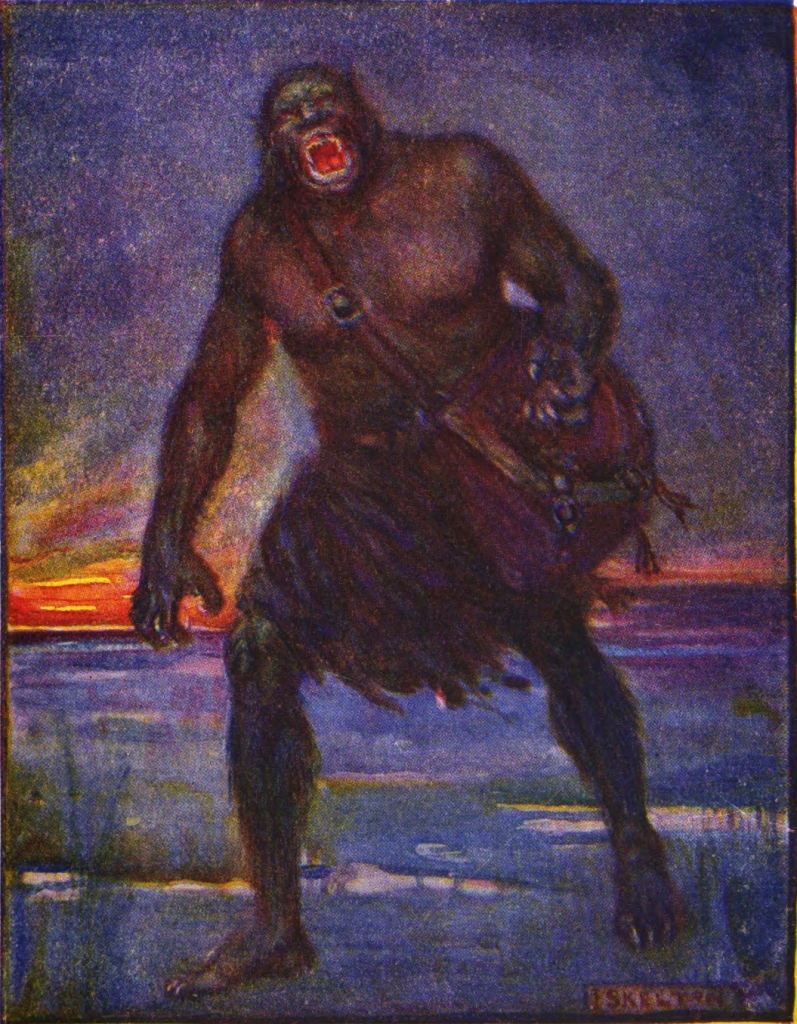
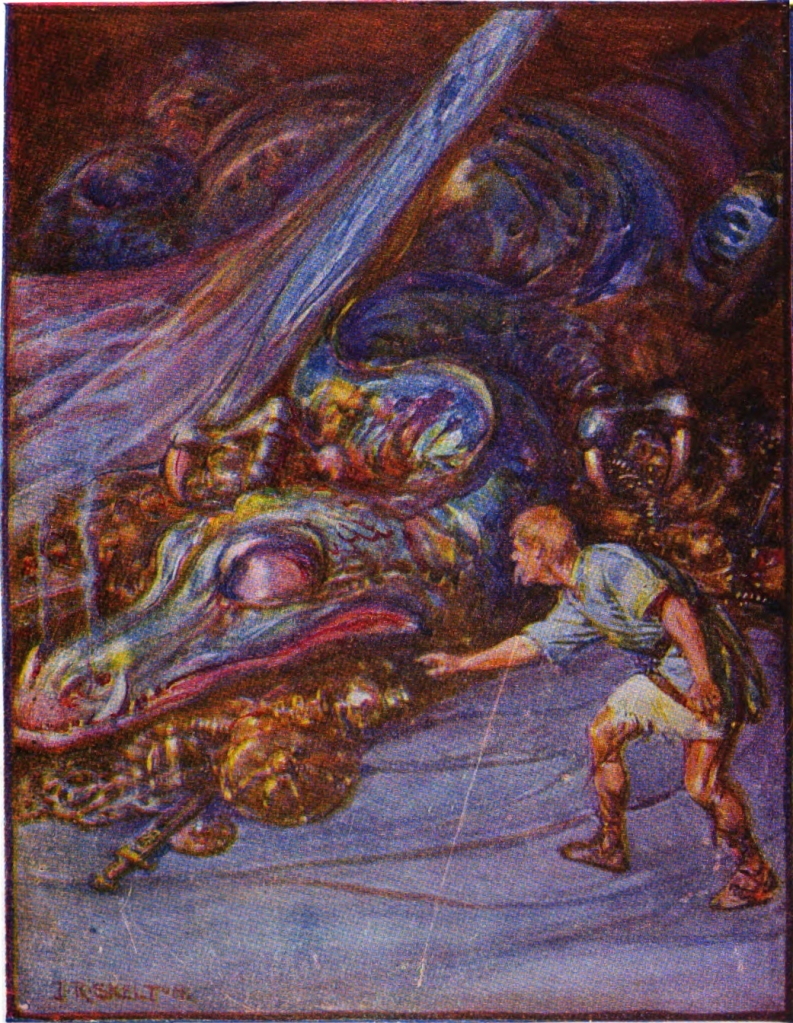
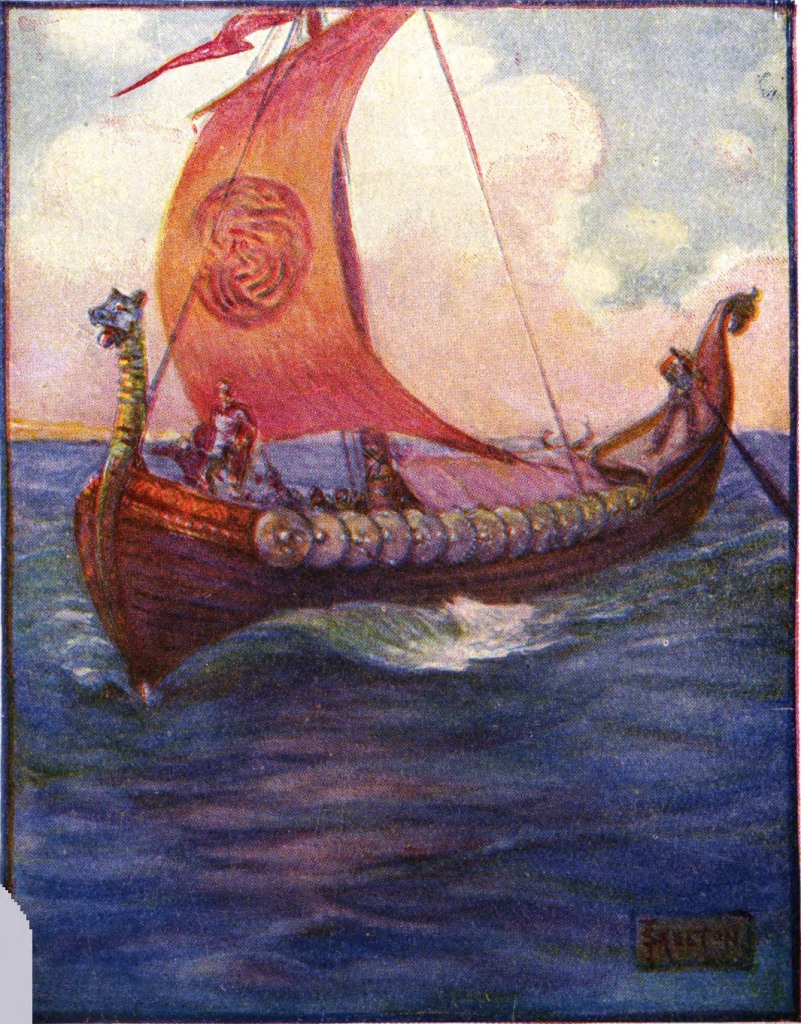
Beowulf is the oldest poem that we have in an English language. It is a medieval Anglo-Saxon epic poem that tells of the adventures of the hero, a great warrior named Beowulf, who crossed the sea from Sweden and helped the Danes fight the monster Grendel. ‘Beowulf’ is based on an early Germanic tale that relates events which would have happened after the fall of the Roman Empire and before these tribes moved into Britain. It celebrates a culture that glorifies strength, courage, and heroic achievements. These stories were told in verse by poet-singers called scops as a popular form of entertainment.

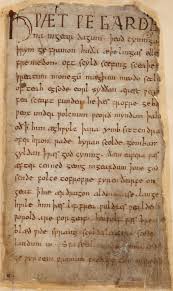
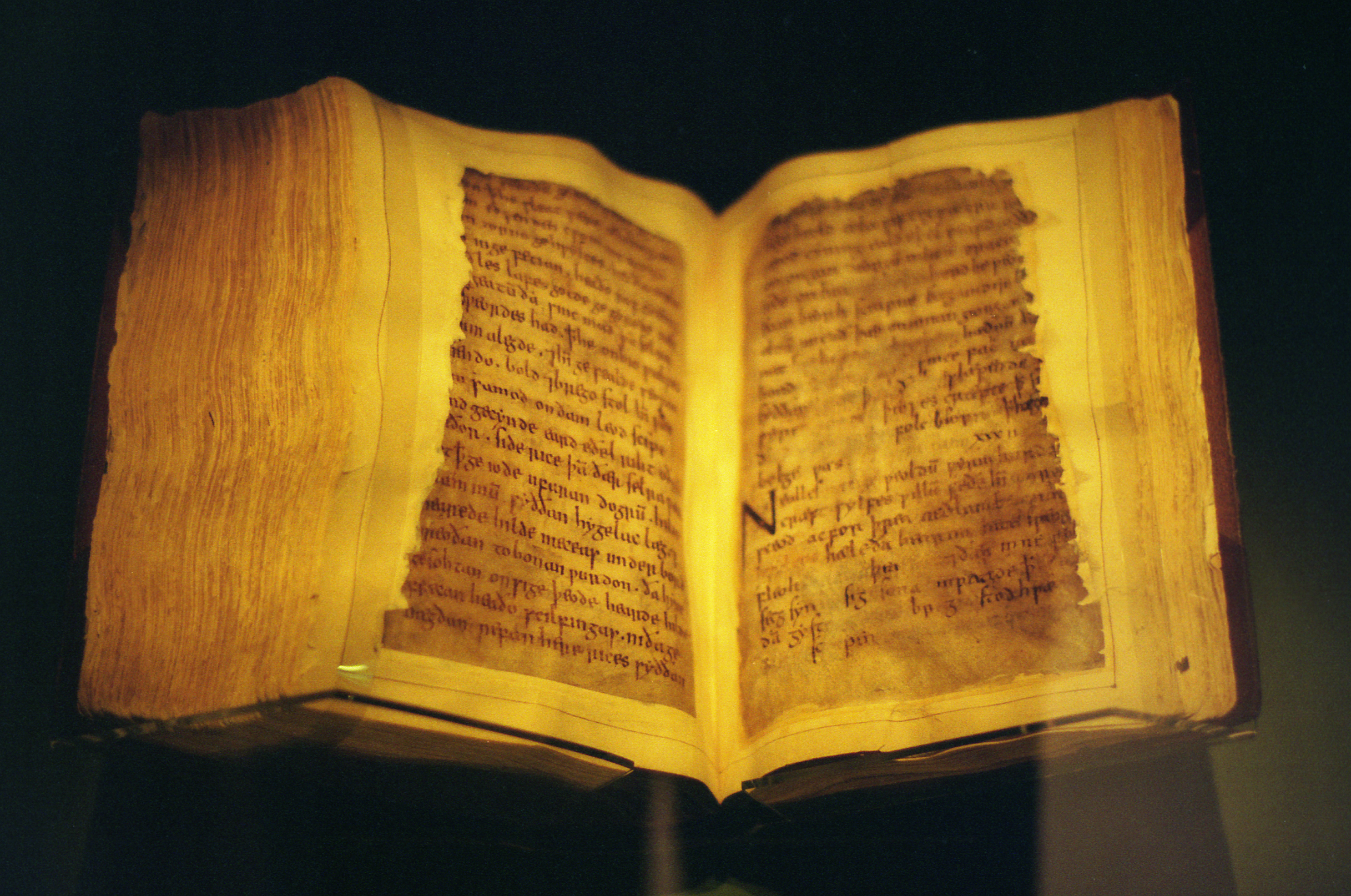
imagesAfter being passed down as an oral tradition for centuries, Beowulf was written down somewhere between the eighth and tenth centuries in Old English, the language that the Anglo-Saxons spoke in Britain. We don’t know who wrote it, or exactly when or where it was written down, or if the characters in the poem really existed. The single manuscript that still exists was written in two different people’s handwriting. The poem could be one traditional tale, or a combination of a number of folk tales into one great story. There was a Swedish king named Hygelac who died in 521AD, so it is possible that some or all of the characters were based on real people.
Old English is very different to modern English, so the poem has been translated into modern English so that we can still read and understand the poem today.

Perhaps the most distinctive poetic device in Old English poetry is the kenning. A kenning is a short, metaphorical term which describes a thing without using its name. In ‘Beowulf’, the king is referred to as a “ring-giver”, while Beowulf himself is called “Higlac’s follower”. My favourite from ‘Beowulf’ is “whale-road” as a description for the sea– isn’t that magnificent? While we are still very fond of metaphor, I think it’s a shame we don’t make more use of the kenning. Old English poetry was also characterised by strong rhythm and frequent alliteration. This would have helped the scops learn and remember the tale as an oral tradition, and added a musical element to the recitation, as well as making the story pleasant to listen to for the audience.

Beowulf_Manuscript

Modern translations follow the convention of making frequent and consistent use of both kennings and alliteration. This adds a wonderful sensory element to reading the story of Beowulf, which even today is a thrilling read. It delivers elements of adventure, history, heroism, and macabre storytelling.

The poem is way too long to include in this post, but you can find Beowulf, translated by Seamus Heaney, as a safe-to-download PDF at Scribd.
(Note: you do not have to subscribe or accept any trial memberships to get this file.)

There is also a wonderful reading of the poem in contemporary English on Youtube.

Joey'sMapleLeafTatt

Did you enjoy this post? Please help make it more visible to others by clicking “like” below.

Writing What I Know.

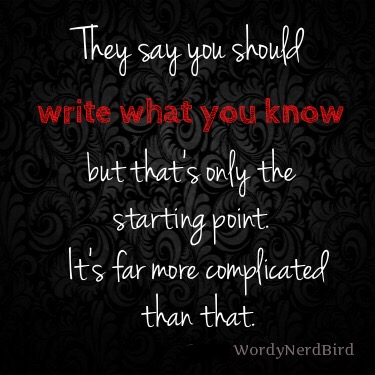
One of the simplest pieces of advice given to writers is to “write what you know”.

One of the simplest pieces of advice that is given to writers, especially those just starting out, is to “write what you know”.2018-04-08 18.10.55

It’s good advice.
It doesn’t take long, though, before it gets more complicated: it’s what you do with it after the first draft that makes any piece of writing effective and powerful.

While I don’t have any personal experience of unicorns or magical black cats— yes, it’s hard to believe, isn’t it?— my poetry is full of what I know. Every poem is inspired by real-life experience, either mine or that of someone close to me, or my own observations of other people and their actions. Even those poems that appear to be fictional are grounded in personal truth.

For this reason, there really isn’t anything that I won’t write about.
Grief. Fear. Joy. Sadness. Depression. Temptation. Despair. Determination. Anger.
It’s all there.

Writing poetry is the most effective therapy that I have ever experienced. At different times in my life, I’ve sat through grief counselling, infertility counselling, and therapy sessions to help with my depression. Each was worthwhile in its own way but, for me, none of that has come close to the healing power of ink on paper, working through ideas, shaping and crafting meaning with the words I choose, so that I can express my thoughts and feelings effectively.

Late last week, for example, I found myself confronted by the actions of a particular individual whom I had not seen for some time. Churning inside with revulsion and anger, I knew I was not ready to get into the car and drive home in that state, so I went and found a place where I could think and write and start to deal with both the new knowledge and the way it made me feel.

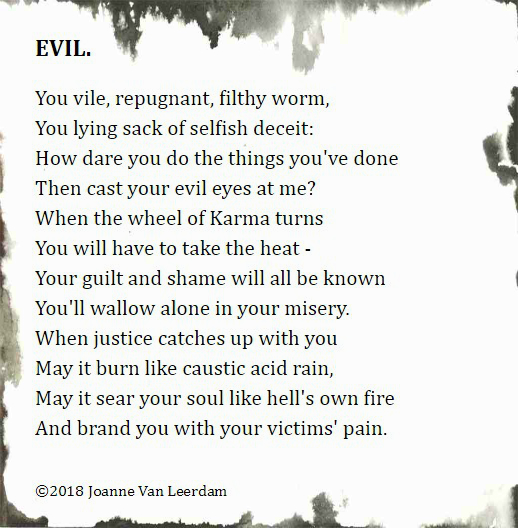
I didn’t write one poem. I started several, and have made progress on three. Only one is finished- at least, I think it is. It doesn’t identify anyone, nor is the finished poem specific to only my situation, but it leaves the reader in no doubt whatsoever about how I feel. It’s a poem that is entirely relatable for anyone who finds themselves horrified by the unsavoury actions and/or evil intentions of another.

My hope in publishing it is that, if someone in a similar situation to mine should read it, they will know they’re not alone in their feelings. There is, after all, solidarity in numbers.

Evil

I haven’t decided whether or not ‘Evil’ will make it into a future collection for a book.
I do know that I felt a great deal better when I had written it than before I started. And really, that was the whole point.

If you’d like to read more of my poems, there are a number of them published on WordyNerdBird Writes.

Joey'sMapleLeafTatt

If you appreciated this post, or the poem included, please like the post by clicking the button below, or leave a comment. All constructive feedback is welcome.