Today is celebrated as Mother’s’ Day in Australia and many other places around the world. My mother passed away in 2011, but today I want to pay tribute to her as the most influential person in my development and career as a bookworm.
 I inherited my love of books and reading from both my parents, but it was Mum who put the consistent effort in to enabling my reading habit.
I surprised my mother – and probably everyone else, now that I think of it – by being able to read when I was three years old. In a manner entirely consistent with how I would behave for the rest of my life, I picked her up on skipping words and sentences when she was reading to me. I can understand her doing that – I’ve read the same book to kids a bazillion times, too, and it does wear a little thin. Back then, though, I was probably morally outraged as only a three year old can be when they’re getting shortchanged on a favourite story. When I read back to her the story as it was written on the page, Mum thought I had merely memorised the whole thing. So she chose a new book for me, and I read that one to her, too.
From that time on, Mum was always enthusiastic and active in encouraging me to read widely, and spent many Saturday afternoons driving me to the library so that I could borrow enough books to keep me going for two weeks.
By the time I was ten, I had read all of her Agatha Christie books and many of my grandgather’s Perry Mason and James Bond books, and I had well-loved copies of the Narnia Chronicles and the “Little House” books on my own shelf.
It was then that Mum let me read the old copy of Anne of Green Gables that her own parents had given her. I clearly remember reading Lucy Maud Montgomery’s descriptions of Prince Edward Island sand saying to her, “I’m going to go there one day.”
“You have no idea how far away that is!” she replied.
“I don’t care. I’m going!” was my response.

I finally did go to PEI and visited Green Gables in 2015, and I wished that I could have told Mum and shown her my photos. I believe she would have been genuinely happy for me, and proud that I had achieved something I had wanted to do since that young age.
I know my mother was proud of me for following her into teaching, and I know she would have been proud as punch of the fact that I became a writer, too.
My career as a poet and author, though, would have been far less likely to happen without the love for books and reading that Mum and Dad modelled and mentored for me, and for that I will always be thankful.
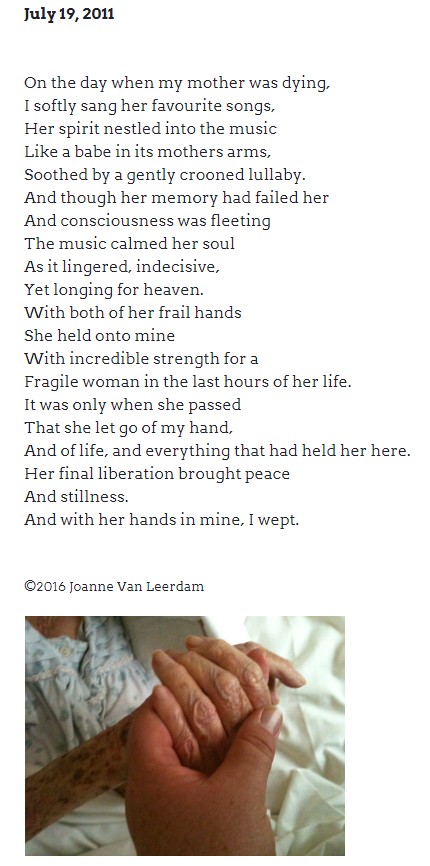
My first book was not born until almost five years after Mum graduated to heaven. I couldn’t write about her passing for several years afterwards, because it was too raw. When I did finish the poem that I wrote for her, I shared it with my father and siblings so that they could share my memory. If they hadn’t loved it, I wouldn’t have published it. They did, though, and it enabled me to share part of that last day of her life to which they were not witnesses.
Since ‘July 19, 2011’ was published in ‘Nova’, it has touched and encouraged many people who have lost their mums – and dads, and others close to them. When people tell me that my poetry has touched their heart or affected the way they think about something, that’s when I feel the most fulfilled as a poet. I’m really proud today that Mum’s poem can have that effect on someone else. Although she is gone, her legacy lives on, not just in my memory and my heart, but also in my writing.
It’s impossible to not miss my mother on days like today, and not a day passes that I don’t think of her. So, for Mothers’ Day 2018, I want to share the poem I wrote for her with you. I hope you enjoy it and find it meaningful.

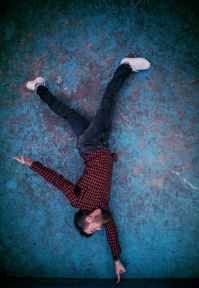 Balance is something I often aim for, but things don’t always work out that way.
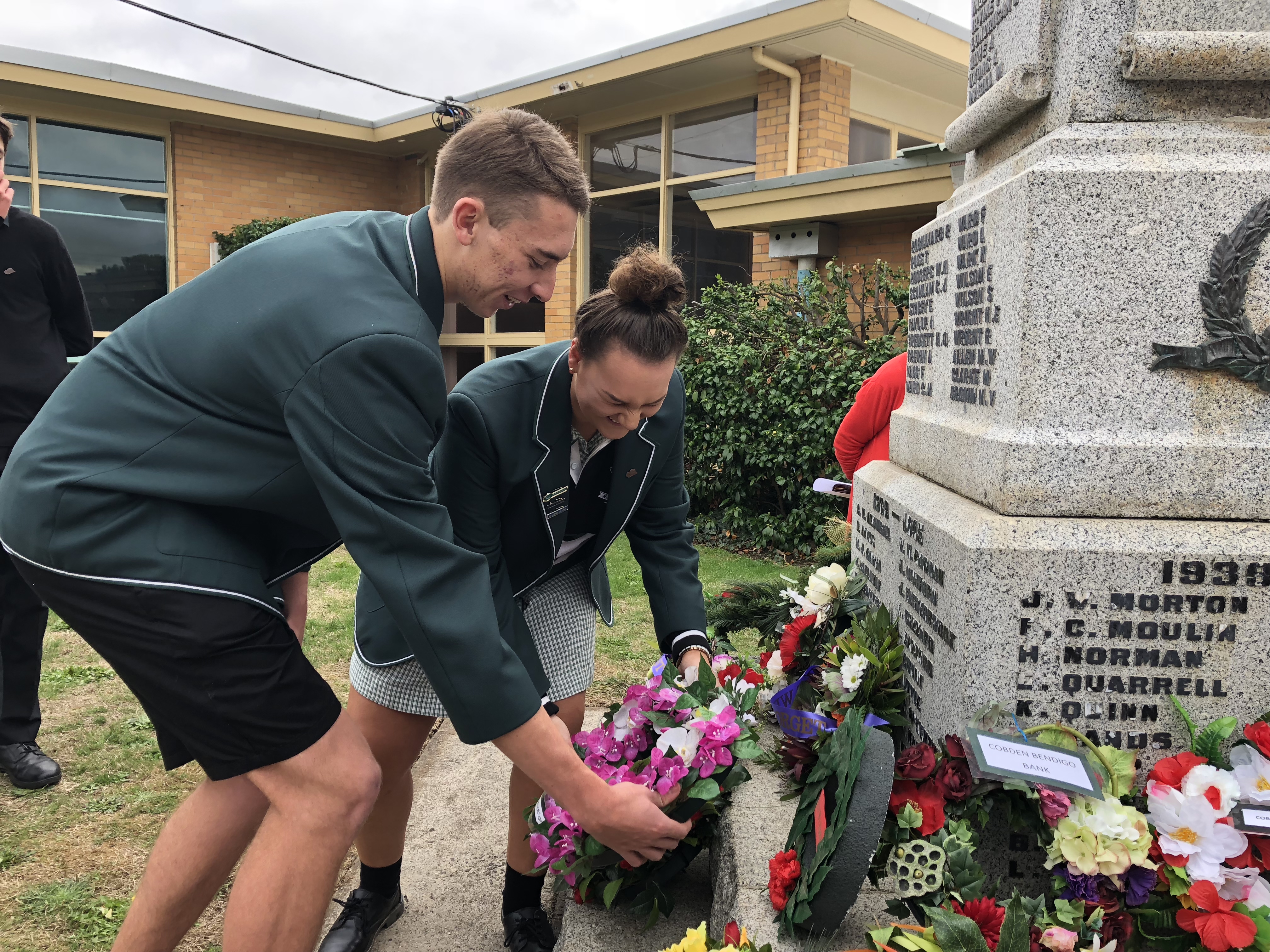
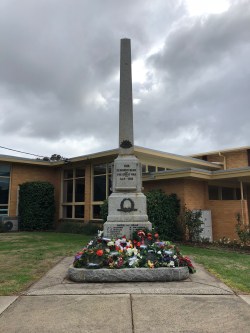 Peter Rock, the MC at this morning’s ceremony at the cenotaph in my local town, made a profound observation in the early moments of his opening speech: “Those who are surprised by the fact that ANZAC Day commemorations continue to draw record attendance understand very little of our national character.” He went on to speak about how and why we remember those who fought and sacrificed themselves for our freedom. Their bravery is renowned, but so is their commitment despite adversity, their mateship, and their love for their country. He’s absolutely right – those are qualities that have indeed become part of our national character. Our freedom and our mateship are the rewards of their courage and service.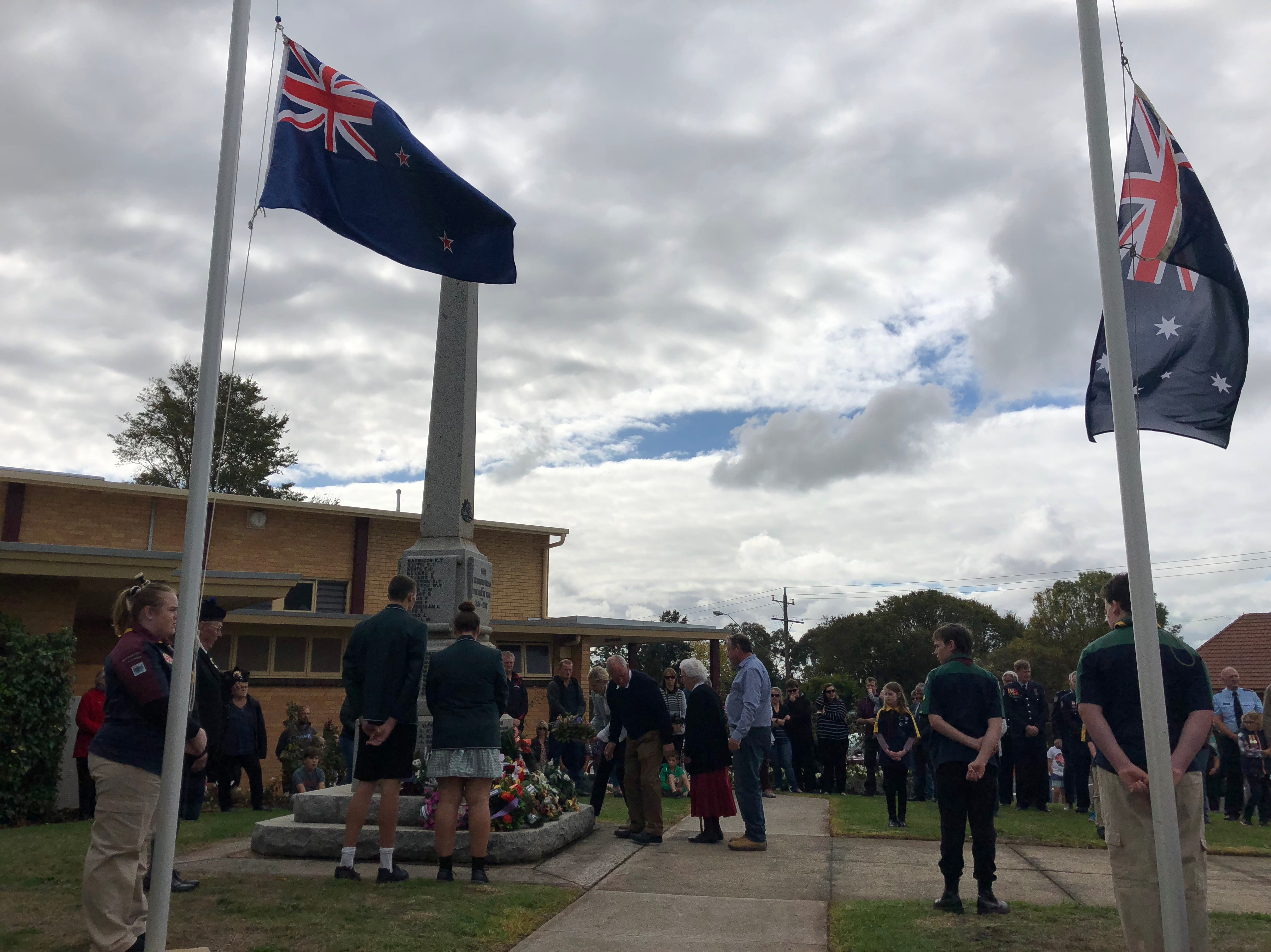


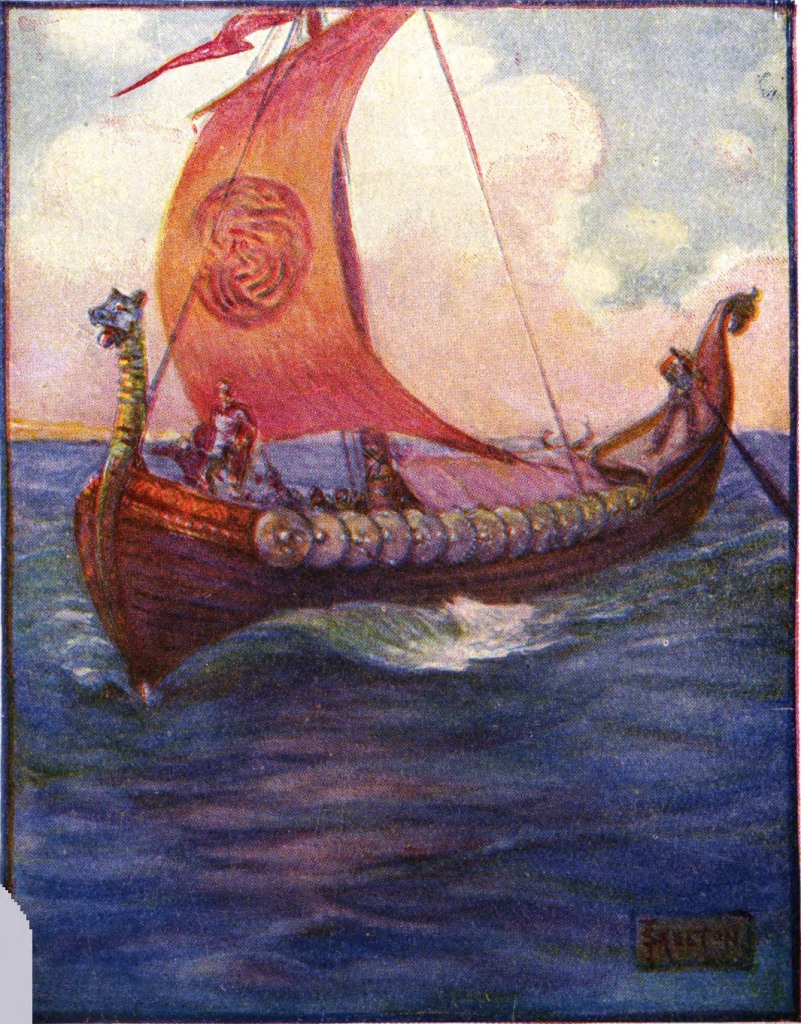
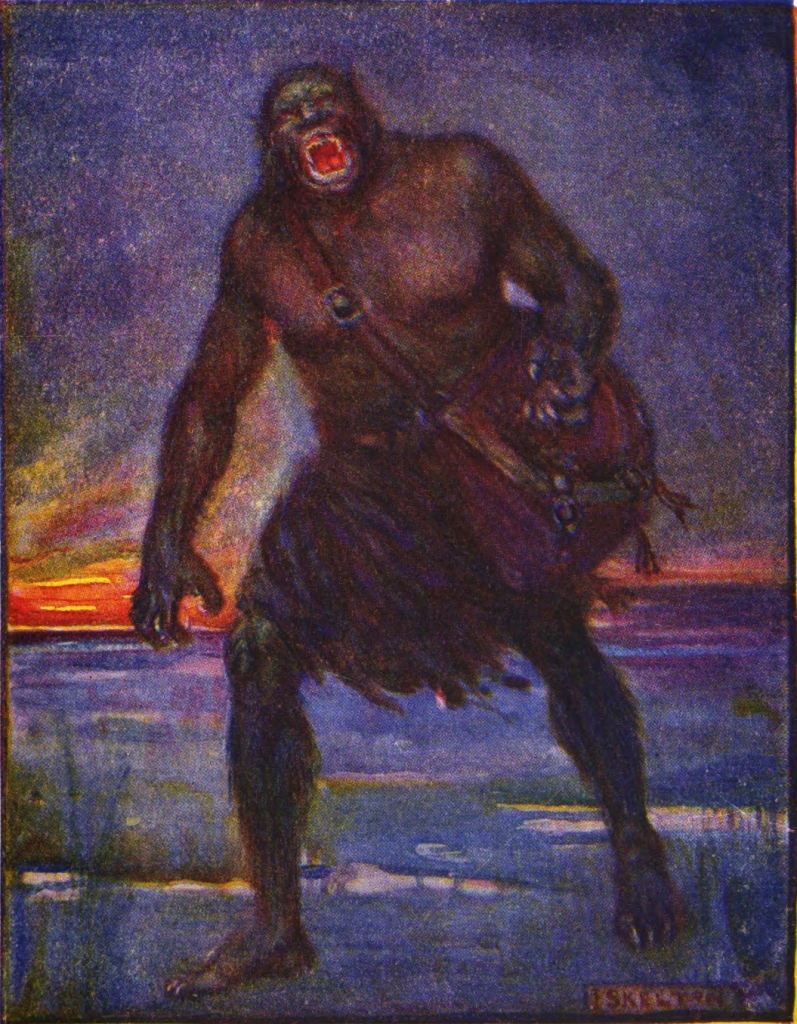
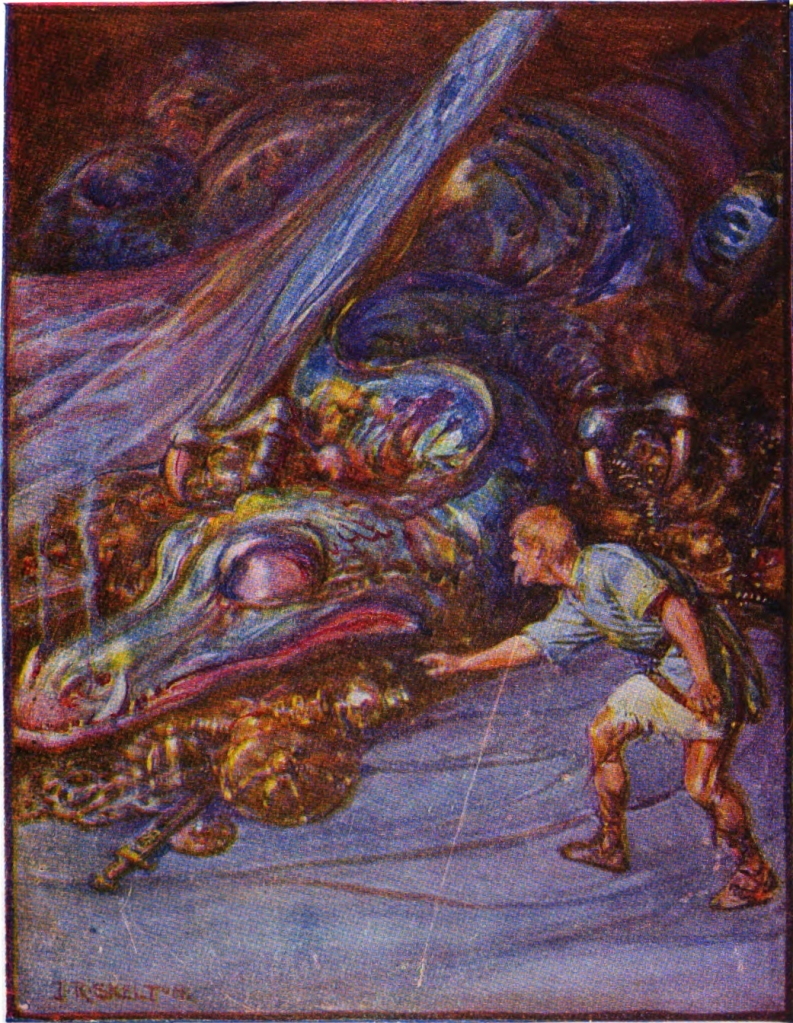
 After being passed down as an oral tradition for centuries, Beowulf was written down somewhere between the eighth and tenth centuries in Old English, the language that the Anglo-Saxons spoke in Britain. We don’t know who wrote it, or exactly when or where it was written down, or if the characters in the poem really existed. The single manuscript that still exists was written in two different people’s handwriting. The poem could be one traditional tale, or a combination of a number of folk tales into one great story. There was a Swedish king named Hygelac who died in 521AD, so it is possible that some or all of the characters were based on real people.






 How I would love to be able to write poetry of this quality!
 WordyNerdBird