Yesterday was abysmal. That’s not even an exaggeration. In my string of at least a month’s worth of rotten days, yesterday hit new lows.
I can’t even pit into words how bad it was. It was a day in which I began to question everything I thought I knew about myself professionally, and some of the things I thought I knew on a more personal level.
It was a day of alternating between being in tears in my office and being in class pretending nothing was wrong.
If the fact that my students have no idea what I have been going through for the past five weeks is testament to my ability as an actor, then yesterday’s performance was nothing short of stellar.
Even leaving work didn’t help: things just kept getting worse.
Today has been better – not because anything has actually changed— it hasn’t at all— but because of the people who told me they believe in me.
It does not change the way things are, but it does empower and encourage me to keep going. For every person who has no faith in me, I have two who do.
So, I’m going to soldier through it and get things done. I’m going to focus on the positives. And if people try to bring me down, I’ll show them what I’m made of, and then I’ll probably put them in a story and kill them gruesomely.
The aim of this post is not to complain. My spirit is still quite positive, albeit a little weary after working hard to tick things off my “do or die” list this week. Instead, my purpose is to raise awareness of what it’s like to live with Fibromyalgia.
People cannot see my illness. It’s easy to feel sympathy for someone in a cast, a wheelchair or a hospital bed. I notice an immediate difference in people’s responses on the days I need to use my walking stick. Some are kinder, and most are more physically careful around me.
Of course, there are always some who couldn’t care less about someone with a cane, but there is no point losing time or sleep getting upset about them. Their attitude only highlights the good in others’.
My disease is invisible, although some of its effects are not. I may look tired, or upset, at times. My emotions sometimes get a bit messy, although I am a good actor so most people don’t know that.
After a busy and somewhat stressful week, my body is letting me know how unimpressed it is. My pain levels are in the “stupid” range. My legs don’t want to bend anymore. I have zero need to take my pulse because everything is throbbing. Even typing this is slow because my fingers hurt too.
To anyone else, I probably just look like someone in a recliner, covered with a quilt on a cold night, typing on her iPad. The truth is, I want to go to bed but I don’t want to move because I ache so badly.
I have medicated, but it’s not touching the pain. That’s always good.
In a further act of bodily insubordination, my very dodgy spine is giving me spasms— yet another an indication that I have probably (read: definitely) overdone it, yet again.
I don’t want sympathy. I don’t want medals or admiration, or people telling me I’m brave.
What I want is for people to understand that Fibromyalgia and other “invisible illnesses” are not imaginary. They are not something we adopt because they are “trendy”.
Fibromyalgia hurts. And it sucks. And it doesn’t go away.
And if you think I “don’t look sick”? Just remember, you can’t see my superhero cape, either.
Over the past few months I’ve been making changes to my social media usage in an effort to take better care of myself.
I have for quite some time now had a pattern of posting, responding to other people’s posts, and then looking for posts of value or interest to share. While those are all great things to do, I came to realise that I needed to put some limits on how much I did of each.
It’s so easy to get sucked into the mentality of thinking that we have to be perpetually present, always available, and never really “switched off”. That way of thinking is a lie— and a dangerous one at that. It’s a really unhealthy pattern that leads to a sense of social obligation that is really hard to break.
Sure, we all want to interact with friends, respond to their posts and see what’s interesting out there in cyberspace. We all want to share our own posts and, for those of us who are authors or other types of Indie creative, we need to promote our work.
That doesn’t mean that we have to do it constantly.
Consequently, I’ve made some changes. I have chosen to take control of my social media, instead of it controlling me.
I’ve cut down the number of times a day I check my various social media. I have found that checking in a couple of times a day is actually just as effective as checking in far more frequently.
I’ve made a deliberate effort to reduce the amount of time spent scrolling through my newsfeed. Scrolling through when things are new and there are people and posts I want to respond to is fine, but the mindless scrolling that often followed wasn’t helping me get things done. Once again, I have found that I’m interacting just as much, but wasting less time and energy in between.
If I need to post something in between as I often do, I post it, check my notifications for anything important, ignore anything that can wait until later, and leave again.
The verdict:
I feel a lot less distracted and far less pressured to “perform” on social media.
I’m using my time more constructively without losing out on contact or interaction with others.
I’m resting better. Because there’s less “white noise” in my thoughts, I can get the peace I need to relax.
Making my social media work for me is far better than me trying to fulfill its never ending demands.
I’m not saying I have total control of the circus, but at least now I am a lot closer to directing the show.
The blogpost ‘Only Way Out’ by Allison Marie Conway moved me powerfully.
This is me. This is the power writing has over me. It is my therapy. My escape.
And yet, lately, a deep, overwhelming sadness that has wrapped its weighty fingers around me, constricting my thoughts and paralysing my creativity.
“Give yourself time. Breathe. Be kind to yourself. Be patient.” I keep telling myself these things, hoping to make myself small enough and relaxed enough to slip from its grasp.
I will get through this. I will write my way out of it yet.
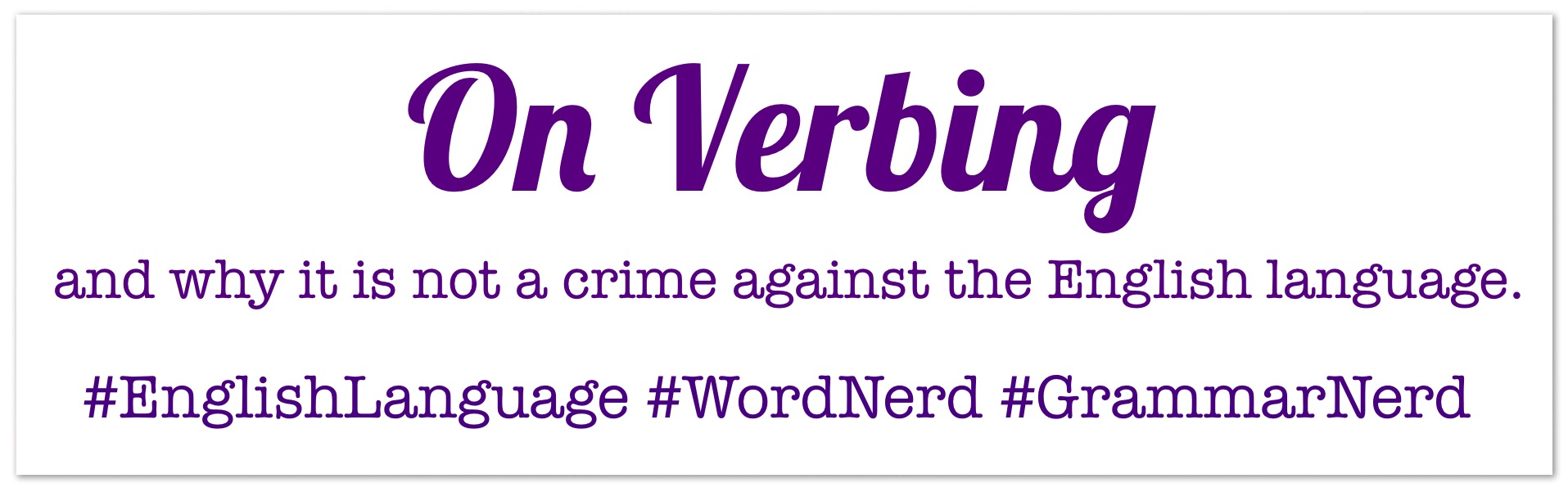
Most of the time, when people protest about the way the English language is abused, it’s a case of the language continuing to evolve as it has always done.
One such example is the practice of verbing, which takes the noun form of a word and transforms it into a verb form… like ‘verb’ and ‘verbing’.
Just last week, I was talking with a friend about how annoying she finds it when people say “I’m going to action that.” I’m sure she sought me out for the conversation because I’m both a word nerd and an English teacher.
“Action is a noun! A bloody noun! How can so many otherwise intelligent people get that wrong?”
“It grates on us because it’s recent,” I said. “We’ll get used to it.”
“No, I won’t! It’s just wrong!”
“You know Shakespeare did it?”
“What?”
“Verbing. He did it all the time.”
“You and your Shakespeare. It’s like he’s the answer to everything.”
“You know he invented the word ‘friending’, right?”
She rolled her eyes and walked away. She didn’t even flinch at my use of the term “verbing”, which is exactly the same thing as “actioning” in terms of the language. After all, ‘verb’ is a noun, too.
It is the recent examples of verbing, such as “actioning” an idea, that we notice because we’re not used to hearing them yet. When Facebook was new, people complained the same way about “friending”, but these days nobody thinks twice about that. At some point in time, someone decided that it was okay to talk about bottling fruit, or shelving books, and now those terms are just everyday language.
It is also true, however, that some things people commonly say are, quite simply, wrong.
My pet peeve is when my students are talking about sport or some other kind of competition, and they say “We versed Team X”.
This is a common bastardisation of the Latin versus, which means ‘against’. It is commonly used for sporting matches and legal cases, and is generally abbreviated as v. or vs., as in Black v. White or Blue vs. Red.
My first response is always to ask whey they wrote poetry about another team. “You played them. You opposed them. You clashed with them. You competed with them. You did not write poetry about them.” Then I explain how the different words work, and what they actually mean.
The reason “versed” is wrong is because the words ‘versus’ and ‘verse’ have absolutely nothing to do with each other. Because ‘against’ is a preposition, it simply doesn’t make sense to say “We againsted them”. It is not verbing, by any stretch of the imagination.
The first time we have that conversation, they look at me with confusion. Some have a glazed look of fear, like the proverbial deer caught in the headlights. This never fails to entertain me. The second and third times, they roll their eyes.
Over time, the tedium of having the same grammar-nerdy conversation persuades them to start using the language correctly. They learn, I win, and so does the English language.
Don’t misunderstand me: I am not being flippant or casual in saying ’Thank God It’s Friday”.
Not. Ever.
And especially not tonight.
At the end of yet another really sucky week in a succession of variously sucky weeks, I can honestly say I am so thankful for the fact that it’s Friday night and I am free of any obligation to look or sound like I know what I’m doing, stick to a schedule, wear proper shoes, or talk to anyone that I’d rather not talk to, for two whole days.
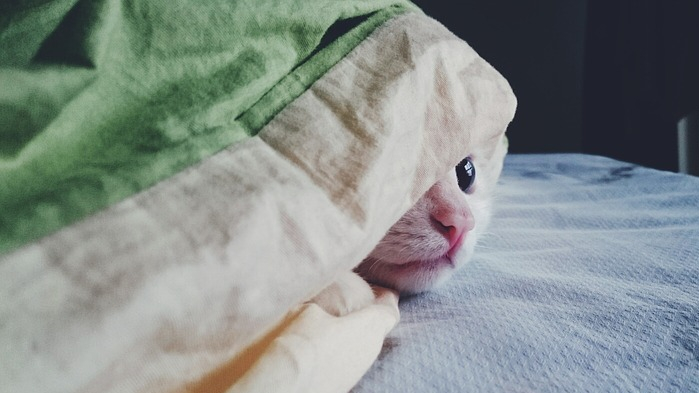
I’ve come home from work tonight, fed the dog and fed my dad, done the dishes, and consider all my obligations to have been met. I am currently hiding under a quilt in my living room so that the universe might not know where to find me.
And if you see someone poking pins into a voodoo doll that looks like me, do me a favour and take it off them, will you please? Gently? And maybe give it coffee and pizza. Thanks in advance.
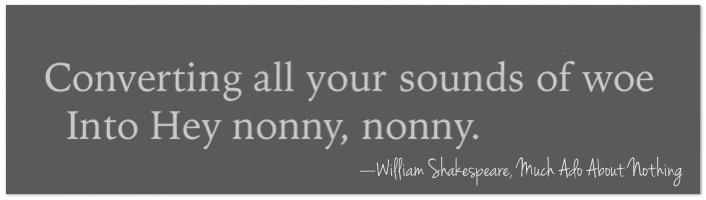
‘Hey nonny nonny’ is a curious little phrase found in Shakespeare’s ‘Much Ado About Nothing’. The character Balthasar sings a song to the ladies in which he recommends that instead of worrying about what the men are up to, they should convert their sighs of despair into ‘hey nonny nonny’.
The phrase ‘Hey nonny nonny’ has no direct translation into modern English, but is understood from the context that it could be taken to mean a dismissal of circumstances as we do today with expressions like “whatever”, “what the heck?” or “that’s life”, or simply refer to general merry-making.
As such, it is a phrase that can be safely used in circumstances where less appropriate responses cannot be uttered. In my experience, expressing one’s umbrage using Shakespearean quotations is almost as satisfying as actually swearing anyway. There is something remarkably cathartic about speaking in Elizabethan English, although that will likely never be understood by anyone who does not appreciate and enjoy the language as I do.
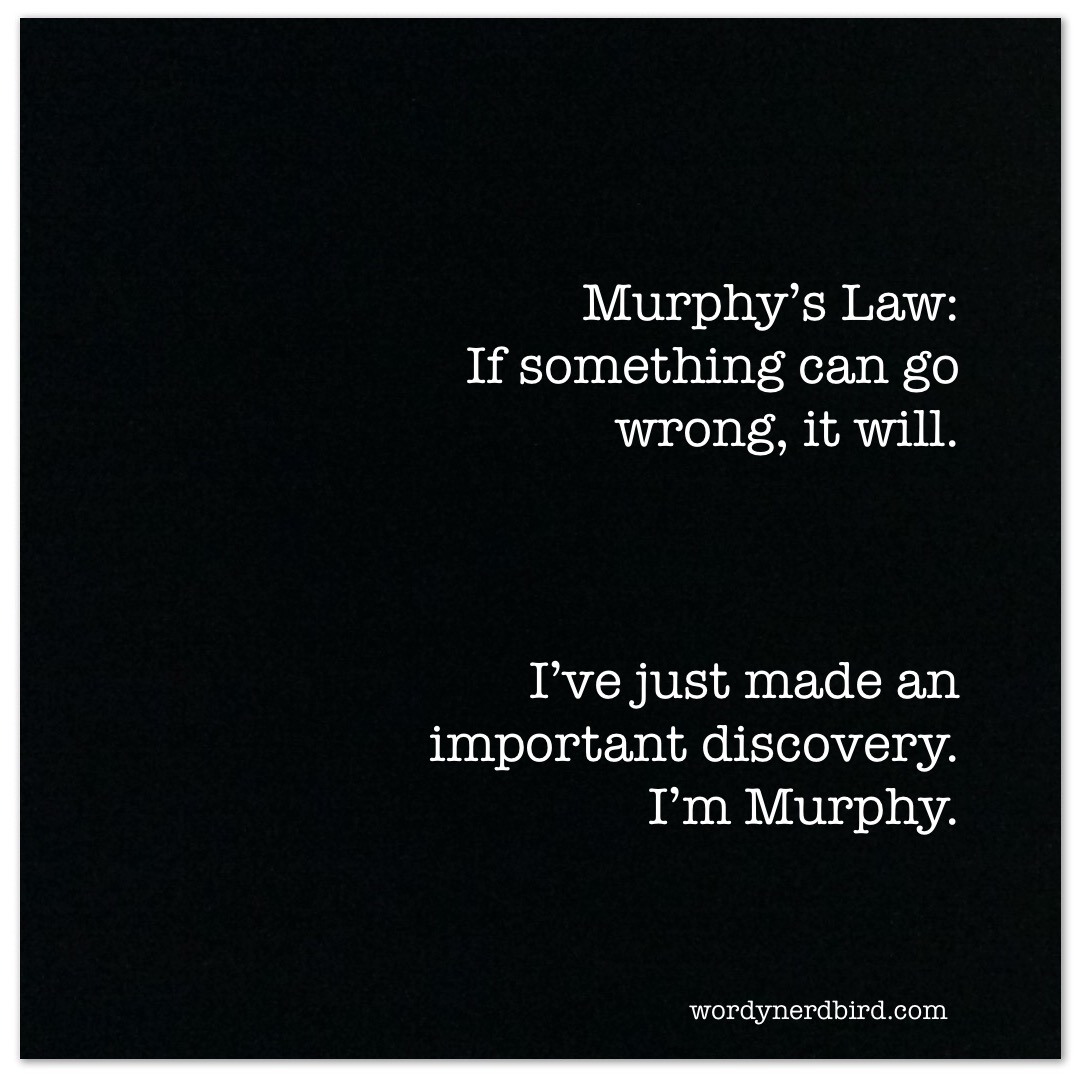
I have decided to add “hey nonny nonny” into my repertoire as a worthy companion exclamation to my renowned-among-those-who-know-me question, “What manner of nitwittery shall plague me on the morrow?” In writing this post, however, I’ve come to one realisation: I will have to teach my devices that I intend to type “hey sonny sonny” or “hey nanny nanny” about as much as I ever mean to type “oh shot”.
I fully agree with it for the most part. And yet, the past three weeks would have been a lot more satisfying and a lot less sucky if my car would quit jerking me around, the garage door would open and close as it’s supposed to, and if the costumer for my show had not done a “no show” on me seven weeks out from putting my school’s musical on stage.
I’m independent. I’m resilient. But golly gosh, sometimes satisfaction does come from outside oneself.
Before dying at the age of 68, Seneca the Younger made vast contributions to the school of philosophy, most notably in Stoicism.
The influence of Seneca’s work, however, would reach far greater than the school of ancient philosophy, and many of his principles and letters have moulded the landscape of the modern self-help world.
During his retirement and not long before his death, Seneca spent his days writing letters to his friend Lucilius, which have since been collated into a series of 124 letters known as ‘Epistulae Morales ad Lucilium’— Moral Letters to Lucilius. (These are summarised in the modern-day translation, ‘Letters From a Stoic’.)
Seneca’s letters detail his innermost thoughts, offloading his lifelong wisdom before passing. These writings contain a wealth of thought-provoking and insightful material…
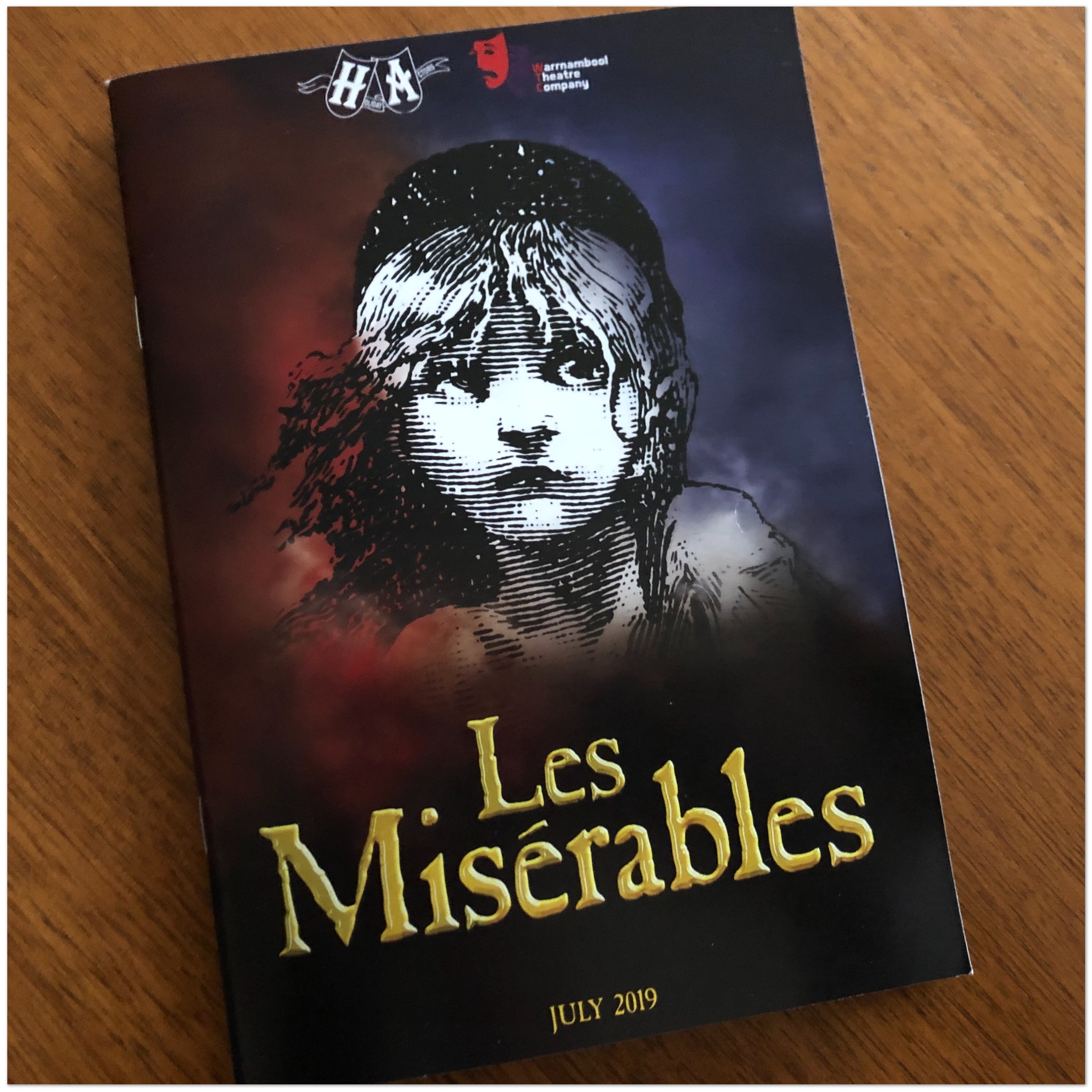
‘Les Miserables’ is among my favourite books of all time, and it is also one of my favourite musicals.
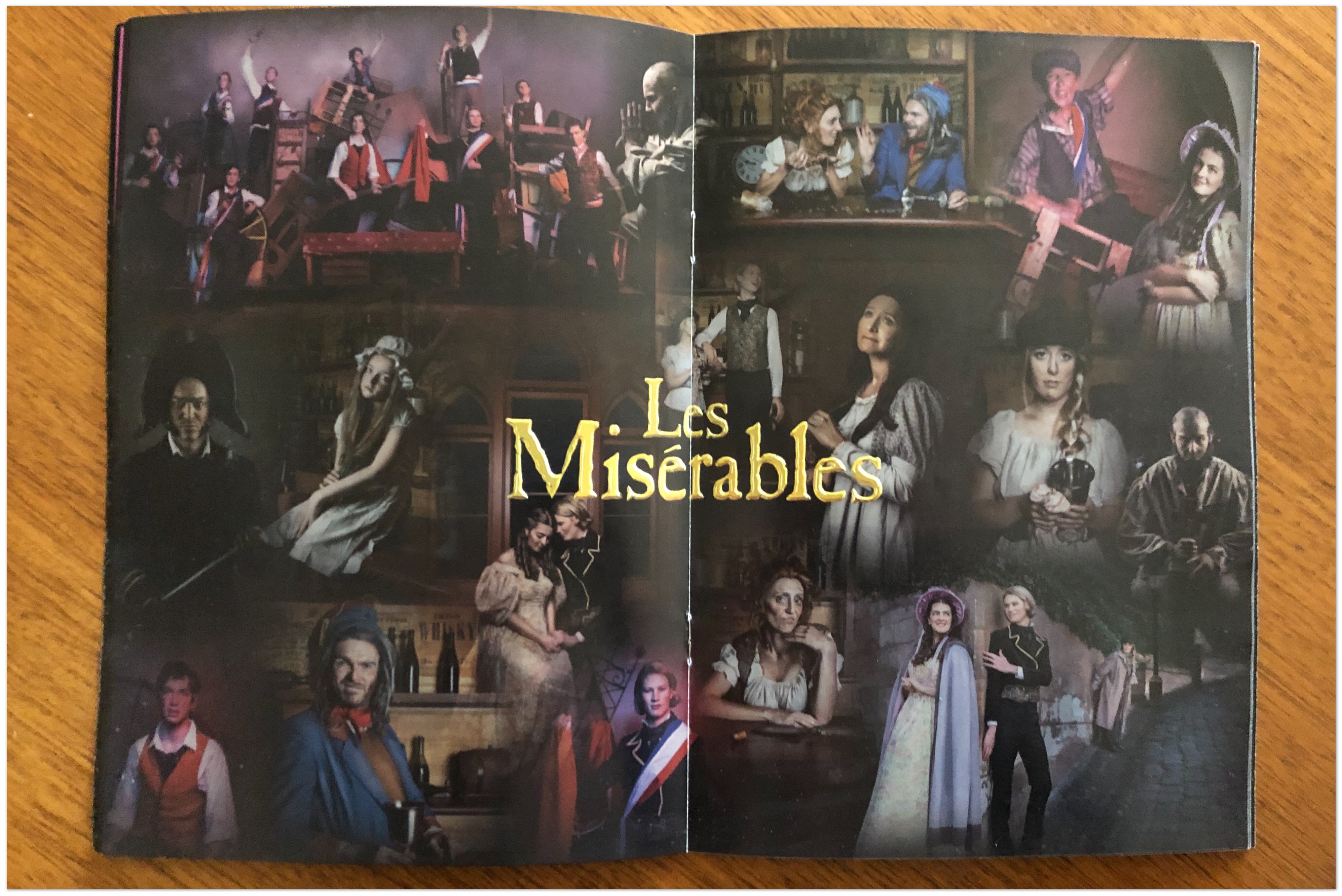
I saw a fabulous production of ‘Les Mis’ last night at the theatre in Warrnambool.
My major achievement for the evening was not singing along out loud— which took more self-discipline than you might ever realise.
I was moved to tears by the emotion and beauty of the performances, but also— as always— by the power of the lyrics.
There are many moments and several songs in the show that I love, but my absolute favourite lines are sung by Fantine:
“But the tigers come at night With their voices soft as thunder…”
‘I Dreamed a Dream’
Those words are so profound.I find them powerful because I know that whatever it is that a person struggles with – pain, grief, depression, anxiety, worry… those tigers visit more often at night, and stay for longer, than they ever do during daylight hours.
One of the reasons I began taking my writing more seriously a number of years ago was because I found it an excellent way of dealing with my night tigers and answering their voices with my own.
That’s why many of my poems deal with themes of mental health, pain, depression, grief, and resilience. Its also why I insist that writing is the most effective therapy I have ever had. It hasn’t cured me or solved my problems, but it has certainly helped to heal me and enable me to deal with the challenges I face in life in a much healthier way.
Those tigers still come at night, but they have discovered that I, too, can roar.






 WordyNerdBird