This post might come across as some kind of linguistic snobbery, and while that’s not my motivation, it is a risk I am willing to take.
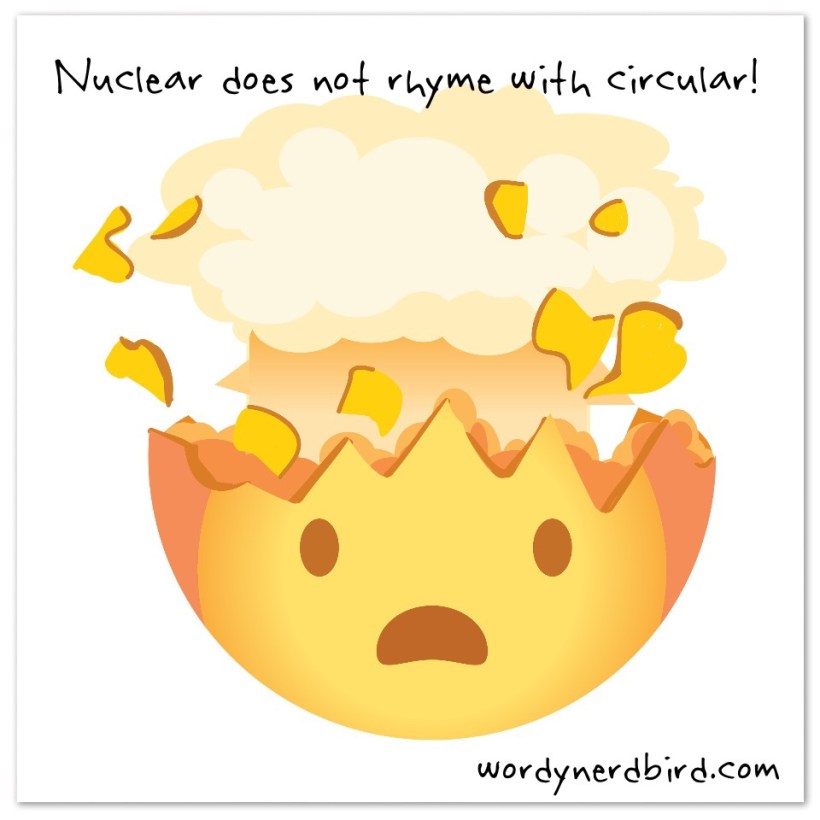
The common mispronunciation of nuclear is something that drives me absolutely nuts.
So many people pronounce it as nucular ( nyoo-kyoo-lar) but that is not how it is spelt or pronounced. I’ve even heard scientists on the radio and TV who say it that way, despite the fact that scientists of all people should know better. Did they get through however many of years study at university calling the central body of a cell the nuculus? I think not.
Nuclear is a three syllable word, pronounced nyoo-klee-ar.
If someone can say the words ‘new’ and ‘clear’ correctly, they should be able to manage ‘nuclear’ by just mashing those two words together. Think of it as linguistic nuclear fusion.
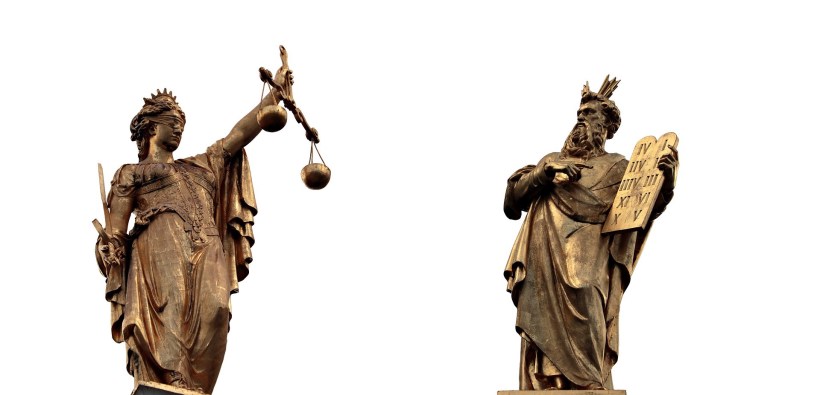
Why is it so satisfying to see horrible people get what’s coming to them?
Image by pixel2013 on Pixabay.
Poetic justice is the idea that someone will get, or has got, what they deserve as a consequence of their behaviour. It can be either a reward or a punishment, and these are sometimes thought of as two sides of the same coin: a perpetrator will suffer while their victim has the satisfaction of seeing that justice has been served.
It is similar to the concept of karma, by which one’s intent and actions have a direct effect on their future and wellbeing.
Another related idea is divine retribution: a divine being or the universe itself punishing someone for their actions.
Of course, these concepts are highly subjective. What someone deserves or not depends on one’s perspective. If person A has suffered as the result of Person B’s actions, then A is able to interpret B’s bad fortune as poetic justice or karma, while B might well consider that they are a victim and have reason to hope for their own vindication. Realistically, those two people may never join the same dots.
So why is the idea of poetic justice so appealing?
It can make someone going through a bad situation, or wearing the scars of previous suffering, feel that they are less alone. It can give them hope that and that someone or something somewhere might notice their situation and act in their favour. Ultimately, we would probably all want God or the universe or the supernatural or the powers that be to be on our side and rule in our favour.
The thought of someone having to pay or suffer for what they’ve done to us or to others we care about is powerful. It’s also relatable: as much as we decry revenge and know that it doesn’t solve anything, it’s still an attractive prospect— particularly if we haven’t had to actually do anything to make it happen.
Hoping for poetic justice, or karma, or divine retribution, can also function as a passive way of taking back some control from those who have hurt us. How many of us can honestly say that we haven’t thought “Well, he had THAT coming!” when something bad that has happened to a horrible person?
They are natural thoughts and feelings, and they need to be acknowledged and worked through.
Still, as understandable as those feelings may be, we cannot afford to unpack and live there, no matter how much some of us may want to. It’s not a healthy place to stay. We have to move on and find a way to prevent our feelings about someone else from controlling our behaviour and attitudes.
Perhaps that’s why seeing poetic justice delivered to fictional characters— or, indeed, to public figures who behave badly— is so satisfying. It may not be happening to our own nemesis, but at least it’s happening to someone else’s.
The Appeal of Poetic Justice #PoeticJustice #Karma #Retribution #satisfaction #observation #blogpost
Several of my books explore themes of poetic justice and seeing people who behave horribly punished for their actions in one way or another. They are available via jvlpoet.com/books and in all digital stores. Paperbacks are also widely available via Amazon and Book Depository.
Irony occurs when one thing is expected, but the opposite thing happens or turns out to be true.
When the audience knows or understands something that the characters in a story or on stage or screen do not, that is called dramatic irony.
It should be noted, too, that an event or outcome being ironic for one person or group does not preclude it being predictable for other people
Both irony and dramatic irony are much-loved devices for writers, but they do not only exist in literature and film.
In fact, one could argue that the reason writers use these techniques is because they know that these things happen in everyday life, and that people love it when they do. The profundity of natural irony, dramatic or otherwise, is like crack for writers, who are often keen observers of human nature and behaviour.
Irony is a powerful thing. It can evoke all sorts of responses, ranging from pity to laughter to judgement, depending on the perspective of each onlooker. It can bring about self-pity, humility or significant changes in attitude and behaviour for those who experience it.
When well executed by an author, irony creates plot twists and complications that add depth and complexity to a story, but which also make the experiences of the characters relatable and intriguing for readers.
When expertly executed by the universe, though, irony can blow one’s mind.
Likewise, Trump denied the existence or threat of the virus and casually dismissed the illness and death of thousands of his own people. He refused to wear a mask or observe social distancing, he insisted on holding social events and campaign rallies against all medical advice. That he has tested positive and ended up in hospital with the virus is loaded with both types of irony.
There is little doubt that 45’s illness is a plot twist that he didn’t see coming.
One would hope that his treatment with highly experimental drugs that others with the illness haven’t had access to doesn’t end up doing more harm than good. That would also be ironic.
Personally, I find it impossible to feel sorry for him.
My empathy lies with all those Americans who suffered the disease and who lost loved ones to it while he proclaimed it as fake, and with all those who cannot afford the instant access to hospital care and fancy drugs that he can.
Irony, Dramatic Irony, and the Plot Twists of 2020 #irony #PlotTwist #TrumpCovid #BorisJohnson #JustSaying #blogpost
Last week I asked my students to do something creative.
Today, Student A wasn’t very impressed with the outcome of their efforts. “I tried, but it’s turned out a bit 2020.”
“It’s a bit what?” I asked.
“2020.”
Obviously, I was expected to understand.
“Mine’s pretty 2020 too, to be honest,” Student B admitted.
I looked at their faces on my screen. They were being serious.
“So…” I asked, “Are we using that as a swear word now?”
They’re right. It actually works.
“More meaningful than swearing, Miss,” said Student B.
The rest of the class concurred.
“And we can’t even get in trouble for saying it.” Student A grinned, clearly rather pleased with that reality.
I smiled, told them their work was way better than 2020, and moved the lesson on.
I don’t know if they just started doing that by themselves or picked it up from somewhere else, but at least they’re finding some practical use for 2020. I may just follow suit.
I have a really handy social media skill. It may actually prove to be a talent: time will tell.
It’s super for my mental health, and has amazing benefits in maintaining positive content on my social media feed.
It is, quite simply, deleting rubbish content on social media and snoozing the people who post it.
Obviously, “rubbish content” is a highly subjective term. But since it’s my hobby, and since it’s my social media feed, I get to decide what’s rubbish and what’s not. I don’t dictate to anyone else what they post, or what they read, or what they want to see. But I do get to decide on what I allow to speak into my life.
Things that get an instant veto are racism, intolerance, and hatred. The chances of them changing my mind on those issues range at the lower end of remote to zero. Also high on the veto list are conspiracy theories, politics, and ignorance. I’m not limiting their right to free speech, nor am I insisting that they think or believe. I am simply choosing not to engage with them. All I am limiting is their ability to speak into my space and my mental health.
To that end, I have deleted comments. Obviously, people can see if their comments have been deleted. If that bothered me more than the comments do, I wouldn’t delete them.
I have also muted conversations in messenger. The person on the other end of the conversation won’t know I’ve muted them, because I don’t often respond to general content in messenger anyway. Forwarded messages, videos, chain letters, those virus-laden ‘OMG I can’t believe this!’ messages and spam only ever come to my inbox to die, friendless, unacknowledged and alone. If it’s a personal message, that’s a different thing entirely.
I have snoozed or unfollowed people on Facebook. The advantage is that you can do both without those people knowing and getting all offended and being weird with you when you see them at the next family gathering or in the supermarket.
Furthermore, I have zero shame about doing any of it.
I have chosen to not engage in debates because I don’t have the energy, nor do I have any inclination to enter into conflict. My social media feed is not the place for a bunfight about whose lives matter or whether or not something is real. And if I post something and someone disagrees, they’re completely free to do so without starting an existential debate on my thread. They can do what I do, and simply walk away.
As someone said to me last week, it’s a bit like peeing in a wetsuit: it gives you a warm feeling, but nobody else notices. That’s absolutely true, but that doesn’t matter one bit, because I’m not doing it for anyone else. I’m doing it for me.
Here’s the how-to:
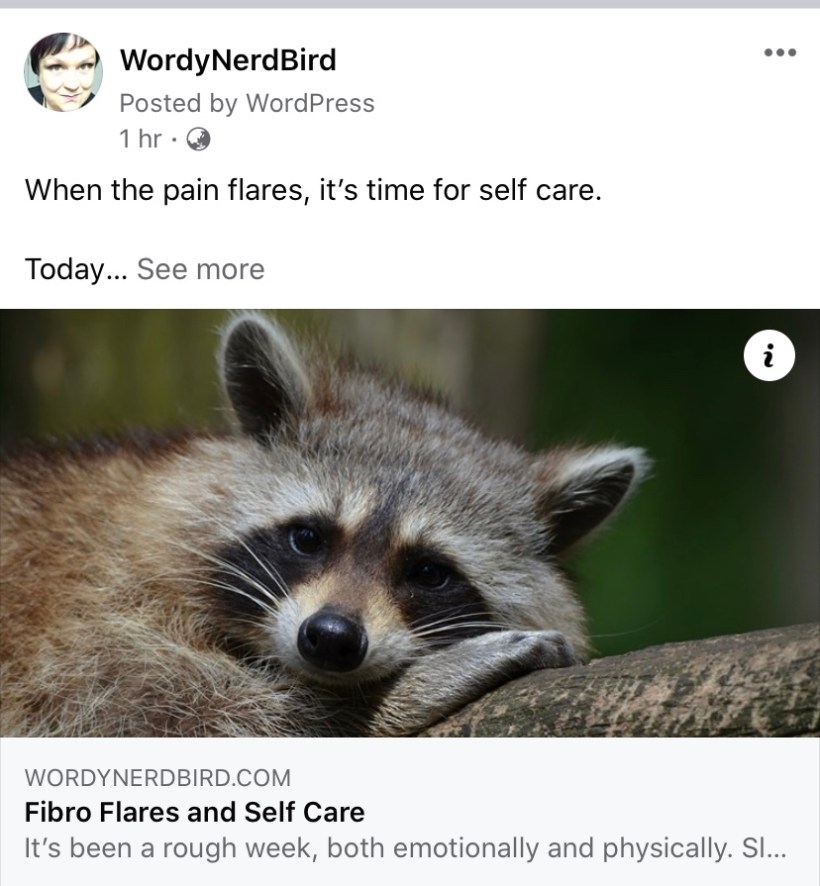
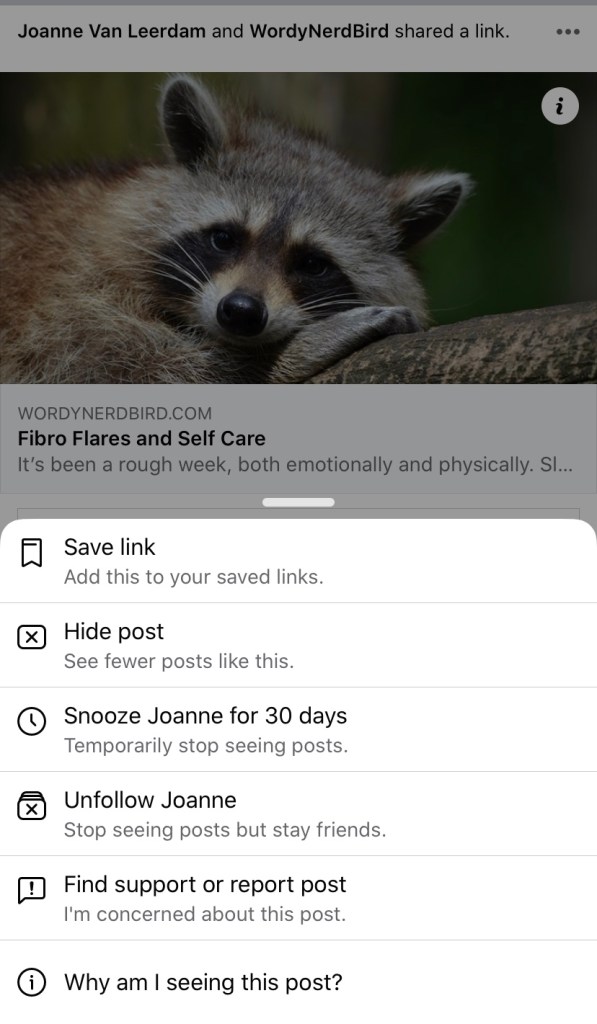
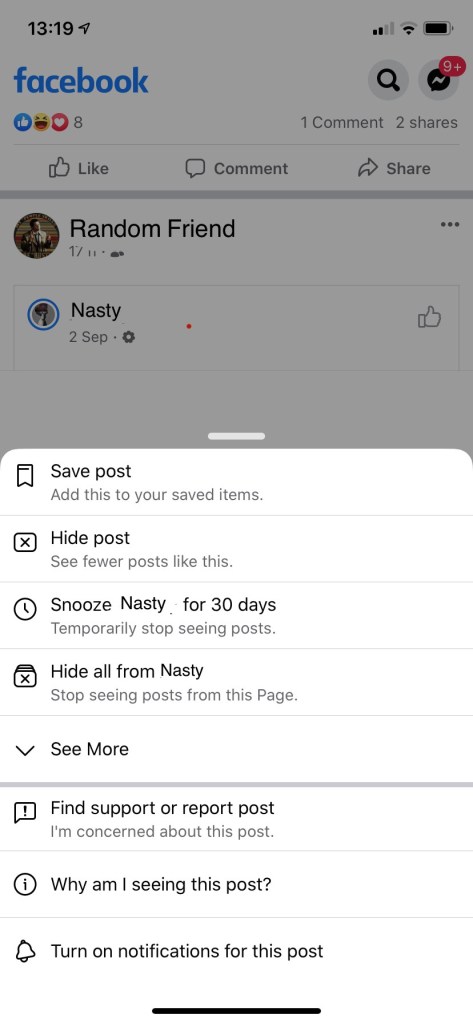
At the top right of a Facebook post are three dots, like an ellipsis. Click on those.
From the drop-down menu, you can choose to snooze the person who made the most for 30 days OR to unfollow them entirely. This means you won’t see anything they post unless you go to their profile.
If that person is sharing someone else’s post, you have another option.
I changed the names on this post so that there is no inferred suggestion certain pages should be hidden or unfollowed. I made this name up. Any resemblance to existing pages is entirely coincidental.
You can hide all content from the creator of the original post without affecting your friend’s usual posts. This is usually my first choice, and I don’t snooze or unfollow my friends until they have deliberately and repeatedly shared what I consider to be rubbish on multiple occasions: that’s when I understand that I am better off just not seeing their posts.
Finally, if people think something I post is rubbish or disagreeable, they’re welcome to ignore it or snooze/unfollow me, too. Fair’s fair, and I’m really not that easily offended.
I’ve ventured beyond the local supermarket, pharmacy and supermarkets once since isolation started. Last week, though, the time came when things had to be done, so I planned where I had to go, loaded up with sanitiser and prepared to social distance my way through town.
And, sure enough, that person I would be happy to never see again walked past me in two different places that I had to visit.
Song credit: ‘Close To You’ by The Carpenters
I saw them, but pretended I didn’t. All those years of experience as an actor paid off yet again. They looked at me, and I looked right through them like they weren’t there.
The first time I thought it was a fluke. The second time, I wondered.
My skin crawling and my stomach roiling, all the while reassuring myself that it was just coincidence and doubting that at the same time, I completed the rest of my essential errands looking over my shoulder, and then got out of dodge as soon as I could.
I would like to think it won’t always be that way, but I guess there are some things you can’t sanitise. Trauma will do that.
Staying out of town definitely has an upside.
I am safe at home, in more ways than one. I don’t have to watch my back, and I don’t have to worry about who is going to walk around the corner or show up in the supermarket aisle.
I know that I won’t have that luxury forever but, while I can, I’m staying home.
The Upside of Isolation #isolation #IsolationLife #IsolationStories #StayingSafe #StayHome #SaferAtHome
The most ironic thing I’ve seen recently is people moaning on Facebook about endangering their privacy by downloading the Australian Government CovidSafe app.
The app is designed to make it easier to track and contact people who may have been exposed to the virus through community transfer. I’m good with that. If someone I’ve spent more than fifteen minutes with tests positive, I’d like to know.
Do these people honestly not realise that by signing up for Facebook, they’ve already signed away those kinds of privacy about their data? And if they haven’t adjusted their permissions and settings, half the apps on their phones, including Facebook, already tracks them everywhere they go?
I downloaded the app on Sunday night, when it became available. So far, the only data it could possibly report about me is that I’ve been at home the entire time. Today I might pop out to the shops to pick up something for dinner and a few supplies we need. After that, I’ll just be at home again.
Seriously, anyone who has nothing better to do than spend their valuable time snooping in the data about where I go these days is welcome to it. They’re in for a very boring read.
The irony of #Australians complaining about their privacy on Facebook. #COVIDSafe #Australia #coronavirusaustralia #opinion #blogpost
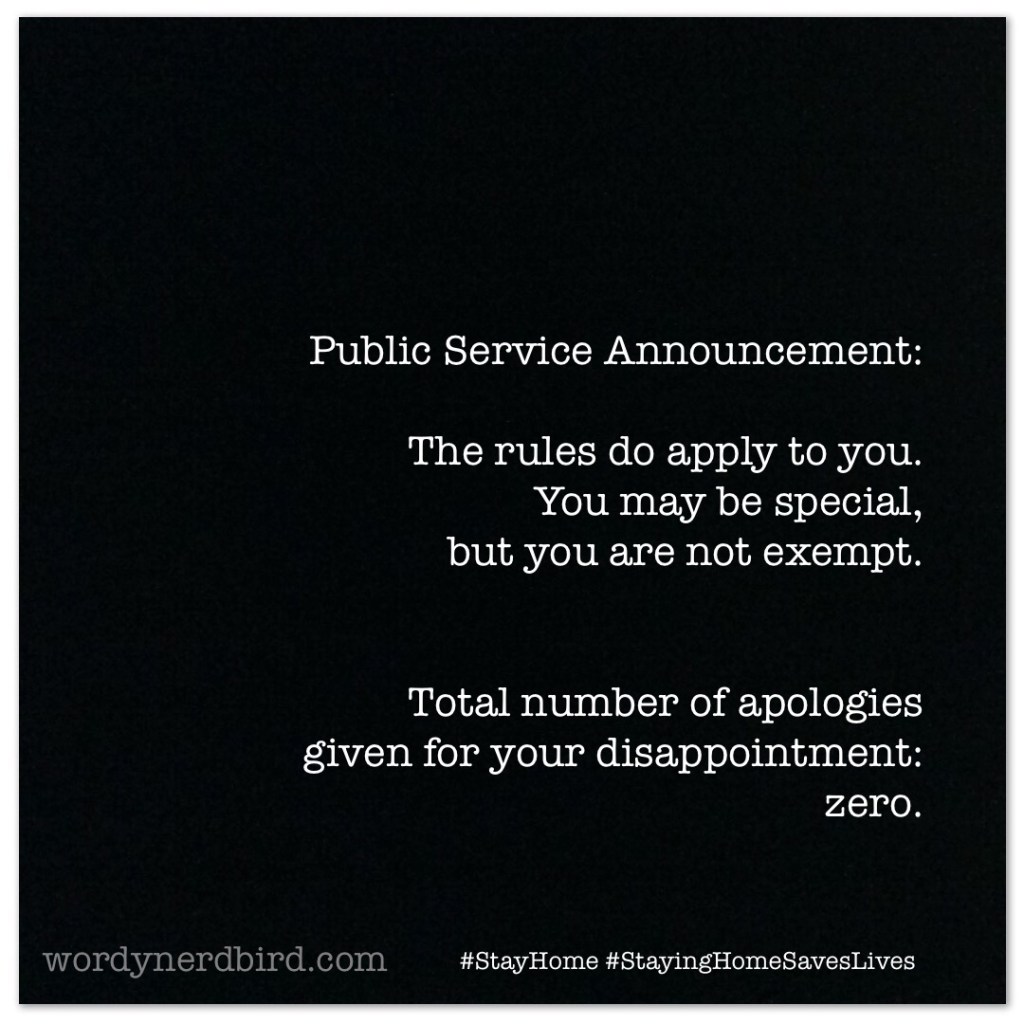
Here’s a Public Service Announcement for everyone thinking of breaking out of isolation and going somewhere else for the Easter weekend, especially those Australians who seem to think that the rules apply to everyone but them.
Just. Stay. Home.
And the places you’re thinking of going? They don’t want you there at this point in time.
Sure, spending the long weekend at home with the same people might be boring, but aren’t they the people you’re thinking of going away with for the weekend? Maybe it’s home itself that is boring. Consider, though, that it’s also safe, because it’s keeping you out of the way of that nasty corona virus and any other germs that might be doing the rounds.
Yes, it’s inconvenient. But it’s no more inconvenient or uncomfortable for you than it is for anyone else.
People selfishly ignoring the rules, going out and potentially spreading germs all over the place is why we have such strict isolation rules now.
And, you know, it’s an investment in everyone’s future.
Some of us have elderly family members that we’re trying to keep alive long enough to be able to see and hug their children and grandkids at Christmas, if this is all over by then. Some of us have family members whose immunity is compromised by illness, or chemotherapy, or their own unique biology. We’d like to keep them alive, too. Some of us have chronic illnesses that make us susceptible to every bug that floats past our noses. Given that we already battle significant health issues every day of our lives, we’d prefer to not add Covid-19 to that list.
So when selfish, ignorant people insist on travelling places where they don’t live — whether it’s to deplete our shops of the essentials that are in short supply everywhere (thanks for that by the way, we didn’t need toilet paper this past fortnight) or hang out on the beaches or lake shores or in the parks — and so disrespect the boundaries that the government has established to keep everyone healthy and safe, we get more than a little annoyed.
Because the rest of us are staying home, too. And we would like to be able to eventually see and hug our families and friends. We’d like to be able to go to a cafe or restaurant, or meet with friends at the pub. We’d like to be able to browse a real bookstore with real books in it, or go shopping for things like clothes or shoes without worrying about whose health we might be endangering.
And let’s face it – most people who have lost their jobs because of this pandemic would like them back, sooner rather than later. Essential workers would like to be able to go to work and come home not worrying about what they’re exposed to every day.
The more selfish prats who insist on going to the beach or driving some tourist route instead of just staying home, the longer and harder the lockdown is going to be.
So please, for the love of everything good in this world, stay home.
If home is “boring”, that says a lot more about your imagination than you realise. If you decide something will be boring, guess what? It will be.
Making changes or finding and introducing new opportunities for entertaining yourselves at home is entirely within your control. So if you’re bored, you’ve got nobody to blame but yourself.
Consider this long weekend your opportunity to change your attitude and your environment, not your location.
Please: #StayHome this #EasterWeekend #EasterWeekendlockdownchallenge #StayHomeAustralia #StayingHomeStaySafe
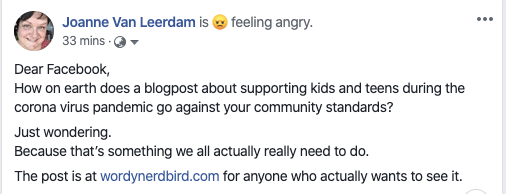
Apparently, yesterday’s blog post about supporting our young folk through the Covid-19 pandemic was offensive to Facebook’s community standards. They took it, and the shares people very nicely did because it was a positive and commonsense post, down. They gave no explanation except “Your post goes against our community standards”.
What? How?
With all the rubbish stuff people are posting, I am at a complete loss as to why something constructive on an important topic was removed.
Was it because I named the virus correctly instead of using the more generic term? Was it because I mentioned kids and teens?
I’ll never know. The great bot overlords at FB’s censorship department don’t explain things. They’re too busy censoring the wrong posts and thinking themselves clever for it.



 WordyNerdBird