New Year’s Eve, 2020

Today, I am juggling the mixed emotions of finally reaching the end of a traumatic year, and knowing that the ticking over of a clock, or the turning of a page of the calendar, doesn’t actually make a miraculous, instantaneous difference?

What else does one do with all of that but turn it into a poem?

wordynerdbird's avatar

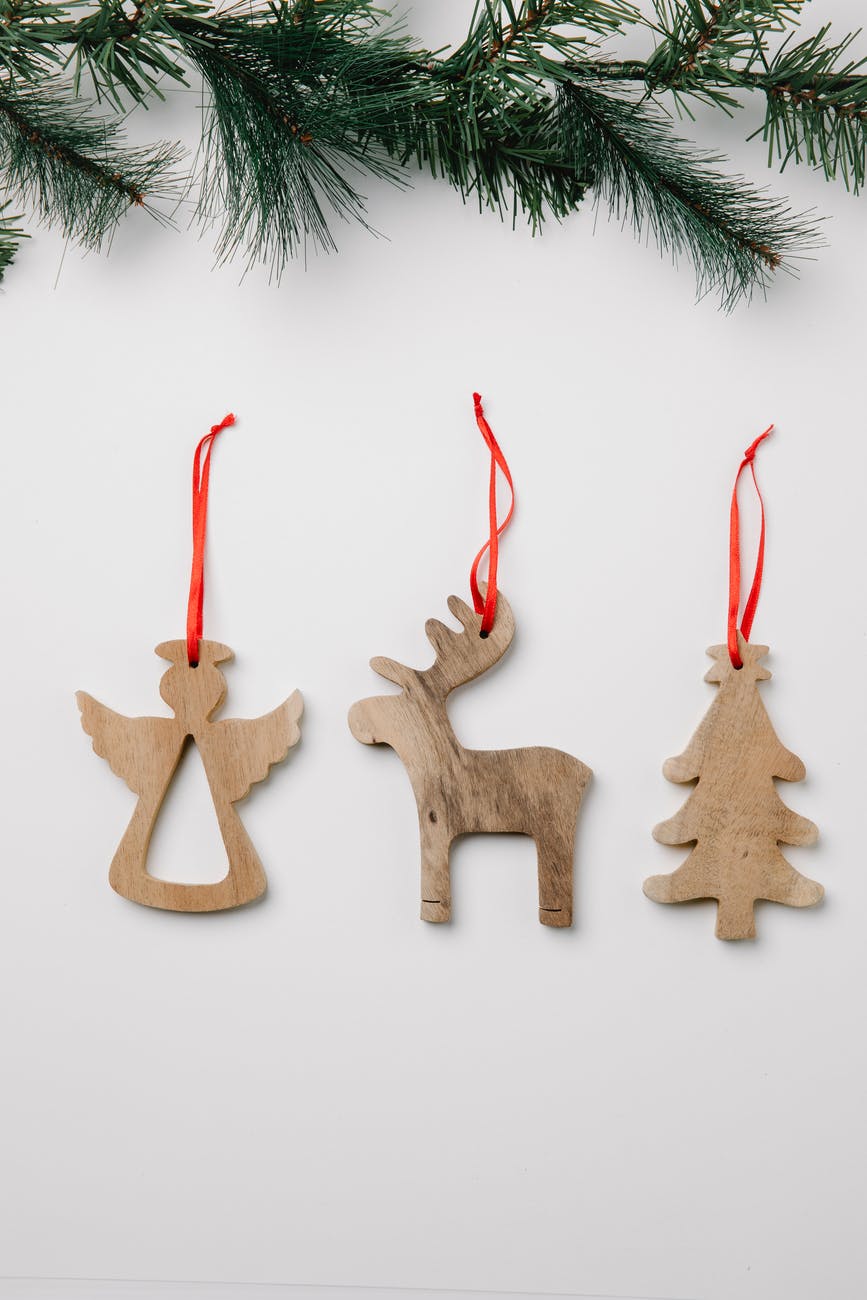
Photo by Tairon Fernandez on Pexels.com

It’s December 31, 2020:
Christmas is back in its box,
And I’m ready to cheer
For the end of this year
Full of tragedy, heartbreak and shocks.

I’m not sure next year will be better
After all, it’s only tomorrow,
And if people don’t care
For how other folk fare,
We could be in for more sorrow.

Still, as this horrid year closes,
I’m hoping for a reprieve:
A little more joy,
A lot more hope—
That’s my prayer this New Years Eve.

ⓒ2020 Joanne Van Leerdam

New Year’s Eve, 2020
#NewYearsEve #newyearseve2020 #PoetsTwitter

View original post

Easily Confused Words: Spoilt vs. Spoiled

In response to describing myself on Christmas Day as spoilt, one of my acquaintances corrected me, saying that the word I should have used was ‘spoiled’. Their intentions were good, I’m sure, but they were, to put it bluntly… wrong.

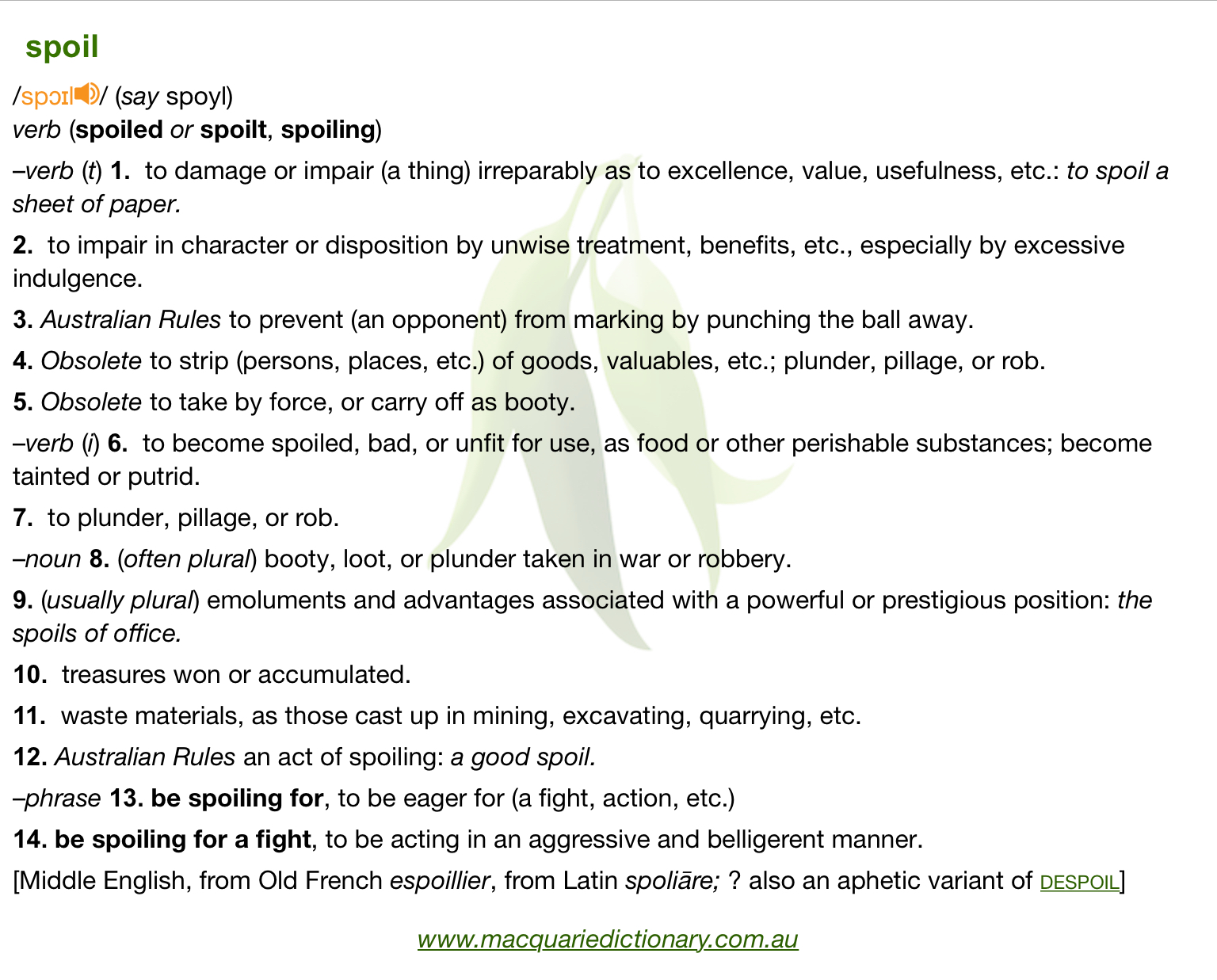
‘Spoiled’ and ‘spoilt’ are similar words that are easily confused with one another. Both come from the word ‘spoil’ which has a number of meanings of its own.

In the US, they use ‘spoiled’ for everything. That certainly simplifies things!

In the UK and Australia, however, the two variants of the word are used differently.

Spoiled’ is generally used as the past tense verb of ‘spoil’, although it is not incorrect to use ‘spoilt’ instead.
Therefore, last week’s roast that has gone rancid, a sheet of paper that has had something spilled on it,  and a natural landscape defaced by deforestation, mining or construction are most often referred to as spoiled, but can be described as having been spoilt.

Spoilt is favoured as the adjective for things that have been spoiled.
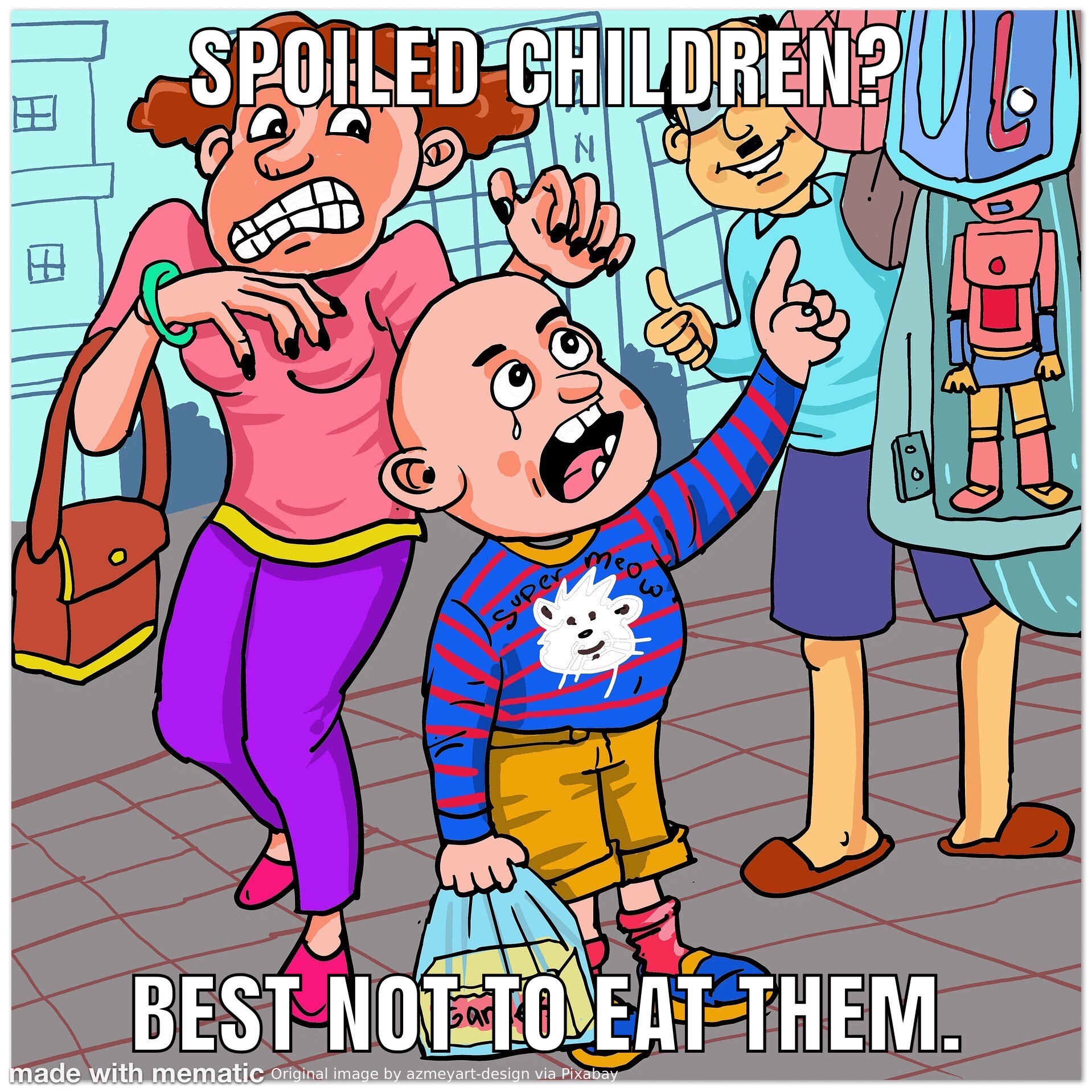
Children — and occasionally adults — who have received too many presents for Christmas or a birthday, enjoyed too many indulgences, or experienced too little discipline in their lives are often said to be spoilt or, in excessive cases, spoilt rotten.

So, over Christmas, I could quite rightly describe myself as spoilt or spoilt rotten. Given that I looked, felt and smelled fine, I am confident that I wasn’t spoiled at all.

Sources:
Macquarie Dictionary
https://grammarist.com/usage/spoiled-spoilt/
https://www.writerscentre.com.au/blog/qa-spoilt-for-choice/

Easily confused words: spoiled vs. spoilt.
#words #englishteacher #blogpost

Christmas Eve, Without You.

I’m usually a real kid about Christmas. It’s one of my favourite times of year.

This year, though, I’ve really had to try hard to muster my Christmas mojo, and I’m not sure I really succeeded.

Christmas Eve was particularly hard this year. I felt so disconnected and indifferent, and I didn’t know what to do with that.

My response was the same as always: write something!

Verbalising these feelings helped me deal with them. They were — and are
— still there, but I have been able to relax and let them coexist in counterbalance with my enjoyment of Christmas Eve and Christmas Day.

Today is what today is. My feelings are what they are. It’s all part of the process of grieving and moving forward and reconciling conflicting emotions while continuing to live.

wordynerdbird's avatar

Image by PeggyChoucair on Pixabay.

Joy is elusive this Christmas Eve,
Anticipation is aloof.
The empty chair, the missing gift,
The place not set at the table,
All murmur a silent, sorrowful chorus
Like a incantation, warding off
The overruling spirit of the season.
The magic of tinsel, baubles and tree
Cannot dispel the indifference
Cast by Memory and Grief as they linger,
Neither out of sight nor mind
Amid the coloured lights and carolling
On Christmas Eve without you.

ⓒ2020 Joanne Van Leerdam

View original post

Writing It Instead Of Carrying It

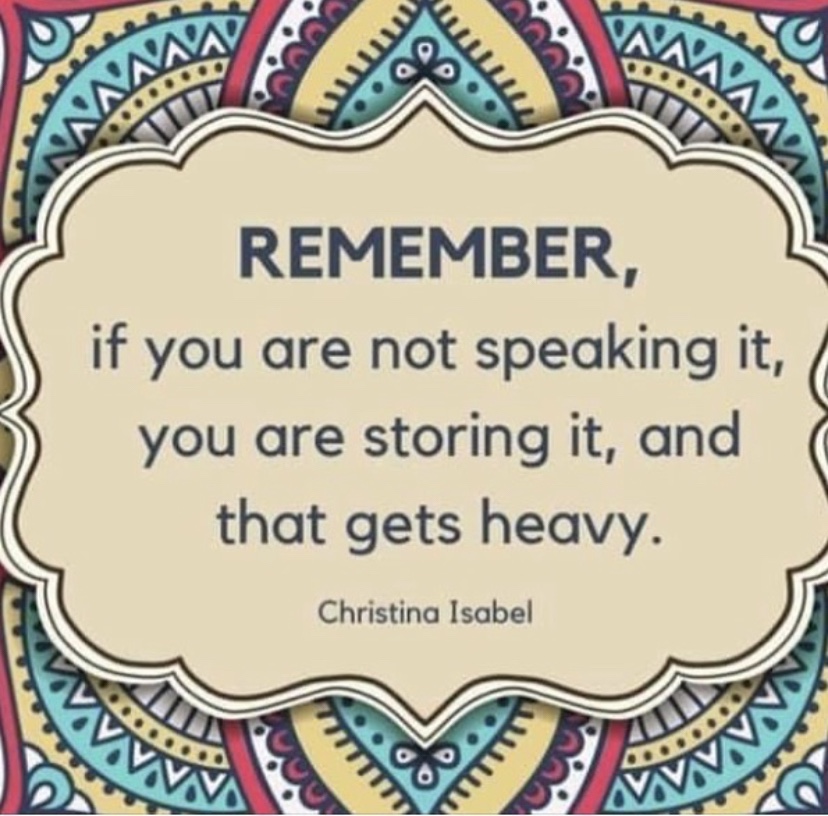
When this image appeared on my Instagram feed this morning, my immediate response was “Yes!”

Image text: Remember. If you are not speaking it, you are storing it, and that gets heavy. Christina Isobel.
I don’t know who created this image. I acquired it via Instagram.

This is why I have been writing and posting poetry and blog posts to help me deal with my feelings about my first Christmas without two very special people in my life, my father and one of my closest friends, both of whom passed away within five days at the end of June.

I have been doing everything I can to make Christmas joyful. Part of that has been working through my feelings and accepting the changes in life that have happened in this mixed up and turbulent year.

It is not that I have no joy or excitement. It doesn’t mean I don’t want to celebrate or focus on the positives in life. It means I need to works out how to manage the shades of guilt I experience when I feel joy, and the weight of sorrow at the very same time as enjoying the lightness of excitement and anticipation.

I fully realise that Christmas is very different for many, many people this year. Lockdowns, halted travel plans and distance have made sure of that. Like me, many people are grieving. Others are facing different sets of challenging circumstances.

The fact is, though, that it is my life that I am living. I have to manage my grief and work out how to balance things for myself. Nobody else can do it for me, and it has to be done. To refuse or fail to deal with my feelings isn’t healthy.

So, I write poetry and blog posts. I blurt my feelings and ideas down onto the page, then shape and craft them into something that both expresses how I feel and lets  others in similar situations know that they are not alone, and that their feelings are not wrong or abnormal.

That is my Christmas gift to the grieving people of the world; empathy, understanding and the room to feel as they do without judgment.

Writing It Instead of Carrying It
#emotions #grief #WritingCommunity

With Love, Me.

I wrote this poem not just for myself, but also for my family and friends who are really feeling the absence of a loved one this Christmas.

I don’t think it requires any explanation. I just wanted to share it with you here.

As always, any feedback is greatly appreciated.

67 Years.

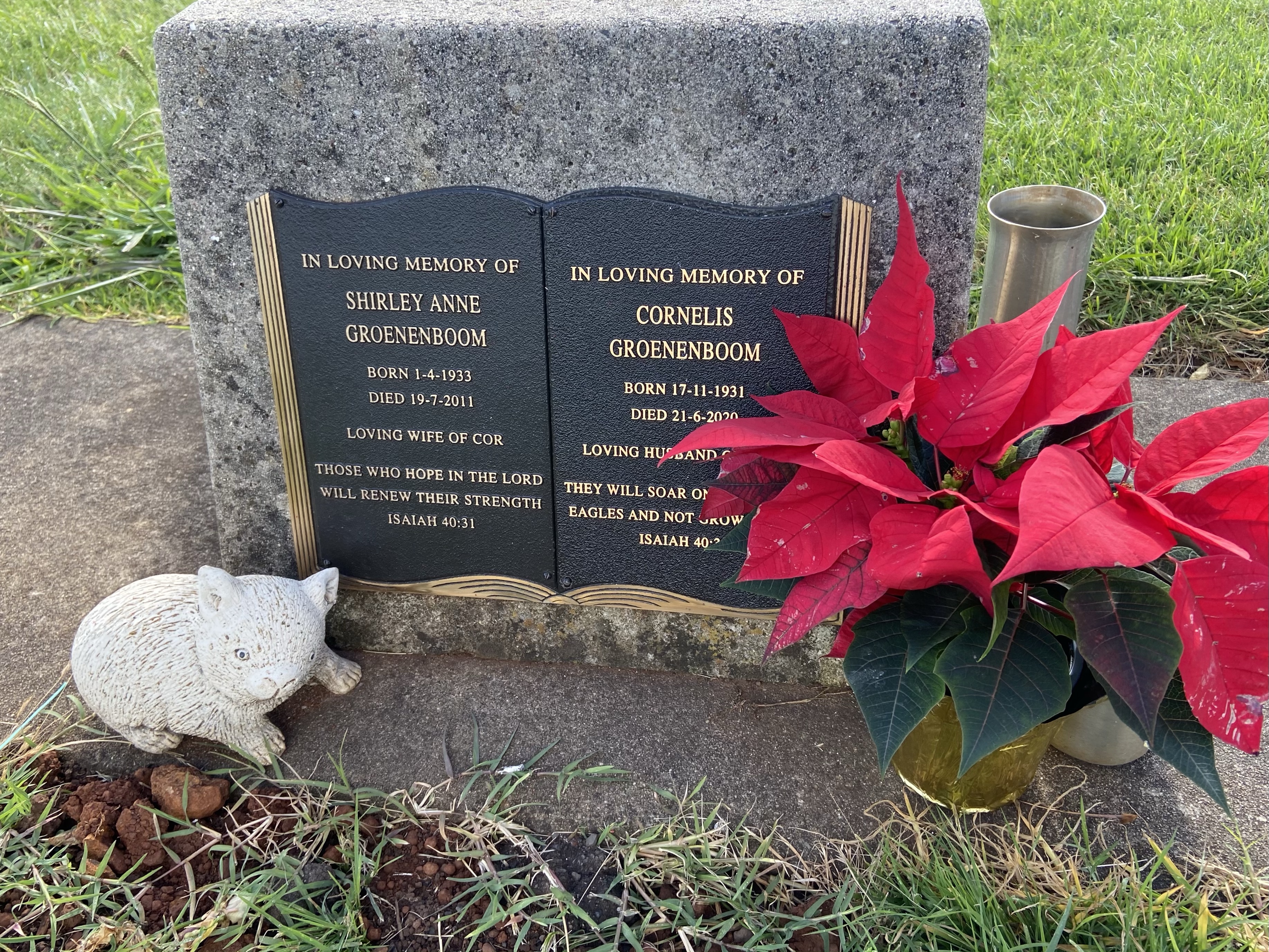
This morning, my sister and I visited Mum and Dad’s grave on the 67th anniversary of their marriage.

On this date, every year since 2011, I have been purposeful in spending quality time with Dad as he spent the anniversary without Mum. He often had some tears, as did I, and we would talk about family times and happy memories. There would invariably be coffee and cake involved at some point of the day.

This year, Mum and Dad are together again, and we are without them both for the first time.

Instead of coffee and cake, we went out for breakfast together before heading up to the pretty little cemetery on top of the hill.

Nature blessed us with a beautiful morning: sunshine, blue sky, white fluffy clouds, and a light breeze. The grass is starting g to cover the grave now, so it looks less  fresh and confronting. Still, it was the first time my sister, brother-in-law and husband had been back to the grave since the day of Dad’s funeral, so in that respect it was harder for them than for me.  I quite like cemeteries, and I have been back to visit Mum and Dad’s grave on several occasions. 

Neither my sister nor I had a big howly cry, which we wouldn’t be ashamed to admit because we have both done it several times before, but we both had some tears. We’re not ashamed of those, either. Crying is healthy, and so is owning your emotions.

Christmas won’t be the same this year. For the first time in our lives, we will be doing it without our father. I haven’t bought boxes of chocolate-coated ginger or liquorice allsorts for the first time in decades.

It’s all kind of weird, and it hurts, but we are doing our best to make it positive and memorable. Before visiting the cemetery, we went out for breakfast with our husbands. We bought a little Christmas poinsettia, which Mum always loved, to decorate their grave instead of taking fresh flowers this time.

Most importantly, my sister and I are spending Christmas together. I am so enormously thankful that, after months of lockdown and closed state borders, she and my brother-in-law can be here.

There are gifts under the tree, plans for special meals and treats, and neither of us has to navigate the first Christmas as orphans on our own. Our other siblings and my nieces can’t be with us, but they will be with family. We will video call and spend time together that way. It’s not perfect, but it beats not being together at all.

As I observed in my post on Dad’s birthday, the firsts are hard. There are so many feelings, and it can be challenging to know how to mark the date without being morose. It’s good to honour the memories, but the fear of people thinking you spend too much time in Memoryville or Griefland is real.

Will they want to read another Facebook post or blog about it? The fact is, some won’t, and that’s okay. At the same time, there are plenty of others who will. We are not the only ones grieving for a loved one for the first time this Christmas.

It matters to me, and to them, that we know we are not alone in our feelings, nor are we weird or wrong for feeling the way we do. It’s completely natural, and the best thing to do is acknowledge it: cry and laugh when we need to, retell the family stories, share memories, and deal with it in the most positive and constructive ways we can.

It’s also important to be deliberate about creating new memories and treasuring our time together, so that we make this first Christmas as merry and bright as we can.

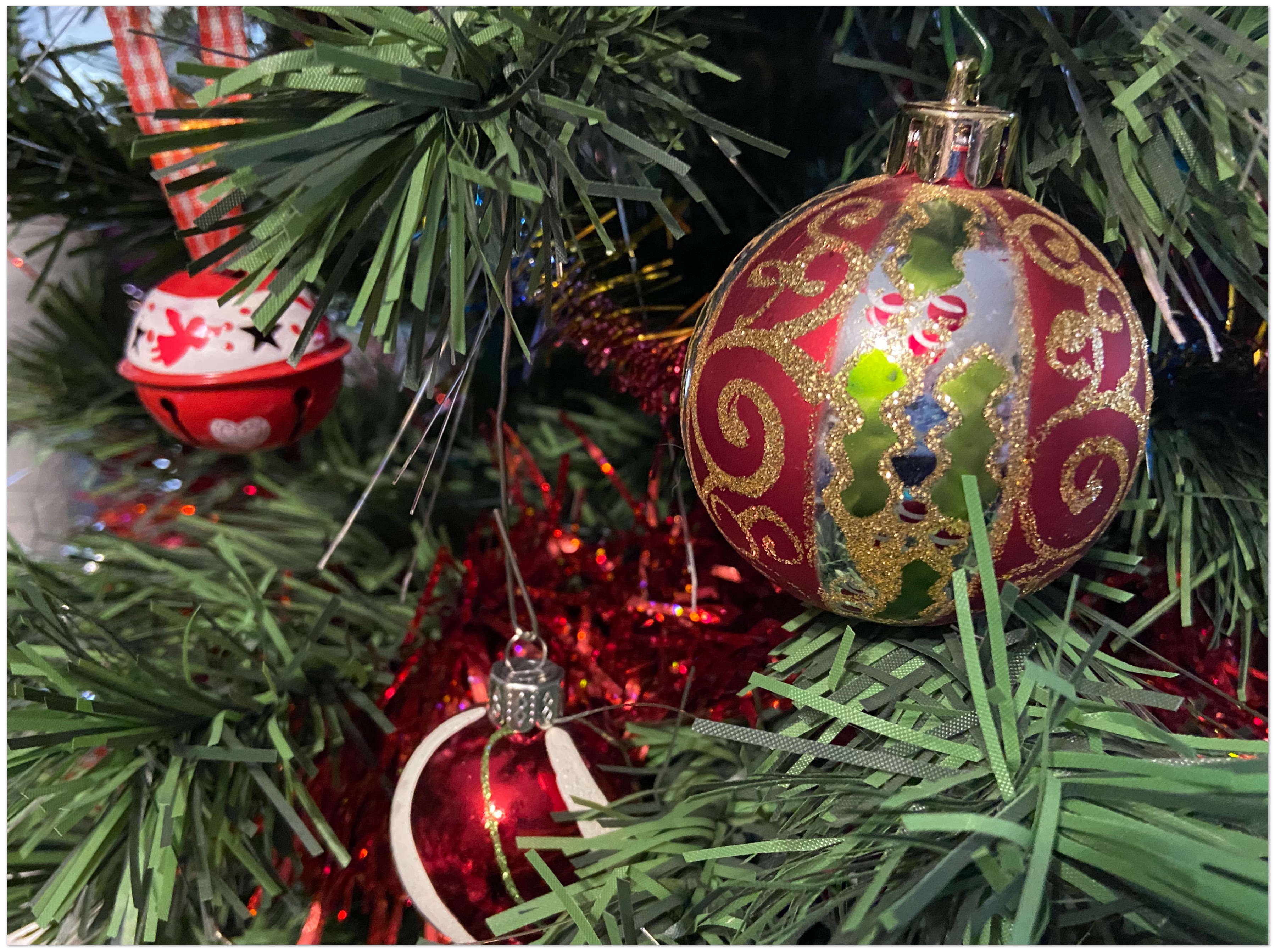
Baubles.

‘Bauble’ is a word used more in December than at any other time of the year.

Photo: Joanne Van Leerdam

On Saturday night we were out for a family dinner — we’re finally allowed to go out here, now, after months of lockdown and restrictions— and one of the young kids at the gathering commented to me that they liked the pretty balls on the light fittings, and then asked me if that’s what they were called.

I explained that they are called baubles, and added that the beads on her bracelet could also be called baubles because they are pretty things designed for decoration. They’re both different kinds of ornaments, and it’s cool how there are often multiple useful words to use for things.

This got me wondering about the origin of the word ‘bauble’. I suspected it was French, simply because of how it sounded,  but such assumptions are not safe. As always, my trusty Macquarie dictionary and Etymonline had my back.

‘Bauble’ came into English in the early 14th century, meaning a decorative trinket or ornament. It came from the Old French word ‘baubel’ meaning a child’s toy or trinket. That may have come from the Latin word ‘bellus’ meaning “pretty” which gave us belle, as in ‘belle of the ball’,  or it could be related to ‘babe’ or ‘baby’. The sense of bauble meaning something of little or no value is later, dating from the early 1600s.

Long ago, ‘bauble’ was also the name given to a staff with a decorated or carved head, carried by a court jester and designed to mock the sceptre carried by a monarch. This meaning has fallen out of use, much as the position of court jester and the practice of a monarch carrying a sceptre have done.

So, now ‘bauble’ only relates to the pretty things. It is important to understand, though, that just because something can be called a bauble does not automatically mean that it has no value. It’s fair to say that while some baubles, such as Christmas decorations and the beads in a child’s bracelet, might usually be fairly inexpensive, there are other kind of baubles that tend to be more valuable.

Thus, the two meanings of bauble remain distinct, even though they can both apply at the same time.

End-of-Term Teacher Tired.

An image of a woman with her head on her computer keyboard  as though she has fallen asleep there.
Photo by Andrea Piacquadio on Pexels.com

In response to requests from several quarters to explore the ways in which the added stresses of online and remote learning, social restrictions, working from home and everything else that has come with COVID-19 have affected teachers this year, I conducted a survey.

Open to all teachers worldwide, I distributed the survey both on social media and via professional networks.

I asked teachers to respond honestly to nine questions, which I formulated based on comments and social media posts by teachers. To remove any possible disincentive for honesty, participation in this survey was completely voluntary and anonymous.

Thus far, there is only a relatively small number of respondents , and my little survey is by no means scientific research. Still, the results thus far bear out my own experience and observations, and what I have heard others saying: as resilient and committed as we might be, it has been a really rough year that has left teachers exhausted and, at times, quite discouraged.

The survey is still open for any teachers wishing to respond.

Thus far:

  • 79% of respondents say they have been much more stressed and tired than previously
  • 21% reported no change in their levels of stress and tiredness.
  • There does not appear to be any correlation between how tired and stressed people are and the number of years of experience they have as a teacher.
  • 50% of respondents said their stress was created by their own expectations of themselves
  • 36% said that other people’s expectations of them as a teacher created their stress
  • 14% reported that their stress came from the media’s continual reporting of COVID-19 related news and issues.
  • 64% of people said that the tiredness experienced was longer term than usual, while 36% that it was about the same.
  • 29% said they had consumed more alcohol in 2020 than in previous years
  • 71% said their alcohol consumption was about the same as in previous years.
  • 36% of people also said they had increased their caffeine intake
  • 36% said that their caffeine intake had not changed.
  • It did seem that there was a correlation between people who had increased alcohol consumption and increased caffeine consumption with
  • The respondents’ responses regarding nutrition, though, was interesting.
  • Only 28% said their eating patterns had not changed
  • 7% said they had paid more attention to good nutrition
  • 65% said they had paid less attention to good nutrition.
  • 79% said they wanted to continue their career as a teacher.
  • 14% said they would only keep on teaching because they felt they had no choice.
  • Sadly, 7% said that the stress of the year had brought an end to their teaching career.
  • 14% of respondents said they had sought medical advice for issues related to the stress of teaching this year.
  • None had sought counselling.

This final statistic is, to me, evidence of our collective resilience and commitment: we’re stressed and we’re tired, but we keep on going.

I do wonder, though, if we as a profession need to be more proactive in seeking help and support when we are experiencing increased levels of stress and tiredness, and possibly not taking such great care of ourselves at the same time.

The key to my own determination to keep going this year has been that I wasn’t actually doing it for me– I was doing it for the kids. I suspect that most of us feel the same way. It’s not just me, and not just my colleagues, having a hard year. It’s everyone. Every family, every community, every workplace, every career, every school, every student… you get the idea.

If I can model resilience, positive attitude and commitment to making the best of a tough situation, that’s exactly what I’m going to do my best to achieve.

I hope my students are encouraged by my commitment to them. I hope they learn from my example. And boy oh boy, do I hope their parents are watching, because I want them to love this school and to understand how much we value them and their children.

I have been enormously encouraged by a my colleagues, and some have said that I have been an encouragement to them. The members of my faculty office have been a lifeline for me as we laughed, cried, and collaborated together throughout the experience of teaching remotely for two terms of this most challenging year. The entire staff of my school committed from the outset to making the whole deal of working from home and teaching online something that was achievable, coordinated and professionally delivered. “That will do” was never going to be acceptable.

At the end of every school term, I comment that the break is well-deserved. That has never been more true than at this end of 2020.

As the final term of 2020 winds down to a close and teachers (and students!) everywhere look forward to the Christmas break, I truly hope we are all able to stop working long enough to get some much needed rest and downtime.

Merry Christmas, Teachers. You’ve earned it.

End-of-Term Teacher Tired.
#TeacherLife #TeacherTwitter #survey

Yet Another Reason Why I Love Where I Live.

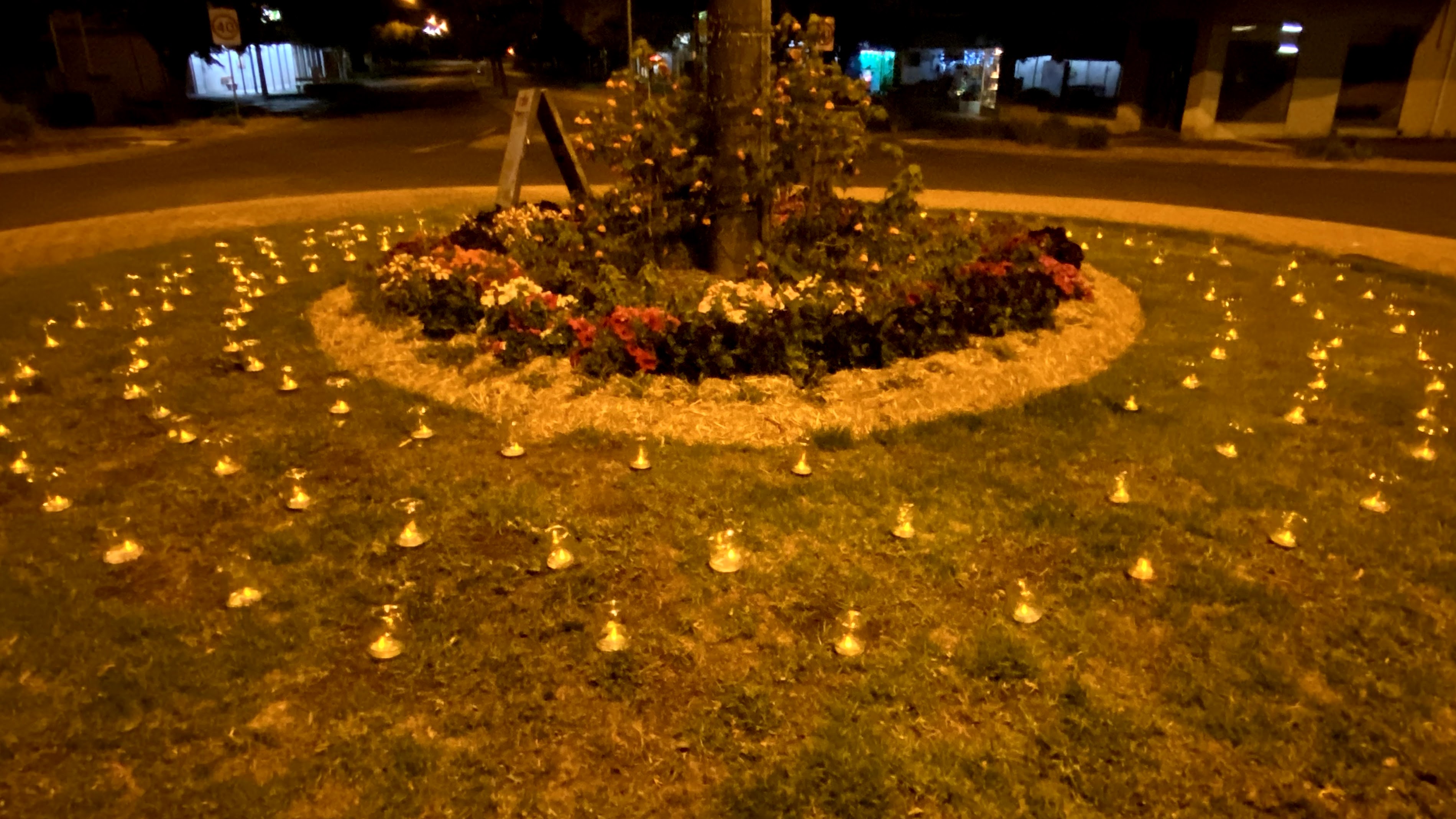
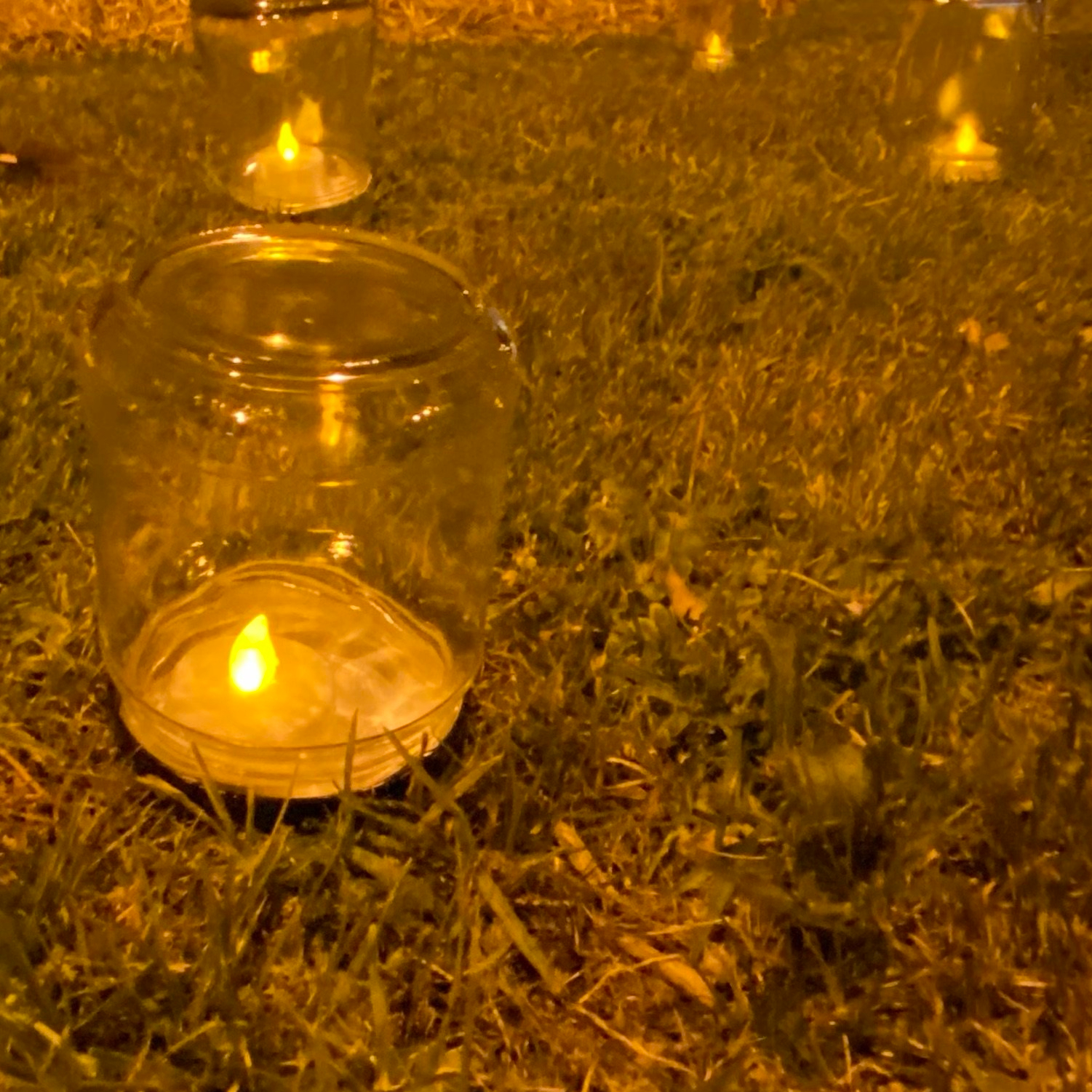
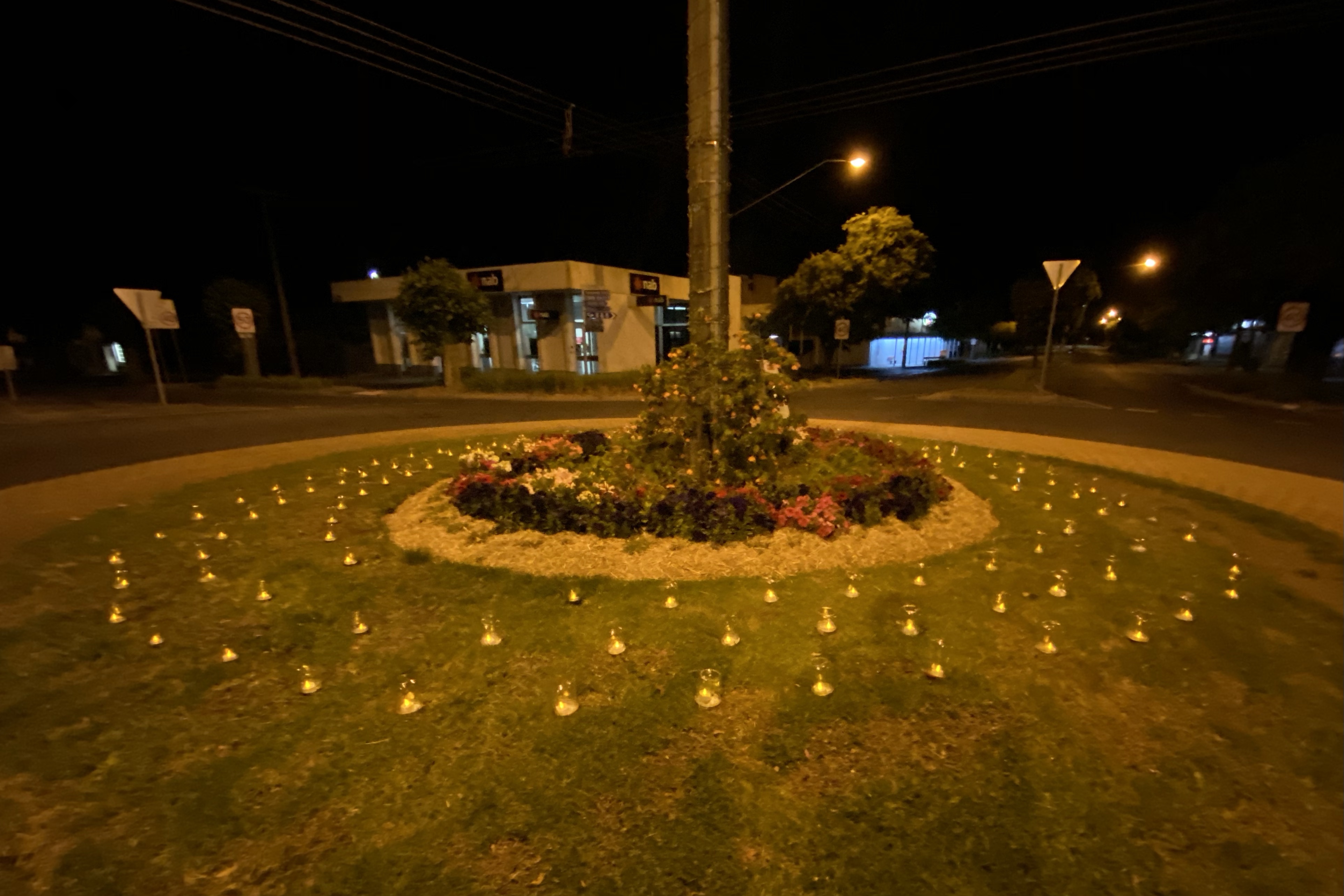
Our local council has created this gorgeous candlelight memorial for all the people in our local government area  of Corangamite Shire who have passed away in 2020.

Most of these people‘a families were very limited in how many they could have at the funeral. The way we have mourned and comforted one another has had to change. Our ability to travel and see each other has been limited or, at times, impossible.

Gestures like this help us to feel less alone, and to know that our loved ones are remembered. It’s very touching that the community as a whole is able to acknowledge their absence from the towns and social circles in which they lived.

There are 129 lights burning through the night. That’s 129 families like mine that have been changed forever. And, I’m sure, it’s 129 families who appreciate the thoughtfulness of a local government that thinks beyond budgets and logistics to stop for as long as it takes to light 129 candles, and invite the community to stop, remember and reflect.

My sister and I went to see the memorial tonight, to pay tribute to our dad and to share the sight with our family interstate via video.

Thank you to the Corangamite Shire and the local community members who helped make this happen. It is very much appreciated.

Undone.

Photo by Laura James on Pexels.com

This morning, I came undone. 

I had my Christmas playlist on in the car. I defamed of a white Christmas with Frank Sinatra , I shared a grown-up Christmas list with Michael Buble, and then it happened. ‘Christmas Without You’ by Human Nature began to play. I held it together for the first verse, but I also knew it was time to pull over. There would be no driving through the rest of the song. 

I couldn’t even play the whole thing. I had to turn it off because the big,  ugly, messy cry was already just about out of control. 

Knowing Christmas this year will be spent without two people I love dearly is hard. I’ve had to consciously motivate myself to do the shopping, put up the tree and hang the tinsel. This is highly unusual for me: I am generally a big kid when it comes to Christmas. . Buying and wrapping gifts is fun, but even that brings its own reminders of whose presents won’t be under the tree. 

I will keep on playing Christmas music, but I have edited my playlist for this year. I have taken that song out, along with Blue Christmas, Please Come Home For Christmas, and All I Want For Christmas Is You. There will be fewer sad songs and more bells, reindeer and snow along with baby Jesus and the angels. 

I will do my best to enjoy Christmas with my loved ones. I will drape tinsel over the broken bits, and perhaps keep some spare strong tape handy in case I come unstuck again. Bring on the merry and the sparkles. 

Undone.
#christmassongs #emotions #Christmas2020