Don’t misunderstand me: I am not being flippant or casual in saying ’Thank God It’s Friday”.
Not. Ever.
And especially not tonight.
At the end of yet another really sucky week in a succession of variously sucky weeks, I can honestly say I am so thankful for the fact that it’s Friday night and I am free of any obligation to look or sound like I know what I’m doing, stick to a schedule, wear proper shoes, or talk to anyone that I’d rather not talk to, for two whole days.
I’ve come home from work tonight, fed the dog and fed my dad, done the dishes, and consider all my obligations to have been met. I am currently hiding under a quilt in my living room so that the universe might not know where to find me.
And if you see someone poking pins into a voodoo doll that looks like me, do me a favour and take it off them, will you please? Gently? And maybe give it coffee and pizza. Thanks in advance.
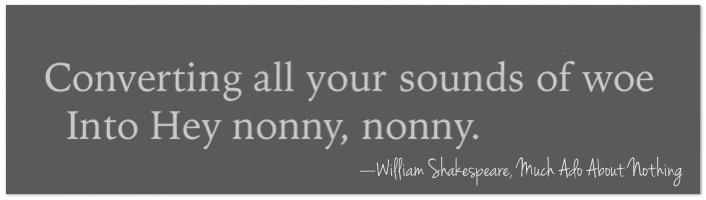
‘Hey nonny nonny’ is a curious little phrase found in Shakespeare’s ‘Much Ado About Nothing’. The character Balthasar sings a song to the ladies in which he recommends that instead of worrying about what the men are up to, they should convert their sighs of despair into ‘hey nonny nonny’.
The phrase ‘Hey nonny nonny’ has no direct translation into modern English, but is understood from the context that it could be taken to mean a dismissal of circumstances as we do today with expressions like “whatever”, “what the heck?” or “that’s life”, or simply refer to general merry-making.
As such, it is a phrase that can be safely used in circumstances where less appropriate responses cannot be uttered. In my experience, expressing one’s umbrage using Shakespearean quotations is almost as satisfying as actually swearing anyway. There is something remarkably cathartic about speaking in Elizabethan English, although that will likely never be understood by anyone who does not appreciate and enjoy the language as I do.
I have decided to add “hey nonny nonny” into my repertoire as a worthy companion exclamation to my renowned-among-those-who-know-me question, “What manner of nitwittery shall plague me on the morrow?” In writing this post, however, I’ve come to one realisation: I will have to teach my devices that I intend to type “hey sonny sonny” or “hey nanny nanny” about as much as I ever mean to type “oh shot”.
I fully agree with it for the most part. And yet, the past three weeks would have been a lot more satisfying and a lot less sucky if my car would quit jerking me around, the garage door would open and close as it’s supposed to, and if the costumer for my show had not done a “no show” on me seven weeks out from putting my school’s musical on stage.
I’m independent. I’m resilient. But golly gosh, sometimes satisfaction does come from outside oneself.
Before dying at the age of 68, Seneca the Younger made vast contributions to the school of philosophy, most notably in Stoicism.
The influence of Seneca’s work, however, would reach far greater than the school of ancient philosophy, and many of his principles and letters have moulded the landscape of the modern self-help world.
During his retirement and not long before his death, Seneca spent his days writing letters to his friend Lucilius, which have since been collated into a series of 124 letters known as ‘Epistulae Morales ad Lucilium’— Moral Letters to Lucilius. (These are summarised in the modern-day translation, ‘Letters From a Stoic’.)
Seneca’s letters detail his innermost thoughts, offloading his lifelong wisdom before passing. These writings contain a wealth of thought-provoking and insightful material…
I’m always a bit lost for words when people remark that history is boring. Not because I have nothing to say— far from it— but because I know they are never going to be anywhere near ready for the conversations I want to have with them.
I accept that in the past, some teachers have been guilty of making history very, very dull, but it was not the history that was boring: it was the teacher.
I’ve had some of my own students question, “Why do we need to learn about this? How am I ever going to use this in real life?” My responses vary depending on the topic at hand, but they are consistently positive and enthusiastic about how interesting and inspiring history can be.
I have recently discovered two new examples to offer to students or friends who complain about history.
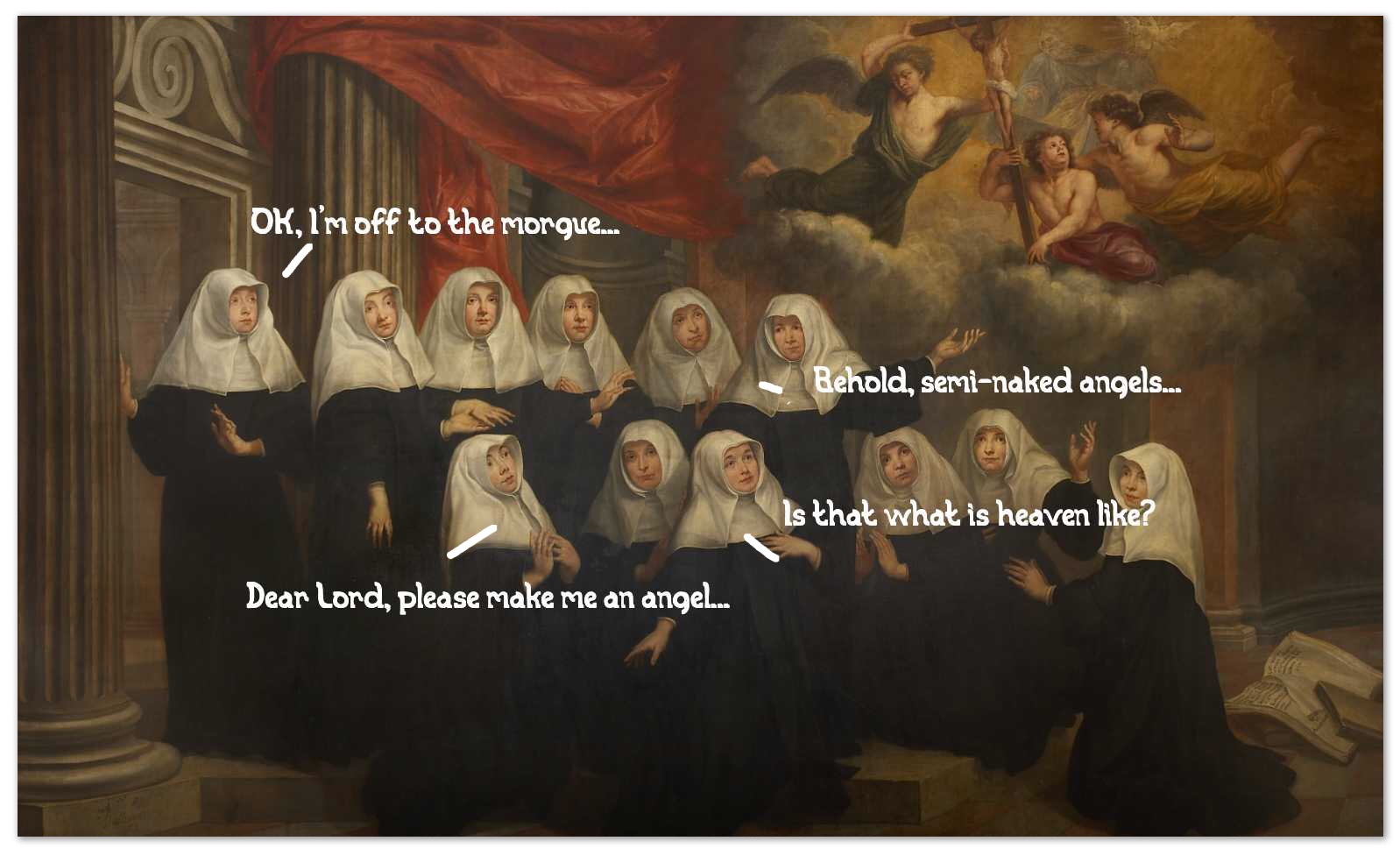
A week or so ago, I read a story of a 14th century nun named Joan who faked her own death to get out of the convent she was living in. How’s that for dedication?
Apparently, she wasn’t the only one who wanted to escape either. Having studied medieval history and knowing the lifestyle adhered to by monks and nuns of the time, I can’t say I blame any of them.
Faking your own death is definitely taking it to the next level, though, so I feel that Joan deserves a bit of recognition and applause for her commitment to the performing arts.
Original painting: Jan Van Helmont Portrait of the Sisters of the Black. Public Domain The clever edits are my own.
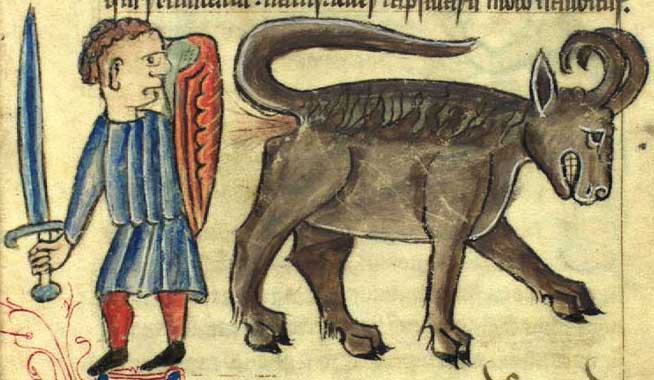
I now know more about this amazing creature than my friends will ever think beneficial. You can bet I’m going to tell them all about it, and I know my Year 9 boys are going to love it, too. I almost can’t wait until they complain again, so that I have a good reason to get the story out and share it.
Seriously, take a look at this beast. This picture from a medieval bestiary, or book of animals, portrays this particular bonnacon as being rather pleased with himself and his toxic poop. He’s never going to be sorry.
I have read most, but not all, of these quotations before, but I still find them to be very pertinent reminders of the ways in which I need to continue to develop and refine my craft as a writer.
They’re all good advice, although my favourite is the contribution from Chekhov. Not only is it instructional, it’s so poetic and powerful.
I’m also very partial to the advice from Edgar Allen Poe, because he is someone whose work I love reading, and has been an enormous influence own writing.
This fabulous infographic image was created by the fine people at assignmenthelper.com
For Shakespeare Sunday this week, I want to share with you the wonderful work of cartoonist Mya Gosling at Good Tickle Brain.
Mya takes the vast works of Shakespeare and condenses them into cartoons that even those with very little knowledge of Shakespeare can read, understand and appreciate.
For Shakespeare nerds like me, it presents a lot of fun and great “oh yeah!” moments. For those new to the plays or wondering what on earth the characters are saying and doing, Mya’s cartoons make the complex much more straightforward.
This website contains a wealth of play summaries, character spotlights, analysis and audience insights. I frequently share Good Tickle Brain with my students because it really does help to make whatever play we are studying more accessible and relatable for them.
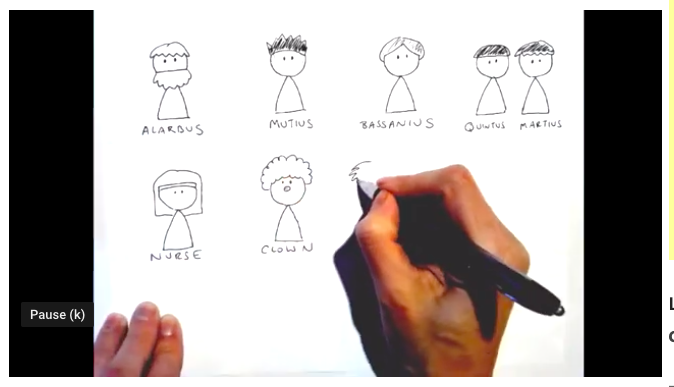
Even if you haven’t seen or read the play Titus Andronicus — and let’s face it, most people haven’t— make sure you watch the video titled ’Titus Andronicus: All The Deaths’. The way she draws all the characters and then depicts how they died in the play is brilliant!
Also incredibly insightful is the non-Shakespeare section titled ‘Keep Calm and Muslim On’, which is Mya’s exploration of the way in which Muslims and non-Muslims get along together in American society, which I find highly relevant to Australia too. I always enjoy seeing the simple but profound ways in which Mya breaks down the barriers and embraces the differences while still showing how similar we really all are.
It’s a great website that holds lots of fabulous little surprises. I really hope that you’ll take a look, and I hope that you enjoy it as much as I do.
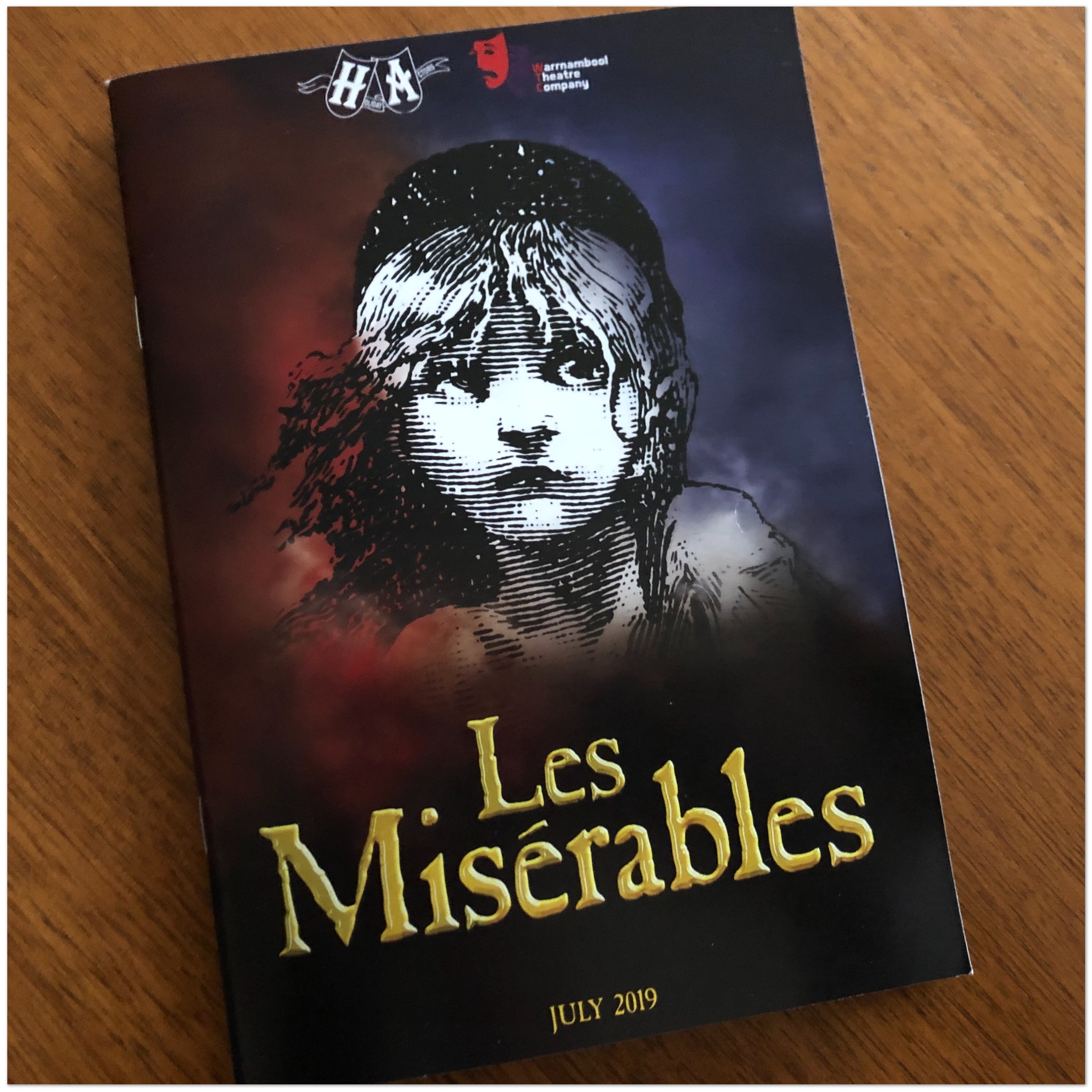
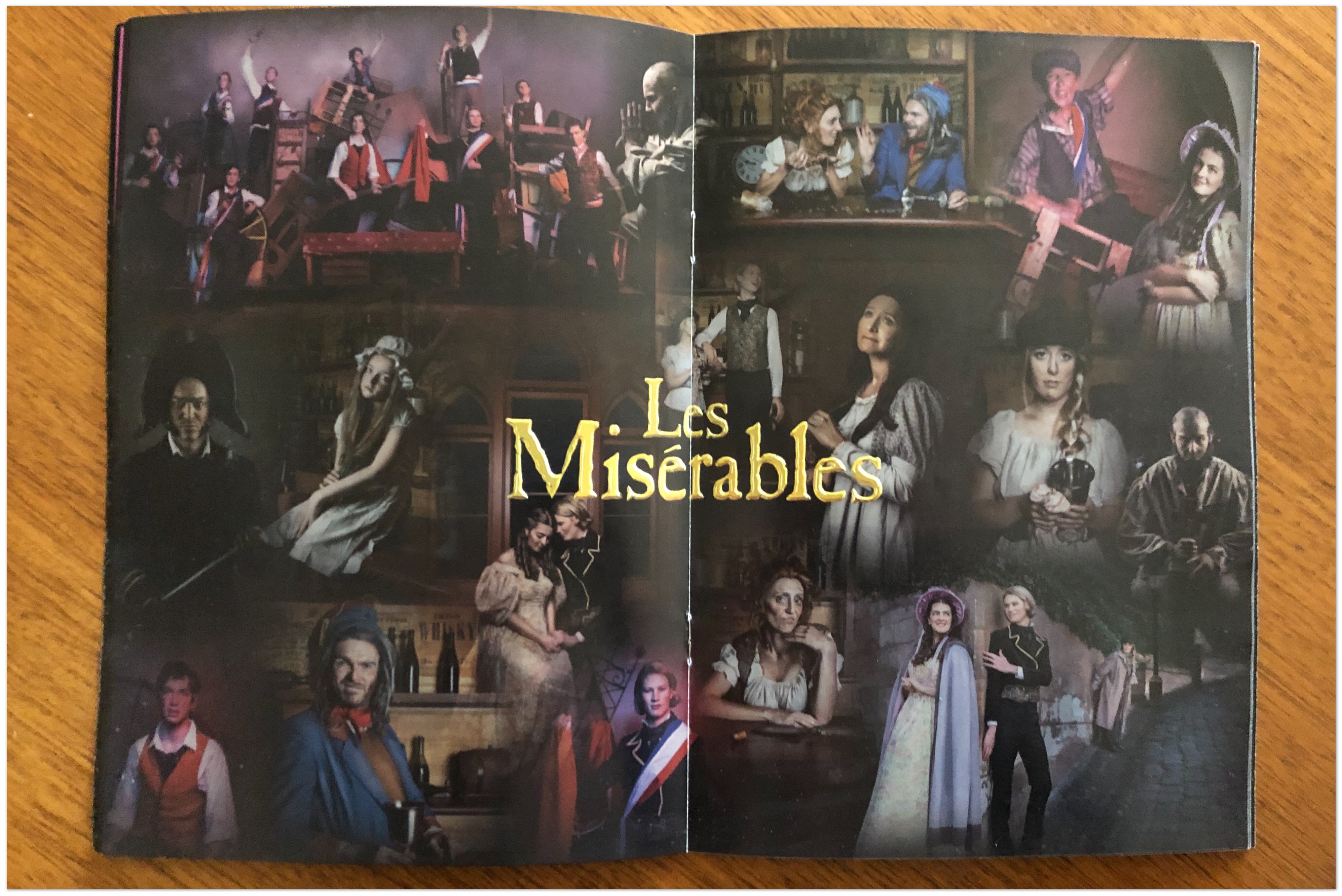
‘Les Miserables’ is among my favourite books of all time, and it is also one of my favourite musicals.
I saw a fabulous production of ‘Les Mis’ last night at the theatre in Warrnambool.
My major achievement for the evening was not singing along out loud— which took more self-discipline than you might ever realise.
I was moved to tears by the emotion and beauty of the performances, but also— as always— by the power of the lyrics.
There are many moments and several songs in the show that I love, but my absolute favourite lines are sung by Fantine:
“But the tigers come at night With their voices soft as thunder…”
‘I Dreamed a Dream’
Those words are so profound.I find them powerful because I know that whatever it is that a person struggles with – pain, grief, depression, anxiety, worry… those tigers visit more often at night, and stay for longer, than they ever do during daylight hours.
One of the reasons I began taking my writing more seriously a number of years ago was because I found it an excellent way of dealing with my night tigers and answering their voices with my own.
That’s why many of my poems deal with themes of mental health, pain, depression, grief, and resilience. Its also why I insist that writing is the most effective therapy I have ever had. It hasn’t cured me or solved my problems, but it has certainly helped to heal me and enable me to deal with the challenges I face in life in a much healthier way.
Those tigers still come at night, but they have discovered that I, too, can roar.
I am a real sucker for posts that offer writing tips, publishing tips, and the experiences of other authors and bloggers. I’ve shared a number of them on this blog, because some people have genuinely good advice and share their experiences in a very positive and constructive way.
This response to those kind of posts is quite refreshing in its honesty and in its explanations of why those posts can actually be demotivating for some people. I can totally relate to the feeling of disappointment in myself that I haven’t adopted and implemented more of the great advice given by other Indie authors since beginning my own author journey, and to the sense of “exhaustion” at the number of “You Can Do This If You Follow My Formula” posts out there.
It’s true that those hints and tips for success aren’t “one size fits all”, and nor is success. There are many ways to measure success, and we all have individual goals that determine what our own standards or images of success might be.
It is also fair to say that there is so much advice, so many tips, so many things people tell us to do, that it’s simply not possible to try it all out, and we really do need to remain realistic about what advice we are going to take on at any given time.
I do like Daegan’s points about daily and weekly reviews of what has been done or achieved. I actually do this, and it helps me stay on track because I find achieving small goals and milestones along the way incredibly motivating.
I don’t meditate as such, but I do set time aside for quietness and reflection in my daily routine. I wear a lot of hats in my day-to-day life, so taking even just a few minutes when my brain has nothing to do is a vital means of refreshing and resetting my mind at various stages of the day. As an introvert who is often surrounded by people all day long and again at home, that quietness is also how I recharge my energy, so it’s a crucial thing for me to do.
My “takeaway” from this article is that it’s important for each of us to set our own goals, define what sort of “success” we are hoping to achieve, and find what works for us as individuals.
The one thing we should all do is keep striving to make it happen.
I have read so many articles that have a headline similar to:
“If you want to be successful, adopt these 5 habits right away!”
The problem is, the author is always telling me what I should do to be successful as if my success and their success looks exactly the same.
I get so many of these articles telling me about the habits that I should have or my life is clearly falling apart. I’ll admit, many are good and I have certainly tried them.
But what about the author? Are they using all of those tips? Do they really have all of those habits locked down when they had a post a month ago telling me 12 other success tips? I want to know the person behind the word and if it’s actually worth my time.
Maybe I’m small minded and not wired for success, but…
As I mentioned last week, my Year 9 class is studying ‘Much Ado About Nothing’ this term.
Today my students investigated the words and phrases coined by Shakespeare.
I started by giving them a list of the words and asking them to highlight which ones they knew and used. This really engaged them, and it was great to see their motivation change as they realised that Shakespeare’s language isn’t all lofty poetry and words that finish in -eth.
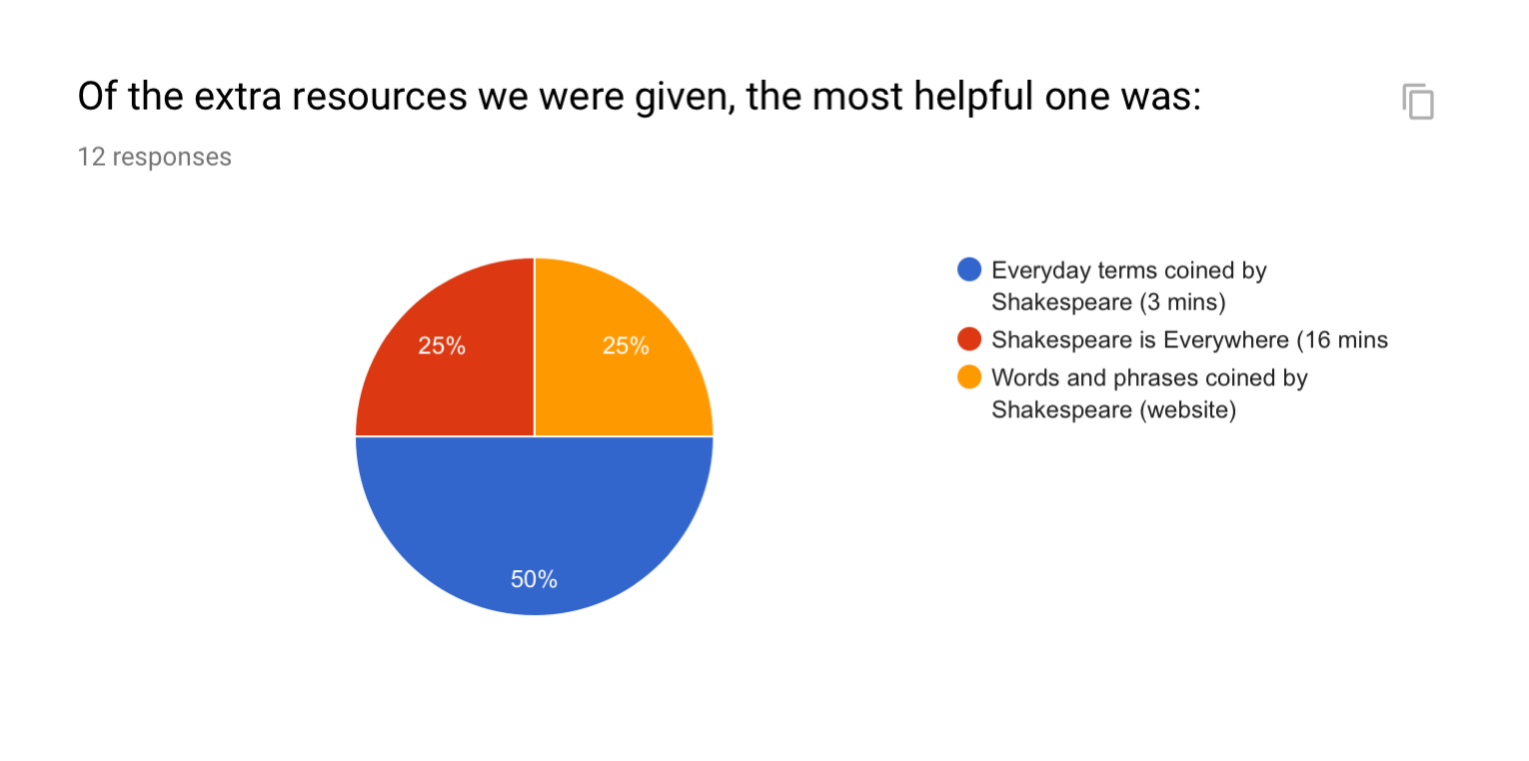
I followed that up with some great videos and a website resource to extend their knowledge and reinforce their learning.
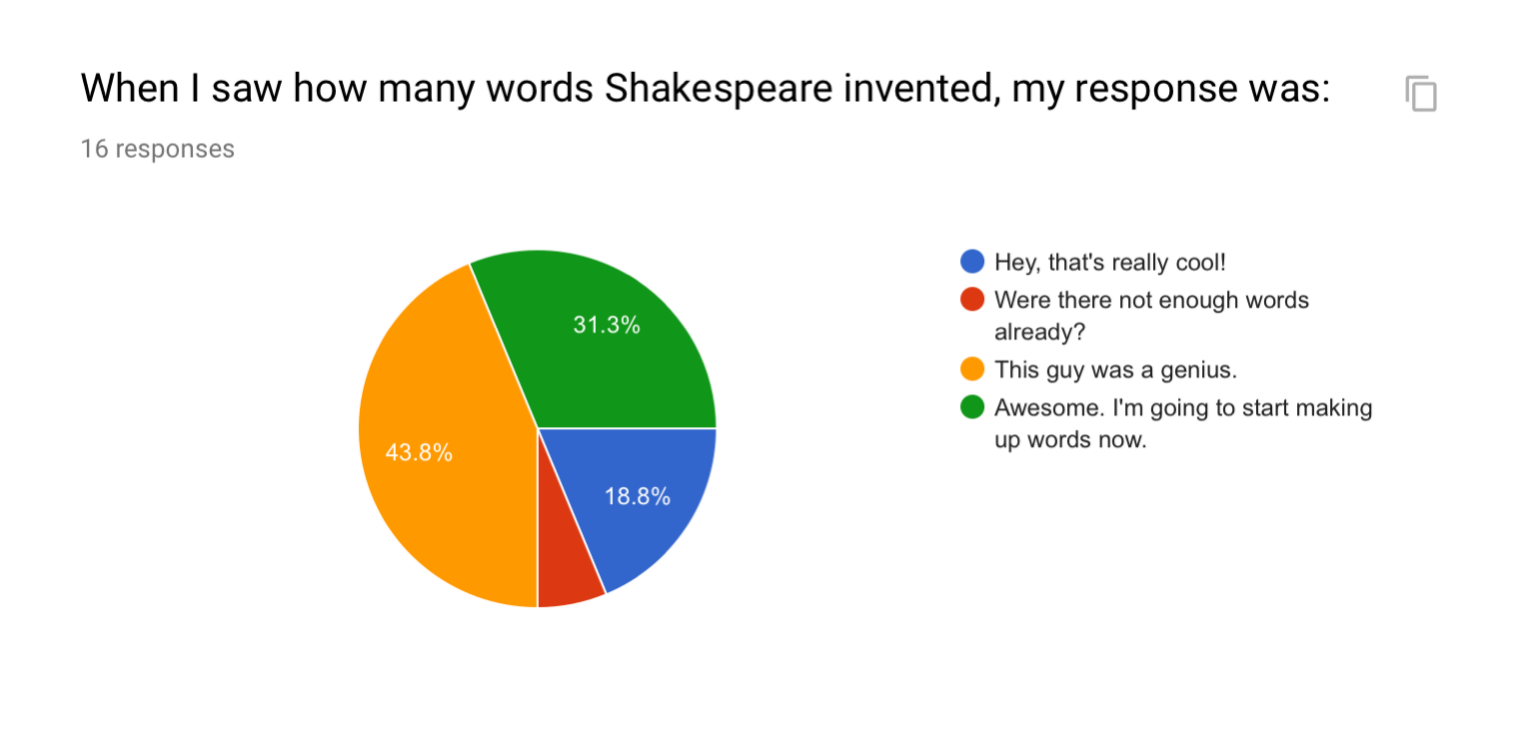
An unexpected bonus for me was the overall positive response to the exit quiz I made for the end of the lesson.
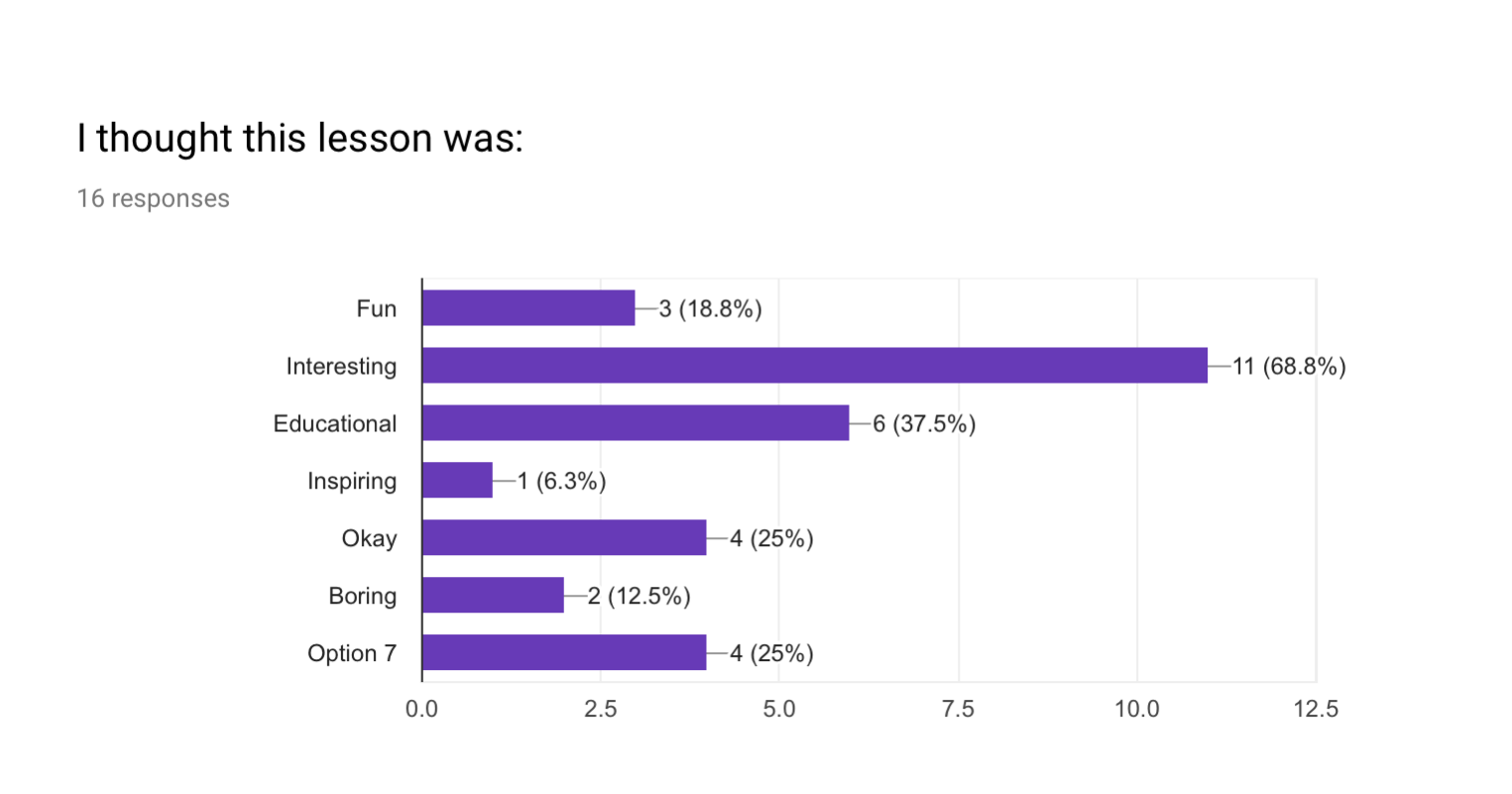
Of course, it wasn’t all enthusiastic. I’ve been teaching Year 9 English for long enough to know not all kids are going to respond positively, so I do at least try to make my quizzes fair so that they can express their feelings honestly, and kind of fun so that they actually want to do them.
They know there is no obligation to respond in a way that will make me feel good, and I know my students, so I’m confident that these responses are an accurate reflection of attitudes throughout the group.
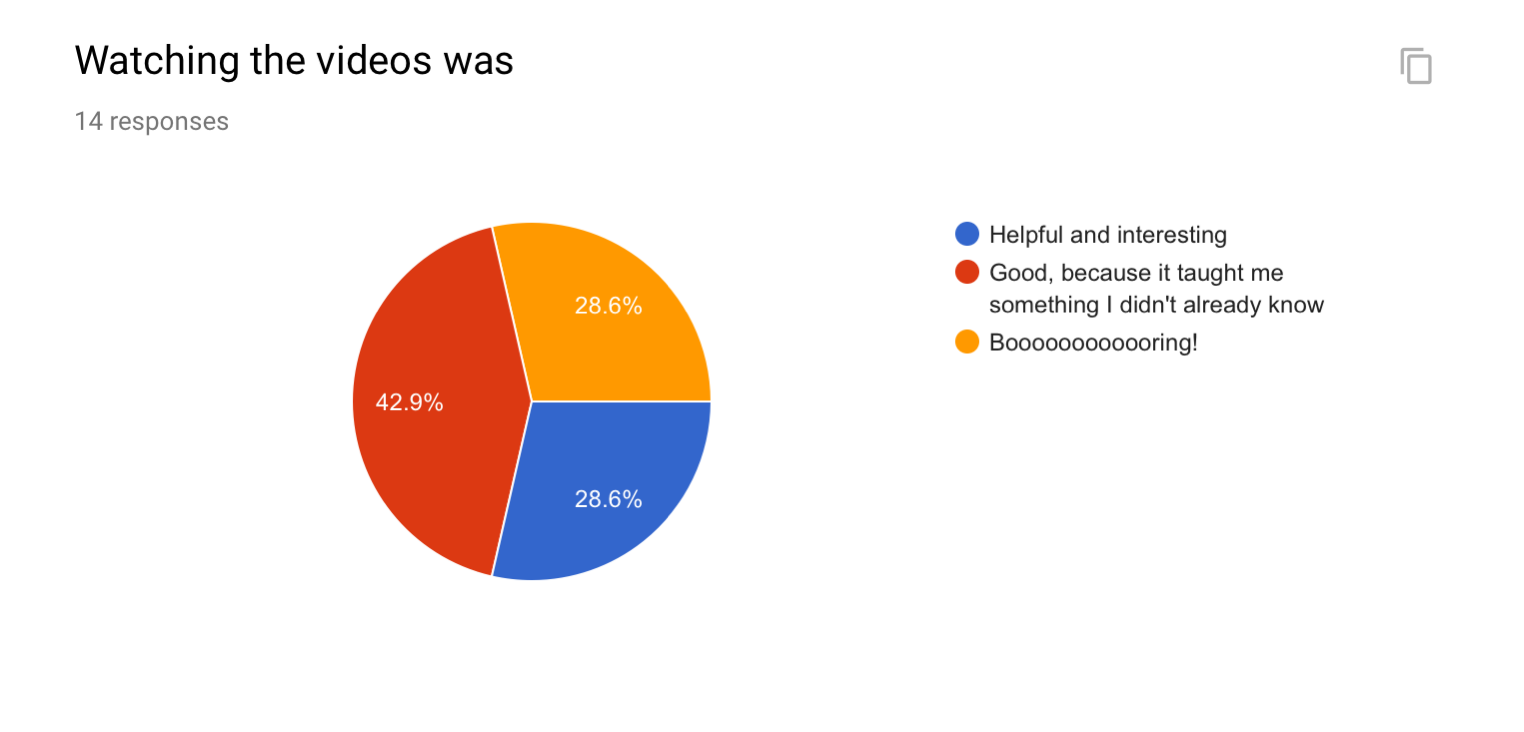
Wait, what? Boring?
Thankfully, the next set of responses explained that. The 26% who found the videos boring are probably the ones who preferred the website based resource instead. That’s a relief!
There was a surprise waiting for me, though.
The funny thing is, I didn’t even know there was an option 7. I must have accidentally hit ‘return’ while making the quiz on Google Forms. I don’t know if Option 7 was perceived to be better or worse than ‘boring’. I’m telling myself that since they could choose multiple options, Option 7 was checked by those with a good sense of humour.
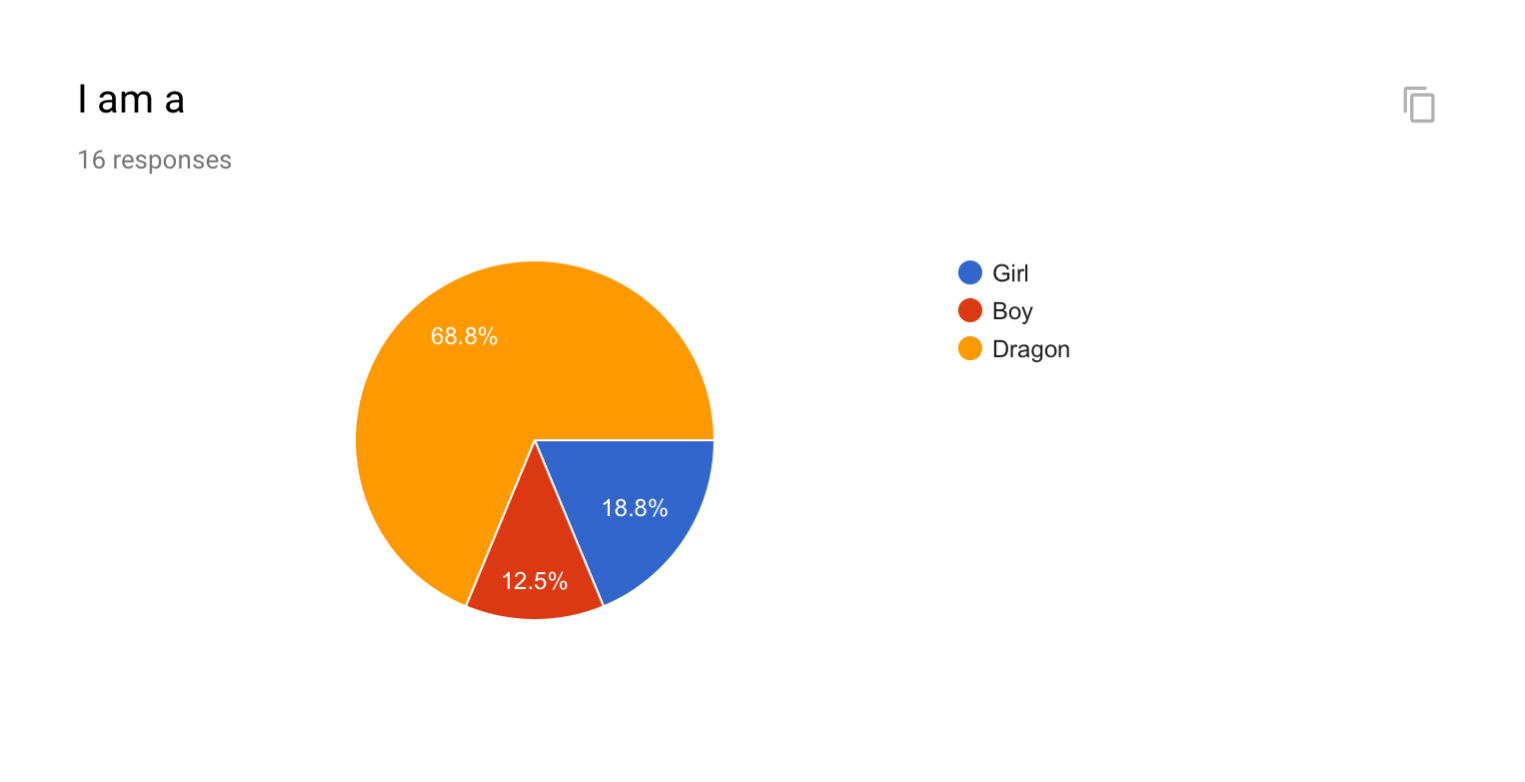
This was the closest I got to asking the students to identify themselves. If they don’t have to tell me their names, they are more likely to give honest responses. I’m not-so-secretly excited that so many of them identify as dragons.
I found these writing tips by Paul Skenazy to be very pertinent to myself as a writer.
I really like the one that says “Never lose your awkwardness,” I have awkwardness by the bucketload, so I’ve got that part covered.
Really, though, when I read and consider these points, they converge into an encouragement to be the writer only you can be, and to tell the story the way only you can tell it.
Writing is an invitation to humility—you realize you’re on the wrong track, you’ve lost connection with a scene, an emotion, a voice. The return on that humility is when your imagination lets you slip into someone else’s skin. The tales you come up with tell the story you are trying to tell when you sit down to write and also the story of the years you spend working on the book. Rendering a/your life into art changes you.
Trust your intuitions but trust (admit) that you don’t understand what your intuitions are telling you. They have their own truth and direction; your job is to follow where they lead. This doesn’t mean you don’t exert control, but you don’t exert as much control as you think you do. And you are often at your best when you don’t.








 WordyNerdBird
