Word Nerdy Book Recommendations

If there’s something word nerds love, it’s word-nerdy books.

Personally, I love a great dictionary or thesaurus. I also enjoy books that explore different aspects of the English language and how we use it.

These three books are books I have particularly enjoyed over recent months.

Word Perfect by Susie Dent
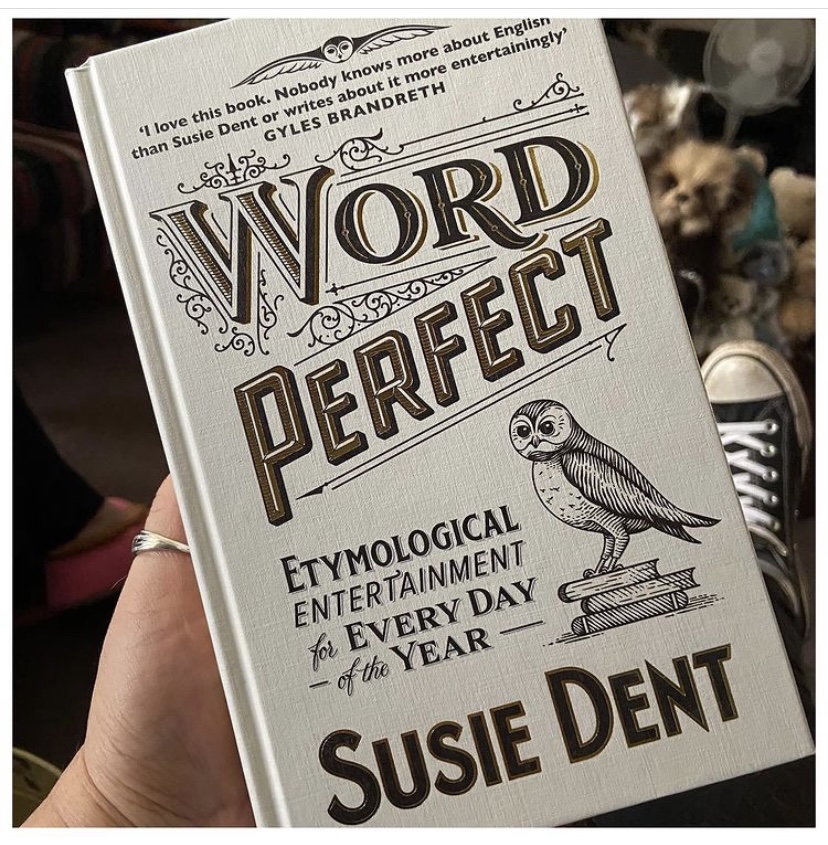
This is a wonderful compilation that will please any word lover or etymology enthusiast.

Dent writes with clarity and good humour. The word for each day, and Dent’s definition and etymology of each, are interesting and quirky.

The challenge is to only read each day’s offering instead of running ahead an consuming it more quickly.

Grab a copy, keep it by your favourite chair, and enjoy a wordy treat each day. You won’t be sorry.
Brewer’s Dictionary of Phrase and Fable
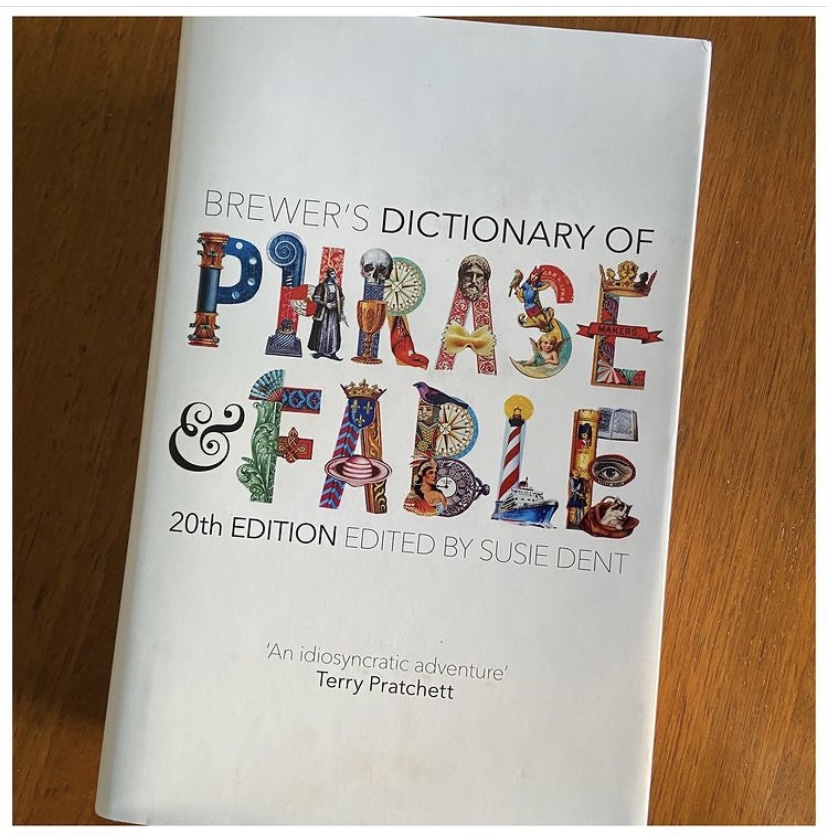
This is a most interesting and entertaining book that traces the histories of words and phrases used in English.

It is a collection of most diverting rabbit holes in print: a world of fascinating information that draws you deeper in each time. Not once have I managed to look up the word or phrase I wanted to reference without discovering another entry nearby that was just as captivating as the first… or second… or third entry I had read.

It really is a treasure trove of words, etymology and history that will delight any lover of the English language.

Dreyer’s English: An Utterly Correct Guide to Usage and Style by Benjamin Dreyer
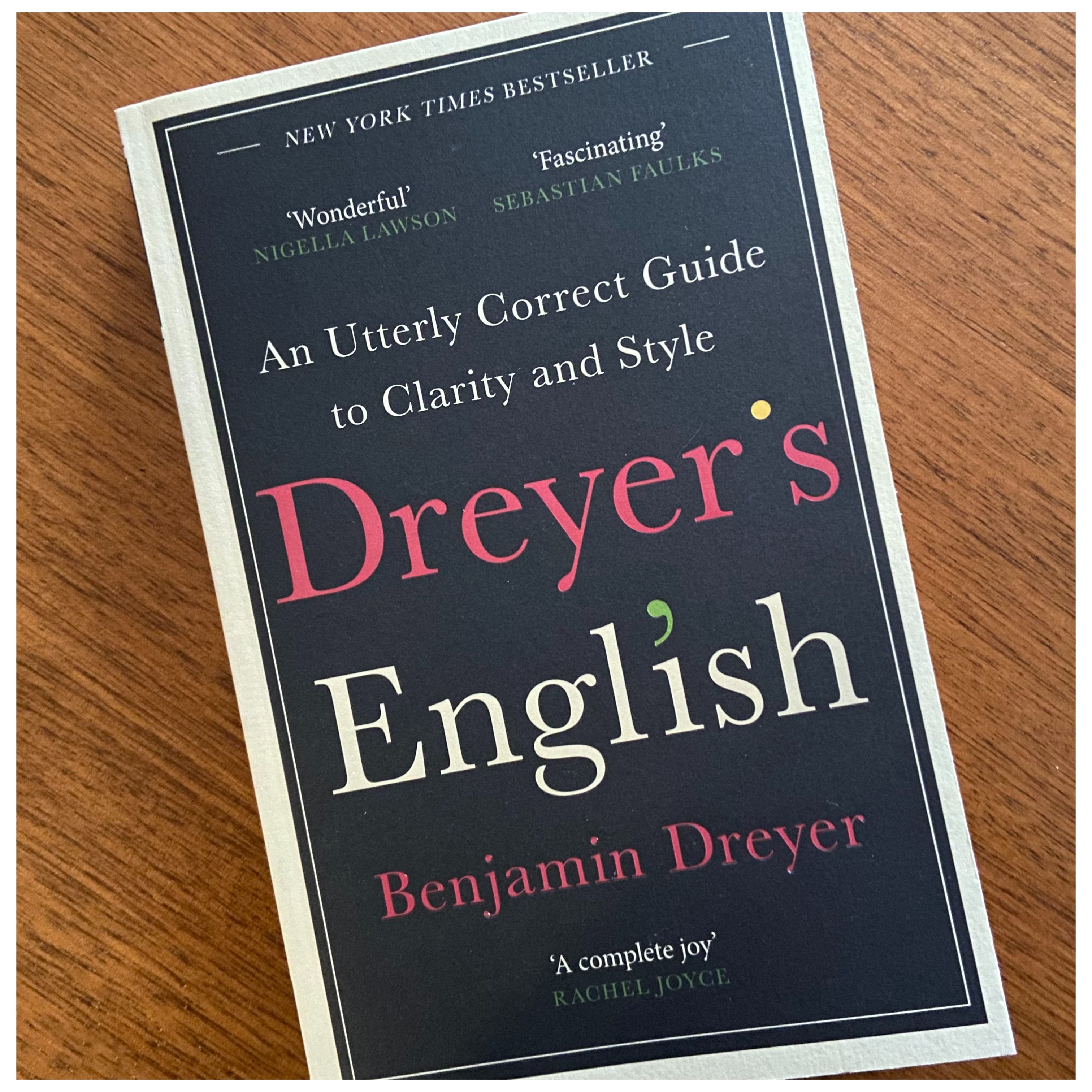
This book is a delight. With the aim of helping writers achieve greater clarity and better style, Dreyer examines the “rules” of English as we know them, and provides a clear and understandable guide to using the English language most effectively.

The book is written with humour and a relaxed tone, and delivers content that is far more accessible for the everyday reader and writer than my beloved and very worn copy of Fowler’s Modern English Usage, which is now far less modern than it was when I first obtained the book.

Dreyer’s English is an ideal reference for today’s writers, regardless of their preferred form or the purpose for which they write. It’s also entertaining enough to pick up and read on a Saturday afternoon, without feeling at all like it’s time you’ll never get back.

Highly recommended.

Word Nerdy #BookRecommendations
#words #language

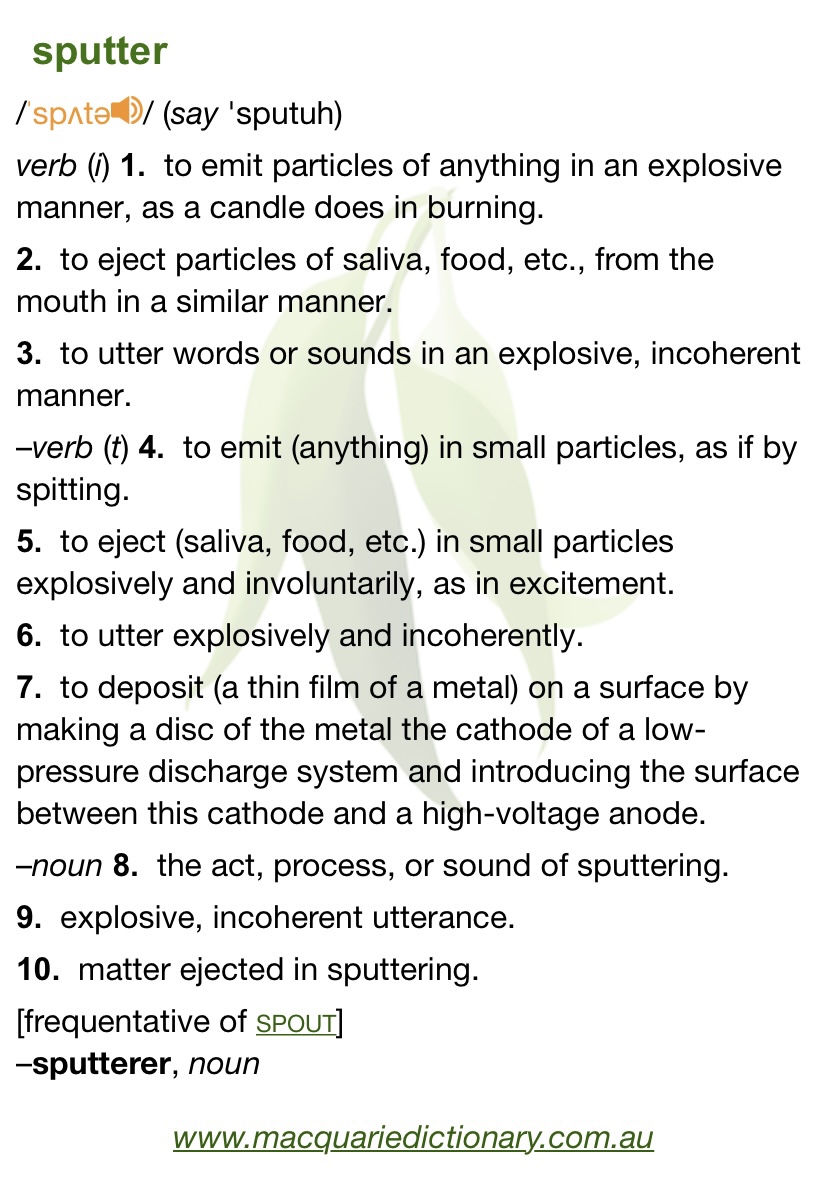
Easily Confused Words: Sputter vs. Splutter

Photo by Andrea Piacquadio on Pexels.com

Today’s post comes in response to a heartfelt plea for clarification between sputter and splutter:

These two words are easily confused, not just because they sound so similar, but also because they can both relate to the way in which people speak. 

Both suggest a degree of incoherence or inability to express oneself in a composed manner. The difference is in the manner of expression: sputter is more explosive and suggestive of anger or violence, while splutter suggests confusion that comes from excitement or struggling to find the right words. 

Dona may be reassured that she has not in fact been making a terrible mistake, and most of her readers might not ever have noticed the difference.

When writing about how people speak, the choice between sputter and splutter is one of nuance and tone rather than being right or wrong. 

Easily Confused Words: Sputter vs. Splutter #words #language #blog

PS: Dona Fox writes excellent horror stories. If that’s your thing follow her and read her books!

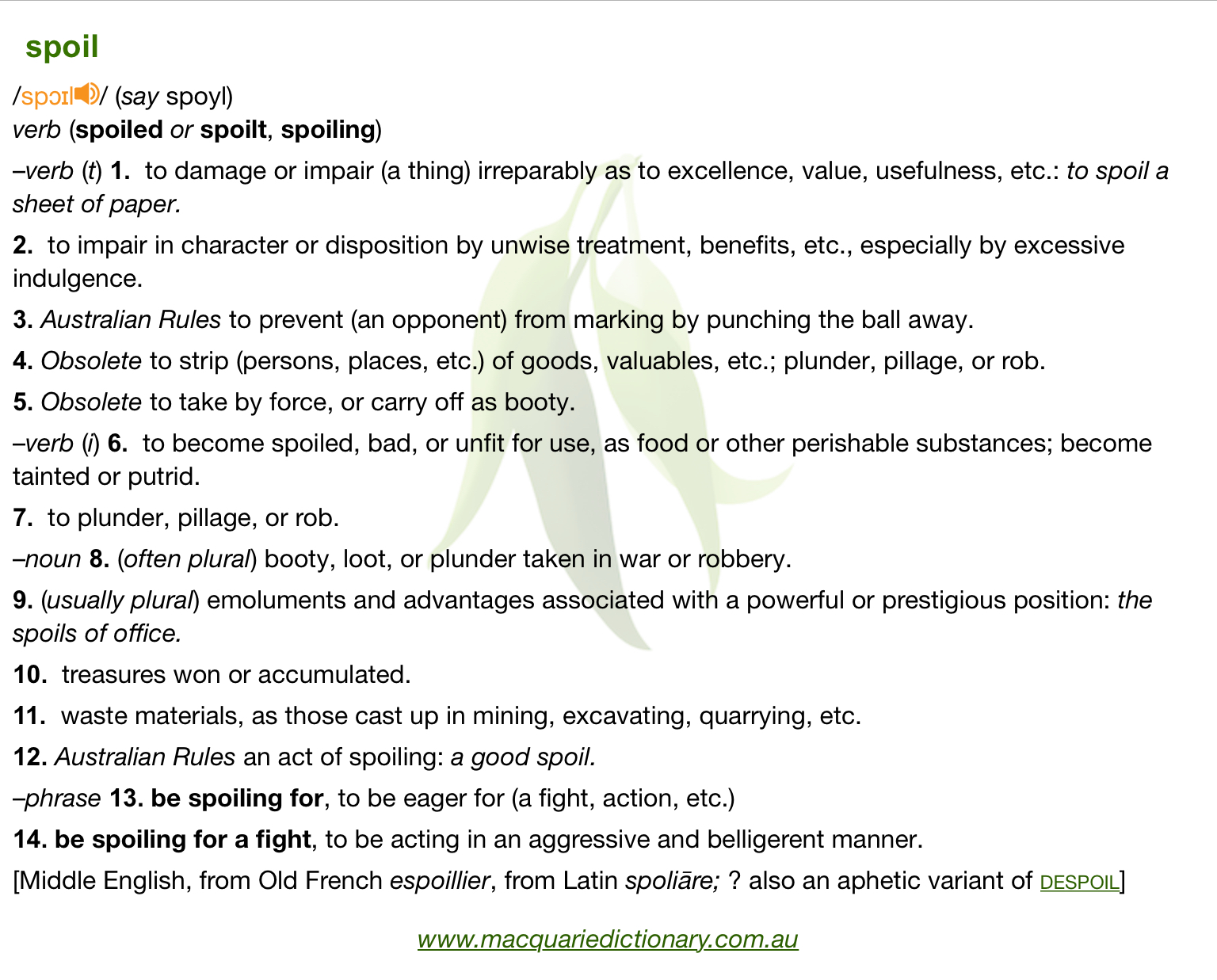
Easily Confused Words: Spoilt vs. Spoiled

In response to describing myself on Christmas Day as spoilt, one of my acquaintances corrected me, saying that the word I should have used was ‘spoiled’. Their intentions were good, I’m sure, but they were, to put it bluntly… wrong.

‘Spoiled’ and ‘spoilt’ are similar words that are easily confused with one another. Both come from the word ‘spoil’ which has a number of meanings of its own.

In the US, they use ‘spoiled’ for everything. That certainly simplifies things!

In the UK and Australia, however, the two variants of the word are used differently.

Spoiled’ is generally used as the past tense verb of ‘spoil’, although it is not incorrect to use ‘spoilt’ instead.
Therefore, last week’s roast that has gone rancid, a sheet of paper that has had something spilled on it,  and a natural landscape defaced by deforestation, mining or construction are most often referred to as spoiled, but can be described as having been spoilt.

Spoilt is favoured as the adjective for things that have been spoiled.
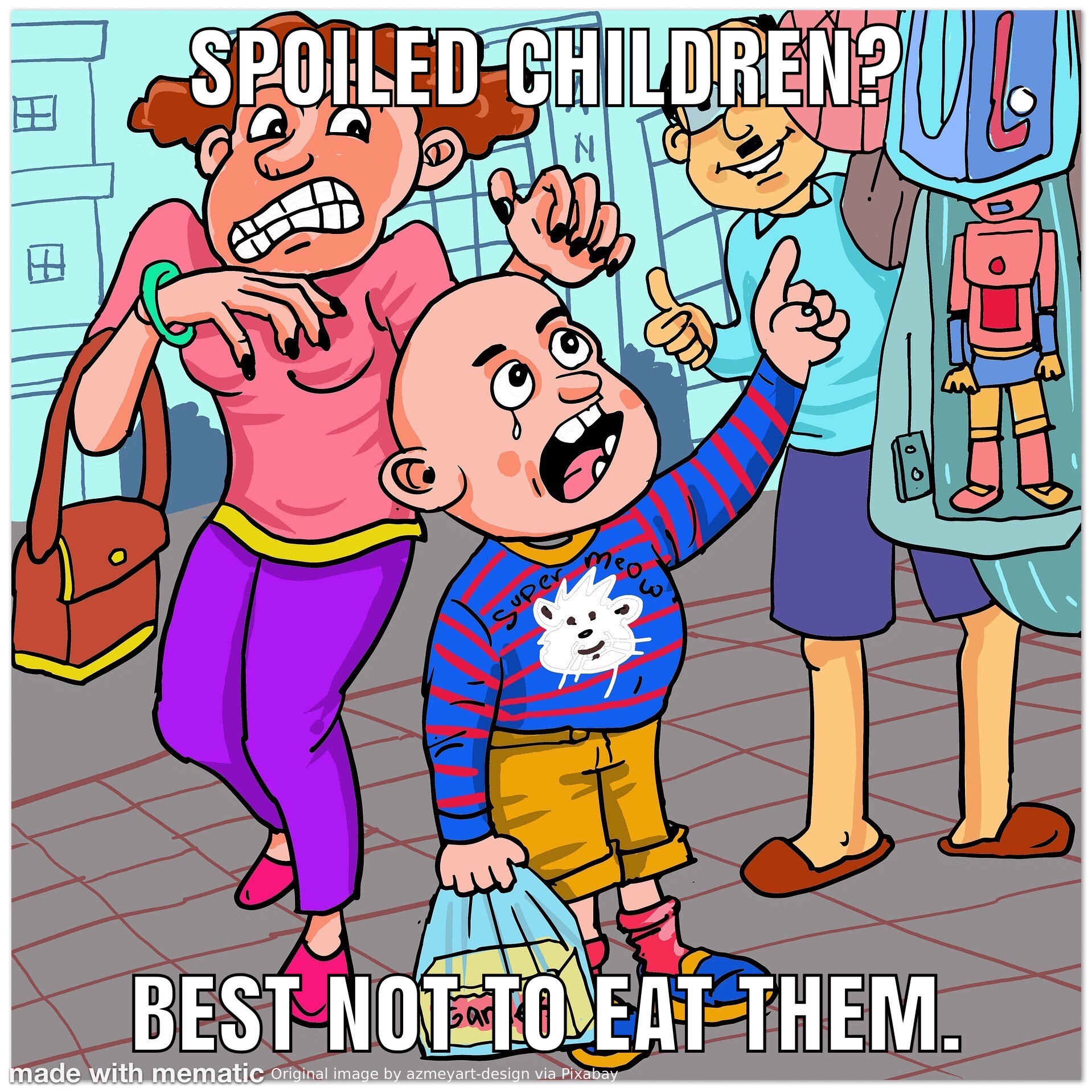
Children — and occasionally adults — who have received too many presents for Christmas or a birthday, enjoyed too many indulgences, or experienced too little discipline in their lives are often said to be spoilt or, in excessive cases, spoilt rotten.

So, over Christmas, I could quite rightly describe myself as spoilt or spoilt rotten. Given that I looked, felt and smelled fine, I am confident that I wasn’t spoiled at all.

Sources:
Macquarie Dictionary
https://grammarist.com/usage/spoiled-spoilt/
https://www.writerscentre.com.au/blog/qa-spoilt-for-choice/

Easily confused words: spoiled vs. spoilt.
#words #englishteacher #blogpost

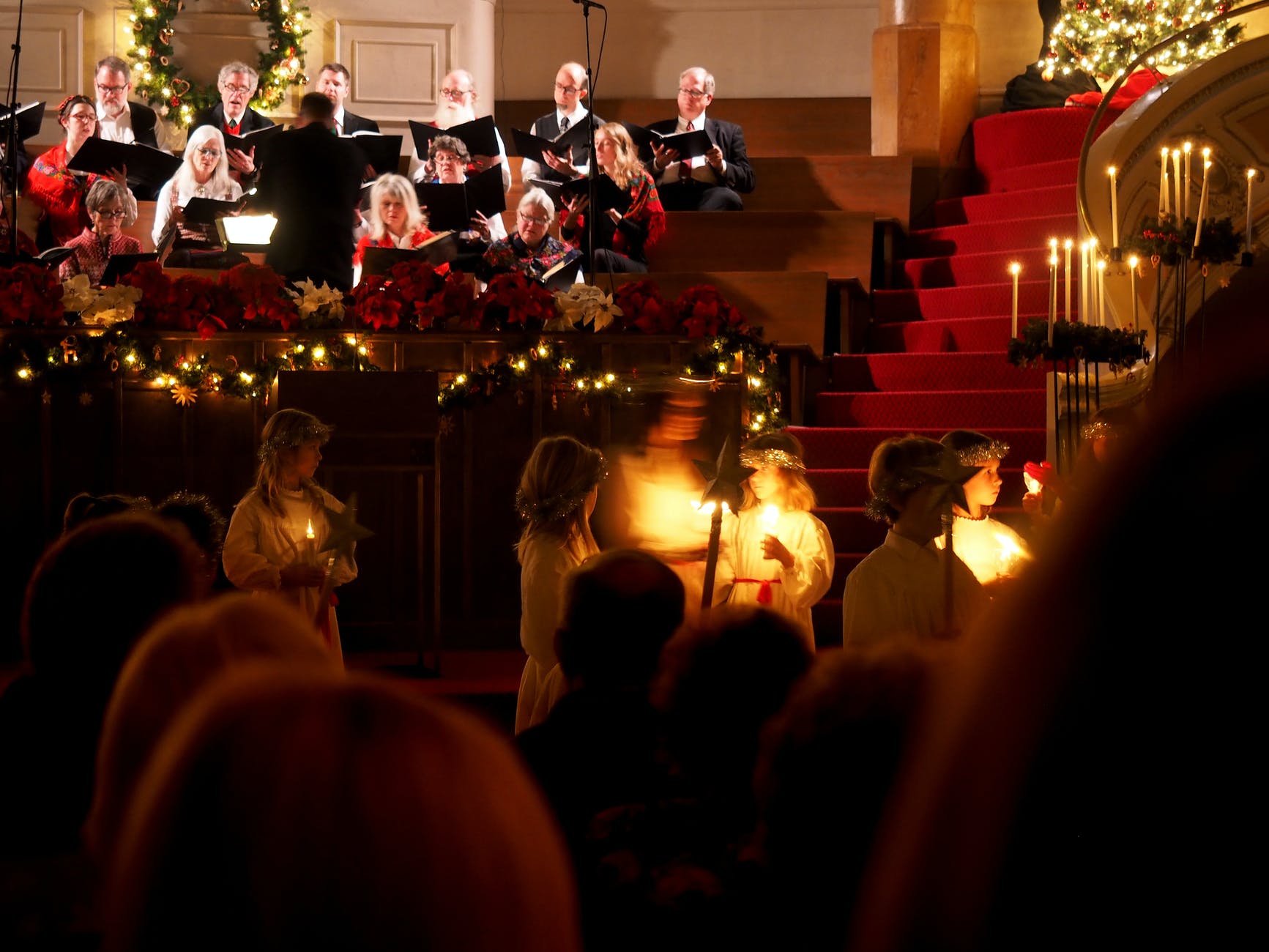
Why Are Christmas Songs Called Carols?

Photo by Blue Ox Studio on Pexels.com

I recently heard someone insisting that there was a difference between Christmas carols, which were all about baby Jesus and the angels, the star and the wise men, and Christmas songs, such as Jingle Bells or Rudolph the Red Nosed Reindeer.

It sounded like a feasible explanation, and the guy put up what seemed like a good argument– mostly due to his confidence and the underlying implication that he knew more about it than anyone else.
(See malapert and ultracrepidarian.)

That’s what triggered me to research the question. I confess it was more out of my desire to possibly prove him wrong than to actually know the answer that I took out my phone and searched Etymoline for ‘carol’. To my delight, he was wrong! It does seem to be a popular belief, but it’s not consistent with the etymology of the word carol.

Carol is a very old word that dates back to about 1300 in both its noun and verb forms.

At this time, the noun meant both a joyful song and a form of dance in a circle or ring. Both of these meanings probably came from the Old French word carole that referred to that kind of circular dance, which was sometimes accompanied by singers. The origins of the word before that are unclear, but it certainly does paint a festive picture.

It wasn’t until about 1500 AD – two centuries later – that the word had also come to refer to a hymn or song of joy sung at Christmas. Thus, the religious connotations of the word came much later than the secular meaning.

The verb form to carol first meant to dance in a ring or circular formation. The sense of the word that meant to sing with joy or celebration had developed by the late 14th century.

The verb carol did not mean to sing Christmas songs, often moving from place to place to do so, until the late 1800s. It does seem, though, that the practice of carolling is believed to be a much older tradition that was outlawed in Britain, along with the celebration of Christmas itself, by the Puritans who governed in the mid-1600s.

So, Christmas songs are called carols because of their festive and joyful nature. Given that a. the word was originally far more specific about the type of dance than the type of songs being sung, other than that they were joyful, and b. Jingle Bells and Rudolph are as festive in their own ways as Hark The Herald Angels Sing or Joy to the World, there is no reason to classify them differently. They’re all Christmas carols, and that’s that.

Sources:

Carole: European Dance
Etymonline
Medieval Circle Dance: Carole
The History of Christmas Carols

Why Are Christmas Songs Called Carols?
#ChristmasSongs #ChristmasCarols #blogpost

You Could Hear a Pin Drop: More Interesting Ways of Saying ‘Quiet’

I really enjoy the sensory richness of the imagery in this post from the – About Words – Cambridge Dictionaries Online blog.

You could hear a pin drop: more interesting ways of saying ‘quiet’ – About Words – Cambridge Dictionaries Online blog

— Read on dictionaryblog.cambridge.org/2020/11/11/you-could-hear-a-pin-drop-more-interesting-ways-of-saying-quiet/amp/

Easily Confused Words: Slither v. Sliver

I was watching a documentary with a friend on Wednesday evening. I nearly spat my drink out when I heard the presenter say, “There was just a slither of a new moon…”

I looked at my friend, only to find she was already looking at me. We were both wondering if we had misheard, but we had not.

What should have been said was, “There was just a sliver of a new moon…”

‘Sliver’ and ‘slither’ may sound similar, but they are neither homophones nor synonyms. They are very different words indeed, and therefore should not be confused.

‘Sliver’ is a noun that means a very thin slice.  There can definitely be a sliver of a new moon in the sky. One can have a sliver of chocolate, or a sliver of cake, although they may wish for more. A sliver of a chance is also likely to leave one wanting for more. A very slender piece of wood or metal – such as that created by shaving  or planing– may also be referred to as a sliver.

‘Slither’  is a verb that means to slide or to move in a squirmy way, as animals without legs do. Snakes and eels contract their muscles so they look to move sideways. So do some worms. Snails and slugs slither in a different way again, looking as though they simply contract and then stretch forward.

So, If someone claims to see a slither of a new moon, they may need to either get their eyes checked or give up drinking.

Easily Confused Words: Slither v. Sliver
#words #language #blogpost

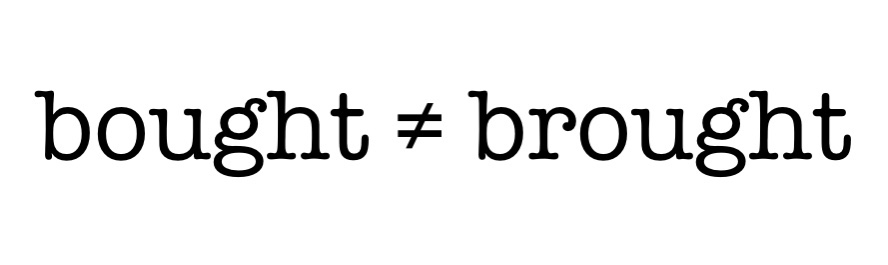
Easily Confused Words: Bought vs. Brought

Bought and brought are words that lots of people get mixed up. They may look similar, but they are very different words.

These words are by no means interchangeable, so in the interests of both being clearly understood and preserving one’s credibility, it is beneficial to know which is which, and how to use them confidently at the right times

Bought is the past tense of buy. If you buy something, you have bought it. 

Brought is the past tense of bring.  If you bring something home, you have brought it home. 
Note: neither ‘brang’ nor ‘brung’ is standard English. 

The easy way to remember which is which is that there is an r in bring and brought, but not in buy or bought. That makes pairing the correct words much easier. 

Easily Confused Words: Bought vs Brought
#grammar #English #explanation

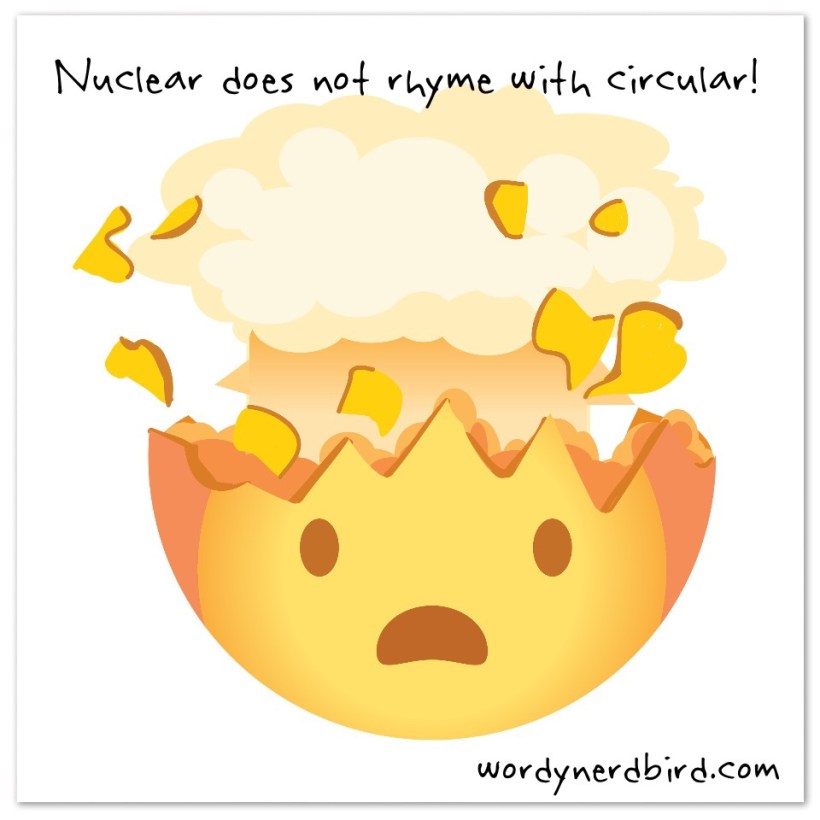
Nuclear Does Not Rhyme With Circular

This post might come across as some kind of linguistic snobbery, and while that’s not my motivation, it is a risk I am willing to take. 

The common mispronunciation of nuclear is something that drives me absolutely nuts. 

So many people pronounce it as nucular ( nyoo-kyoo-lar) but that is not how it is spelt or pronounced. I’ve even heard scientists on the radio and TV who say it that way, despite the fact that scientists of all people should know better. Did they get through however many of years study at university calling the central body of a cell the nuculus? I think not.

Nuclear is a three syllable word, pronounced nyoo-klee-ar.

If someone can say the words ‘new’ and ‘clear’ correctly, they should be able to manage ‘nuclear’ by just mashing those two words together. Think of it as linguistic nuclear fusion. 

It really isn’t rocket science. 

Forswunk.

Forswunk is a very old word that might just be my new favourite expression.

Last night I wrote about how tired I was after my first day of teaching my classes remotely

I’m disappointed now that I used the words ‘exhausted’ and ‘so tired’, because today I discovered an absolutely brilliant word I could have used instead: forswunk

Forswunk is an adjective that means exhausted by hard work, or overworked.  The verb is forswink: to tire or exhaust through labour. 

Both are words from Middle English. I don’t even care that the Collins English Dictionary says these words are now obsolete. ‘Forswunk’ is a fabulous word and I’m going to use it.

To say “man, I am completely and utterly forswunk” is a much more expressive way to say that you’re “tired” or “beat” or “worn out” or “done in”. The only term that really comes close is the Australian vernacular term “knackered” which pretty much means the same thing. 

So, if you hear someone saying they are knackered, meaning super tired, they’re probably  Australian. 
And if you hear an Australian saying they’re forswunk, it’s probably me. 

Easily Confused Words: Stationary vs. Stationery

Yesterday I saw a sign in a shop that said “Stationary” attached to a shelf. 

They were absolutely right: that shelf wasn’t going anywhere. I suspect it’s still in the same place even now, although it’s been about 30 hours since I was there. 

This is a common mistake because people often don’t realise that ‘stationary’ and ‘stationery’ are two different words.  They sound the same, but are spelt differently and have very different meanings.

Stationary means “not moving”. 
A train stops at a station, and remains stationary while people get on and off the train. 

Stationery, on the other hand, is the sort of supplies you’d get at a Stationer’s stop: paper, pens, pencils, erasers, notebooks, and the like. 

Therefore, in order for the sign in the store to have been fully accurate, it could have said “This stationery shelf is stationary”. 

I suspect, however, that most people  would be less appreciative of such a sign than I would be.