Today marks the centenary of the signing of the Armistice that ended the fighting in World War I.
It was called “The Great War” not because it was necessarily good, but because the world had never before known war, death or destruction on that scale.
It was supposed to be the “war that ends all wars”. If only it had been.
Yet the 20th century saw another “world war” and a seemingly never-ending succession of national and international conflicts that have continued into the 21st. As though World War I was not brutal enough, humans have worked hard over the past hundred years to develop even more efficient ways of killing each other.
Despite all that fighting, I live in a country that is free, democratic, and prosperous. That privilege is mine, and indeed every Australian’s, to a very large degree because of those who have fought to defend and preserve our freedom.
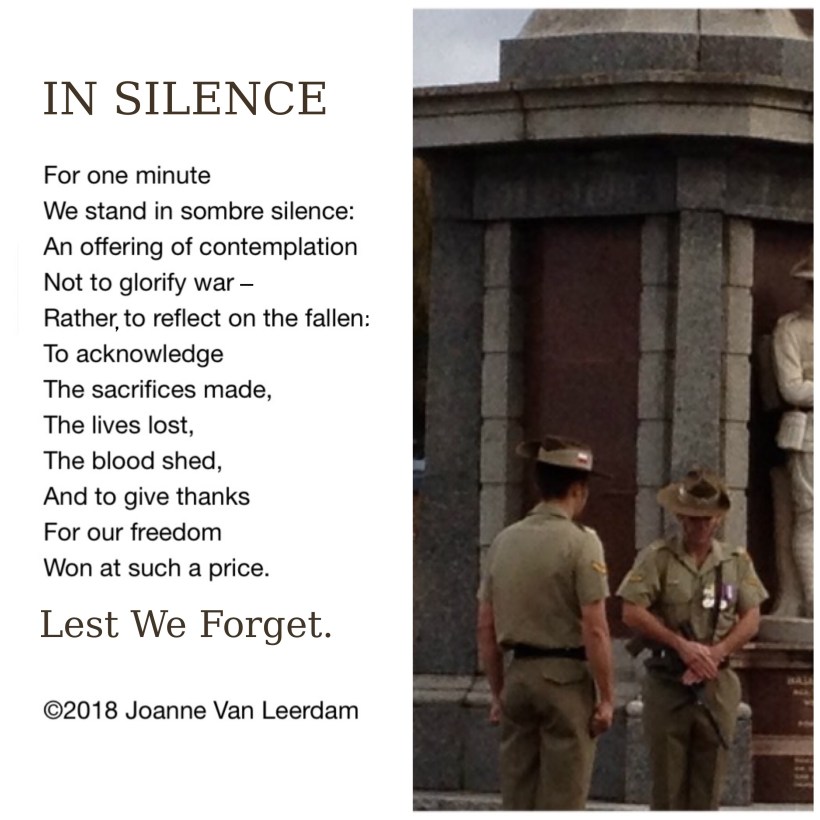
This morning, I paused at 11am, even though I was home on my own and there was already no noise. It was the intent of that minute of silence that was different.
We do not stop because it’s a nice thing to do, or because it’s expected of us. It cannot be a mere token, for that would be meaningless.
We do not stop for a minute’s silence to glorify the wars. We do not stop to rejoice in our own nation’s or our allies’ victories. We do not stop to continue the hate, nor to protest. It’s noot about what “side” we were on.
We stop to be thankful for those who fought. We remember tha in addition to the millions of soldiers, there were also doctors and nurses and various other support personnel who served. Many gave their lives, others came home damaged in one way or another. Not a single one of them was unaffected by what they experienced at war.
We stop to remember, because we must never allow ourselves to forget.
It is only by remembering the horrors of the past that we have any hope of not repeating them.
To all who served: I thank you from the bottom of my free and privileged Australian heart.
Today is ANZAC Day: the day on which Australians and New Zealanders stop to commemorate and reflect on the sacrifice of all those who served our countries – very often side by side – in World War I, and ever since.
113 years after the ANZAC forces stormed the beaches and clambered up the cliffs at Gallipoli, we stand in sombre silence and remember the enormous losses of life suffered on that day, and every other day, during major conflicts like the two World Wars. Every year, attendance at dawn services, ANZAC Day marches, and commemoration ceremonies around Australia grows, even though all the soldiers who fought in World War I, and many who fought in World War II, have passed away.
Peter Rock, the MC at this morning’s ceremony at the cenotaph in my local town, made a profound observation in the early moments of his opening speech: “Those who are surprised by the fact that ANZAC Day commemorations continue to draw record attendance understand very little of our national character.” He went on to speak about how and why we remember those who fought and sacrificed themselves for our freedom. Their bravery is renowned, but so is their commitment despite adversity, their mateship, and their love for their country. He’s absolutely right – those are qualities that have indeed become part of our national character. Our freedom and our mateship are the rewards of their courage and service.
That’s something my town has been reminded of in recent weeks. This time, our enemy was fire, and our battle was fought with water and fire retardant foam, not with bullets and mortars. Those who faced the danger and fought to keep the rest of us safe did so knowing they were putting themselves at risk, but that didn’t stop them. Behind the fire front, they were supported by others who worked tirelessly to supply and feed them, but also to care for those who had to flee from the fires, and for all those who were traumatised by them in various ways. Of course, it’s a very different scale to what was experienced by the soldiers who went to war, but the selflessness and the determination to serve and protect is the same.
Thankfully, no lives were lost in that particular war, although there were numerous casualties in terms of homes and livelihoods. It has been relentless and exhausting, yet our community has come together yet again to help, support, and defend. People may have lost their houses, but they are not homeless: we are their home, and we will make sure they have what they need to start over and keep going. In true Aussie fashion, our local community has been incredibly generous, as have many people from beyond the local area. There really is no better place to live.
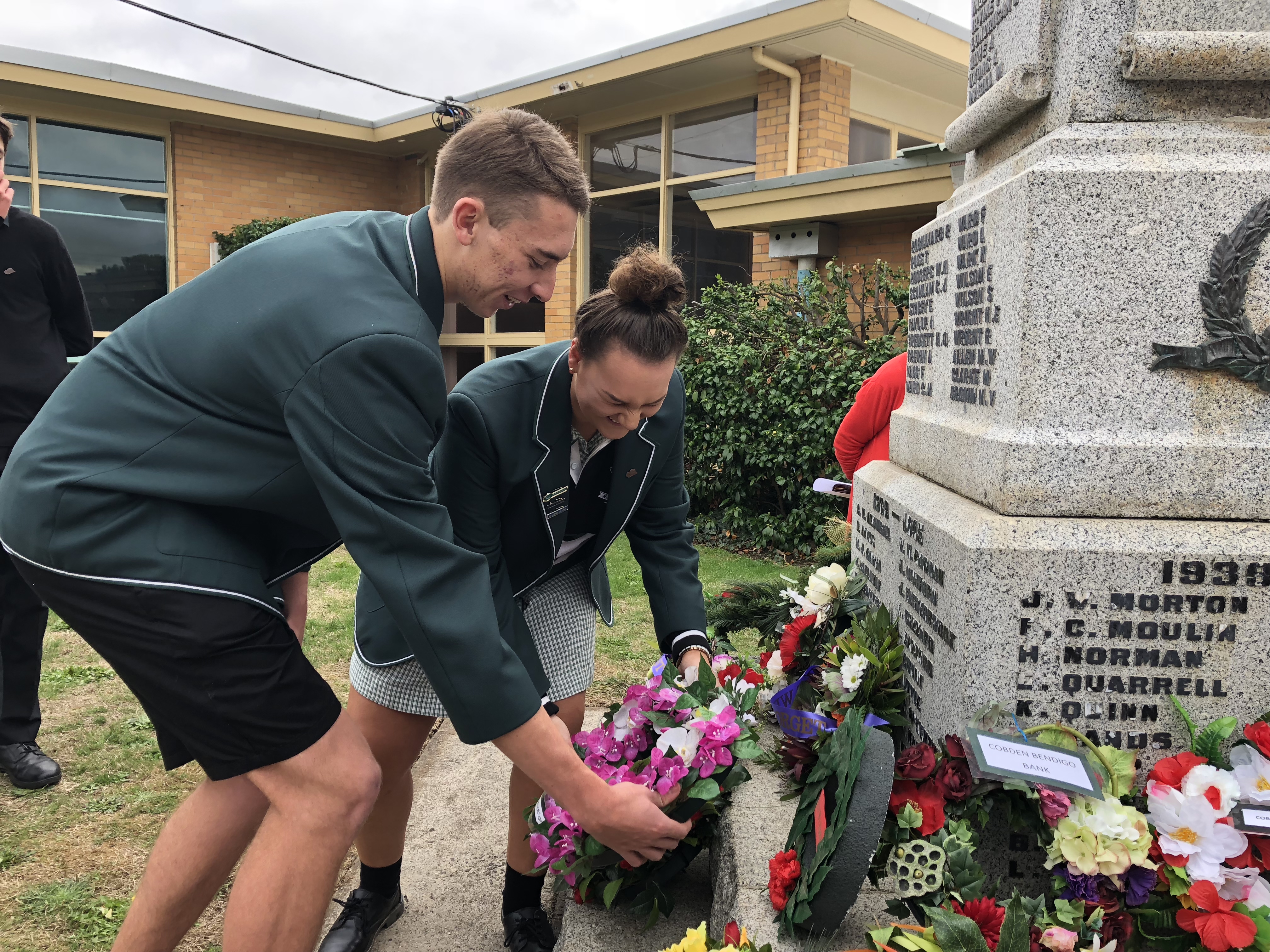
Today’s ceremony was, as always, very well attended. Representatives from service groups, churches, local government organisations, school students and professional organisations laid wreaths in memory of the fallen. Families stood together, some wearing medals that belonged to fathers, uncles, or grandparents who served in the military and have since passed on. The flags of both Australia and New Zealand were flown at half mast until after the minute of silent reflection, and the national anthems of both countries were sung. Tears – whether of sorrow for the fallen, of thankfulness for the freedom we enjoy, of patriotic pride, or a combination of all those factors – were shed.
This afternoon, there’s a big concert being held on the local football ground, not just to raise funds for fire relief, but also to give some joy and celebration back to a community that has done some really hard yards over the past six weeks. Talents from both the local area and further afield will be performing. Local businesses are providing catering, entertainment, and every other service that’s needed.
And you can bet your bottom dollar that the locals are going to turn out in force to support that concert, and each other, because that’s what we do. We stick together in times of trouble, and we cheer each other on in our victories. In doing that on ANZAC Day, we will continue to remember the lessons we learned from the ANZACS and all our other diggers.
At the going down of the sun, just as we did in the morning, we WILL remember them.
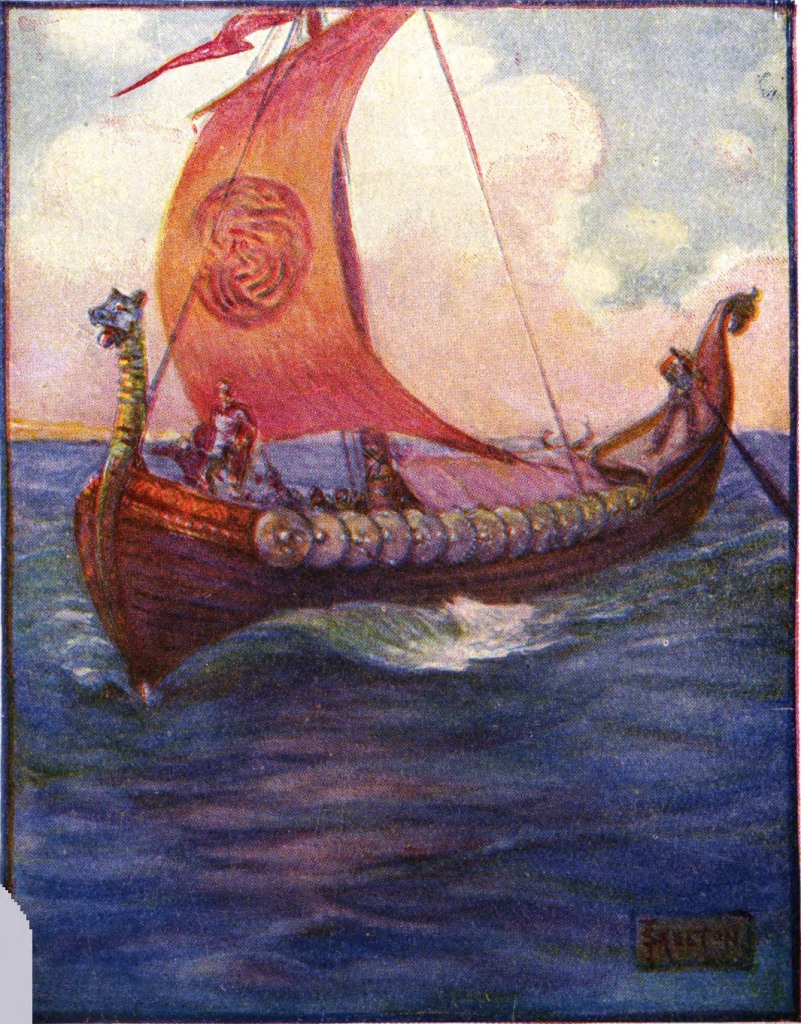
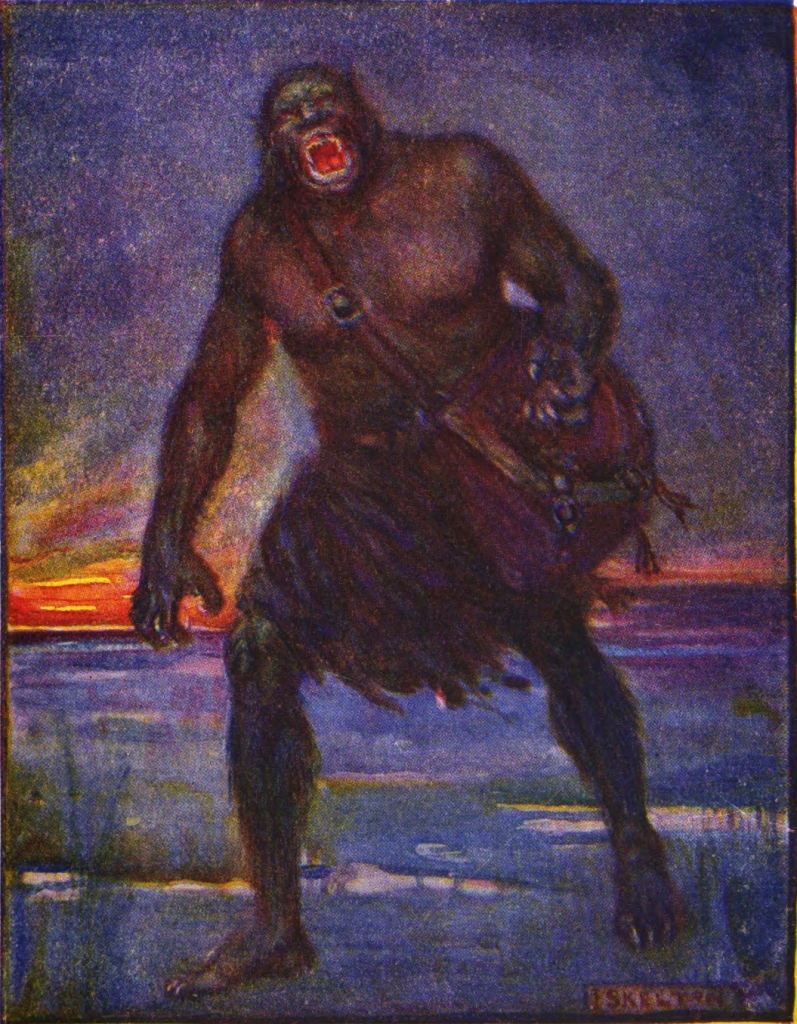
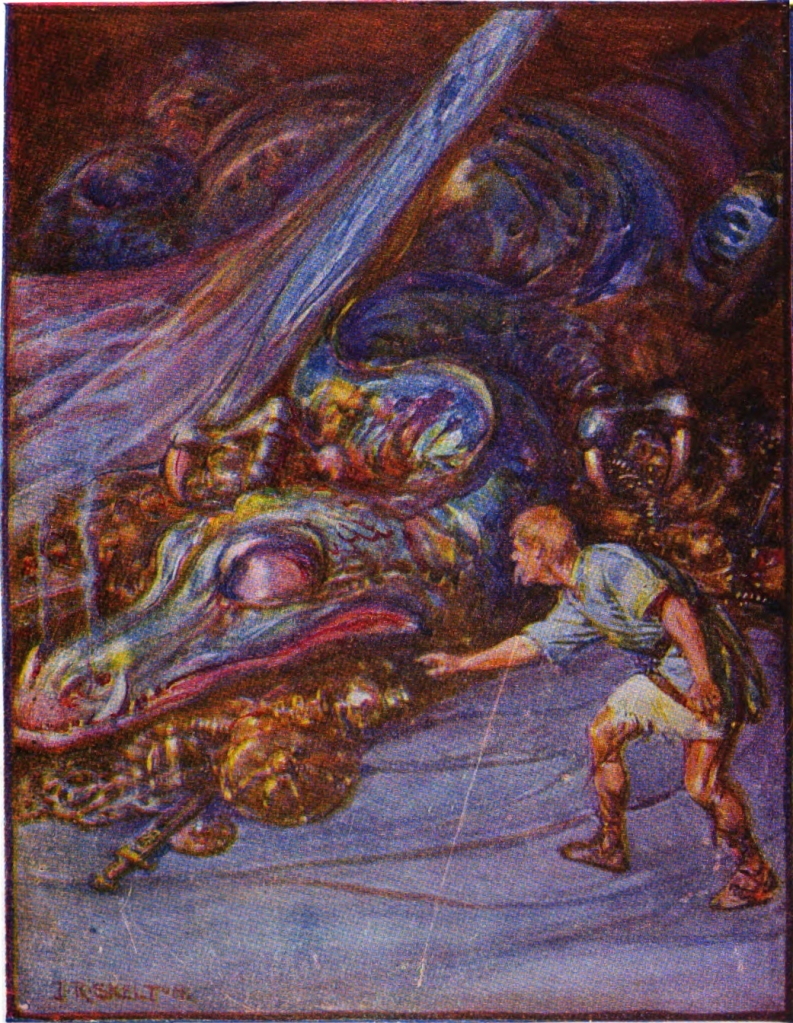
Beowulf is the oldest poem that we have in an English language. It is a medieval Anglo-Saxon epic poem that tells of the adventures of the hero, a great warrior named Beowulf, who crossed the sea from Sweden and helped the Danes fight the monster Grendel. ‘Beowulf’ is based on an early Germanic tale that relates events which would have happened after the fall of the Roman Empire and before these tribes moved into Britain. It celebrates a culture that glorifies strength, courage, and heroic achievements. These stories were told in verse by poet-singers called scops as a popular form of entertainment.
After being passed down as an oral tradition for centuries, Beowulf was written down somewhere between the eighth and tenth centuries in Old English, the language that the Anglo-Saxons spoke in Britain. We don’t know who wrote it, or exactly when or where it was written down, or if the characters in the poem really existed. The single manuscript that still exists was written in two different people’s handwriting. The poem could be one traditional tale, or a combination of a number of folk tales into one great story. There was a Swedish king named Hygelac who died in 521AD, so it is possible that some or all of the characters were based on real people.
Old English is very different to modern English, so the poem has been translated into modern English so that we can still read and understand the poem today.
Perhaps the most distinctive poetic device in Old English poetry is the kenning. A kenning is a short, metaphorical term which describes a thing without using its name. In ‘Beowulf’, the king is referred to as a “ring-giver”, while Beowulf himself is called “Higlac’s follower”. My favourite from ‘Beowulf’ is “whale-road” as a description for the sea– isn’t that magnificent? While we are still very fond of metaphor, I think it’s a shame we don’t make more use of the kenning. Old English poetry was also characterised by strong rhythm and frequent alliteration. This would have helped the scops learn and remember the tale as an oral tradition, and added a musical element to the recitation, as well as making the story pleasant to listen to for the audience.
Modern translations follow the convention of making frequent and consistent use of both kennings and alliteration. This adds a wonderful sensory element to reading the story of Beowulf, which even today is a thrilling read. It delivers elements of adventure, history, heroism, and macabre storytelling.
The poem is way too long to include in this post, but you can find Beowulf, translated by Seamus Heaney, as a safe-to-download PDF at Scribd. (Note: you do not have to subscribe or accept any trial memberships to get this file.)
As I was driving to work this morning, a caller to my favourite radio station was critical of the fact that the station was observing International Women’s Day as part of the day’s programming.
“What’s it going to achieve? Do you think you’re going to change everything in one day?” He spoke politely, but went on to dismiss the value of this, and every other, “touchy-feely day”.
While my initial instinct was to dismiss him as a sexist pig, his cynicism challenged me to consider that there might be many folks out there, and possibly not just men, who doubt the benefit or validity of such an observance.
This is what I would like to say to those with that mindset:
Observing International Women’s Day is definitely not going to change everything on one day. That’s not what anyone is expecting.
It is a chance to celebrate the changes that have been made, and to remember those who worked so hard to introduce them. It’s not even exclusively about gender equality – so many women have made significant advances, even when it was still almost entirely a “man’s world”. Think of Marie Curie or Ruby Payne-Scott making significant scientific and mathematical discoveries that have had a huge impact in many other areas of society. Think of Rosa Parkes and her courage that inspired so many. Think of the countless women who have worked for freedom, or justice, or civil rights for all people, not just women.
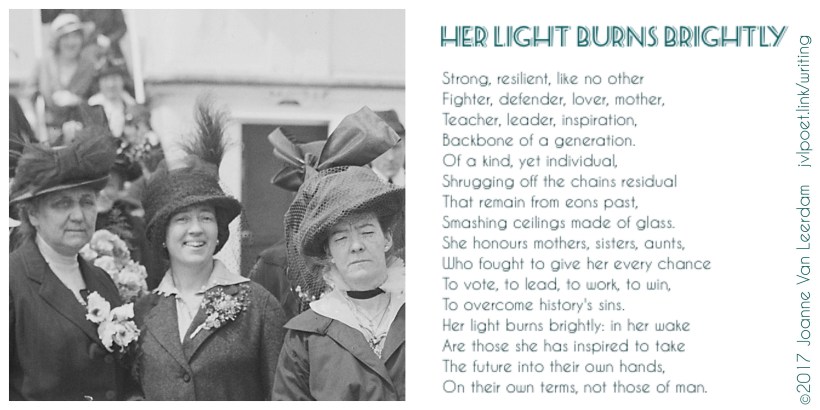
It is a day to remember that the rights and freedoms I have as an Australian woman were fought for by many – not just the suffragettes. Nurses at the battlefields of major conflicts, teachers, doctors and medical researchers, writers, women who raised their sons to respect them and therefore other women, lawyers, filmmakers, journalists— they and countless others have contributed to the privileges I enjoy in the 21st century.
It is a day to remember my own mother, grandmothers and aunts who worked hard to provide and care for me, but also to teach me and demonstrate for me what it means to be a woman of strength, confidence and integrity. It’s also a day to think of my sisters, cousins and friends who encourage and stand beside me when life is hard, because they model those same qualities for me time and time again. They remind me of not just what I am, but who I am.
It is a day to consider what legacy I pass on to my nieces, my students, and my readers. What do I want them to learn from my example? I want them to know they are enough. Strong enough, good enough, beautiful enough, deserving enough, talented enough, smart enough, and worthy enough. They do not have to take any else’s bullying or abuse. They do not have to accept other people’s bad behaviour. They are under no obligation to “measure up” to the yardstick of anyone else, male or female. They can make of their lives anything that they decide upon and set their mind to. They can face challenges with courage, and they can overcome whatever would seek to undo or defeat them.
These are the women I write of in my poems, blog posts and stories about women of strength and beauty.
That, my friend, is what this day helps me to achieve, because it sharpens my focus on those things for a time.
So, happy International Women’s Day 2018.
I hope that you will think of it in terms of gratitude and humility. I also hope that every woman will use it to both be inspired and be inspirational.
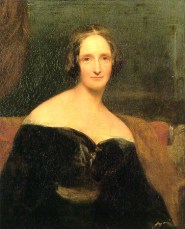
At the beginning of February, celebrated as Women in Horror Month, I wrote about Mary Shelley, the author of Frankenstein, as one of my literary inspirations.
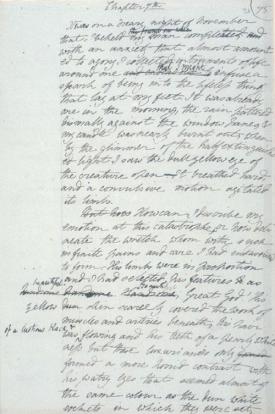
On this last day of the month, a friend shared with me a post from smithsonian.com titled ‘Frankenstein’ Manuscript Shows the Evolution of Mary Shelley’s Monster’ which speaks of a British publisher releasing 1500 facsimile copies of Mary Shelley’s original manuscript notebooks, complete with revisions and edits, in celebration of the 200th anniversary of the book’s first publication.
Oh, my heart! I know I’ll never be able to own one of those 1500 copies, but how I would love to read that manuscript!
Even just looking at the photograph of two pages, my author-heart swelled. Here is the work of a woman I have admired almost all of my life, showing that her work, too, needed editing and revising. She understood that no piece of writing is perfect the first time, even if the story itself is brilliant.
This is so incredibly encouraging in the moments when I doubt myself, or my story, or my ability to communicate my ideas the way I want to. It reassures me when the words don’t flow for a time. And it reminds me that I’m by no means the first, or last, to experience these things. The doubts and writers block don’t make me any less of a writer; instead, it’s working through them and in spite of them that makes me a better one.
Through these images, Mary Shelley inspires me all over again.
There are a number of things in life that I’m passionate about. British history, especially the medieval period, has always been my favourite for reading and study, as have the works of Shakespeare, along with a good number of other writers. A teacher by profession, I love interacting with my students and leading them to those golden “penny drop” moments when something becomes real and meaningful. I have always loved reading. And as an Indie author who understands how hard it is to find readers, and how much harder than that it is to get reviews, I’m committed to reading, reviewing and sharing great Indie books of all genres.
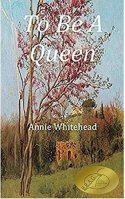
I was very excited recently to discover, read and review an Indie novel about the life of Aethelflæd, the Anglo-Saxon queen. To my absolute delight, it was well-written and beautifully told. I thought then that several Christmases had come at once.
Now, less than a month after posting that review, it’s happened again, and I find myself at a quite magical point in time where my passions have met and over lapped, as though life has popped me into the middle of some invisible but very cool Venn diagram.
I’m currently teaching Shakespeare’s ‘Richard III’ in one of my senior English classes. Not only is the writing and language incredible – there are curses and insult exchanges galore, along with some great monologues – it’s also the one with the hunchbacked evil genius who usurps the throne and has himself crowned king, the princes being murdered in the tower, and a fabulous haunting scene! The historiography of the play may be fairly tenuous, but the audience is left in no doubt of the creative genius of the writer. All of this means that I am getting paid to be an absolute nerd about the language, the writing and the history, all at the same time. That in itself is pretty darned great.
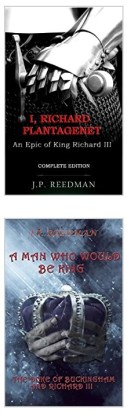
Tonight, though, as I was browsing through the Wordpress reader, I found an article about a great new Indie novel about the life of Henry Stafford, known in Shakespeare’s play as Buckingham, the ally and “other self” of King Richard III. When I went to a renowned global digital bookstore to check it out, I discovered the same author has also written a novel and several other books about Richard III.
That may not seem very exciting to some, but for me, it’s fantastic. I get to teach ‘Richard III’, indulge myself in Shakespeare and history to my heart’s content, and to read and review a couple of Indie books about two of the most fascinating characters in the play – and possibly in English history, it could be argued – at the same time.
My nerdy little mind is blown. I think I need to go and lie down.
Over the course of a few weeks earlier this year, I nominated my favourite podcasts about history (to which I added two more later on), Shakespeare, and the English language.
Now that the year is almost over, I’m willing to narrow it down to my favourite three podcasts of 2017.
My criteria for these choices are simple: they’re enjoyable, entertaining and interesting. I never scroll past them to see what else is on offer in the 20+ various podcasts I subscribe to. Truth be told, I probably should unsubscribe from some of them – perhaps that’s an idea for a New Year’s Eve cleansing ritual or something.
So, without further ado, here are my top three podcasts of 2017: 1. Rex Factor In this absolutely brilliant podcast, the kings and queens of England followed by the kings and queens of Scotland are reviewed, ranked, and rated according to the qualities an ideal ruler should have. It’s both historical and hysterical. Don’t try to listen to this in the hope that it will lull you to sleep. It won’t. https://rexfactor.podbean.com/p/about/
2. Lingthusiasm This podcast explores different aspects of the English language in just over 30 minutes for each episode. It’s interesting, word-nerdy, and fun.
twitter: @lingthusiasm http://lingthusiasm.com/
3. The British History Podcast A chronological history of Britain with a focus on the people and how they lived and died. It’s well told by a knowledgeable host with a very nice voice. Hey… it all helps. https://www.thebritishhistorypodcast.com/
If you have a podcast you really enjoy, I’d love to hear about it in the comments.
I spent some time in the car with my father today, and as we travelled the presenter on the radio was asking people to call in and talk about family memories and traditions at Christmas time. This was a great opportunity to ask Dad what Christmas was like for him when he was young, so that’s exactly what I did!
My father grew up in Holland during the Depression and World War II. His family were not really poor, but neither were they rich. My grandfather worked very hard to provide for his family, and both he and my grandmother managed their resources carefully.
The house was usually not decorated much for Christmas, but they did have a Christmas tree lit with candles. Dad also remembers the large fir trees that were put up in the churches, almost as tall as the roof. Some were lit with electric lights, but most were lit with candles. As many churches were built of wood, this was a cause of many fires. I can understand how the sight of such a big tree, lit and decorated, in a church would imprint itself on the memory of a young lad.
Christmas was a time when family would visit and often put on Christmas plays for one another. It was usually the children, but sometimes grownups too, who would act out the story of the first Christmas or plays about Sinterklaas and his companion, Swarte Piet. A play like this was usually the only observance of the St Nicholas tradition in my father’s family, although for some Dutch families, Sinterklaas is almost as big a celebration as Christmas itself. By the time Dad was a teenager, it was more common for people to listen to stories or plays on the radio than to perform them at home for their relatives.
Gifts were generally not exchanged by adults, but the children received a book as a gift. Dad also remembers that this was the time of year when children of a certain age – probably 11 or 12 years old – were presented with a Bible of their own by the Sunday School of their church.
I can’t imagine how strange their first Christmas in Australia must have seemed to them in 1951. Even then, it would have been such a world away from how we celebrate Christmas now. Commercialism and materialism have seen to that.
Having just turned 86, Dad celebrates Christmas on the other side of the world in the heat of summer, with trees illuminated by LED lights, a plethora of Christmas movies and ‘Carols by Candlelight’ concerts on TV . Family is still a focal point for all of us – my grandparents’ values have been firmly imprinted on us in that way, even if we do indulge in giving and receiving gifts that are generally luxuries. Dad, his sisters, and their families are spread across this enormous continent, so visiting happens via Skype and phone calls, while photos and news are shared on social media.
I do like to think, though, that there is still a sense of wonder at a pretty Christmas tree being lit up at night, and I hope that people stop to hear and reflect on the story of Christmas that goes beyond reindeer, presents and “being good”.
I’ve found two more fantastic history podcasts to add to your list.
Myths and Legends
is an exploration of a wide variety myths and legends from all around the world. It’s fascinating to hear about where and how these stories developed, and how ancient stories have evolved over time. It also features a different mythical creature each week, many of which I’ve never heard about before.
is presented by David Crowther, who also delivers The English History Podcast. Designed to replace the first 21 episodes of the original podcast, it explores in more thoughtful detail the development of Anglo-Saxon culture and society.
Yesterday one of my students called another a ‘Philistine’. I know he meant to suggest that his friend was uncultured and ignorant, and that is what many understand the word to mean.
So, being the time-and-knowledge-generous history nerd that I am, I took a break from our study of World War I and explained to my class that what he meant to suggest is not what the Philistines were at all.
The Philistines were a cultured and wealthy civilisation that lived in Canaan between the coast of the Mediterranean Sea and the biblical kingdoms of Judah and Israel. They lived in and between five cities: Gaza, Ashkelon, Ashdod, Ekron and Gath. The same region bears the name ‘Palestine’ today – a name derived from the Philistine civilisation. The ancient Philistines enjoyed enough military prowess to hold their own against Lebanon, Syria and Egypt at different times, fighting with spears, straight swords and shields. When not fighting wars, they lived in elaborate buildings and made their own pottery.
It doesn’t really seem consistent with the idea of ignorance, does it?
Sadly, this is not the only case of such name-calling being so ironic.
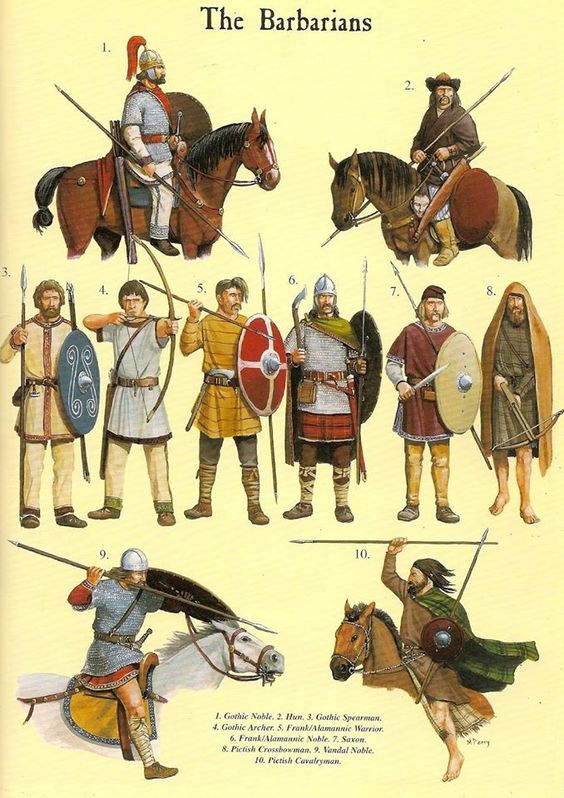
Barbarian is another term which is used quite wrongly. It’s used to suggest that someone is wild or uncivilised. Historically, the Barbarians were any number of Germanic tribes that moved throughout Europe in what many refer to as ‘The Dark Ages’, even though they weren’t so dark at all.
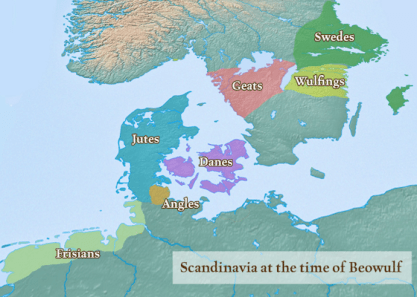
Really, if you look at them, they don’t look so incredibly different from one another, nor from the folk our history books tell us were our own ancestors. It may surprise you to know that the Barbarian tribes included the Angles, Saxons and Picts who set up shop in Britain after the fall of the Roman Empire and eventually became some of the most devotedly civilised people on earth. The Gauls became the French, the Geats became the Swedes, and the Danes went on to give us Hamlet, pastries and an Australian princess. (Disclaimer: I don’t know if the part about the pastries is true, but they must be called danishes for a reason… right?)
The Vandals, for example, may have left a trail of destruction in Gaul and Iberia, but they only made a bit of a mess of Carthage before taking it as their capital and making extensive renovations. As a military power, they had skill and knowledge – you’ve actually got to hand it to anyone who could not only withstand the power of the Roman Empire, but also hold their own in so many battles over such a long period. And when they weren’t busy fighting the Romans, they were highly cultured, enjoying music and poetry. They conducted a lot of industry and trade in their North African kingdom. It really was not about breaking or ruining stuff at all.
The Goths, oddly enough, did not sit around in dark clothes wearing black makeup. The name “Goth” was derived from ‘Geats’, the tribe famous for its honour and pride in the Anglo-Saxon legend of Beowulf, as told in the oldest English poem in existence.
Map Prepared by Louis Henwood for ‘The History of English’ podcast, episode 42
They actually had sophisticated architecture and beautiful mosaic art. They made and wore intricate gold jewellery. They were farmers, weavers, potters, blacksmiths. They followed intricate burial rites, making sure that the graves always pointed north.
Related to the Goths were the Visigoths, meaning “Goths of the west” who ruled Spain for a couple of centuries. They built churches that still stand today, decorated their buildings with intricate filigree art and stone arches. They were skillful metalworkers and jewellers.
It seems to me that we do history a disservice by misusing these terms in such a way. Connotations are not always the easiest things to track through history, but these seem quite unfair. I suspect that such practice grew out of the fear of anything or anyone different, foreign and/or pagan – a concept with which Western society is still painfully familiar.
By the end of all that, the kids’ eyes had glazed over a bit, and there was a fair bit of smiling and nodding going on. I don’t think they will be calling each other Philistines again, though. So… mission accomplished.
If you’d like to know more about Beowfulf and the Geats, you could listen to a fabulous episode from ‘The History of English’ podcast. It’s a great podcast, and if you’re interested in the development and history of the English language, or the relationships between language, people, and places, you should consider subscribing.
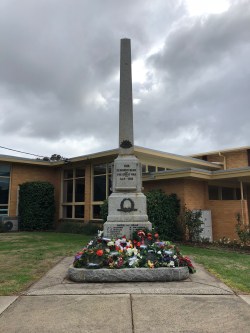 Peter Rock, the MC at this morning’s ceremony at the cenotaph in my local town, made a profound observation in the early moments of his opening speech: “Those who are surprised by the fact that ANZAC Day commemorations continue to draw record attendance understand very little of our national character.” He went on to speak about how and why we remember those who fought and sacrificed themselves for our freedom. Their bravery is renowned, but so is their commitment despite adversity, their mateship, and their love for their country. He’s absolutely right – those are qualities that have indeed become part of our national character. Our freedom and our mateship are the rewards of their courage and service.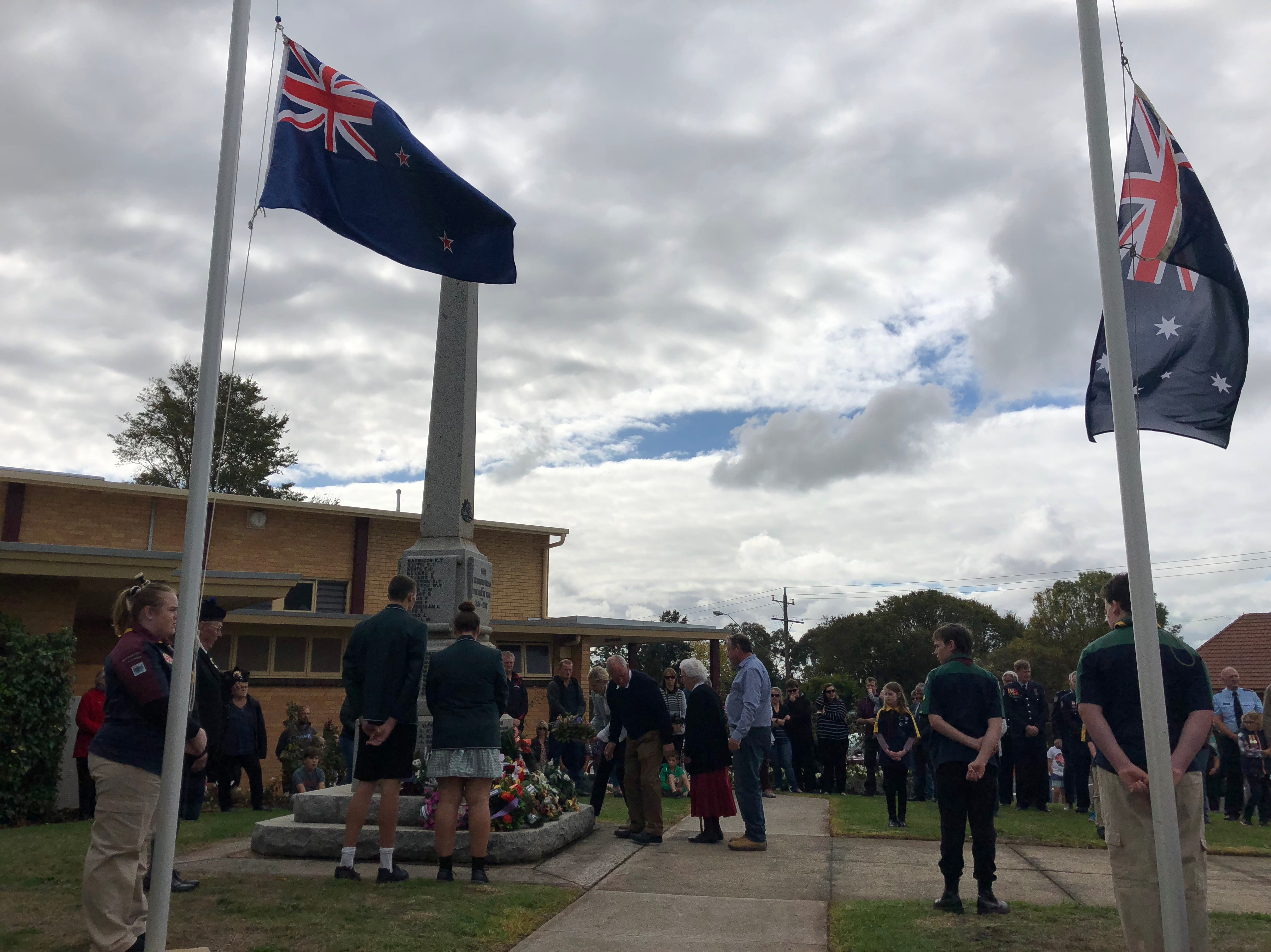
 After being passed down as an oral tradition for centuries, Beowulf was written down somewhere between the eighth and tenth centuries in Old English, the language that the Anglo-Saxons spoke in Britain. We don’t know who wrote it, or exactly when or where it was written down, or if the characters in the poem really existed. The single manuscript that still exists was written in two different people’s handwriting. The poem could be one traditional tale, or a combination of a number of folk tales into one great story. There was a Swedish king named Hygelac who died in 521AD, so it is possible that some or all of the characters were based on real people.


 Over the course of a few weeks earlier this year, I nominated my favourite podcasts about
  1. Rex Factor In this absolutely brilliant podcast, the kings and queens of England followed by the kings and queens of Scotland are reviewed, ranked, and rated according to the qualities an ideal ruler should have. It’s both historical and hysterical. Don’t try to listen to this in the hope that it will lull you to sleep. It won’t.
  2. Lingthusiasm This podcast explores different aspects of the English language in just over 30 minutes for each episode. It’s interesting, word-nerdy, and fun.
 3. The British History Podcast A chronological history of Britain with a focus on the people and how they lived and died. It’s well told by a knowledgeable host with a very nice voice. Hey… it all helps.
 Having just turned 86, Dad celebrates Christmas on the other side of the world
 WordyNerdBird