As a writer, it’s important to protect oneself. The last thing you want is something coming back to haunt you.

Authors: keep your writing from causing problems with your family and friends.

As a writer, it’s important to protect oneself. The last thing you want is something coming back to haunt you.

For National Poetry Month, enjoy ‘The Highwayman’ by Alfred Noyes.
‘The Highwayman’ is one poem that I have always loved reading, but also one which I have considered an inspiration for my own writing.
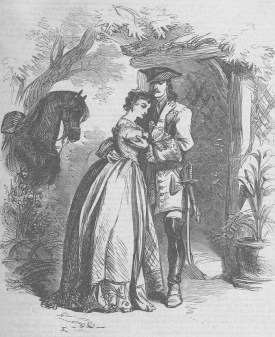
How I would love to be able to write poetry of this quality!
This poem tells a splendid tale of a dashing hero – even though he was an outlaw – and of daring, deceit and transcendent love.
The imagery is incredible – you only need to read the first verse to see what I mean – and you can almost hear the horse galloping in the rhythm as you read.
There are some old-fashioned words you may not be familiar with, so let me explain what they mean:
PART ONE
The wind was a torrent of darkness among the gusty trees.
The moon was a ghostly galleon tossed upon cloudy seas.
The road was a ribbon of moonlight over the purple moor,
And the highwayman came riding—
Riding—riding—
The highwayman came riding, up to the old inn-door.
He’d a French cocked-hat on his forehead, a bunch of lace at his chin,
A coat of the claret velvet, and breeches of brown doe-skin.
They fitted with never a wrinkle. His boots were up to the thigh.
And he rode with a jewelled twinkle,
His pistol butts a-twinkle,
His rapier hilt a-twinkle, under the jewelled sky.
Over the cobbles he clattered and clashed in the dark inn-yard.
He tapped with his whip on the shutters, but all was locked and barred.
He whistled a tune to the window, and who should be waiting there
But the landlord’s black-eyed daughter,
Bess, the landlord’s daughter,
Plaiting a dark red love-knot into her long black hair.
And dark in the dark old inn-yard a stable-wicket creaked
Where Tim the ostler listened. His face was white and peaked.
His eyes were hollows of madness, his hair like mouldy hay,
But he loved the landlord’s daughter,
The landlord’s red-lipped daughter.
Dumb as a dog he listened, and he heard the robber say—
“One kiss, my bonny sweetheart, I’m after a prize to-night,
But I shall be back with the yellow gold before the morning light;
Yet, if they press me sharply, and harry me through the day,
Then look for me by moonlight,
Watch for me by moonlight,
I’ll come to thee by moonlight, though hell should bar the way.”
He rose upright in the stirrups. He scarce could reach her hand,
But she loosened her hair in the casement. His face burnt like a brand
As the black cascade of perfume came tumbling over his breast;
And he kissed its waves in the moonlight,
(O, sweet black waves in the moonlight!)
Then he tugged at his rein in the moonlight, and galloped away to the west.
PART TWO
He did not come in the dawning. He did not come at noon;
And out of the tawny sunset, before the rise of the moon,
When the road was a gypsy’s ribbon, looping the purple moor,
A red-coat troop came marching—
Marching—marching—
King George’s men came marching, up to the old inn-door.
They said no word to the landlord. They drank his ale instead.
But they gagged his daughter, and bound her, to the foot of her narrow bed.
Two of them knelt at her casement, with muskets at their side!
There was death at every window;
And hell at one dark window;
For Bess could see, through her casement, the road that he would ride.
They had tied her up to attention, with many a sniggering jest.
They had bound a musket beside her, with the muzzle beneath her breast!
“Now, keep good watch!” and they kissed her. She heard the doomed man say—
Look for me by moonlight;
Watch for me by moonlight;
I’ll come to thee by moonlight, though hell should bar the way!
She twisted her hands behind her; but all the knots held good!
She writhed her hands till her fingers were wet with sweat or blood!
They stretched and strained in the darkness, and the hours crawled by like years
Till, now, on the stroke of midnight,
Cold, on the stroke of midnight,
The tip of one finger touched it! The trigger at least was hers!
The tip of one finger touched it. She strove no more for the rest.
Up, she stood up to attention, with the muzzle beneath her breast.
She would not risk their hearing; she would not strive again;
For the road lay bare in the moonlight;
Blank and bare in the moonlight;
And the blood of her veins, in the moonlight, throbbed to her love’s refrain.
Tlot-tlot; tlot-tlot! Had they heard it? The horsehoofs ringing clear;
Tlot-tlot; tlot-tlot, in the distance? Were they deaf that they did not hear?
Down the ribbon of moonlight, over the brow of the hill,
The highwayman came riding—
Riding—riding—
The red coats looked to their priming! She stood up, straight and still.
Tlot-tlot, in the frosty silence! Tlot-tlot, in the echoing night!
Nearer he came and nearer. Her face was like a light.
Her eyes grew wide for a moment; she drew one last deep breath,
Then her finger moved in the moonlight,
Her musket shattered the moonlight,
Shattered her breast in the moonlight and warned him—with her death.
He turned. He spurred to the west; he did not know who stood
Bowed, with her head o’er the musket, drenched with her own blood!
Not till the dawn he heard it, and his face grew grey to hear
How Bess, the landlord’s daughter,
The landlord’s black-eyed daughter,
Had watched for her love in the moonlight, and died in the darkness there.
Back, he spurred like a madman, shrieking a curse to the sky,
With the white road smoking behind him and his rapier brandished high.
Blood red were his spurs in the golden noon; wine-red was his velvet coat;
When they shot him down on the highway,
Down like a dog on the highway,
And he lay in his blood on the highway, with a bunch of lace at his throat.
And still of a winter’s night, they say, when the wind is in the trees,
When the moon is a ghostly galleon tossed upon cloudy seas,
When the road is a ribbon of moonlight over the purple moor,
A highwayman comes riding—
Riding—riding—
A highwayman comes riding, up to the old inn-door.
Over the cobbles he clatters and clangs in the dark inn-yard.
He taps with his whip on the shutters, but all is locked and barred.
He whistles a tune to the window, and who should be waiting there
But the landlord’s black-eyed daughter,
Bess, the landlord’s daughter,
Plaiting a dark red love-knot into her long black hair.

For your further enjoyment, you can listen to a recording of Alfred Noyes reciting ‘The Highwayman’.
Six 21st Century Poets and Why You Should Be Reading Them.
I’m the first to admit that I’m fussy about the poetry I read. I want to experience something moving and powerful in a unique style. I want imagery, colour and movement. I want depth, and I want to be able to feel and hear the poet’s soul. It may be considered “old-school” by some, but I still want to find the music of rhythm and rhyme among the various techniques that a poet uses to deliver their ideas.
So, when I tell you that these are the poets you should be reading, please understand that this is not just a nod to people I like or who have pretty book covers. These people don’t just write poetry— they are poets, and they take their craft seriously. These poets can really take a reader beyond themselves, open a reader’s mind, and influence them so that they see things in a completely new way.
These Six 21st Century Poets You Should Be Reading are not listed in any order of preference. If you want to explore their work further, simply click on the cover of each book.
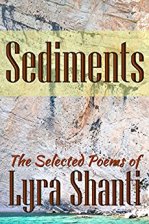
Shanti’s poetry is rich and sensory, full of imagery that draws the reader into the emotion and wellsprings of the poet’s mind.
Drawing on mythological themes and elements of Biblical allegory, although it is by no means religious poetry, Shanti explores her place in time, relationships, and the universe through themes of belonging, human vulnerability, equality, and home. She is a master of contrast and balance, weighing sensitivity against images of those things that overwhelm, and confidence in belonging despite her humility, framed within a very real sense of awareness of the immeasurable breadth and depth of the universe.
Patrick Williams
Author of ‘Lethal As Love’.
Sarah Northwood
Author of ‘The Truths We Tell’.

Sarah Northwood gives voice to thoughts and feelings commonly experienced, but often not so thoughtfully expressed, by people in all walks of life.
Northwood explores the ways in which we respond to the situations and feelings that challenge us and those things that fill and complete us. The reality of being haunted by regret and the “what ifs” of life is contrasted with the whimsy of fleeting happiness and the irresistible, transforming power of love.
Through all of this is the reminder that life is what it is: “Feeling the breeze on her cheek she knew, the wind can never be the sun.” (Unique)
Joseph Ferguson
Author of ‘Reflections of a Scurvy Bastard’

Ferguson writes with a very strong sense of realism and a degree of world-weariness in his profound poems that work like snapshots of different events and memories. He has a gift for creating vivid images that transport the reader to another time and place, and making it seem absolutely real.
When Joseph Ferguson’s poetry is recognised as ‘classic’ and he is regaled world-wide as a master poet, it shall come as no surprise to me.
Shelby Leigh
Author of ‘It Starts Like This’

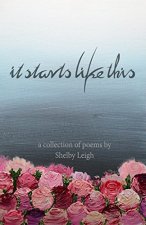
Leigh’s poetry is thoughtful and often intense in its exploration of love, loss, anger, loneliness and grief, and is highly relatable for anyone who has experienced the breakdown of a relationship or been let down by someone they trusted.
Her poetry and expression are accessible and easily understood, and Leigh’s imagery is often quite stark and raw, but that is where her strengths as a poet lie.
Joanne Van Leerdam
Author of ‘Leaf’, ‘Nova’, ‘Stained Glass’ and ‘The Passing Of The Night’.
Yes, that’s me, and those are my own books. Obviously, I write the type of poetry I want to read. Don’t take my word for it, though – I have compiled this description with quotations from different Amazon reviewers.
“Joanne Van Leerdam is a master poet who combines an old-worldly feel to her poetry with a modern flavor.”
“Joanne Van Leerdam’s poems are about the emotional fragility of human existence, about the brittleness of love and about living with love lost. She expresses both the sense of frailty and the strength of resilience in her reflections, as if a lonely survivor on a faraway island.”
“Many of her poems are conventional in structure, with a regular rhyme scheme, traditional yet so sensitive and vulnerable that they emerge as special, standing out like novae in the vast night sky.
Her poems don’t crash through the door, flourishing their creative uniqueness, but in a quiet voice Van Leerdam almost whispers to us to let her poems come in as she both exposes the emotional pains of life and provides comfort for them.”
Today, I’d like to share with you my own approach to writing poetry.
If you’re not really a poetry reader, it may reassure you to know that it’s not always super-formal language and words that are hard to understand. Sometimes it is- especially if you’re approaching poetry written a hundred or more years ago. In my mind, though, making it so elegant and clever that people are resistant to it or almost afraid of it really defeats the purpose. I want the reader to connect with what I’m saying, not feel like I’m some self-important hyper-intellectual with an overactive sense of rhyme.

It’s also helpful to understand that there are different types of poetry. Some types, like sonnets, are formal in structure and rhyme pattern, and a poet really has to stick to those rules. Haiku is said to be one of the most popular types of poetry in the world at the moment, and while it seems quite simple, it still has formal rules that have to be followed. Other types, like free verse, is much more liberated and often easier to understand because those same rules don’t apply.
Some people these days insist that poems shouldn’t rhyme at all – to that, I say– possibly rather loudly and perhaps quite rudely – “Poppycock!”. There is nothing wrong with using rhyme, or any other tool in the poet’s toolbox, as long as meaning is not sacrificed for the sake of making that device work. I write poetry that rhymes, but I also write poetry that doesn’t.
I don’t aim for things to sound pretty and sing-song, or to rhyme neatly, but I do try to use language that sounds beautiful when its read. The important thing is to choose words, and language styles and poetic techniques that suit my subject and deliver the meaning the way I want it to be understood.
I aim for my ideas and feelings to be communicated in a way that makes someone stop and think, and maybe see something or someone in a new way.
Sometimes my writing helps me – and other people – make sense of what’s going on in my head or in my life. It’s the best therapy, because I get to explore and deal with my thoughts and feelings as I work with the ideas, and I always have an outlet to say what’s on my heart and mind.
And sometimes I write poems because it’s the only way I can find to say what other people are afraid to say. I’m happy to provide a voice for others, and I’m always keen to have my readers see situations or experiences from different perspectives.
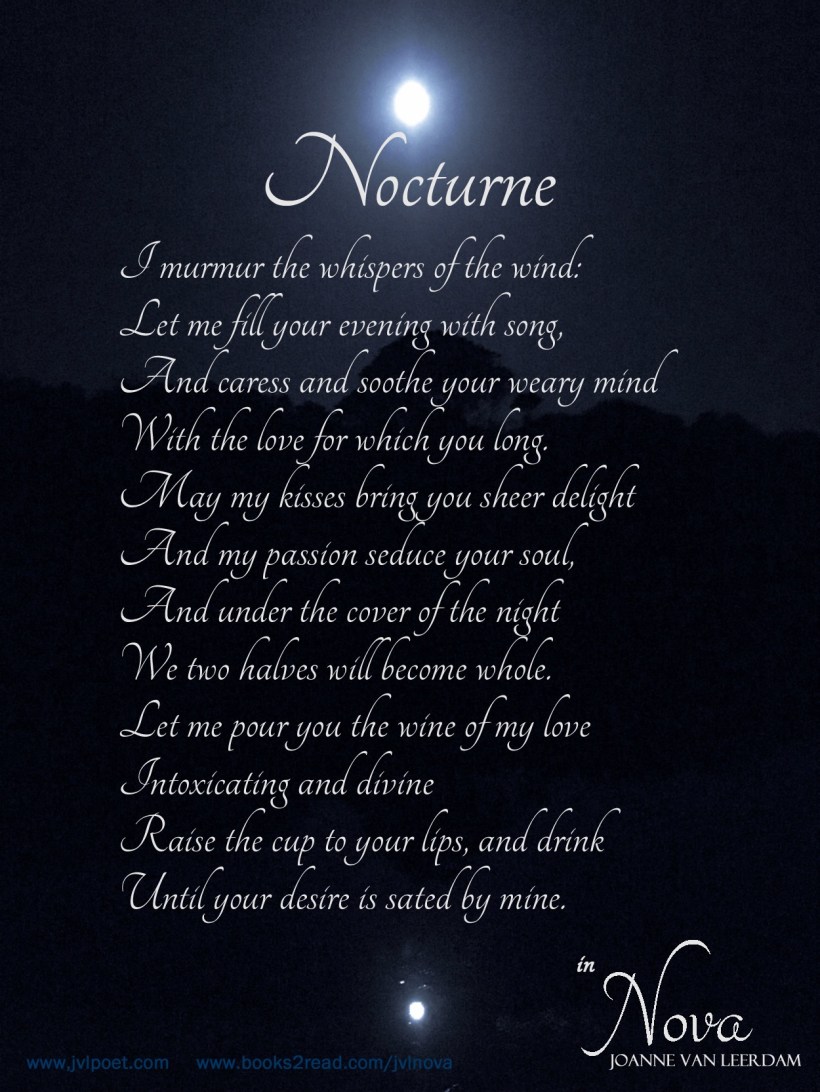
Let me give you an example. One of my favourite poems among those I’ve written is the one titled ‘Nocturne’. Try reading it aloud, not worrying about the rhythm but just letting the language carry you along.
When reading it, you’ll see that it rhymes, and the lines are of similar length when read aloud. This enabled me to achieve a musical type of rhythm in the words, which suits the idea of a nocturne, given that that’s the name of a piece of music written to be played or listened to at night – which is also when the poem is also set at night, for which the idea of a nocturne is also really appropriate. Despite all of that, it’s still quite plain in its meaning.
I’d love to know what you think of it, so feel free to leave a comment below.
Poetry Month is a great opportunity to enjoy great poetry.

National Poetry Month started as a national celebration in the US back in 1996 as an initiative of the Academy of American Poets but has become something that is celebrated more and more internationally, with not just publishers but bookstores, schools, libraries, and poets themselves joining in the celebrations. As you know, I’m a poet, so I’m absolutely in favour of all of that.
As the month progresses, I’ll be sharing some of my poems with a bit of context about why they were written and how I went about crafting my initial idea into a poem that delivered the message I wanted to put out there. I’ll also be sharing some of my favourite poems that I’ve loved for a long time, and introducing you to some new poets that you may not yet have heard of.
If you’re not into poetry, don’t worry – my blog posts won’t be exclusively poetry related. I hope to share some more insights about writing and social media for authors, too.
To encourage you to get involved in small ways, I have compiled a list of ten ways in which you can celebrate Poetry Month this April. Choose one, or choose all– it’s up to you.
Most of my poems reflect some element of my own life in an honest and hopefully creative way.
I want people to understand that life is full of challenges and trials as well as moments of victory and celebration. I want people experiencing those trials and challenges to know they are not alone, and that someone else knows what it’s like to go through that.
Poetry isn’t always whimsy and romance. In fact, my poetry is only ever infrequently either of those things.
Most of my poems reflect some element of my own life in an honest and hopefully creative way. I want people to understand that life is full of challenges and trials as well as moments of victory and celebration. I want people experiencing those trials and challenges to know they are not alone, and that someone else knows what it’s like to go through those things.
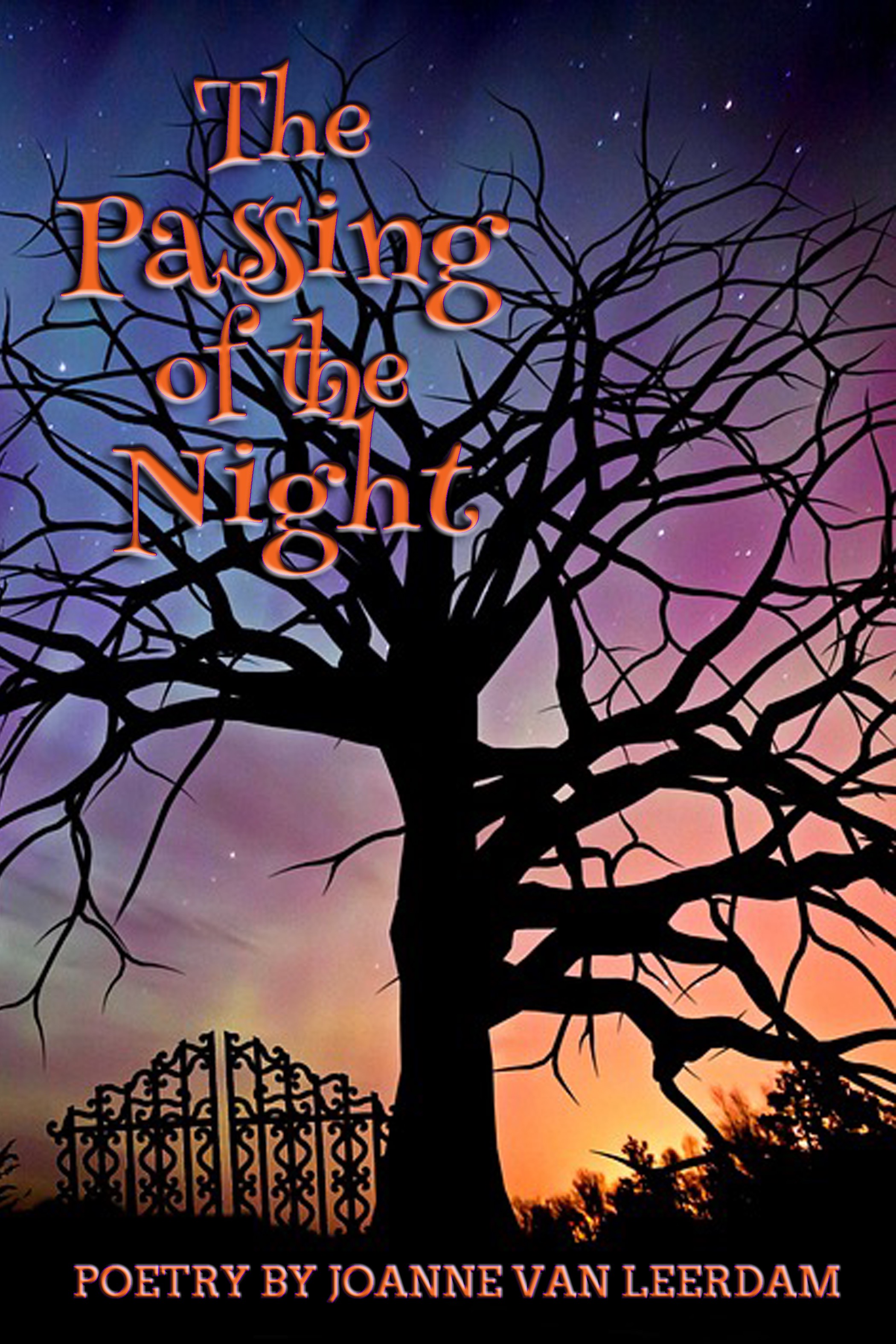
The Passing Of The Night is a new collection of my poems that reflects those truths honestly and, I hope, in beautiful language through varied and interesting imagery. It’s true that there is a piece of my soul on every page.
People experience all kinds of night: loneliness, grief, depression, anxiety, fear, pain, and countless other darknesses.
This newly released collection of profound lyrical poems explores the poet’s own experiences and observations of both dark and light, revealing her determination to not only survive, but to conquer whatever tries to overcome her.
At the end of it all, the poet demonstrates that the smallest sign of light is enough to help a wandering soul find hope in the passing of the night.
The Passing Of The Night is available on Amazon and all other major digital stores.
Who won the 2017 Top Female Author Award for Poetry?
I did.
That’s who!
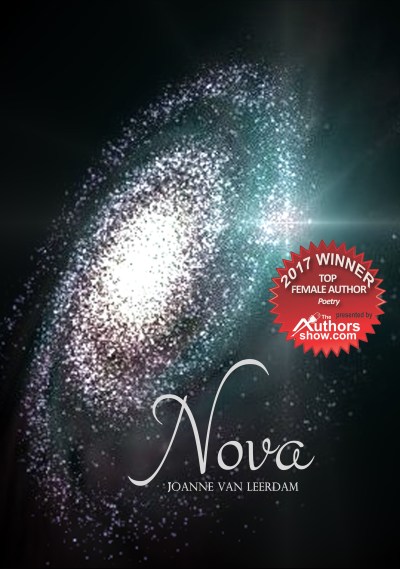
The fine folks over at The Authors Show have honoured my book Nova, and therefore me, with an award.

It’s a little hard to believe that I won. After all, it’s just me.
So, I’ve spent the day trying to reconcile the desire to tell everyone and celebrate with my lingering self-doubts and my possibly less-than-fully-rational fear of something horrid lurking around the corner to snatch away my joy.
But for now, I’m going to enjoy it. And then I’ll probably splash it all over social media.
Thank you for indulging me in my desire to tell someone!
“They march to honour sacrifice…”
April 25th is ANZAC Day.
It’s the day that unites Australians and New Zealanders in remembering the sacrifices made to preserve our freedom and way of life by all Australian and New Zealander soldiers and their allies, not just those who died at Gallipoli on April 25, 1915.
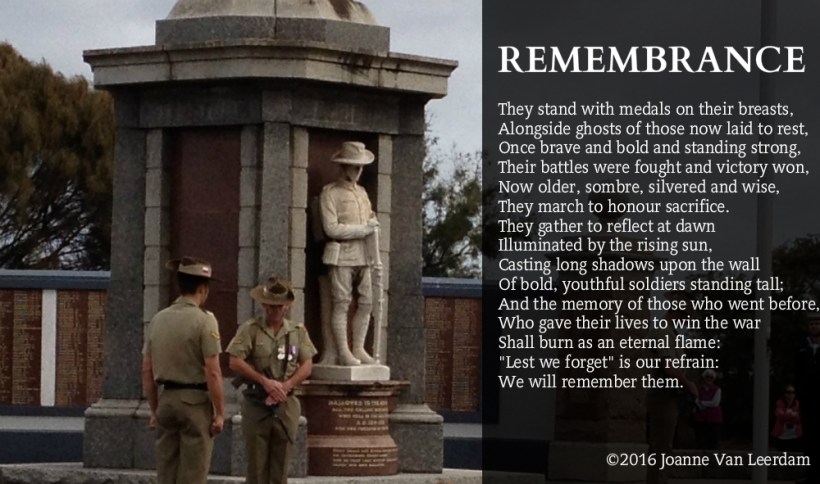
Last year, on ANZAC Day, I wrote this poem. I published it on my blog then, and it appears in my book, ‘Nova’.
I wanted to share it with you again today, because it’s so important that we remember exactly what our rights and freedoms as Australians have cost. They didn’t just happen. Time and time again, young men and women have served our nation by fighting for the freedoms and values that we hold so dear. Many have lost their lives. Many have been injured – and not just physically. And many families still grieve for those who never returned.
‘Remembrance’ does not tell the whole story. It’s a glimpse of men and women, young and old, military and civilian, gathered together on ANZAC Day to pay tribute to those who served, and particularly those who gave their lives for their country.
Our country.
My country.
I can never repay that debt. I am not expected to.
But I can pay my own tribute.
Lest We Forget.

Since 1996, April has been a month of celebration of poetry, which also means a celebration of great poets.
I’m all for that.
Since 1996, April has been a month of celebration of poetry, which also means a celebration of great poets.
I’m all for that.
Many people haven’t read any poetry since they were in school. I’d really like to see that change. There are some beautiful classic poems out there, but there are also some fabulous poets writing magnificent poetry these days, too.
The real power of poetry is the ability to read something and understand someone else’s perspective in a beautiful, profound way. I can read something someone has written from the depths of their heart, and relate to it and know that I’m not the only person who ever feels that way. I write in the hope that someone will read my poetry and have that same experience.
Who of us hasn’t been moved by the powerful words in a song? And what’s a song except poetry that has been given music?
I encourage you to pick up some poetry and read it today. There’s plenty to choose from on my WordyNerdBird Writes blog, which you can read for free.
Or you could pick up one of these great books by clicking on the title link. There’s nothing priced over $3 for the eBook among them. That’s less than a cup of coffee each… bargain!


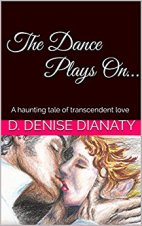
The Dance Plays On Assorted Bric-a-brac


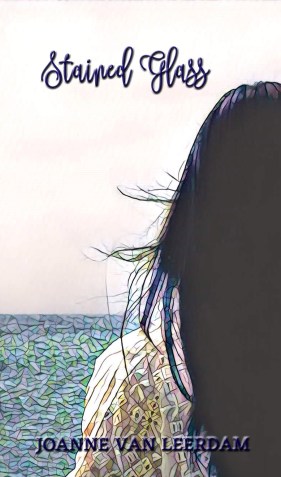
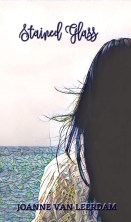
I’ve just released an eBook titled ‘Stained Glass’.
‘Stained Glass’ is a collection of 22 poems for and
about women, by a woman who is striving to live,
love, work and make sense of the world she lives in.
‘Stained Glass’ is poetry that reflects the light and shade of life, and all the colours in between.