Friday the 13th and Other Curious Things.

If someone were to give me a hard time, I’d want Friday on my side.

As you’re probably already aware, today is Friday the 13th.
For many, superstition is just old-fashioned silliness. Others set very strong store in superstitions, old wives tales, and various other traditions.
Friday 5 Bless You

My affection for Friday 13th is different than mere superstition. I wrote Friday’s first story for Friday the 13th back in October last year. When I wrote what I thought was going to be a single piece of flash fiction, I had no idea how that cat was going to take over. Honestly, sometimes I wonder if I actually created him at all.

Between Friday 13th of October and Halloween last year, Friday demanded that thirteen stories be told. He’s a typical insistent cat in that sense… he just kept showing up and swatting my creative juju with his paw until I agreed to do his bidding. He has similarly demanded since then that his stories of Christmas Eve, New Years Eve and Valentine’s Day be told. And then, out of the blue, he whispered to me, “Tomorrow’s Friday the 13th. You should put Curious Things on sale for 99c.”

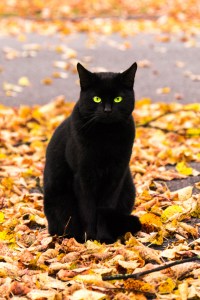
I’m really very fond of Friday. He’s a magnificent black cat with a lucky habit of being present when curious things take place.
He’s highly intelligent, fiercely loyal and devilishly handsome.
And I have to tell you– if someone were to give me a hard time, I’d want Friday on my side.
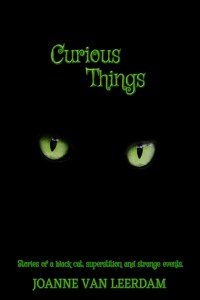
Promo Curious Things Cover
Curious Things delivers thirteen stories of people encountering justice for their wrongdoings, all as Friday watches on. Is he responsible? Or is it just lucky coincidence that he is present when these strange events take place?

If you’ve ever wished for karma to move a little faster, indulged in uncharitable thoughts about certain annoying people, or suspected that having a black cat cross your path was not quite as unlucky as people seem to think, this book is for you.

The book is full of dark humour, macabre events and mild-to-medium intensity horror, but it’s not just splatter for splatter’s sake. It’s really all about poetic justice and people getting what’s coming to them, via a very special feline.

Don’t just take my word for it, though. As the author, I’m clearly biased.
So, as a means of reassuring you, here’s what some of the reviewers on Amazon have said:

” Vengeance may be sweet—but, meting out justice vigilante-style just isn’t practical. Then along comes Friday, a black cat whose intelligence and curiosity gets the better of those who deserve their just desserts. Obvious or implied, Friday shows up where the wrath of Biblical justice is called for. And, it’s so gratifying to watch the gruesome details unfold!” – Reviewer

“I really like this book’s blend of dark humour and horror – that really appeals to me. I liked the way the author made each story about something different, and that the things that happened to the bad guys were all different to what happened to the others. The horror bits were good enough to make my skin crawl and give me a shudder, which is what I love in a spooky book. I really like Friday because he’s such a typical cat, but you also realise that he’s something more than that, too.
Don’t start reading this book thinking it’s just a story about a nice kitty. Read it because you want to see his dark side.” – Reviewer

“13 awesome stories with 13 lessons to think about. I adore the cat, Friday. I reckon if I had Friday in my life, I would feel way safer. This cat is like Karma on four legs.” – Reviewer

” A lovely collection of tales, overseen by a cat who defends his person with almighty power.
A little gory, and a lot killy!” – Reviewer

Curious Things is available on Amazon and in all other major digital stores.
Curious Things Banner 6

Even if horror isn’t your “thing”, some of my author friends have their books in Book Squirrel’s Friday 13th 99c sale today, too.
Why not pop over and check them out?
The Poet’s Insights: ‘The Artist’

The poet tells the story behind her poem, ‘The Artist’.

‘The Artist’ is one of my favourite poems from ‘Leaf’, my first published book of poetry.


2016-07-16-15-09-161.jpg
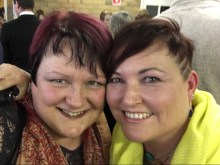
The inspiration for this poem came from my long-time friend Nicky, who is an gifted artist.
Nicky was one of the people who really pushed me to pursue publication of my poetry. She is an infinite source of encouragement and support, but more than that, she is a loyal and constant friend and confidant.

I should preface this story by pointing out that I’ve never been good at drawing or painting. My grandfather was an artist. My sister once painted a brilliant life-size portrait of Charlie Chaplin that covered her bedroom door for years. My mother could draw animals, people, and groovy designs with a ball point pen and make them look fantastic.

And then, there’s me. The only thing I can draw is cash from an ATM, and the occasional stick figure.

One day, Nicky showed me one of her beautiful paintings, which she had just completed. I gazed at it for a while, and sighed,”I wished I could do that.”

The Artists Plain

Without missing a beat, she replied, “You do. You just do it with words.”

That came as a real revelation to me. At that point in my life, I just wrote poetry for myself, and shared the ones I liked with a couple of friends. I didn’t really consider myself a poet as such, nor did I think I’d ever be published.

With those words, she inspired this poem.

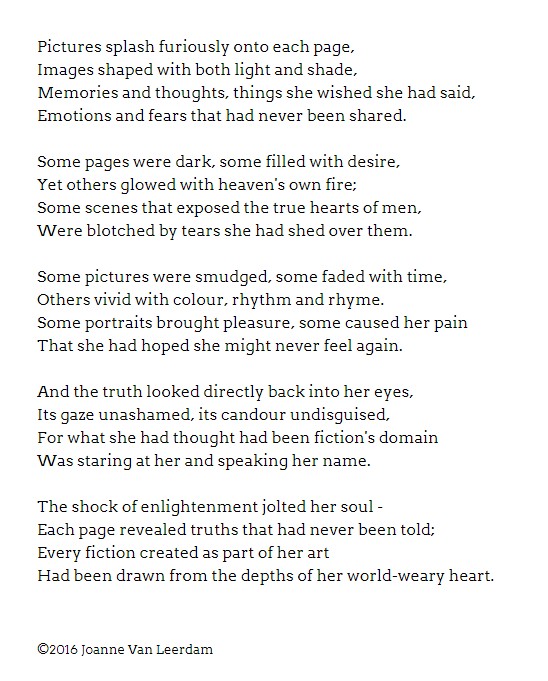
The Artist.

ScreenHunter_439 Apr. 11 11.03

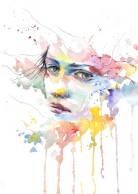
As a poem, I believe it hass integrity. It feels and sounds good when reading it aloud, and the rhythm works well with the ideas of making brush strokes and splashing a bit of paint around. At the end, it’s a reflection of that moment when the artist stands back and is surprised by what she finds on the easel in front of her.

The artist in the poem is definitely me. Like the artworks in the poem, some of my writing is vivid and colourful, while other pieces are dark and tear-smudged. Even a poem that appears to be fictional, like ‘Misery’ – which has been included in a fairy tale anthology! – is deeply rooted in my own reality.

I have very great affection for ‘The Artist’ for the truth it tells about my own experience as a poet, but I also love the fact that it will always be about my friendship with Nicky, too. Without her inspiration and encouragement, I might still just have a bunch of notebooks full of poems that nobody else would ever read.

Leaf 2nd Ed eBook Cover 6x9 350ppi

I first told ‘The Artist’s story when Nicky spoke at my book launch for ‘Leaf’ in June, 2016. Completely unaware of the story behind the poem or the fact that she had inspired it, Nicky chose ‘The Artist’ as the poem she would like to read to the guests. When she finished her reading and speech, I followed with the account of the poem’s inspiration. It was a beautiful moment in time that highlighted the wonderful thing that we share in our friendship.


Joey'sMapleLeafTatt

I hope you enjoyed ‘The Artist’ and the story behind it. If you appreciated this post, please click “like” below so that others find it more easily. You’re also welcome to leave a comment.
Thank you in advance.


Writing What I Know.

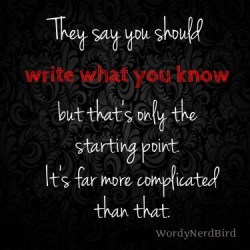
One of the simplest pieces of advice given to writers is to “write what you know”.

One of the simplest pieces of advice that is given to writers, especially those just starting out, is to “write what you know”.2018-04-08 18.10.55

It’s good advice.
It doesn’t take long, though, before it gets more complicated: it’s what you do with it after the first draft that makes any piece of writing effective and powerful.

While I don’t have any personal experience of unicorns or magical black cats— yes, it’s hard to believe, isn’t it?— my poetry is full of what I know. Every poem is inspired by real-life experience, either mine or that of someone close to me, or my own observations of other people and their actions. Even those poems that appear to be fictional are grounded in personal truth.

For this reason, there really isn’t anything that I won’t write about.
Grief. Fear. Joy. Sadness. Depression. Temptation. Despair. Determination. Anger.
It’s all there.

Writing poetry is the most effective therapy that I have ever experienced. At different times in my life, I’ve sat through grief counselling, infertility counselling, and therapy sessions to help with my depression. Each was worthwhile in its own way but, for me, none of that has come close to the healing power of ink on paper, working through ideas, shaping and crafting meaning with the words I choose, so that I can express my thoughts and feelings effectively.

Late last week, for example, I found myself confronted by the actions of a particular individual whom I had not seen for some time. Churning inside with revulsion and anger, I knew I was not ready to get into the car and drive home in that state, so I went and found a place where I could think and write and start to deal with both the new knowledge and the way it made me feel.

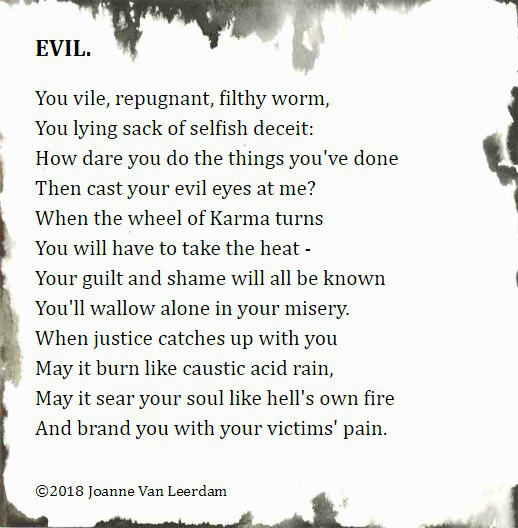
I didn’t write one poem. I started several, and have made progress on three. Only one is finished- at least, I think it is. It doesn’t identify anyone, nor is the finished poem specific to only my situation, but it leaves the reader in no doubt whatsoever about how I feel. It’s a poem that is entirely relatable for anyone who finds themselves horrified by the unsavoury actions and/or evil intentions of another.

My hope in publishing it is that, if someone in a similar situation to mine should read it, they will know they’re not alone in their feelings. There is, after all, solidarity in numbers.

Evil

I haven’t decided whether or not ‘Evil’ will make it into a future collection for a book.
I do know that I felt a great deal better when I had written it than before I started. And really, that was the whole point.

If you’d like to read more of my poems, there are a number of them published on WordyNerdBird Writes.

Joey'sMapleLeafTatt

If you appreciated this post, or the poem included, please like the post by clicking the button below, or leave a comment. All constructive feedback is welcome. 

Why You Should Support Your Local Independent Book Store.

Supporting local businesses is vital. It should be a straightforward choice.

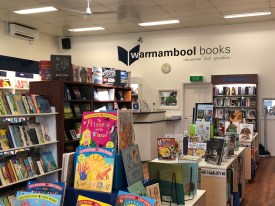
Yesterday was somewhat traumatic. Having confronted a face from the past that I’d really rather not ever see again, I was left with time on my hands and too much on my mind. So I defaulted to my usual sanctuary – books. I didn’t have my device with me, so I headed to my favourite book store to find something to read. My need for ink on paper and a pretty, nicely textured cover in my hands was just too strong.

It’s a luxury, you know, having a local bookshop. The town in which I live doesn’t have one, but the larger town in which I work has two, as well as a fantastic place that sells second hand and antique books.  2018-04-06 12.01.50

For me, the choice is simple. I will always support locally owned, independent businesses rather than larger chains or big department stores.

As an Indie author, I know how hard it is to compete against the bigger fish that swim in the same pond. Among other advantages, traditionally published authors have someone else’s marketing budget on their side, along with a team of people to help them get their books in front of readers.

It’s actually not a lot different for independently owned shops, whether they sell books or anything else. Consider for a moment what they have to compete with: not just the huge online companies that control the world of desktop shopping, but also those local shops owned by large commercial chains which, while they may have a local presence, are generally not owned by anyone who lives down the street from you or whose kids go to the same school as yours. The owner of that local store has to pay the rent and insurance, stock the shop, pay employees, and make a living in an increasingly difficult and competitive marketplace.

2018-04-06 12.02.13

That’s why I buy my physical books at an independent store rather than from a book retail chain, or a big department store. The price for the same book is no different, but I know that I’m helping to put food on the table of a local family, or helping them to pay the neighbourhood mechanic for fixing the family car. My $30 probably won’t make much of a difference at all to an international company, but it makes a huge difference to an individual business owner.

2018-04-07 09.49.15I admit that the local store doesn’t have everything I want. I like to read some fairly specialised history, and I completely understand why they don’t usually stock that: I’m more nerdy about my history than most of the population. I can handle shopping further afield for that if I have to – but if I ask them to order a particular history book for me, they will.

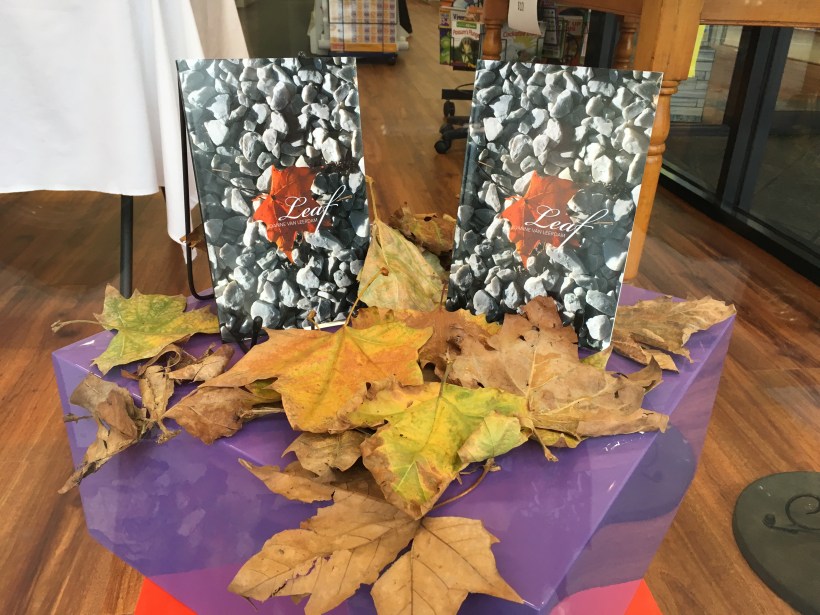
They do, however, have a large range of children’s books, teen and young adult fiction, adult fiction, biographies, and new releases.

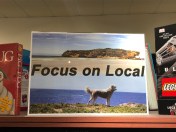
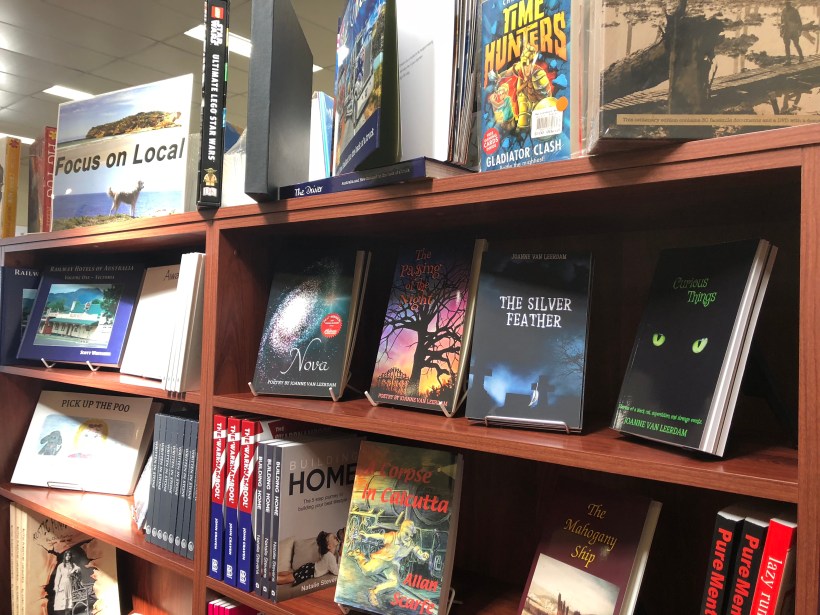
They also have a great selection of books written by local authors, whom they happily and actively support and promote.

Did the local book chain store agree when I asked them to stock my books on their shelves? No, they did not.

My local independent store not only agreed, but went way beyond that: they not only stock and display all of my books, they actually organised and hosted my first book launch.

They  also host regular events at which local authors are welcome to meet and greet readers, sign books, and give readings from their work. That kind of support is pure gold to an author.

If we don’t support our local businesses, we will lose them. We will be left with fewer options, poorer service, and towns and communities that no longer prosper and thrive the way they once did.

It’s not really such a difficult choice, is it?

Writing About Family and Friends.

Authors: keep your writing from causing problems with your family and friends.

Writing about family can be fraught with danger. The last thing you want to do as a writer is offend or alienate your family, especially if things are already fragile in some way.


That poses a challenge: what happens when there’s something you desperately want to write about? For starters, writers should know to always, always change names and details.  If possible, don’t mention names at all. Even when writing about positive feelings or experiences, people who aren’t used to putting themselves out into the public eye might hesitate to have something written about them and published. A great idea for a story or poem should never be pursued at the cost of an important relationship.


When I do write something about friends or family, I make sure they’ve seen it first, and I tell them I’m going to publish it. That way, they can’t say they didn’t know.


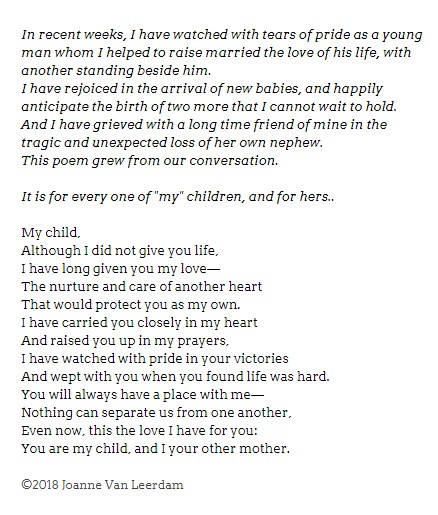
For example, I recently wrote a poem after two completely separate events: one was the wedding of my nephew, the other was a conversation with a friend who had recently lost her own nephew in tragic circumstances.  The poem, titled My Child, does not mention anyone by name, nor does it mention those particular situations. It is an expression of my feelings – and my friend’s feelings – for those whom we have loved, held, and helped to raise.  This is what I sent to “my children” and to my friend, well over a week before I posted it. That same text is what I posted on my writing blog where I published the poem today. Poem My Child


The other alternative, of course, if you feel you must write about something or someone, is to disguise the situation and details enough so they don’t know it’s about them. I’ve written plenty of poems about broken friendships, people in my life who have been determined to cause me trouble, and others who really deserve some special treatment from Karma, but it’s always been presented as me facing an invisible, unnamed challenger or enemy… or a certain black cat named Friday who metes out justice to people who really deserve it. It is not possible for anyone to identify who I was writing about at the time, and that’s a very good thing.

As a writer, it’s important to protect oneself. The last thing you want is something coming back to haunt you.


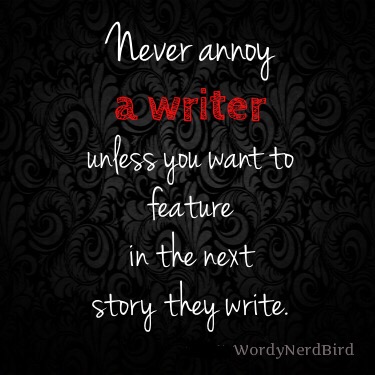
And if you’re a friend or family member of a writer,  remember that age old piece of advice: Never annoy a writer, or they might put you in a book and kill you. It’s true. 


2016-04-14 12.32.50


One Poet’s Approach to Writing Poetry

Today, I’d like to share with you my own approach to writing poetry.

If you’re not really a poetry reader, it may reassure you to know that it’s not always super-formal language and words that are hard to understand.  Sometimes it is- especially if you’re approaching poetry written a hundred  or more  years ago. In my mind, though, making it so elegant and clever that people are resistant to it or almost afraid of it really defeats the purpose. I want the reader to connect with what I’m saying, not feel like I’m some self-important hyper-intellectual with an overactive sense of rhyme.


npm_2018_poster-e1520635983486

It’s also helpful to understand that there are different types of poetry. Some types, like sonnets, are formal in structure and rhyme pattern, and a poet really has to stick to those rules.  Haiku is said to be one of the most popular types of poetry in the world at the moment, and while it seems quite simple, it still has formal rules that have to be followed. Other types, like free verse, is much more liberated and often easier to understand because those same rules don’t apply.

Some people these days insist that poems shouldn’t rhyme at all – to that, I say– possibly rather loudly and perhaps quite rudely – “Poppycock!”. There is nothing wrong with using rhyme, or any other tool in the poet’s toolbox, as long as meaning is not sacrificed for the sake of making that device work. I write poetry that rhymes, but I also write poetry that doesn’t.

I don’t aim for things to sound pretty and sing-song, or to rhyme neatly, but I do try to use language that sounds beautiful when its read. The important thing is to choose words, and language styles and poetic techniques that suit my subject and deliver the meaning the way I want it to be understood.

I aim for my ideas and feelings to be communicated in a way that makes someone stop and think, and maybe see something or someone in a new way.

Sometimes my writing helps me – and other people – make sense of what’s going on in my head or in my life. It’s the best therapy, because I get to explore and deal with my thoughts and feelings as I work with the ideas, and I always have an outlet to say what’s on my heart and mind.

And sometimes I write poems because it’s the only way I can find to say what other people are afraid to say. I’m happy to provide a voice for others, and I’m always keen to have my readers see situations or experiences from different perspectives.

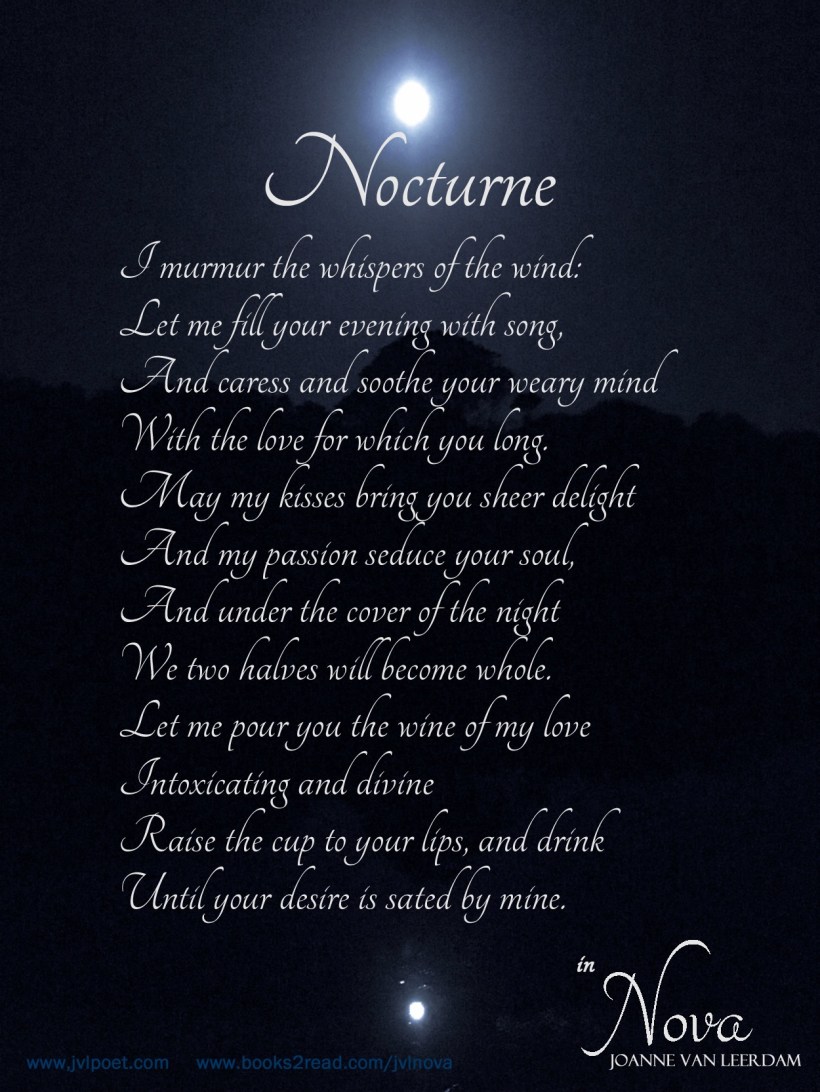
Let me give you an example. One of my favourite poems among those I’ve written is the one titled ‘Nocturne’. Try reading it aloud, not worrying about the rhythm but just letting the language carry you along.

promo nova nocturne poem

When reading it, you’ll see that it rhymes,  and the lines are of similar length when read aloud. This enabled me to achieve a musical type of rhythm in the words, which suits the idea of a nocturne, given that that’s the name of a piece of music written to be played or listened to at night – which is also when the poem is also set at night, for which the idea of a nocturne is also really appropriate. Despite all of that, it’s still quite plain in its meaning.

I’d love to know what you think of it, so feel free to leave a comment below.

You’re also welcome to jump over to WordyNerdBird Writes and read some of my other poems and stories.

April is National — or, more correctly, International Poetry Month.

Poetry Month is a great opportunity to enjoy great poetry.

npm_2018_poster-e1520635983486

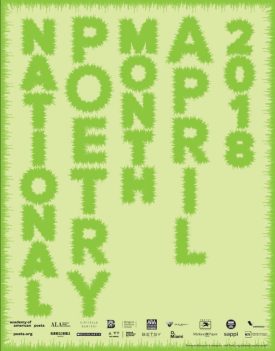
National Poetry Month started as a national celebration in the US back in 1996 as an initiative of the Academy of American Poets but has become something that is celebrated more and more internationally, with not just publishers but bookstores, schools, libraries, and poets themselves joining in the celebrations. As you know, I’m a poet, so I’m absolutely in favour of all of that.

As the month progresses, I’ll be sharing some of my poems with a bit of context about why they were written and how I went about crafting my initial idea into a poem that delivered the message I wanted to put out there.  I’ll also be sharing some of my favourite poems that I’ve loved for a long time, and introducing you to some new poets that you may not yet have heard of.

If you’re not into poetry, don’t worry – my blog posts won’t be exclusively poetry related. I hope to share some more insights about writing and social media for authors, too.

To encourage you to get involved in small ways, I have compiled a list of ten ways in which you can celebrate Poetry Month this April. Choose one, or choose all– it’s up to you.

  1. Read a poem that is new to you.
  2. Memorise a poem, or part of one.
  3. Support a poet by following their blogs or websites. Follow my blogs – here and at WordyNerdBird Writes where you can read my new writing, including recent poems and one or two from each of my books.
  4. Support a poet on social media by following and sharing their posts. I’ll be posting some more suggestions in the coming week about where you might like to start, but for now, my social media links are at the bottom of the post!
  5. Support a poet by buying a book of poetry. I’ll be posting some suggestions in a day or two, but you can check out last year’s suggestions here! They’re all really good.
  6. Participate in the Dear Poet project, even if just by enjoying the fantastic videos on the website.
  7. Subscribe to Poem-A-Day, where you will receive a brand new poem  and some insights from the poet each day.
  8. Put the National Poetry Month poster image on your social media, website, notice board, shop window or anywhere else you think it might make a good impression.
  9. Write your own poem for someone special.
  10. Listen carefully to songs on the radio. You might be surprised how many of them are poetry set to music.


Follow me on
FACEBOOK |TWITTER |INSTAGRAM | GOOGLE+TUMBLR | GOODREADS | WEBSITE

An Author With A Mission.

Developing my mission statement helped me to clarify my goals in a way that I had not done before.

When completing an author interview recently, I was surprised to find a question about my mission statement. My immediate reaction was, “My what?”


My next thought was of Jake and Elwood saying, “We’re on a mission from God!” in The Blues Brothers.

BluesBrothers
Image from tenor.com
Of course, it makes sense. If I can crystallise my goals in writing into a statement, it’s going to make them easier to achieve.


I do that all the time as a teacher. I think about objectives, learning intentions and success criteria all the time. So why didn’t I think about my objectives, intentions and success criteria as a writer? To be completely honest with you, I have no idea.


So, I started to work on my mission statement by writing down some basic questions:
What do I want to achieve?
What do I want my readers, or potential readers, to know?
How do I measure success?


Simple, right?


Wrong.
They’re actually really complex questions.


What does success as an author mean? Is it selling a million copies of my books? Well, that would be nice, of course, but it’s not just going to happen without me doing anything to achieve that. Who is going to buy my books if they’re not actually any good? My goal has to be one that I can achieve, and it has to be one that I can measure to see if I’ve met the mark.  My goal , therefore, is to write something that people enjoy and benefit from, not to become a millionaire. Because it’s more achievable, and measurable through both feedback and sales, it’s far more satisfying and encouraging than hoping for something that might never happen.


What do I want my readers to know? Recluses are mysterious, sure, but that only has limited appeal. What I really want them to know is that I understand what I’m writing about – grief, love, pain, pleasure, excitement, fear, exhaustion, joy. I want them to know that what I’m writing is real and meaningful. I want them to know that if they’re going through something really awful and difficult, I get that because I’ve been through some awful and difficult stuff too.  Particularly in my poetry, I want them to catch a glimpse of my soul, or see some blood on the page – metaphorically speaking, of course. I want there to be understanding between us. I want to connect.


So, measuring success isn’t in how many copies of each book I’ve sold, or how many dollars I’ve made. For me, success is in knowing that I’ve touched someone’s heart, or encouraged them, or entertained them. If they read my horror stories, I want to know that I scared them and they loved it.


The beauty of this process of setting goals and working toward them is that I can see with every review that I am achieving my goal, even more effectively than I can with each sale.


I owe enormous thanks to the person who asked me about my mission statement. They helped me clarify my goals in a way that I had not done before./div>

So, without further ado, this is my mission statement as an author:


Joanne Van Leerdam is an award winning poet and multi-genre author who is committed to writing meaningful and thought-provoking literature for the enjoyment of her audience.
Joanne is a thinker and puzzler, a reader and musician, a traveller, and a teacher who has never lost the joy of learning.
Joanne draws inspiration from her own experiences and observations of the world around her, crafting those ideas into works which will encourage those who struggle to persevere and inspire others to see the world from a new perspective. This is as true of her blog posts as it is of her works of poetry and fiction. She aims to continue to grow her readership into a fully global and inclusive audience.

So tell me, do you have a mission statement?

Thank you, Mary Shelley.

How Mary Shelley Has Inspired Me, Yet Again!

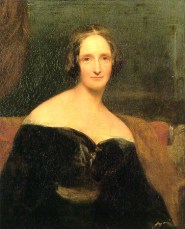
Mary_Shelley
At the beginning of February, celebrated as Women in Horror Month, I wrote about Mary Shelley, the author of Frankenstein, as one of my literary inspirations.


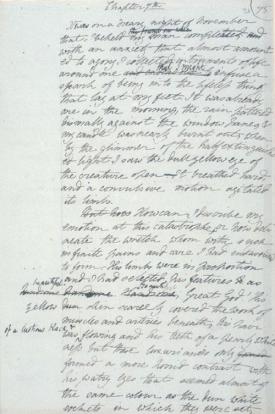
On this last day of the month, a friend shared with me a post from smithsonian.com titled ‘Frankenstein’ Manuscript Shows the Evolution of Mary Shelley’s Monster’ which speaks of a British publisher releasing 1500 facsimile copies of Mary Shelley’s original manuscript notebooks, complete with revisions and edits, in celebration of the 200th anniversary of the book’s first publication.


Oh, my heart! I know I’ll never be able to own one of those 1500 copies, but how I would love to read that manuscript!


FrankensteinDraft
Even just looking at the photograph of two pages, my author-heart swelled. Here is the work of a woman I have admired almost all of my life, showing that her work, too, needed editing and revising. She understood that no piece of writing is perfect the first time, even if the story itself is brilliant.


This is so incredibly encouraging in the moments when I doubt myself, or my story, or my ability to communicate my ideas the way I want to. It reassures me when the words don’t flow for a time. And it reminds me that I’m by no means the first, or last, to experience these things. The doubts and writers block don’t make me any less of a writer; instead, it’s working through them and in spite of them that makes me a better one.


Through these images, Mary Shelley inspires me all over again.

Books, Authors, Double Standards and Snobbery.

There remains a commonly held view that all Indie books are somehow sub-standard. This perception could not be more wrong.

angry-2191104_960_720

I am perpetually frustrated by the disdain that many have for Indie authors. Indie artists, musicians, and filmmakers are applauded for daring to step out, break the mould and do their own thing in defiance of the industries that are perceived to have grown too big, too powerful, too rich.

Nobody hesitates to go to a doctor or lawyer who owns their own practice. People don’t think twice about having their car serviced by a mechanic who runs a local garage. They’re independent practitioners within their industry, too. Let’s face it, there are some shonky ones out there – in any industry – but they are the vast minority, and their behaviour should never be used as the yardstick by which all others are measured.

So why is the double standard against Indie authors still not only acceptable, but so widely endorsed?

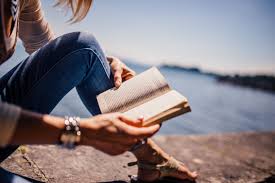
woman with bookI won’t deny that I’ve picked up two or three books that I just couldn’t finish because they were either poorly written, poorly edited, or just not very good at all. But two or three out of more than 150 is a very small percentage, where the others have consistently ranged between very good and excellent quality in terms of both writing and production.
Having been an avid reader all my life, it’s also true that I’ve read – or rejected – a number of books that weren’t so great in the traditionally published world, too. Some I just couldn’t get into – even among the most famous and widely commended are certain ‘literary greats’ whose writing I just don’t appreciate. There are also traditionally published books that remain popular among less discerning readers and sell quite well, despite the fact that the writing and/or story lines really are… well… rubbish.

I’ve read almost exclusively Indie books for more than a year. I am continually impressed by the originality of the stories, the high standard of writing, and the depth of creative talent. I’ve posted countless book reviews for these books, and have shared my appreciation of both books and authors far and wide, because those books deserve to be read and appreciated.

Having been an avid reader all my life, I’ve read – or rejected – a number of books that weren’t so great in the traditionally published world, too. Some I just couldn’t get into – even among the most famous and widely commended are certain ‘literary greats’ whose writing I just don’t appreciate. There are also traditionally published books that remain popular among less discerning readers and sell quite well, despite the fact that the writing and/or storylines really are rubbish.

Indie authors are, more often than not, Indie by choice. For many, the first foray into traditional publishing has ended up being a very negative and traumatic experience. For some, their publishers have closed down, leaving the author without their rights, unpaid and unable to sell or market their work. Other companies have published books and then done nothing, leaving them to languish in obscurity unless the author does their own marketing.

Sure, that hasn’t happened to J.K. Rowling or George R. R. Martin. People need to understand, though, that they are the exceptions, not the rule. That kind of success doesn’t just happen for everyone who writes a fantastic book or series, and it’s well-established fact that it almost didn’t happen for Rowling either.

Last week, I saw someone comment on social media platform in a most derisive tone that “traditional publishers won’t touch anything that’s been self-published”. My response was that it’s their loss. And when it comes to my own work, they’re not welcome to.

Like many others, I choose to be Indie because I control my own intellectual property, I retain my legal rights to my work, and I earn the royalties for my books. My hard work is not lining the pockets of some faceless company that pays a small fraction of the earnings of a book to the author and gets fat on the rest, without actually doing much in the way of marketing or promotion. Marketing and promotion is really hard work, there’s no doubt about it. But if I have to do the schlepp work anyway, why would I let someone else have control of my work? And I can take pride in the fact that I have earned every review, every award, and every cent, on my own.

In the end, I choose to be Indie because there is nobody in this world as committed to my books or my career as an author than I am.

It’s time we got rid of the double standard that celebrates Indie music and art, and which takes pride in supporting local and artisan businesses, but considers Indie books and authors to be something less than their traditional counterparts.

Indie authors are doing their part by writing and producing excellent books.

Readers are doing themselves a gross disservice by accepting the kind of intellectual snobbery at the heart of this double standard. I’m confident they will be more than pleasantly surprised when they finally choose to set prejudice aside and find out what they’ve been missing out on.

Promo Indie And Proud