Just imagine a world Where more people read poetry Instead of giving breath To things that divide and cause fear.
Imagine a world Where more people picked up a pen Than a gun or a sword Or even a lawyer.
Imagine a world Where poets were the dealers That troubled souls turned to for a hit; Where people self-medicated with poetry Rather than drugs or alcohol To help them deal With their demons; Where addiction brought life and hope, Mindfulness and restoration To the broken, The hurting, The needy.
Imagine a world Where everyone knew and understood That they are not alone, That someone understands, That they are enough.
As a child, I always enjoyed this poem. I enjoyed the silliness of it, the musical rhythm and the sense of Fantasy.
I The Owl and the Pussy-cat went to sea In a beautiful pea-green boat, They took some honey, and plenty of money, Wrapped up in a five-pound note. The Owl looked up to the stars above, And sang to a small guitar, ‘O lovely Pussy! O Pussy, my love, What a beautiful Pussy you are, You are, You are! What a beautiful Pussy you are!’
II Pussy said to the Owl, ‘You elegant fowl! How charmingly sweet you sing! O let us be married! too long we have tarried: But what shall we do for a ring?’ They sailed away, for a year and a day, To the land where the Bong-Tree grows And there in a wood a Piggy-wig stood With a ring at the end of his nose, His nose, His nose, With a ring at the end of his nose.
III ‘Dear Pig, are you willing to sell for one shilling Your ring?’ Said the Piggy, ‘I will.’ So they took it away, and were married next day By the Turkey who lives on the hill. They dined on mince, and slices of quince, Which they ate with a runcible spoon; And hand in hand, on the edge of the sand, They danced by the light of the moon, The moon, The moon, They danced by the light of the moon.
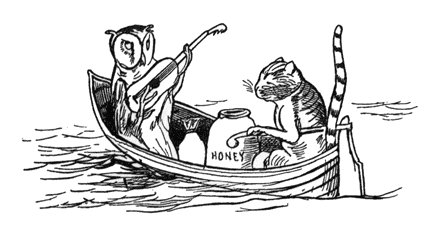
Image:Public Domain Edward Lear’s Own illustration of The Owl and the Pussy Cat
I must confess, though, that I hadn’t thought about this poem for many years until a friend quoted it in her newly-released paranormal romance novel. Having read and reviewed the book, it left me pondering the poem.
In the poet’s Victorian setting it was classified as nonsense poetry, a bit of whimsy and silliness for the entertainment of children.
I do wonder now, though, if there is a hint of rebellion against Victorian society’s moral and class standards in the unlikely union of those two mismatched creatures, and if that’s why they had to go away to be together. It could just be my 21st century sensitivities talking, but I’d like to think that maybe, back in the late 1860s, Lear was sending a subtle message to the morality police of the time that if two people were in love, they should be able to be together.
I know people accuse English teachers of overthinking these things all the time, but just stop and think about it for a moment.
The owl and the pussycat weren’t supposed to be together, but they were quite free in expressing their feelings for one another and very happy together. Which of the two is male, and which is female? Or are they really even one of each? They do seem remarkably neutral in that regard, especially if you think of the strict gender stereotypes apparent in other Victorian literature such as that by Dickens, Thackeray, Trollope and the Brontes.
It is just a curious thought, and I don’t want to shatter anyone’s enjoyment of a much-loved children’s poem. Maybe it is just whimsical make-believe. Maybe it’s not. We will never know.
But it’s also a possibility that there are a whole bunch of people out there who might appreciate this poem a whole lot more on consideration of my uncommon little theory. Oh, I hope so!
In my post on Songs and Poetry, I explored the idea that lyrics of songs are often poetry. Indeed, one could argue that the more poetic and emotive the lyrics, the greater chance of that song becoming an anthem for some listeners. This is certainly true in my own experience.
One of the artists in my “Anthems” playlist is P!nk. I love her attitude, her style, and her voice. Even more, I have found some of her lyrics to be enormously powerful and emotive, and very relatable. She may be a rock goddess who knows how to entertain, but she is also a poet who knows how touch someone’s soul.
That’s why it came as no surprise to me that she used to write poetry. It shows.
What P!nk says about the therapeutic effects of writing poetry is true, too. It does feel good to get the darkness out, and to shape it into something that is meaningful to others as well as oneself. As I have often commented, writing poetry is the most effective therapy I have ever had.
It’s the last day of March, which brings us to the end of Women’s History Month. In all honesty, I’m feeling a little sad about that.
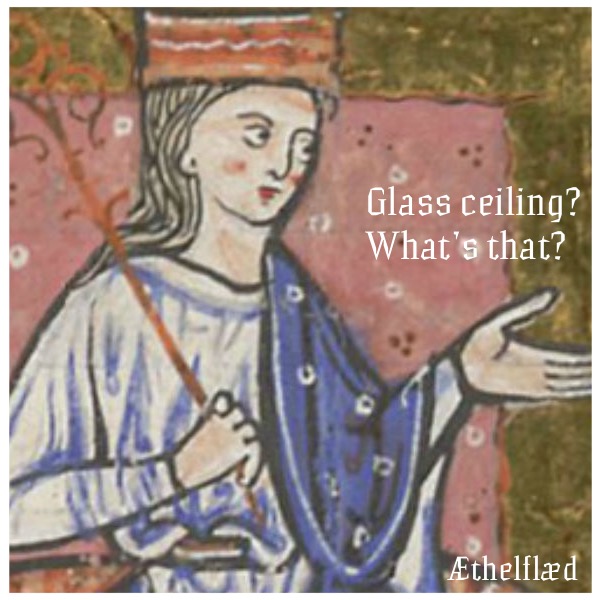
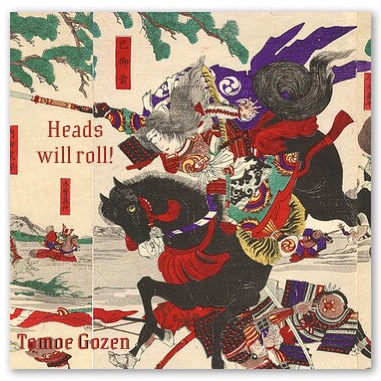
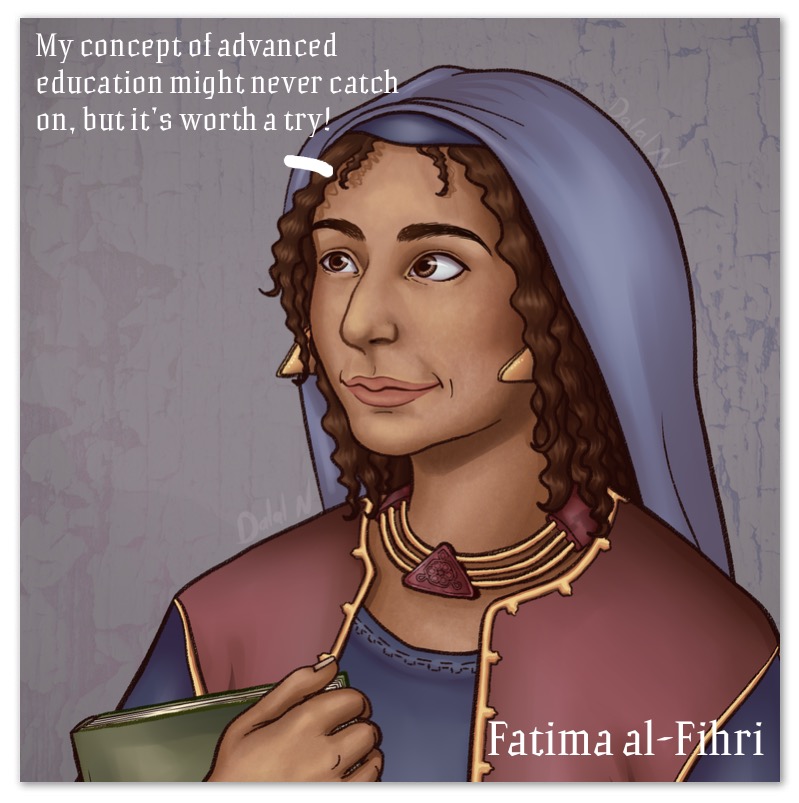
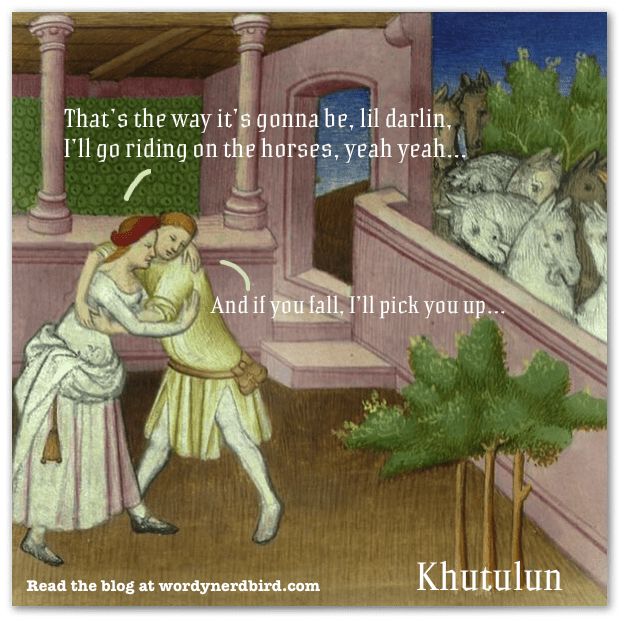
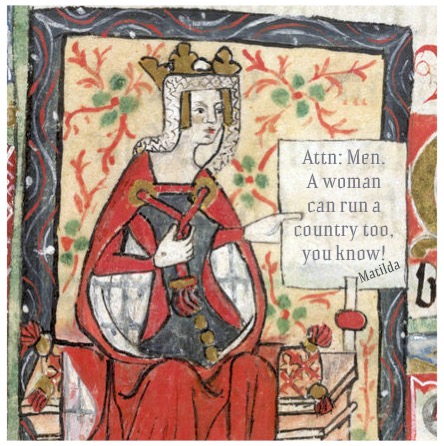
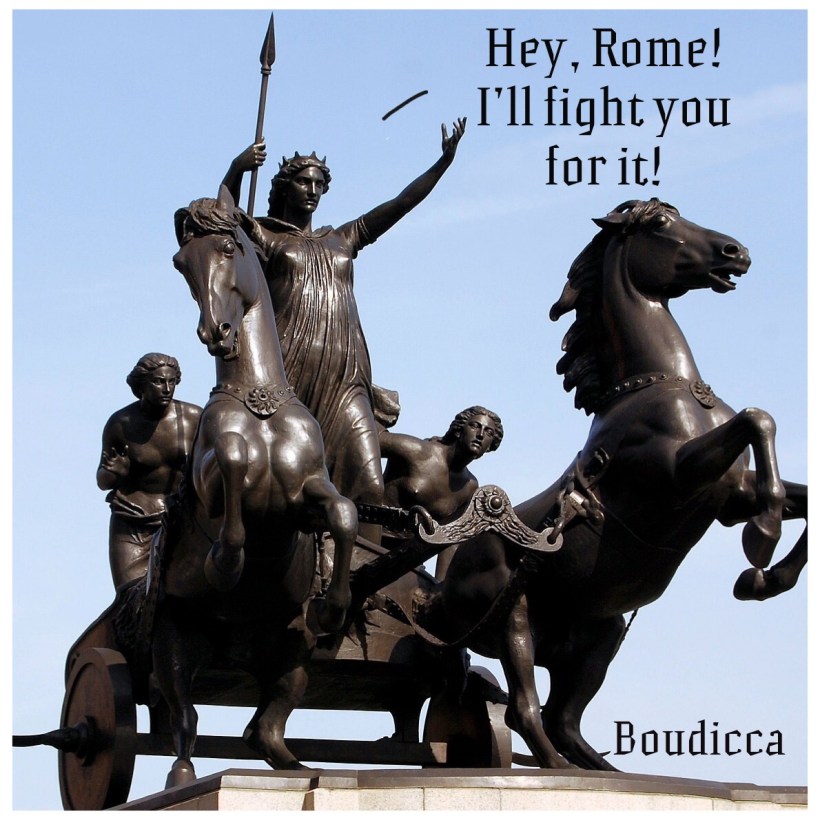
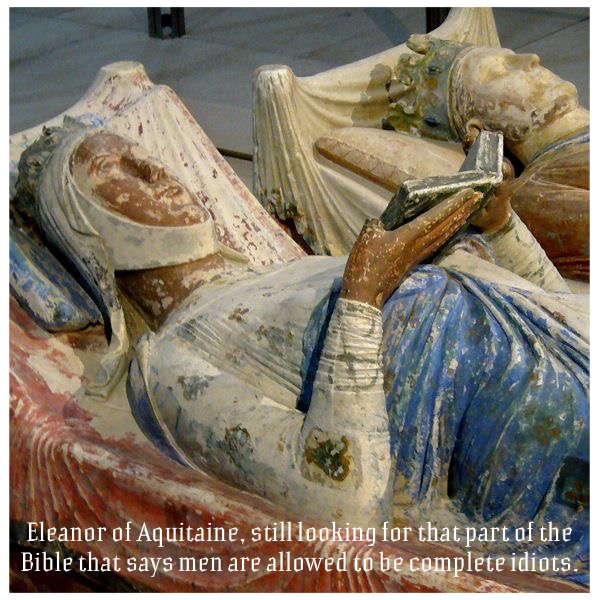
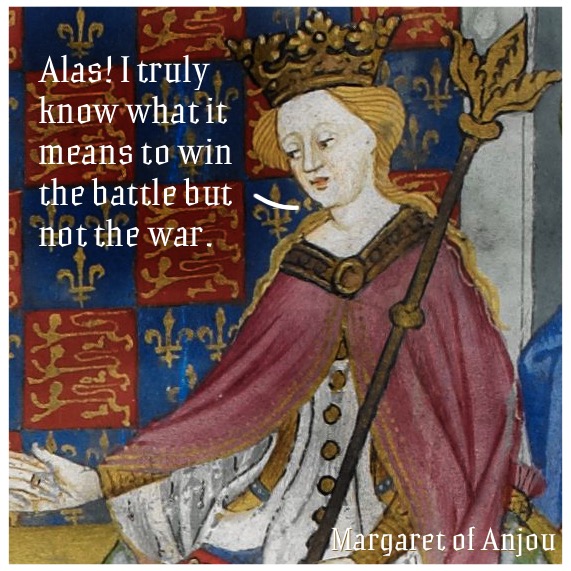
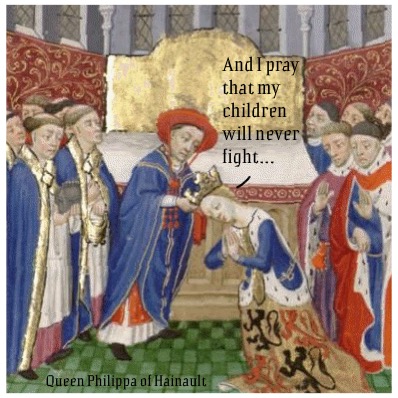
Blogging about some of the less well known heroines of ancient and medieval history has been a most enjoyable occupation. I had fun creating some historical memes to accompany the posts and promote them on my social media, too.
I also loved writing about some of the courageous women who willingly took on situations of conflict, oppression and segregation in the 19th and 20th centuries.
If you missed any of those posts, they are easily found by clicking on Women, Women’s History Month or Women’s History categories and tags in the sidebar.
With those great stories told, I am feeling a little like I do when I have just finished a great book and I don’t really know what to do with myself.
Yet I know that tomorrow I will feel differently because there are some great things happening in April: not only is it (Inter)National Poetry Month, but it’s also a month-long celebration of Indie books in the Read Self Published group on Facebook.
The first half of the Pead Self Published month will feature a specific genre or set of genres each day, which readers are free to peruse. The second half of the month will be focused on helping each individual visual reader find what they want to read. There will also be some giveaways, which are always fun — especially for the winners!
Everyone is welcome to join in those events, which is aimed at showing readers what they want to read without the “hard sell” that many find offputting.
I know with all of that going on, I will have some great things to share. I will be posting some of my favourite poems on this blog, and Book Squirrel will be sharing some great reads and book suggestions in various genres.
On a personal level, there will be continued rehearsals for the show I’m in, a very well-earned and much needed two week long term break, and a camping trip over Easter that I am really looking forward to.
So, away with my sadness. I shall welcome April with open arms and a great deal of anticipation.
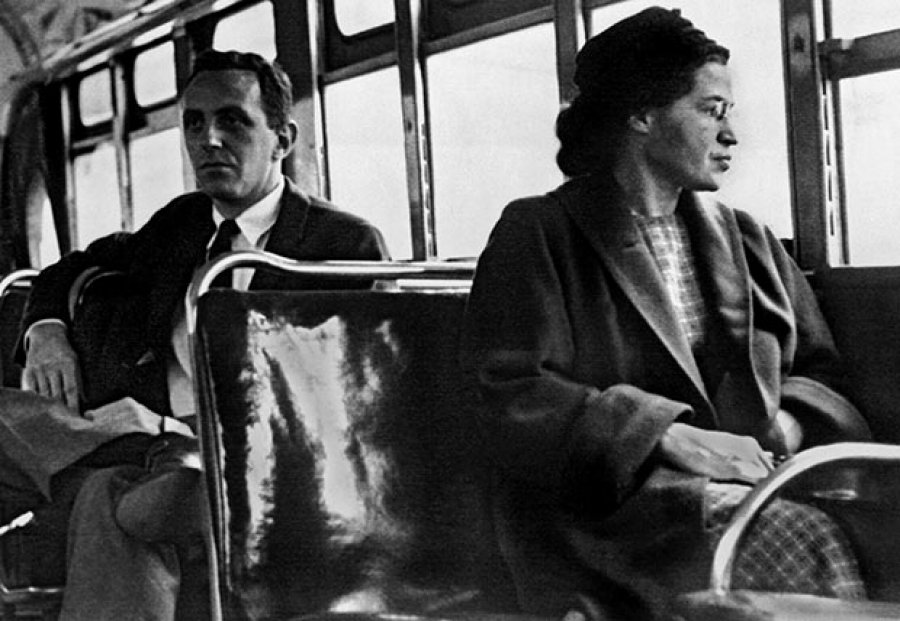
We’ve all heard of Rosa Parks, and rightly so. Her refusal to give up her seat to a white person on a segregated bus sparked the Montgomery Bus Boycott and was a pivotal moment in the Civil Rights Movement in the United States.
The very bus on which she rode is in the Henry Ford Museum in Detroit, commemorating her actions and their importance in the history of the nation.
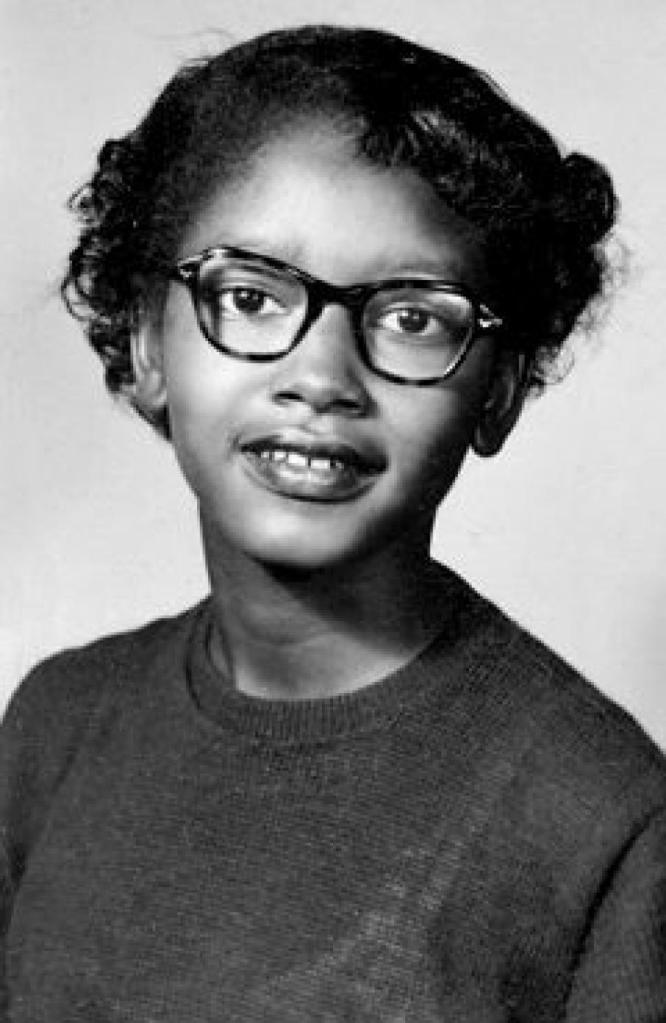
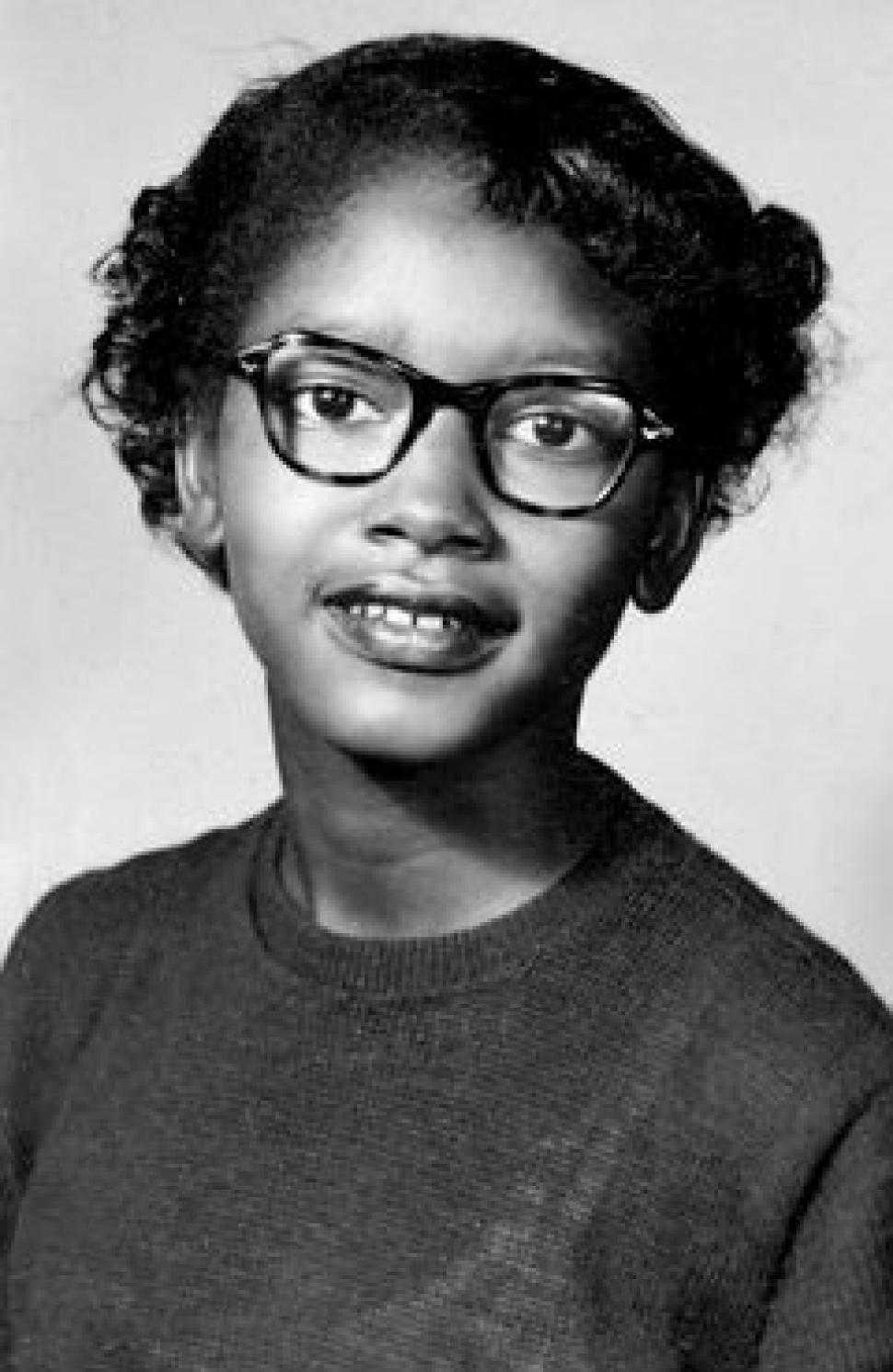
Have you, though, heard of Claudette Colvin? Probably not. But you should have.
Nine months before Rosa Parks’ defiant actions, fifteen year old Claudette Colvin was riding a segregated bus home from school in Montgomery, Alabama, and refused to give her seat up for a white woman.
Colvin was arrested and tried in juvenile court for her defiance. Her mother discouraged her from speaking publicly about her actions, preferring to let Rosa Parks take the spotlight.
I have to wonder, though: just how much did Claudette Colvin inspire Rosa Parks to refuse to give up her seat? And why aren’t we taught with equal admiration about this brave young woman who made her stand by remaining seated?
I am sure of one thing, though: I will be including Claudette Colvin in my lessons on the Civil Rights Movement from now on. My fifteen year old students need to know that nobody is too young to change the world for the better.
There has been quite some consternation among Indie authors over past months in various ways that dishonourable people have found to scam the system and get quite rich selling books that are not what they should be, particularly on Amazon, or who steal others’ books and make them available on pirate websites, or plagiarise and “rebrand” them as their own work..
Understandably, those who put a lot of effort into writing and publishing excellent books find such situations discouraging. It’s hard to be upbeat about what we do when others seem to “win” with shortcuts that are plain wrong.
As I commented in yesterday’s post on integrity and ethics, it seems as though the floodgates have opened to allow all sorts of deceitful behaviour. It’s hard to know how to respond.
What honest writers must notdo, however, is quit.
It’s up to us to keep on creating fantastic stories and poetry for the readers out there who crave excellent books.
It’s up to us to hold our heads high, proclaim “I write every word of my books!” and then show the world what we’ve got.
In short, it’s up to us to show the cheaters and scammers how it should be done.
Nobody but honest and hard-working authors can restore the faith of readers in Indoe and self publishing. The only way to do that is to maintain a premium of quality in the books on the shelves in stores, libraries and homes all over the world.
We may have to work harder, smarter and cleaner than ever before. Still, we’ve had to do that in order to give traditional publishing a good shake, and we’ve certainly achieved that.
We Indies have so much to offer. We have each other for support and an entire future that is yet to be shaped ahead of each of us.
I refuse to quit. I refuse to let the scammers win. Who’s with me?
I have posted a couple of times in the past week on issues of integrity and ethics in the Indie Author community.
There, and in life in general, it seems as though having integrity is a little less fashionable than it used to be.
These days, it seems that people are more often driven by their hunger for money or power or fame and, as a consequence, having integrity is a less fashionable than it used to be.
What a sad state of affairs.
It’s no surprise, though, that fewer and fewer individuals value integrity as it used to be valued, when they see politicians, global corporations and even national leaders getting away with telling lies, taking or paying bribes, cheating the system and taking little or no accountability for these actions until forced to. If it works for the rich and powerful, why not the little guys?
This is no justification whatsoever. Just because someone else does it, doesn’t make it right. And just because they appear to get away with it doesn’t make it a viable option to shortcut the road to success.
In some ways, integrity matters even more now than ever, because people are finding new and clever ways to cheat and deceive others which often have significant consequences for many. Globalisation and technology have opened a floodgate of opportunities for legitimate businesses and scammers and pirates alike.
In a world where there is precious little to rely on, we need to be able to know who to trust. We need to be able to take someone at their word, to assume a contract will be met, to get what we pay for, and to know that the liars and cheats will be punished.
If nobody stands up to them and insists on standards of behaviour and ethics, it’s only going to get worse.
Integrity is not too much to hope for. In fact, it is an imperative that we should all take very seriously indeed.
Integrity should be something we value for its own sake. It’s a quality we should not only strive for, but teach and expect our children, our friends, and our companies to do likewise.
It does seem that it’s always going to be the regular folk who set the standards for those “above” them.
Nothing will change, though, unless those who still value integrity and honesty demand them of those who hold the power and make the decisions.
Only when the majority – and I do believe it is still the majority of people – who value integrity assert its importance and hold it up as the yardstick of acceptable behaviour can we hope for anything different.
Phoenix Project is a new and very exciting series of community events coming to my home town of Cobden, Victoria.
Phoenix Project really is the perfect name. Almost a year ago, Cobden, Camperdown, Terang, and much of the surrounding area was either destroyed or threatened by bushfires. Homes and livestock were lost – but miraculously, no lives. Our town, and those others nearby, emerged covered in soot and smelling of smoke, but determined to recover and keep on going as we always have done before.
That’s something I’ve had to do in my own life, too. I’ve been through some pretty tough seasons when it felt like my life was burning down around me. Yet I’ve emerged, covered in soot, and smelling of smoke and… you get the idea. As I observed last night, I’m a bit of a phoenix myself.
There’s no doubt the fires were an absolutely awful experience for everyone involved. But we got through it.
And those hard times in my life – I’ve come out braver and stronger than I’ve ever been. Well – mentally and emotionally, at least. My spine would tell you a different story.
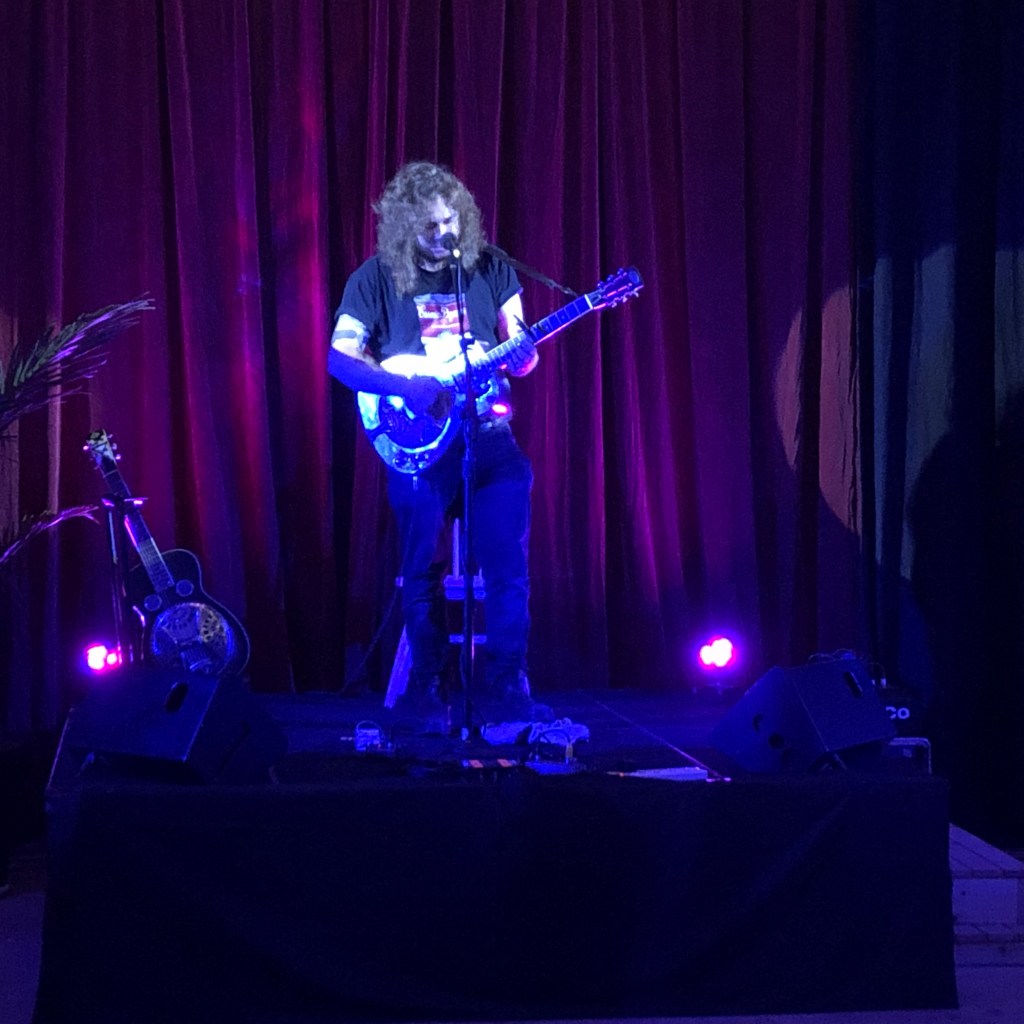
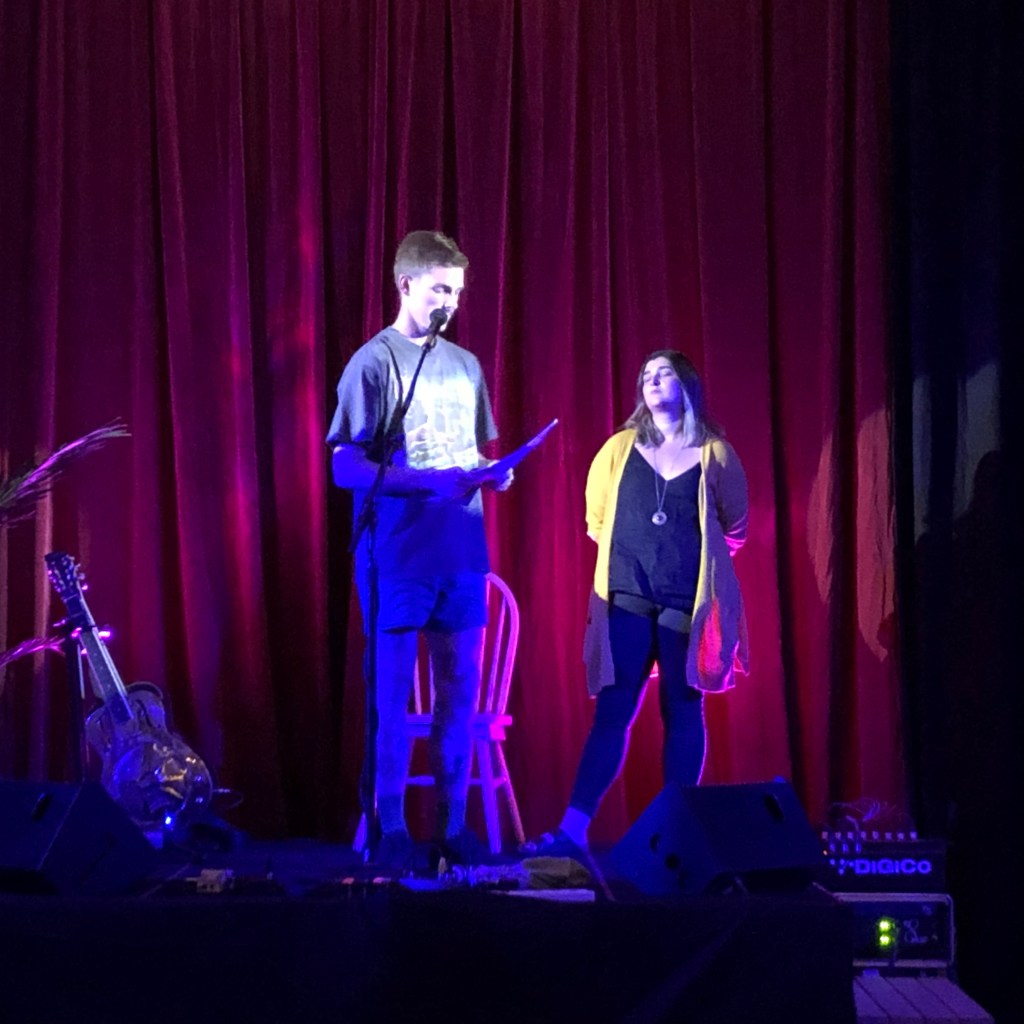
I was very privileged to be one of the featured artists on the opening night of The Phoenix Project, alongside outstanding blues musician Alister Turril and Josh and Yas, spoken word artists from lowercase poetry in Geelong.
I shared some of the poems from ‘Smoke and Shadows’ that I wrote during and after the St Patrick’s Day fires, followed by some of my fantasy style poems because I didn’t want my bracket to be too heavy or confronting for a largely local audience.
The poems I shared all focused one way or another on the idea of resilience, and getting through the trials of life stronger and wiser than on the way in.
It was a great night. The music was cool, the poetry was powerful and thought-provoking, and the tone of the evening was 100% positive.
Phoenix Project continues this weekend with a great lineup of musicians and artists to feed the soul of everyone who comes along.
I want to acknowledge my people: the ones who always encourage, who support me in everything I do, who get excited about my victories and achievements and commiseratewith me in my disappointments.
It’s more than simply liking me, or my work, or thinking I am good at what I do: they believe in me. That is a peculiar kind of magic that cannot be worked by the insincere or the doubters.
These people are incredibly rare, yet I am blessed enough to have more than a handful of them in my life: my husband, my best friends, my Indie Fabs author posse and a select few other friends and fellow authors.
Some may think it is only natural that my husband would support me, but it’s a luxury that not all creatives enjoy. The same goes for friends and families. As I mentioned in my post the other day, some people just don’t like it when you do something out of the ordinary.
In fact, it’s the apparent apathy or disdain of the many that makes the support and encouragement of the few so powerful.
It’s important to me that I am openly and honestly thankful to each member of my tribe. I would likely have given up long ago without them. An integral part of who I am would be lying dormant, and life would be less colourful and interesting. Just the thought of that is awful.
So, to each one of those magical people: thank you. I value and appreciate you. I love you. And I believe in you, too.
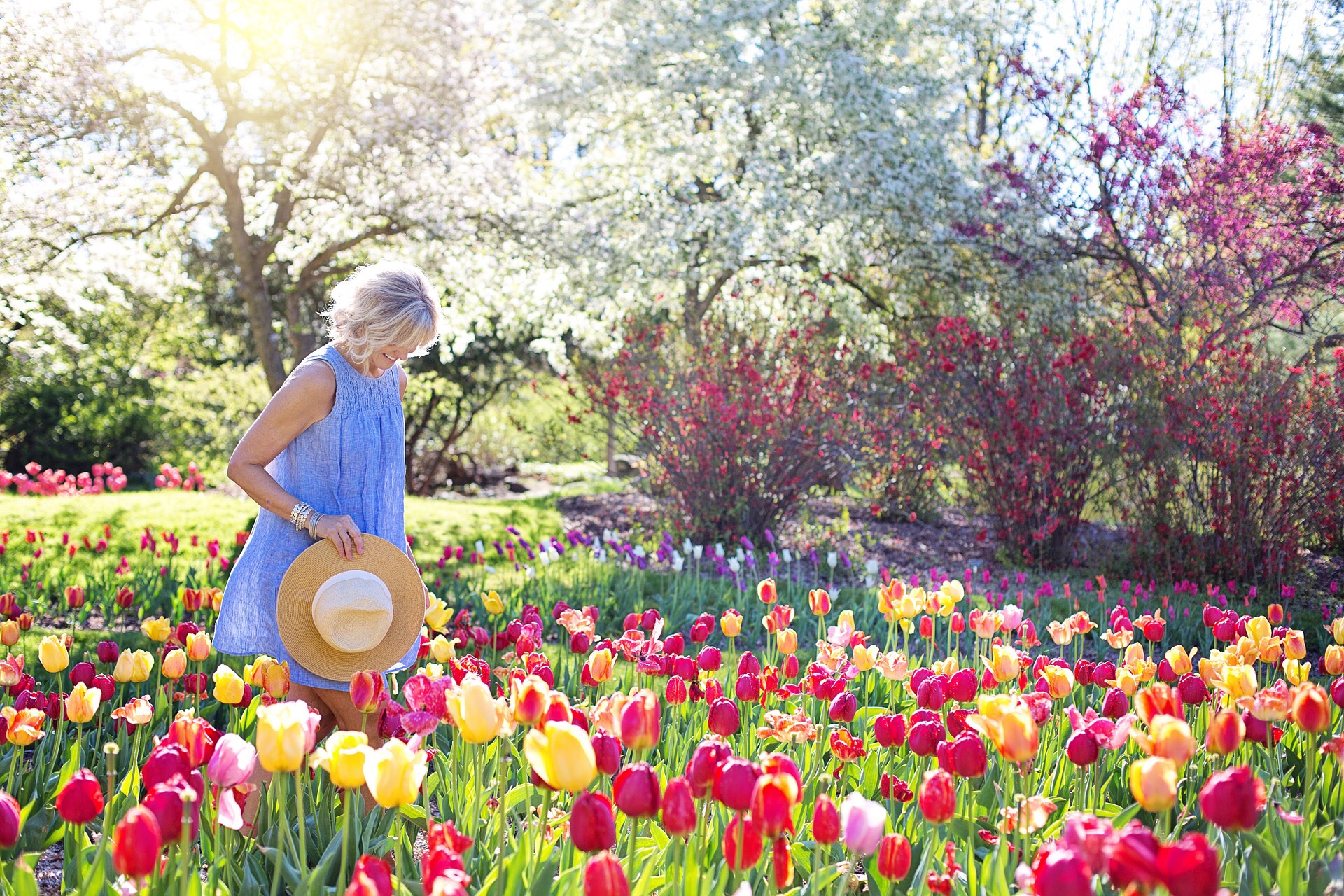
I love tulips. They are lovely and graceful, and so colourful!
My goodness, though, they’re delicate. It doesn’t take much to make a tulip wilt and bend its head to the ground. One might be tempted to think that a flower that needs to have its bulb frozen during winter in order to bloom might be a little more resilient… but apparently not.
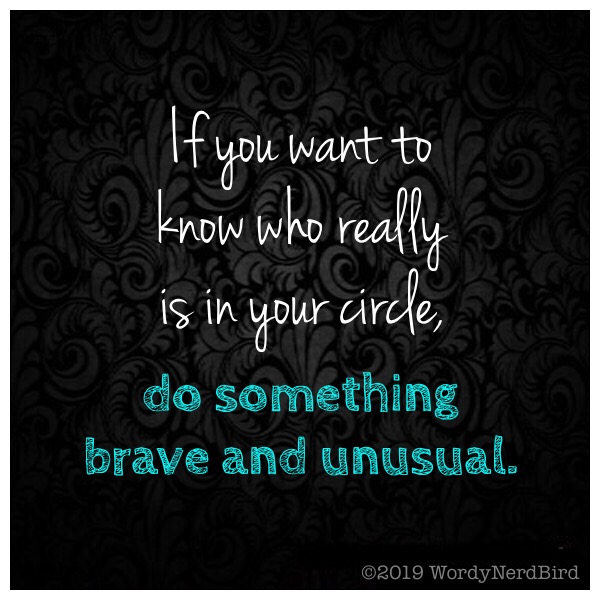
I’ve come to the conclusion that a lot of the people in my circles— not all, but a hefty percentage of them— are like tulips. As long as the environment suits them, they are fine, but when they are unhappy for some reason, they just don’t cope. It doesn’t take much to upset the balance: just do something they find confronting. The more brave and nonconformist the act, the stronger the effect.
Don’t get me wrong: I do like most of the people in my circles.
What I don’t like is having to kowtow to their apparent discomfort about certain things that matter to me, when they demonstrate zero tolerance to who and what I am.
I am weary of having to live with the perpetual awareness that many people I know don’t mind me being an author as long as I never mention it. Some wouldn’t mind my multiple ear piercings either if I grew my hair longer to cover them. Others don’t mind my tattoos as long as my clothes hide them. They feign politeness when I talk about the theatre company I’m in or the musicals I direct at school, but very few of them have ever bought a ticket and come to see a show. And let’s not even start on how they feel about my political views.
And yes. Those very different things get exactly the same reaction from a lot of people.
It’s ridiculous, and I’m over it.
I am not less than them. I do not matter less than they do. My feelings, thoughts, passions and pursuits matter just as much as theirs do. I am as worthy of their interest and respect as they are of mine.
And I am very proud of my poetry and my stories… and of my shows. I’m rather fond of my tattoos and piercings too, for that matter.
What I write happens to be pretty darned good: all those reviews my books receive from strangers are proof of that. Why should I hide my work under a cloak of secrecy when they can freely discuss being a builder, a butcher, a baker or a candlestick maker?
Nobody looks at them with thinly veiled suspicion. Nobody questions if what they build or make is any good. Nobody asks how much money they make per job. Nobody asks if their kids are real, or if they are any good. They are all quite free and welcome to talk about their kids in front of me even though I don’t have any, and I certainly don’t respond as though they are trying to sell me a child.
So, no more tiptoeing around. I won’t be shoving a book in their face at every opportunity — that’s not me — but I’m not going to allow others to pretend they don’t exist, either. They don’t have to read my work, but they will know that I expect their respect and acknowledgment.
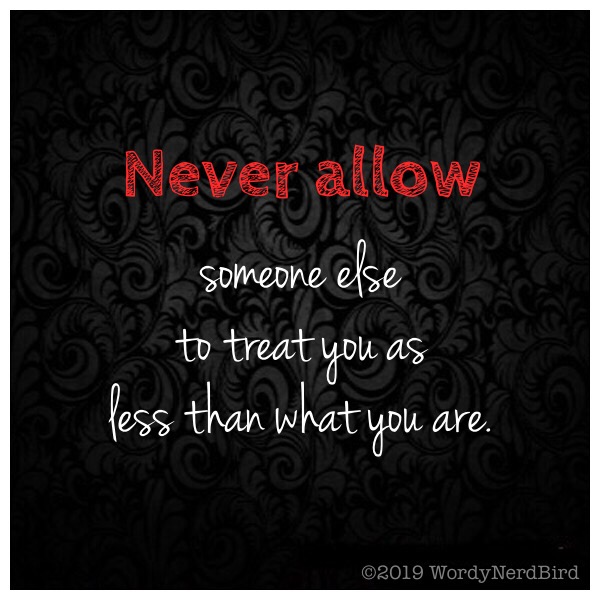
I will not allow other people to treat me as less than I am.
I will not allow them to suppress my thoughts and feelings. I will call people out on double standards. I will refuse to be made to feel small. I will be as diplomatic and gentle as I can, but I will assert myself.
And if they insist, I will know they are not really my people, and were never really in my circle.









 WordyNerdBird