Josh Frydenberg: You Have Some Nerve, Mister.

An open letter to Josh Frydenberg, Federal Treasurer and MP for Cooyong:

You have some nerve. Your outburst in Parliament yesterday was way out of line.

Yes, mistakes were made early on in Victoria’s management of COVID. And they got cleaned up. We’ve actually done a brilliant job, which you didn’t even acknowledge. But that isn’t the part of your speech to which I, and many other Victorian teachers, take particular exception.

While the rest of the House was congratulating the people of Victoria on crushing the curve and bringing the numbers back to zero, you chose to be ungrateful. That little tantrum of yours would make a two year old proud.
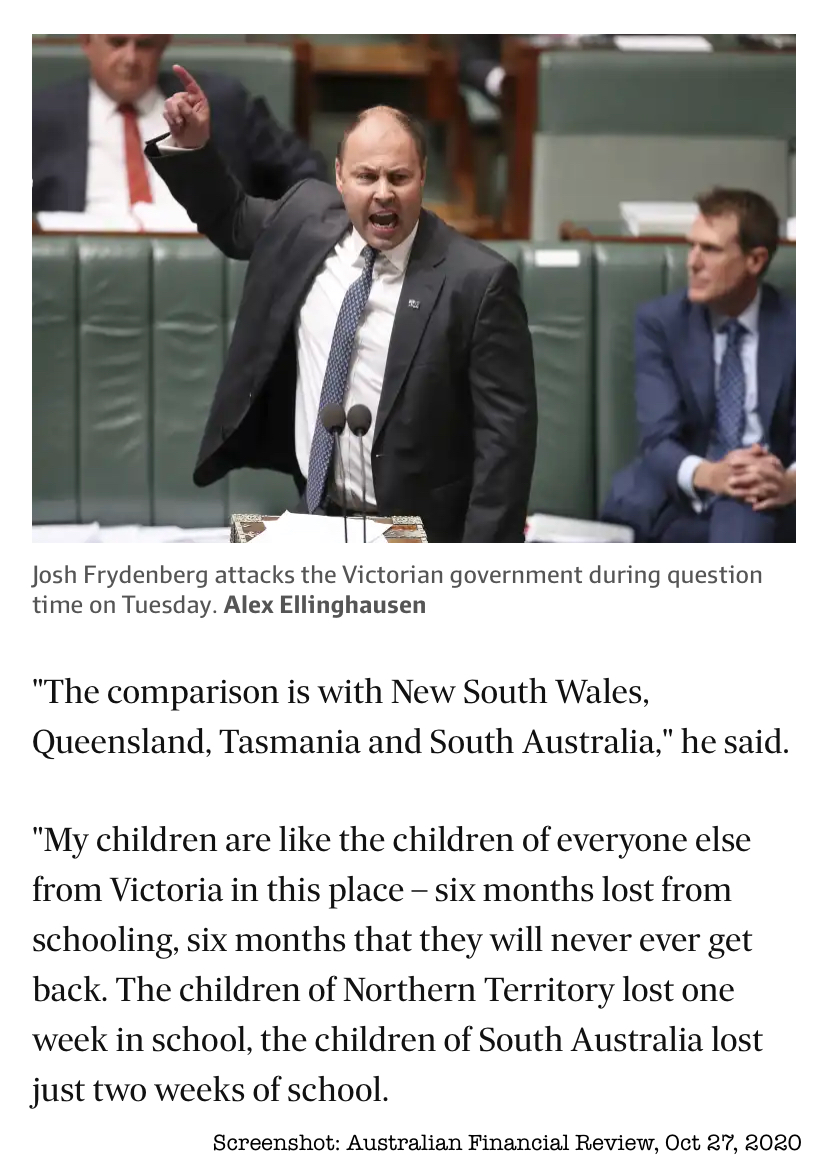
An excerpt from Frydenberg’s speech in Parliament, Tuesday Oct 27, 2020.

Your assertion that your children missed out on six months of schooling is highly offensive to every teacher in this fine state who has gone way beyond the call of professionalism and duty of care to ensure that our students did not miss a single thing that we were able to provide for them.

Were my colleagues and I merely dreaming all the extra work we put into setting up online classrooms, doing extra courses in online safety and classroom management, monitoring our students’ wellbeing and mental health, in addition to all the usual planning, preparation and teaching we have been doing all year?
Did we imagine the eye fatigue and headaches from being in online classrooms all day, doing all our marking and reporting online, meeting with colleagues and conferencing with parents online?

You have been able to do your job almost completely normally all year.

We have had to completely reinvent ours, while at the same time being required to switch from face to face teaching to online classrooms, then back, and back again, sometimes at only a few days’ notice.
We’ve done it without tantrums, without complaints, and without pointing fingers at people who were also trying to do their best in otherwise uncharted territory.

Victorian teachers have proven to be dedicated, resilient, and incredibly versatile this year.

And I will tell you one thing that is absolutely certain: the students at my school did not miss six months of school. They had their full timetable, every school day, complete with teachers and teachers aides, differentiated lessons, roll call, and individual help whenever they needed it.

Don’t be firing your nasty little aspersions at Victorian schools and the 100% committed teachers in them, Mr Frydenberg, even by inference.

We do not deserve that. We are exhausted, our patience has been pushed to the limit, and we are still going. We are not in the mood for your petulant tantrums.

It’s high time you gave credit where credit is due, learned some gratitude and grace, and got on with doing your job while we continue to do ours.

An Open Letter to Josh Frydenberg @JoshFrydenberg
#TeacherLife #VictoriaTheHeroState #howdareyou
Masking The Awkwardness With Humour

Teacher masks students covid COVIDSafe

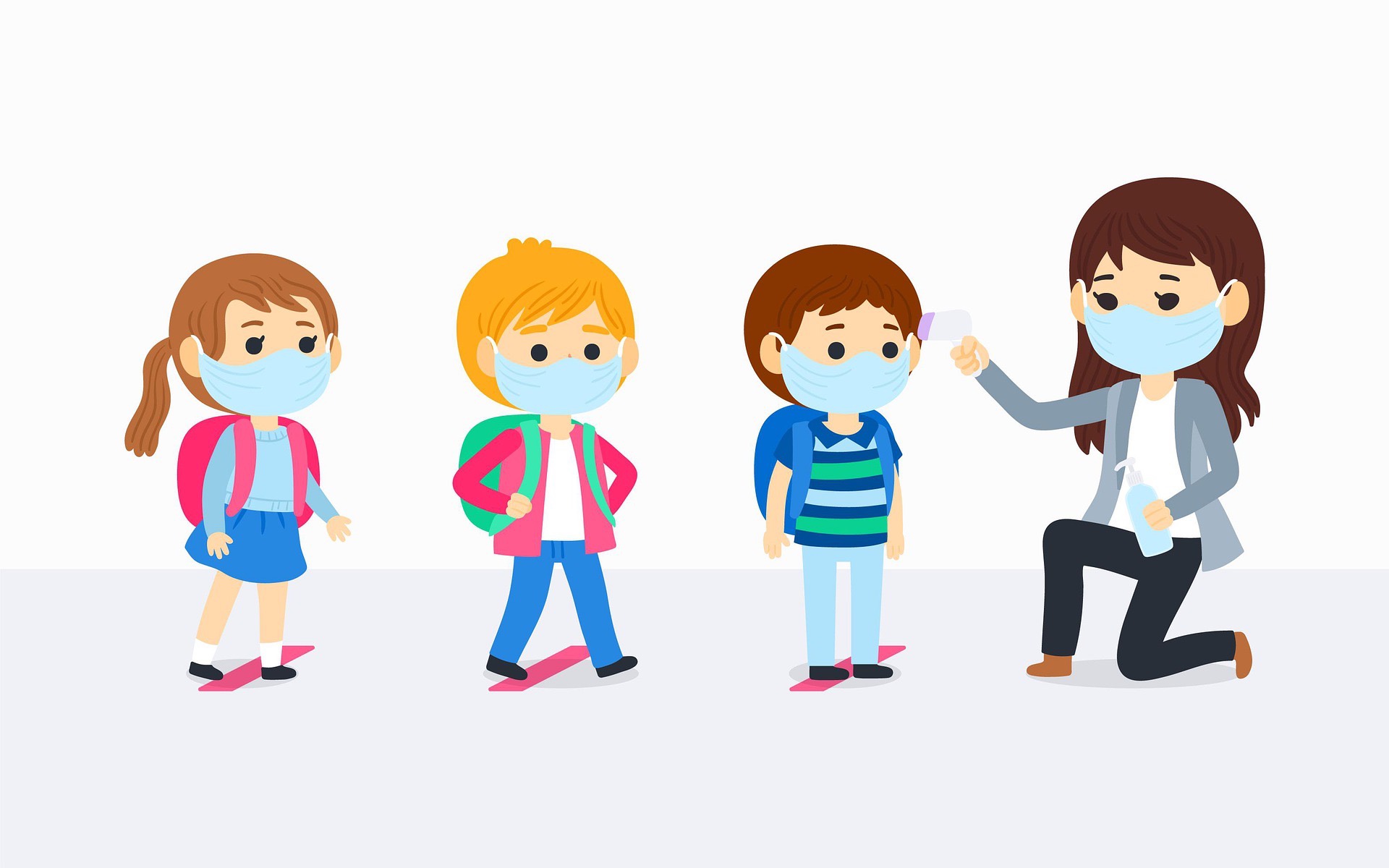
Disclaimer: I don’t kneel for my students, as that would send entirely the wrong message. Besides, they are teenagers and I’m only 5’2″. Also, I can no longer kneel. Image via Pixabay

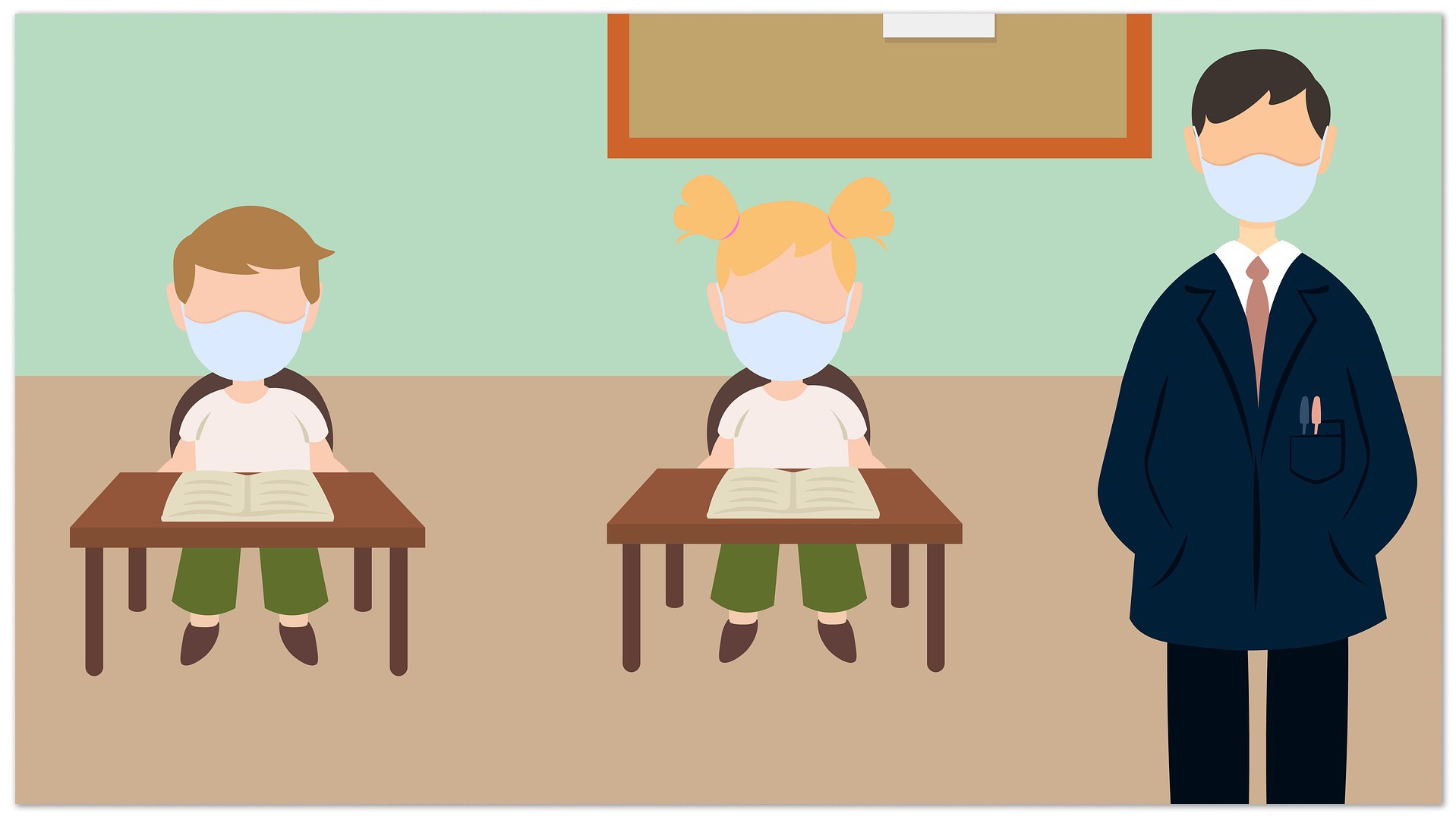
Face to face teaching is back in full swing in Victoria, with all students over the age of 12, and all teachers, required to wear masks.

The kids generally don’t like wearing masks, and I totally get that. Still, that’s not an excuse for defiance. It’s currently a legal requirement, so whether or not we like it is a moot point.

Most of the students are quite cooperative. Some kids, though, are getting sneakier— or perhaps just less conscientious— about wearing them properly. The challenge for teachers is to find ways to remind them without being awkward or, even worse, coming across as nagging. As anyone who has tried to get a teen to do something they don’t want to will attest, that’s only ever going to create more resistance. 

As I am wont to do, I have reverted to humour in addressing the problem. 

When a student has their mask pulled under their nose, I tell them “don’t fly the flag at half mask”. 

When someone is not wearing a mask, I say, “Oops! Your face is naked.”

When the mask is sitting under their chin, I tell them to “pull their face pants up.” 

In a quiet classroom environment, or if I want to remind someone without drawing attention, I  simply make eye contact, hold my hand horizontally near my chin and lift it to above my nose. 

These responses engage the students by surprising the m and making them think about what I’m saying. They generally respond with a smile and then comply. The occasional student tries to argue, which invariably ends in disappointment for them.

I am always happy when it works. I was also very pleased when, while I was on yard duty, I heard one of my students tell another kid to pull his face pants up. I smiled with great satisfaction and whispered, “Good work, kid! Keep it up!” Nobody noticed, though, because I had my mask on. 

Masking Awkwardness With Humour
#TeacherLife #humour #blogpost

Note: Arguments about whether or not masks should be worn will not be entered into, and negative comments to that effect will be deleted. 

Back in the Classroom: Putting My Teacher Mask On

Thoughts on the first day of face to face teaching after months of lockdown and teaching online.

Image by HaticeEROL on Pixabay

After nine weeks of only seeing my students in little squares on my computer screen, a two week term break, and a final week of online classes, we resumed face to face lessons today. Things were a little bit different than they used to be, though. 

The desks were distanced from one another as practically as they could be. The bottle of sanitiser at the front of the room had been joined by another and, this time around, the students didn’t need reminding to use it. Most obviously, though, we were all wearing masks. 

We used to talk about “putting our teacher hat on” when we walked into the classroom, and taking it off again at the end of the day. I guess now it’s our teacher masks we have to consciously think about wearing, as this seems to be the new normal— in Victorian schools, at least— for the foreseeable future. 

The wearing of masks is something disliked by many students and staff alike. Personally, I don’t mind wearing one, and I am happy to not be breathing in whatever germs are floating around the room. Most of my students seemed to manage without any difficulty, but getting some of them to wear their masks properly and not keep touching them proved to be yet another new classroom challenge.

Still, there were some good things going on. 

The tone and humour in my classrooms was generally positive. One kid who doesn’t even like me much told me it was good to see me. I laughed and told him to give it time, and everyone laughed at that because we all knew it wouldn’t last.

Marking the class roll was significantly easier and quicker than online: once again, I could see at a glance who wasn’t there. Marking the roll in online classes was something I always found arduous. Today it took two seconds. 

I could see right away who wasn’t doing what they should be, and I could move around behind them and see their screens. There is no more effective way to make someone work than to be able to see their screen. 

At the same time, I could instantly encourage those who were working hard amd staying on task. It’s so much easier to be positive when you can be both natural and proactive about it. The added bonus is that when you praise and encourage one student for doing a good job or making a great effort, it tends to make those listening more inclined to want to do better and get some praise, too. 

Those few kids who have avoided doing much at all since we returned to online schooling finally had to do some work. Those who did not engage in online lessons found themselves no longer able to just sign in and zone out or leave the room. And because I was wearing a mask, they couldn’t see my wry grin as I watched them working. 

I was able to move around the room and look over the shoulders of my students. Delivering instant feedback and reminders about spelling, punctuation and paragraphs is significantly easier than trying to give that kind of advice online.

All things considered, while the day was not without a few issues and challenges, it’s fair to say that the positives outweighed the negatives. It’s hard not to be satisfied with that. 

Covid 19 and the Great Pestilence: How Much Have We Really Learned?

Image by ivabalk on Pixabay.

This post reminds me of the lessons I’ve been doing with my Year 8 History class about Medieval Europe and the Black Death.

My students were very interested in the plague, and surprised by the fact that this was when quarantine, social distancing, and the wearing of masks became the go-to modes of dealing with contagious disease. They were also surprised by the time it took the Europeans to understand the importance of basic hygiene, and how very long it took to develop good medical knowledge.

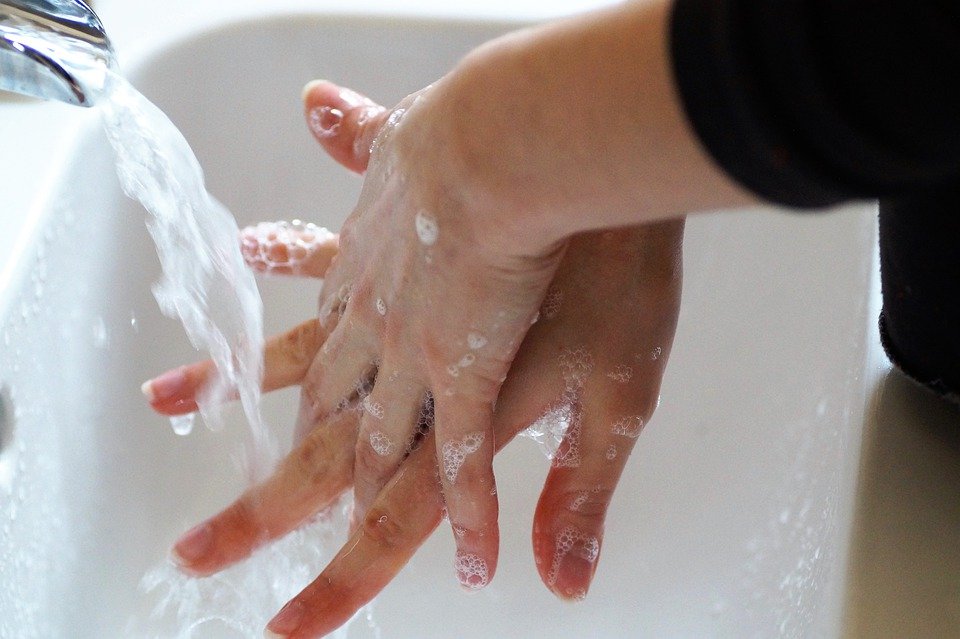
These lessons were highly relevant in These Times, and helped the kids to understand why we’re being reminded to wear masks, wash and sanitise our hands, and keep away from other people. It was good to be able to discuss how relevant history can be. 

We all agreed we are incredibly thankful for modern medicine, science, vaccines and health care. 

It does strike me as bizarre, however, that with all the scientific and technological advances we’ve made, we still have to remind people to wash their hands. Some things, it seems, never change. 

viscountessw's avatarmurreyandblue

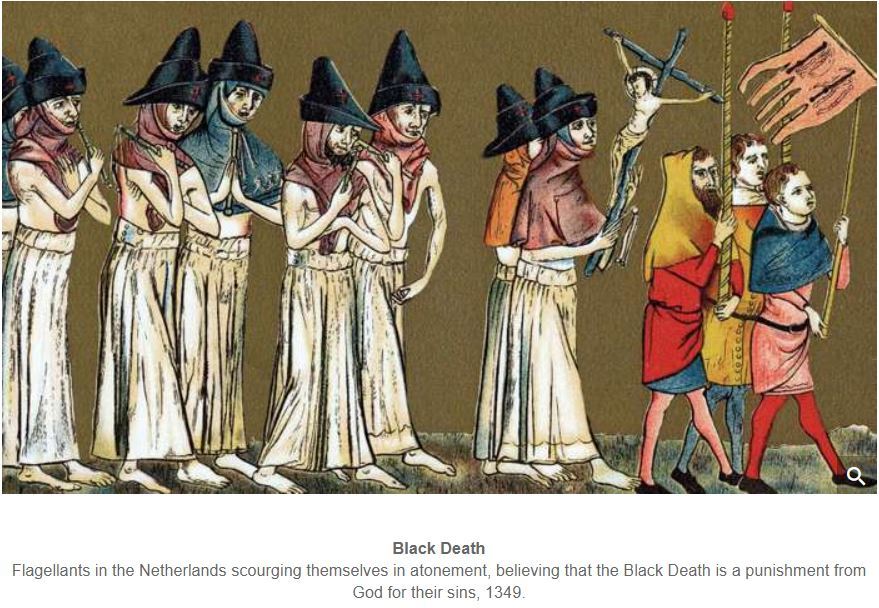
This illustration is simply that, a suitable illustration – the Flagellants followed the first wave of the Great Pestilence and aren’t mentioned here.
from https://www.britannica.com/event/Black-Death

In this time of Covid 19, when we don’t know why it seems to affect men more than women, and some ethnicities but not others, it is interesting that back in the 14th century the tsunami of the Great Pestilence of 1348 was followed by lesser waves that differed in many ways from the original. The first of these, in the England of 24 Edward III (January 1360 to January 1361) was called the secunda pestilencia and appeared to affect mostly the very young, babies and adolescents. Women were not affected in the same way.

The Chronicle of the Greyfriars of King’s Lynn notes: “…In that year [1360] began a plague among Londoners at about the feast of St Michael, where at first infants…

View original post 471 more words

The Latest, Perhaps Greatest, Swear Word

Last week I asked my students to do something creative. 

 Today, Student A  wasn’t very impressed with the outcome of their efforts. “I tried, but it’s turned out a bit 2020.” 

“It’s a bit what?” I asked. 

“2020.” 

Obviously, I was expected to understand. 

“Mine’s pretty 2020 too, to be honest,”  Student B admitted. 

I looked at their faces on my screen. They were being serious. 

“So…” I asked, “Are we using that as a swear word now?” 

They’re right. It actually works.

“More meaningful than swearing, Miss,” said Student B.

The rest of the class concurred. 

“And we can’t even get in trouble for saying it.” Student A grinned, clearly rather pleased with that reality. 

I smiled, told them their work was way better than 2020, and moved the lesson on. 

I don’t know if they just started doing that by themselves or picked it up from somewhere else, but at least they’re finding some practical use for 2020. I may just follow suit. 

Is English A Salad?

Today’s English class was the most fun I have had in a long time. I wanted to exercise the kids’ minds and get them thinking laterally. I also wanted them to enjoy it. A lesson with a difference seemed to me a great way to start our final week of term and inject some interest into our online classroom.

I began by presenting my students with the contention that a box of chocolates is a salad.

This was not a popular suggestion. 

“No it’s not!” one student said… quite defensively, I might add. “Salad is salad. Chocolate is chocolate. You can’t ruin chocolate like that!”

But, I asked, what is a salad if it’s not simply a mixture of vegetables? Chocolate comes from beans… and if you add nuts, or fruit, or herbs like peppermint, then it’s definitely a salad.

We spent quite some time redefining food, presenting the most persuasive arguments we could think of, and debating the nature of reality. 

Every time it sounded like the students might be in danger of reaching a consensus, I made another suggestion. 

Ice cream, on its own, may just be ice cream – but the minute you put it in a cone, or add fruit or chocolate, it’s a salad. 
Coffee, like chocolate, is made from beans. It’s a salad.

“No!” was the response. “Coffee is hot – it can’t be a salad.”

So then I really twisted it up.

Is coffee soup?
Is cereal soup? Or is it a salad with too much dressing?
According to one student, and I quote, “Soup is not what soup is.”

Is the English language a metaphorical salad? Because it’s a mixture of a whole bunch of languages, right? The flavours are all mixed, but the parts are still recognisable if you know what you’re looking at.

Is the English language a sticky weed? Or velcro? Because you know, it takes something from every other language it swipes past. Maybe it’s double sided tape… 

I am not ashamed to say that I really had fun. Despite their groans and protestations, I think they did, too. 

Perhaps the most satisfying moments, though, were two comments made by different students: 

“You’ve just entirely ruined the English language.”

and

“These have been the most problematic fifteen minutes of my life.”

What started out as a brain tease turned into a really interesting discussion about how we use language and define things in our own ways, and often assume that everyone else understands what we’re talking about, and that everyone else agrees with us.

It’s safe to say most of them enjoyed it… but it’s also safe to say that I enjoyed it more. 

A Sweet Act of Kindness.

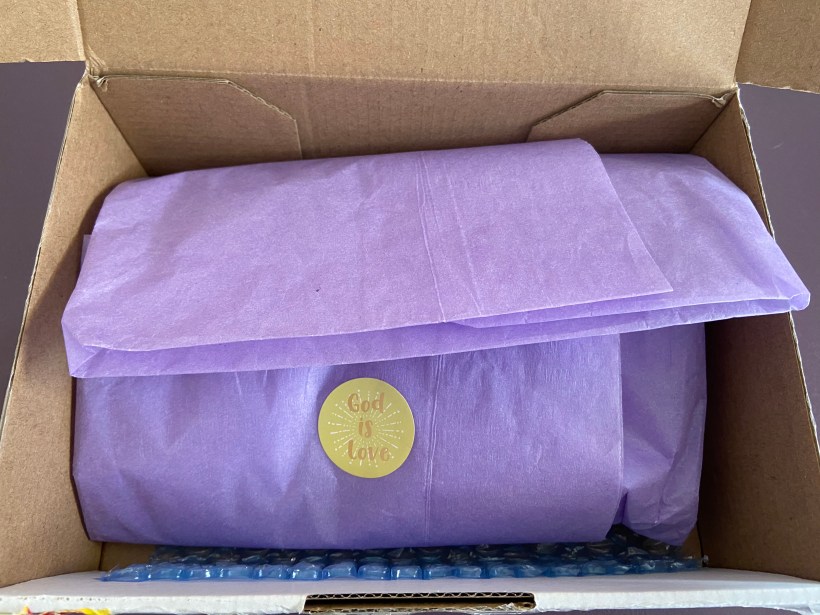
Today I received a mystery package in the post.

Well, this was intriguing!

It turned out to be a box full of kindness from a former student who read Sunday’s post about my first Father’s Day without my dad. 

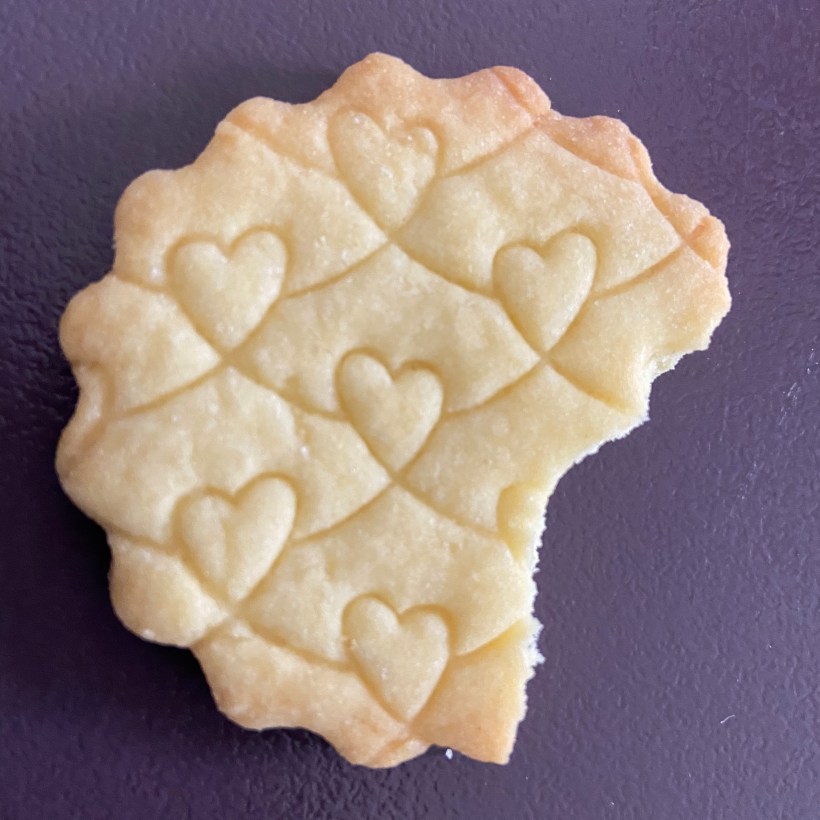
Beautiful cookies by @adornedbybeth on Instagram

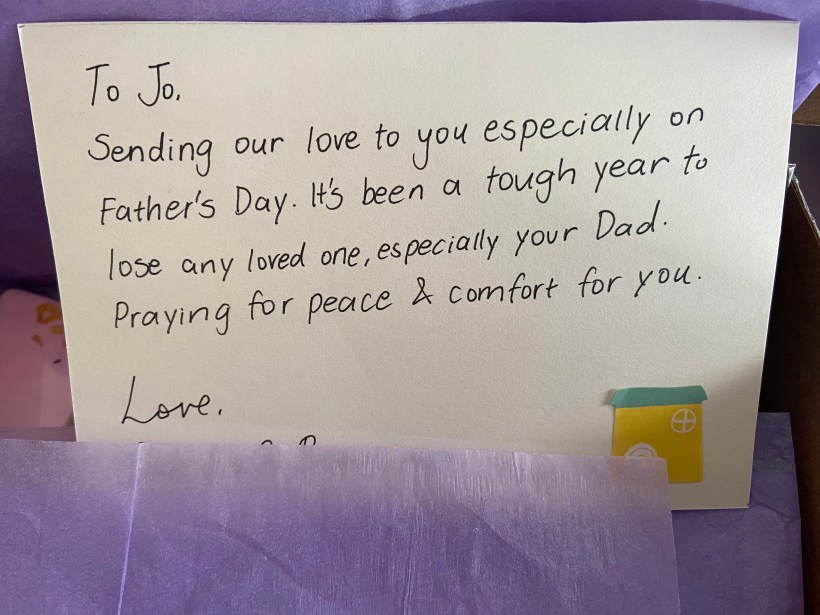
The cookies were accompanied by a lovely note.

In case you’re wondering… yes, I cried.

In that moment, I felt so cared for. I felt valued and understood. 

What a blessing to receive such kindness. 
What an honour to know that a former student likes and respects me enough to do something so sweet and generous. 

Highly recommended.

Finally, those cookies! They’re sensational – and almost too pretty to eat.

Only almost, though. 

Stress Management Tips For Workaholics.

At a time when my state is still in lockdown, we’re back to teaching online and trying to tick all the boxes that go with that while at the same time dealing with all the other demands of life.

It’s very easy to become consumed by the job. It’s very easy to rationalise going those extra steps to create whizz-bang lessons that will engage and interest the students and hopefully keep both them and myself motivated despite the malaise that I have dubbed ‘online learning fatigue”.

I have learned over recent months how important it is to set limits for myself. I have consciously tried to avoid overburdening my students with work, and sought to develop learning activities that they can complete offline. I’ve tried to remind them to get up and walk around, to drink water, to get sunshine on their face and on their back.

Ironically, I’m not always so great at managing my own stress. In the midst of trying to be Super Teacher or Little Miss Motivator, I still have to remind myself to do those same things.

This post from Nerdome appeared in my feed at an opportune moment. It’s a good read, providing some quick tips and good insights about managing stress.

I hope you enjoy it as much as I did.

GigaWorld's avatarNerdome

Those who spend more time with their works tend to suffer from stress more than the other. The mental and emotional burden that is often attributed to the demands of work can affect our productivity and efficiency with our task that would often lead us to troubles than not. This is one reason why it is very important for workaholics to undertake stress management to avoid compromising their career.

You don’t have to be in a special place to apply stress management. In fact, you can do it anytime and anywhere if you feel like it. You can do it while at your work desk, in the comfort room, or even out in the lobby. The idea here is to control your mind to relax so that you can continue fresh with your task — emotionally, physically, and mentally. Here are some tips that will surely help you out.

Tip…

View original post 412 more words

Rumination and Overthinking.

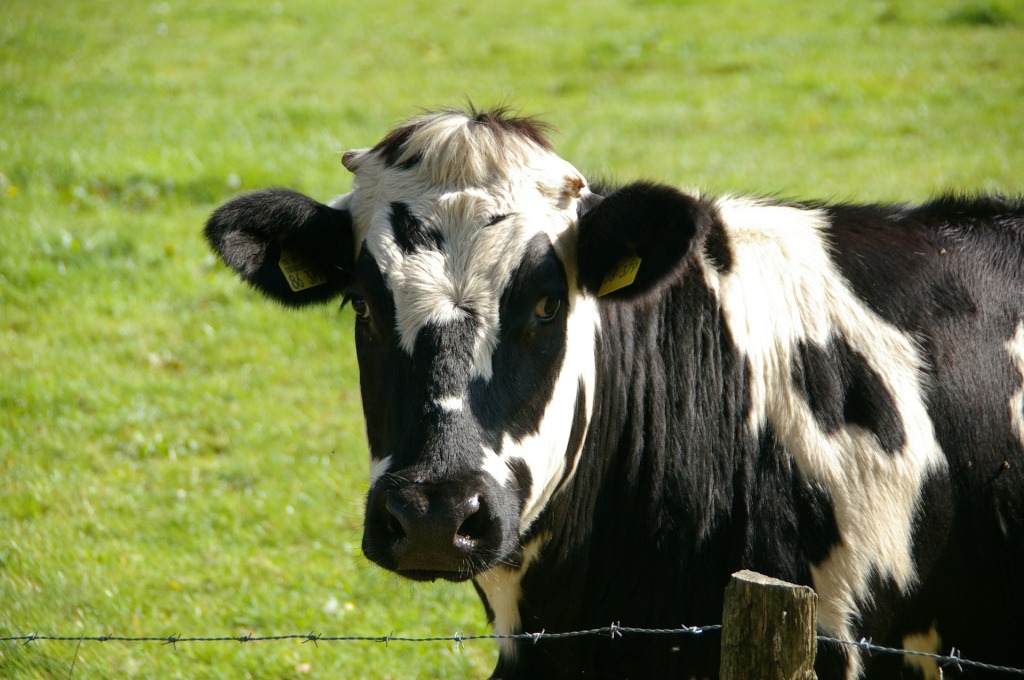
Today in one of my classes, a student commented that they were ruminating on the answer to a question. I responded that I hadn’t even noticed her swallowing it in the first place. I laughed, and she looked at me blankly.

As I explained to my class, the word ‘ruminate’ has two different meanings which are related, but quite different according to context.

To ruminate means both “to turn over in the mind,” and “to chew cud” as cows and other ruminant animals do.  Both senses of the word were being used in English by the early 16th century.

It comes from the Latin word ‘ruminatus’ and carried both meanings  even in Latin. It is related to the name of the rumen, that part of the stomach from which cows, buffalo, deer, moose, elk, sheep, goats, llamas, camels and giraffes bring up their cud to chew it over again. 

One might think it might be more of a challenge for a giraffe, a llama or a camel  to achieve it  because their necks are so much longer, but  it does come naturally to them. Personally, I’m thankful that it’s not something I’m required to do at all. 

It is this idea of bringing things back and chewing them over again that relates the two senses of ‘ruminate’. 

It’s also normal and healthy for people to think things over carefully, especially serious or important matters. That can prevent hasty or unwise decisions being made. 

The danger of rumination arises when thoughtful consideration gives way to overthinking.

Overthinking is a term that can describe behaviours that range from overly prolonged deliberation to being caught in destructive cycles of fear, doubt, criticism or agonised indecision. 

Overthinking can result in drawing wrong and sometimes dangerous conclusions, relationship breakdown, self abuse, substance abuse, and self-destructive thoughts and behaviours. It can affect sleep, emotions, physical condition, and mental health, anxiety levels, concentration and performance. 

Overthinking doesn’t solve anything, and often actually makes things worse. 

It’s probably better just to leave the rumination to the animals. 

Rumination and Overthinking
#thoughts #words #language #psychology #emotions

References and reading:
6 Tips To Stop Overthinking Amy Morin Feb 2 2016

How to avoid the detrimental effects of overthinking. Evelyn Lewin May 17 2016

Learn How To Stop Overthinking Everything Tony Robbins

How Overthinking Can Affect Mental And Physical Health Syeda Hasan July 12, 2019

Psychologists Explain How To Stop Overthinking Everything Thomas Oppong Nov 16, 2019 

The Psychology Behind Chronic Overthinking (and How to Stop It), According to an Expert Kelsey Clark and Carolin Lehmann Oct 10, 2019

What is Overthinking Disorder? By Sarah Fader July 9, 2020

Life’s But A Walking Shadow

Over the past few days I have been struck by the paradox in which life seems to go by so fast, driven at breakneck speed by the demands of work and family and often leaving us little time to relax, but it can at the same time grind to a halt at key moments and leave us little to do but contemplate life itself.

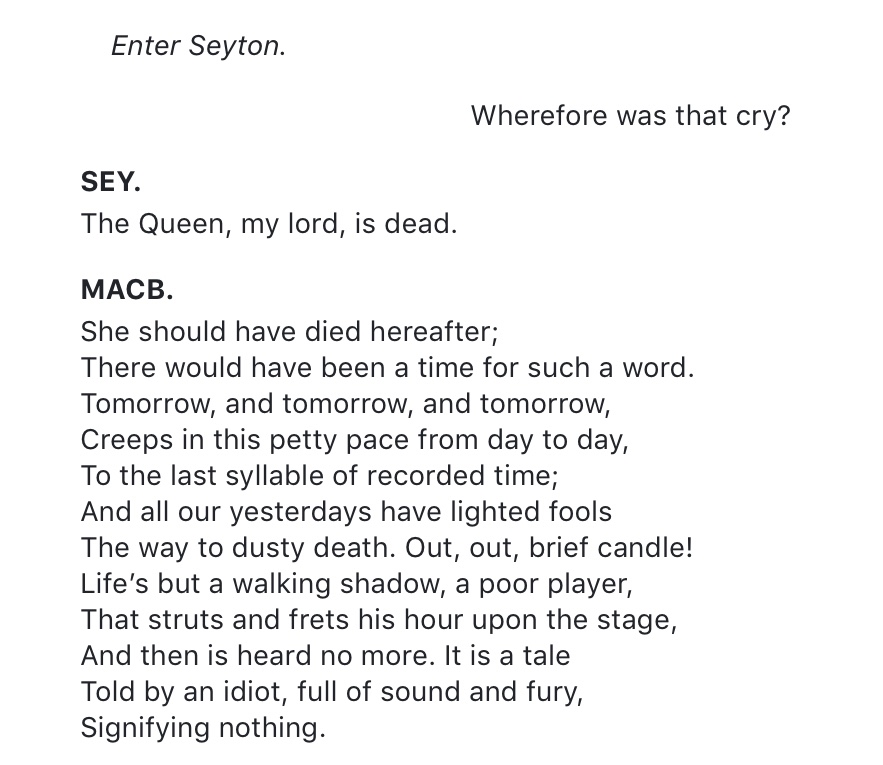
As I sit by my father’s bedside and look out the window of his hospital room, watching the long morning shadows fade and transform in bright sunshine and reappear later in the day, this passage from Macbeth V.v has been running through my mind.

Macbeth V.v

I’ve had plenty of time to think about what it means. Thoughts about the transience of life, the fleeting shadows, the fact that tomorrow is neither promised nor guaranteed, and how easily one’s candle can be snuffed out have been foremost in my mind.

The irony and contrast of interacting with my students on Monday and watching a performance of Macbeth from the Globe Theatre and then spending so much time in this quiet hospital room since Tuesday, thinking about the roles I play and the importance of how I play them, has not escaped me.

While “all the world’s a stage, and all the men and women merely players” (As You Like It, II.vii) I’d like to think at this point I am not a poor one. Whether at work or at home, and especially this week taking care of my dad, I have chosen to prioritise integrity and kindness. I will not deliver rehearsed lines, seeking instead to project and embody meaningful words with total commitment to my character and roles as daughter, career, sister, advocate, communicator and encourager.

Life’s But A Walking Shadow ‪#Reflection #LifeisStrange #ThoughtForTheDay #FridayThoughts #Shakespeare‬

wordynerdbird's avatarShakespeare Nerd

Macbeth, V.v

This short speech by Macbeth is his response to the news that Lady Macbeth is dead. It is not as emotional as Macduff’s response to the death of his wife and children, but instead is quite poignant and philosophical. A soliloquy might have been more expansive on his thoughts and feelings.

It is a reflection on the brevity and meaninglessness of life. Every day we live is someone else’s last, and our stories are full of noise and bother, but ultimately pointless.

Perhaps he anticipated her death, given her descent into guilty madness. His observation that “She should have died hereafter;There would have been time for such a word” suggeststhat he thought he had bigger problems at that point, and he simply didn’t have time to grieve properly. Implying that her timing was inconvenient is the kind of self-interest that those who love to hate Macbeth might find…

View original post 77 more words