Poet, writer, teacher.
Good humoured. Cynical and sarcastic. More than slightly subversive.
I love language and words, and the power that they can hold when used well.
Elections in Australia, New Zealand, Britain and Canada are more straightforward than those conducted in the USA. Here, the winner of the popular vote in each electorate wins the seat. The leader of the winning party becomes the Prime Minister.
American elections, on the other hand, are more complex and remain somewhat baffling to many of us.
I found this page to be full of clear, concise explanations for all those who, like me, are still wondering exactly how American elections work.
COVID-19 restrictions were recently eased in our area, just in time for us to make the most of us both having four days off work.
We took the opportunity to sneak away for a break and headed down the coast with our friends, caravans in tow, phones switched onto silent, and four days’ worth of food, drinks and comfy old clothes ready to go.
At this point of 2020, we fully realise what a luxury four days away from home really is. After months of staying home, teaching from home, and only leaving home when absolutely necessary, the change of scenery was most welcome. Of course, Melbourne and its surrounding area are still under restrictions, so this is a privilege most people in my state do not have. I do feel sympathy for them, but not sufficiently to forgo the pleasure of my first real break since January.
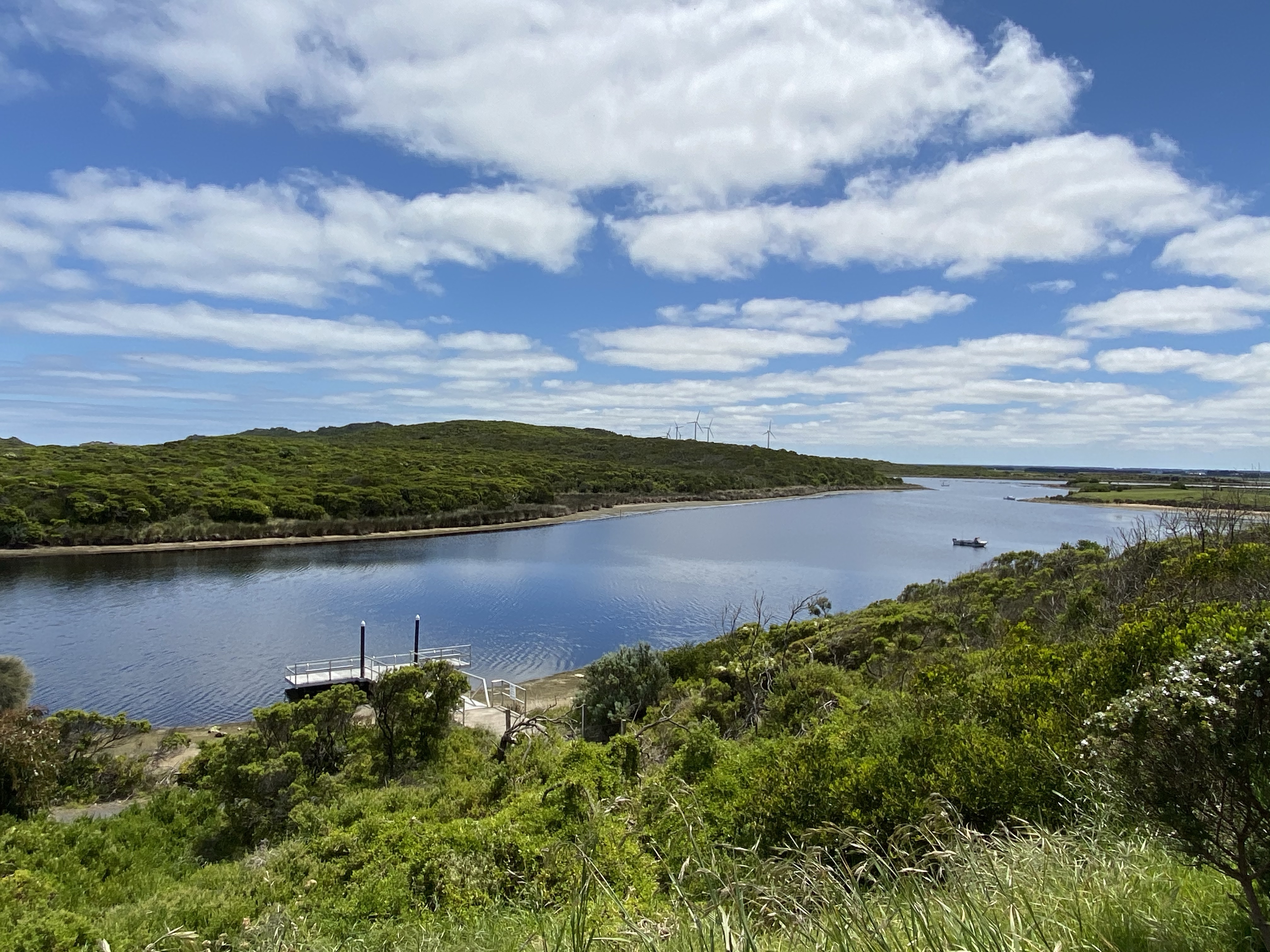
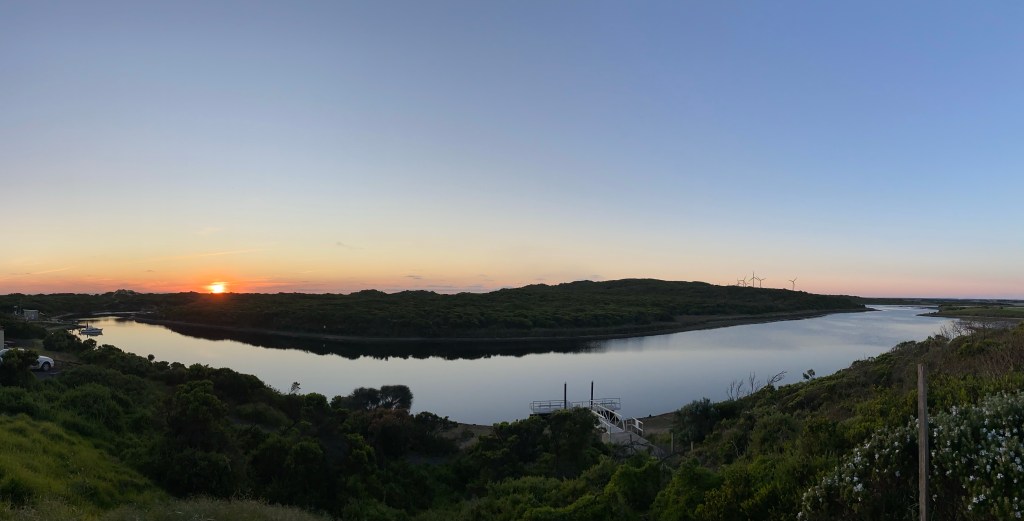
We are camped at the little coastal hamlet of Yambuk on the south-western coast of Victoria. It’s a picturesque little spot, overlooking a lake that is kept separate from the ocean only by sand dunes. We can see the ocean beyond the dunes, hear it murmuring all night as we rest, and easily walk to the beach whenever we so desire. The lake has a bird population of a dozen gulls and one magnificent pelican, while our campsite has several blue wrens that keep us entertained.
Not that I need much for entertainment. I’m happy to gaze at the sea, or the birds, or watch the sun dip behind the dunes as dusk cloaks the countryside with a blanket of almost-but-not-quite-darkness, illuminated by stars and a full moon so bright you could almost read by it.
I had planned to record and upload a couple of spooky stories for Halloween, but the phone signal is so low, I can’t even upload images to Instagram unless I drive twenty minutes to a bigger town. This would usually frustrate me but, this weekend, I really don’t care. So, I put my phone down and decided I would also take a good break from screens.
I have taken the opportunity to walk, to nap, to read books, to do puzzles, and to sit in companionable silence with my friend. I have managed to get a few nice photos. I have taken time to contemplate the huge differences in my life between last January and now. I don’t know if this year has changed me, but it has changed lots of things for me.
I suppose I am stronger, but I don’t feel it. It’s going to take more than four days to heal that amount of damage, but at least I’ve made a bit of a start.
I’m very thankful for this beautiful place and the time off that made this little getaway possible.
Most of all, I am thankful for the people who are willing to nourish me physically and spiritually, and to hold my hand or encourage me while giving me time and space to work on myself. I am blessed to have some of those people right here with me this weekend, while others are still on the other side of closed borders. It may have been one of the most rubbish years ever, but I am richly blessed to have some amazing people in my life to help me get through it.
This post and its pictures actually uploaded after who-knows-how-many attempts. I had actually given up and put my phone down again, and noticed some time later that it has uploaded. And they say miracles don’t happen!
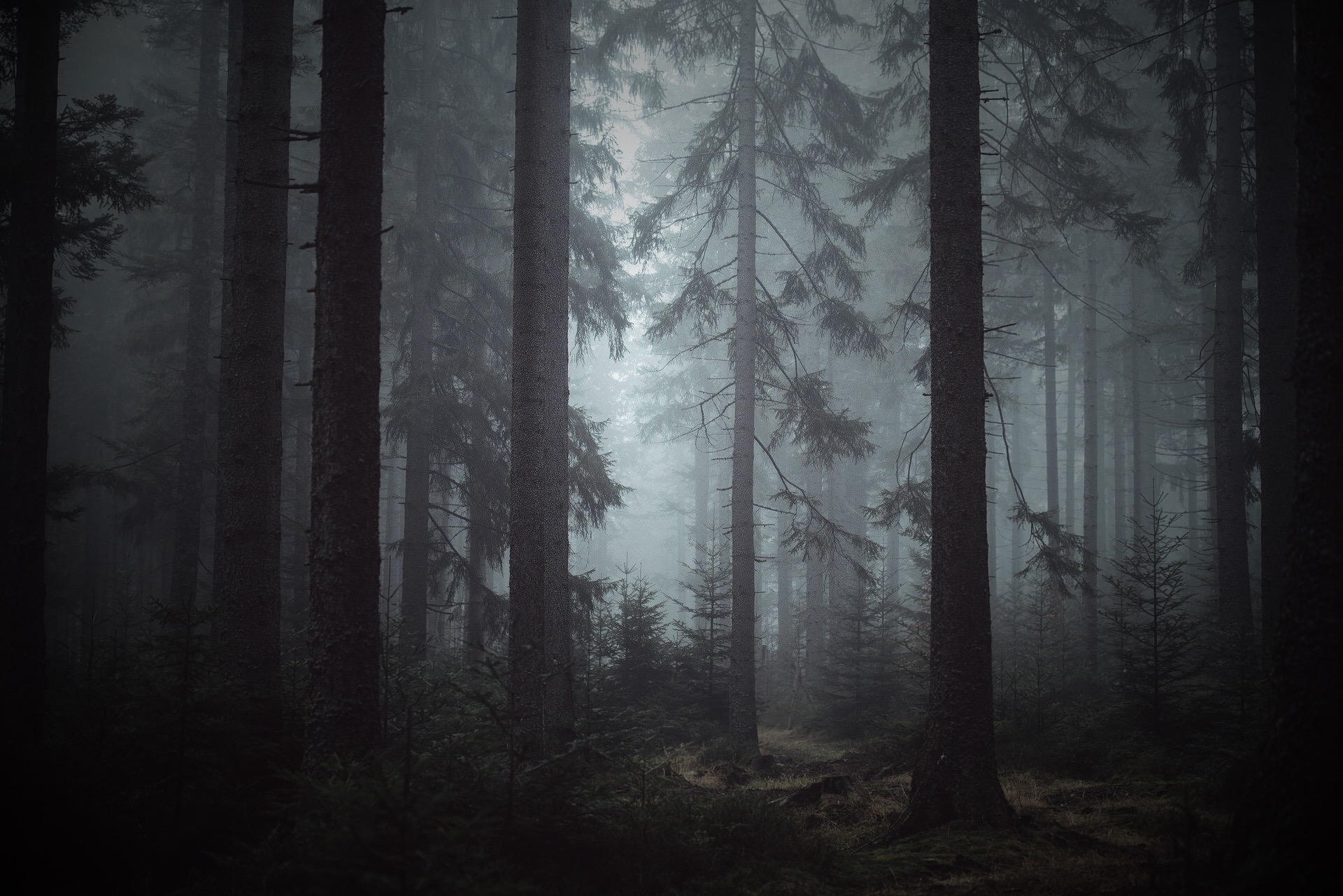
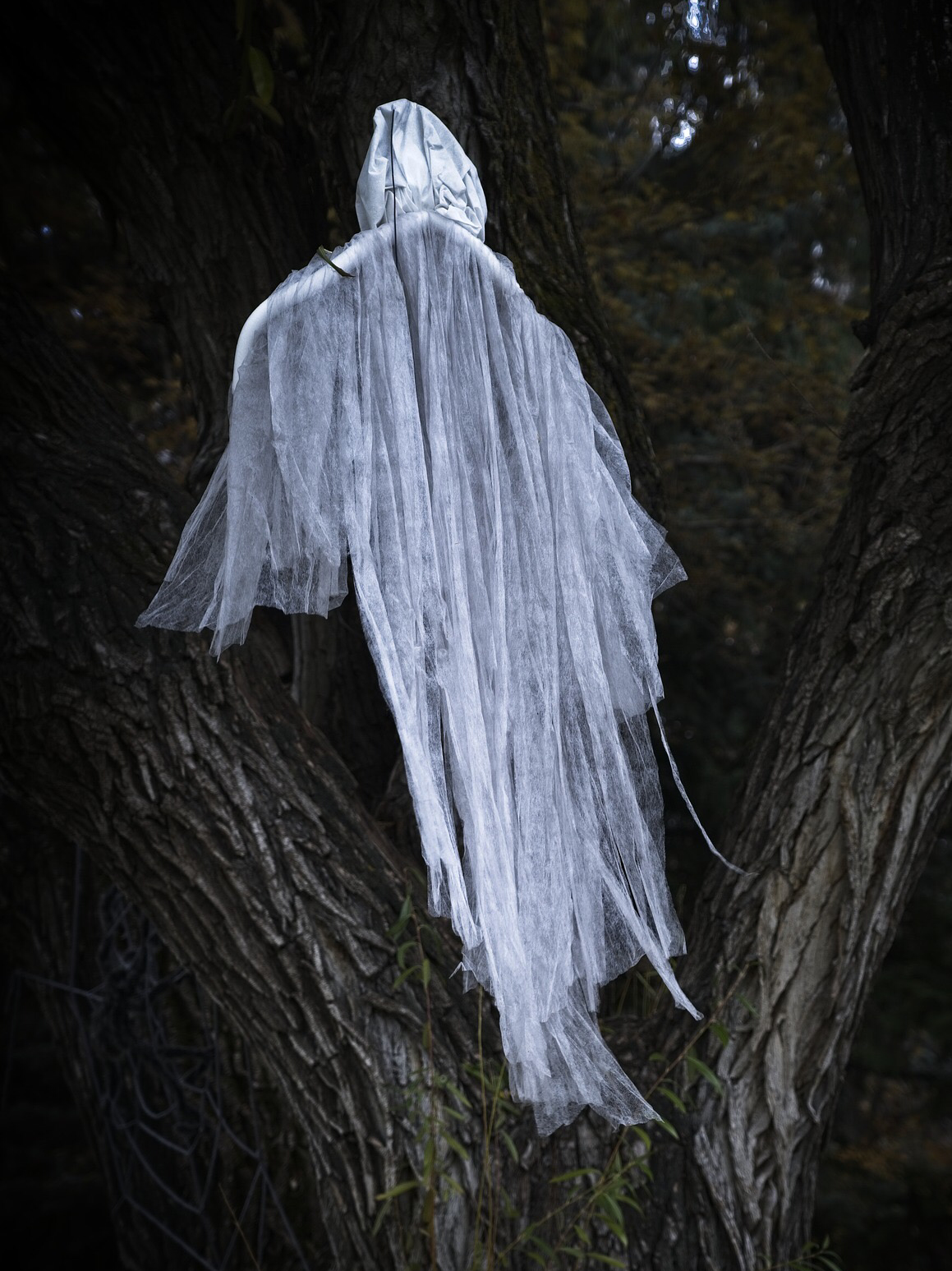
Eerie, occasionally spelt ‘eery’, is an adjective that means creepy, spooky, weird, or unsettling.
It is a very old word that has an interesting past. It has been part of our language since the time of Old English, but it is one of a small group of words whose meanings have actually reversed over time.
Originally, ‘eerie’ had a meaning similar to ‘fearful’ or ‘timid’. Over time, though, it’s meaning has flipped to meaning something that induced those feelings instead. This sense of the word was first recorded in 1792, and is the meaning we still attribute to it today.
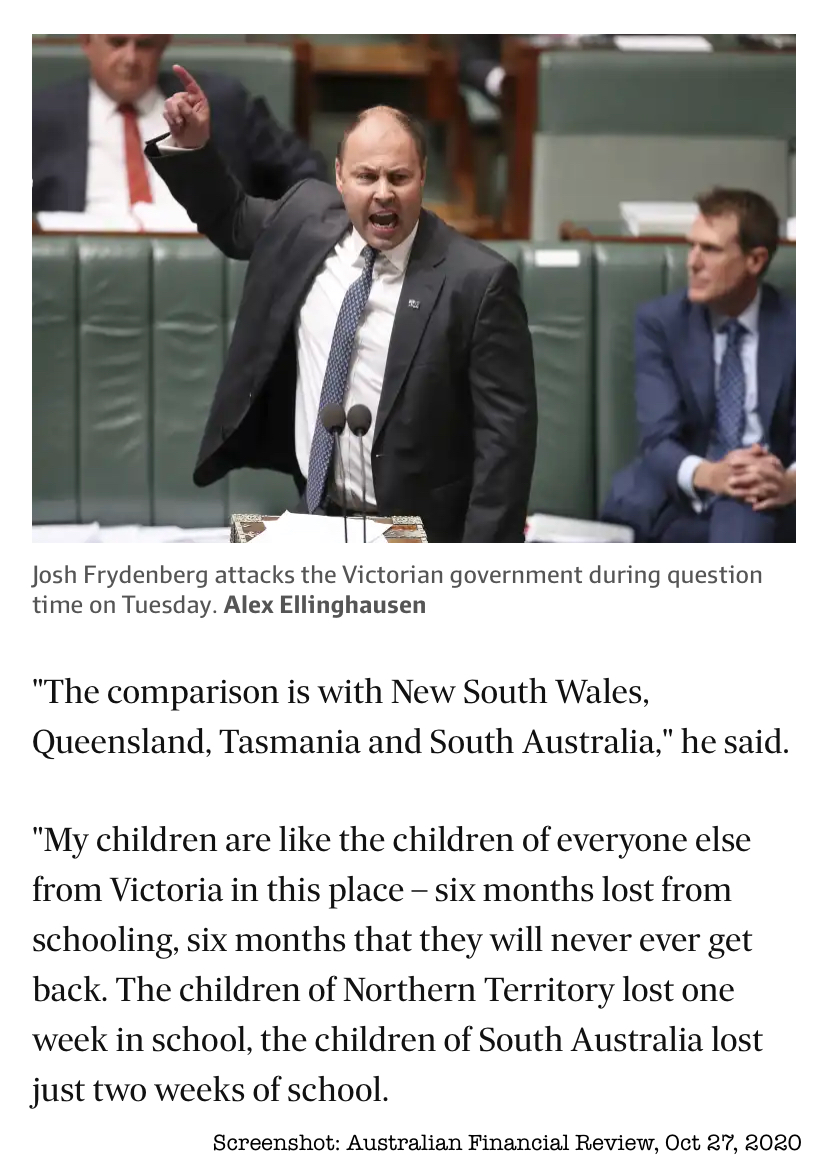
An open letter to Josh Frydenberg, Federal Treasurer and MP for Cooyong:
You have some nerve. Your outburst in Parliament yesterday was way out of line.
Yes, mistakes were made early on in Victoria’s management of COVID. And they got cleaned up. We’ve actually done a brilliant job, which you didn’t even acknowledge. But that isn’t the part of your speech to which I, and many other Victorian teachers, take particular exception.
While the rest of the House was congratulating the people of Victoria on crushing the curve and bringing the numbers back to zero, you chose to be ungrateful. That little tantrum of yours would make a two year old proud.
Your assertion that your children missed out on six months of schooling is highly offensive to every teacher in this fine state who has gone way beyond the call of professionalism and duty of care to ensure that our students did not miss a single thing that we were able to provide for them.
Were my colleagues and I merely dreaming all the extra work we put into setting up online classrooms, doing extra courses in online safety and classroom management, monitoring our students’ wellbeing and mental health, in addition to all the usual planning, preparation and teaching we have been doing all year? Did we imagine the eye fatigue and headaches from being in online classrooms all day, doing all our marking and reporting online, meeting with colleagues and conferencing with parents online?
You have been able to do your job almost completely normally all year.
We have had to completely reinvent ours, while at the same time being required to switch from face to face teaching to online classrooms, then back, and back again, sometimes at only a few days’ notice. We’ve done it without tantrums, without complaints, and without pointing fingers at people who were also trying to do their best in otherwise uncharted territory.
Victorian teachers have proven to be dedicated, resilient, and incredibly versatile this year.
And I will tell you one thing that is absolutely certain: the students at my school did not miss six months of school. They had their full timetable, every school day, complete with teachers and teachers aides, differentiated lessons, roll call, and individual help whenever they needed it.
Don’t be firing your nasty little aspersions at Victorian schools and the 100% committed teachers in them, Mr Frydenberg, even by inference.
We do not deserve that. We are exhausted, our patience has been pushed to the limit, and we are still going. We are not in the mood for your petulant tantrums.
It’s high time you gave credit where credit is due, learned some gratitude and grace, and got on with doing your job while we continue to do ours.
An Open Letter to Josh Frydenberg @JoshFrydenberg #TeacherLife #VictoriaTheHeroState #howdareyou
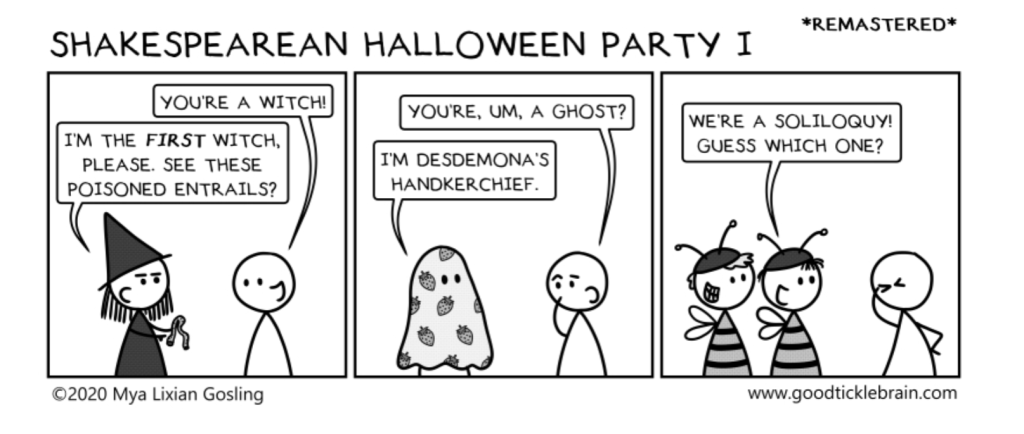
This year, Mya Gosling has very kindly given permission for me to share her Shakespeare Halloween Party cartoons.
Mya is the creative genius behind Good Tickle Brain, where she turns Shakespeare’s characters and plays into insightful and amusing cartoons. I hope you enjoy her work as much as I do.
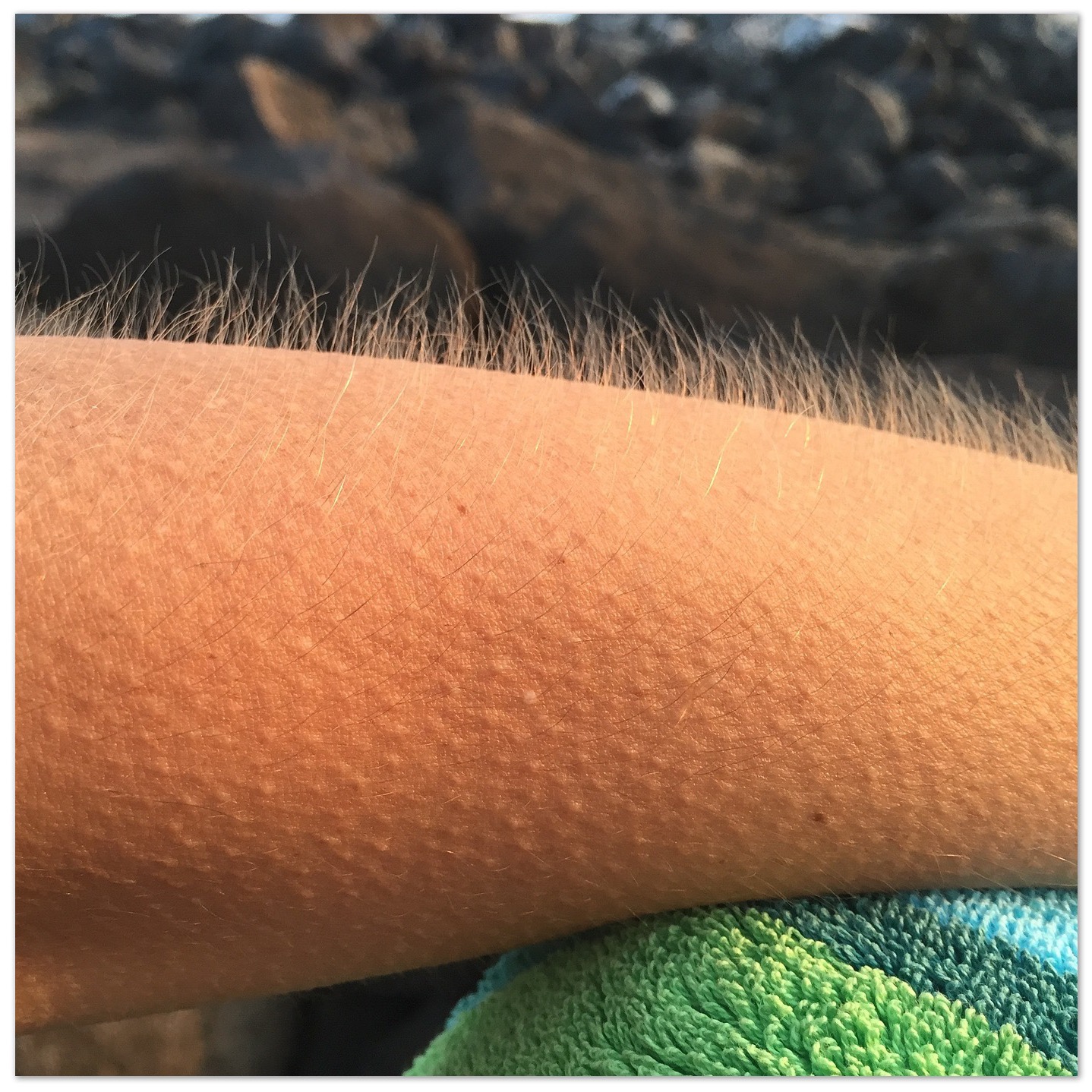
It refers to the way in which the little hairs on our skin stand on end in response to certain sensations or experiences. It makes our skin tingle and can feel as though something with tiny feet is walking over our skin.
This is called goosebumps because The term, which reflects the way in which the skin looks like the skin of plucked poultry, goes back to the mid 1800s. Earlier than that, it was referred to as goose-flesh in 1801, goose-skin in 1761, goose’s skin in 1744 and, as far back as the early 1400s, hen-flesh.
It’s very interesting to see the evolution of the term over time, and then to see it persist for so long now because there really is no better way to describe the appearance of the skin.
Also interesting is the fact that goosebumps also has two other descriptive names: piloerection and horripilation.
Piloerection, meaning the actual standing up of the hair, comes from the same word pilus and the Latin ‘erectio’ which is the source of words such as ‘erect’ and ‘erection’, and beyond that needs no further explanation.Horripilation comes from the Latin word ‘horripiliatio’, from horripilāre which means ‘bristle’. This in itself is a portmanteau of the Latin words horrere meaning ‘shudder’ and pilus meaning ‘hair’.
This makes horripilation a relative of ‘horror’ as they share the same Latin root, although ‘horror’ took another detour and came into English via the French word ‘horreur’.
To refer to something frightening or exciting as ‘hair-raising’ is, therefore, not a metaphor, but is rather a direct description of the physical effects of the experience. We’ve got the nerdy words to prove it.
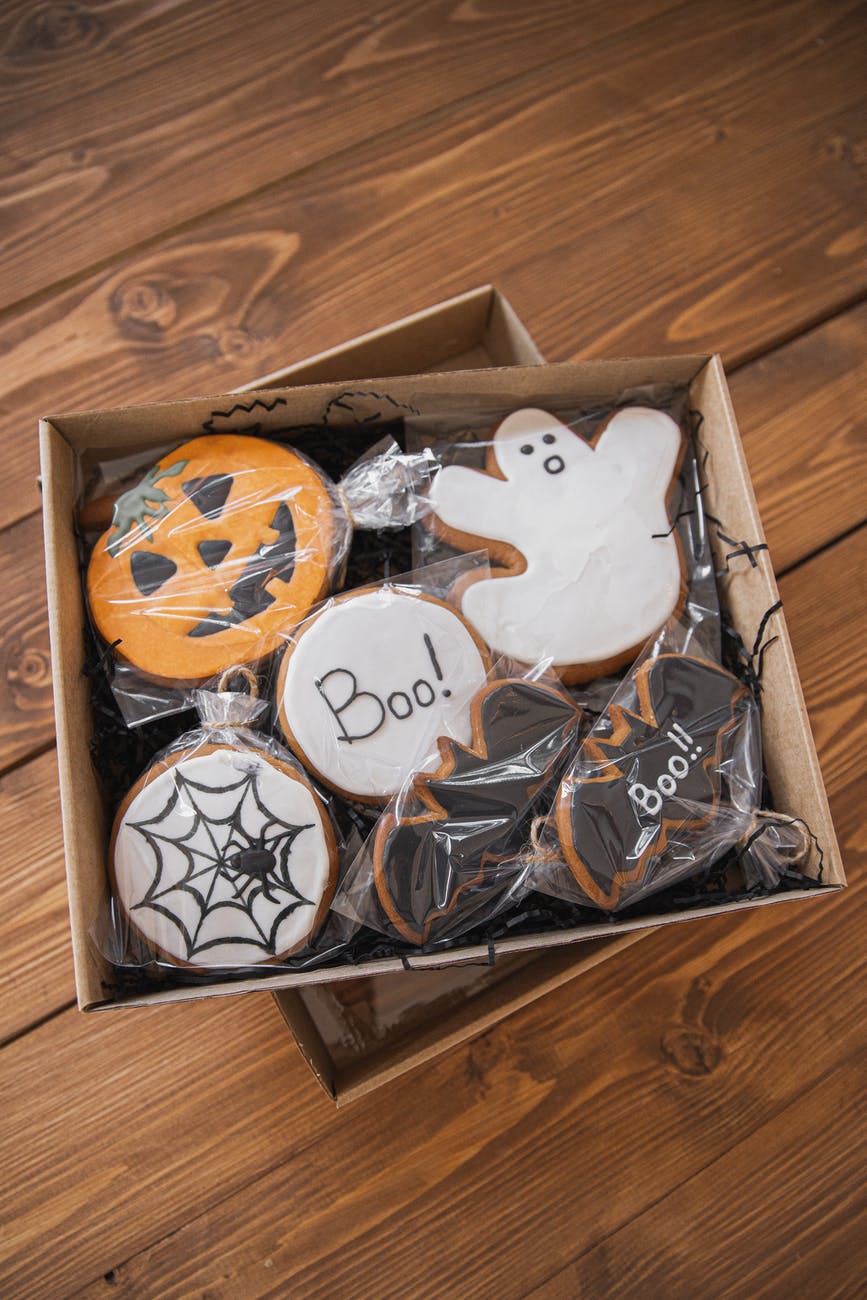
Spooky is a word that is fun to say, and feels good in the mouth when you say it. It is perceived as a more positive term than its synonyms, so it can be used to make scary things seem less threatening or terrifying. Perhaps that is why it’s used so much around the time of Halloween.
Spooky is an adjective that means frightening, scary or creepy, or which is used to describe someone who is easily frightened.
The earliest written record of spooky to mean ‘frightening’ dates back to 1854, and to describe someone who was easily frightened goes back to 1926.
Spooky is derived from the Dutch word spook which is much older. It came into English from Dutch, where it had been used for centuries to mean ‘ghost’. it shares a Germanic root with similar words in other languages: the Swedish call a scarecrow a ‘spok’, while the Norwegians cale a ghost or spectre a ‘spjok’.
The use of spook as a verb, meaning to move or act like a ghost dates to 1867, and meaning to haunt goes back to 1881, while the sense of startling or unnerving someone is first recorded in 1935.
In the 20th century, spook took on some new meanings. During World War I, spook was used as a term for a wireless operator or signaller in the army. In the 1940s, people began to use spook as a term for a spy or undercover agent.
So, when you see or hear the word ‘spooky’, remember that it’s more than just a fun word: it also has a long and interesting history.
It’s one week today until Halloween. The shops are full of costumes, accessories, and big bags of treats to hand out.
Australians are once again protesting about it being an American thing (it’s not) while they gladly binge-watch American TV series on Foxtel and Netflix, listen to predominantly American music on commercial radio, and argue about whether Coke or Pepsi is better. (It’s definitely Coke.)
Despite the protestations of those Aussie nay-sayers, it’s a week that I quite enjoy. It reminds me of my first Halloween season in Canada, where I learned more about the background of the holiday and started to appreciate it in a different way. I like seeing kids and families out together, dressed up in costumes and walking around my small town, spending time together and having fun that doesn’t involve a screen.
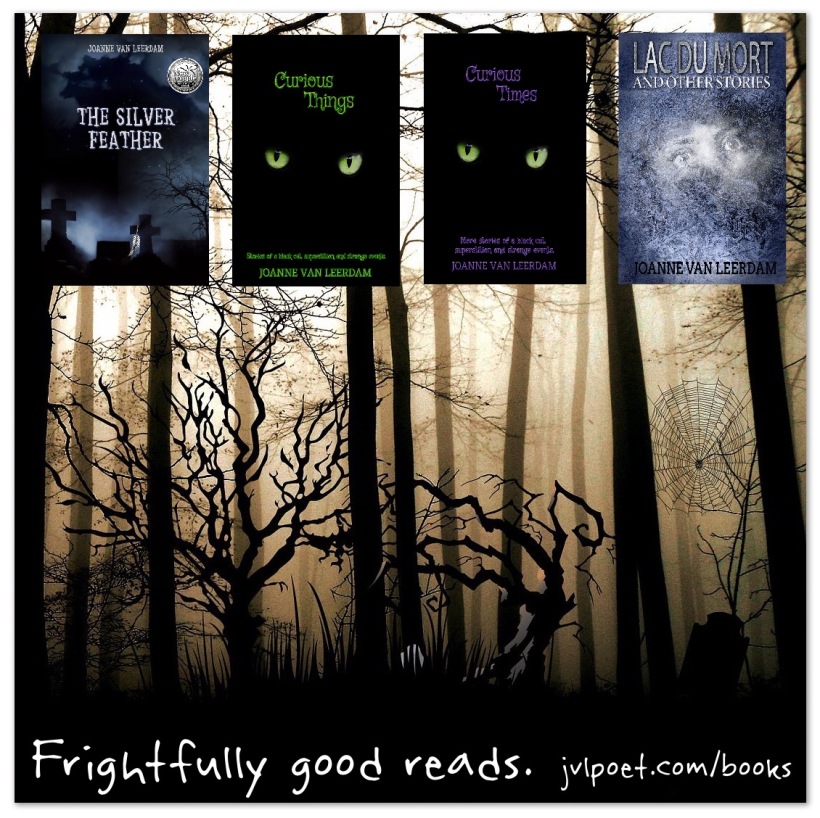
It’s also a time when, like many other horror authors, I’m hoping to put my books in front of people and maybe get a sale or three.
I write spooky short stories, among other things. I work hard to build the right atmosphere, to lure the reader in, and then shock them with a macabre turn of events. I try to appeal to different senses so that they hold their breath while their skin crawls. It’s not splatter for splatter’s sake, and the monsters generally don’t hide under the beds or in the wardrobes of little kids. The monsters I write about are, more often than not, people who seem ordinary in most ways— until they prove they are not.
So, why not try a creepy story? You might enjoy it more than you think!








 WordyNerdBird