As is evident in my favourite classic book admiration posts on Bleak House and A Christmas Carol, I love Charles Dickens’ writing. He has always been one of my favourite authors and a source of inspiration.
This is one of Dickens’ short stories that I have not yet read, so it’s fair to say that this blog post that alerted me to that fact made my day! I hope to read it this afternoon.
I’m excited to share the story with you, too — and I’d love to know what you think of it!
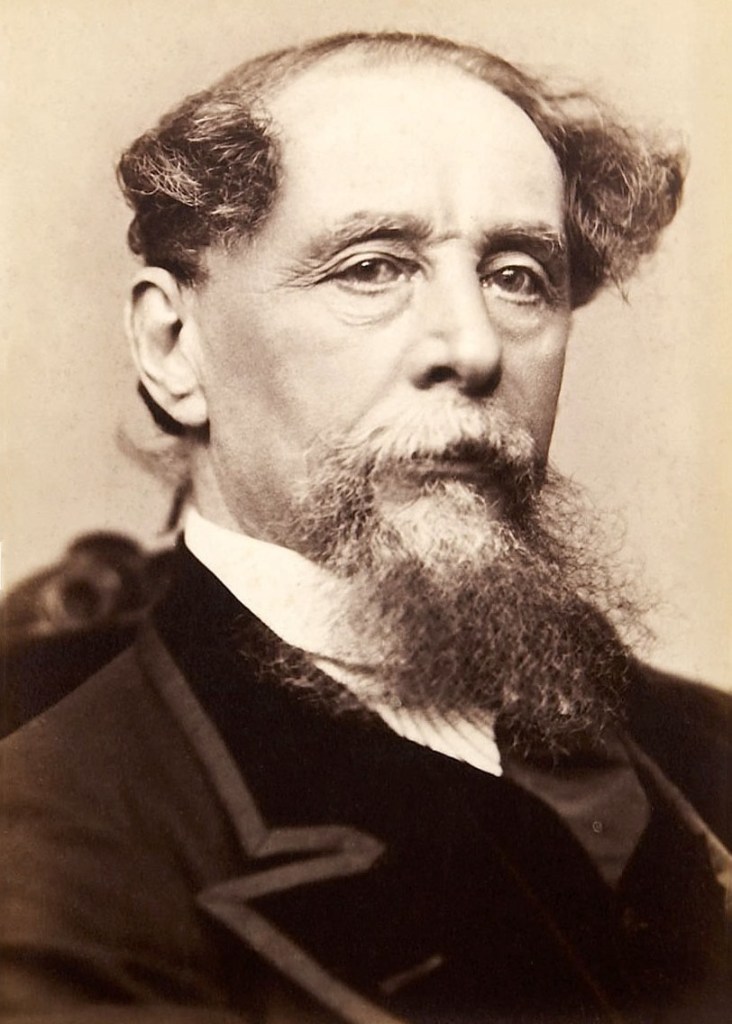
This week, February 7, is the birth date of Charles Dickens. How many of us have read his ghostly inspired The Trial for Murder? Let’s focus on Dickens today to remember this timeless author and his life.
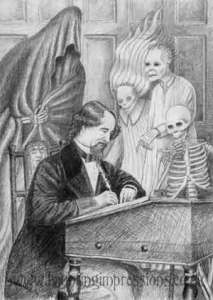
A quick 30-minute read, this story is a dive into 19th century England, murder, a trial, and a ghost. Because Dickens was a court reporter during Victorian times, we can appreciate the accuracy and characterization of this murder trial.
During the 1830s, Dickens covered Parliament and British elections for the Morning Chronicle. Many of his fans know that Dickens owned a beloved raven “Grip.” Dickens believed that his pet raven was immeasurably more knowing and “could make a very queer character of him.”
He was a member of the Ghost Club along with Arthur Conan…
I really enjoy the story of Beowulf. I read it with my Year 9 students in English, and we explore the ways in which the poetry and storytelling are similar or different to the ways in which things are done now.
That’s why I was excited to learn of the existence of The Seafarer, another AngloSaxon poem of similar vintage, which was almost lost to history for all time.
It, too, is written in Old English, and uses similar devices of imagery and poetic narrative to those found in Beowulf, such as kennings and alliteration. This poem, though, reads more like a dramatic monologue than an epic heroic adventure, and is far more religious and deeply spiritual than the secular, wildly fantastic and, at times, quite superstitious story of Beowulf.
What treasures these stories and poems are – snippets of the past that have survived the centuries despite the best efforts of warring tribes and religious authorities alike to destroy everything that stood between them and the power they sought over Britain and her people.
You can read Dr Oliver Tearle’s thoughts on the poems at the Interesting Literature blog. It is to this blog that I owe my thanks for drawing my attention to the poem.
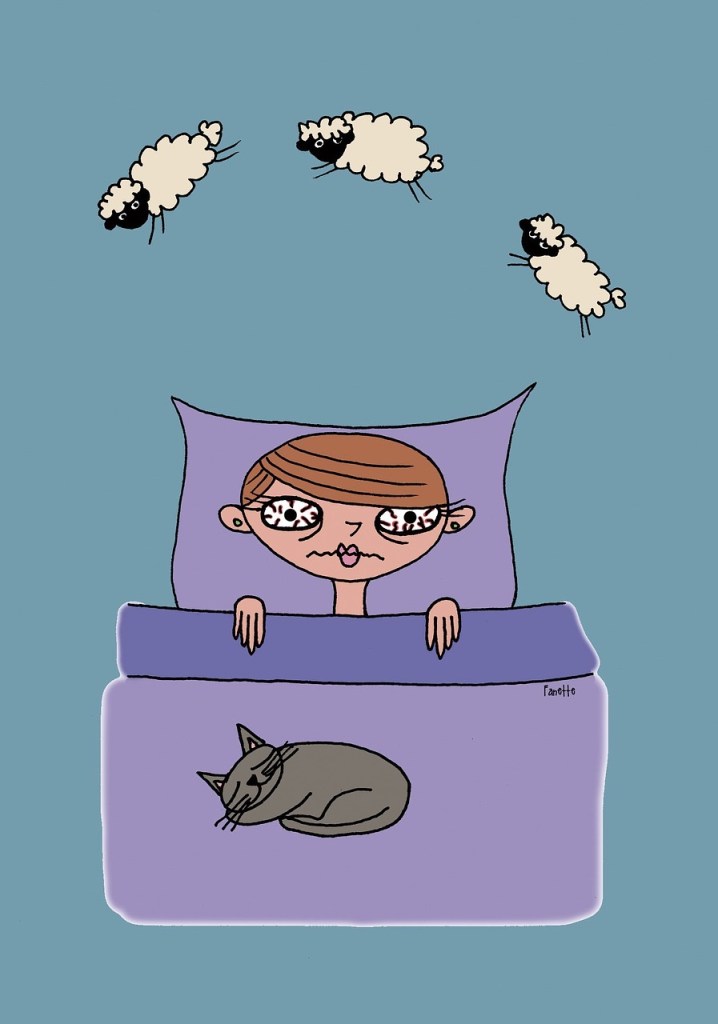
This post struck a chord with me. I hate my insomnia, but because of it, I have written some incredible poetry at 3am.
I do try to manage it, and to practise good sleep hygiene, but sometimes my pain levels and my brain conspire against me.
On those night when I am not able to write, I find listening to talkback radio, a podcast or an audiobook helps me to relax and and least rest while I am awake.
Since I began posting about my experiences of Fibromyalgia, a number of friends have asked me to explain what it is. I always start with “I can really only tell you what it’s like for me…”
I was recently introduced to a video by Dr Andrea Furlan, a pain specialist from Toronto, in which she explains the symptoms, possible causes and treatments for Fibromyalgia far better than I ever could. While some GPS are still fairly dismissive of this disease, Dr Furlan explains with empathy and understanding of both the physical and mental effects of Fibromyalgia on those who endure it.
Even though everyone experiences it a bit differently, it felt as though she spent most of the time actually talking about me. This tells me two things: she really knows what she is talking about, and she is a very good communicator.
So, if you want to know more about Fibromyalgia, take the time to watch this video and find out why the people you know with this condition I find it so debilitating.
There are some fabulous tips here for staying motivated despite the things that try to drag us down.
I found this post hugely relatable, and also got some great new ideas from it.
Plus, on an entirely different note, like this blogger, I also have a calico cat. Her name is Scout – after the central character in To Kill A Mockingbird – and she is divine.
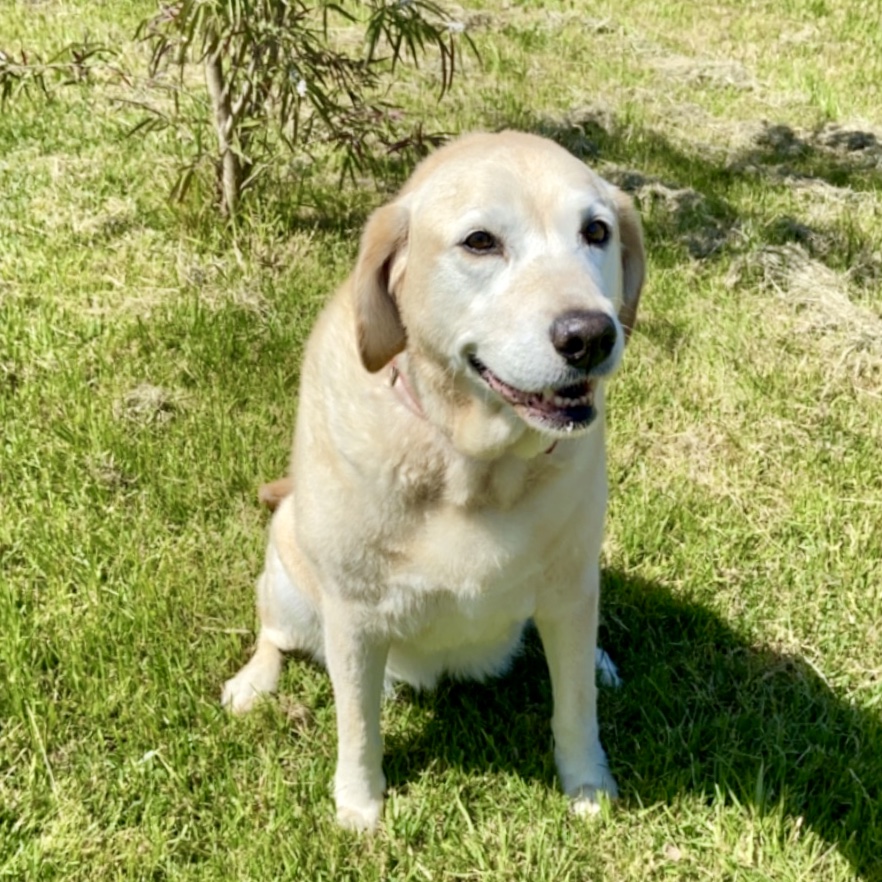
Scout Kitty may have gotten her nose out of joint when I featured Abbey the Labby in yesterday’s post, so this was a good opportunity to make it up to her.
Thursday is my least favourite day of the week, because I have a 3 hour class followed by 3 hours of work (I am a teacher’s assistant for a class I took a few years ago). I am my most awake and happy in the morning, but on Thursdays I have to relax during the morning and try to sleep in (I never end up doing this) and do some self-care so that I’m not totally drained by the time I have to head to school.
Every Thursday morning I wake up with dread because I am genuinely afraid I will end up having paralyzing anxiety, or start a depressive episode, or just plain get so tired I cop out of class and work. In the past, I did – often. When I was still using (I am a recovering addict, if you haven’t read my blog…
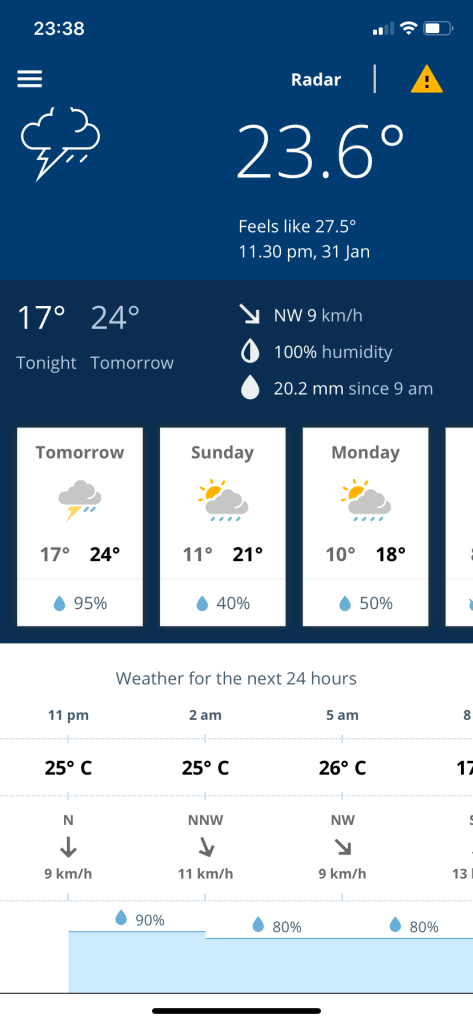
After two ridiculously hot days –40C or 104F–and a busy first week of the school year, my fibromyalgia pain is going nuts.
It’s currently 11.35pm and still warm out, even though a cool change came through a few hours ago and dropped the temperature by ten degrees in as many minutes. It’s also pouring rain – and I’m not going to complain about that!
I am lying in bed listening to the rain, hoping my pain meds will work quickly, and trying to focus on positive things instead of feeling miserable.
So, in no particular order, here is my list of things I am thankful for tonight:
On the evening before school starts back for the year, I usually hit a patch of anxiety that keeps me awake into the wee hours of the morning.
Today, my brain has hit fast-forward and has dumped me in that patch just about as soon as I woke up.
I know it’s not logical. I know I am good at my job. I love my workplace, and a number of my colleagues are also my good friends. I love teaching. I’ve done my preparation.I know that I will go back tomorrow and everything will be okay.
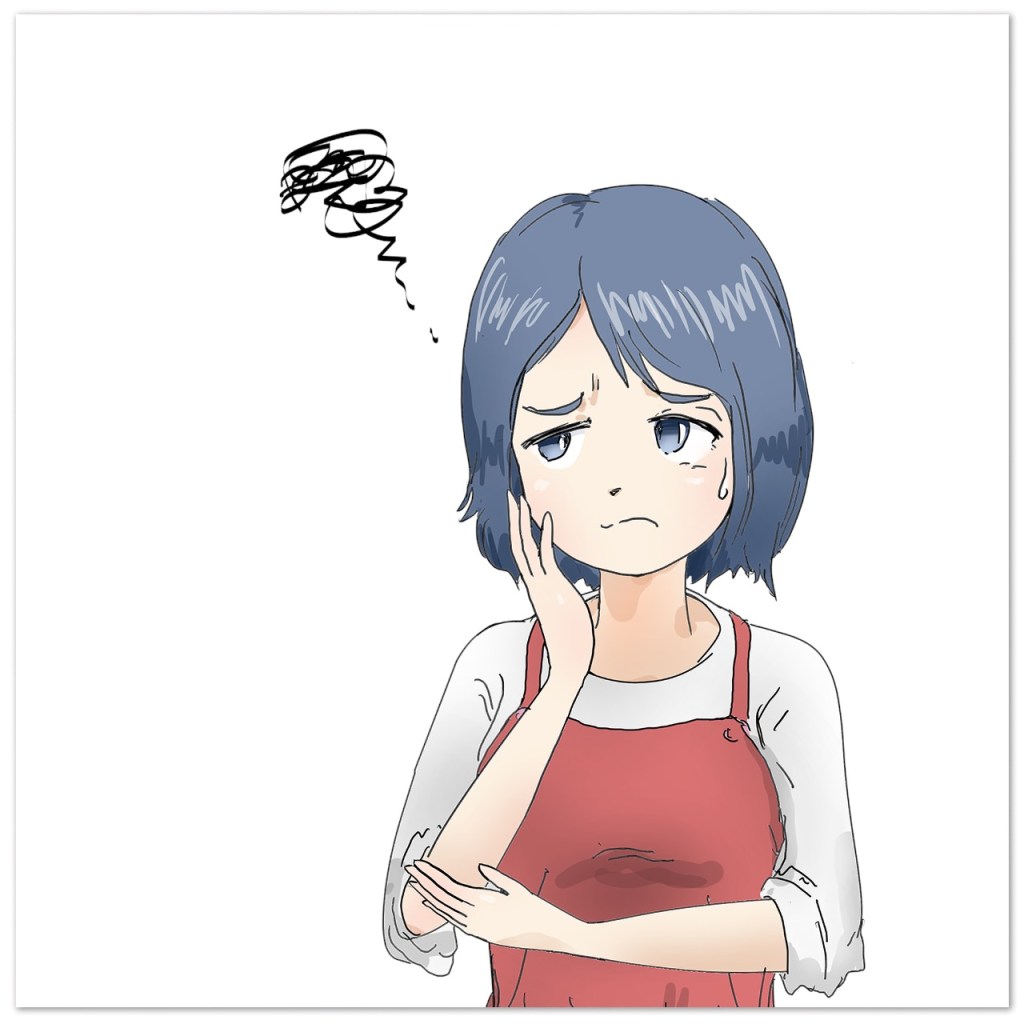
Today, however, my brain is playing a different tune. I am plagued with anxiety and feelings of inadequacy. I am fearful of nothing in particular and everything in general. I know I can do it but I feel as though I can’t.
This is what happens when anxiety, introversion and impostor syndrome get together for a wild party: they don’t get messed up, I do.
What many people don’t realise is that many of their own kids’ teachers go through the same thing every year and every term. Some experience it much more frequently, even daily.
To look at them, especially at work in the classroom, you’d never know it. But it is real, and it is genuinely awful.
I don’t know what the solution is. The only thing I know how to do is hang in there, try to take care of myself, and keep going like I always do.










 WordyNerdBird