What I Love… And What Frustrates Me… About Blogging On WordPress

There are many features of WordPress that I love. In terms of social media platforms, though, the advantages are clear.

It’s more meaningful than Facebook.
The content on WordPress – and I assume on other blogging platforms – is as varied and interesting as you’ll ever find. Books, history, poetry, literature, Indie authors, self publishing, photography, travel, food, music… you name it, there are multiple blogs right there waiting to be discovered and read.  There is no end to the talent in this place. 

There’s no clickbait, drivel or game requests.
Enough said.

You can engage exactly as one does on Facebook.
You can like a post, you can leave a comment. You can even like as many posts as you want to, and WordPress won’t stop you from doing so. How’s that for a positive, helpful algorithm?

Sharing posts is easy.
What’s on WordPress doesn’t have to stay on WordPress.
With one click, you can share posts on WordPress using the reblog function, or directly onto any of the other social media platforms.

Going ad-free with a custom domain is cheap and easy. 
It doesn’t cost much to have your own domain name that adds to your personal branding, and eliminate all advertising from your blog altogether. It works out even cheaper if you pay for two or three years instead of one, and as a business expense, you can claim it as a tax deduction. This can be done from the WordPress menu, so you don’t even have to Google how to do it. 

Sorry, though – wordynerdbird.com and mrbooksquirrel.blog are already taken. Have fun thinking up something cooler! 

There is no instant messenger, nor is there an inbox. 
There are benefits to not being quite so available all the time. 
I know. It’s a shocking thought, but I’m brave enough to say it. 

Many bloggers do have links to their other social media accounts on their blog, so you can still send a personal message or have a conversation there if you wish to. 

There’s no drama. 
Well… there might be on some political blogs, or perhaps some celebrity ones, I suppose. I don’t follow or read those, so I wouldn’t know.

Generally, though, you follow and read what you want to, and the rest sail blissfully past without even making a blip on your radar. 

Block style formatting. 
I found using the new “blocks” editor intimidating for about half a day, and have absolutely loved it ever since. It makes designing a great-looking post super easy. If you don’t like where an image or some other content is, you can move it around without fuss. Need a sub-heading? No problem. Formatting a list? Easy as. You can even save a particular block as a reusable one, so you can add it to subsequent posts with one click. This is great for themes and otherwise related posts. 

The Reader page on WordPress is brilliant
It lists all the posts from the blogs you follow, so that you can scroll through and see what’s on offer. It means that people who follow your blog will actually be able to see when you make a new post, and click through to read it with ease. 
If you want to find something new, you can search for a topic or click on the “Discover” tab.

There are, however, just a couple of things that frustrate me.

As I commented yesterday, I wish it were easier to get people to engage and respond. Perhaps they don’t perceive the value of that like they do on other social media platforms. Perhaps it’s a different type of audience. I just don’t know what the answer is there. 

The WordPress app. 
While the website uses “blocks” for content, the app is a dinosaur. Editing a post using the app is a nightmare because of the different formatting – you have to convert it from blocks to “classic” and it all just ends up looking wrong. 

It’s disappointing, because an outfit as big and professional as WordPress should be able to furnish their users with an app that is easy to use and which fully complements the website editor. 

Consequently, I do all my posting via the website, even on my iPad or phone. It’s far easier and the results are better. 

The Verdict:
WordPress wins, hands down. With just a little more audience interaction, it would be darn near perfect. 

What I Have Learned From Blogging 150 Days In A Row

Blogging consistently for 150 days in a row is no mean feat. It takes time, effort, and brain power, and a bit of self-discipline really helps, too. I’m thinking very clever things of myself today, but that’s not the only positive outcome. 

When I first started blogging, I was a bit here and there with it all, which is perfectly fine. Over time, though, I noticed that the more consistent I was, the more consistently my posts were being read. When I managed a three or four day streak, I felt like I had really accomplished something constructive in terms of getting myself “out there” as a blogger,

At the beginning of this year, one of my resolutions was to blog more consistently. I can certainly put a check in that box!  Now that we’ve reached the middle of the year, I have spent some time thinking about what I’ve learned from doing so. 

Goals are highly motivating. When you’re on a long streak, it’s very easy to dismiss thoughts like “I’m too tired” or “not today” and get it done. 

Planning is essential. Sometimes, deciding what to write about is the hardest part. Planning helps to overcome this.  I have developed a list of themes, post ideas and issues to explore. That way, I’ve always got something to write about if there is nothing pressing or timely bobbing around in my head.  Participating in special “months” like Women in History and “National Poetry Month” has helped me to focus my posts during those specific times. This has helped me to attract different kinds of readers to my blog, which is generally quite eclectic in the topics I cover. 

I still want to improve the way I coordinate my planning. I’ve started to time my Shakespeare-related posts to coincide with #ShakespeareSunday on Twitter so that I have an audience to reach that is automatically curated for me by someone else’s design. That’s proven to be very handy, so I want to find more opportunities like that to fit with my interests and content. 

Reblogging is a great way to share sand add value to someone else’s content. I often share other people’s posts via Twitter, and do so very gladly. When I discovered how to reblog someone’s work, that was a revolutionary moment for me. It enabled me to share their work in a more meaningful way than just tweeting it – which is meaningful and helpful, but it doesn’t add any value to the content. 

Reblogging makes it possible to add comments or a reflection of my own on the topic. This is helpful to both them and myself: their content reaches another blogger’s audience, and my content is enriched by theirs. It is also a very good thing to be inspired by what someone else produces, and to let that fuel my own thoughts and words. 

It’s also fair to say that there are times when the tank has been dangerously empty, and those bloggers whose work I have shared have literally saved my day – both by inspiring my post, but by encouraging my mind and spirit when life has been hard. 

Varying the topics attracts different readers. There are blogs dedicated to just one topic. Some of those bloggers do it extremely well. I am probably never going to be one of those people. 

I like to discuss different things that interest me. By mixing it up, I’ve been able to find new readers who like history, or poetry, or horror, or Shakespeare, or who are Indie authors and interested in the issues that relate to our awesome little corner of the publishing universe. These audiences often cross over, so if someone isn’t interested in what I write one day, they probably will be on the next. 

Over the past 150 days, I have seen my readership grow, measurable by the increase in followers on my blog. I find this very exciting, as when I started out, I thought having ten followers was incredible. Actually, given that I had very little clue what I was doing, it probably was incredible!

Consistency increases visibility. I’ve noticed that I’m getting more post likes and engagements from people who weren’t following me previously. I can only assume that this is because my posts are gaining visibility via the WordPress reader as well as on Twitter and via my very amateur attempt at SEO. My rather thorough use of categories and tags might be helping, too.  Whatever the source of the magic, I’ve enjoyed some great feedback and questions from readers that have been both helpful and stimulating. 

Accuracy and accountability matter. When you say something on your blog, you need to be able to back it up. Thankfully, as a History teacher, this is something I’ve always known. So when a reader asked me recently, “What’s your source?” I was able to answer promptly and easily.  I really don’t want to start providing a bibliography for every post I write, but it does matter that I can verify my content when I am called on to do so. 

People want to know who you are, Even though a blog post focuses on a particular topic or idea, readers respond well when you show them something of who you are or what makes you tick. I do not suggest making it all personal or discussing all your private issues in detail, but if readers can see that you are genuine, they will respond to you in positive and encouraging ways 

I am better at blogging than I used to be.  Part of that is in the development of my skills by learning as I go, and part of it is confidence that can only ever come from experience. This has, in fact, been the most motivating lesson of all. If I keep going, I’ll get even better. I don’t know if the world is ready for that, but I am. 

There are, however, still things that remain a mystery to me: 

How do you actually get people to click “like” before they leave? 
How can I get more people to leave a comment or question? 

Those are questions that fall into “next level engagement”. I’ll write that into my goal-setting now. 

Happy birthday, Canada — eh!

July 1 is Canada Day – the celebration of the nationhood of one of the two best countries on earth. 

I find it hard to believe it’s almost four years since I was there. That was five musicals and two theatre restaurant shows ago.  I’ve started my own business, established several blogs and had thirteen books published since then! 

It’s certainly not dissatisfaction with my own life or what I have achieved that makes me want to go back.

To say that I love Canada would be an understatement.  Part of me has a strong sensation of belonging there as much as I do here in Australia. I have been adopted by my Canadian family and take my role as an honorary Canadian very seriously. 

I’m longing to get back there but circumstances are currently prevailing against me making that happen anytime soon. 

I have people and places there that I love and miss and wish I could hug. I have decided not to name those people here, as the post got very soppy, very quickly when I started to do so. Trust me when I tell you it’s a good thing I backspaced that part. 

I long to see Niagara Falls, and to feel its music and thunder resonate with my soul again. Every time I have been there, I have experienced a profound awareness that I was always meant to be there, and each time I left, I felt a little more in tune with my spirit than I had been before. 

Niagara is also special because it is where Sean and I had our adoption ceremony, by which we became brother and sister. That night is etched indelibly into my heart and memory, as I know it is in his.

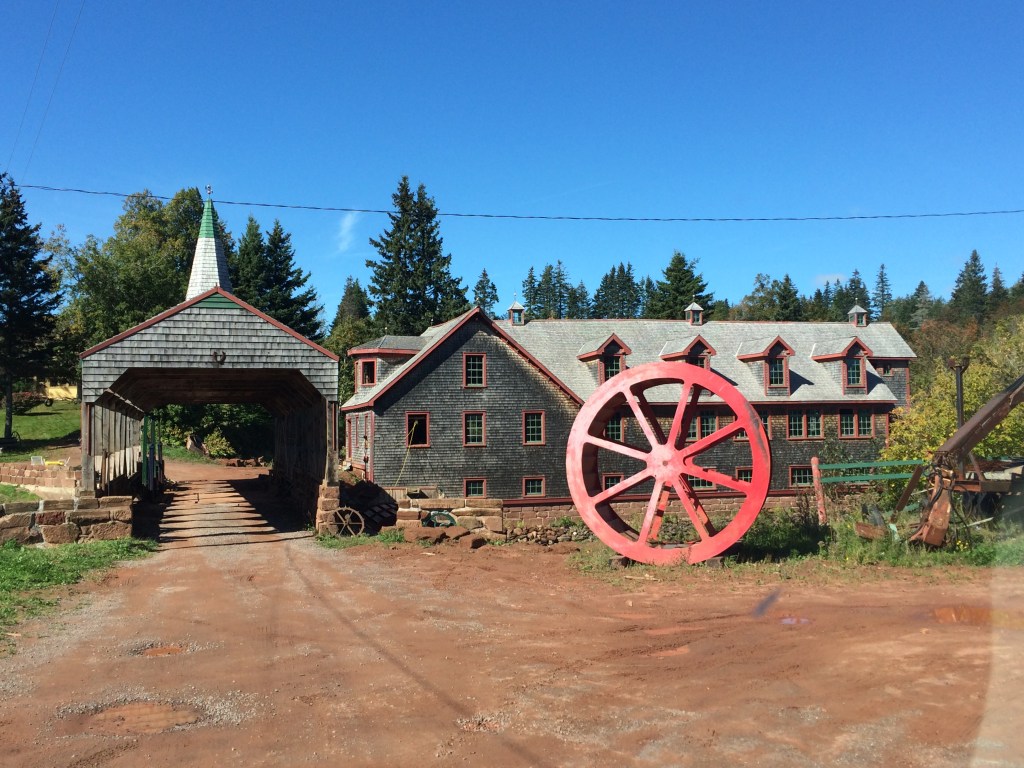
I would love to go back to PrInce Edward Island and spend more time exploring. PEI is such a beautiful place – whichever way you look, it’s just pretty – and my friends there have welcomed me into their homes and their lives in the most generous ways. 

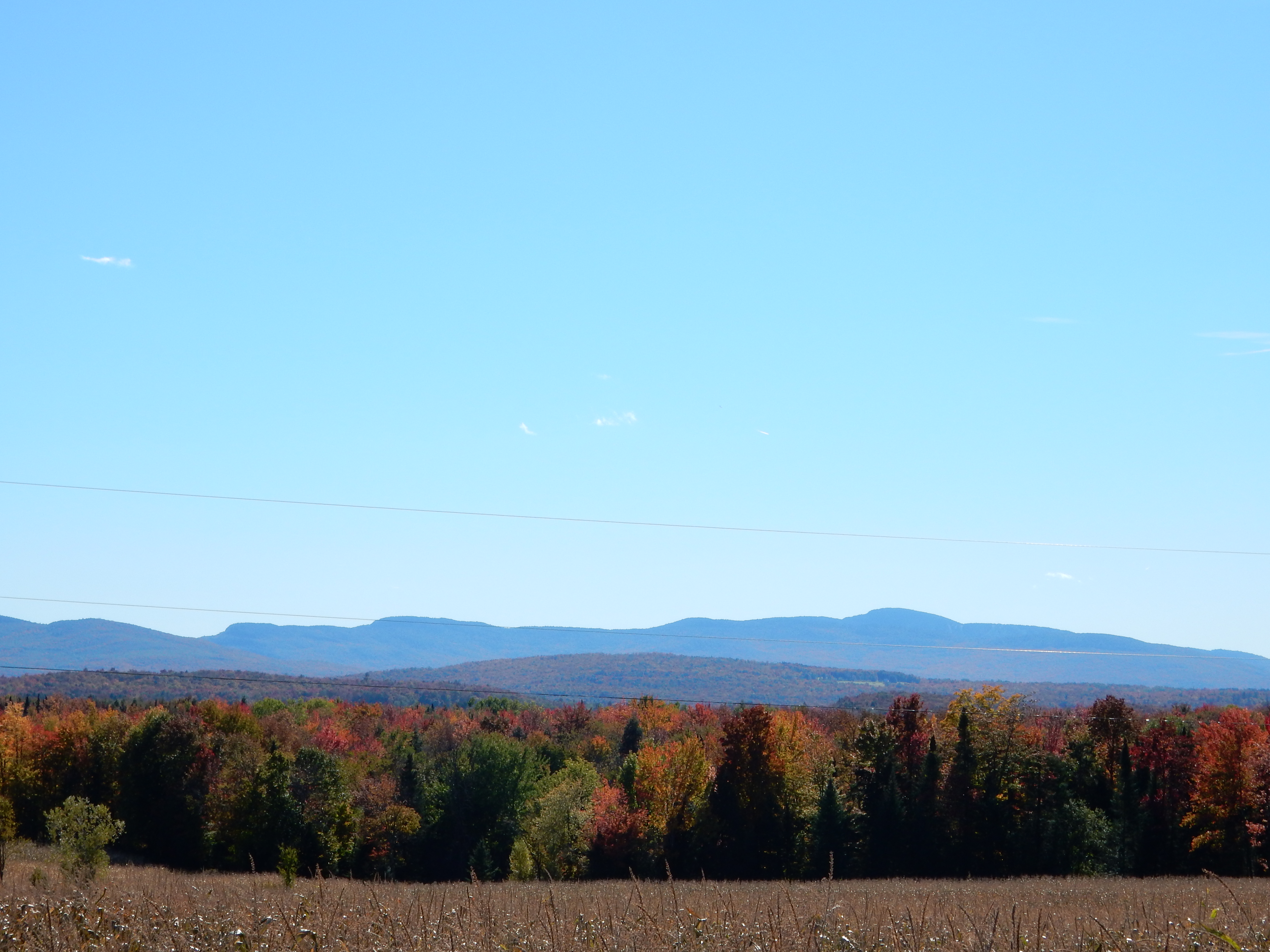
My heart absolutely aches for the lakes and rolling hills of south-eastern Quebec, and to walk along my favorite part of the the road that follows the shore of Lake Champlain. There, too, I have people very dear to my heart.

I would love to revisit Montreal and Ottawa, because those places hold such happy memories. 

Of course, there are still many places and things I have yet to see. My brother Sean and I have started compiling another list, and it’s looking like I may need to make several more trips if we are going to achieve them all:

  • visit Churchill in Manitoba to see the polar bears. We did see polar bears at Toronto Zoo, but that’s not really the same thing.
  • do the train trip over the Rockies, and to see Banff and Jasper. see more of see more of Nova Scotia and New Brunswick than we did last time. There’s so much more history and beautiful scenery to explore. 
  • visit Newfoundland and Labrador. Who doesn’t want to see icebergs and fjords and Viking settlements? 

Oh, Canada. You beautiful thing. You’re wonderful and you have so much to offer. I hope you have a sensational day, and many, many more wonderful years ahead. 

I am coming back. I promise. Wait for me. xx

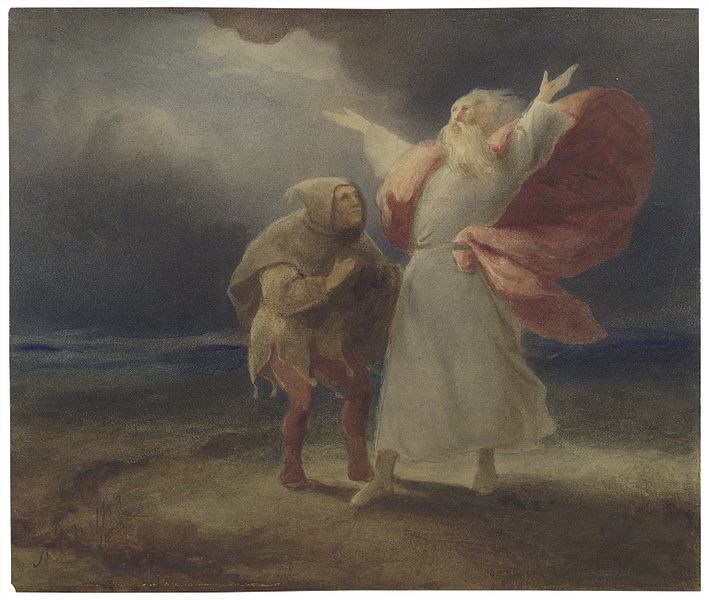
A Favourite Shakespeare Play: ‘King Lear’.

I have loved ‘King Lear’ ever since I saw a performance of the play in my teens and was completely transported by it.
I find it impossible to consider a parent being betrayed by their child without thinking of Lear, and am compelled to utter the quotation, “Blow, wind, and crack your cheeks. Rage! Blow!” at least once during every good storm I witness. 

‘King Lear’ is the story of a king with one daughter who actually loves him and two who are the most selfish, greedy, and deceitful women the kingdom had ever seen. The problem was that he was unable to tell which was which. And so, his story turns to tragedy. 

Shakespeare didn’t have to worry about being historically correct or pleasing the right people with this play, although it wouldn’t be right to show the king as being a bit of an idiot when it comes to his family relationships, so he was sure to stay safe by putting the blame on the king’s horrible daughters and their ambition to take what was not rightfully theirs. Loyalty and faithfulness were, after all, very important qualities and concepts for anyone living in Elizabeth’s England, and you couldn’t have people just seizing land and power that didn’t belong to them. 

It’s not just Lear’s elder daughters, either, that turn on their father. The Duke of Gloucester, faithful supporter of Lear, also feels the dagger of betrayal planted firmly in his back Edgar, by his bastard son, Edmund, who is seeking to take all that rightfully belongs to his brother Edgar. 

In all of this, there are valuable lessons to be learned about who to trust, how to discern who is really loyal to you, and the fact that some people are far more driven by greed and ambition than they are by familial love. Given that we live in a world where kids have been known to turn on their parents and even divorce them in some cases, and where families are divided and sometimes irreparably broken by disputes over money and property,  ‘King Lear’ is clearly a play that still holds relevance for us today. 

It is a beautifully crafted story, full of pathos and tragedy and heartbreak. The language and imagery is magnificent. The dramatic irony of Cordelia’s fall from grace and Lear’s subsequent fall from power at the hands of General and Regan is heartbreaking. Cordelia’s fate hangs in the balance right up to the end of the play while, it seems, the evil people win. That is another point of relatability for the audience: we don’t like seeing the evil people win, and we want to see them get their just desserts. It’s a theme that Shakespeare explores at length in this play, and he expertly positions the audience to keep hoping that Lear and Cordelia will win the day. 

It is the nature of Shakespearean tragedy, however, that pretty much everyone dies and there are a few minor characters left to pick up the pieces at the end, so the audience has to be content with the poetic justice delivered to some and the beautifully tragic ending that comes to others. 

The fact that it doesn’t have a happy ending is one of the things I like about it. Life often involves less-than-happy endings, and it has always seemed to me that those who hope only for happiness are setting themselves up for an enormous struggle when adversity shows up instead. We can’t always have what we want, and Lear would have done well to remember that. Cordelia would have been better off if she had realised that not everyone who should recognise your integrity will do so, and that sometimes you need to play the game better than the cheats do in order to make them lose. 

Sure, I believe in happiness, but I know from my own experience that life is generally far more complex than being able to achieve happiness and simply stay there. We are constantly challenged to maintain a balance  between necessity and luxury, joy and sorrow, pleasure and pain, lest we be overrun by one or the other. Achieving that balance is the art of life. 

Why We Should Rethink Using The Angry Face Reaction on Facebook

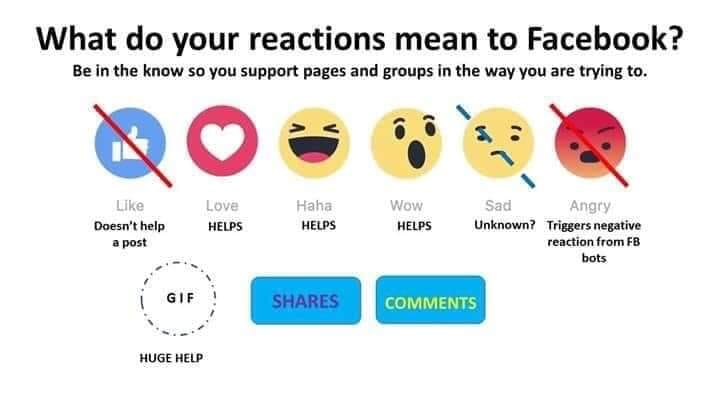
In a recent post, I commented that someone suggested that the angry face reaction to one or more of my Facebook posts may have contributed to some of the problems I have been having with them flagging and suspending my posts for no obvious reason.

It turns out that this theory may well be  correct. 

Having read a number of conversations on forums in the hope of discovering the cause of my problems, I have a strong suspicion that the algorithm may well interpret an angry face reaction as meaning that people don’t like the post, or object to it somehow. Whether or not this causes that post to undergo more scrutiny by the algorithm, and whether or not that might result in the post being deleted by Facebook, and the user having certain types of access or posting permissions suspended for a time, can only be a matter of conjecture, but it would certainly explain my circumstances.

The problem with that is that people might not intend for that to happen at all when they use the angry face reaction. It may be that they are sharing the anger, frustration or dislike expressed by the author of the post about something entirely different. It’s not the post they object to, it’s whatever the writer is angry about that makes them angry, too. 

It would be most unfair if the algorithm were to completely misinterpret that and set in place consequences that are both unintended by the responder while they are trying to be supportive of the author of the post. 

While I cannot prove that this is what has happened to me and to others, it seems to me that it is better to be safe than sorry. 

In short. unless someone posts content that is completely objectionable, I will not use the angry face reaction.

There are, after all, much more helpful alternatives:

  • Use the “wow” or “sad face” reaction
  • Comment with thoughts or reactions
  • Post a gif that expresses thoughts or feelings about the content of the post

That way, your friends and their posts will actually receive support rather than potential suppression. 

Let’s save the angry face for those posts that express hatred, vilification, prejudice, discrimination or violence. They’re the ones that should be suppressed. 

Author’s note: When I first wrote this post, it was based on information I found in forum conversations while looking for the answers to problems I was having with my posts and my ability to post on Facebook being suspended even though I was not active, and had not been for some hours, when those suspensions occurred. The posts in question had received angry responses because people were angry at the problems I was having. 

I should have recorded the urls of those conversations at the time, but failed to do so then, and am unable to find them again now. 

Therefore, I have edited my original post to reflect the fact that what I have written here can now only be considered anecdotal and conjectural in nature. 

My intention was only ever sincere and honest, and my initial statements based on information that did indeed seem to be consistent with my own experience. I apologise that I am unable to direct my readers to that evidence now. 

The Squirrels Have Checked Out.

It’s the last day of term. 

Even though I am, like every other teacher, exhausted and keen for that bell to ring at the end of the day, I am still trying desperately to keep the kids on task and get things finished before then. 

The problem is, they’ve already checked out. 
They just don’t care. 
They’re restless. 
They’re talkative. 
They’re twitchy. 
Their eyes have glazed over with the promise of freedom, of late sleep-ins and no school uniforms or restrictions on their social media life for the next two weeks. 

If you’ve ever watched a squirrel running around in a park or a forest, that is the precise image of the mental and emotional engagement in my classroom today.
One or two are evolving into chipmunks as I watch. 

Except for that one kid at the back, who is working like a champion to get everything completed. 
I don’t have favourites, but today I really love that kid. 

Nominated!

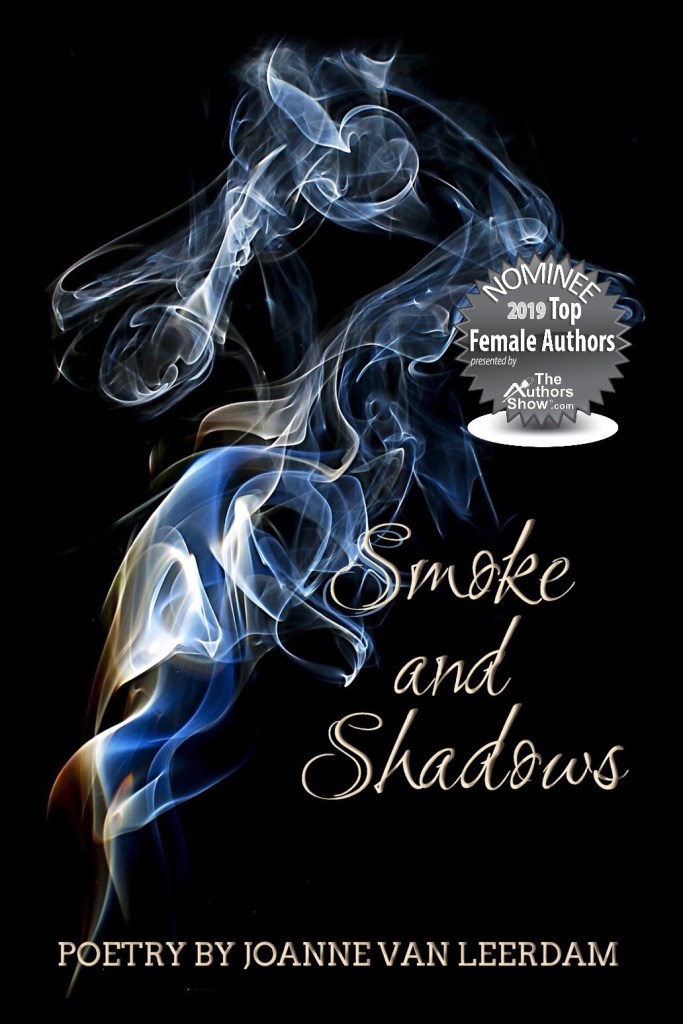
Guess who got nominated again for Top Female Author 2019? 

I did, that’s who!

‘Smoke and Shadows’ has been nominated in the Poetry category – the same one in which Nova won in 2017.

It’s fair to say I am excited!

It couldn’t have come at a better time. The crazy busy pace and emotional demands of the last three weeks and the stress I have been under because of things outside my control have really worn me down, and while I’ve enjoyed the release of ‘A Rose By Any Other Name’, I haven’t really given my books or my writing the attention they deserve at all the past month or so.  I’ve started a number of poems lately, but haven’t finished any of them… yet.

It’s really nice to know someone loved my book enough to nominated it. I love it, and I’m proud of it for so many reasons – but that is no guarantee that anyone else is going to. The reviews have been good, though, so I have reason to hope that others will enjoy reading it, too. 

It’s also very timely reminder that there are things which transcend those times of stress and exhaustion in our lives that seem to take over and leave no time or energy for anything else.  

Of course, we know that, but sometimes we forget to keep that thought in our mind. It’s amazing the difference a little bit of encouragement and support can make. 

Winners are announced on July 8th. I’ll be sure to let you know if I win! 

Dear Facebook… Yet Again.

I quote, verbatim, this afternoon’s status on my Facebook profile.

Dear Facebook,

You have been temporarily blocked from accessing some of my features.

I’m not telling you why. 
I”m not going to listen to your appeal.

But you can bet your algorithmic little hiney I’m going to have my eye on you for quite some time. Possibly forever.

Joanne Van Leerdam, June 25, 2019.

So, it seems that I’ve run afoul of the Facebook algorithm yet again.
Now they’re suggesting I’m a robot.

You read that right. A robot.

I haven’t made identical posts in forever. I vary what I post from page to page. l really don’t know what brought that on.

And let’s not overlook the irony of an algorithm calling me a robot. It’s beyond ridiculous.

They can’t still be sour about my “What I Do and Don’t Like About Facebook” post… can they?

One suggestion that has been made is that when I’ve posted about things that annoy me, some well-meaning people have responded with the “angry face” reaction because they’re angry at the nonsense that a certain social media platform is throwing at people lately.

Apparently, for all its cleverness, the Facebook algorithm is unable to comprehend that it’s actually Facebook people are angry at. It interprets this reaction as those people being angry at me.

This is good to know.

Because who could be angry at Facebook or its ever-changing algorithm?

It’s fair to say that Facebook is not doing a single thing to recommend itself to me right now.

The Power of Historical Fiction

I love a great historical fiction read, so when I discovered this article yesterday, I thought it well worth sharing.

I fully agree with the author’s comments about what distinguishes excellent historical fiction from the rest. There is no substitute for research and ensuring that a story is entirely consistent with the time, place and people involved.

In keeping with the encouragement to pick up a work of historical fiction, I’d like to recommend some that I have found to be excellent.

  • To Be A Queen by Annie Whitehead
  • Miriamne the Magdala by J.B. Richards
  • A Daffodil for Angie by Connie Lacey
  • Blood and Ink by DK Marley
  • The Artist by Lyra Shanti

I do hope you enjoy this excellent post by Steve Cochrane.

The Power of Historical Fiction

Steve Cochrane's avatarEncounters of Faith in Asia: Past, Present and Future

IMG_4116

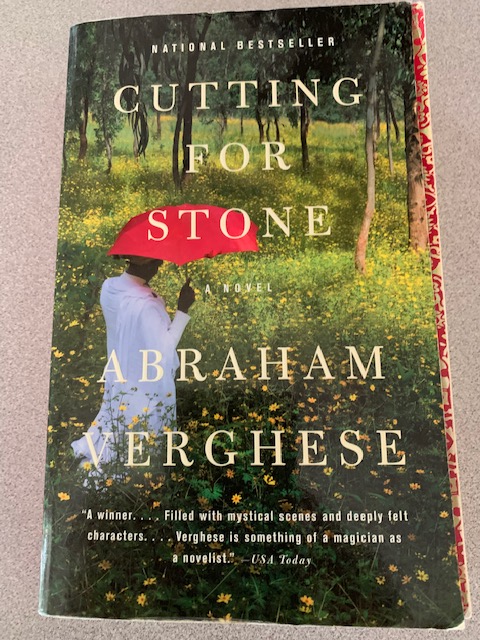
I love to read. For the past 20 years plus, I’ve read on average 150 books a year. I even keep a list in my journal of all those books, so could prove it to you if you wanted! Books on history always figure prominently on that list, but not only non-fiction. I also love the genre of historical fiction. My latest one is titled Cutting for Stone by Indian-American writer Dr. Abraham Verghese.

This book has the elements of what I value in historical fiction. It is set in Ethiopia over a period of about forty years, dealing with issues of immigration from India and set in a hospital in the capital of Addis Ababa. The first element I value is what this book has in rich measure, a well researched context. Historical context must be accurate, or the book should rather be in the science fiction…

View original post 511 more words

What I Love… And What Frustrates Me… About Snapchat

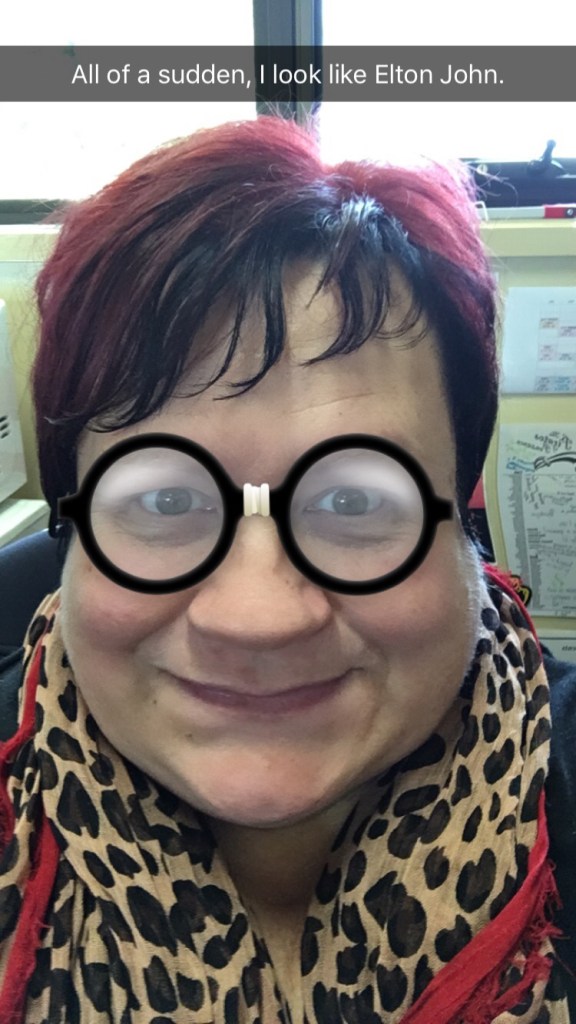
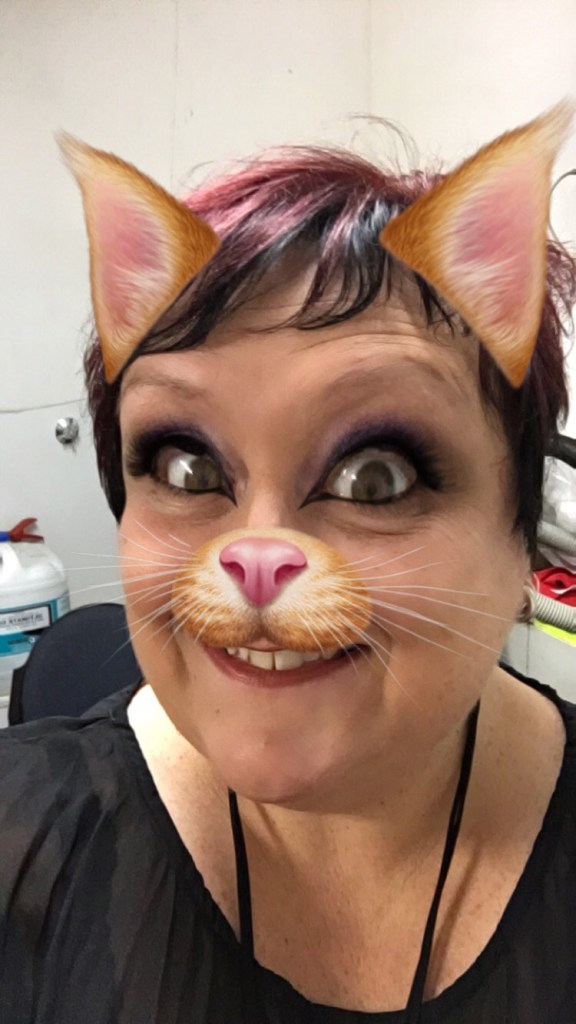
I’m proud to say that this was one of my first-ever Snapchats.

Snapchat has been the subject of much controversy in the past – mostly from people who have never used it. I know a lot of people have been vocal in their criticism of the ease with which teens could use it to send pictures of their naughty bits to one another. To be honest, they haven’t ever needed SnapChat to do that.  And, in a further moment of not-so-surprising honesty, I’ve never used Snapchat for that either. 

It’s like anything: you can use it sensibly, and be careful who you add to your contacts, or you can be an idiot and endanger any bit of credibility you ever had. Snapchat is definitely not alone in that regard. 

Contrary to all the negative press it has had, Snapchat is actually pretty cool. 

The process is simple:

  • Take a snap, choose who you want to send it to, and send it. 
  • If you want everyone to be able to see it, you add it to your “story”.
  • If you don’t, people will only see your snap if you actually send it to them individually. 
  • You can choose how long you want the photo or video to last. Once the time you set expires, it’s gone. 

It’s important to remember that people can take a screenshot, and people can be offended, so common sense and decency are still required. 

I have great fun using Snapchat for quick, easy contact with my family and friends.  It’s also a great way to quickly and easily share a moment in your day in ways that are hard to otherwise express. 

In that respect. It’s super duper effective. 

It’s actually great for introverts because we can communicate meaningfully without actually having to make, or answer, a phone call. I have found that if you send enough Snapchats, they know you’re okay and what you’re doing, and don’t actually try to call anywhere near as often. That may sound awful, but if you ask any introvert you know, they’ll tell you it’s a fact of life: talking on the phone for any length of time is hard, especially if you’re tired or unwell.

I also use it to share my comedic genius with the world. You’ve got to take your opportunities where you can get them, after all. 

My absolute favourite use of Snapchat, though, is when my family use it to send me baby spam. I’m one of those aunties who can never get enough pics of my babies so Snapchat offers a great way for them to send me pictures without all the cranky “we don’t want baby spam” whiners on Facebook and Instagram getting their noses out of joint. Snapchat makes it easy to be a lot more direct and “one on one” with your pictures. 

You don’t even have to take a photo every time. You can just use the instant message function if that’s all you want to do.  But then… why wouldn’t you take a photo every time when you’ve got those filters to play with? 

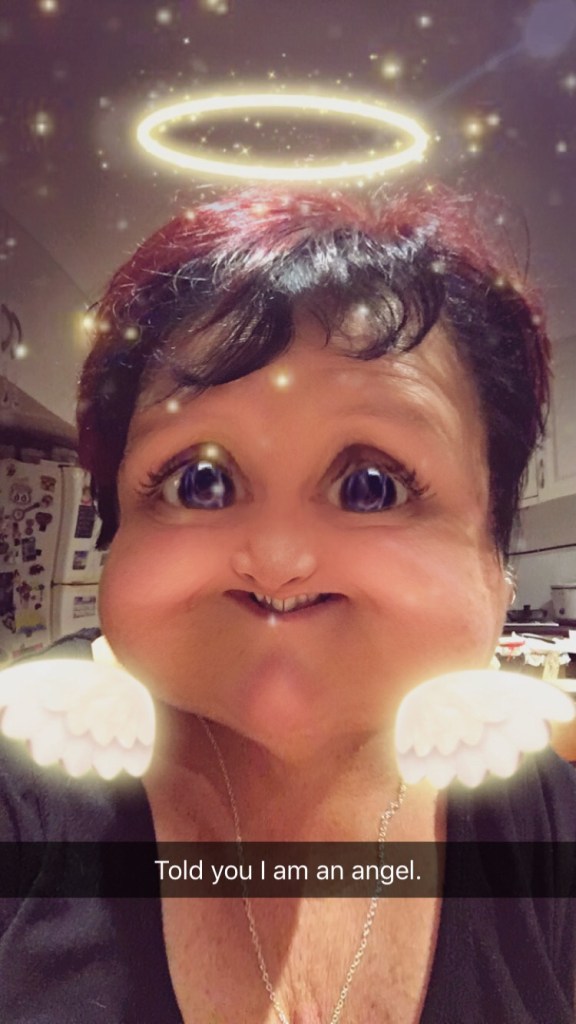
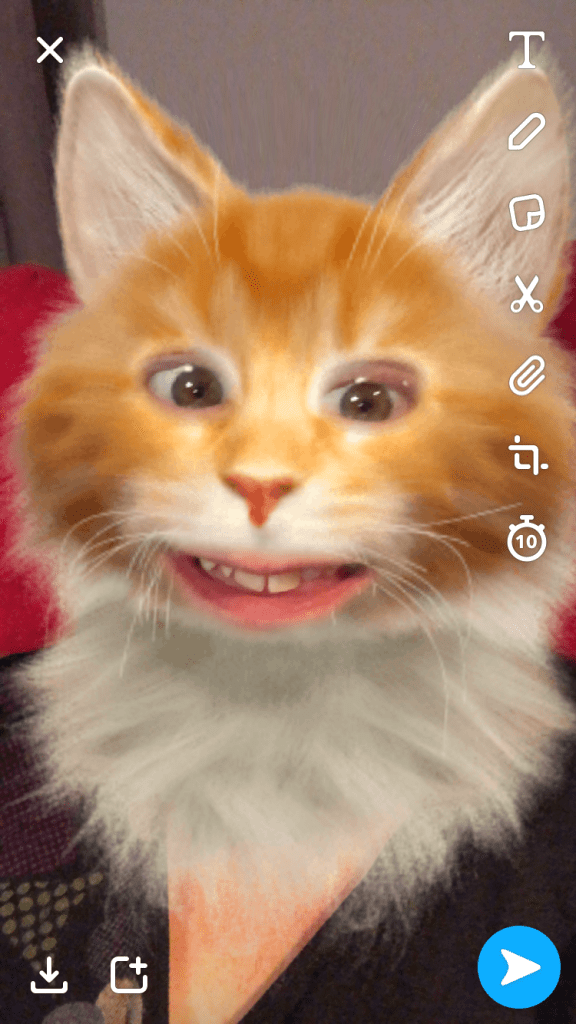
Seriously, the Snapchat  filters are fantastic. One minute I’m a washed out, permanently exhausted 50-something English teacher, and the next, I’m a cat… or an emu… or a pirate… or whatever the filters of the day offer. Sometimes, I have instant makeup and smoother, younger skin. Sometimes I can add a piercing or a tattoo. Finding out what the filters are each day is as much fun as using them. 

Its easy to edit a picture using the menu at the top right of whatever picture you take This allows you to:

  • add text, labels, and/or stickers
  • crop your photo
  • doodle or write on your picture
  • attach a URL or website to your image
  • cut out part of your picture to create a sticker

You can also easily save any picture you like to your phone’s camera roll, using the little down arrow icon at the bottom left of the image.


There isn’t really a lot that annoys me about Snapchat, but I probably should mention:

  • The silly, click-bait stuff they post on the “discover” page. Ugh.  Once I’ve looked at my friends’ stories, I swipe away from the page. 
  • On specific dates – Christmas, New Year, that kind of thing – the ’Snapchat Team’ send pictures or videos that you have to watch to get rid of them. Some of them are clever. Others… not so much. 
  • Occasionally, there will be a filter that makes me look uncannily like my brother. I’m really not so keen on those, but it is kind of fun freaking out his daughters and our sisters with the pictures. And no… I’m not going to show you what I mean! 

For me, the frustrations are very minor compared to the fun I have with the app. It’s a keeper.