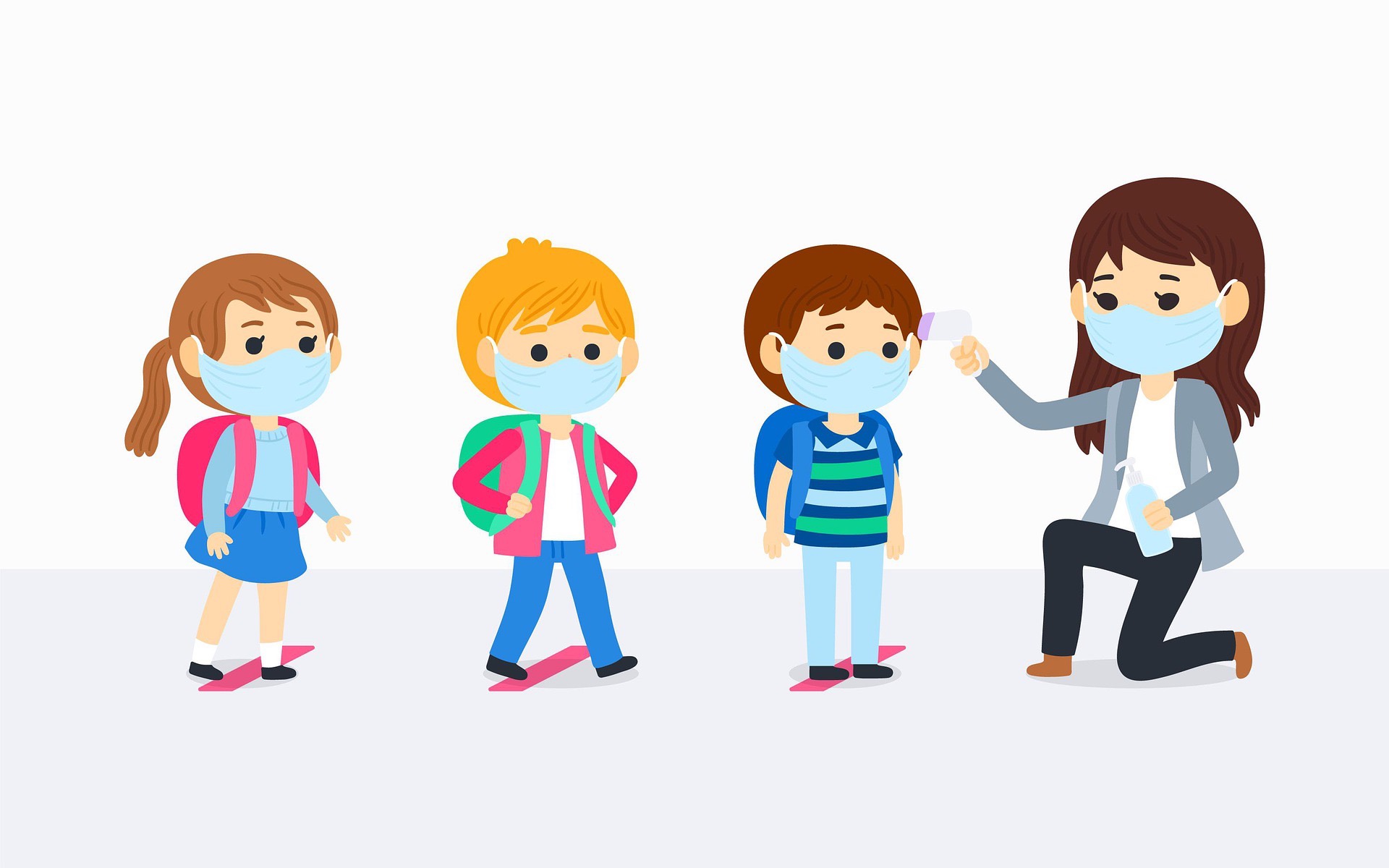
Australia Day: We Can Do Better

There’s a lot of controversy about celebrating Australia Day on January 26, and with good reason.

Some Aussies — in all honesty, mostly white ones – argue that there is nothing wrong with celebrating our country on that day as we do.

They would most likely be quite surprised to know that Australia Day wasn’t celebrated nationally until 1935: it’s not something we’ve been doing since 1788. Even more surprising would be the fact that it’s only been a public holiday since 1994 – not even thirty years.

A growing number of Aussies feel conflicted about the date. They are coming to understand that, as it is, it is a celebration that causes grief and hurt to the Indigenous and Torres Strait Islander people of Australia. For them, it is ‘Invasion Day’ or ‘Day of Mourning’, which is a very fair call.

January 26 marks the anniversary of the date in 1788 when the First Fleet sailed into Sydney Harbour, set up camp, and began the first British colony in Australia. It is impossible to condense the history of the nation since then into just one sentence, but it’s fair to say that the story is characterised by dispossession, racism, violence, massacre and oppression toward the Indigenous people of the country. That is why celebrating that date is so offensive to them. Anyone who doesn’t understand that is either a. extremely white privileged, b. not trying hard enough or c. both.

It is common understanding that if one is doing something that hurt someone else, and if it is in that person’s power to stop, I should stop doing it. Even if there is an apology, the only way to prove the apology means anything at all is to refrain from doing it again. The only way to heal a damaged relationship is to change one’s ways.
This is as true on a national level as it is for an individual.

We have seen our national government issue an apology for the actions of the past. Now, as a nation, we must prove that we meant it.

There is no reason why we can’t change the date for celebrating our nation. There’s a lot to celebrate, but we can also do much better than we have in the past.

Some people suggest that we should celebrate Australia Day on January 1st – the anniversary of Federation. It’s a good idea, despite the complaints that people will be hung over from New Year’s Eve parties the night before. That’s a choice for each individual to make – but wouldn’t less drunkenness be a good thing anyway?

Alternatively, I suggest that the Australian government should commit to and sign a Treaty with the Indigenous people, as they have been pleading for the government to do for years. This Treaty, made in collaboration with Indigenous people, would acknowledge the past, shape the future, and enable us to move on together in a spirit of reconciliation and healing.
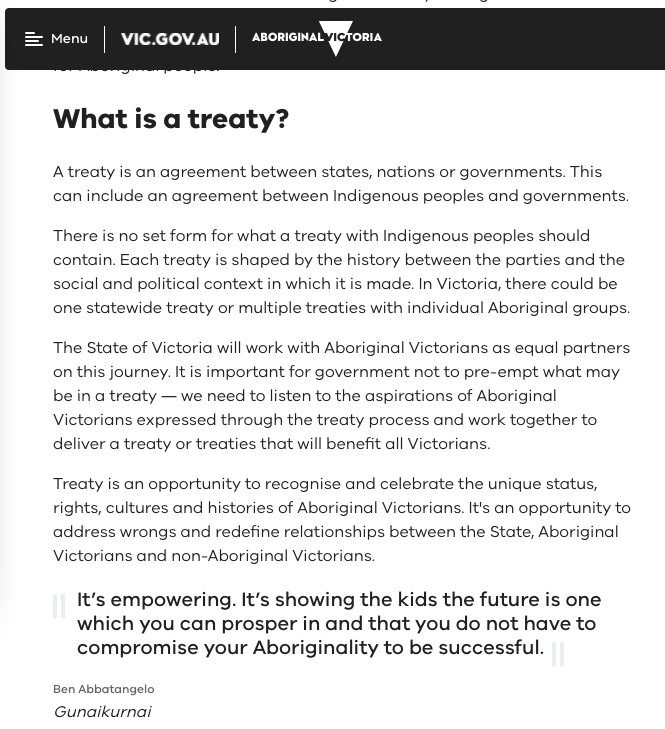

The date on which that Treaty was established and signed should be the new date for Australia Day. We could even call it Treaty Day, or Australian Treaty Day, to put the focus on the relationship instead of the painful memories of the past.

I’m not Indigenous, and I do not pretend to share their experiences or speak for anyone else.

I am, however, a History teacher who seeks to teach Australian history with empathy and awareness of the experiences of Australia’s First Nations people, and to encourage my students to understand that our nation’s story began long before 1788. I am an Australian who loves my country, but also one who is deeply sorry for the suffering of the Indigenous people, past and present.

As such, I cannot help but think that either one of those two ideas would have to be better than what we have now.

I will not be attending or watching any Australia Day celebrations tomorrow.
Instead, I intend to mark the day by signing the Uluru Statement From The Heart, which is a call to Australians to rally together to achieve constitutional recognition for our First Nations peoples and to establish an Indigenous voice to Parliament.
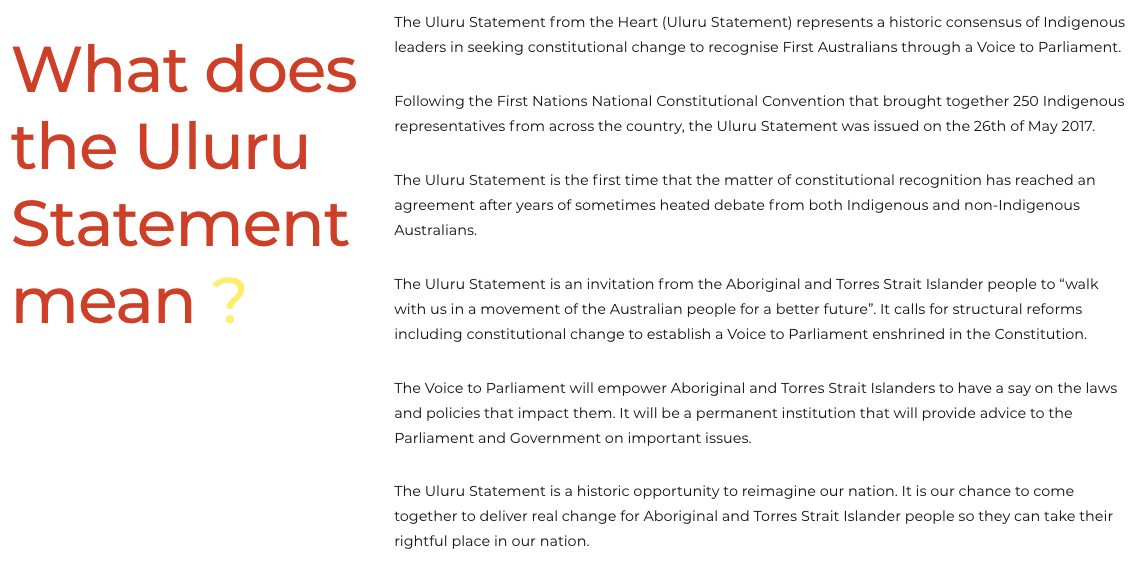
It’s high time we did better, Australia. Let’s change the date, and move forward in a common spirit of reconciliation and healing.

Australia Day: We Can Do Better
#changethedate #AustraliaDay

Not Ready To Make Nice

Forgiveness does not mean being a doormat. Far from it.

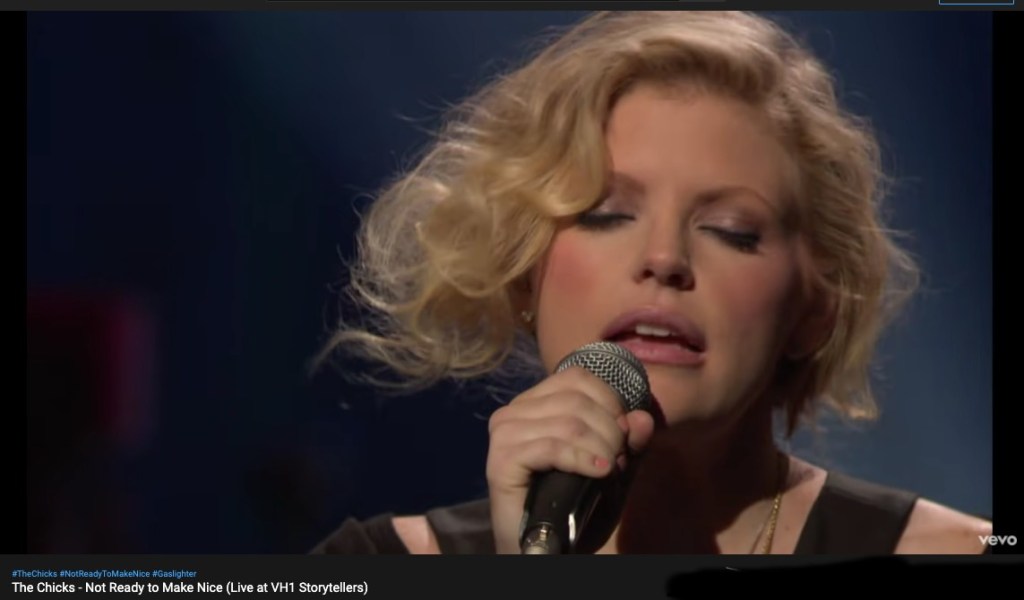
Today, for reasons of my own that do not need to be shared publicly, this song is playing in my head.

Screenshot: The Chicks — Not Ready To Make Nice

Don’t get me wrong: I firmly believe in forgiveness. Even if the other person never knows I have forgiven them, it’s important for myself spiritually and emotionally to move on from carrying that burden.

That does not always mean I can trust them again.

Contrary to what the platitudes say, time does not heal all wounds and forgiveness does not erase the memory.

It is also important, both spiritually and emotionally, that I protect myself and those I love from harm. If that means not giving someone the means to damage me or my family again, then that is what I must do.

I can be civil without letting a toxic person into my life or my home. Those barriers are not coming down.

I can let others have a friendship or relationship with that person if they are determined to do so, but if I see that they are in danger of experiencing significant harm, I will speak up or stand between them if I must.

I know that many of my Christian friends and family would say that my forgiveness is incomplete. They might suggest I am not showing love.

I would argue that sometimes the kindest and forgiving thing you can do for a person is to stay right away from them. I would also argue that neither God nor the nature of forgiveness itself demands that one must become a doormat or a willing receptor of someone else’s malignity.

There are a handful of people about whom I have made that decision over the course of my life, and I am confident that in each situation, slamming that door firmly and permanently shut is the best thing I could have chosen to do about it.

Sometimes, you just have to leave certain people behind and move on.

Not Ready To Make Nice #forgiveness #selfcare #Boundaries

A Few Home Truths About Freedom of Speech

Freedom of speech is a human right. 
It is the right to express  one’s ideas and opinions verbally or in writing, either publicly or privately.
It is the right to engage in public conversation about personal and public issues and events.
It is the right to communicate meaningfully with other people. 

Even so, it has it’s ethical limitations. 

All individuals have freedom of speech. It is not just the domain of one person, or one group. 
This means that the right is also accompanied by the responsibility of listening to, and responding thoughtfully to, the ideas and opinions of others. Freedom of speech is a two way street. 

It is not the right to cause harm or injury to other people. 
It is not the right to incite violence. 
It is not the right to abuse, slander, or misrepresent situations or other people. 
It is not the right to spread dangerous disinformation.
It is not the right to break the law or commonly accepted rules. 

The people decrying Twitter and Facebook for banning Trump need to understand these things. 

When he opened his social media accounts, he agreed to the terms and conditions. Nobody can have those accounts without agreeing to those rules, which clearly state that one cannot use that social media platform to break the law or encourage anyone else to do so. There is a clearly stated warning that infringement of those rules will result in your account being suspended or cancelled. 

There is no doubt that these are the rules invoked when the accounts belonging to a range of criminals and terrorists were cancelled in the past. People and governments actively and rightly demanded that this should be the case in response to the manifesto and live streaming of the actions of the Christchurch mosque terrorist, for example. 

It is illegal to use social media to promote illegal activity or post offensive material. 

Why, then, should Trump not be banned for inciting a riot or encouraging sedition? Why should his followers not be banned for plotting violence and premeditating murder and insurrection? 

The clear answer is that they absolutely should. 

Anyone using social media to plan or conduct a criminal act should be banned and then prosecuted to the full extent of the law. 

Twitter, Facebook, and Instagram have acted rightly. 
They have not assaulted anyone’s free speech. It is not censorship. Those on the quiet end of a ban have invited that consequence for themselves. 

A Few Home Truths About #FreedomOfSpeech
#Rights2021 #SocialMedia

The Proud Man’s Contumely.

In Hamlet’s most famous soliloquy — the one that stars with “To be or not to be…” — the overthinking prince lists a number of problems that make life hard to bear. Most of these are things to which we can relate quite easily: oppression, love that is not returned, the wheels of justice turning too slowly, and people being rude to you.

Hamlet, Act 3, Scene 1

Most people, though, would read the speech and get to the phrase ‘the proud man’s contumely’ and be completely stumped.  It’s not a word one comes across terribly often. In all honesty, it’s probably only literature scholars and high school students studying ‘Hamlet’ that are likely to come across the word, and only one of those groups are likely to know right away what it means.

Contumely is a very old word that means disrespectful, offensive or abusive speech or behaviour.

Contumely is interesting in that most English words that end in -ly are adverbs, which describe verbs, but this is a noun. It doesn’t follow the grammatical pattern of English because it is not originally an English word.

It came into English in the late 14th century from the Old French word contumelie,. That came from the Latin word contumelia, which meant’ reproach’ or insult’, and is related to ‘contumax’ with means ‘haughty’ or ‘insolent’.

These days, we’re far more likely to use terms like ‘insolence’, ‘disrespect’ ‘scorn’ or  ‘abuse’ instead. 

Still, it could be fun to respond to someone’s arrogance with ‘I do not have to tolerate your contumely’. Hopefully, it would leave them as perplexed as those high school students reading Hamlet’s soliloquy for the first time.

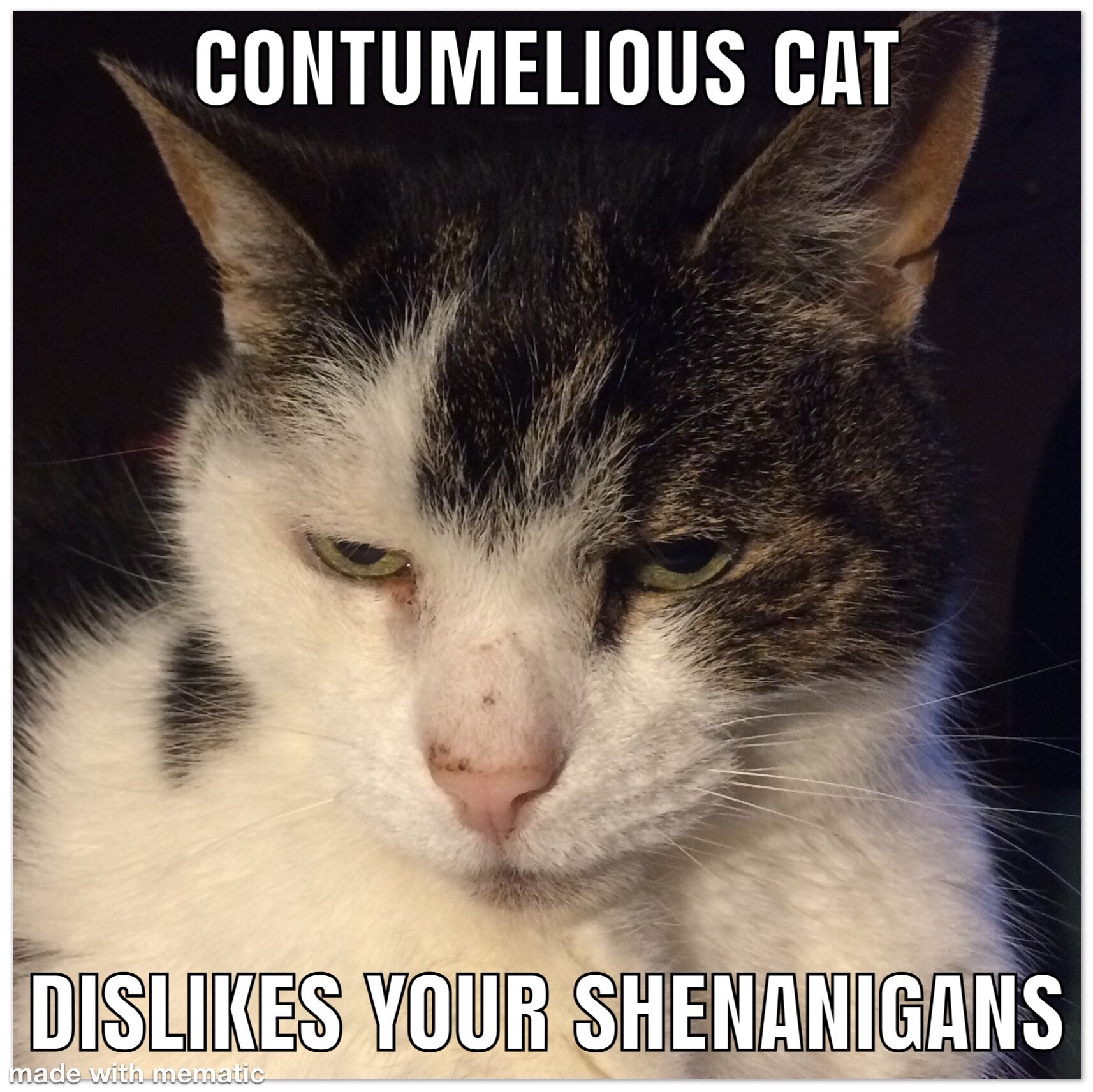
It could also be useful to know that someone behaving with contumely would be described as contumelious.

This word evolved in the 15th century, so it follows the common pattern of the noun form being used first and the adjective coming afterwards.  Mr Darcy’s haughty dismissal of Elizabeth Bennet at their first meeting, a lawyer strutting and posturing in the courtroom, or one’s mother-in-law’s disdain for their general existence could all be described as contumelious.

References:
Vocabulary.com
wordsmith.org
Online Etymology Dictionary

The Proud Man’s Contumely.
#words #Shakespeare #language

What Do You Say When People Try To Tell You What You Already Know?

This morning I heard someone use the phrase “preaching to the converted” in reference to someone insisting on telling another person something they already knew and believed.

My mother used to use that phrase all the time, while my usual idiom in response to that behaviour is “singing to the choir”.

Image by Mariamichelle on Pixabay.

It got me wondering: are there any other common phrases for that kind of behaviour? And do they all relate to religious practice, or are there others drawn from other aspects of life?

I asked a few friends who have different interests in life if they knew of any others. They made some great suggestions:

“That horse has already bolted” and ‘flogging a willing horse” are both metaphors drawn from the world of horse-racing. This is definitely not religious imagery… unless you’re Australian, in which case, it could be.

“I’ve already picked up what you’re putting down.” This seems to be a metaphor related to card games.

“We’re beating the same drum” and “We’re singing from the same song sheet” are both appealing musical images.

Similarly, one could say “We’re on the same page.” Exactly which page that is remains helpfully unclear, allowing for some flexibility of reference and application.

I’d love to know if you use or know of any other such terms, particularly if you are from somewhere other than Australia, or if we all say similar things.

In case you were wondering:

Idiom: a popular expression or way of saying something that has significance other than its literal meaning.
Idiom is often specific to a particular language or a particular group of people.

Metaphor: an image that sounds literal, but is understood not to be a literal statement.
For example, someone “singing to the choir” may neither actually be singing, nor in the presence of a choir.

What Do You Say When People Try To Tell You What You Already Know? #language #words #images

Sloth.

Sloths have become enormously popular in recent times. Cute, fluffy sloths adorn pyjamas, tee shirts, and accessories. Plush sloth toys adorn bedrooms and living rooms of kids of all ages. In this era of COVID-19, I even have a face mask with sloths on it.

Native to the rainforests of Central America and South America, they are fascinating animals. Although not conventionally attractive, we still tend to think of them as “cute”. They appear to smile all the time, and they appear to have a more relaxed attitude to life than most other animals with which we are familiar. When life is stressful and busy, being a sloth for a little while might be an attractive option.

These animals were first called sloths in the early 1600s. It came from a translation of the Portuguese word  preguiça which meant “slowness” or “slothfulness”. This, in turn, originated in the Latin word  pigritia which meant “laziness”.

Sloth is a Middle English word that evolved from an Old English word that meant “laziness” or “indolence”. The sense of meaning that relates to moving slowly or being late dates to the middle of the 14th century. The King James Bible of the early 17th century uses the word sloth as one of the seven deadly sins, being the sin of laziness .

The animal, then, took its name from the behaviour rather than the other way round.

Sources:
Etymonline
Macquarie Dictionary

Sloth.
#words #language #sloth

And People Wonder Why I Have Trust Issues.

This happened today… and I am very unhappy.

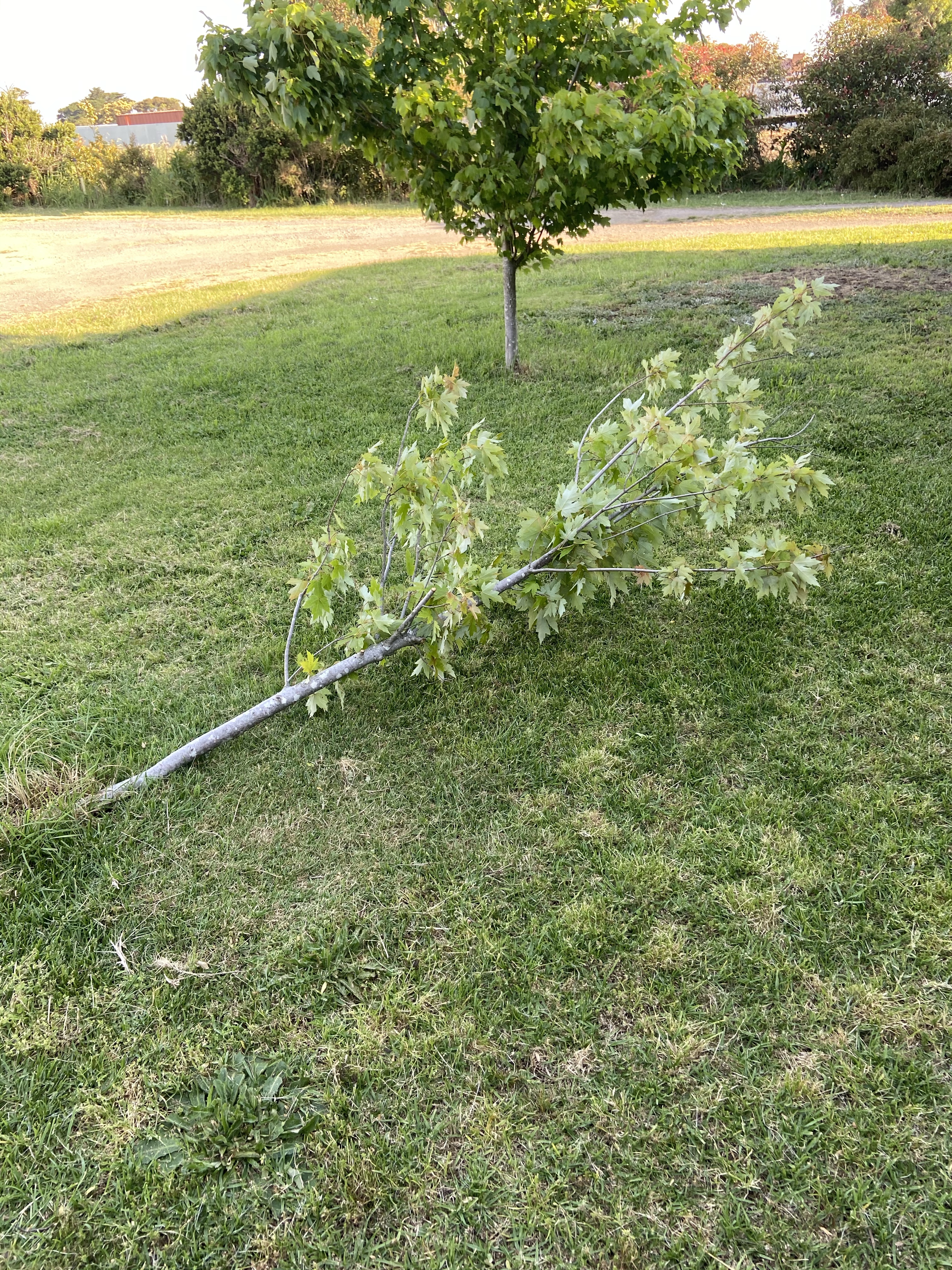
Anyone who knows me well enough to be in my front yard knows how much I love my maple trees that I have carefully and lovingly grown as reminders of my beloved Canada. I can’t get there anywhere near as often as I want to, so the least I can do is have a bit of Canada in my own garden. It’s not too much to ask.

Today, though, someone who was in my front yard — unbeknown to anyone who lives here, of course, heartlessly ran down one of my maples.

The victim.

Yes, it was a fairly small tree. That is irrelevant, because it was on its way to being big. Big maples cost lots more than smaller maples in Australia, and small ones cost more than enough. More importantly, it was my tree.

The only notification they left of the destruction of my tree was the tree itself, now horizontal rather than vertical. No note. No phone call or text. No apology. No identification of the culprit.

I am so sad. I’m sad for the loss of a tree that actually meant something to me.

I’m also sad that whoever is responsible felt it was okay to not be honest with me.

If I knocked over someone’s tree or broke something that belonged to someone else, I would be guilt-ridden and desperate to replace it.

Apparently, not everyone I know is quite so principled.

Fortunately for them, I have absolutely zero clues as to who is responsible.

Unfortunately for me, that means that my already cynical INFJ mind will not just go “oh well…” and let it go. Self-destructive as it may be, a little voice in my head will wonder ‘Was it you?’ every time I see people I should be able to trust. The question will probably never come out of my mouth, but it will be there, nevertheless.

The group of people in whom I have  absolute trust was already  a very small group indeed.
And people wonder why.

Doomscrolling.

Image by geralt on Pixabay.

Doomscrolling is the act of continually updating and reading  one’s social media feed for the latest news on a significant event. It is closely related to doomsurfing, which is scouring the Internet for the same kind of information.

The term has been around for a few years, but found new popularity as a hashtag earlier  this year, predominantly in response to Covid-19. It is surging again on Twitter today as people try to stay updated on the results of the US election.

It may be a relatively recently coined term, but it’s fair to say the activity to which it refers has probably existed for as long as  easy access to the Internet, especially via platforms such as Twitter and Facebook, has been available.

It’s an understandable behaviour – we want to stay informed, after all. These things matter. We want to know. However, it can also be a very effective self-torture device, as it compels us to focus on what is actually causing our anxiety and distress.  It seems that the worse the news is, the more people tend to keep on watching or reading. Some people even become fixated on that event, to the exclusion of other things, no matter how sad or angry it makes them.

The term also hints at the subjectivity of the behaviour: what one interprets as ‘doom’ is likely to be the exact inverse of what another person interprets it to be. It all depends on what outcome one is hoping for whether the course of events is classified as doom or a reprieve.

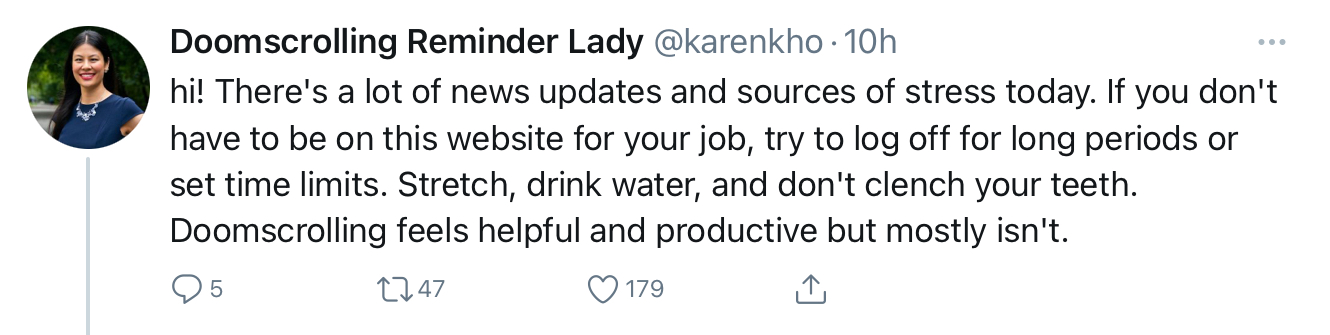
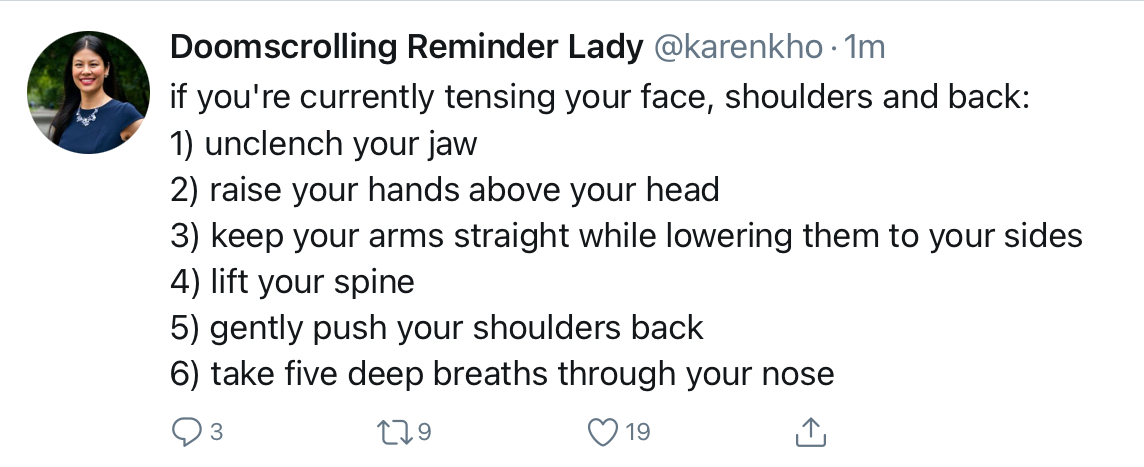
A highly relevant and helpful Twitter account is Doomscrolling Reminder Lady, who repeatedly tells people to get off the internet and take care of themselves instead.

It’s good advice.

Sources:
Merriam-Webster
Doomscrolling, Explained
Urban Dictionary

Doomscrolling
#words #DoomScrolling #behavior

Ultracrepidarian.

Ultracrepidarian judgement critical
Image by LKP_LKD on Pixabay

Ultracrepidarian is an old word that can be used as either a noun or an adjective to describe someone who is critical and judgemental, or who gives advice or opinions, about matters in which they have little or no knowledge, experience or expertise. 

Although somewhat different to a malapert, it is entirely possible for a person to be both.  

The earliest record of the word ultracrepidarian comes from the early 1800s, when it was derived from the  Latin phrase ultrā crepidam which means  “above the sole”. This was a reference to a story relayed by Pliny the Elder about a Greek painter named Apelles, who when criticised by a cobbler, said something to the effect of “nē suprā crepidam sūtor jūdicāre” or “let the cobbler not judge above the sandal”. 

People generally don’t welcome advice or critique that they have not sought. If advice must be given, it’s probably wise to stick to one’s actual area of knowledge and expertise. Even more importantly, it’s essential to be kind and gentle about it, and to try to be humble. That’s how to avoid being ultracrepidarian. 

Sources:
dictionary.com
Merriam-Webster.com

Ultracrepidarian: that annoying person who knows everything.
#language #words #etymology #blogpost

Masking The Awkwardness With Humour

Teacher masks students covid COVIDSafe

Disclaimer: I don’t kneel for my students, as that would send entirely the wrong message. Besides, they are teenagers and I’m only 5’2″. Also, I can no longer kneel. Image via Pixabay

Face to face teaching is back in full swing in Victoria, with all students over the age of 12, and all teachers, required to wear masks.

The kids generally don’t like wearing masks, and I totally get that. Still, that’s not an excuse for defiance. It’s currently a legal requirement, so whether or not we like it is a moot point.

Most of the students are quite cooperative. Some kids, though, are getting sneakier— or perhaps just less conscientious— about wearing them properly. The challenge for teachers is to find ways to remind them without being awkward or, even worse, coming across as nagging. As anyone who has tried to get a teen to do something they don’t want to will attest, that’s only ever going to create more resistance. 

As I am wont to do, I have reverted to humour in addressing the problem. 

When a student has their mask pulled under their nose, I tell them “don’t fly the flag at half mask”. 

When someone is not wearing a mask, I say, “Oops! Your face is naked.”

When the mask is sitting under their chin, I tell them to “pull their face pants up.” 

In a quiet classroom environment, or if I want to remind someone without drawing attention, I  simply make eye contact, hold my hand horizontally near my chin and lift it to above my nose. 

These responses engage the students by surprising the m and making them think about what I’m saying. They generally respond with a smile and then comply. The occasional student tries to argue, which invariably ends in disappointment for them.

I am always happy when it works. I was also very pleased when, while I was on yard duty, I heard one of my students tell another kid to pull his face pants up. I smiled with great satisfaction and whispered, “Good work, kid! Keep it up!” Nobody noticed, though, because I had my mask on. 

Masking Awkwardness With Humour
#TeacherLife #humour #blogpost

Note: Arguments about whether or not masks should be worn will not be entered into, and negative comments to that effect will be deleted.