Easily Confused Words: Spoilt vs. Spoiled

In response to describing myself on Christmas Day as spoilt, one of my acquaintances corrected me, saying that the word I should have used was ‘spoiled’. Their intentions were good, I’m sure, but they were, to put it bluntly… wrong.

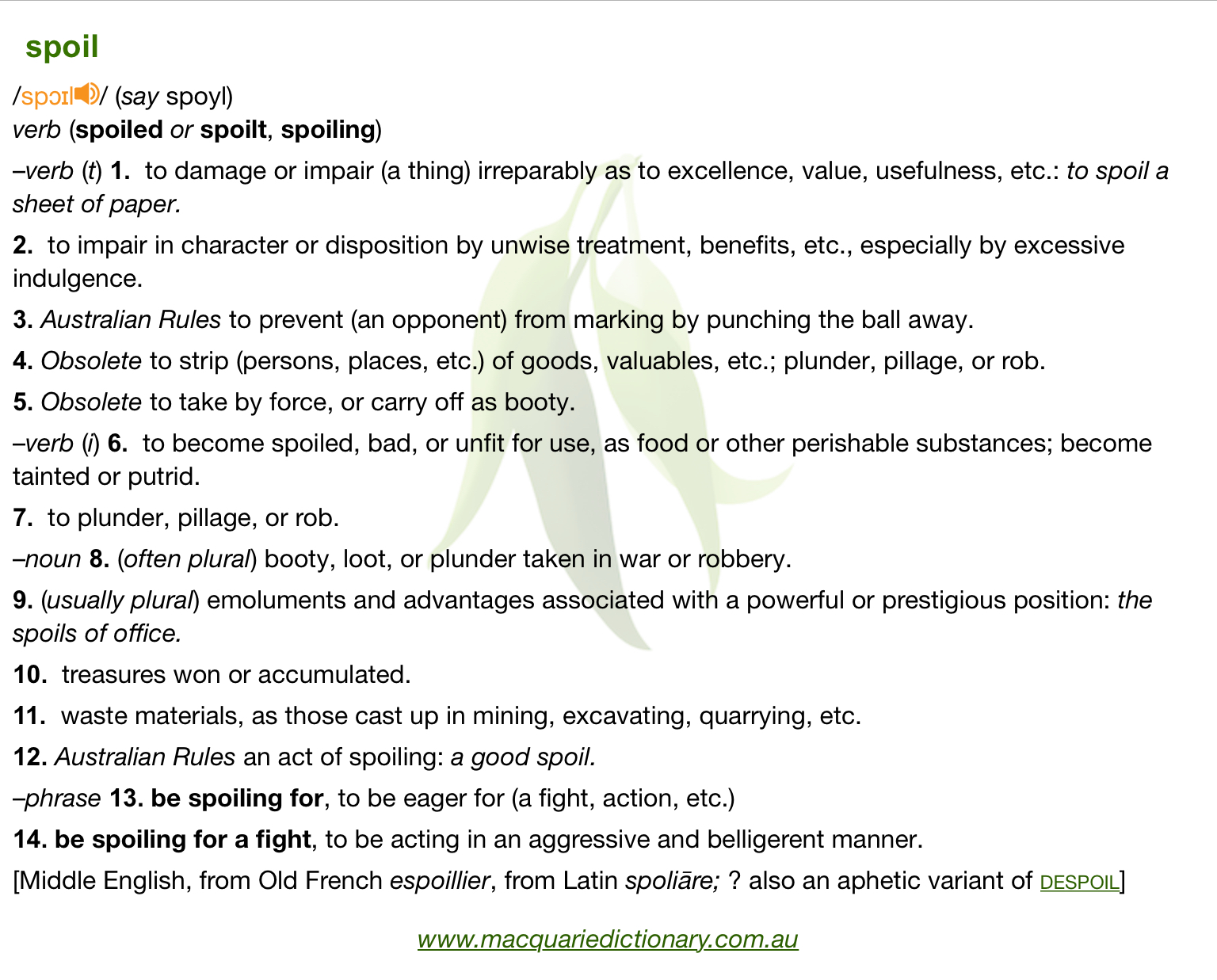
‘Spoiled’ and ‘spoilt’ are similar words that are easily confused with one another. Both come from the word ‘spoil’ which has a number of meanings of its own.

In the US, they use ‘spoiled’ for everything. That certainly simplifies things!

In the UK and Australia, however, the two variants of the word are used differently.

Spoiled’ is generally used as the past tense verb of ‘spoil’, although it is not incorrect to use ‘spoilt’ instead.
Therefore, last week’s roast that has gone rancid, a sheet of paper that has had something spilled on it,  and a natural landscape defaced by deforestation, mining or construction are most often referred to as spoiled, but can be described as having been spoilt.

Spoilt is favoured as the adjective for things that have been spoiled.
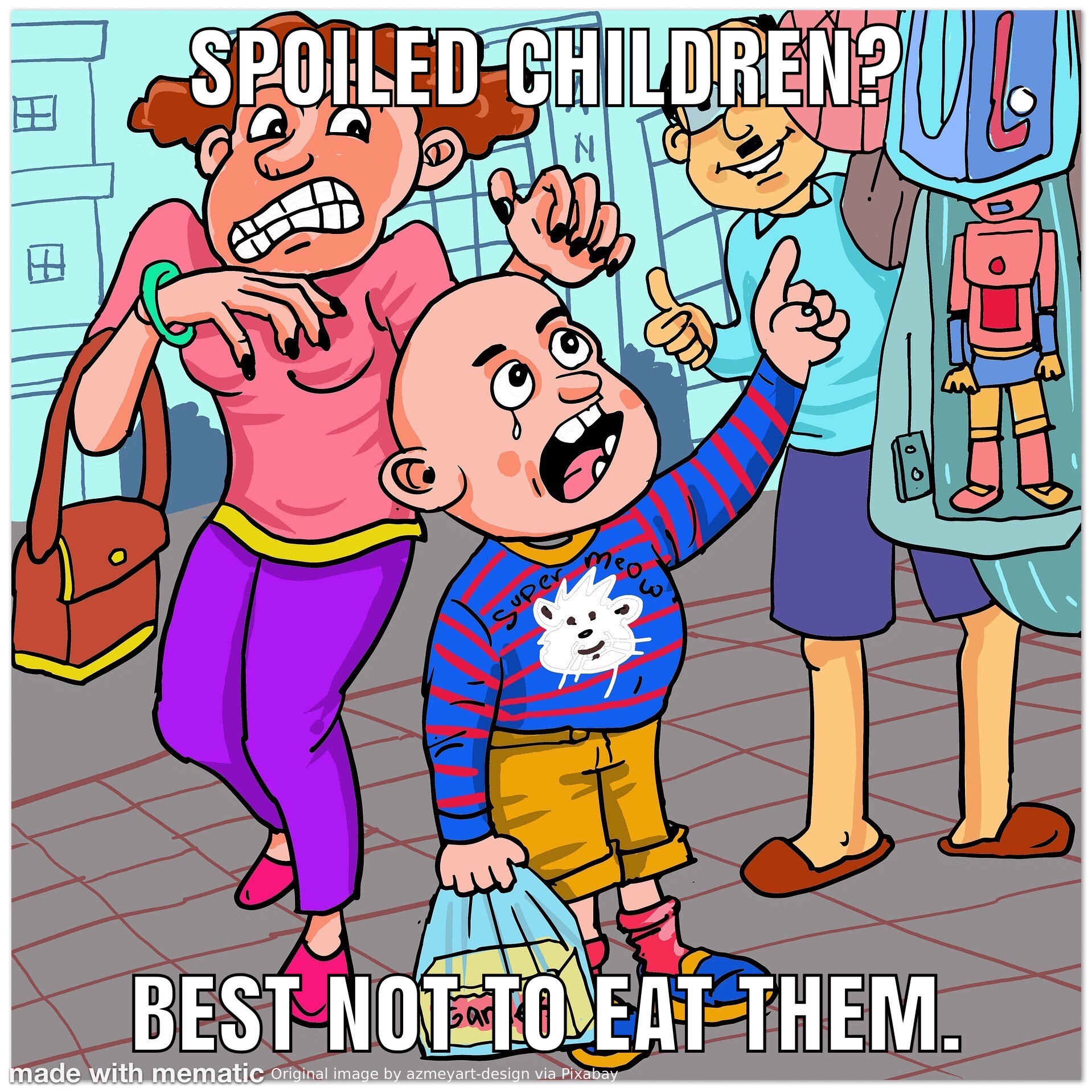
Children — and occasionally adults — who have received too many presents for Christmas or a birthday, enjoyed too many indulgences, or experienced too little discipline in their lives are often said to be spoilt or, in excessive cases, spoilt rotten.

So, over Christmas, I could quite rightly describe myself as spoilt or spoilt rotten. Given that I looked, felt and smelled fine, I am confident that I wasn’t spoiled at all.

Sources:
Macquarie Dictionary
https://grammarist.com/usage/spoiled-spoilt/
https://www.writerscentre.com.au/blog/qa-spoilt-for-choice/

Easily confused words: spoiled vs. spoilt.
#words #englishteacher #blogpost

Christmas Eve, Without You.

I’m usually a real kid about Christmas. It’s one of my favourite times of year.

This year, though, I’ve really had to try hard to muster my Christmas mojo, and I’m not sure I really succeeded.

Christmas Eve was particularly hard this year. I felt so disconnected and indifferent, and I didn’t know what to do with that.

My response was the same as always: write something!

Verbalising these feelings helped me deal with them. They were — and are
— still there, but I have been able to relax and let them coexist in counterbalance with my enjoyment of Christmas Eve and Christmas Day.

Today is what today is. My feelings are what they are. It’s all part of the process of grieving and moving forward and reconciling conflicting emotions while continuing to live.

wordynerdbird's avatar

Image by PeggyChoucair on Pixabay.

Joy is elusive this Christmas Eve,
Anticipation is aloof.
The empty chair, the missing gift,
The place not set at the table,
All murmur a silent, sorrowful chorus
Like a incantation, warding off
The overruling spirit of the season.
The magic of tinsel, baubles and tree
Cannot dispel the indifference
Cast by Memory and Grief as they linger,
Neither out of sight nor mind
Amid the coloured lights and carolling
On Christmas Eve without you.

ⓒ2020 Joanne Van Leerdam

View original post

Writing It Instead Of Carrying It

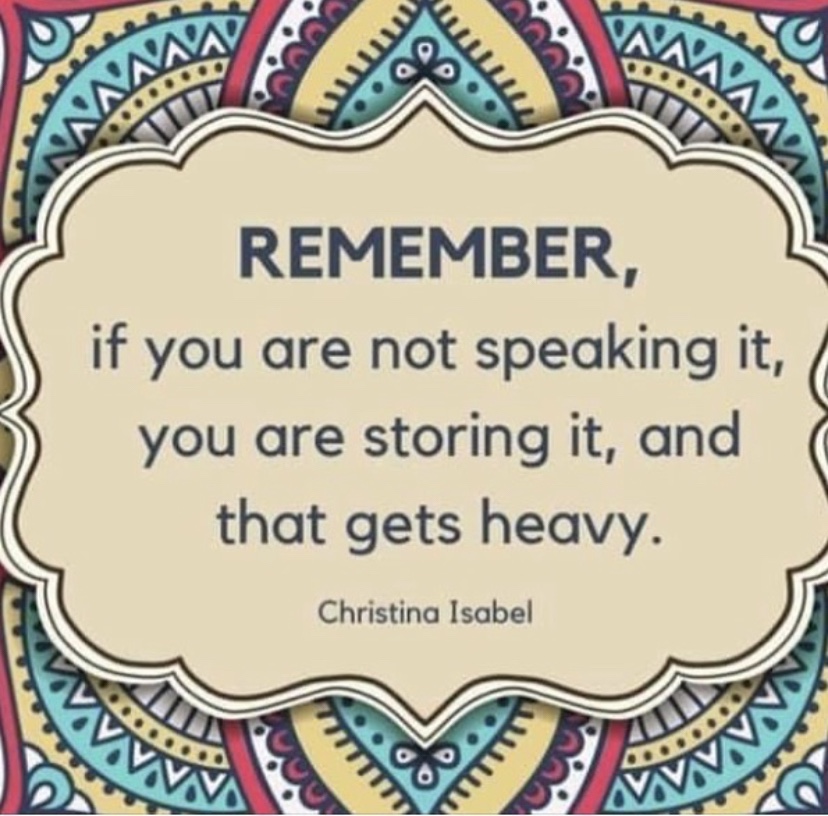
When this image appeared on my Instagram feed this morning, my immediate response was “Yes!”

Image text: Remember. If you are not speaking it, you are storing it, and that gets heavy. Christina Isobel.
I don’t know who created this image. I acquired it via Instagram.

This is why I have been writing and posting poetry and blog posts to help me deal with my feelings about my first Christmas without two very special people in my life, my father and one of my closest friends, both of whom passed away within five days at the end of June.

I have been doing everything I can to make Christmas joyful. Part of that has been working through my feelings and accepting the changes in life that have happened in this mixed up and turbulent year.

It is not that I have no joy or excitement. It doesn’t mean I don’t want to celebrate or focus on the positives in life. It means I need to works out how to manage the shades of guilt I experience when I feel joy, and the weight of sorrow at the very same time as enjoying the lightness of excitement and anticipation.

I fully realise that Christmas is very different for many, many people this year. Lockdowns, halted travel plans and distance have made sure of that. Like me, many people are grieving. Others are facing different sets of challenging circumstances.

The fact is, though, that it is my life that I am living. I have to manage my grief and work out how to balance things for myself. Nobody else can do it for me, and it has to be done. To refuse or fail to deal with my feelings isn’t healthy.

So, I write poetry and blog posts. I blurt my feelings and ideas down onto the page, then shape and craft them into something that both expresses how I feel and lets  others in similar situations know that they are not alone, and that their feelings are not wrong or abnormal.

That is my Christmas gift to the grieving people of the world; empathy, understanding and the room to feel as they do without judgment.

Writing It Instead of Carrying It
#emotions #grief #WritingCommunity

With Love, Me.

I wrote this poem not just for myself, but also for my family and friends who are really feeling the absence of a loved one this Christmas.

I don’t think it requires any explanation. I just wanted to share it with you here.

As always, any feedback is greatly appreciated.

Why Are Christmas Songs Called Carols?

Photo by Blue Ox Studio on Pexels.com

I recently heard someone insisting that there was a difference between Christmas carols, which were all about baby Jesus and the angels, the star and the wise men, and Christmas songs, such as Jingle Bells or Rudolph the Red Nosed Reindeer.

It sounded like a feasible explanation, and the guy put up what seemed like a good argument– mostly due to his confidence and the underlying implication that he knew more about it than anyone else.
(See malapert and ultracrepidarian.)

That’s what triggered me to research the question. I confess it was more out of my desire to possibly prove him wrong than to actually know the answer that I took out my phone and searched Etymoline for ‘carol’. To my delight, he was wrong! It does seem to be a popular belief, but it’s not consistent with the etymology of the word carol.

Carol is a very old word that dates back to about 1300 in both its noun and verb forms.

At this time, the noun meant both a joyful song and a form of dance in a circle or ring. Both of these meanings probably came from the Old French word carole that referred to that kind of circular dance, which was sometimes accompanied by singers. The origins of the word before that are unclear, but it certainly does paint a festive picture.

It wasn’t until about 1500 AD – two centuries later – that the word had also come to refer to a hymn or song of joy sung at Christmas. Thus, the religious connotations of the word came much later than the secular meaning.

The verb form to carol first meant to dance in a ring or circular formation. The sense of the word that meant to sing with joy or celebration had developed by the late 14th century.

The verb carol did not mean to sing Christmas songs, often moving from place to place to do so, until the late 1800s. It does seem, though, that the practice of carolling is believed to be a much older tradition that was outlawed in Britain, along with the celebration of Christmas itself, by the Puritans who governed in the mid-1600s.

So, Christmas songs are called carols because of their festive and joyful nature. Given that a. the word was originally far more specific about the type of dance than the type of songs being sung, other than that they were joyful, and b. Jingle Bells and Rudolph are as festive in their own ways as Hark The Herald Angels Sing or Joy to the World, there is no reason to classify them differently. They’re all Christmas carols, and that’s that.

Sources:

Carole: European Dance
Etymonline
Medieval Circle Dance: Carole
The History of Christmas Carols

Why Are Christmas Songs Called Carols?
#ChristmasSongs #ChristmasCarols #blogpost

67 Years.

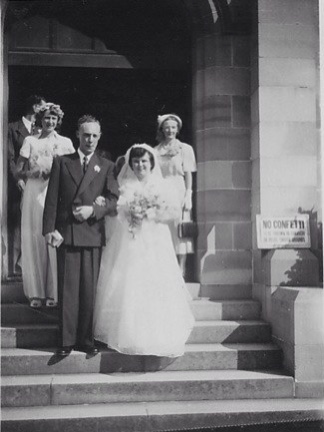
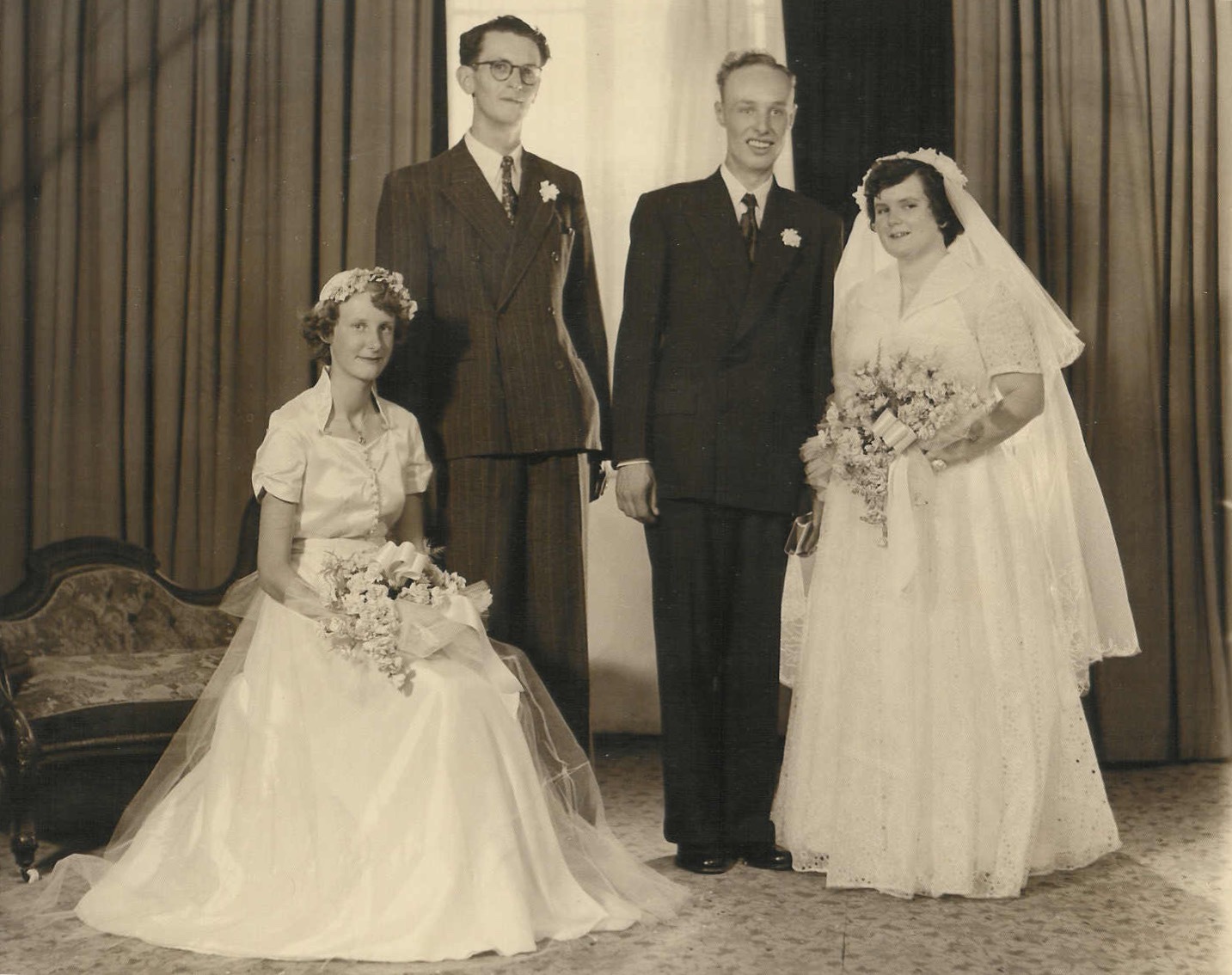
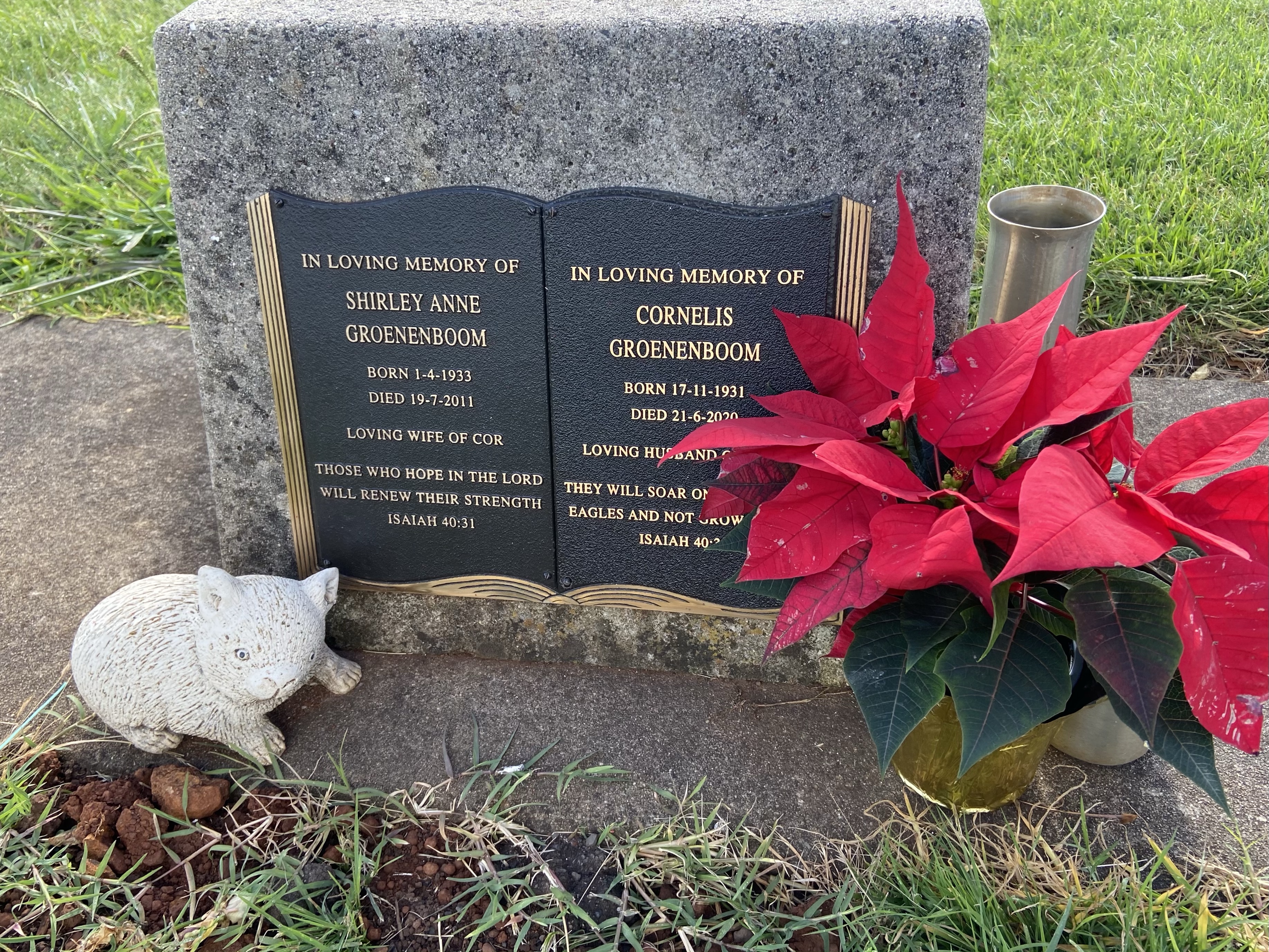
This morning, my sister and I visited Mum and Dad’s grave on the 67th anniversary of their marriage.

On this date, every year since 2011, I have been purposeful in spending quality time with Dad as he spent the anniversary without Mum. He often had some tears, as did I, and we would talk about family times and happy memories. There would invariably be coffee and cake involved at some point of the day.

This year, Mum and Dad are together again, and we are without them both for the first time.

Instead of coffee and cake, we went out for breakfast together before heading up to the pretty little cemetery on top of the hill.

Nature blessed us with a beautiful morning: sunshine, blue sky, white fluffy clouds, and a light breeze. The grass is starting g to cover the grave now, so it looks less  fresh and confronting. Still, it was the first time my sister, brother-in-law and husband had been back to the grave since the day of Dad’s funeral, so in that respect it was harder for them than for me.  I quite like cemeteries, and I have been back to visit Mum and Dad’s grave on several occasions. 

Neither my sister nor I had a big howly cry, which we wouldn’t be ashamed to admit because we have both done it several times before, but we both had some tears. We’re not ashamed of those, either. Crying is healthy, and so is owning your emotions.

Christmas won’t be the same this year. For the first time in our lives, we will be doing it without our father. I haven’t bought boxes of chocolate-coated ginger or liquorice allsorts for the first time in decades.

It’s all kind of weird, and it hurts, but we are doing our best to make it positive and memorable. Before visiting the cemetery, we went out for breakfast with our husbands. We bought a little Christmas poinsettia, which Mum always loved, to decorate their grave instead of taking fresh flowers this time.

Most importantly, my sister and I are spending Christmas together. I am so enormously thankful that, after months of lockdown and closed state borders, she and my brother-in-law can be here.

There are gifts under the tree, plans for special meals and treats, and neither of us has to navigate the first Christmas as orphans on our own. Our other siblings and my nieces can’t be with us, but they will be with family. We will video call and spend time together that way. It’s not perfect, but it beats not being together at all.

As I observed in my post on Dad’s birthday, the firsts are hard. There are so many feelings, and it can be challenging to know how to mark the date without being morose. It’s good to honour the memories, but the fear of people thinking you spend too much time in Memoryville or Griefland is real.

Will they want to read another Facebook post or blog about it? The fact is, some won’t, and that’s okay. At the same time, there are plenty of others who will. We are not the only ones grieving for a loved one for the first time this Christmas.

It matters to me, and to them, that we know we are not alone in our feelings, nor are we weird or wrong for feeling the way we do. It’s completely natural, and the best thing to do is acknowledge it: cry and laugh when we need to, retell the family stories, share memories, and deal with it in the most positive and constructive ways we can.

It’s also important to be deliberate about creating new memories and treasuring our time together, so that we make this first Christmas as merry and bright as we can.
Yet Another Reason Why I Love Where I Live.

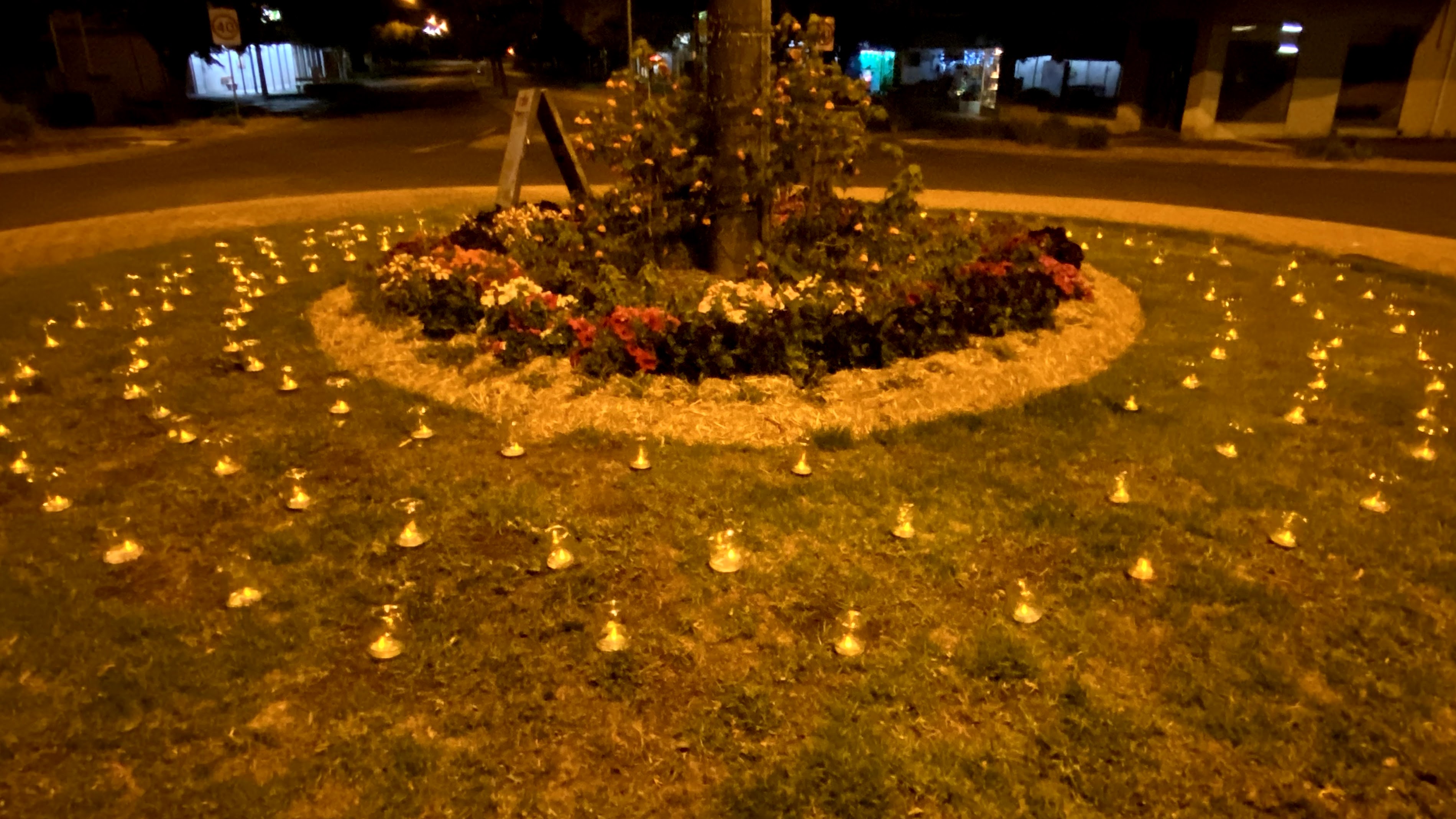
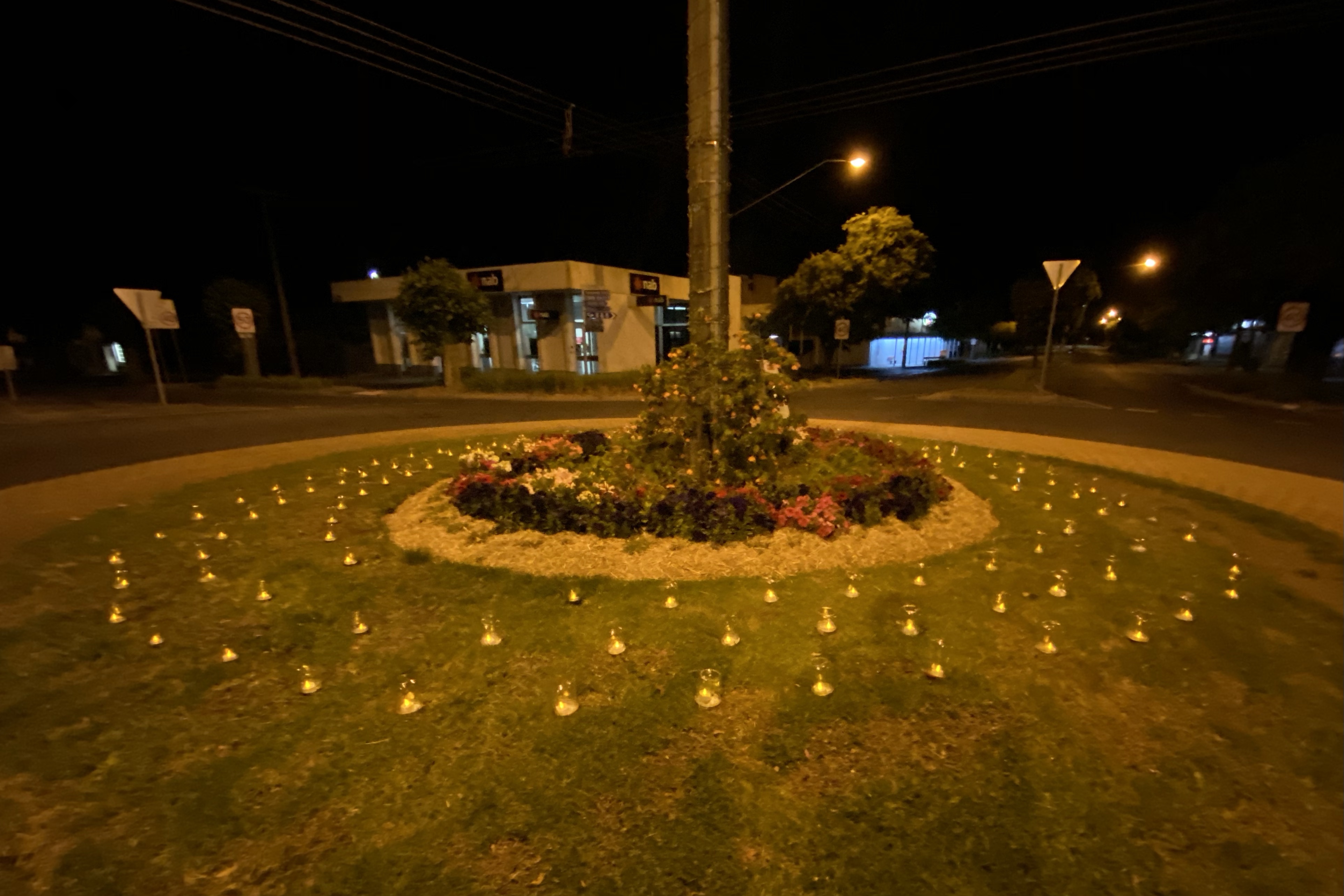
Our local council has created this gorgeous candlelight memorial for all the people in our local government area  of Corangamite Shire who have passed away in 2020.

Most of these people‘a families were very limited in how many they could have at the funeral. The way we have mourned and comforted one another has had to change. Our ability to travel and see each other has been limited or, at times, impossible.

Gestures like this help us to feel less alone, and to know that our loved ones are remembered. It’s very touching that the community as a whole is able to acknowledge their absence from the towns and social circles in which they lived.

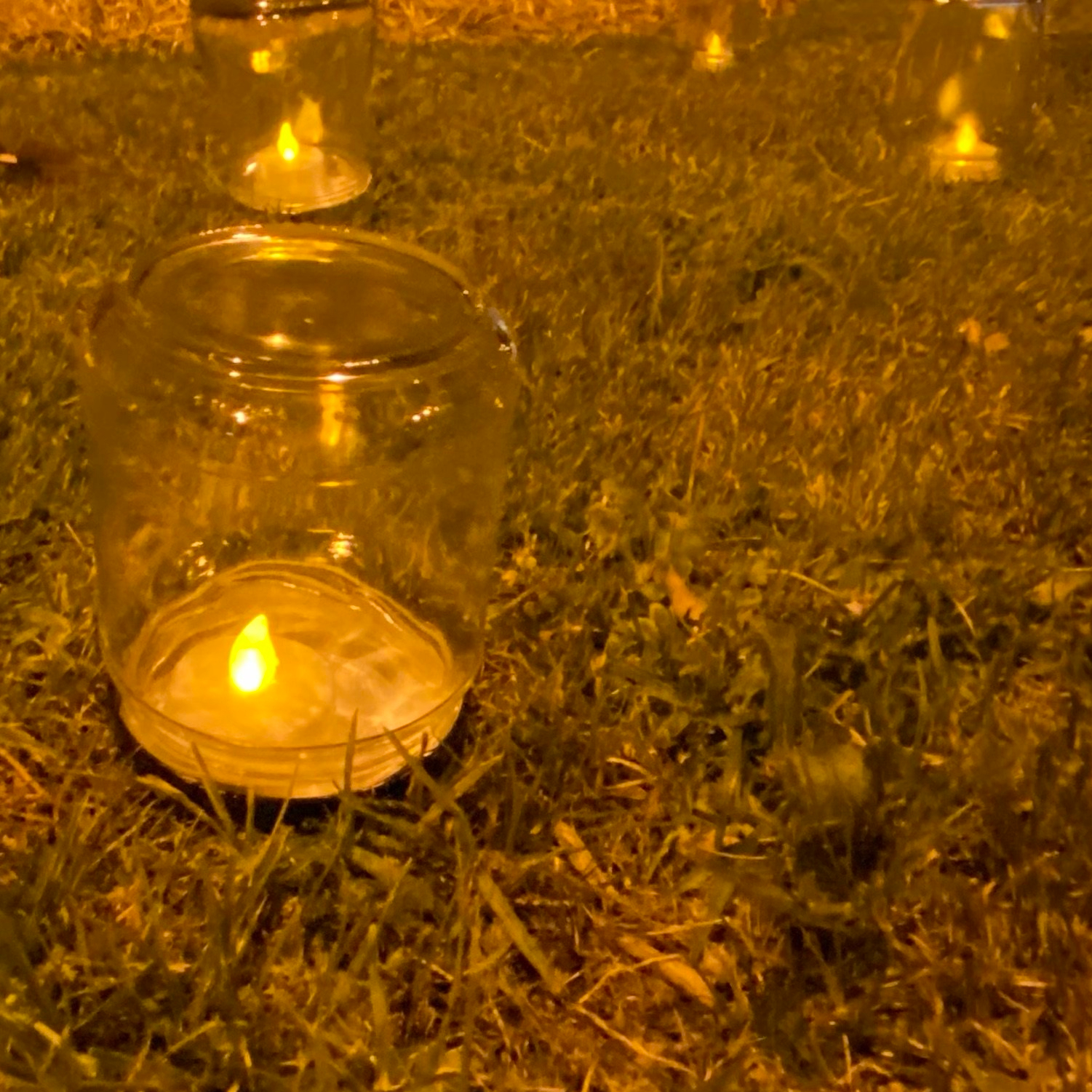
There are 129 lights burning through the night. That’s 129 families like mine that have been changed forever. And, I’m sure, it’s 129 families who appreciate the thoughtfulness of a local government that thinks beyond budgets and logistics to stop for as long as it takes to light 129 candles, and invite the community to stop, remember and reflect.

My sister and I went to see the memorial tonight, to pay tribute to our dad and to share the sight with our family interstate via video.

Thank you to the Corangamite Shire and the local community members who helped make this happen. It is very much appreciated.

Fairy Lights: A Reflection on Brokenness at Christmas Time.

I wrote this poem a while ago, but it seems so relevant at this point of 2020. Every time my Christmas fairy lights flick on lately, I think of this poem.

It’s the time of year when people want me to attend parties and end of year gatherings for work or other groups. They want me to sparkle, but I feel as though I am still so tangled and frayed and broken, I just can’t.

Yet again, I find myself ‘faking normal’ and smiling and nodding while wishing I could go home and go to bed instead. It’s a well-practised skill that, quite honestly, I wish I had never had to learn in the first place.

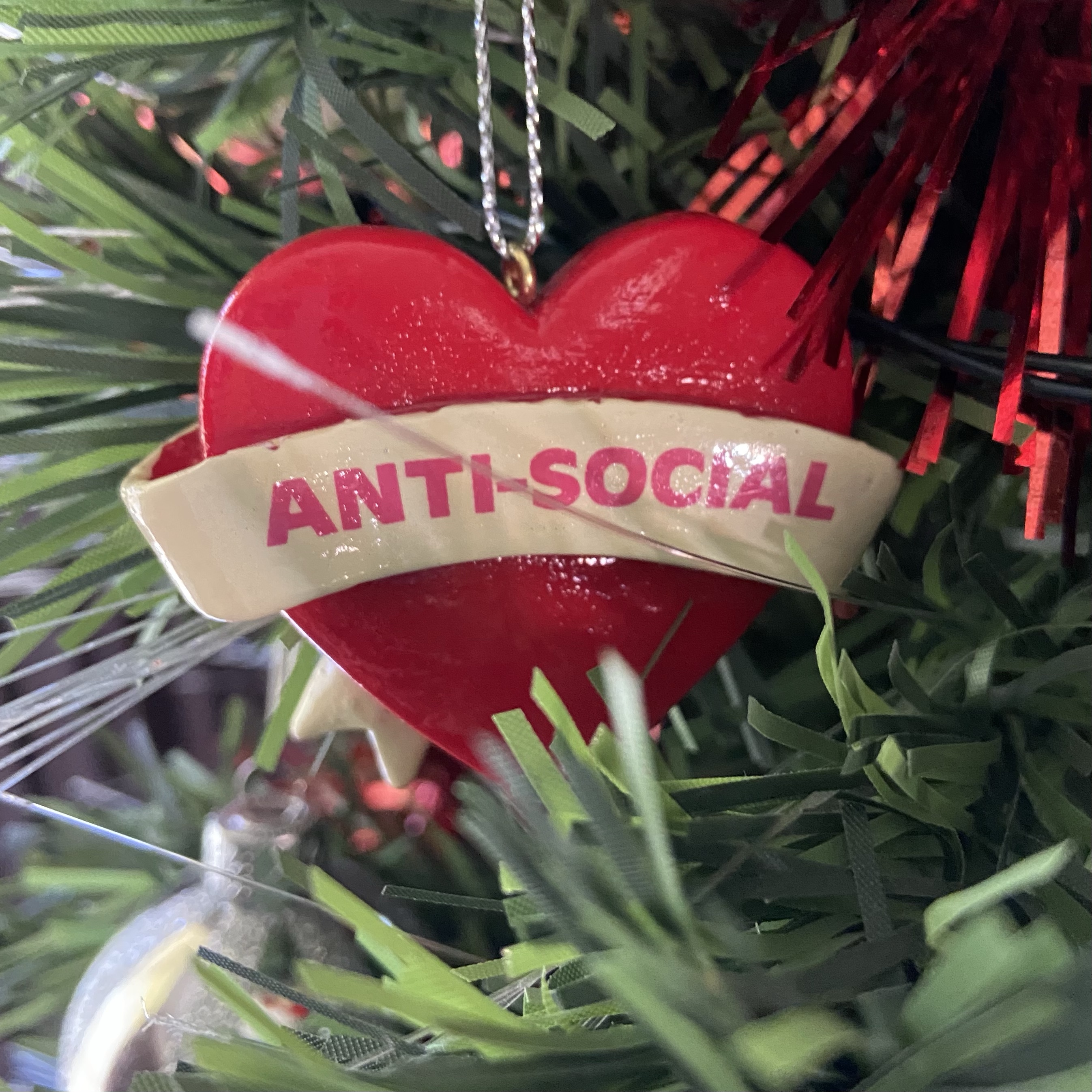
Hence my choice of new Christmas decoration, hung lovingly on my tree in honour of the mess that 2020 has been.

It’s fair to say I enjoy this bauble far more than I have enjoyed this year.

wordynerdbird's avatar

Photo by Matheus Bertelli on Pexels.com

Just like a bundle of fairy lights, stowed carelessly,

I am a mess of entangled emotions

A jumbled catastrophe, knotted and messy,

Some parts are missing, some coloured glass broken;

Synapses misfire in slightly frayed wires:

There’s danger in causing my power to surge,

I don’t always light up the way others desire

But I can be quite lovely when I have the urge.

©2017 Joanne Van Leerdam

View original post

Christmas in Australia.

For my overseas friends, a few notes about how Australians celebrate Christmas.

My comment yesterday that I was playing songs full of snow even though I live in Australia generated some interest in what Christmas is like here, so I thought I might share a little about how Australians celebrate Christmas.

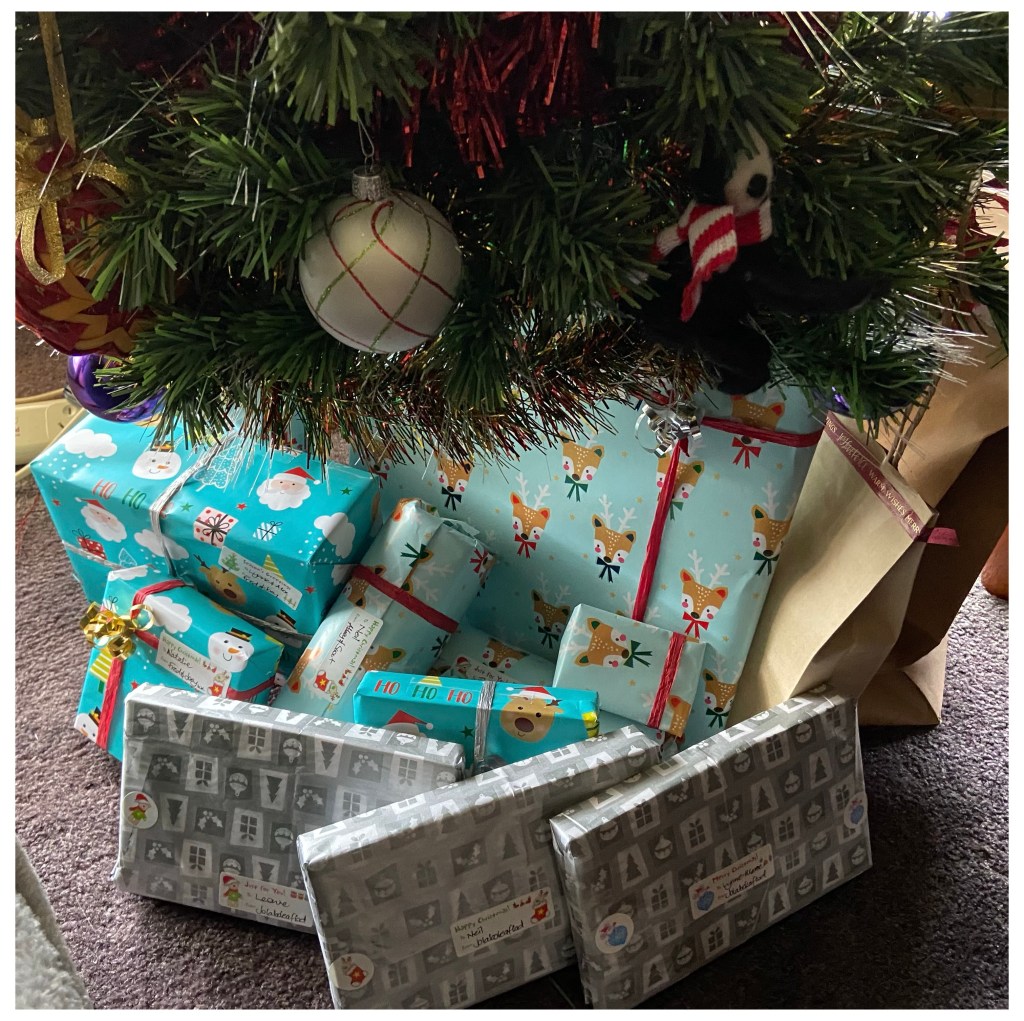
I’ve got some of the gifts wrapped and under the tree.

Many of our traditions are the same as everyone else’s. We sing the same songs, send Christmas cards, decorate with Christmas trees, tinsel, wreaths and lights, and hope that Santa will visit and leave us gifts. We have Christmas music in all the shops and soppy Christmas movies on TV.

There are a few key differences though.

Christmas happens in summer here. When we sing ‘Let it Snow’ and ‘White Christmas’ it’s wishful thinking— usually because it’s ridiculously hot outside. My little Canadian spruce is decked with tinsel and fairy lights, but it will probably never see snow– at Christmas, or at any other time of year.

Because it is summer, kids are on their long break between one school year and the next. Term 4 finishes sometime in the middle of December, and the kids return to school sometime toward the end of January.

This gives people the opportunity to more easily travel longer distances to visit family, or to spend Christmas near the beach or in other desired locations. While this certainly happens in other countries, Australians have made a time-honoured national tradition of ‘going away for the Christmas Holidays’.

Some of the traditional Christmas songs like Jingle Bells have been rewritten to reflect Australian conditions, and we also have some of our own songs that probably aren’t sung anywhere else, except for maybe New Zealand. Many of these are less well-known now than they used to be, partly because our culture is significantly led by American and British influences, partly because their lyrics and subjects are outdated, and mostly because they were ridiculously hard to sing.

Many of us still have traditional Christmas food like turkey and ham, but we’ll often have salads on the side instead of hot vegetables. Some people barbecue steaks and other meats instead, while others opt for seafood for Christmas dinner. The traditional Christmas pudding is often accompanied or even replaced by cold desserts like cheesecake, trifle or iconic Aussie desserts like pavlova or chocolate ripple cake.

It’s still a day for family and friends, but lots of Australians spend Christmas or Boxing Day gathered at the beach or by the pool. Christmas meals are often eaten outdoors, hopefully under cover or in the shade. It’s not unusual for Aussies to enjoy their post-Christmas-dinner nap in the cool of the air-conditioning or in front of the fan.

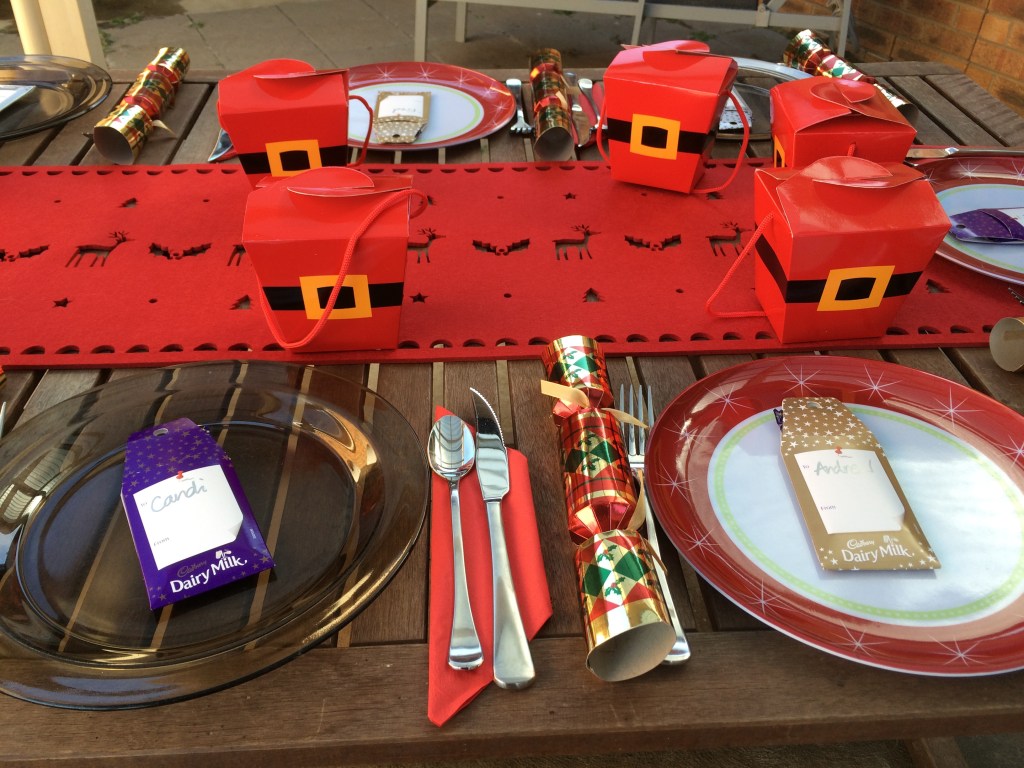
Our Christmas table setting last year, in our outdoor courtyard.

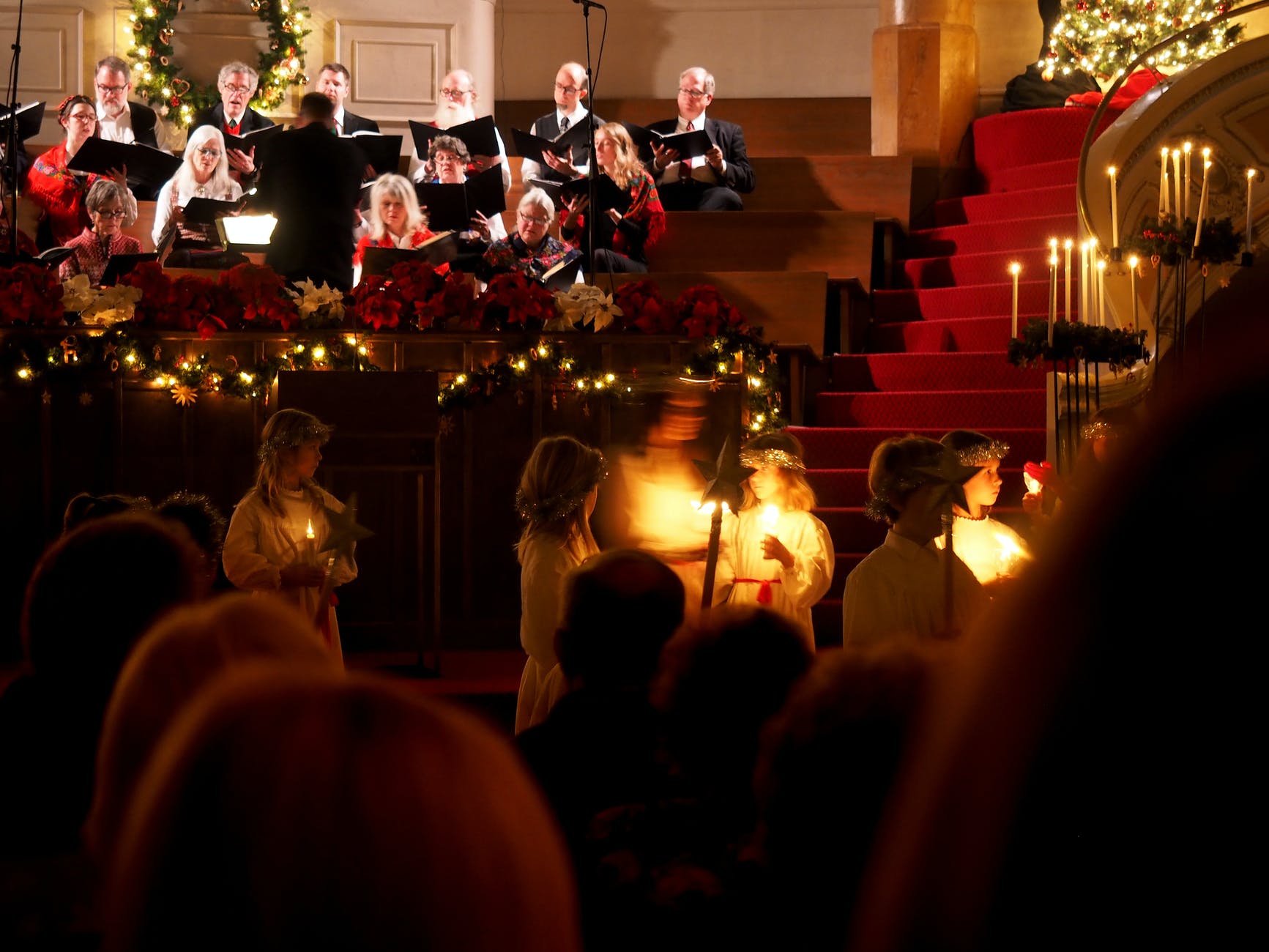
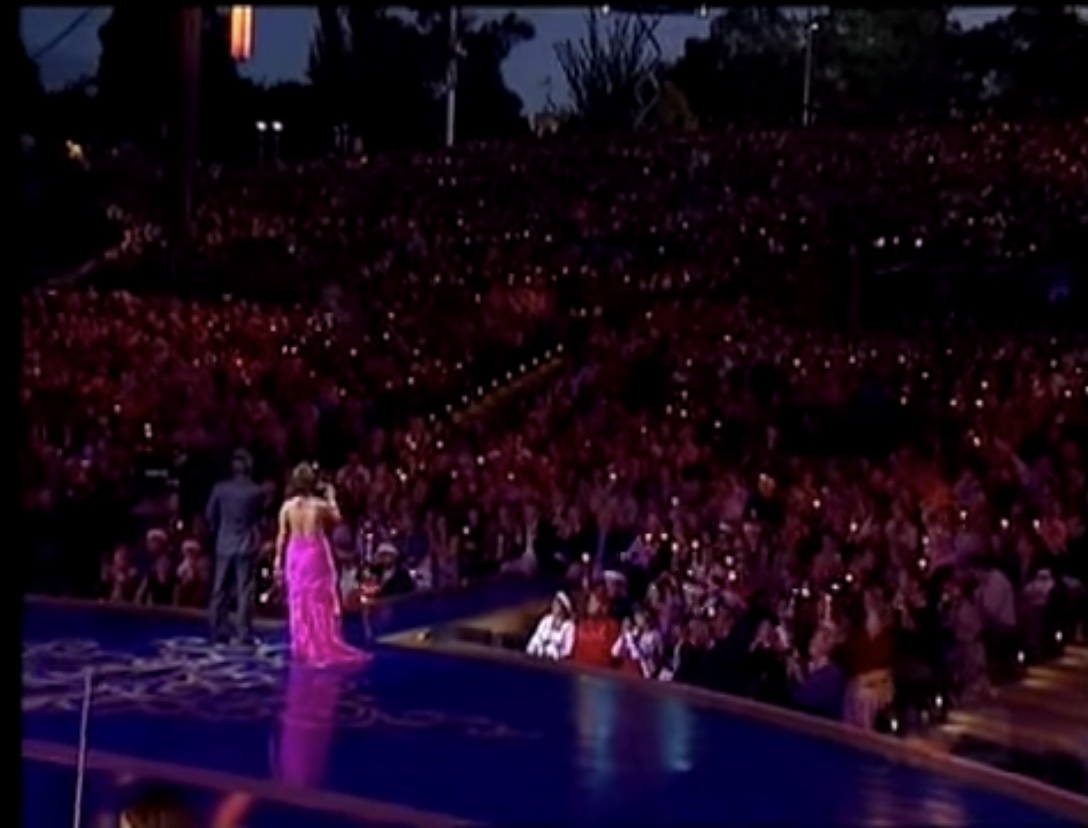
One of my absolute favourite Australian Christmas traditions is Carols by Candlelight. Crowds gather outdoors, often picnic style, and sing Christmas songs together. There are local events all over the country, but there is also the nationally televised showbiz charity event held in Melbourne on Christmas Eve every year. Santa usually makes an appearance, as do various celebrities of TV and the music industry who, supported by a band, an orchestra, and premium choirs, entertain and delight the nation.

You can see clips from Carols by Candlelight of previous years on YouTube, including my favourite performance of recent years: Grown Up Christmas List by Aussie singers Silvie Paladino and Anthony

Because of Australia’s longitude, we start our Christmas Day while most of the world is still full of anticipation on Christmas Eve. Only New Zealand and some small Polynesian nations of the Pacific Ocean start their Christmas before we do.

While the rest of the world is waking up to Christmas morning, Australians can often be found gathering outdoors again for a game of cricket in the back yard, or another dip in the pool or at the beach.

On the 26th, many Australians will tune in to the Boxing Day Test Match— also cricket— on the TV or radio, broadcast from the Melbourne Cricket Ground where up to 100 000 dedicated fans attend the game in person for each of the five days scheduled for the match. Don’t let that surprise you – we’re a sports-mad nation, and the cricket lovers among us are as dedicated as any.

After all the excitement of Christmas, things settle down for a day or two before we get the barbecues out and gather together again to celebrate New Year’s Eve.

Undone.

Photo by Laura James on Pexels.com

This morning, I came undone. 

I had my Christmas playlist on in the car. I defamed of a white Christmas with Frank Sinatra , I shared a grown-up Christmas list with Michael Buble, and then it happened. ‘Christmas Without You’ by Human Nature began to play. I held it together for the first verse, but I also knew it was time to pull over. There would be no driving through the rest of the song. 

I couldn’t even play the whole thing. I had to turn it off because the big,  ugly, messy cry was already just about out of control. 

Knowing Christmas this year will be spent without two people I love dearly is hard. I’ve had to consciously motivate myself to do the shopping, put up the tree and hang the tinsel. This is highly unusual for me: I am generally a big kid when it comes to Christmas. . Buying and wrapping gifts is fun, but even that brings its own reminders of whose presents won’t be under the tree. 

I will keep on playing Christmas music, but I have edited my playlist for this year. I have taken that song out, along with Blue Christmas, Please Come Home For Christmas, and All I Want For Christmas Is You. There will be fewer sad songs and more bells, reindeer and snow along with baby Jesus and the angels. 

I will do my best to enjoy Christmas with my loved ones. I will drape tinsel over the broken bits, and perhaps keep some spare strong tape handy in case I come unstuck again. Bring on the merry and the sparkles. 

Undone.
#christmassongs #emotions #Christmas2020