The Most Beautiful Reading Experiences

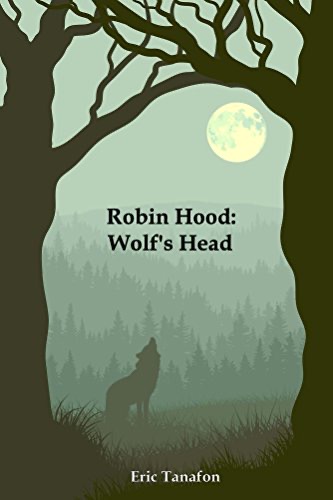
More than a year ago, I began my book review of Eric Tanafon’s fabulous historical paranormal fantasy novel ‘Robin Hood: Wolf’s Head’ with this paragraph: “Every now and then, as a reader, I experience an incredible moment of revelation when I take in an expression or image of something that is so powerful, it takes my breath away.” 

There is something incredibly magical about that moment when a writer’s words take my breath away. It doesn’t happened as often as one might like, but it has happened to me twice in the space of a week. 

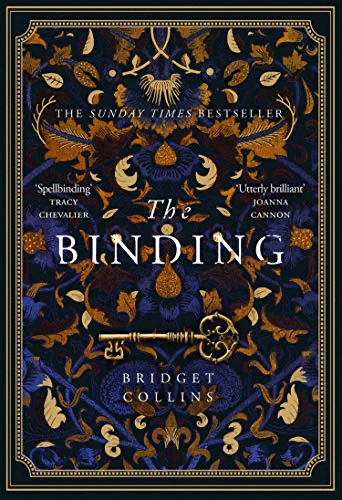
Once was when reading Cortney Pearson’s steampunk mystery ’The Perilous In-Between’. The second was when reading Bridget Collins’ historical fantasy novel ’The Binding’. 

All three books are exquisitely written, full of incredible imagery, rich and imaginative world building, and powerful writing that make the reader’s emotions and mind soar. 

Proudly, two of those books are by independent authors, published without the support of big traditional publishing houses and the budgets that the other enjoys. But if you picked up all three, and read them, you’d be pushed to know which was which if you were using the quality of writing or production as your yardstick.  You’d only know by looking for a publisher’s imprint. 

It is true that there are some rubbish books produced by independent authors who don’t bother having their work edited, proofread or produced properly. It is also true that there are also some rubbish books published traditionally. I’ve picked up a few books in my time that have, in all honesty, made me wonder exactly how they got published at all. Other people may think they are wonderful — and they are welcome to them. 

And that is exactly my point. What makes a book ‘brilliant’ is highly subjective, and people will have many and varied reasons for the choices they make. Even so, the assumption that traditionally published books are of superior quality is becoming less and less valid as time goes on. 

It’s fair to say that independent publishing has come a very long way, and the industry has become quite proficient in setting and achieving very high standards. 

If you’re not reading Indie authors, you’re missing out on both discovering some incredible talent and reading some brilliant books. 
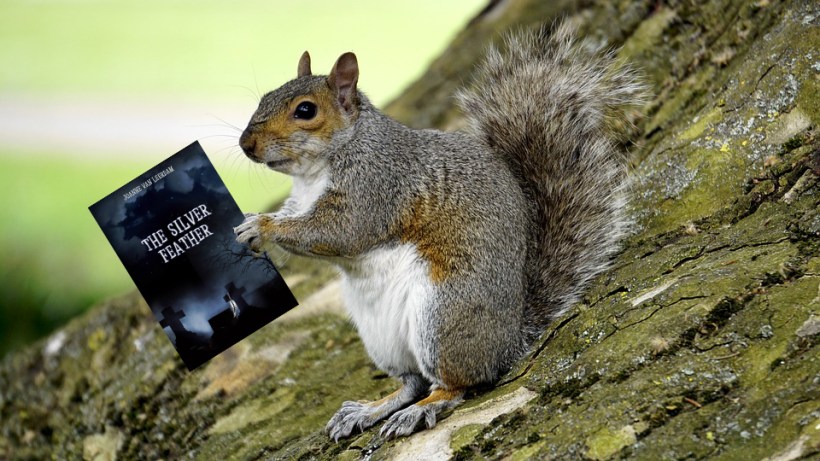
For great Indie book recommendations, follow Book Squirrel on WordPress, Twitter, Facebook or Instagram

Can the Cold Case of Book Marketing Be Solved?

Everything David Gittlin has written in this post sounds remarkably familiar to me, as my own experiences are very similar.

This is precisely one of the reasons that I developed some budget-friendly book promotion options for Indie authors via Book Squirrel – it costs a lot less per month to get your book seen by people than it cost me, or David Gittlin, or countless others for that matter, for the months of promotion paid for with very low return. 

Of course, I don’t pretend that Book Squirrel is the entire solution. No one package ever is. But his options for book promotion definitely offer a few affordable opportunities, and provide some valuable parts of a good overall promotion plan. 

The other thing to keep in mind that promotion will not always directly result in sales. It’s also about building familiarity with your book and brand, getting your name out there, developing some credibility and presenting opportunities for people to think about your book as well as to buy it. Realistically, very few people will immediately buy a book by someone they haven’t heard of: in fact, very few people immediately buy a book by someone they have heard of. Those readers who have a “one click” response to books and authors are worth their weight in gold. 

theryanlanz's avatarRyan Lanz

by David Gittlin

Comparatively speaking, writing a novel is the fun, easy, first step of the self-publishing process. The second step, creating an attention-getting book cover, offers its own unique set of challenges. However, the most intimidating and difficult undertaking, to most authors, is the third step—marketing. The word strikes terror in many authors’ sensitive little hearts because they want as little to do with the outside world as possible.

View original post 1,343 more words

A Director’s Perspective on Casting a Show

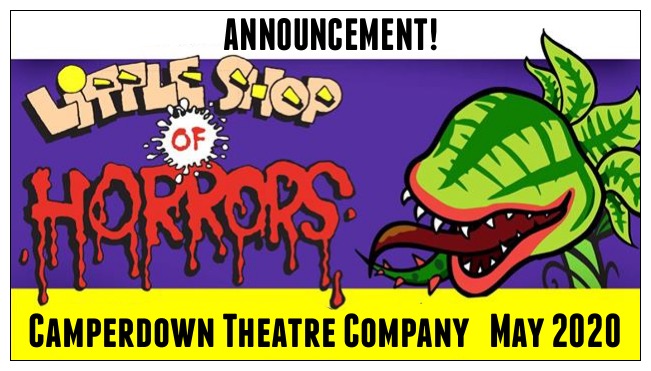
As I mentioned in my previous post, I spent the weekend with my production team, auditioning talented hopefuls who were trying out for a role in the Camperdown Theatre Company production of Little Shop of Horrors in May, 2020. 

The depth and variety of talent was incredible. It took us three hours to decided on the final cast, because we had some fabulous options – but that also meant that some hard decisions had to be made, too. You can’t give everyone the lead role, after all. 

When I looked at the final cast list, my first words were, “ This is going to be an absolutely killer show!” And you know what? It really is, because every one of the people the production team called last night with an offer accepted the role we offered them, even if it wasn’t the one they were hoping for. 

They are all super excited, and so am I. 
The cast list has just been posted, and I am looking forward to the excitement and anticipation that will create in the community as well as in the theatre company. 

There is a lot to do, and no time to waste, before rehearsals begin in February, but one thing is sure: It is a wonderful thing to be able to create and share this very special kind of joy and excitement that will flavour the whole six months before the show hits the stage.

Under Pressure.

If this past week had a theme song, it’s definitely ‘Under Pressure’ by David Bowie and Queen. 

The pressure of juggling job, family, and other commitments has been huge, simply because there was a truckload of stuff I had to get done and all of it had deadlines attached. The problem was that I was relying on other people to do certain things, too, and when that didn’t happen, I had to do more.

There was not anything I was willing to skimp on, or give it a “that will do” treatment. My students deserve to receive the help and attention that they need, and my elderly father deserves nothing less. Exams are approaching so papers have to be graded and feedback has to be given. Exams have to be finalised for checking, printing and delivery. I had a student teacher finishing a placement, so there was extra paperwork to do by Friday afternoon. 

And this weekend is full of auditions for ‘Little Shop of Horrors’, which I am directing for Camperdown Theatre Company next year. 

I am not complaining. I know I am not the only one who is busy, and these are all things I have taken on willingly. But that is actually part of my argument.

What I want to achieve in this post is to point out that life is full of demands and commitments, and managing one’s time is crucial. 
Whether a professional, a student, or in any other role in life, it is an essential life skill to be able to get things done to the best of one’s ability in a timely manner so that deadlines are met. 

For me – or anyone else – to be able to do that, other people need to pull their weight and do what is expected of them. Nobody operates in a vacuum, and one person dropping the ball or refusing to pick it up in the first place has flow-on effects that they might not ever see. 

The often hidden effect of someone not doing what they should is that others can’t actually meet all their obligations either. 

On the occasions when my own students don’t get their work in on time, that puts me behind in getting their assignments graded and in giving feedback that would help them in completing future pieces of work. It can also put me behind in writing reports, which can  cause other people further up the school “food chain” to be behind in what they need to do, too. 

On those days when I end up working late at school to meet my own commitments because someone else has been slack in meeting theirs, it either means my dad has to wait for his dinner or whatever else he might need, or that my husband, who already works one and a half full time jobs and does all the things I can’t do at home because of my back, has to do extra at short notice. That’s not fair on either of them. 

It isn’t always avoidable, I know. Some kids have issues that crop up, others have a lot of responsibilities. It’s also both fair and important to say that it’s not always the students who cause the issues, either.

More often than not, though, it’s a the result of someone’s laziness or poor priorities, and that tends to annoy me fairly quickly. 

In my dream world, everyone would sort their priorities, manage their time, and get on with doing things to the best of their ability. Nobody would be let down, and we could all enjoy the satisfaction of a job well done without extra pressure making things harder. 

Easily Confused Words: Stationary vs. Stationery

Yesterday I saw a sign in a shop that said “Stationary” attached to a shelf. 

They were absolutely right: that shelf wasn’t going anywhere. I suspect it’s still in the same place even now, although it’s been about 30 hours since I was there. 

This is a common mistake because people often don’t realise that ‘stationary’ and ‘stationery’ are two different words.  They sound the same, but are spelt differently and have very different meanings.

Stationary means “not moving”. 
A train stops at a station, and remains stationary while people get on and off the train. 

Stationery, on the other hand, is the sort of supplies you’d get at a Stationer’s stop: paper, pens, pencils, erasers, notebooks, and the like. 

Therefore, in order for the sign in the store to have been fully accurate, it could have said “This stationery shelf is stationary”. 

I suspect, however, that most people  would be less appreciative of such a sign than I would be. 

The Benefits of Reading Aloud During the Editing Process

Reading aloud when proofreading and editing is excellent practice because far fewer errors escape our notice.

I teach my students to do it. I recommend other authors and bloggers do it. And even though I have been teaching English for 30 years, I know I am not infallible, so I still do it, too.

Renea Guenther's avatarRenea Guenther

The Benefits of Reading Aloud During the Editing Process

By this point, we’ve put so much work into our stories, we believe there couldn’t be anything left to handle.

The plot’s cohesive, the stakes are high, our characters are compelling, we’ve kept the reader interested to the end

Everything is as it should be.

Then we edit.

Only to find our story doesn’t read as it should, things can be worded better, overused words and phrases that need to be cut or substitutions found…

Editing can be a huge mess, especially if you’ve never done it before.

It’s not always as easy as one might expect. Nor are the mistakes always obvious.

We know what we wrote and expect it to read as we remember it.

So we skim through our writing, catching a mistake here and there, but often missing key problems.

Our minds often fill in the blanks for missing words, especially in…

View original post 577 more words

The Value of Listening.

In this highly screen-oriented world, are we losing the skill of listening?

There are four main sets of skills that English teachers work to develop in their students: reading, writing, speaking and listening. 

Over the past few years of my teaching career, I have observed that my students find listening much more difficult than the others. 

I’m not talking about them showing respect or being quiet when I’m talking – most of them are pretty good at that, thankfully. 

It’s the art of deliberate, intentional listening, focusing on what is heard and processing that kind of information, that people seem to struggle with. 

I have offered my students audiobooks to help them with reading their set texts. Most of them aren’t interested in that— not even the struggling readers, who would really benefit from that kind of assistance in getting through a book. I have also offered them podcast episodes related to the books they are studying, and I don’t recall anyone taking up the offer. 

Give them a YouTube clip, though, and they’re on it like flies at a barbecue. 

Don’t get me wrong – those YouTube clips and TED Talks can be super helpful. My issue is that people – and it’s not just kids, I’m sure – are so oriented to screens and visuals and  hooked on sensory overload that they’re losing the art of listening. 

People these days frequently have music playing while they do other things – work, run, work out, eat, walk, shop, drive, clean the house, you name it. There’s absolutely nothing wrong with that. But do they ever really just stop everything else and just listen to something? 

It is really healthy to turn off the “noise” of the world and the demands of a busy life and close your eyes to focus on what you can hear. You don’t even have to listen to anything in particular – it can be fascinating to see what you can hear when devices, TVs, and appliances are turned off and things are quiet, especially if you go outside.  

In terms of listening material, there is so much available that is good to listen to beyond music or commercial radio. Audiobooks are fantastic, as I’ve observed in a previous post. There are podcasts on every imaginable subject, free of charge, just begging to be listened to. Listening to talkback radio is both informative and entertaining, if you can find a station or a show you really like. 

Listening is such a valuable skill. It enriches life in so many ways. It builds relationships, enhances learning, develops understanding of the world and the different people in it, provides entertainment, aids relaxation and soothes the soul. 

If we would all just turn off the screens, close our eyes, and open our ears more, we’d be a lot better off. 

Romance Is Not Dead.

Today I was browsing in a bookstore when a guy nearby did the most romantic thing I’ve witnessed in quite some time. 

He took out his phone, made a call and said, “Hi sweet, I’m just at the bookstore… do you need anything?”

I was overcome with “all the feelings” and I’m sure I had a goofy smile all over my face, despite the realisation that my dream man was a complete stranger and in a relationship with someone for whom he is willing to buy books. 

And they say romance is dead. 
What I saw and heard today proves otherwise. 

What a guy!

Pumpkin.

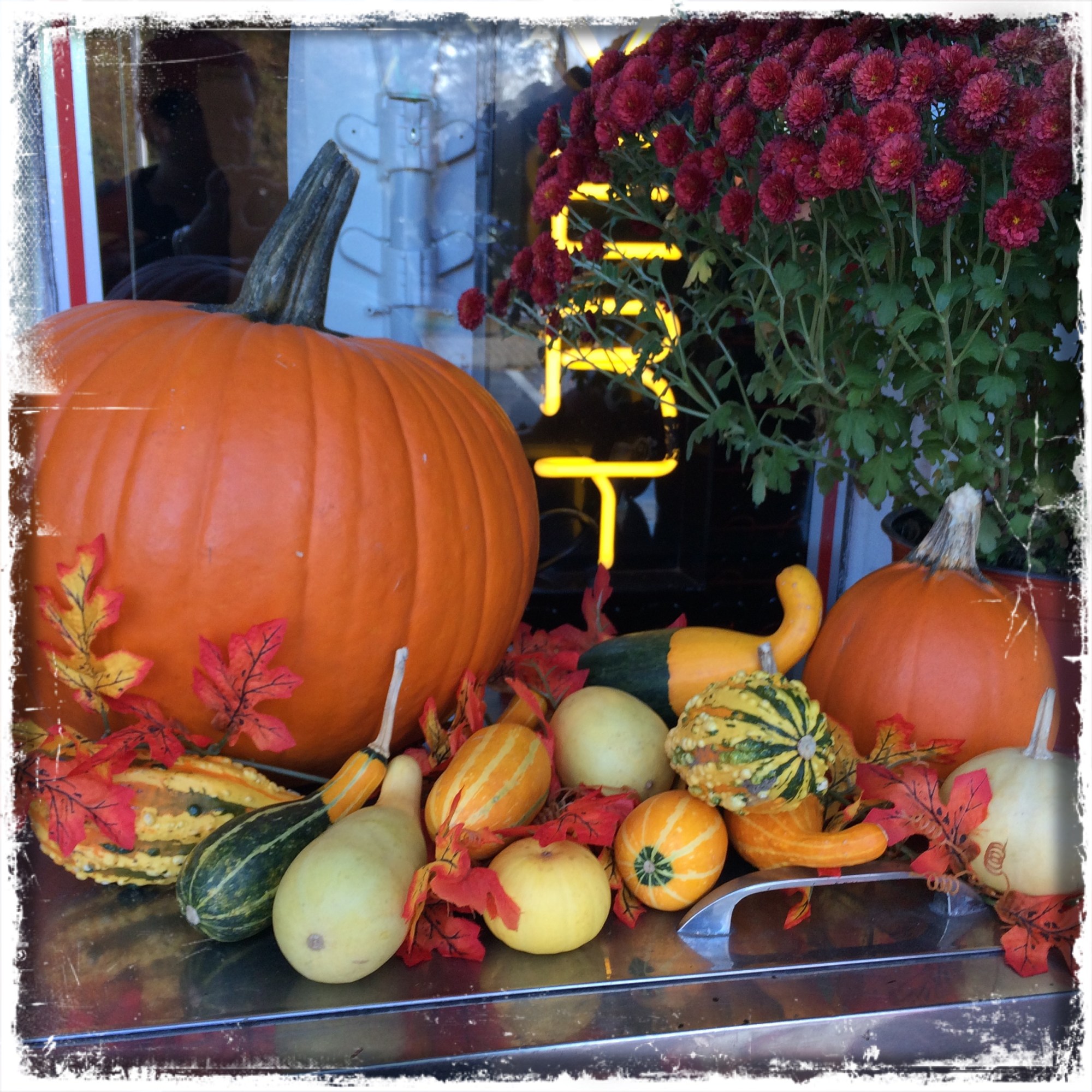
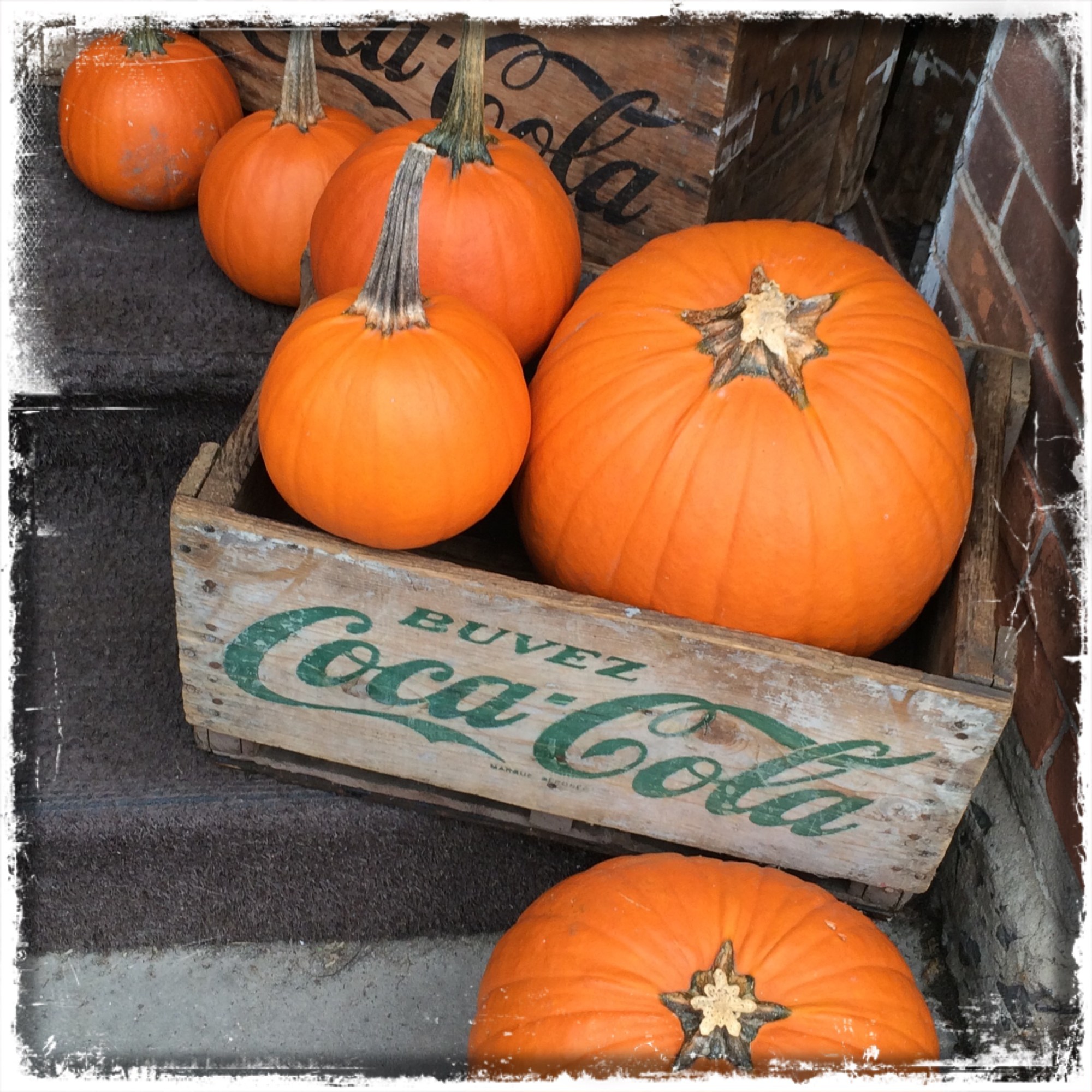
I love pumpkin. It’s my favourite vegetable. I love the colour and shape of them. I love the fact that they are all so different. If there were ever a type of vegetable that embraced individuality, the gourds and squashes would be it.

When I visited Canada, I loved seeing them decorating shops, gardens, front porches, letterboxes, streetscapes… they were everywhere. What really surprised me is how little pumpkin they actually seemed to eat, unless it was in a pie.

Speaking of which, I need some pumpkin pie. I adore pumpkin pie, but it’s really hard to get here in Australia.

While I’m daydreaming about that most delectable of desserts, please enjoy this rumination on ‘pumpkin’ via Sesquiotica.

sesquiotic's avatarSesquiotica

It’s orange, except when it isn’t. And it’s big, except when it isn’t. But when it’s big, it can be very big, and it can keep getting bigger and bigger, sometimes until it’s too big and it just breaks right open. Hazards of competitive growing!

View original post 627 more words

Practice or Practise – Which One Makes Perfect?

Knowing whether to use ‘practice’ or ‘practise’ can be tricky. Because these words are homophones, and the spelling is very similar, it is easy to make mistakes. 

Practice is the noun
I need more practice. 
Practice is key to being a good pianist. 

Practise is the verb
I must practise if I’m going to get this right. 
I used to practise on the piano for an hour every day. 

There is one easy way to remember which is which: these words follow the same spelling rule as ‘advice’ and ‘advise’. 

Advice is a thing you give or receive.  Advise is something you do. 
Because that pair of words don’t sound the same, it’s easy to remember which is which.

You can also think of the ending – ‘ice’ – which we know is a thing, and that reminds us which one of the pair is the noun.

Fun fact:  In British and Australian English, ‘licence’ and ‘license’ follow the same rule. 
I have my driver’s licence. I am licensed to drive. 

However, American English spells both the noun and the verb as license.