Back in the Classroom: Putting My Teacher Mask On

Thoughts on the first day of face to face teaching after months of lockdown and teaching online.

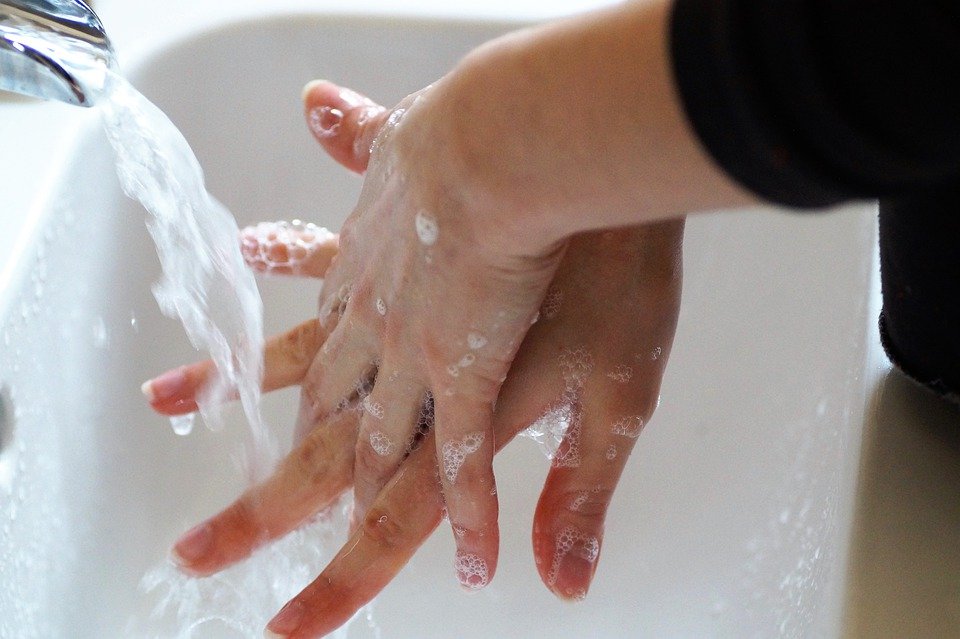
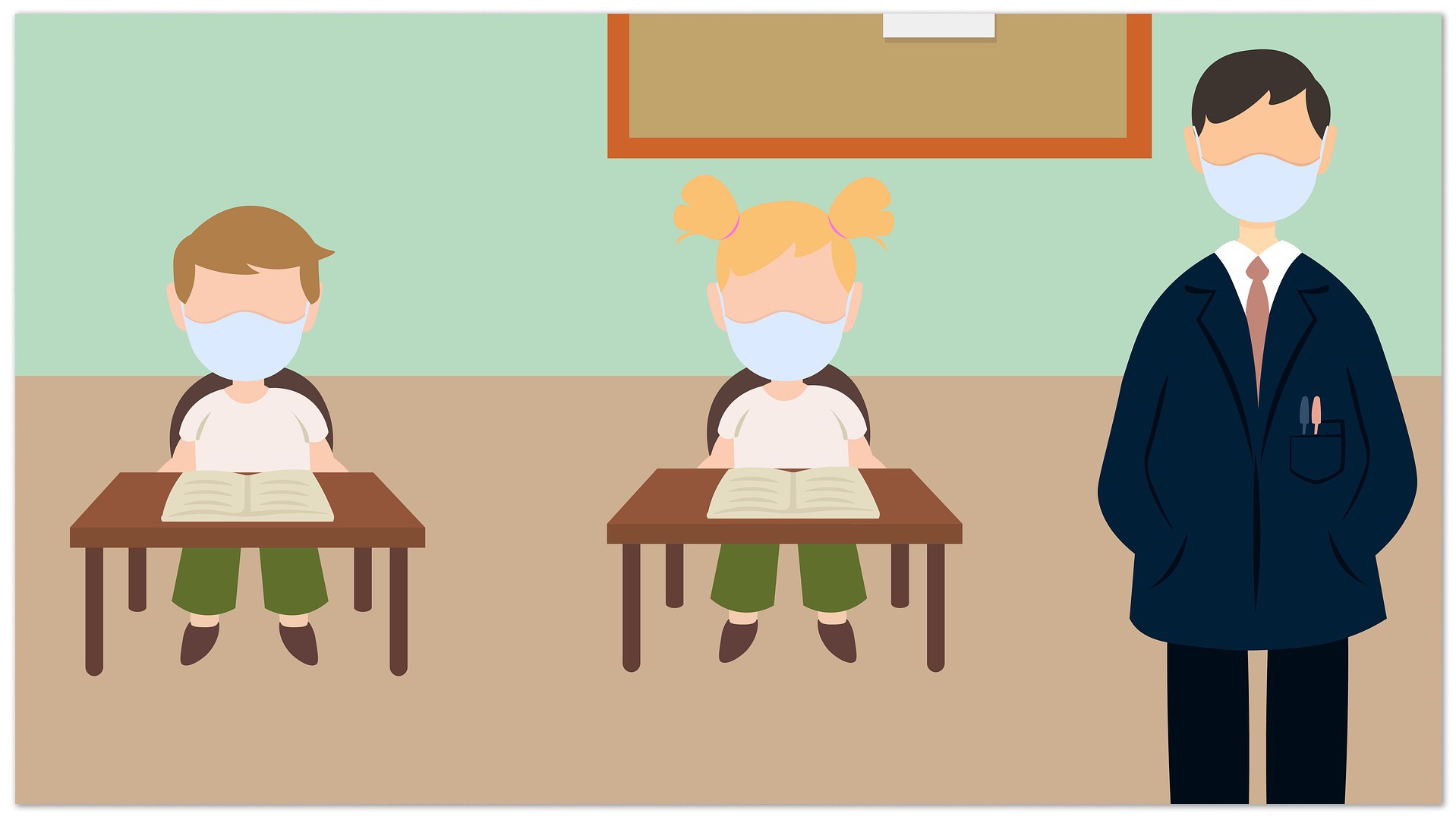
Image by HaticeEROL on Pixabay

After nine weeks of only seeing my students in little squares on my computer screen, a two week term break, and a final week of online classes, we resumed face to face lessons today. Things were a little bit different than they used to be, though. 

The desks were distanced from one another as practically as they could be. The bottle of sanitiser at the front of the room had been joined by another and, this time around, the students didn’t need reminding to use it. Most obviously, though, we were all wearing masks. 

We used to talk about “putting our teacher hat on” when we walked into the classroom, and taking it off again at the end of the day. I guess now it’s our teacher masks we have to consciously think about wearing, as this seems to be the new normal— in Victorian schools, at least— for the foreseeable future. 

The wearing of masks is something disliked by many students and staff alike. Personally, I don’t mind wearing one, and I am happy to not be breathing in whatever germs are floating around the room. Most of my students seemed to manage without any difficulty, but getting some of them to wear their masks properly and not keep touching them proved to be yet another new classroom challenge.

Still, there were some good things going on. 

The tone and humour in my classrooms was generally positive. One kid who doesn’t even like me much told me it was good to see me. I laughed and told him to give it time, and everyone laughed at that because we all knew it wouldn’t last.

Marking the class roll was significantly easier and quicker than online: once again, I could see at a glance who wasn’t there. Marking the roll in online classes was something I always found arduous. Today it took two seconds. 

I could see right away who wasn’t doing what they should be, and I could move around behind them and see their screens. There is no more effective way to make someone work than to be able to see their screen. 

At the same time, I could instantly encourage those who were working hard amd staying on task. It’s so much easier to be positive when you can be both natural and proactive about it. The added bonus is that when you praise and encourage one student for doing a good job or making a great effort, it tends to make those listening more inclined to want to do better and get some praise, too. 

Those few kids who have avoided doing much at all since we returned to online schooling finally had to do some work. Those who did not engage in online lessons found themselves no longer able to just sign in and zone out or leave the room. And because I was wearing a mask, they couldn’t see my wry grin as I watched them working. 

I was able to move around the room and look over the shoulders of my students. Delivering instant feedback and reminders about spelling, punctuation and paragraphs is significantly easier than trying to give that kind of advice online.

All things considered, while the day was not without a few issues and challenges, it’s fair to say that the positives outweighed the negatives. It’s hard not to be satisfied with that. 
Covid 19 and the Great Pestilence: How Much Have We Really Learned?

Image by ivabalk on Pixabay.

This post reminds me of the lessons I’ve been doing with my Year 8 History class about Medieval Europe and the Black Death.

My students were very interested in the plague, and surprised by the fact that this was when quarantine, social distancing, and the wearing of masks became the go-to modes of dealing with contagious disease. They were also surprised by the time it took the Europeans to understand the importance of basic hygiene, and how very long it took to develop good medical knowledge.

These lessons were highly relevant in These Times, and helped the kids to understand why we’re being reminded to wear masks, wash and sanitise our hands, and keep away from other people. It was good to be able to discuss how relevant history can be. 

We all agreed we are incredibly thankful for modern medicine, science, vaccines and health care. 

It does strike me as bizarre, however, that with all the scientific and technological advances we’ve made, we still have to remind people to wash their hands. Some things, it seems, never change. 

viscountessw's avatarmurreyandblue

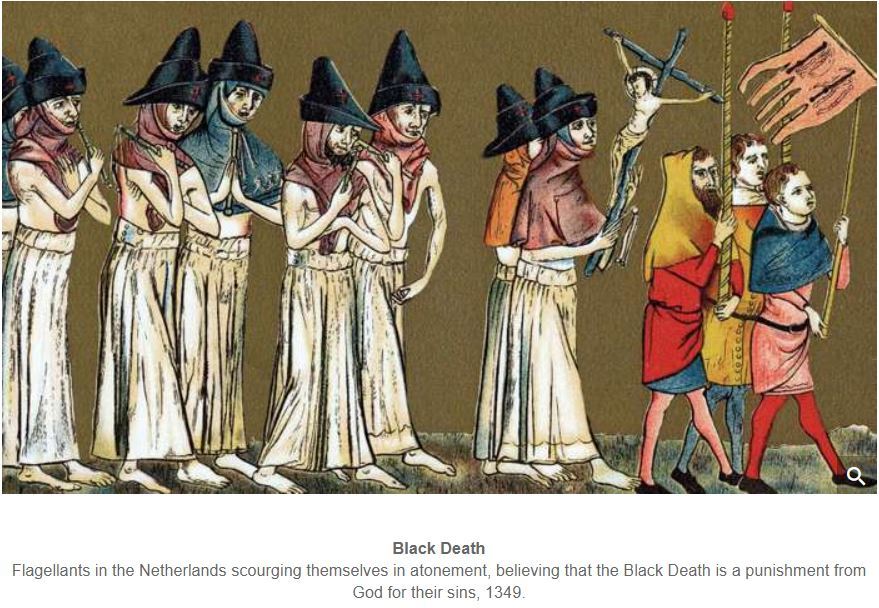
This illustration is simply that, a suitable illustration – the Flagellants followed the first wave of the Great Pestilence and aren’t mentioned here.
from https://www.britannica.com/event/Black-Death

In this time of Covid 19, when we don’t know why it seems to affect men more than women, and some ethnicities but not others, it is interesting that back in the 14th century the tsunami of the Great Pestilence of 1348 was followed by lesser waves that differed in many ways from the original. The first of these, in the England of 24 Edward III (January 1360 to January 1361) was called the secunda pestilencia and appeared to affect mostly the very young, babies and adolescents. Women were not affected in the same way.

The Chronicle of the Greyfriars of King’s Lynn notes: “…In that year [1360] began a plague among Londoners at about the feast of St Michael, where at first infants…

View original post 471 more words

The Latest, Perhaps Greatest, Swear Word

Last week I asked my students to do something creative. 

 Today, Student A  wasn’t very impressed with the outcome of their efforts. “I tried, but it’s turned out a bit 2020.” 

“It’s a bit what?” I asked. 

“2020.” 

Obviously, I was expected to understand. 

“Mine’s pretty 2020 too, to be honest,”  Student B admitted. 

I looked at their faces on my screen. They were being serious. 

“So…” I asked, “Are we using that as a swear word now?” 

They’re right. It actually works.

“More meaningful than swearing, Miss,” said Student B.

The rest of the class concurred. 

“And we can’t even get in trouble for saying it.” Student A grinned, clearly rather pleased with that reality. 

I smiled, told them their work was way better than 2020, and moved the lesson on. 

I don’t know if they just started doing that by themselves or picked it up from somewhere else, but at least they’re finding some practical use for 2020. I may just follow suit. 

Stepping Back Out Into A Changed World

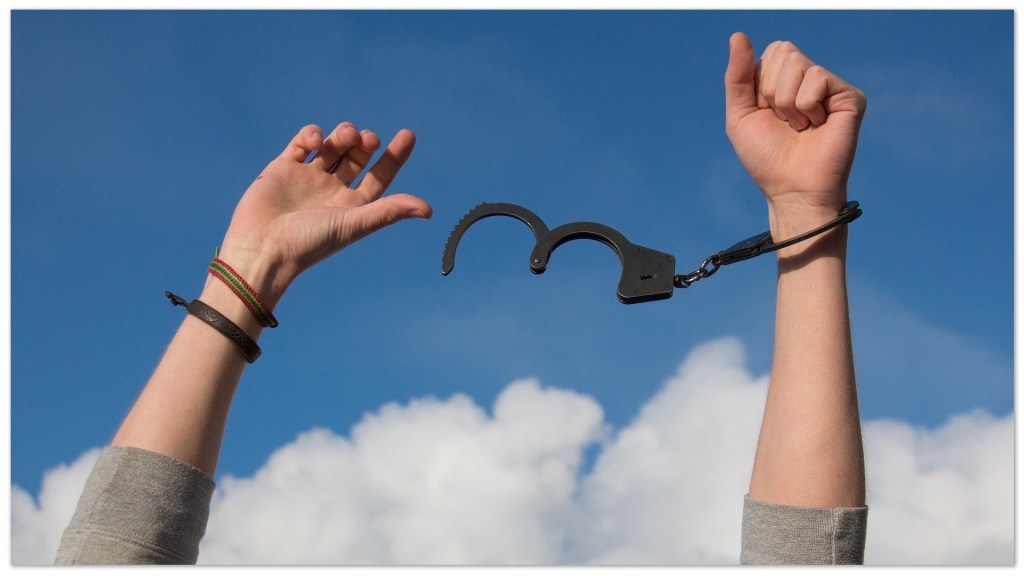
Image by qimono on Pixabay

Tomorrow school starts again for Term 3. 

Tonight, I am contemplating — somewhat anxiously — what tomorrow will bring. That’s fairly standard territory the night before returning to school for a new term, but right now it’s even more complicated than usual. 

Phrases like “back into routine” and “good to keep busy” have been bandied about altogether too casually by people who don’t understand how I feel. In one sense, things may seem as though they are “returning to normal”, but I don’t feel that way at all. Instead, it feels very much like I’m stepping into the vast unknown. 

The world out there is anything but normal. 

The state in which I live ihas been cut off from the rest of the country by border restrictions because of the COVID-19 outbreak in Melbourne. We’ve all been quarantined to an extent, and Melbourne itself is locked down much tighter than we are out here in the western region of the state. 

The distance between us and Melbourne is no room for complacency, though. Just today we heard the news that Warrnambool,  the regional city in which I work, has reported its first active case in months. It’s sobering news, and terrible timing for the beginning of a new school term. Honestly, it just adds a greater sense of impending doom to the craziness that is going on out there. 

I’m keen to see my students, though. My hope is that they will take my mind off things through each school day and keep me motivated when I’m feeling low.

So, I’ve invested in masks and extra sanitiser. I even have sprays to disinfect any work the kids hand in. I will be even more conscientious and deliberate about social distancing, because I don’t trust other people to do the right things.  At least my natural cynicism about human nature is intac which, I suppose, is something. 

Life isn’t ‘normal’ on a personal level either. 

I miss Dad. 
I miss Helen. 
Enormously. 

I have lost two of the constant, consistent encouragers in my life. I keep thinking of things I want to tell them, and photos I want to show them, and I can’t. I want them to know about my new great-nephew. I want to tell them I love them. It’s really, really hard. 

I’m trying to work through my grief, but that isn’t going to happen according to any timetable.  That’s a process that will take as much time as it will take. 

The past three weeks have changed me, although I can’t define exactly how. 

I feel like I should be more resilient, or better at handling things, or at least better at faking an appearance of being able to manage, but I’m not. 

I feel like I should look different somehow, but I probably don’t. 

That is, of course, if you don’t look too closely at the dark circles under my eyes. 
Sleep has been evasive ever since Dad was admitted to hospital with coronary issues on June 16. During the week in which both he and Helen passed away, I barely slept at all.  Last night I managed seven hours, but it was in two instalments with an hour off at half time. It’s no wonder I feel like rubbish. 

My purpose in expressing my thoughts and feelings here is not to moan or whine. I know I am not the only person experiencing these things. I am not the only person experiencing grief, or lugging emotional baggage everywhere. 

I want others in similar situations to understand that there is nothing wrong with feeling the way they do. All of this is part of the grieving process, and it’s crucial to be kind and patient with ourselves while we sort our various burdens out. 

I want other people to understand that they can’t expect people who are grieving, or anxious, or caring any other kind of burden for that matter, to feel a certain way or simply “get over things” in any set period of time. 

Grief is not a tidy and well-organised domain. Everyone experiences it differently. It brings with it a whole variety of secondary emotions that are unpredictable at best.  Denying it, suppressing it, or trying to make our grief fit preconceived expectations are futile and unhealthy ways of dealing with it. 

That means each of us has to deal with it in our own time, and each of us can expect to be as messy as our grief.  Each of us will, at some point, have to step out into a world that has changed significantly and irreversibly.

Acceptance, kindness, patience and self-care will help to make that a healthier process for everyone. 

Stepping Back Into A Changed World
#grief #emotions #anxiety #personal #blogpost

Having Dropped — And Temporarily Lost — The Ball

I’ve been absent.

It seems that I haven’t just dropped the proverbial ball when it comes to blogging regularly, I’ve gone and lost the jolly thing.
I last saw it a couple of weeks ago, when it bounced a couple of times before rolling away through some very prickly bushes and falling into a seemingly bottomless hole.

The thing is, life since that drafted virus unleashed itself on the world has been tumultuous.

I could tell you I haven’t written anything, but that’s not true. I have written some really great lessons and three entire new units because what I had planned (and written) previously wasn’t going to work in an online learning environment.

I could tell you I didn’t have a quarantine project, but that isn’t true either. I’ve had two, both of which happened by necessity rather than design.

Project One: reinventing my career
Initial Observations: Teaching from home is a whole lot more work than it sounds. All that extra time online is very tiring.
Final Observations: Challenging and exhausting, but enormously satisfying. Most students engaged really well. More positives than negatives.
Verdict: Aced it.

Project Two: supporting my father as he spent a couple of weeks in hospital before transitioning into residential aged care.
Initial observations: Lots of phone calls. Mountains of paperwork. Huge emotional adjustments.
Further Observations: Decisions are hard, even when you actually have no choice. Emotions are hard. Being on one mental and emotional roller coaster while your dad is on a completely different one can only be dealt with by hanging on for dear life and completely faking any appearance of knowing what you are doing.
Verdict: Aced it. Especially the part where I looked like I knew what I was doing.

It should also be mentioned that these two significant challenges occurred simultaneously. I didn’t have time to scratch myself, much less spend any more personal time online than I did.

So really, I’ve achieved far more since mid-March than is apparent from my nonexistent output of either blog posts or fiction.

I admit that I have seriously contemplated walking away from writing and/or blogging. Even while considering that, I knew that was the stuff of emotional and mental exhaustion, because I still have ideas and plans bubbling away in the back of my mind. I am not ready to quit, and I would be letting myself down if I did.

I will get my mojo back, even if I’m not sure when that might happen.

Stay tuned, folks. I’m not dead yet.

What Rolling Back The Social Restrictions Means

Better days are coming, but let’s not throw caution to the wind.

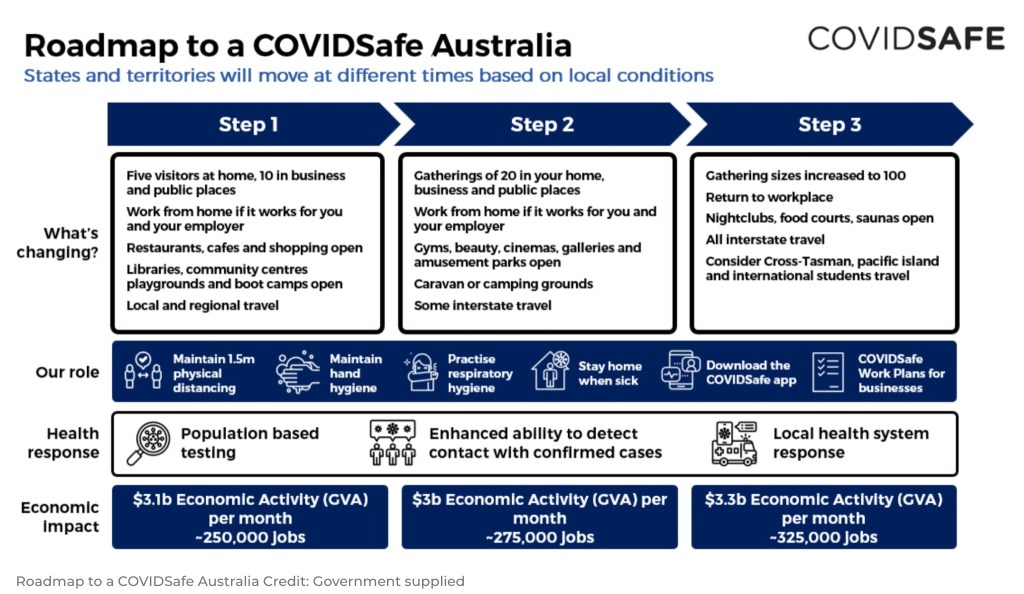
The Australian federal and state governments are, like those all over the world, currently considering how to phase the country out of strict social isolation and start getting back to business. All we know for sure at this point is that it will happen in stages, with the strictest rules being relaxed first. Each state will decide when to implement each stage.

As states roll back some of the social restrictions we’ve been living under, there are a few key things we must all remember. 

Easing restrictions doesn’t mean the virus is gone. It means that the levels of infection in the community are low enough that the hospitals will have capacity for anyone sick enough to need a bed and a ventilator. 

We will still have to socially distance for the foreseeable future. That’s probably not an entirely bad thing. 

Hygiene will still matter. In fact, hygiene has always mattered. I have often marvelled that is 2020, despite how sophisticated and advanced we may think we are, it has been necessary to tell people to wash their hands and not to cough or spit on people. 

People matter more than convenience or entertainment. Some of us might be itching to get out to the football, the pub, or the cinema. Others just want to not get sick. Restrictions are being lifted in stages to balance so that the interests and priorities of both groups, so it’s important to still follow any rules that remain in place. 

Some people have thrived while working or learning from home. The opposite is also true All those extroverts who are dead keen to get back to “normal” need to realise that any anxiety they have felt while having to stay home was actually a very real case of the shoe being on the other foot. Introverts and people who suffer from social or workplace anxiety had had something of a reprieve over the past few months and might be dreading work or school going back to the way it used to be. 

Patience and consideration of others are crucial life skills for everyone. Even when the need for isolation has completely passed, we all need to be understanding of how others feel. 

What Rolling Back #isolation #restrictions Means. #StayHomeStaySafe #BeKind #SocialDistancing

Image by Wortflow from Pixabay

The Upside of Isolation.

As it turns out, corona virus is not the only good reason to stay home.


I’ve ventured beyond the local supermarket, pharmacy and supermarkets once since isolation started. Last week, though, the time came when things had to be done, so I planned where I had to go, loaded up with sanitiser and prepared to social distance my way through town. 

And, sure enough, that person I would be happy to never see again walked past me in two different places that I had to visit. 

Song credit: ‘Close To You’ by The Carpenters

I saw them, but pretended I didn’t. All those years of experience as an actor paid off yet again. They looked at me, and I looked right through them like they weren’t there.

The first time I thought it was a fluke. 
The second time, I wondered. 

My skin crawling and my stomach roiling, all the while reassuring myself that it was just coincidence and doubting that at the same time, I completed the rest of my essential errands looking over my shoulder, and then got out of dodge as soon as I could. 

I would like to think it won’t always be that way, but I guess there are some things you can’t sanitise. Trauma will do that. 

Staying out of town definitely has an upside. 

I am safe at home, in more ways than one. I don’t have to watch my back, and I don’t have to worry about who is going to walk around the corner or show up in the supermarket aisle. 

I know that I won’t have that luxury forever but, while I can, I’m staying home. 

The Upside of Isolation #isolation ‪#IsolationLife #IsolationStories #StayingSafe #StayHome #SaferAtHome ‬

Image by Wortflow from Pixabay

Don’t It Go To Show Ya Never Know?

We’re not on Skid Row, we’re Somewhere That’s Clean instead.

Tonight was supposed to be opening night.

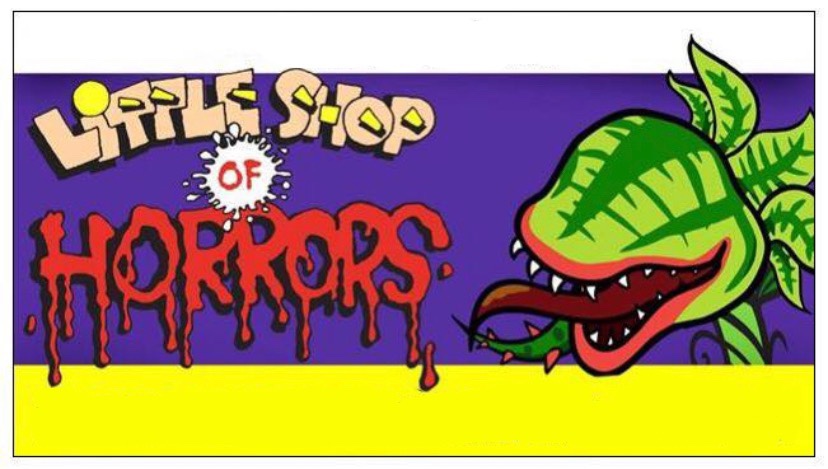
But who knew, when we started rehearsing ‘Little Shop of Horrors’ in January, that it would be Covid-19, not Audrey II, that would multiply and attempt to take over the world?

So much planning and preparation and rehearsal had already gone into the show when that drafted virus reared it’s ugly, spiky head and took over the world.

So much bonding had happened between cast members: new friendships, shared experiences, mutual encouragement, and lots of laughter will do that. So will working together toward a shared goal. And so will learning harmonies, putting them together and experiencing the magic that happens when it sounds amazing.

Then, in March, we had to hit the ‘pause’ button. We promised we’d bring it back, and we will. We assured the cast it would be our next show, and they’d be in it— and it’s true. We will.

Still, it’s hard to go from being part of something to Instead being suspended in the anticipation of it yet again, yet far more tantalising than it was before we started because now we had a taste of how good it was going to be.

It’s hard to go from three rehearsals a week to staying home and social distancing.

There was so much that was hard about calling a corona-halt to the show, even though it was the right thing to do.

So, tonight, even though it should have been opening night, I am reminding myself that every one of my cast members is safe. Healthy. Not infected. Able to be in the show when we pick it up again next year.

I am reminding myself that there is still so much to look forward to. We will do this show. We will do it together. We will build on the work we’ve already done, and not one bit of our work will have been wasted.

Our bonding will continue, our friendships will solidify and grow, and we will keep on making memories as well as music.

Personally, I can’t wait!

A Reflection on Teaching From Home: Week 1

While online classes may not be ideal, things could definitely be worse.

I wrote in Tuesday night’’s post that the first day of teaching my classes remotely/online was challenging. 

I thought it would be good to follow that up at the end of the school week with my insights after a few more days’ experience.

Things definitely got better as the school week progressed. 

All of my students seemed to relax and interact more normally as the week progressed. I think some of them found it really awkward and a bit artificial at first, and many others— myself included— just didn’t know what to expect. 

I had to make my expectations for behaviour and interactions super clear via email to a couple of kids. 
I actually made an explicit list of what I expected and what they were not welcome to do.  This helped to set boundaries for them, and they changed their attitude accordingly. Things were a lot better after that. 

My students have done some great work this week, and I have been able to give positive and constructive feedback to encourage them. 
This also encourages me: I can do this. The kids appreciate my effort and input. My classes are benefiting from the structure, the lessons and the encouragement I have given them. It doesn’t matter if I feel it’s not the same or not enough, or as though I am treading water. 
I am good enough. My teaching is valuable. I can do this. 

I am so thankful for  my school and its  consistent, uniform approach to the delivery of lessons and learning material. I’m also super glad we have followed the same routines and timetables. 

In times of turmoil and change, schools, teachers and students all have the greatest chance of success when everyone is on the same page and things are kept as consistent and stable as possible

In my discussions with friends and family who teach elsewhere, I have learned that this isn’t happening elsewhere. Timetables and class sizes have changed for some, some have new classes they’ve never had before, and others have no streamlined or consistent method of delivery or assessment. One poor soul is trying to deal with all of those complications and more. 
I am trying to be as supportive of that particular friend as I can be, and have suggested that if the school has left it completely up to him to manage, he might follow the practices my own school has implemented so that his students have some structure and consistency with his classes at least. He’s going to do that, and suggest those same things to his colleagues. 

Teachers worldwide are struggling with the same anxieties, challenges and logistics that I am. 
I am note alone. 
Nor are my students. 

We should not be discouraged if we don’t get through the regular program, or if things don’t always work the way we’d like them to.

Our online classrooms provide valuable connection and communication for the kids. It helps them to feel less isolated and cut off, and gives them regular opportunities to think and talk about life beyond corona. 

Ultimately, my students are safe and healthy at home, and learning every day. Those are blessings that should not ever be taken for granted in this strange coronaverse of 2020. 

I can honestly say I am looking forward to another week of positive, encouraging lessons and interactions after a well-earned rest this weekend. 

Supporting Kids And Teens Through The Covid-19 Limbo

Self-isolation does not have to be completely isolating. There are ways to support and encourage our kids and teens through the times of Covid-19.

To many people right now, the world seems like it is in crisis in the wake of the corona virus outbreak. Those of us old enough to remember SARS, swine flu and H1N1 tend to understand more of the reasons for that than our kids do, even if we still don’t understand why toilet paper is worth pulling a knife on someone, 

Yes, you read that right. It happened in a supermarket in Sydney, Australia, a couple of weeks ago.

To many of our kids and teens, though, it seems like some kind of madness has taken over. As concerts, sports, social events, classes and rehearsals have been brought to a screeching halt as they look on, some of them are starting to buy into the fear that they have seen expressed on TV, in social media, and among some members of the community. 

That hit home really personally on Sunday when our theatre company told the cast that we had decided to hit the pause button and defer our production of Little Shop of Horrors that was due to hit the stage in May. 

“This whole thing sucks!” one young cast member said. 
“I know!” another replied. “It’s taking all the joy out of life!” 
“I get it, though,” responded the first one. “We have to keep people safe. But it’s making a lot of people really miserable at the same time.”

She was 100% correct. I am feeling really miserable about it, too. That’s completely natural.

We will do the show — we just can’t say when. For now, rehearsals are suspended and we all find ourselves with a lot of extra time on our hands that we had been putting into working together for a common goal.

At a time when many of us are being isolated from the activities we love and the company of others who enjoy those same things, how do we stop the molehills of grief turning into mountains of misery? 

That’s a really big question, and I don’t profess to have all the answers. 

I do know that it’s important to find ways to encourage and motivate each other. It’s important to monitor and support each other’s emotional and mental health. 

So, here are just a few suggestions for possible ways to lift the spirits of the young people in your life during the disappointments and challenges caused byCovid-19:

  • Acknowledge their feelings. It’s quite natural to feel disappointed and a bit annoyed at the number of things being cancelled, postponed or banned. Instead of telling them to “suck it up” or “take it on the chin”, tell them you understand, and that you’re feeling similar things too. Empathy will always win more favour than platitudes. 
  • Involve them in the family decision making about social distancing, self-isolating and dealing with the practicalities that follow. Knowing that they have been listened to, and having some ownership of the decisions and plans that are made, will reduce feelings of resentment, anger and rebellion.
  • Praise and thank them for their maturity in accepting disappointments. A bit of intrinsic motivation goes a very, very long way with young people. 
  • Give them responsibility appropriate to their age and ability. It could be anything they feel is important and worthwhile: preparing a meal, keeping a particular area of the house clean and sanitised, disinfecting all the door handles in the house each day, or calling grandparents or other family members on the phone to support and encourage them. 
  • Limit the amount of “fear language” you allow in the house. This might  mean not watching the 6pm news on TV as a family, discussing what members of the family will allow on their social media feeds, and discussing things in a responsible way. Be honest about your feelings, but try to phrase your responses to the virus and consequent changes and limitations using positive and proactive language like “social responsibility” and “doing out part to protect the vulnerable” instead of using terms like “lockdown”, “corona virus jail” or “panic”. 
  • Encourage them to find constructive ways to use their spare time. ‘Netflix and chill’ is okay, but not all day, every day.
  • Self-isolation does not have to be completely isolating. Hanging out with friends in person may not be an option, but there are ways to socialise beyond the regular social media platforms where kids are likely to hear a lot of “doom and gloom” about the current situation. Try Skype calls or Google Meet, which enable people to spend time, chat, and still see each other, all from a distance.
  • Give them something to look forward to. Discuss and make plans for activities, holidays, or celebrations that will happen once the need for social distancing and self-isolation has passed. Anticipation of something good is a powerful antidote to feeling as though all the fun things have been taken away. 
  • Ask for their expert help. Whether it’s compiling a great playlist on Spotify, learning how to use Instagram or Snapchat, finding a great app or game for your phone or tablet, or ordering groceries or pizza online, older kids and teenagers are likely to have those skills down to a fine art. Even if you have a fair idea how to do those things, ask them anyway. 

While there is obviously no perfect solution, it’s important that we continue to try to find positive and healthy ways to deal with the limitations and restrictions that are being put in place.

If you have any other suggestions, please share them in a comment. 

Supporting Our Kids And Teens Through #CoronaVirus #lockdown disruption.
#support #PositivePosts #StayingHome #mentalwellbeing #MentalHealthAwareness #PositiveParenting