Authors making their books available for preorder is becoming more and more popular these days. It’s natural. They’re excited about that upcoming New Release, and they want you to be a part of it.
Apart from the obvious value of supporting authors and encouraging their creativity, there are some very good reasons why you will benefit from preordering a pending book release.
Why You Should Preorder That Book
You will have it as soon as it releases.
It satisfies that “I want it now” feeling that we all have upon seeing a beautiful cover and reading an intriguing blurb.
It’s convenient: you don’t have to remember to go back and order it later.
You get to share in the excitement of a pending arrival. Consider it a baby shower gift for someone who has worked hard for months to make that book a reality.
Anticipation is a positive and highly motivating emotion.
For less than the price of a coffee, you can make someone’s day AND get a great read at the same time.
Books have zero calories, so it’s a guilt-free way of treating yourself to something wonderful.
It’s like giving yourself a gift. You order it, and a short time later, a wonderful surprise appears in your eReader.
You will have the satisfaction of knowing your supported someone’s creativity and talent.
Positive Karma.
What’s not “feel good” about that list? If you have any more great reasons, feel free to add them in a comment!
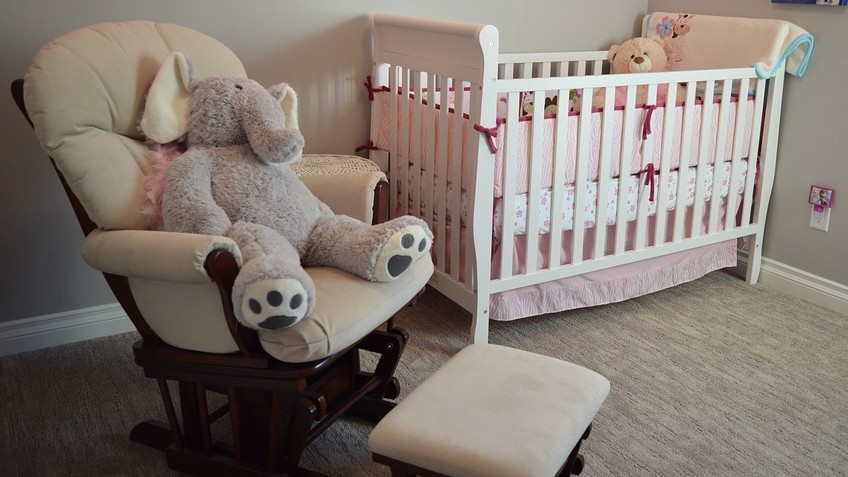
Picture this scene: a baby is due soon. The mother has spent months anticipating the birth, making sure everything is okay, getting the nursery ready, and making sure she’s booked into the birthing suite at the hospital of her choice at the right time.
Wouldn’t it be a little…well, weird if she didn’t tell anyone at all it was happening? Wouldn’t it be far more likely that she’d be sharing snapshots of the baby’s room and first teddy bear? And her friends would probably be liking those pictures, commenting on the anticipated arrival, and buying gifts for the baby shower.
Setting up a preorder for a new book is, for an author, akin to getting the nursery ready and inviting one’s friends to the baby shower. Every preorder sale is like a baby shower gift that shows love for the author and excitement for the new arrival.
To some, the analogy might seem far-fetched. As an author, I can assure you that it’s really not.
***
Preorders really can make a huge difference to a new book’s start of life.
Once you’ve got the writing, editing, formatting and publication organised, you can give your book a boost by making it available for preorder and getting some advance sales.
Without going into a whole lot of technical details, there are some really good reasons to do so:
It’s convenient. When someone preorders a book, it is delivered straight to them upon release. They don’t have to think about saving links, bookmarking sites, or following up later.
It allows you to tap into the “I want it now” mentality that is so strong these days. Enabling people to order your book right away and satisfy their impatience is a clever marketing strategy.
Having your book available on preorder enables you to build excitement and anticipation for your release. It’s one thing to be able to say “this is being released on Friday”, but another entirely to be able to say “Reserve your copy now! Be the first to get it as soon as it’s released! You won’t have to wait!” Remembering that tone is everything, it can’t hurt to have some excitement injected into your pre-release social media chatter.
Those advance sales push your book further up the rankings, so that vendors show it to more people, enabling it to get even more sales. If you can achieve a spot in the “top new bestsellers” list for a day or even a week, that’s going to mean a lot more potential customers seeing your book without you having to go out and find them. If you’re lucky enough to win a “Number 1 New Release” ribbon on Amazon or Barnes & Noble, that gives you more marketing momentum and appeal.
Strong sales in the first week help to get your book noticed by other readers. It will show up in the “customers also bought” or “based on your browsing/purchase history” lists for more readers, and again, get new eyes on your book that you don’t have to go and find on your own.
In my experience, making my books available for preorder has definitely been a good strategy.
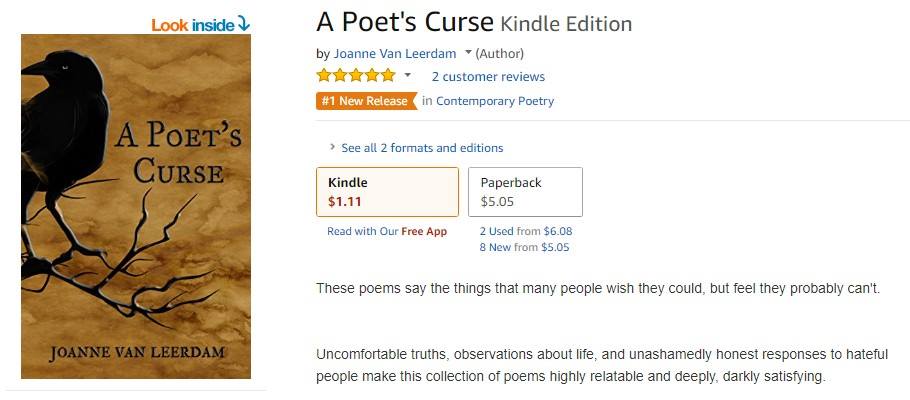
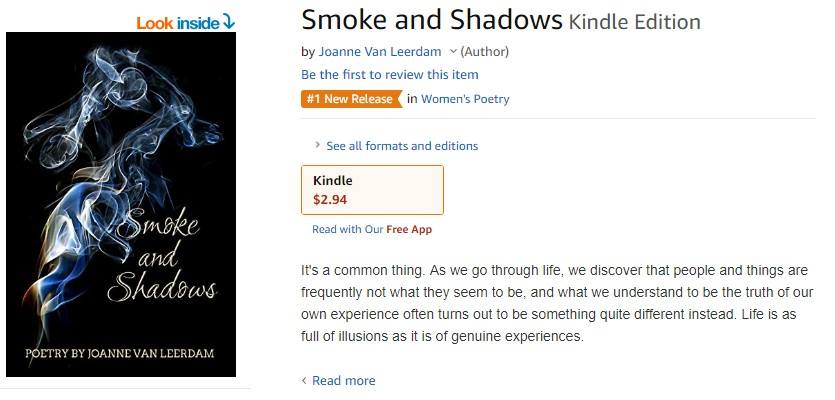
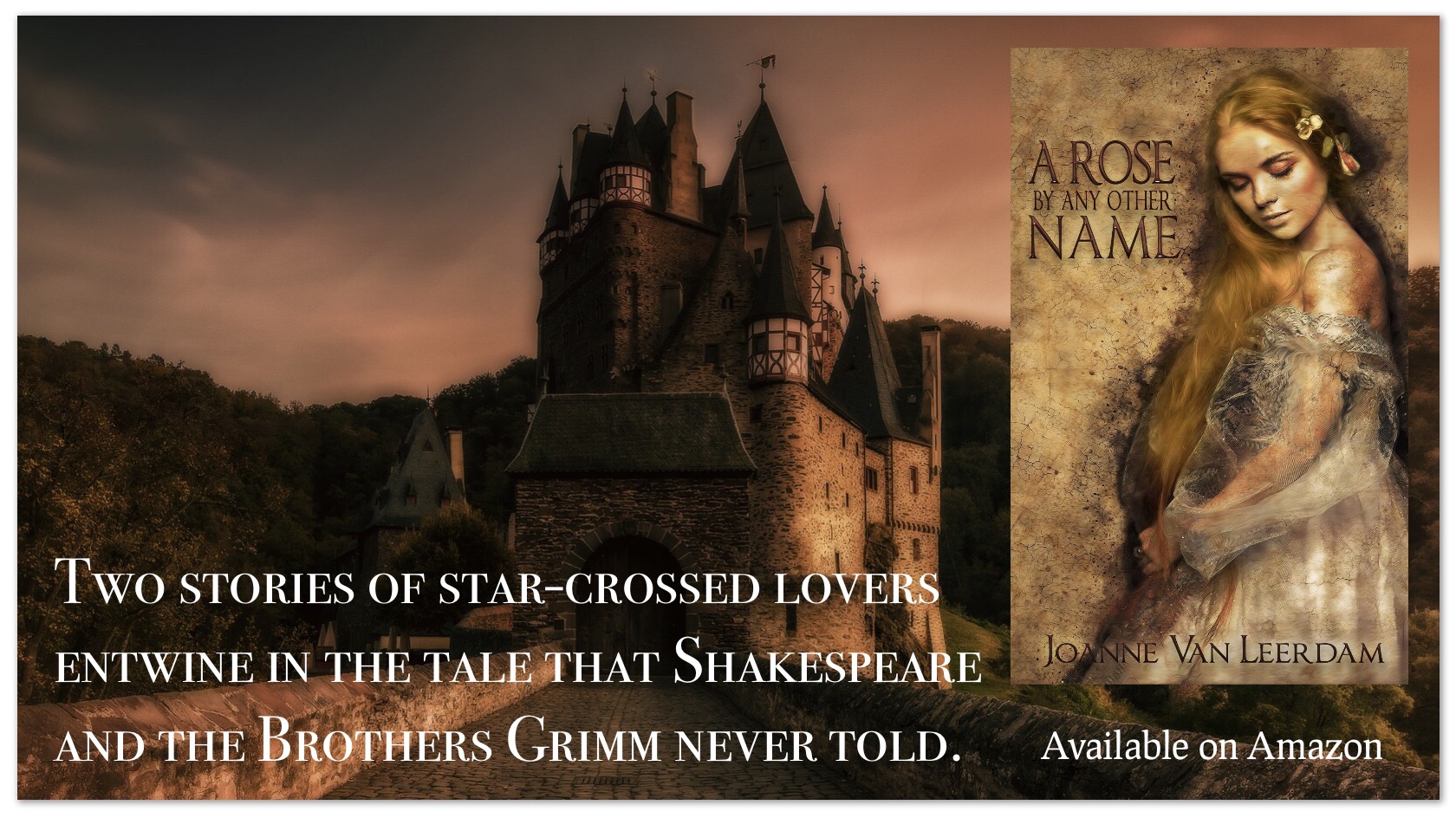
I’ve been lucky enough to gain the “#1 New Release” ribbon for poetry twice, and obviously I’d love to do that with ‘A Rose By Any Other Name’ when it releases on Friday. Although it is in the much more competitive categories of Fantasy and Fairy Tales, which is a much greater challenge, but it’s not impossible. It’s also in the category of ‘Mashup Fiction’ so it has a good chance there.
Whether my book makes a big splash or simply becomes a drop in the ocean, I will have given it my best shot. And that knowledge and confidence is something that you can’t put a price on.
***
If you’d like to join in my “baby shower”, you can preorder ‘A Rose By Any Other Name’ at Amazon or your other preferred digital store.
In yesterday’s post I discussed the importance of book promotion and the ways in which I can prepare for and present my upcoming new release in ways that will attract readers to my book.
Even though I provide book promotion for other authors, I would not ever suggest that what I do is everything they need. I certainly cannot achieve all the book promotion I need on my own, either.
That’s why I believe it is necessary outsource some of my book promotion on a regular basis.
There are some excellent reasons to do so:
Other people can do things I don’t know how to do
Other people reach different audiences and followers
Other people use different platforms than I do
As I pointed out yesterday, people are far more inclined to take my word about someone else’s book than about my own.
In terms of what’s available, there are a number of options to consider:
Genre specific promotion: Some promoters focus on one or two genres and have invested significantly in reaching that specific audience. Using this kind of promotion ensures that your book is shown to people most likely to be interested in it.
Things to consider: It’s generally not inexpensive. While you’re getting established and building awareness of your book or profile as an author, you can’t expect to break even.
Book blogs offer a variety of ways to promote your book. Some offer a read and review service. Some create posts from your book’s reviews and use that to generate publicity. Others use their social media reach to promote with ads that may be created by them, or by you.
Things to consider: this is usually either free or inexpensive, but usually not genre-specific. It will put your book in front of readers, though.
Social media platforms all offer ways to use one of your posts to create an advertisement by paying to have it shown to people who don’t already follow you. This can help you get new followers, if not book sales.
Things to consider: the costs can add up if you’re not paying attention, and you set the price up front so that you pay regardless of whether or not your boosted post is actually successful.
Amazon Ads promise to show your book to readers in various ways. You set up your promotion using your author central account, and set a “price per click” amount. It is either genre or audience specific, and there are options for ways in which you might reach different readers.
Things to consider: your “price per click” amount is not a guarantee. It is really more like a bid to compete with others wanting to advertise their book in the same genre or audience as yours. If you set your price per click too low, you’ll get very little response. Amazon ads are also inclined to work sometimes and not others depending on the current algorithm over at the Zon, which means that the exact same ad that worked for you last month won’t work again now. Have fun working that out.
What I do: I tend do a bit of most of those things.
I engage some genre specific promotion for my horror titles from time to time. I will also do this for my upcoming fantasy release. Some services are more effective than others, but there are two I have found to be really good.
I also buy some promotional services through a multi-platform service that has a very good level of audience engagement for a variety of genres. This has proven to be very good promotion, and I will use that service again.
I usually have Amazon ads running for two of my books at a time. I have mixed success with them and the results vary greatly, so this is not sufficient promotion to gain consistent sales.
Doing those things allows me to use my own Facebook and Twitter profiles sparingly. The last thing I want to do is sound like I am hawking my own wares all the time, as that is the the quickest way to put people off.
When I do post on my personal profiles, I try to maintain a fine balance.
I generally try to stick to about one tweet in 50 for my own books. That will change this week, as I have a new release coming up. My ratio will change then to one in ten, which equals once a day.
On Facebook, I avoid any more than one post a day about my own books, and always post via my page. From there, I share it onto my personal profile and into one or two groups that I own or administer, and where I engage regularly with other members.
What I don’t do:
Boosted Facebook posts. In my experience, this is a total and utter waste of money. The actual audience reach of a boosted post has never been anywhere near what was estimated when I was setting up the promotion, and I don’t think it has ever won me a book sale.
Use the same promotion or service every month. Variety is the spice of life, after all.
Spend more than I can afford. This should be a no-brainer, and entirely self-explanatory.
Sadly, nothing is guaranteed. All you can do is try different things and see what works for you.
…
Obligatory disclaimer statements: because it is the 21st century and people can be nasty, it’s necessary for me to state the following:
I don’t have all the answers. I’m simply stating what I do, why I do it, and what I have found to work or not. What works for me might not work for you, and vice versa: our books are different, and our readers probably are, too.
This post is in no way designed to direct you to my book promotion services. If that is what you think of me, please do not seek to engage my services. It’s entirely possible that we may not be able to play together nicely.
One of the things I do in all the spare time I don’t have is creating book promotion for other Indie authors.
Over the past few years, I have learned a lot about creating promotional images, writing effective tweets, putting images and text together for different platforms and using it all to put books in front of people who hopefully want to read them.
Ironically, it’s a process that works better when you are advertising someone else’s book and not your own. If I tell a person that Charlie’s book is good, they are likely to take my words at face value. When I tell them my book is good, they tend to assume I have no idea.
I have been pondering these things afresh while organising the preorder promo for ‘A Rose By Any Other Name’.
Despite my obvious bias, it’s up to me to get my book seen by readers. How can I make people want to read my book? How can I pique their interest? How can I get their attention?
Those are the million dollar questions every author or promoter mst ask.
The key lies in making them attractive to the target audience. An interesting story, well written and thoroughly edited, proofread, checked, formatted and checked again. A great cover that catches the eye and suits both the story and the genre. Promo images that are varied in colour and style, relevant to the story and genre, using clear and appropriate fonts. Not too wordy, and not too plain.
Hopefully, those things will combine to have a positive effect. The fact is, before you can sell the book, you have to be able to sell the idea of the book. That’s why blurbs and taglines matter. That’s why a cleverly worded tweet will sometimes have more effect than a beautifully written excerpt.
Don’t get me wrong. A great excerpt is an effective way to win a reader, but you’ve still got to make people want to read it in the first place. So, for the next ten days until the book’s release date on June 14, I have prepared a bunch of teeets, some short Facebook posts, three different 16×9 promotional images ideal for Facebook and Twitter, and three square promo images for Instagram.
There are hints but no spoilers. There is a mixture of information, humour and invitation. The hashtags are varied so that I reach more users than if I just stick to four or five basic tags. The images are different colours and styles, but all consistent with the story and genre.
Every post must have:
A promotional image that includes the book cover
Some information about the story or character
Clear indication of the genre
The link for ordering/buying the book
A mixture of popular and useful hashtags
My goal is to achieve preorders for my book so that it has some sales momentum as soon as it launches, and then to continue promoting it to generate sales after that. That means creating different images, different tweets, and so on, on a regular basis. There is, after all, no such thing as “set and forget” promotion.
I am a person who takes others at face value. I don’t immediately classify someone as pretty or ugly, gay or straight, progressive or conservative (unless, either way, they are hateful or prejudiced – then the deal is off) , black or white or some other colour, blonde or brunette, or anything else. I don’t care if they’re plain or fancy, nor do I care if they’re pretty or not. I try to take each person as they are and let their integrity speak louder than their features. I like to get to know them before I make any decisions about them.
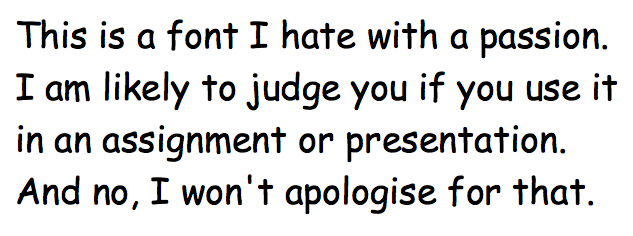
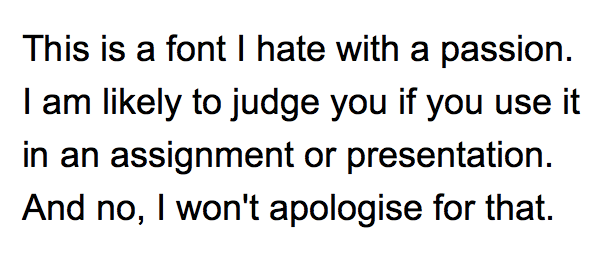
When it comes to fonts, however, i am nowhere near as open-minded. Don’t get me wrong – there are plenty of fonts I like, and many others that I will view with an open mind depending on context and purpose. But there ARE two or three fonts I really hate. I refuse to use them. I have handed back an assignment or two, asking for it to be reprinted in a more acceptable typeface. It’s true: I am Fontist.
I wasn’t raised that way. We didn’t really need to think about fonts back then. When I was growing up, it seemed as thought books were printed in two, maybe three different standard fonts. From memory, there was something like Times New Roman, a basic Sans Serif, and possibly another standard typewriter-style serif font. There was never a question of what typeface to submit our work in, because computers weren’t a thing and our school work was all handwritten. When I started university, assignments and essays had to be typed and double-spaced, so I used my parents’ typewriter. Of course, it only got to the typing stage when one or two hand-written drafts had been painstakingly written, proofread, edited, and revised.
Don’t get me wrong: I’m glad those days are over. I appreciate the ease of writing using my laptop as much as anyone else, and I’m happy for my students to do some – but not all – of their work on their devices. My underlying Fontism rears its ugly head, though, when someone hands in an assignment or broadcasts a presentation on the screen that screams “ridiculous font” louder than anything the student is trying to communicate. The same thing happens in meetings and seminars where the important information is obscured by the poor choice of font on the screen or handout.
You might think I’m overreacting. But consider this: I might read fifty student assignments in less than a week, or sit through twenty five student presentations in two or three days. When their font suggests I shouldn’t be taking their work seriously, that’s a complication neither they nor I need.
Right at the top of my hate list is Comic Sans. It looks childish, and gets increasingly ridiculous as the size increases, to the point where it is almost impossible for me to take anything printed in that font seriously. It is a font that should never be used for school work of any description by anyone older than six, nor should it be used for slide shows and presentations. Yes, it is “nice and clear for people to read”, but so are about 3000 other fonts one could choose. If your audience is not entirely in the First Grade, choose something else.
Another font I hate is Arial. Yes, it is also nice and clear for people to read. It is also entirely bland and unimaginative. Arial is the font equivalent of still having that original iPhone Marimba ring tone from 2008 on your new iPhoneX when you have 2500 different songs on your playlists. It is the font for lazy people who don’t care how their work looks. It doesn’t take much effort to switch so something equally clear but which looks a lot more polished and professional. In a word: boring.
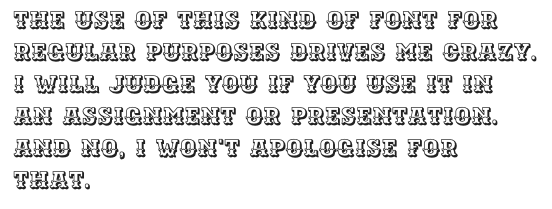
The other fonts I really dislike fall into two groups: anything over-decorative and wrongly sized formatting.
Over decorative fonts have their place, but trying to read a block of text printed in anything full of swirls and flourishes or trippy lines and shadows will make a teacher’s eyes bleed in less than three minutes. Decorative fonts can work really well for titles, or for a special capital letter or character to start a page or chapter, but they fail miserably for anything that needs to communicate information or arguments clearly and effectively.
In a similar vein, text printed too small or too large is equally frustrating. If it’s too small and condensed, it’s hard to read and… you guessed it, bleeding eyeballs. At the other end of the equation, students may think they can fool me into believing their 337words meets the 500 word minimum word count if their work is formatted in size 15 Helvetica, but my teacher brain knows better. My teacher brain has been doing this a lot longer than they have.
So, I guess this is me coming out of the classroom cupboard and acknowledging the ugliness of the deep-seated prejudice that lies deep within me. It is equally as rampant and undeniable as the grammar nerdism that I make no attempt to hide.
Call me fussy. Call me Fontist. I’m okay with that. But don’t call me to complain if I’ve asked your teen cherub to reprint an assignment so that I can read it without tears. Trust me – it’s better that way, and I’ve tried to be nice about it. Well, I’ve probably been nice..
Maybe.
Unless they are a repeat offender. In that case, there are no guarantees.
It is easy for an Indie author to become discouraged by the challenges that come from various sources. It’s a tough gig sometimes, especially for someone who is new to the world of self-publishing.
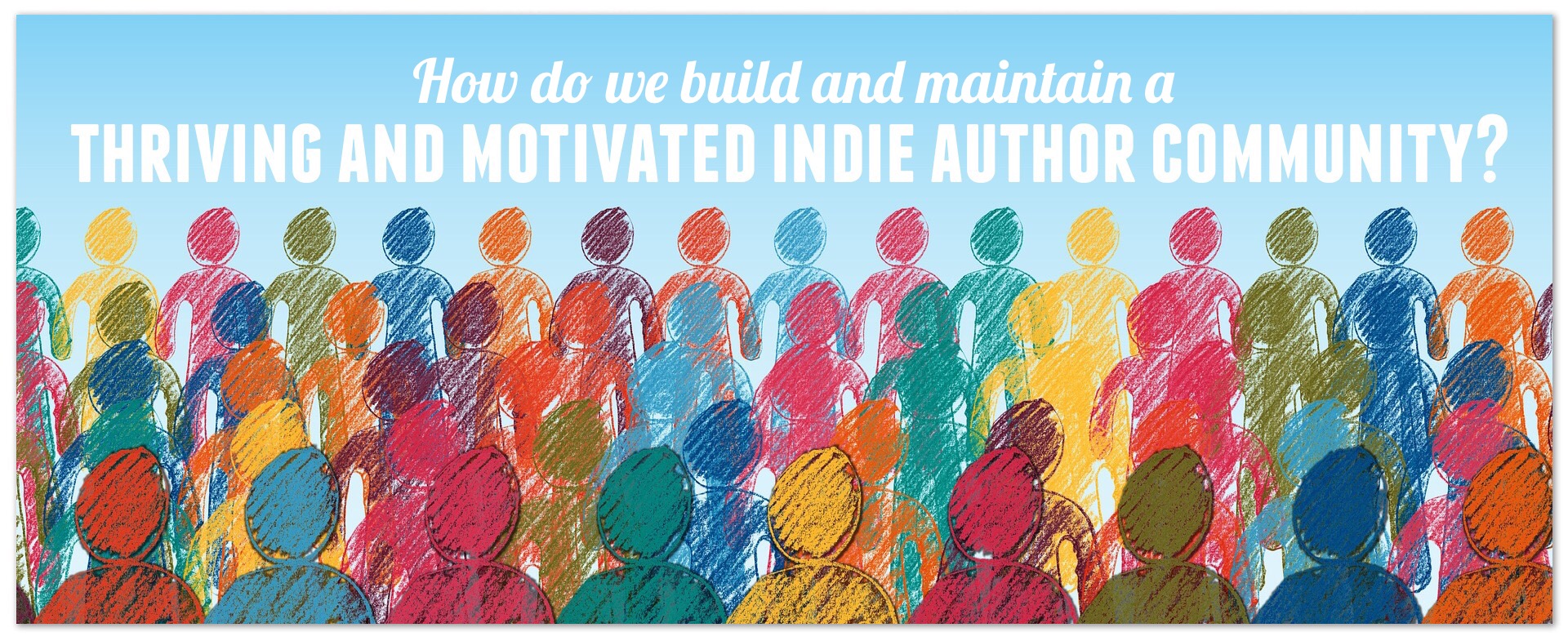
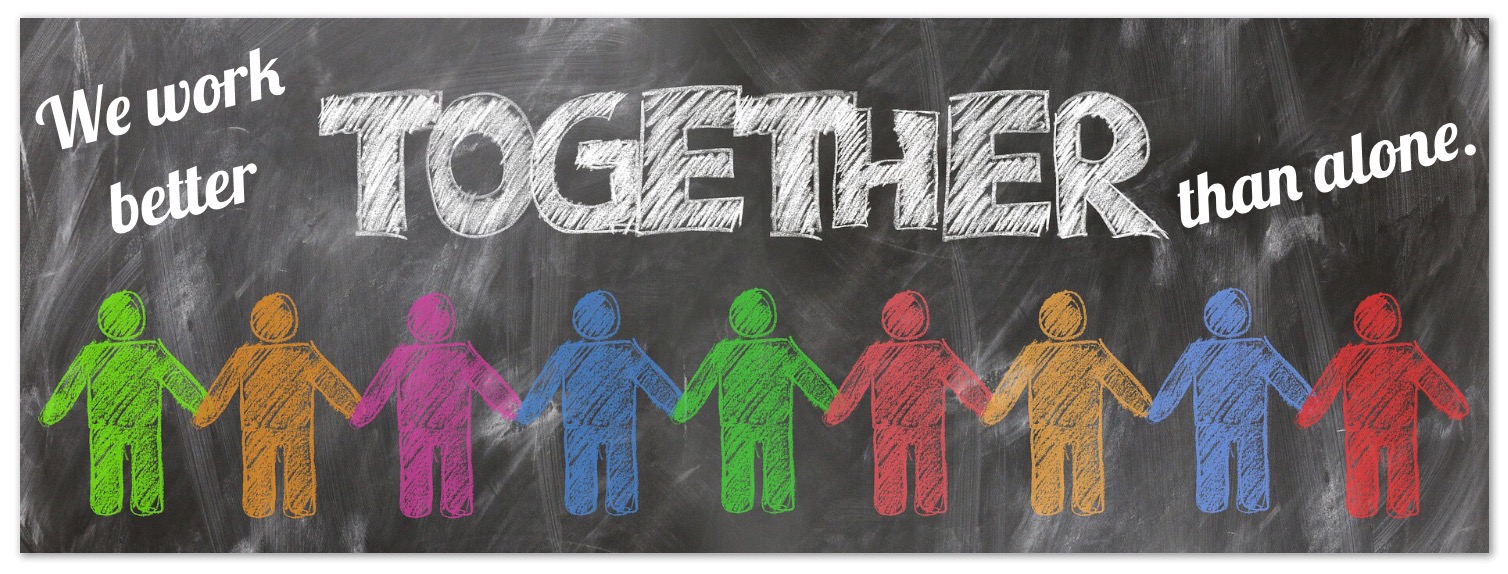
So how do we develop and maintain a thriving and motivated Indie author community that we all want to be part of?
These are the key behaviours we need to adopt and make regular habits:
Encourage each otherRead each other’s work
Give honest, constructive feedbackHelp each other achieve excellence
Share each other’s work and social media posts
Be professional about every phase of the writing, editing, publishing and marketing process.
Be free and liberal with sharing insights, experience and knowledge that will help those who are new to our community.
How do I know these things work?
The more time you spend in the community, the clearer the divide between those who do them and those who don’t.
Those Indies who already do these things consistently demonstrate that they are are the most engaged, motivated and productive authors. They are positive and proactive.
Most significantly, they express joy in doing these things. You can’t fake or manufacture that.
Those who don’t support others are more likely to express jealousy and resentment in response to the success of others. They are more likely to be critical and competitive.
And those who adopt the “success at any cost” will be far more likely to turn to less ethical avenues of advancement. It is from this small, murky pool that those willing to cheat the system will emerge.
All in all, that doesn’t seem like much of a choice to me. I want my books to sell because they are good, not because I am pretending to be something I am not.
Despite the crisis that had unfolded overnight as I slept, I woke this morning to find that the sun had risen, gravity still worked, and the earth continued to turn on its axis.
I had breakfast, got ready for work, and headed into a very busy day. Surprisingly, I found that the work deadlines and professional requirements that were in place yesterday still existed today.
My students, however, were despondent.
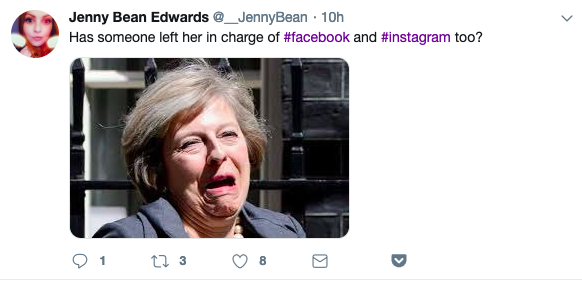
Them: Facebook is gone! Instagram doesn’t work! Me: Imagine how much work you might get done in the meantime! Them: You’re not very sympathetic. Me: And that surprises you because…? Them: Rolled eyes and sighs. Some lovely moments of dramatic pathos that I shall try to draw on in drama class.
This left me wondering: what on earth does the world do without Facebook and Instagram? It seems the general response is to complain.
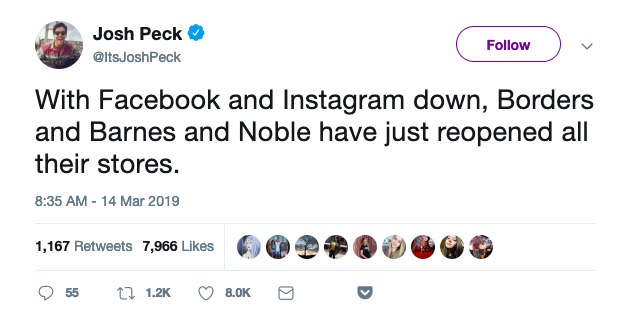
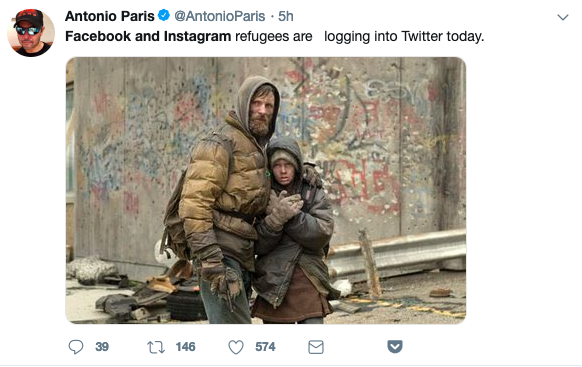
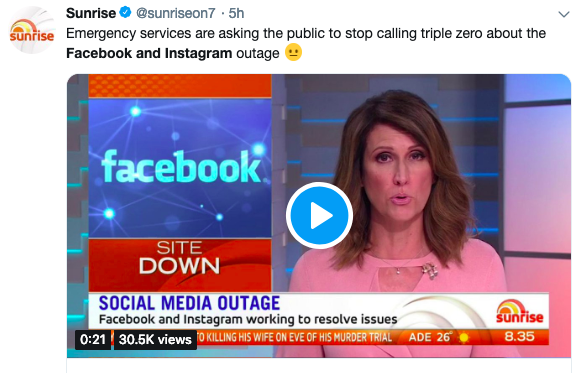
Many of the real social media junkies responded by rushing over to Twitter to complain and commiserate with their followers and the social media world in general.
In all honesty, some of the responses are pretty funny.
Others demonstrate that many people are much worse at dealing with this kind of thing than they should be. I mean, really, Australia? Emergency services? That’s… pathetic.
This one has to be my favourite. It cuts through the whining and combines the sublime and the ridiculous with glorious snark. Jenny Bean Edwards gets an A+ for World Studies.
Cheer up, folks. I’m sure Facebook and Instagram and their enormously profitable algorithms will be back soon.
Until then? You may actually be forced to either read a book or have face-to-face conversations with real people.
Alternatively, you can head to twitter and follow me!
I have written several posts recently about scammers, cheats and piracy in the Indie publishing world.
This post by Suzan Tisdale lays out very plainly the ways in which readers can know that a book website is most likely illegal.
It’s hard to believe this is what it has come to: that people need to be informed so directly about the ways in which authors all over the world are being ripped off.
Yet this is one of those issues that goes much farther than most of us ever realise.
There has been quite some consternation among Indie authors over past months in various ways that dishonourable people have found to scam the system and get quite rich selling books that are not what they should be, particularly on Amazon, or who steal others’ books and make them available on pirate websites, or plagiarise and “rebrand” them as their own work..
Understandably, those who put a lot of effort into writing and publishing excellent books find such situations discouraging. It’s hard to be upbeat about what we do when others seem to “win” with shortcuts that are plain wrong.
As I commented in yesterday’s post on integrity and ethics, it seems as though the floodgates have opened to allow all sorts of deceitful behaviour. It’s hard to know how to respond.
What honest writers must notdo, however, is quit.
It’s up to us to keep on creating fantastic stories and poetry for the readers out there who crave excellent books.
It’s up to us to hold our heads high, proclaim “I write every word of my books!” and then show the world what we’ve got.
In short, it’s up to us to show the cheaters and scammers how it should be done.
Nobody but honest and hard-working authors can restore the faith of readers in Indoe and self publishing. The only way to do that is to maintain a premium of quality in the books on the shelves in stores, libraries and homes all over the world.
We may have to work harder, smarter and cleaner than ever before. Still, we’ve had to do that in order to give traditional publishing a good shake, and we’ve certainly achieved that.
We Indies have so much to offer. We have each other for support and an entire future that is yet to be shaped ahead of each of us.
I refuse to quit. I refuse to let the scammers win. Who’s with me?
I have posted a couple of times in the past week on issues of integrity and ethics in the Indie Author community.
There, and in life in general, it seems as though having integrity is a little less fashionable than it used to be.
These days, it seems that people are more often driven by their hunger for money or power or fame and, as a consequence, having integrity is a less fashionable than it used to be.
What a sad state of affairs.
It’s no surprise, though, that fewer and fewer individuals value integrity as it used to be valued, when they see politicians, global corporations and even national leaders getting away with telling lies, taking or paying bribes, cheating the system and taking little or no accountability for these actions until forced to. If it works for the rich and powerful, why not the little guys?
This is no justification whatsoever. Just because someone else does it, doesn’t make it right. And just because they appear to get away with it doesn’t make it a viable option to shortcut the road to success.
In some ways, integrity matters even more now than ever, because people are finding new and clever ways to cheat and deceive others which often have significant consequences for many. Globalisation and technology have opened a floodgate of opportunities for legitimate businesses and scammers and pirates alike.
In a world where there is precious little to rely on, we need to be able to know who to trust. We need to be able to take someone at their word, to assume a contract will be met, to get what we pay for, and to know that the liars and cheats will be punished.
If nobody stands up to them and insists on standards of behaviour and ethics, it’s only going to get worse.
Integrity is not too much to hope for. In fact, it is an imperative that we should all take very seriously indeed.
Integrity should be something we value for its own sake. It’s a quality we should not only strive for, but teach and expect our children, our friends, and our companies to do likewise.
It does seem that it’s always going to be the regular folk who set the standards for those “above” them.
Nothing will change, though, unless those who still value integrity and honesty demand them of those who hold the power and make the decisions.
Only when the majority – and I do believe it is still the majority of people – who value integrity assert its importance and hold it up as the yardstick of acceptable behaviour can we hope for anything different.




 WordyNerdBird