Why You Need To Outsource Book Promotion

In yesterday’s post I discussed the importance of book promotion and the ways in which I can prepare for and present my upcoming new release in ways that will attract readers to my book.

Even though I provide book promotion for other authors, I would not ever suggest that what I do is everything they need. I certainly cannot achieve all the book promotion I need on my own, either. 

That’s why I believe it is necessary outsource some of my book promotion on a regular basis. 

There are some excellent reasons to do so:

  • Other people can do things I don’t know how to do
  • Other people reach different audiences and followers
  • Other people use different platforms than I do
  • As I pointed out yesterday, people are far more inclined to take my word about someone else’s book than about my own.  

In terms of what’s available, there are a number of options to consider:

Genre specific promotion: Some promoters focus on one or two genres and have invested significantly in reaching that specific audience. 
Using this kind of promotion ensures that your book is shown to people most likely to be interested in it.

Things to consider: It’s generally not inexpensive. While you’re getting established and building awareness of your book or profile as an author, you can’t expect to break even. 

Book blogs offer a variety of ways to promote your book.
Some offer a read and review service.
Some create posts from your book’s reviews and use that to generate publicity.
Others use their social media reach to promote with ads that may be created by them, or by you. 

Things to consider: this is usually either free or inexpensive, but usually not genre-specific. It will put your book in front of readers, though. 

Social media platforms all offer ways to use one of your posts to create an advertisement by paying to have it shown to people who don’t already follow you. This can help you get new followers, if not book sales. 

Things to consider: the costs can add up if you’re not paying attention, and you set the price up front so that you pay regardless of whether or not your boosted post is actually successful.

Amazon Ads promise to show your book to readers in various ways.
You set up your promotion using your author central account, and set a “price per click” amount.  
It is either genre or audience specific, and there are options for ways in which you might reach different readers.

Things to consider: your “price per click” amount is not a guarantee.
It is really more like a bid to compete with others wanting to advertise their book in the same genre or audience as yours. If you set your price per click too low, you’ll get very little response. 
Amazon ads are also inclined to work sometimes and not others depending on the current algorithm over at the Zon, which means that the exact same ad that worked for you last month won’t work again now. Have fun working that out. 

What I do: I tend do a bit of most of those things. 

  • I engage some genre specific promotion for my horror titles from time to time. I will also do this for my upcoming fantasy release. Some services are more effective than others, but there are two I have found to be really good. 
  • I also buy some promotional services through a multi-platform service that has a very good level of audience engagement for a variety of genres. This has proven to be very good promotion, and I will use that service again. 
  • I usually have Amazon ads running for two of my books at a time. I have mixed success with them and the results vary greatly, so this is not sufficient promotion to gain consistent sales. 

Doing those things allows me to use my own Facebook and Twitter profiles sparingly. The last thing I want to do is sound like I am hawking my own wares all the time, as that is the the quickest way to put people off. 

When I do post on my personal profiles, I try to maintain a fine balance.

  • I generally try to stick to about one tweet in 50 for my own books. That will change this week, as I have a new release coming up. My ratio will change then to one in ten, which equals once a day.
  • On Facebook, I avoid any more than one post a day about my own books, and always post via my page. From there, I share it onto my personal profile and into one or two groups that I own or administer, and where I engage regularly with other members. 

What I don’t do:

  • Boosted Facebook posts. In my experience, this is a total and utter waste of money. The actual audience reach of a boosted post has never been anywhere near what was estimated when I was setting up the promotion, and I don’t think it has ever won me a book sale. 
  • Use the same promotion or service every month. Variety is the spice of life, after all.  
  • Spend more than I can afford. This should be a no-brainer, and entirely self-explanatory. 

Sadly, nothing is guaranteed. All you can do is try different things and see what works for you.

Obligatory disclaimer statements: because it is the 21st century and people can be nasty, it’s necessary for me to state the following:

  • I don’t have all the answers. I’m simply stating what I do, why I do it, and what I have found to work or not. What works for me might not work for you, and vice versa: our books are different, and our readers probably are, too.
  • This post is in no way designed to direct you to my book promotion services. If that is what you think of me, please do not seek to engage my services. It’s entirely possible that we may not be able to play together nicely.

Pondering Promotion

One of the things I do in all the spare time I don’t have is creating book promotion for other Indie authors. 

Over the past few years, I have learned a lot about creating promotional images, writing effective tweets, putting images and text together for different platforms and using it all to put books in front of people who hopefully want to read them. 

Ironically, it’s a process that works better when you are advertising someone else’s book and not your own. If I tell a person that Charlie’s book is good, they are likely to take my words at face value. When I tell them my book is good, they tend to assume I have no idea. 

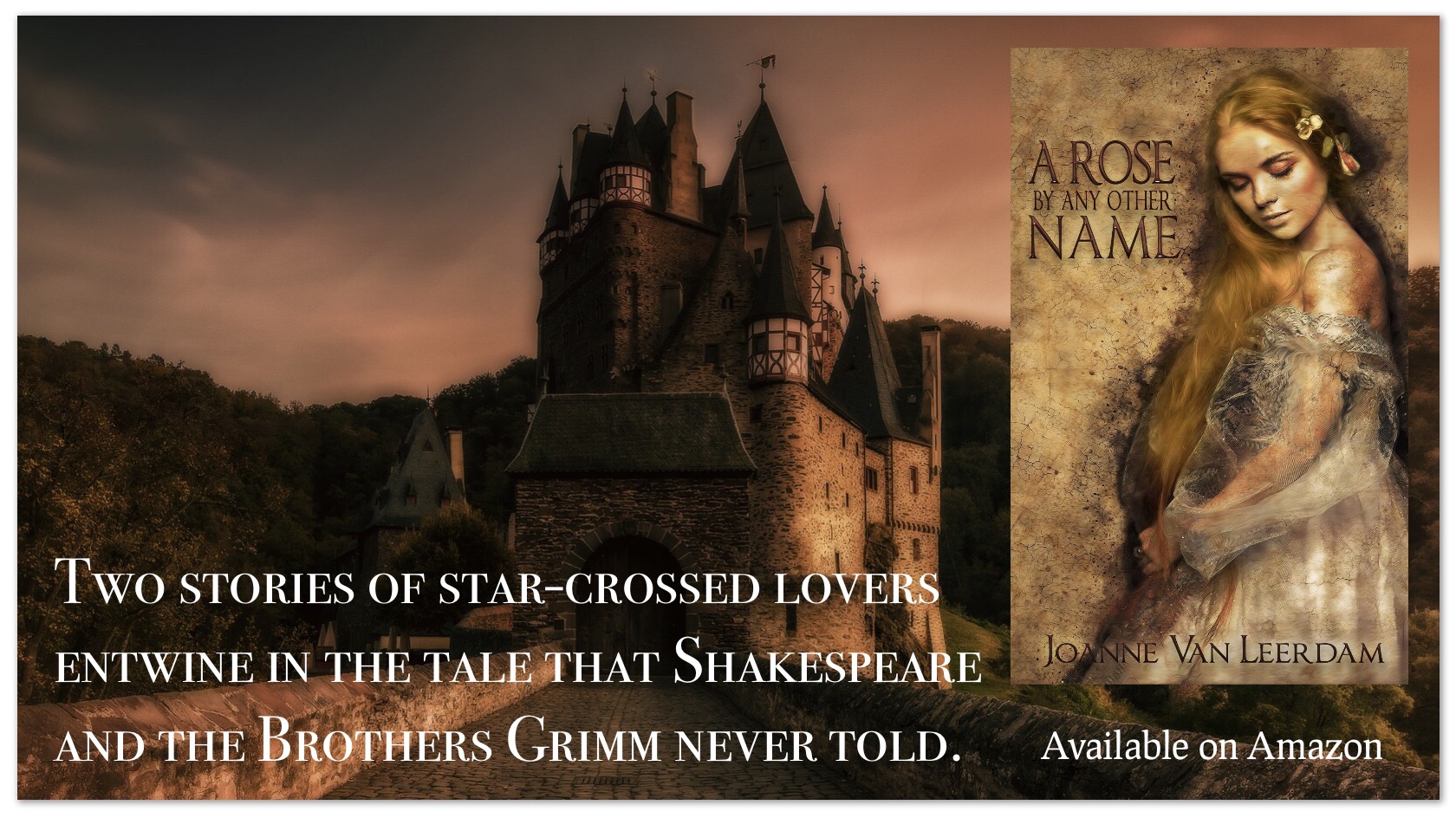
I have been pondering these things afresh while organising the preorder promo for ‘A Rose By Any Other Name’. 

Despite my obvious bias, it’s up to me to get my book seen by readers.
How can I make people want to read my book? How can I pique their interest? How can I get their attention? 

Those are the million dollar questions every author or promoter mst ask. 

The key lies in making them attractive to the target audience. An interesting story, well written and thoroughly edited, proofread, checked, formatted and checked again. A great cover that catches the eye and suits both the story and the genre. Promo images that are varied in colour and style, relevant to the story and genre, using clear and appropriate fonts. Not too wordy, and not too plain. 

Hopefully, those things will combine to have a positive effect. 
The fact is, before you can sell the book, you have to be able to sell the idea of the book. That’s why blurbs and taglines matter.  That’s why a cleverly worded tweet will sometimes have more effect than a beautifully written excerpt. 

Don’t get me wrong. A great excerpt is an effective way to win a reader, but you’ve still got to make people want to read it in the first place. 
So, for the next ten days until the book’s release date on June 14, I have prepared a bunch of teeets, some short Facebook posts, three different 16×9 promotional images ideal for Facebook and Twitter, and three square promo images for Instagram. 

There are hints but no spoilers. There is a mixture of information, humour and invitation. The hashtags are varied so that I reach more users than if I just stick to four or five basic tags. The images are different colours and styles, but all consistent with the story and genre.

Every post must have:

  • A promotional image that includes the book cover
  • Some information about the story or character
  • Clear indication of the genre
  • The link for ordering/buying the book
  • A mixture of popular and useful hashtags 

My goal is to achieve preorders for my book so that it has some sales momentum as soon as it launches, and then to continue promoting it to generate sales after that. That means creating different images, different tweets, and so on, on a regular basis. There is, after all, no such thing as “set and forget” promotion. 

***

A Rose By Any Other Name’ is available for preorder here

Poem: ‘Going to School’ by C.J. Dennis

I learned this poem when I was in 5th grade. My teacher loved poetry sand set us all a poem to memorise and recite. ‘Going to School’ was mine. 

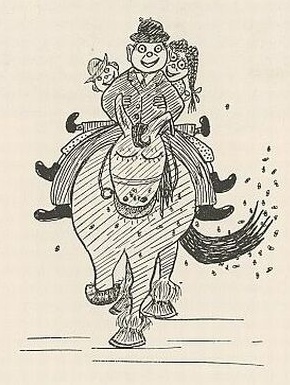
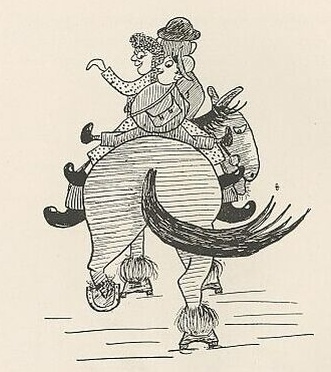
Published in ‘A Book for Kids’ in 1938 with a collection of similarly excellent poems, this is a fun poem with a very musical rhythm and rhyme pattern that are instantly engaging. It conjures images of a time when kids in Australian country schools might ride a horse to school if they loved too far away to walk and didn’t own a bicycle or three. 

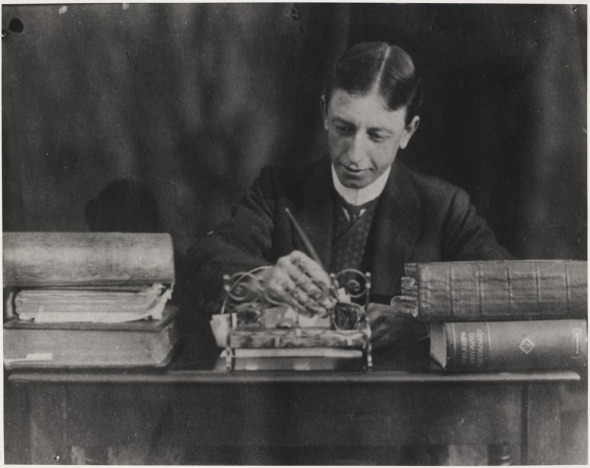
Dennis was a man of many talents: in addition to working as a journalist and poet, he also illustrated his own books with delightful pictures that were almost as much fun as the poetry. 

Image: C.J. Dennis working at his desk c.1938 . Public Domain via The State Library of Victoria 

Going to School

Did you see them pass to-day, Billy, Kate and Robin,
All astride upon the back of old grey Dobbin?
Jigging, jogging off to school, down the dusty track-
What must Dobbin think of it – three upon his back?
Robin at the bridle-rein, in the middle Kate,
Billy holding on behind, his legs out straight.


Now they’re coming back from school, jig, jog, jig.
See them at the corner where the gums grow big;
Dobbin flicking off the flies and blinking at the sun-
Having three upon his back he thinks is splendid fun:
Robin at the bridle-rein, in the middle Kate,
Little Billy up behind, his legs out straight.

Dennis’ images for ‘Going to School’ from ‘A Book for Kids’
Public Domain via Project Gutenberg

If you’d like a copy of A Book for Kids, Project Gutenberg has it available in a variety of formats, including for Kindle and other eReaders, free of charge. This is a legal download as the copyright on both the work and the illustrations included has expired. 

Women in History: Fatima al-Fihri

In the year 850 CE there was no such thing as a university. By 859, there was— thanks to Fatima al-Fihri.

The cover of a children’s book about Fatima al-Fihri’s life by Maryam Yousaf, available on Amazon

Fatima al-Fihri was an Arab Muslim woman who, having received an education and understanding its value, established the first ever university in Fez, Morocco.

When her father died, he left his estate to his daughters, Fatima and Mariam, each of whom used the money to establish a mosque. Fatima’s mosque grew to hold thousands of worshippers while at the same time evolving into a place of learning that offered degrees for different levels of education in the subjects of Islamic studies, mathematics, natural sciences, music, medicine and grammar.  A library was also established,
providing the resources and documents
needed by students and teachers alike.

Image: Abdel Hassouni via Wikimedia Commons

The University was not exclusive to Muslim students, and attracted scholars from both Jewish and Christian traditions. One of those students went on to become Pope Sylvester II, who introduced both Arabic numerals and the idea of zero to Western mathematics.

By the time Fatima died at the age of eighty years old, The University of Al Quaraouiyine had been running for twenty-four years,
alongside the mosque from which it
had developed.

Image: Mike Prince on flickr via Wikimedia Commons

This makes the university more than two hundred years older than the oldest Western universities at Bologna (est. 1088) and Oxford (est. 1096).

Both the mosque and university are still running today. Both the University of Al Quaraouiyine and its library are the oldest of their kind in the world. The library contains many ancient documents, some of which  date right back to the 9th century origins of the library, and other texts and books written by renowned academics.

What an amazing and enduring legacy, and a testament to foresight and wisdom! 

WordyNerdBird’s note: 
Having grown up in Australia and enjoyed a very Western education, I had no idea until much later in life that the concept of the university was something that came from the Muslim tradition. 

Perhaps if we were taught more overtly and deliberately about the legacies that have come to us from traditions other than our own,  our places of learning and society in general would be far more respectful of those traditions and the people who still hold them. 

Women in History: Claudette Colvin

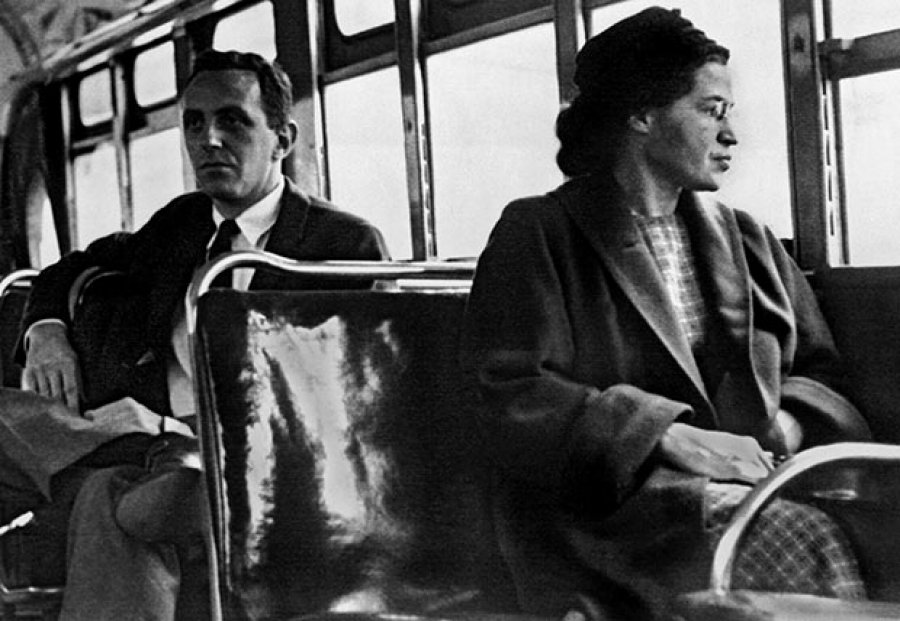
We’ve all heard of Rosa Parks, and rightly so. Her refusal to give up her seat to a white person on a segregated bus sparked the Montgomery Bus Boycott and was a pivotal moment in the Civil Rights Movement in the United States. 

The very bus on which she rode is in the Henry Ford Museum in Detroit, commemorating her actions and their importance in the history of the nation. 

Have you, though, heard of Claudette Colvin? 
Probably not. But you should have. 

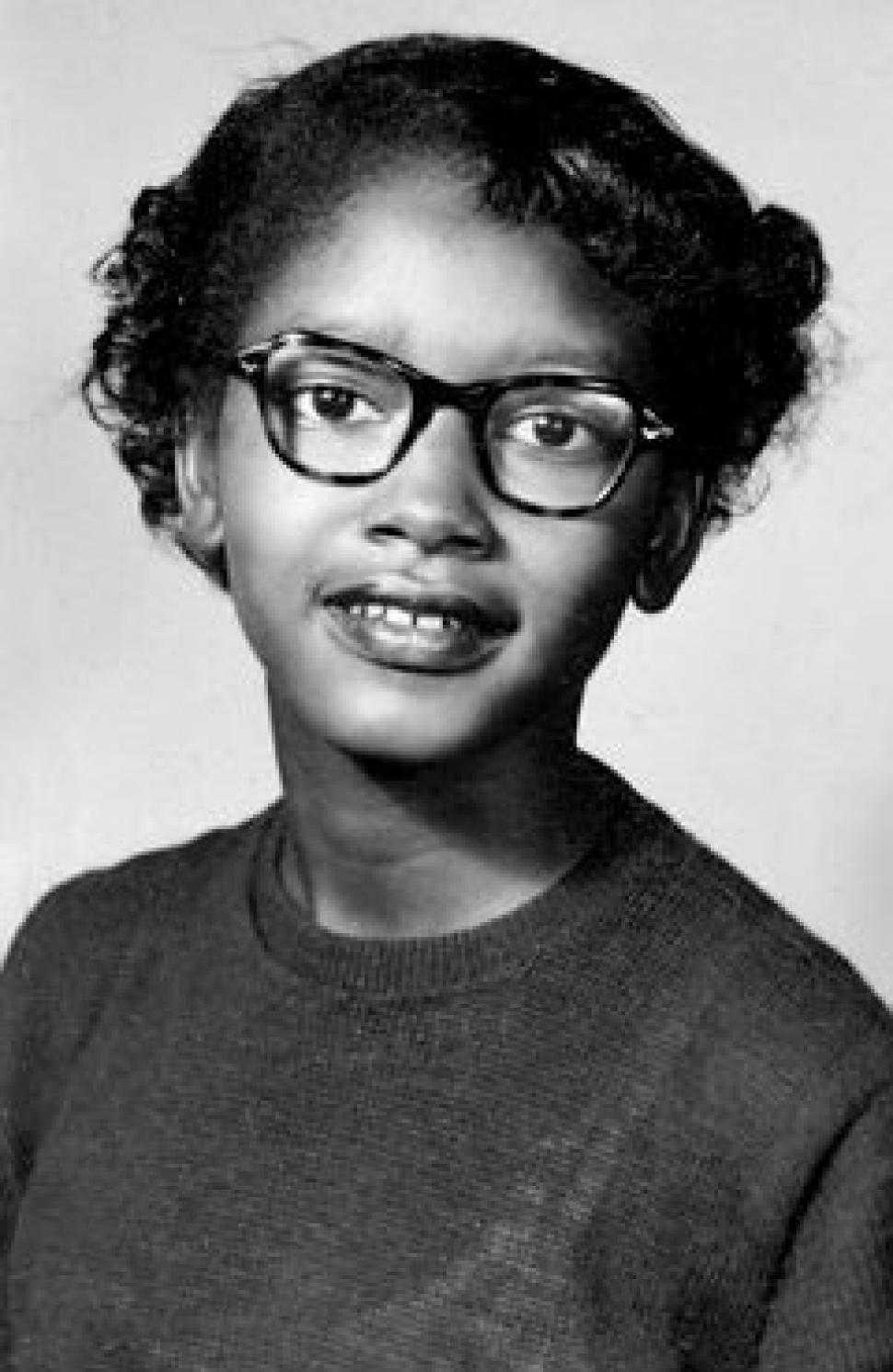
Nine months before Rosa Parks’ defiant actions, fifteen year old Claudette Colvin was riding a segregated bus home from school in Montgomery, Alabama, and refused to give her seat up for a white woman. 

Source: Claudette Colvin Biography, https://www.biography.com/people/claudette-colvin-11378 Accessed March 13, 2019

Colvin was arrested and tried in juvenile court for her defiance.  Her mother discouraged her from speaking publicly about her actions, preferring to let Rosa Parks take the spotlight. 

I have to wonder, though: just how much did Claudette Colvin inspire Rosa Parks to refuse to give up her seat? And why aren’t we taught with equal admiration about this brave young woman who made her stand by remaining seated?

I am sure of one thing, though: I will be including Claudette Colvin in my lessons on the Civil Rights Movement from now on. My fifteen year old students need to know that nobody is too young to change the world for the better. 

Indie Authors: Don’t Let The Scammers Win

There has been quite some consternation among Indie authors over past months in various ways that dishonourable people have found to scam the system and get quite rich selling books that are not what they should be, particularly on Amazon, or who steal others’ books and make them available on pirate websites, or plagiarise and “rebrand” them as their own work.. 

Understandably, those who put a lot of effort into writing and publishing excellent books find such situations discouraging. It’s hard to be upbeat about what we do when others seem to “win” with shortcuts that are plain wrong. 

As I commented in yesterday’s post on integrity and ethics, it seems as though the floodgates have opened to allow all sorts of deceitful behaviour.
It’s hard to know how to respond.

What honest writers must not do, however, is quit. 

It’s up to us to keep on creating fantastic stories and poetry for the readers out there who crave excellent books. 

It’s up to us to hold our heads high, proclaim “I write every word of my books!” and then show the world what we’ve got. 

In short, it’s up to us to show the cheaters and scammers how it should be done. 

Nobody but honest and hard-working authors can restore the faith of readers in Indoe and self publishing. The only way to do that is to maintain a premium of quality in the books on the shelves in stores, libraries and homes all over the world. 

We may have to work harder, smarter and cleaner than ever before. Still, we’ve had to do that in order to give traditional publishing a good shake, and we’ve certainly achieved that. 

We Indies have so much to offer. We have each other for support and an entire future that is yet to be shaped ahead of each of us.

I refuse to quit. I refuse to let the scammers win. Who’s with me? 

Why I Love Audiobooks

I am a relatively recent convert to the audiobook experience. 

Before October last year, I had really only used audiobooks when teaching Shakespeare texts in high school, as it took the stress out of the actual reading for kids who weren’t sure how to approach or pronounce the parts of the language that were unfamiliar to them.  Beyond that, i had suggested them for people, especially kids, who weren’t keen on actually reading, or people who were sight impaired, or… you get my drift. They were always a good idea for someone else.

Of course, thinking of them in that way meant that I never really tried them out for myself. 

It was only when my own circumstances changed that I learned my lesson. Quite unexpectedly, I found myself recovering from emergency spinal surgery, spending a lot of time lying down, and unable to work for an expended period. I was in pain, forced to rest, and couldn’t really focus my eyes too well for some time.

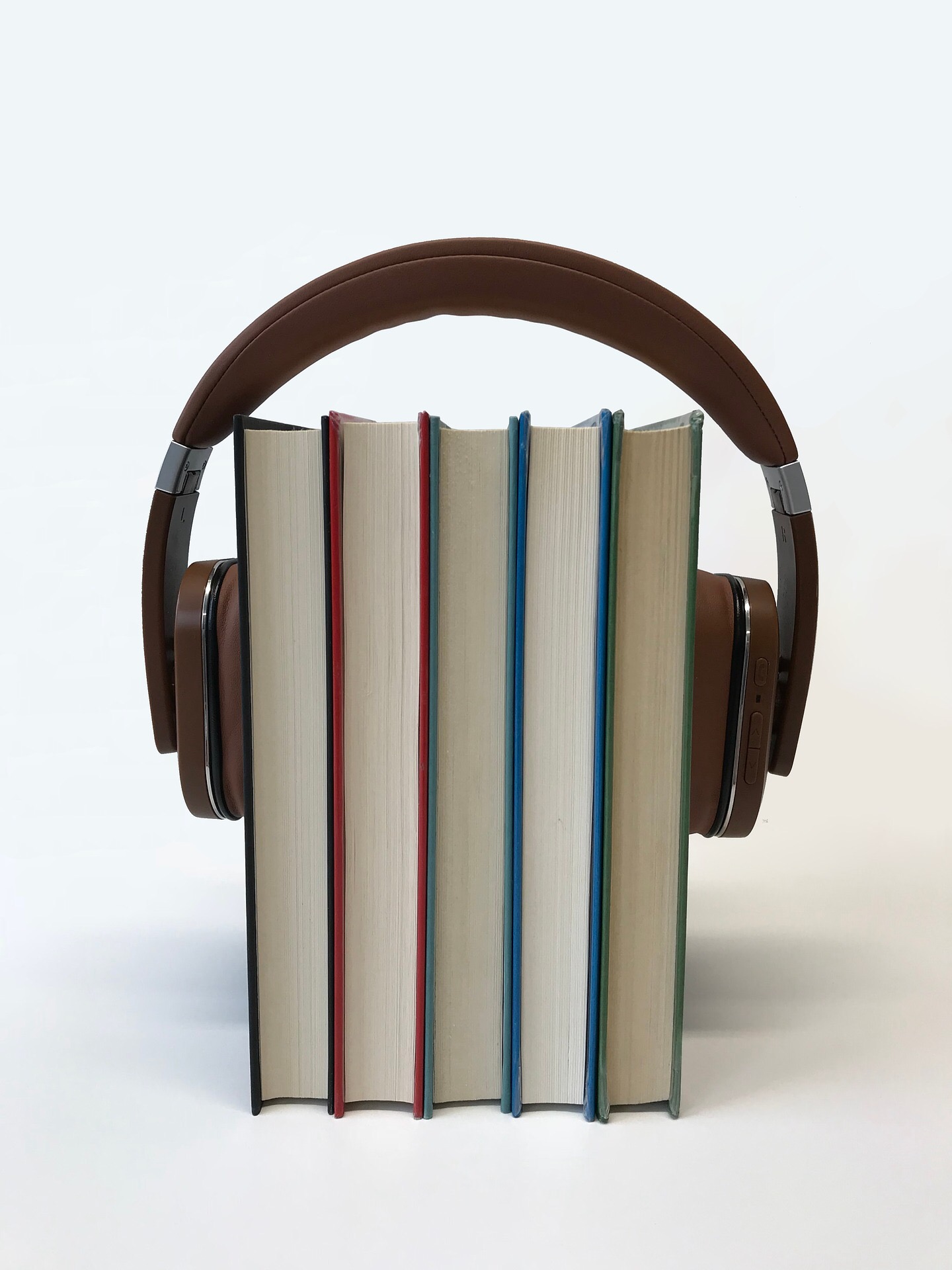
On an impulse, I purchased an audiobook and found myself completely engrossed in the story. When it finished, I bought another. And another. I was hooked. 

The audiobooks I listened to during my recovery kept me company when I couldn’t sleep, and gave me something to think about other than the pain. They took me out of my hospital bed and carried me to different places. They gave my mind something to do when my body couldn’t do much at all. They were great for my mental health. And I really enjoyed them. 

Now, I listen to audiobooks on my commute to work each day, instead of getting steamed up over news and current affairs on the radio. I listen when I am resting, which I still need to do as my back is still healing. I often listen during my lunch break at work, which is actually much healthier than working straight through it as I have tended to do for most of my career. I listen while doing the dishes. 

Audiobooks have not replaced my reading time. I love reading books, and treasure the time I get to spend in them. That will never change. I’m a book nerd, through and through. Even a cursory glance at my Goodreads profile, Twitter feed or Book Squirrel blog will testify to that. 

Listening to audiobooks has also enabled me to add another dimension to my book blog, with audiobook reviews being added to the repertoire, along with Indie book reviews, author spotlights and interviews, and other bookish goodness. As I like to deliver varied and interesting content, that has been a bonus. 

Audiobooks have enhanced different times in my day when I can’t read, and made them more interesting and stimulating. They may not be for everyone, but adding some great listening time to my routine has been a positive and enjoyable development for me.  

fyke-fack

Originally posted on Sesquiotica:
If this sounds like something someone from Scotland might say when having to do a lot of boring busywork for some pernickety pest, well, yes. But it’s not an expletive. It’s a word for the tedious trivial tasks themselves, or, as a verb, for busying oneself about them. Here’s a citation:…

I love discovering great words that I can insert into my everyday discussions.

fyke-fack is definitely going to get a workout… especially when school resumes this week after the summer break.

And it’s not even bad. In fact, it will effectively replace some that are, which is always handy when you’re a teacher and trying hard to be professional. Adulting is hard, you know.

sesquiotic's avatarSesquiotica

If this sounds like something someone from Scotland might say when having to do a lot of boring busywork for some pernickety pest, well, yes. But it’s not an expletive. It’s a word for the tedious trivial tasks themselves, or, as a verb, for busying oneself about them. Here’s a citation:

Yet after a’, wi’ this fyke-fack an’ that fyke-fack, this thing an’ the tither thing, it cost me tippence or thretty pennies by the time I got without the port.

View original post 323 more words

A Change That Is Long Overdue.

Sometimes, you reach the point where enough is enough.

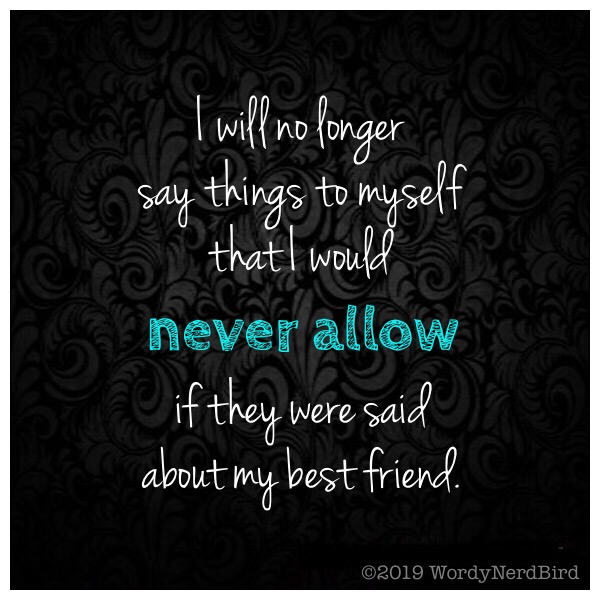
I have reached a new landmark in my journey of self-acceptance and self-care:  I have finally decided to stop saying and thinking horrible things about myself. 

When I posted this image last night, a friend responded with the observation that ” The trick is to catch it and recognize it. That’s the hard part.”

What she says is true, but the fact is that I’ve already been recognising it, and it’s something that has been bugging me for a while. 

For me, the hardest part is that I see my flaws and failures much earlier and more honestly than anyone else does. I know I’m valued and loved, and I know I have talents and abilities that others admire, but I am much quicker to comment on my mistakes and shortcomings than on anything good or positive that I might do. Sadly, this is the habit of a lifetime. 

It’s often said that we’re our own worst enemies. When it comes to cruel words, I think that’s definitely true of me. 

I write poetry that moves people and touches their souls. I write horror stories that chill my readers to the bone. My books get good reviews, and readers tell me they love my work. I teach teenagers, and from time to time, some of them tell me I’ve had a positive impact on their life. 

At the same time, I know full well that not everyone loves me. That doesn’t actually bother me: I don’t like everyone else, either. None of us do. 
Yet it seems that my most consistent critic is none other than myself.  It’s fair to say that on some days, even the people who really, really don’t like me – and they do exist – would be hard pressed to say worse things about me than I do.

Why do I accept it from myself, when I never would from anyone else? Why do I allow words about myself that I refuse to hear my best friend say about herself? I don’t allow my students to talk about themselves or others that way. I’ll unashamedly call someone out for putting another person down, and remind them that they don’t get to talk that way to other people. 

I’ve written previously about having to learn to be patient and kind toward myself physically, especially since my back injury. Now, I’m taking the challenge to master the words and thoughts I use, and to be as quick to defend myself as I am when it’s others on the receiving end. 

I know that making this decision is only the first step, and that actually doing it will be harder than writing about it. I do hope, though, that putting it into writing makes my commitment more binding and less of an impulsive thing that I can forget about. 

This is a change that is long overdue. And no matter how flawed or prone to error I may be, it’s a change that I really need to make. I deserve better treatment than I have been giving myself, and today is the day I will start to make it happen.

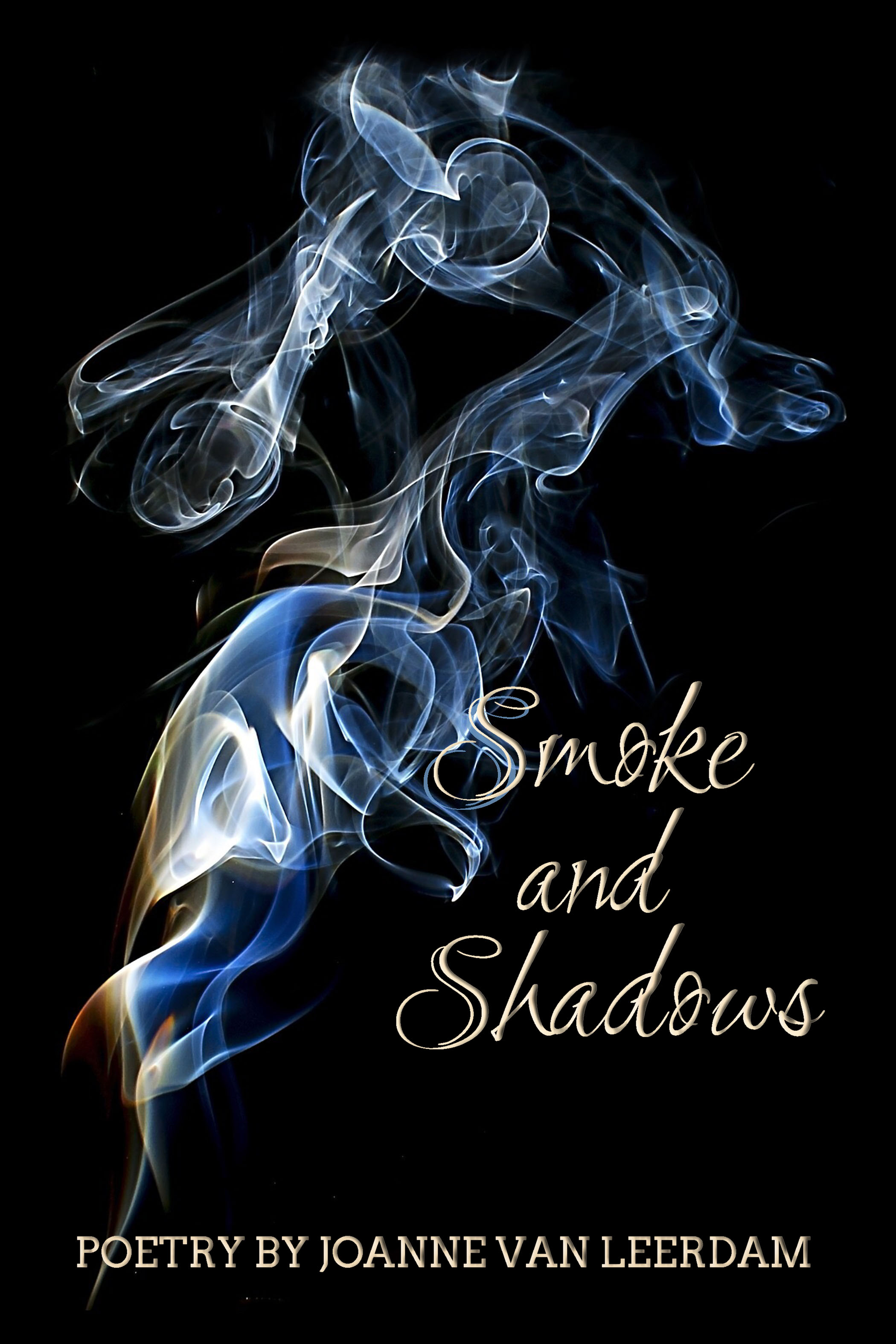
Cover Reveal: Smoke and Shadows

Smoke and Shadows releases on January 6 in paperback and ebook.

One of the most relatable scenes in Gilbert & Sullivan’s musical H.M.S Pinafore, which I had the pleasure of directing in September, is where Buttercup sings these lines to Captain Corcoran:

“Things are seldom what they seem,
Skim milk masquerades as cream;
Highlows pass as patent leathers;
Jackdaws strut in peacock’s feathers.” 

The Captain appears puzzled, as though thinking about this for the first time, before replying, 

“Very true, So they do!” 

It’s a common thing.  As we go through life, we discover that people and things are frequently not what they seem to be, and what we understand to be the truth of our own experience often turns out to be something quite different instead. Life is as full of illusions as it is of genuine experiences.

False friends abound while finding a true and loyal one is like discovering gold. Trials hurt, but then deliver unexpected strength and blessings. People put up smokescreens to hide their true intentions or feelings; and only sometimes do we ever discover why. The world seems hateful until someone delivers light and love in a surprising way.

The poems in this new collection explore some of the illusions and deceptions people experience in their lives, the clarity and wisdom gained from hindsight, and the lessons we can learn from them.

Both the title of the book and its blurb come from the poem titled ‘The Simulacrum’. I considered using the title of the poem as the book title because it’s such a fascinating word which does, in fact, mean ‘a representation or image of something’. I wanted to go beyond that, though, because the book is really about the multitude of ways that something or someone might not be exactly what we think, or what we are led to believe, rather than focusing on a physical representation. 

“Smoke and shadows yield to glimpses of light—
Only then we begin to see:
When we learn to perceive things as they are,
We can have peace with whatever will be.”

So, without further ado, here is the cover of this new book, which will release on January 6th.  It is available for preorder in all major outlets  via this link

The cover of Smoke and Shadows has an image of smoke in shades of blue, gold, red and white on a black background. The title is printed in gold.