Josh Frydenberg: You Have Some Nerve, Mister.

An open letter to Josh Frydenberg, Federal Treasurer and MP for Cooyong:

You have some nerve. Your outburst in Parliament yesterday was way out of line.

Yes, mistakes were made early on in Victoria’s management of COVID. And they got cleaned up. We’ve actually done a brilliant job, which you didn’t even acknowledge. But that isn’t the part of your speech to which I, and many other Victorian teachers, take particular exception.

While the rest of the House was congratulating the people of Victoria on crushing the curve and bringing the numbers back to zero, you chose to be ungrateful. That little tantrum of yours would make a two year old proud.
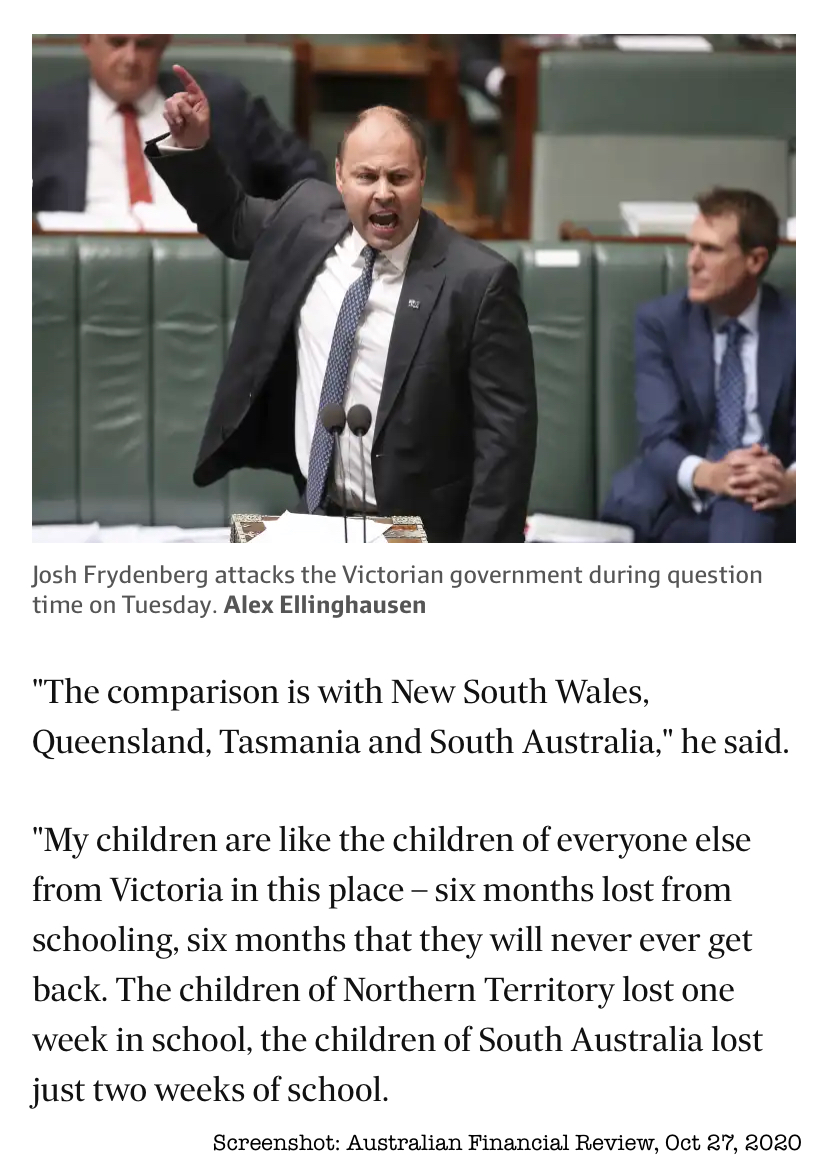
An excerpt from Frydenberg’s speech in Parliament, Tuesday Oct 27, 2020.

Your assertion that your children missed out on six months of schooling is highly offensive to every teacher in this fine state who has gone way beyond the call of professionalism and duty of care to ensure that our students did not miss a single thing that we were able to provide for them.

Were my colleagues and I merely dreaming all the extra work we put into setting up online classrooms, doing extra courses in online safety and classroom management, monitoring our students’ wellbeing and mental health, in addition to all the usual planning, preparation and teaching we have been doing all year?
Did we imagine the eye fatigue and headaches from being in online classrooms all day, doing all our marking and reporting online, meeting with colleagues and conferencing with parents online?

You have been able to do your job almost completely normally all year.

We have had to completely reinvent ours, while at the same time being required to switch from face to face teaching to online classrooms, then back, and back again, sometimes at only a few days’ notice.
We’ve done it without tantrums, without complaints, and without pointing fingers at people who were also trying to do their best in otherwise uncharted territory.

Victorian teachers have proven to be dedicated, resilient, and incredibly versatile this year.

And I will tell you one thing that is absolutely certain: the students at my school did not miss six months of school. They had their full timetable, every school day, complete with teachers and teachers aides, differentiated lessons, roll call, and individual help whenever they needed it.

Don’t be firing your nasty little aspersions at Victorian schools and the 100% committed teachers in them, Mr Frydenberg, even by inference.

We do not deserve that. We are exhausted, our patience has been pushed to the limit, and we are still going. We are not in the mood for your petulant tantrums.

It’s high time you gave credit where credit is due, learned some gratitude and grace, and got on with doing your job while we continue to do ours.

An Open Letter to Josh Frydenberg @JoshFrydenberg
#TeacherLife #VictoriaTheHeroState #howdareyou
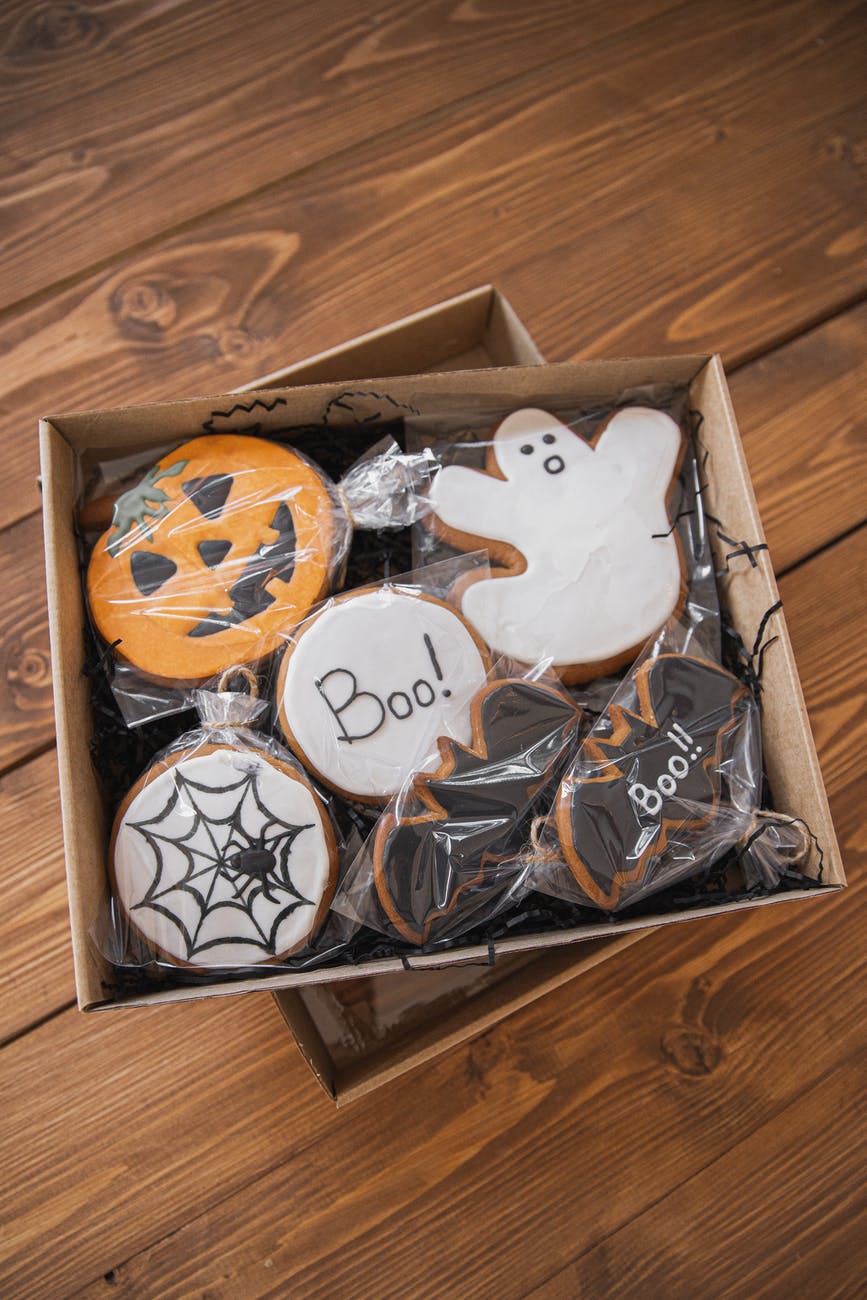
Horror-ween Week

Photo by Gabby K on Pexels.com

It’s one week today until Halloween. The shops are full of costumes, accessories, and big bags of treats to hand out.

Australians are once again protesting about it being an American thing (it’s not) while they gladly binge-watch American TV series on Foxtel and Netflix, listen to predominantly American music on commercial radio, and argue about whether Coke or Pepsi is better. (It’s definitely Coke.)

Despite the protestations of those Aussie nay-sayers, it’s a week that I quite enjoy. It reminds me of my first Halloween season in Canada, where I learned more about the background of the holiday and started to appreciate it in a different way. I like seeing kids and families out together, dressed up in costumes and walking around my small town, spending time together and having fun that doesn’t involve a screen.

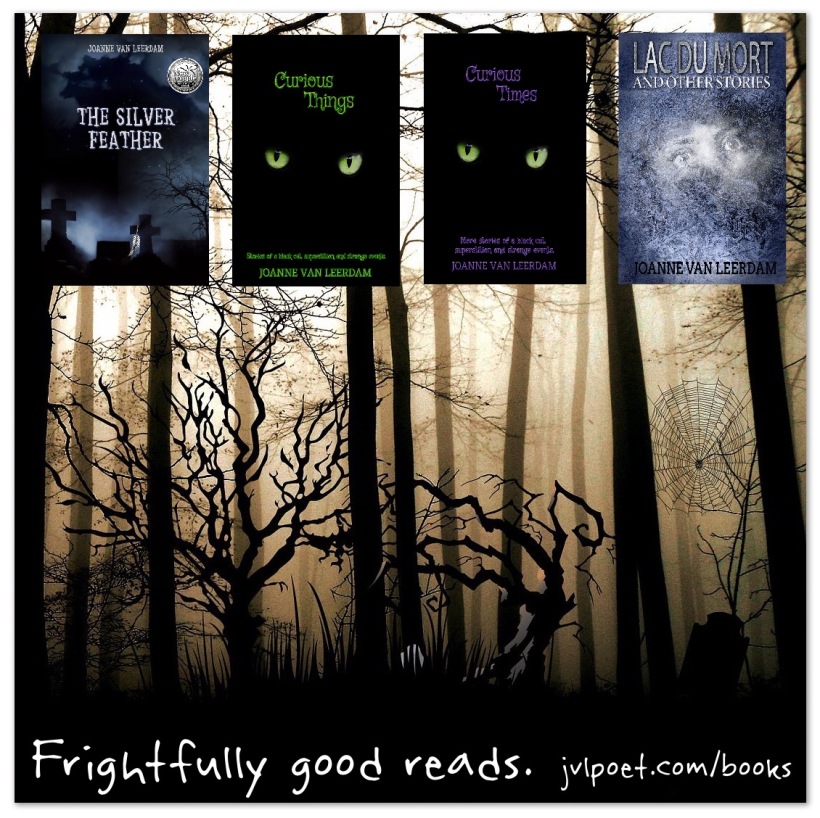
It’s also a time when, like many other horror authors, I’m hoping to put my books in front of people and maybe get a sale or three.

I write spooky short stories, among other things. I work hard to build the right atmosphere, to lure the reader in, and then shock them with a macabre turn of events. I try to appeal to different senses so that they hold their breath while their skin crawls. It’s not splatter for splatter’s sake, and the monsters generally don’t hide under the beds or in the wardrobes of little kids. The monsters I write about are, more often than not, people who seem ordinary in most ways— until they prove they are not.

So, why not try a creepy story? You might enjoy it more than you think!

All in ebook and paperback. Signed copies available.

Horror-ween Week
#Halloween #horror #Halloween2020

Masking The Awkwardness With Humour

Teacher masks students covid COVIDSafe

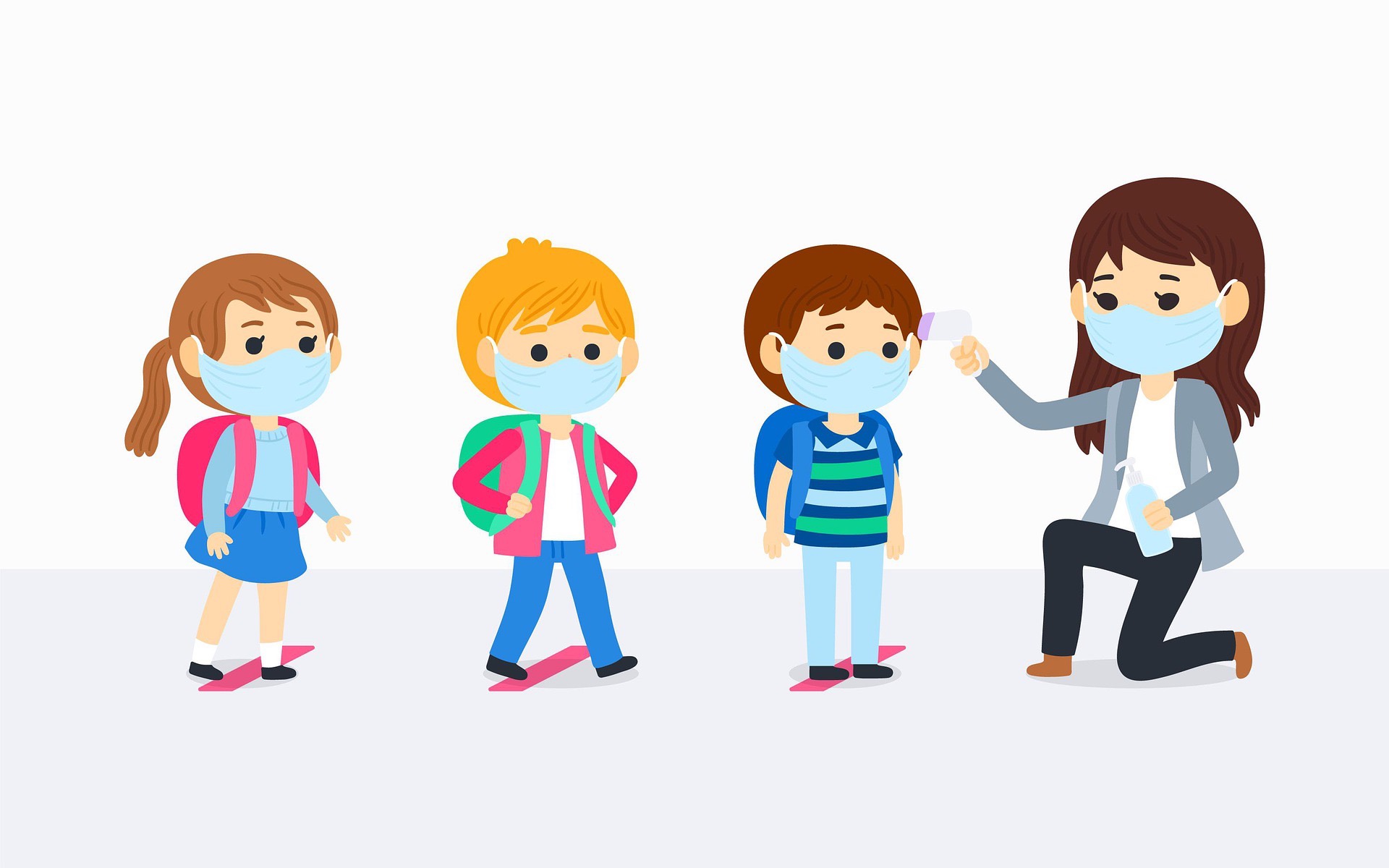
Disclaimer: I don’t kneel for my students, as that would send entirely the wrong message. Besides, they are teenagers and I’m only 5’2″. Also, I can no longer kneel. Image via Pixabay

Face to face teaching is back in full swing in Victoria, with all students over the age of 12, and all teachers, required to wear masks.

The kids generally don’t like wearing masks, and I totally get that. Still, that’s not an excuse for defiance. It’s currently a legal requirement, so whether or not we like it is a moot point.

Most of the students are quite cooperative. Some kids, though, are getting sneakier— or perhaps just less conscientious— about wearing them properly. The challenge for teachers is to find ways to remind them without being awkward or, even worse, coming across as nagging. As anyone who has tried to get a teen to do something they don’t want to will attest, that’s only ever going to create more resistance. 

As I am wont to do, I have reverted to humour in addressing the problem. 

When a student has their mask pulled under their nose, I tell them “don’t fly the flag at half mask”. 

When someone is not wearing a mask, I say, “Oops! Your face is naked.”

When the mask is sitting under their chin, I tell them to “pull their face pants up.” 

In a quiet classroom environment, or if I want to remind someone without drawing attention, I  simply make eye contact, hold my hand horizontally near my chin and lift it to above my nose. 

These responses engage the students by surprising the m and making them think about what I’m saying. They generally respond with a smile and then comply. The occasional student tries to argue, which invariably ends in disappointment for them.

I am always happy when it works. I was also very pleased when, while I was on yard duty, I heard one of my students tell another kid to pull his face pants up. I smiled with great satisfaction and whispered, “Good work, kid! Keep it up!” Nobody noticed, though, because I had my mask on. 

Masking Awkwardness With Humour
#TeacherLife #humour #blogpost

Note: Arguments about whether or not masks should be worn will not be entered into, and negative comments to that effect will be deleted. 

Uhtcare

Uhtcare— pronounced oot-care — is a lovely Old English word that dates back to the Anglo-Saxon poem ‘The Wife’s Lament’, and was probably used throughout medieval times.

I heard it for the first time today in the Something Rhymes With Purple podcast by Susie Dent and Gyles Brandreth.

Image by pasja1000 on Pixabay

Uhtcare translates to ‘dawn care’ and relates to the anxiety of lying in bed worrying about the coming day before it has even really started. It comes from the OE words uht meaning before dawn and cearu/caru meaning anxiety.

It wasn’t just the beauty of the word that struck me, but also the timeliness of hearing it today. Completely forwallowed after a night of very little sleep courtesy of painsomnia, I could totally relate to that feeling! I was lying in bed before dawn this morning wondering if it were at all possible for me to actually make it to work today. I thought about the lessons I wanted to teach, and how much effort it always takes to ensure that a substitute teacher has everything they need to deliver my lessons effectively.I also felt incredibly guilty about the fact that we have only just returned to face to face teaching, and there I was thinking about staying home.

Still, I knew I wouldn’t be a safe driver today, and I also knew there was very little likelihood of me teaching anything effectively at all.

So, I got up at 5.45 am and made sure all my lessons, material and extra notes for my replacement for the day were loaded in the school’s system and ready to go.

Image by MichaelGaida on Pixabay

Given that we don’t really have an adequate alternative for such a useful and expressive word in today’s English, It is a shame that this word has fallen out of use. Maybe it’s time to bring it back.

Uhtcare: lying awake before dawn, worrying about the day.
Anglo-Saxon/Old English
#English #words #blogpost

Sources:
Something Rhymes With Purple podcast: Vedettes 15/9/2020

Ten Rare But Useful Words Everyone Should Know

Anglish Wordbook

Back in the Classroom: Putting My Teacher Mask On

Thoughts on the first day of face to face teaching after months of lockdown and teaching online.

Image by HaticeEROL on Pixabay

After nine weeks of only seeing my students in little squares on my computer screen, a two week term break, and a final week of online classes, we resumed face to face lessons today. Things were a little bit different than they used to be, though. 

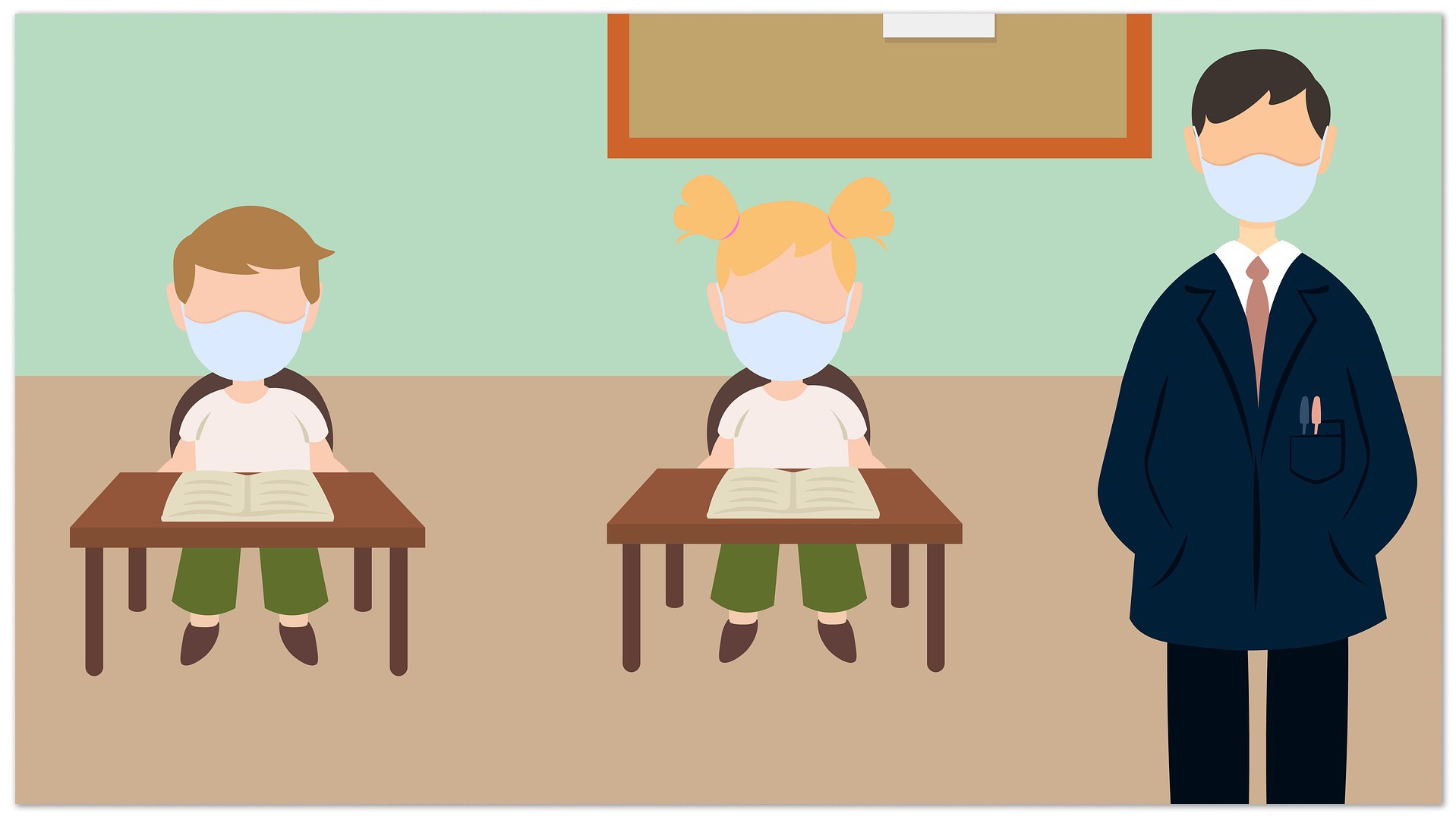
The desks were distanced from one another as practically as they could be. The bottle of sanitiser at the front of the room had been joined by another and, this time around, the students didn’t need reminding to use it. Most obviously, though, we were all wearing masks. 

We used to talk about “putting our teacher hat on” when we walked into the classroom, and taking it off again at the end of the day. I guess now it’s our teacher masks we have to consciously think about wearing, as this seems to be the new normal— in Victorian schools, at least— for the foreseeable future. 

The wearing of masks is something disliked by many students and staff alike. Personally, I don’t mind wearing one, and I am happy to not be breathing in whatever germs are floating around the room. Most of my students seemed to manage without any difficulty, but getting some of them to wear their masks properly and not keep touching them proved to be yet another new classroom challenge.

Still, there were some good things going on. 

The tone and humour in my classrooms was generally positive. One kid who doesn’t even like me much told me it was good to see me. I laughed and told him to give it time, and everyone laughed at that because we all knew it wouldn’t last.

Marking the class roll was significantly easier and quicker than online: once again, I could see at a glance who wasn’t there. Marking the roll in online classes was something I always found arduous. Today it took two seconds. 

I could see right away who wasn’t doing what they should be, and I could move around behind them and see their screens. There is no more effective way to make someone work than to be able to see their screen. 

At the same time, I could instantly encourage those who were working hard amd staying on task. It’s so much easier to be positive when you can be both natural and proactive about it. The added bonus is that when you praise and encourage one student for doing a good job or making a great effort, it tends to make those listening more inclined to want to do better and get some praise, too. 

Those few kids who have avoided doing much at all since we returned to online schooling finally had to do some work. Those who did not engage in online lessons found themselves no longer able to just sign in and zone out or leave the room. And because I was wearing a mask, they couldn’t see my wry grin as I watched them working. 

I was able to move around the room and look over the shoulders of my students. Delivering instant feedback and reminders about spelling, punctuation and paragraphs is significantly easier than trying to give that kind of advice online.

All things considered, while the day was not without a few issues and challenges, it’s fair to say that the positives outweighed the negatives. It’s hard not to be satisfied with that. 

Chasing Waterfalls.

In wilful defiance of TLC’s advice, we spent today chasing waterfalls. Thankfully, though, we were visiting real waterfalls rather than metaphorical ones. 

It was great to get out in the sunshine and fresh air, and to enjoy a change of scenery after months of social restrictions and another term of teaching from home. 

I visited both Nigretta Falls and Wannon Falls near Hamilton, Victoria, with my bestie in July, but my husband hadn’t been there before, so it was nice to be able to visit with him. 

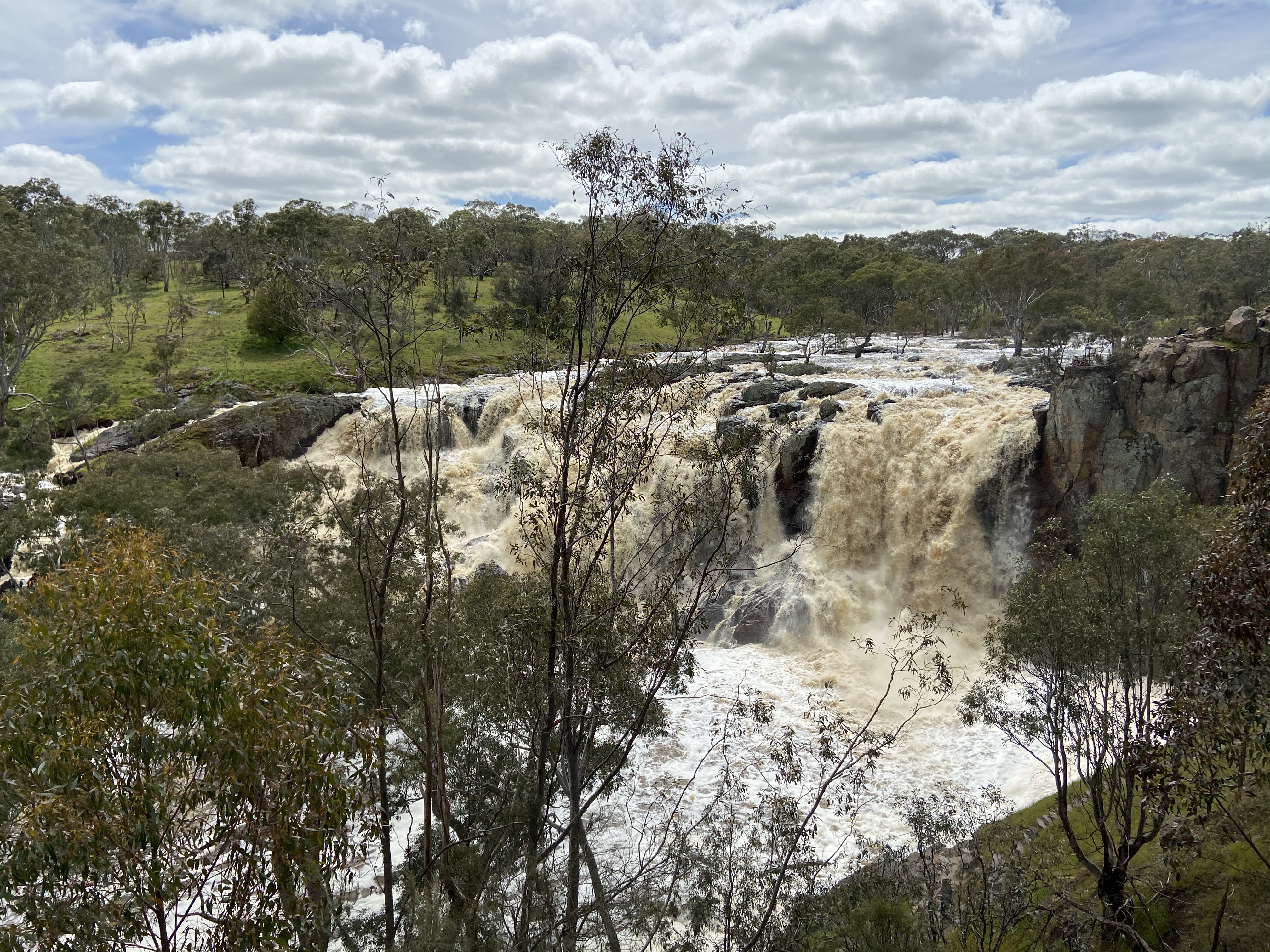
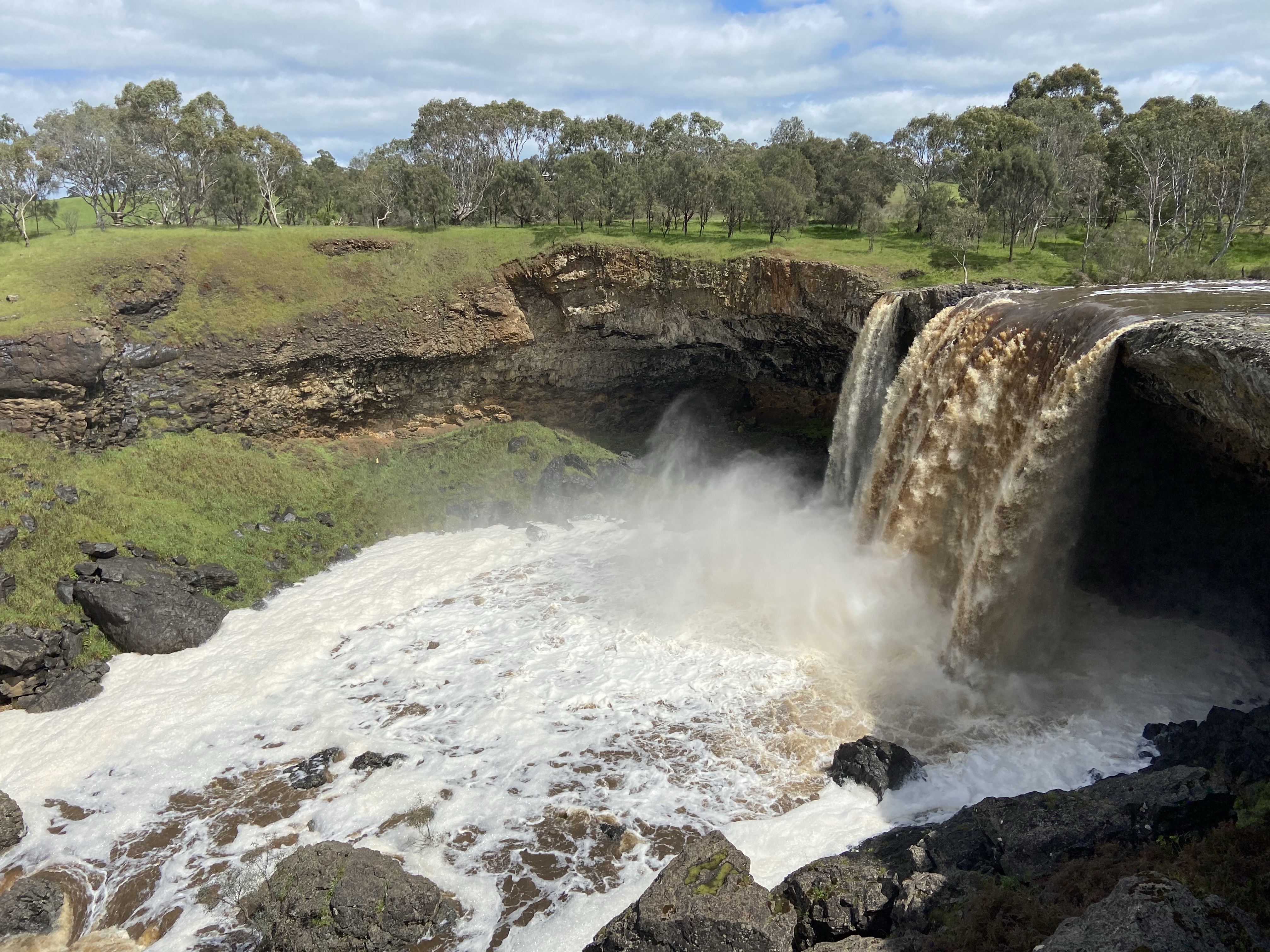
Western Victoria has had a lot of rain the past couple of weeks, so the falls were both far more spectacular than they were in July. The volume of water at Nigretta Falls actually made it look completely different than it did just a few months ago. Wannon Falls had more water, but still looked much the same. 

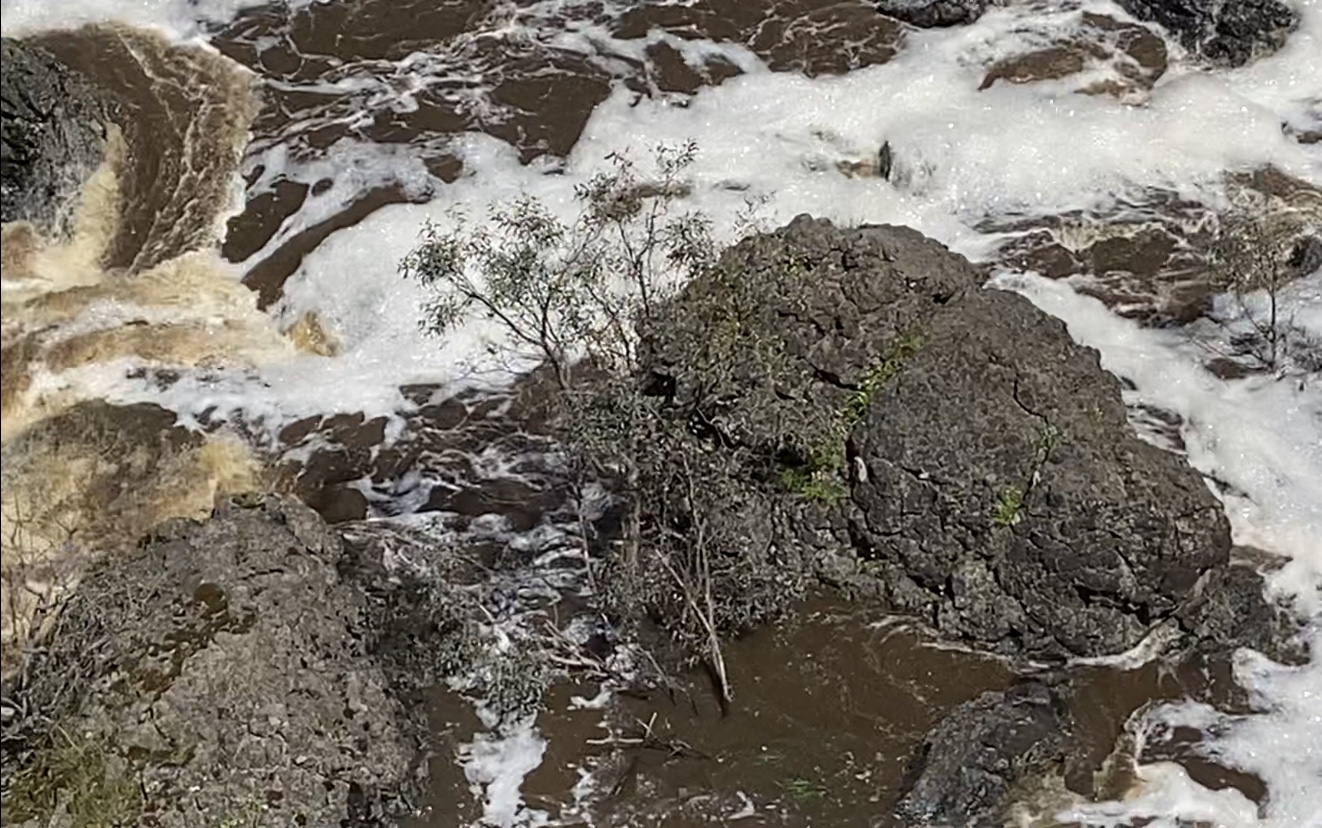
While watching the water cascading over Wannon Falls and flowing away, I spotted one resilient little tree growing in the river. It is barely visible in the bottom corner of the image above, but it’s there.

I thought about how the river just washes around it and keeps going, but rather than being washed away, that little tree stands its ground. The rocks around it may give it some protection and reduce the drag of the water, but even so, it must have very good roots. 

It occurred to me that I am a bit like that tree. 

This year has been a powerful and relentless river, and the last four months in particular have swollen that river with a lot of extra rain.  I’ve learned to stand my ground and, to purposefully allow many of the pressures of life to just pass me by. I’ve had to. My priority has been to just hang on and try to not get completely overwhelmed and washed away.

Chances are, without the rocks around me, I might have been broken or got washed away. I am so thankful for those people who have supported and protected me. I’m thankful for the powerful roots and protective rocks of faith, family and friends who have held me and sheltered me, each one of them helping to deflect the water in their own way.  

Hopefully, the floodwaters will recede soon and both that little tree and I can start to grow and flourish rather than merely surviving.

Chasing Waterfalls.
#LifeLessons #thoughts #grief #resilience

Covid 19 and the Great Pestilence: How Much Have We Really Learned?

Image by ivabalk on Pixabay.

This post reminds me of the lessons I’ve been doing with my Year 8 History class about Medieval Europe and the Black Death.

My students were very interested in the plague, and surprised by the fact that this was when quarantine, social distancing, and the wearing of masks became the go-to modes of dealing with contagious disease. They were also surprised by the time it took the Europeans to understand the importance of basic hygiene, and how very long it took to develop good medical knowledge.

These lessons were highly relevant in These Times, and helped the kids to understand why we’re being reminded to wear masks, wash and sanitise our hands, and keep away from other people. It was good to be able to discuss how relevant history can be. 

We all agreed we are incredibly thankful for modern medicine, science, vaccines and health care. 

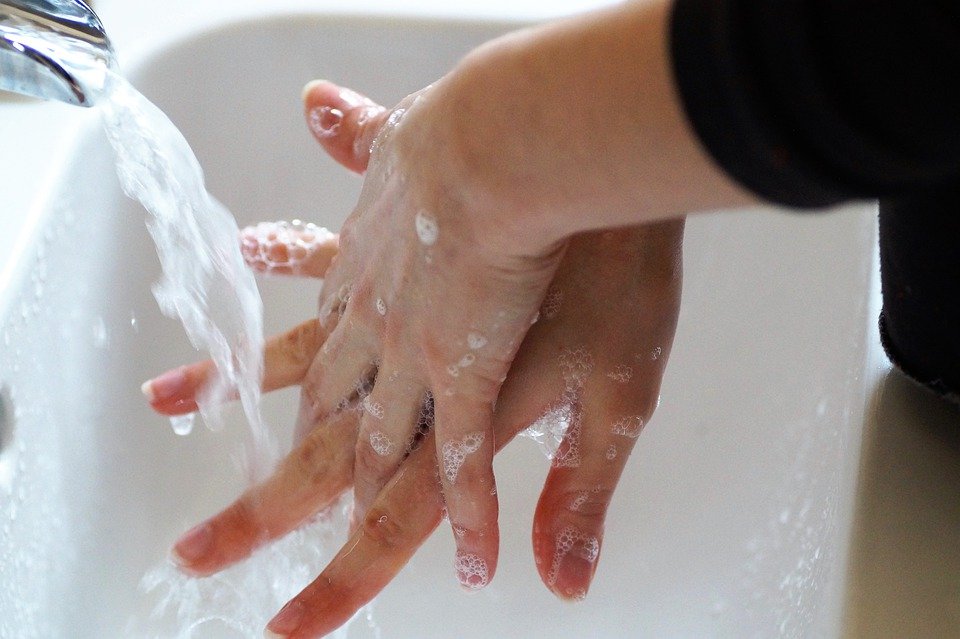
It does strike me as bizarre, however, that with all the scientific and technological advances we’ve made, we still have to remind people to wash their hands. Some things, it seems, never change. 

viscountessw's avatarmurreyandblue

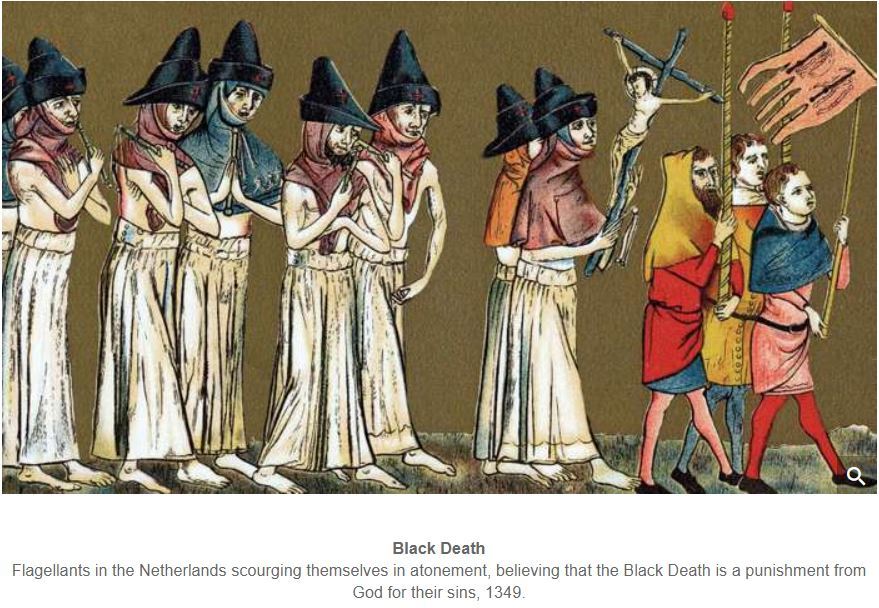
This illustration is simply that, a suitable illustration – the Flagellants followed the first wave of the Great Pestilence and aren’t mentioned here.
from https://www.britannica.com/event/Black-Death

In this time of Covid 19, when we don’t know why it seems to affect men more than women, and some ethnicities but not others, it is interesting that back in the 14th century the tsunami of the Great Pestilence of 1348 was followed by lesser waves that differed in many ways from the original. The first of these, in the England of 24 Edward III (January 1360 to January 1361) was called the secunda pestilencia and appeared to affect mostly the very young, babies and adolescents. Women were not affected in the same way.

The Chronicle of the Greyfriars of King’s Lynn notes: “…In that year [1360] began a plague among Londoners at about the feast of St Michael, where at first infants…

View original post 471 more words

Kiss My Mask!

One thing I have noticed with the wearing of a mask every time I go out is how dry my lips get!

I don’t know if it’s the mask that does that, or the fact I’m not wearing lipstick as much as I used to.

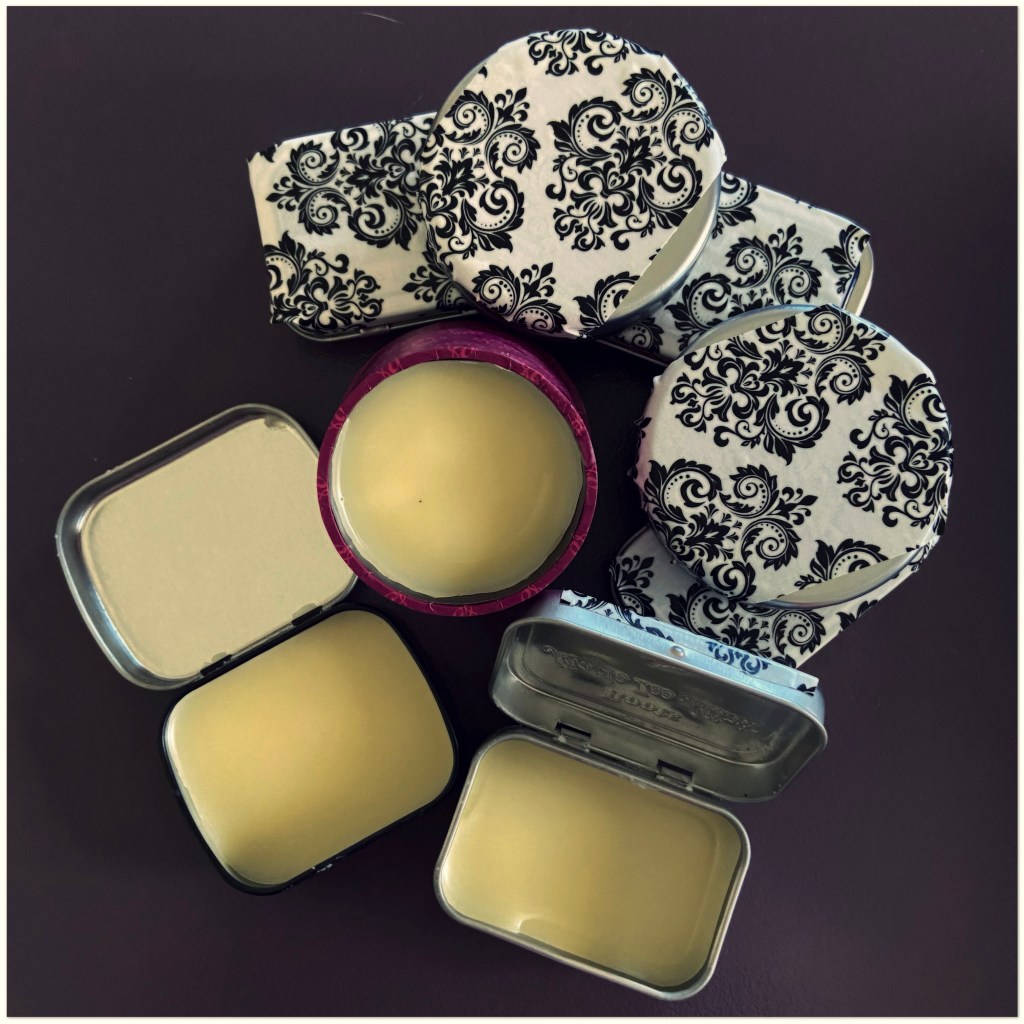
So, I decided that the term break was the perfect time to try something new: making my own lip balm! I’m going to brand it ‘Kiss My Mask’ because saying that makes me smile.

This all-natural lip balm recipe is easy and quick, and the end product is quite lovely. It absorbs quickly, is not greasy, and there’s no colour to mess up my masks.

The Intensity of These Times

Image by ractapopulous on Pixabay

There are many ways people have found to refer to this era of Covid-19 and all its baggage: widespread testing and temperature checking, social distancing, hand washing and sanitising, and the wearing of masks. 

One of the most common is ‘these times’ and variations on that — these strange times, these difficult times, these awful times, and so on. There are myriad adjectives one could choose, although some are more socially acceptable than others. 

Recently, I’ve observed that people have started to capitalise the term as These Times in blogs and social media posts. 

This interests me, because of the way in which the language is being ever so slightly adjusted to add weight and significance to the term. Those capital letters are acting as an intensifier.

Intensifiers are those parts of language that add strength to what we’re saying or writing. Words like ‘absolutely’, ‘completely’, ‘terribly’, the commonplace ‘very’ and even the humble little ‘so’ are all intensifiers. Some people use expletives to do the same job, especially in spoken English. The meaning of the sentence doesn’t change if they are removed, but the sense of degree or importance in the words around them isn’t necessarily communicated if those intensifiers are not present. 

By capitalising those Ts, writers are communicating their assumption that their readers will know exactly what they’re talking about. And, in These Times, there is little doubt that they will. 

Bamboozled

This highly relatable post by C.J. Langer about being bamboozled got me thinking about the etymology of the word.

Bamboozle is a verb: It means to trick, defraud, confuse, perplex or frustrate someone.
One can bamboozle another person, or be bamboozled by them. 
The noun is bamboozler.

For a word that is so much fun to say, it has to have an interesting history… right?

Image by JoeBreuer on Pixabay.

The entry at etymonline.com dates its first use in print to 1703, but its origins are unknown. 
There are, however, some interesting theories offered: 

  • It could be Scottish: from bombaze or bumbaze, which mean to confound or perplex
  • It could be related to bombast – using big words and fancy language to impress people without saying much
  • It could be derived from the French word “embabouiner “ which means to quite literally to make a ‘baboon’of someone. 
  • It could come from Italian words such as bambolo, bamboccio, bambocciolo which refer to a young baby, but have come to be applied to people who are silly or gullible.

The Scottish “bombaze” seems to me to be the closest and most likely, particularly  given that the Scottish Stuarts had been on the English throne for a century: it makes historical sense that this would have given Scottish terms an entry into vernacular English before being written down as they became more commonly spoken.  Ultimately, though, we’ll probably never know. 

cjlanger's avatarc.j. langer

There are some words in the English language that strike me – sometimes funny, sometimes just as damned strange. Bamboozle is one of those words. I looked up the definition – to fool or cheat – just to be sure I understood it and sure enough I knew and it fit exactly how I’ve felt for the past few days.

It’s hard not to be offended when you finally figure out you’ve been duped yet again by the same people who have done it in the past. It’s hard not to be hurt, angry. It’s hard to forgive, again…

I love the whole ‘forgive and forget’ concept. It’s something I try to live by. I really do but what the great quote writers don’t tell you is that chances are you’re going to have to forgive the same people over and over again. For little things, little hurts.

To be…

View original post 280 more words