Ambiguous Loss and Anticipatory Grief

I wish I had known about ambiguous loss and anticipatory grief much earlier in my life.

In yesterday’s post, I alluded to my Dad’s transition into residential aged care. 

Today, I want to share some knowledge I have gained over the past few months, because I have found it enormously helpful and therapeutic in dealing with my own experiences and feelings.  I am sure I wasn’t the only person who didn’t know these things, and my hope is that others will benefit from these insights. 

My father has become increasingly frail, and even though I knew the time was coming, making the decision to move him into residential aged care was incredibly painful. For him, it was a loss of independence, his home, his cat and my dog. His sadness was profound, and completely understandable. Still, he was very thankful — as were my siblings and I — that he could move into an excellent place where the care is consistently empathetic and kind, where the food is good, and where he can have his own things around him. 

My emotions, too, were complex. I felt guilty, even though I knew it was the right time and the right thing to do. No loving child wants to see their dad leave behind the life he has known and the things he has accumulated, and no loving child wants to see their Dad so sad. 

I experienced a very real sense of grief and loss while packing up his things, setting up his room, and helping him transition to a new phase of life, There was more to it, though, and often I didn’t know how to express what I was feeling. 

Through my research and reading, and through wonderful constructive advice from friends who have been through similar situations, I have come to understand that many of the things I am experiencing are encompassed by two terms: ambiguous grief and anticipatory grief

I had never heard of either one until recently, and I think they should both be much more commonly known.

Ambiguous Loss is a kind of grief experienced where there is no distinct end or no closure. Generally speaking, it arises from an emotionally painful or turbulent situation that one is going through, and which doesn’t have an “end date”. The reasons for grief or a profound sense of loss might be indistict, or complex, or unidentifiable at the time. Sometimes the grief masquerades as anger, frustration or overwhelm. To experience ambiguous grief is vague, exhausting and indefinite in more ways than just the timeline. 

It’s that mixed feeling of sadness at having to make big decisions that we didn’t feel ready to make, and thankfulness that things worked out perfectly when we needed them to.

It’s the sadness we felt at making decisions about what to do with his things, and asking my best friend to adopt his cat, even though he is still with us.

It’s the sadness I feel at saying goodbye and leaving Dad behind every evening, knowing he is safe and well cared for in his new home, but also that he is no longer ‘at home’. He is exactly where he needs to be, and I love it and hate it at the same time. 

Anticipatory Grief occurs when one realises or acknowledges that death is approaching, or even just a likely outcome. 

This is what I have experienced on a number of occasions when Dad had a health crisis and ended up in hospital. Most vivid in my memories was March 1st this year when I had followed the ambulance to the ER in the wee hours of the morning. When I got there, instead of being taken through to see Dad right away as I had always been before, the doctor on duty actually took me into a little room and  had “the talk” with me to made sure I understood how precarious Dad’s condition was, and that he might not make it this time. To his relief, I was fully aware of that. I suppose many people are surprised by it, or in denial, and I totally get that, too. It’s the natural reaction but, having been there more than once, it is no longer my default. There was no dozing while I sat by my father’s bed that night: instead, I spent hours composing the message I would send to my siblings, and another that I would send to other family and friends, at a decent hour of the morning. 

This is what we felt when packing up Dad’s things for his room at the home, and when sorting and cleaning out the accumulation of papers, trinkets, and household items in his house. Those are the sorts of things usually done after someone dies, not before. Still, it had to be done. 

Similarly, putting his wallet and the jewellery box containing my grandfather’s wedding ring and Dad’s much-loved pocket watches in a special spot in my own house for safekeeping felt strangely poignant and painful and incredibly sad. 

This is what I go through every time Dad has a episode of poor health, or gets an infection, or can’t express why he doesn’t feel good. It happens when he has times of vagueness or confusion, and when he can’t find his words All of those things are happening more often than they used to, so the sense of grief increases as time goes on. 

What I have learned thus far is that ambiguous grief is a very real and important part of the emotional process, and that my feelings don’t always have to be understood to make sense and be accepted as valid

In hindsight, I wish I had understood both of these realities when my mother was diagnosed with dementia, when she went into care, and when she didn’t know who I was anymore. My father, siblings and I were grieving the loss of the person she had been long before she actually passed away. When she died, it felt like it was my mother and someone entirely different at the same time. I felt so guilty about feeling that her passing was a liberation for her and a relief for us, even though my grief was as desperate and profound as ever. I was angry at myself for not knowing how to feel. 

At least this time, with experience and some knew understandings, I can accept the vagueness and complexity of my feelings, which can change from one moment or one day to the next, and just let it be whatever it is. I can cherish every moment with Dad and grieve at the same Time. I am free to laugh and cry, to tell my siblings the stories that are simultaneously sad and funny, and to live each day as it comes without having to explain to myself or anyone else why I’m a mess. 

As awkward and painful and weird as that may be, but I think it’s a healthy way to be. Still, I know I need to manage all those pesky feelings so I stay healthy, too. 

So, I try to make sure I talk honestly with my husband, siblings and closest friends about my thoughts and feelings. My sisters and brother are feeling the same things, and they all live interstate, so keeping them in the loop and encouraging them to express their feelings are hugely important, too. 
I allow myself to cry. ‘Being strong’ is rubbish. 
I refuse to beat up on myself when things are tough, or if I don’t achieve everything on my ‘to-do’  list. 
I remind myself to take each day as it comes.
I remind myself that we are doing the best thing for our dad, and that he is being expertly and compassionately cared for.

And every single day, I hold Dad’s hand and I tell him I love him. Because, throughout this whole process, Dad being sure of that is the most important thing of all.  

Different Kinds of Grief‪
#EmotionalIntelligence #emotions #grief #feelings #MentalHealthMatters  #MentalHealthAwareness‬ #personal #blogpost 

Helpful Reading: 

What Is Ambiguous Loss? 

Ambiguous Grief: Grieving Simone Who Is Still Alive 

How To Deal With Ambiguous Loss

Grief Before Death: Understanding Anticipatory Grief
Grieving Before A Death: Understanding Anticipatory Grief
Having Dropped — And Temporarily Lost — The Ball

I’ve been absent.

It seems that I haven’t just dropped the proverbial ball when it comes to blogging regularly, I’ve gone and lost the jolly thing.
I last saw it a couple of weeks ago, when it bounced a couple of times before rolling away through some very prickly bushes and falling into a seemingly bottomless hole.

The thing is, life since that drafted virus unleashed itself on the world has been tumultuous.

I could tell you I haven’t written anything, but that’s not true. I have written some really great lessons and three entire new units because what I had planned (and written) previously wasn’t going to work in an online learning environment.

I could tell you I didn’t have a quarantine project, but that isn’t true either. I’ve had two, both of which happened by necessity rather than design.

Project One: reinventing my career
Initial Observations: Teaching from home is a whole lot more work than it sounds. All that extra time online is very tiring.
Final Observations: Challenging and exhausting, but enormously satisfying. Most students engaged really well. More positives than negatives.
Verdict: Aced it.

Project Two: supporting my father as he spent a couple of weeks in hospital before transitioning into residential aged care.
Initial observations: Lots of phone calls. Mountains of paperwork. Huge emotional adjustments.
Further Observations: Decisions are hard, even when you actually have no choice. Emotions are hard. Being on one mental and emotional roller coaster while your dad is on a completely different one can only be dealt with by hanging on for dear life and completely faking any appearance of knowing what you are doing.
Verdict: Aced it. Especially the part where I looked like I knew what I was doing.

It should also be mentioned that these two significant challenges occurred simultaneously. I didn’t have time to scratch myself, much less spend any more personal time online than I did.

So really, I’ve achieved far more since mid-March than is apparent from my nonexistent output of either blog posts or fiction.

I admit that I have seriously contemplated walking away from writing and/or blogging. Even while considering that, I knew that was the stuff of emotional and mental exhaustion, because I still have ideas and plans bubbling away in the back of my mind. I am not ready to quit, and I would be letting myself down if I did.

I will get my mojo back, even if I’m not sure when that might happen.

Stay tuned, folks. I’m not dead yet.

Meet My Home Office Team

I’d be lost without the support of my brilliant team.

In my endeavours to work and teach from home, I am supported by a highly competent and very specialised team. It’s fair to say my home office environment would not be the same without them. 

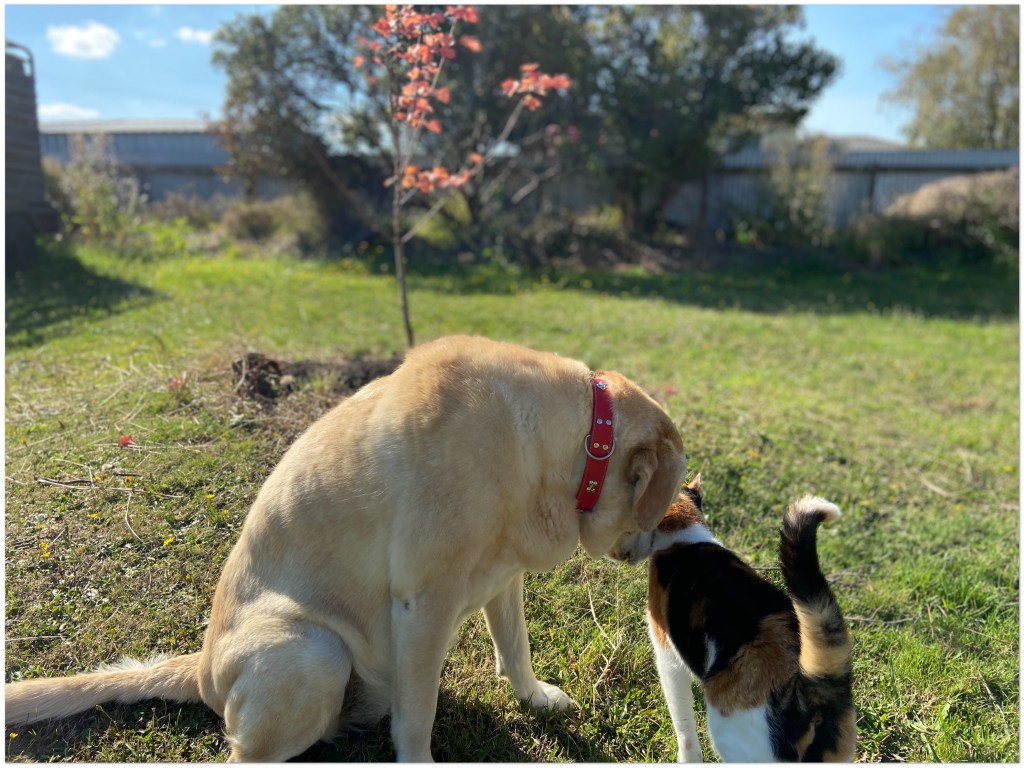
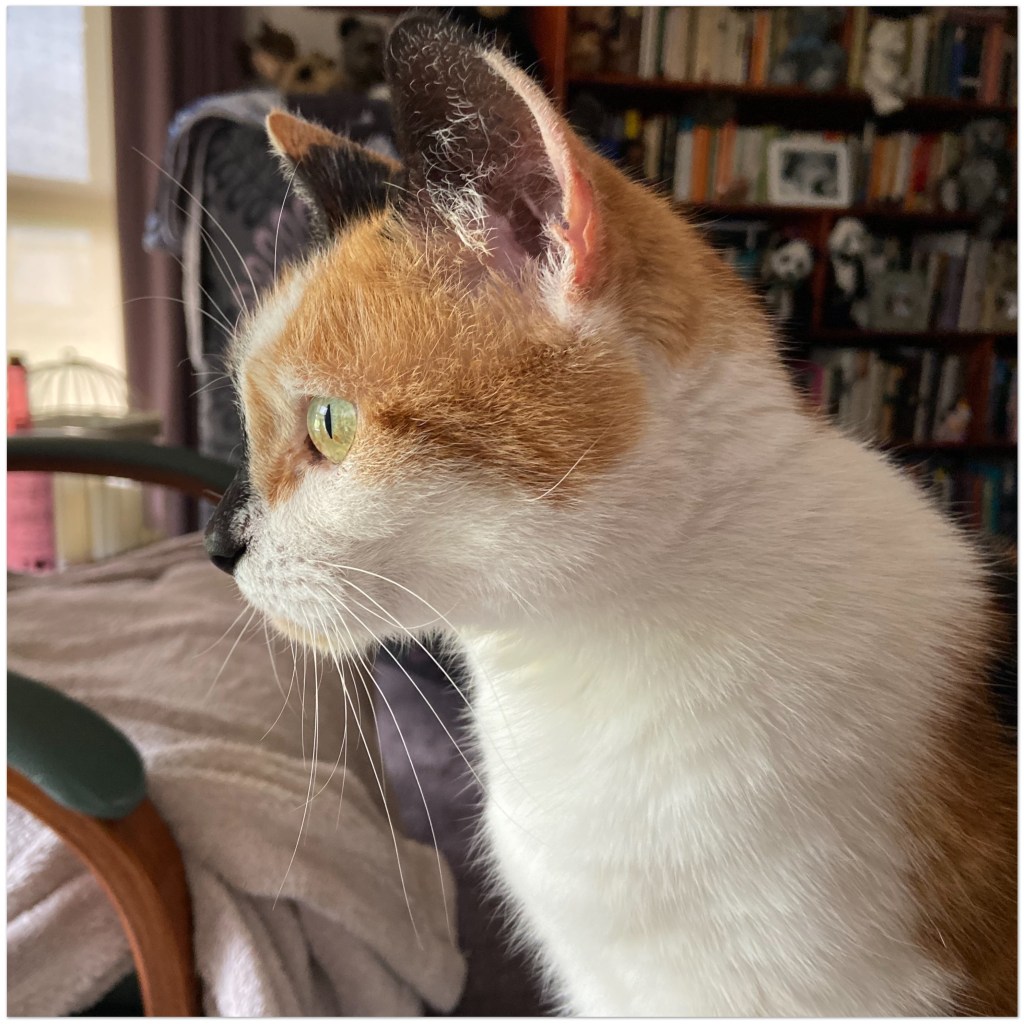
Human Resources Manager: Scout

Scout’s vision is to head an organisation that exists to serve. Not one for sitting on the fence, she is unashamed about demanding efficiency and expecting 100% compliance. She is an expert manager of her Human Resources and is proficient at making them do exactly what she wants them to. Current levels of isolation and social restriction have made little difference to her management style, and she continues to dispatch any unwanted guests of the smaller variety with impressive alacrity. 

Scout started here as a junior in July, 2006, and has leapt from height to height since then. She proudly acknowledges that she is, in fact, the cat’s whiskers around here.

Office Manager and Head of Security: Abbey 

Abbey has a range of responsibilities, but dislikes being described as a ‘general dog’s body’. She oversees security, makes regular inspections of the yard and monitors all entrances and exits with careful attention, Abbey takes motivating all team members almost as seriously as ensuring that every meal and snack is thoroughly Lab tested. Abbey consistently demonstrates a level of loyalty and commitment that goes above and beyond the call of duty. She is also a most excellent listener, and regularly provides great counselling and support. 

Abbey started here as a junior in November, 2007, stepping eagerly into the role sadly left vacant by her predecessor, Chiara. At this point in time, she has no plans to retire, and we embrace her presence here for as long as she is willing and able to stay.

These wonderful team members have a very strong rapport and consistently demonstrate genuine mutual admiration and respect. They work really well together, each bringing their unique talents and abilities to the job and complementing one another perfectly. 

I’m sure you’ll agree, I have a sensational team! 

Image by Wortflow from Pixabay

Just. Stay. Home.

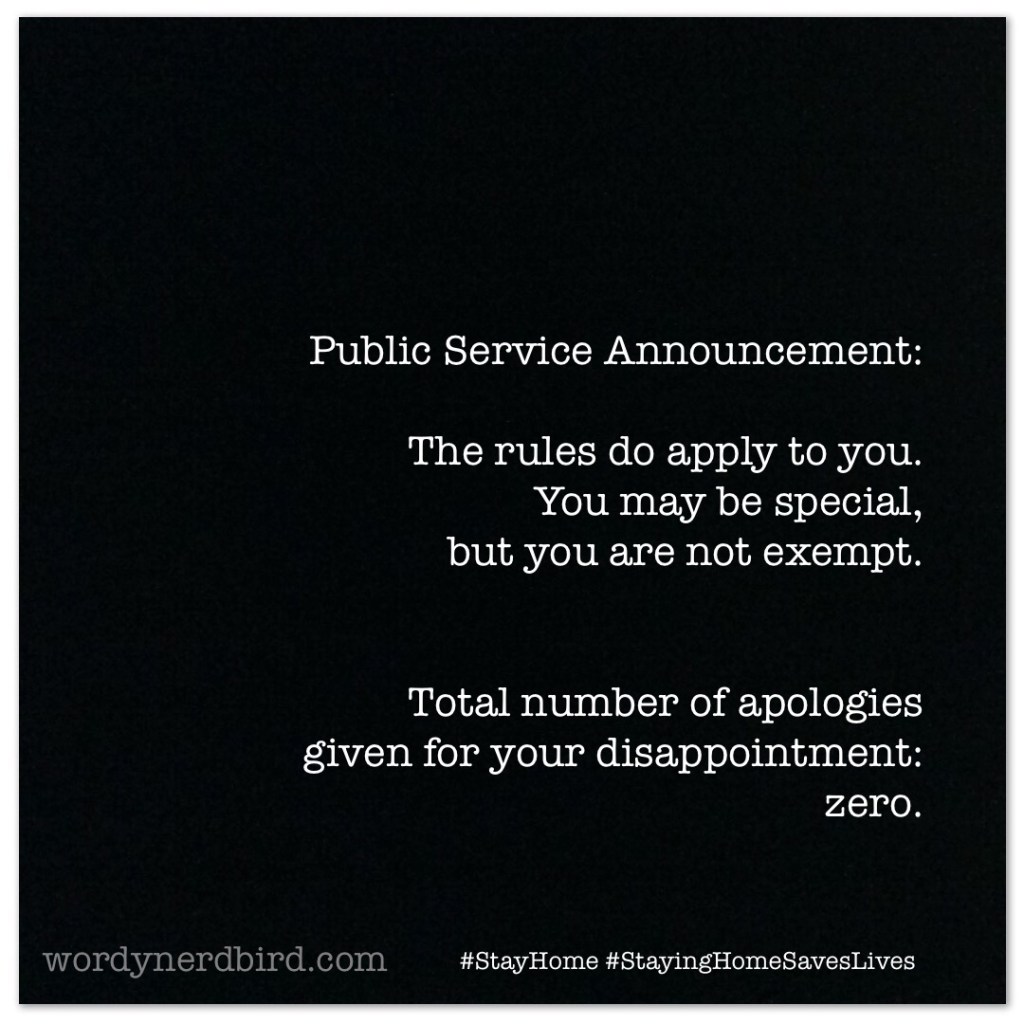
Here’s a Public Service Announcement for everyone thinking of breaking out of isolation and going somewhere else for the Easter weekend, especially those Australians who seem to think that the rules apply to everyone but them.

Just. Stay. Home.

And the places you’re thinking of going? They don’t want you there at this point in time. 

Sure, spending the long weekend at home with the same people might be boring, but aren’t they the people you’re thinking of going away with for the weekend? Maybe it’s home itself that is boring. Consider, though, that it’s also safe, because it’s keeping you out of the way of that nasty corona virus and any other germs that might be doing the rounds. 

Yes, it’s inconvenient. But it’s no more inconvenient or uncomfortable for you than it is for anyone else. 

People selfishly ignoring the rules, going out and potentially spreading germs all over the place is why we have such strict isolation rules now. 

And, you know, it’s an investment in everyone’s future. 

Some of us have elderly family members that we’re trying to keep alive long enough to be able to see and hug their children and grandkids at Christmas, if this is all over by then. 
Some of us have family members whose immunity is compromised by illness, or chemotherapy, or their own unique biology. We’d like to keep them alive, too. 
Some of us have chronic illnesses that make us susceptible to every bug that floats past our noses. Given that we already battle significant health issues every day of our lives, we’d prefer to not add Covid-19 to that list. 

So when selfish, ignorant people insist on travelling places where they don’t live — whether it’s to deplete our shops of the essentials that are in short supply everywhere (thanks for that by the way, we didn’t need toilet paper this past fortnight) or hang out on the beaches or lake shores or in the parks — and so disrespect the boundaries that the government has established to keep everyone healthy and safe, we get more than a little annoyed. 

Because the rest of us are staying home, too. And we would like to be able to eventually see and hug our families and friends. We’d like to be able to go to a cafe or restaurant, or meet with friends at the pub. We’d like to be able to browse a real bookstore with real books in it, or go shopping for things like clothes or shoes without worrying about whose health we might be endangering. 

And let’s face it – most people who have lost their jobs because of this pandemic would like them back, sooner rather than later. Essential workers would like to be able to go to work and come home not worrying about what they’re exposed to every day. 

The more selfish prats who insist on going to the beach or driving some tourist route instead of just staying home, the longer and harder the lockdown is going to be. 

So please, for the love of everything good in this world, stay home. 

If home is “boring”, that says a lot more about your imagination than you realise. If you decide something will be boring, guess what? It will be. 

Making changes or finding and introducing new opportunities for entertaining yourselves at home is entirely within your control. So if you’re bored, you’ve got nobody to blame but yourself. 

Consider this long weekend your opportunity to change your attitude and your environment, not your location. 

Please: #StayHome this #EasterWeekend #EasterWeekendlockdownchallenge #StayHomeAustralia #StayingHomeStaySafe

Image by Wortflow from Pixabay

Stories!

A most welcome initiative from Audible to help entertain cooped up kids of all ages.

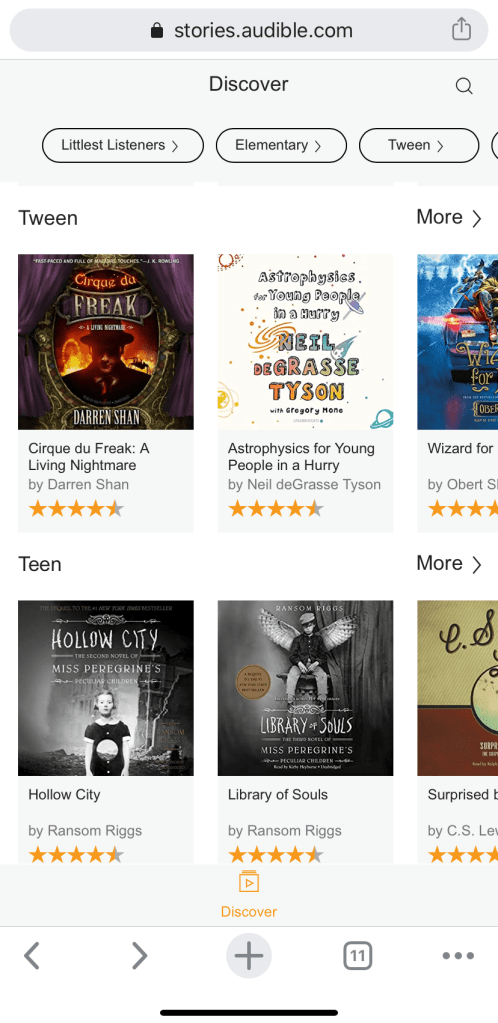
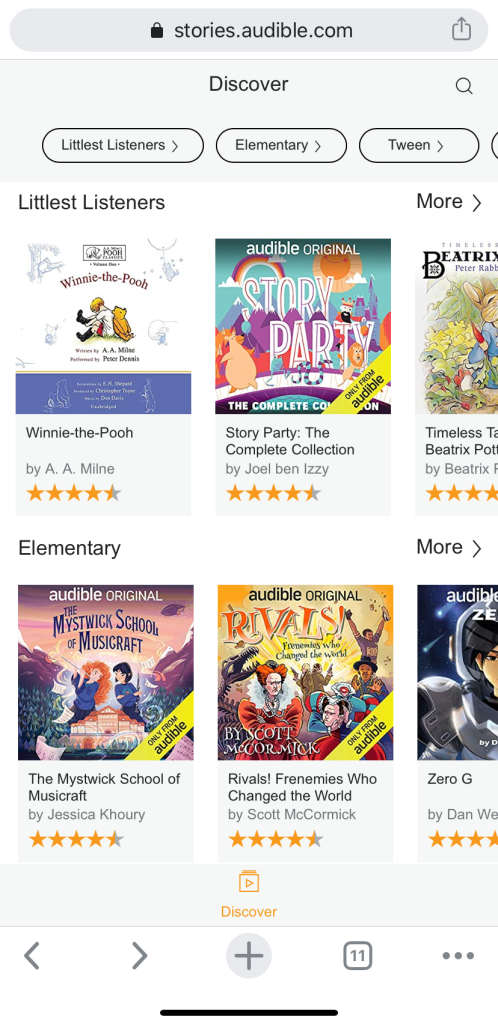
Audible has released a whole bunch of audiobooks for kids and families absolutely free, called Stories.

There’s an extensive range of books for kids of all ages, from ‘Littlest Listeners’ to teens, and some excellent literary classics, too! 

What a fantastic opportunity for beating the lockdown blues! It’s great to see one of the big companies taking the initiative to offer something to help us all out by feeding our imaginations and entertaining our families. 

An Audible membership is not required, so anyone can use it.  As it is browser based, no credit card or personal information is needed to listen.  It works on phone, laptop and tablet.

Completely free #audiobooks for kids and families to #ListenTo while #stayinghome – fantastic! Thanks, @Audible!

Self Care At Home During the Corona Virus Lockdown

Taking care of ourselves has always mattered, but it’s even more important during times of restricted personal freedom.

I get it. We’re at home, our kids are home, we can’t go anywhere, so let’s stay in our pyjamas all day! Right? 

Wrong. 

When everything else in the world is in limbo and the rules are changing on a weekly — or daily — basis, it’s really important for our health to keep some kind of routine and not let the basics fall by the wayside. 

Yesterday, I mentioned that taking care of ourselves is one of the positive things we should all be doing. While everyone’s situation is unique, there are some commonsense strategies for taking care of ourselves which are particularly relevant during the disruption to our regular routines by the corona virus lockdown. 

Nutrition matters. It’s tempting to live on pizza, chocolate and peanut butter sandwiches, but being sure we eat well and nourish our bodies properly is crucial to maintaining good health.
The healthier we are, the more resistant we are to germs of any kind, and the recovery from any bug we might pick up will be quicker.
Not only that, but we’re going to have to go back to work sooner or later, and it would be good if those business suits or uniforms still fit when that time comes. 

Hydration is also crucial to keeping the body healthy, but most of us don’t drink as much water as we should.
It was only when I started keeping track of how much I was drinking in a day that I realised how far short I had fallen from what my body actually needed on a daily basis. 
Remember, too, that alcohol is a diuretic, so for every beer or glass of wine, we need to drink more water. 
For a great discussion on how much water we need to drink, listen to this interview from ABC Australia. 

Exercise is similarly important, and for more reasons than just not bulking out while we’re hibernating. Exercise is good for the brain and the emotions as well as the body, so even when we can’t leave home, it’s important to walk, or get on the treadmill, toss a ball with the dog, follow a cardio or dance video tutorial, or get into stretching and yoga. Even cleaning out a cupboard or doing some gardening qualifies. There are lots of options for people to pursue at home, and your exercise can be as gentle or vigorous as you want it to be so there’s no excuse for staying in bed or living on the couch for the foreseeable future. 

While it has been widely publicised that sunlight will kill the corona virus doesn’t like the sunlight, that is not actually true. Even so, it dos kill other germs and bacteria.
Stepping outside the house and into the fresh air and sunshine is highly beneficial for wellbeing. You don’t have to go far – just into the yard will do if you can’t or don’t want to go any further.
While people who live outside the city are at a definite advantage here, most neighbourhoods have parks, gardens or reserves where you can go and walk without being in close proximity to anyone else or even touching anything. 
Letting light into your house is important, too. it helps you maintain a natural circadian rhythm, and therefore promotes better sleep hygiene. 

Personal hygiene may seem mundane, and there are probably people out there who are treating it as optional, but showering every day, wearing deodorant, and taking care with presentation is an important part of taking on each day with a positive attitude. It’s psychologically proactive and It makes a difference to our physical health and wellbeing. Just as importantly, it makes you much more pleasant to be around. You might just be at home with your family, but they are actually the most significant people in your life. If you couldn’t be bothered doing it for yourself, do it for them. 

Maintaining a routine is also a very positive psychological strategy. If you normally work from 8.30 til midday then break for lunch, try to do that at home, too. You might have some interruptions, or you might be sharing a workspace, but it’s a powerful way to model to other people, especially kids, that keeping going in times of adversity is both possible and beneficial. It also keeps the brain trained for returning to work when the time comes, and gives you a great sense of satisfaction of achieving something each day. 

Similarly, keeping your home spaces clean and tidy promotes health by not giving the germs a foothold. Do the laundry, wash the dishes, and clean the surfaces regularly. That way, things are easily maintained without turning into hard labour. 

Relaxation should be part of every day. Whether it’s reading, crafting, meditation, writing, doing a puzzle or listening to music or a podcast, spend some time each day in quietness and peace.
If your kids aren’t good at quietness and peace — and many are not — now is a better time than any to model positive mindfulness and teach them some strategies they can use. They should also be learning to respect your need for some downtime, too. They may be getting frustrated, but it’s actually not all about them. 

In keeping with all of this, my own personal strategies include are: 

  • Maintaining my regular morning routine: get up at a reasonable hour, shower, dress, have breakfast, and then get into the things I need to do each day. 
  • Creating an achievable “to-do” list for each day. It helps me organise myself, and ticking things off the list is incredibly satisfying.
  • Sticking to my usual school timetable as much as possible when I’m working from home.
    I’m a teacher, so there’s always plenty I can do. I have to take care not to let work consume the entirety of each and every day. A routine helps me to manage that more effectively, and keeps me on task this week as I’m working to get done what I need for the beginning of Term 2.
  • During the scheduled term break of two weeks leading up to Easter, I need to ensure I have the break I have earned. There will be some school work to do — there always is — but I will not be working the whole time.
  • Spending time outdoors every day. I can choose to work in our courtyard, spend time in the yard with the dog and talking to the sheep over the fence, or spend time in one of the parks in town. Mixing it up from day to day is how I roll. 
  • Eating properly. The temptation to snack all day is huge, and having dropped a few dress sizes since August, that’s not a habit I want to get back into. I’m shopping strategically – I go only when I need to, and when my resolve is strongly in favour of buying apples rather than chocolate. 
  • Punctuating  between activities by drinking a glass of water. 
  • Maintain my regular habit of reading for at least an hour a day. 

Self Care At Home During the #CoronavirusLockdown #mentalhealth #HealthandWellbeing #selfcare #Priorities #stayinghome

Image by Wortflow from Pixabay

If you have suggestions or tips to add, please leave a comment.

Positive Things We Should All Be Doing While Staying Home

Sometimes it really is the simple things in life that add up to make a huge difference.

While many of us are staying in and working from home in the interests of slowing down this drafted virus, there are some important positive things we should all be doing at this time of social distancing and isolation during the time of Covid-19. 

The good news is that you don’t even have to leave home to do them. 

Some of the positive things we should all be doing include:

  • Check on your older family members. They are susceptible to loneliness at the best of times, and this is definitely not the best of times. 
  • Check on your extroverted family members and friends. They are probably already a little stir crazy, and it’s nowhere near over yet. 
  • Sincerely thanking everyone you know who works in the health
    profession, in a supermarket or pharmacy, or who drives a truck delivering the produce and goods that we are all relying on. They are the ones making it possible for us to stay home and stay safe. 
  • Share encouragement, kindness, and support, instead of germs. Wouldn’t it be great if we could make that stuff go viral?
  • Social media is full of parents who have suddenly found themselves homeschooling their kids and wondering what level of purgatory they have landed in. Now is a great time to send a message of thanks to your kids’ teachers, acknowledging what an incredible job they have been doing.
  • Take care of yourself. Nutrition, hygiene, exercise, and fresh air and sunshine are all super important. 
  • Sharing great ideas and resources for things to entertain, teach, inspire and motivate. It’s not just kids needing something constructive to do— there are plenty of bored grownups out there, too.  Can you imagine how different a place Facebook and Twitter might be if we filled them with cool posts to help each other instead of all the complaints that seem to be there? 
  • When a friend shares something good on their feed, give it a thumbs up or a heart, and share it around. If you enjoyed it, you can bet there’s someone else out there who will benefit from it, too!
  • Support local small business. Now more than ever, your local stores need your support. When you have to go out and restock the pantry or replace something that has broken, buy local, support your neighbourhood businesses, and keep the community going. It can’t be said often enough: your $50 or $100 won’t actually mean much to a huge multinational company, but it will make an enormous difference to a family business that is endangered in this current economic climate. You’ll help to feed or clothe someone’s kids, or keep the lights on. 

These might sound like quite basic ideas, but it’s so easy to lose sight of the forest for the trees when things seem dire. A bit of positivity here and there adds up to a mindset that can completely change your day, or your perspective. Give it a go! 

Positive Things We Should All Be Doing While #StayingHome
#StayHomeandStaySafe #positive #stayingpositive #PositivePosts

Image by Wortflow from Pixabay

Supporting Kids And Teens Through The Covid-19 Limbo

Self-isolation does not have to be completely isolating. There are ways to support and encourage our kids and teens through the times of Covid-19.

To many people right now, the world seems like it is in crisis in the wake of the corona virus outbreak. Those of us old enough to remember SARS, swine flu and H1N1 tend to understand more of the reasons for that than our kids do, even if we still don’t understand why toilet paper is worth pulling a knife on someone, 

Yes, you read that right. It happened in a supermarket in Sydney, Australia, a couple of weeks ago.

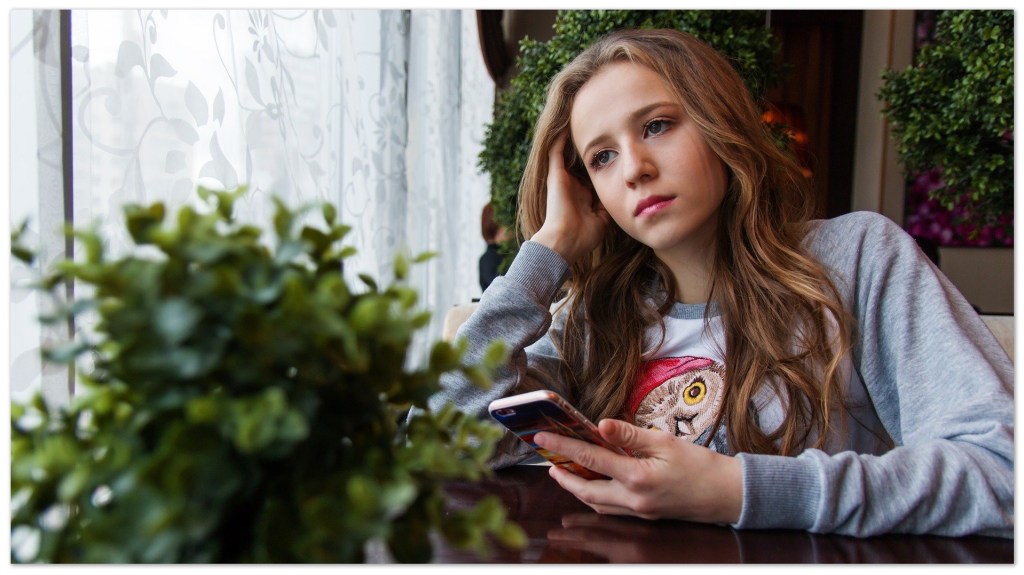
To many of our kids and teens, though, it seems like some kind of madness has taken over. As concerts, sports, social events, classes and rehearsals have been brought to a screeching halt as they look on, some of them are starting to buy into the fear that they have seen expressed on TV, in social media, and among some members of the community. 

That hit home really personally on Sunday when our theatre company told the cast that we had decided to hit the pause button and defer our production of Little Shop of Horrors that was due to hit the stage in May. 

“This whole thing sucks!” one young cast member said. 
“I know!” another replied. “It’s taking all the joy out of life!” 
“I get it, though,” responded the first one. “We have to keep people safe. But it’s making a lot of people really miserable at the same time.”

She was 100% correct. I am feeling really miserable about it, too. That’s completely natural.

We will do the show — we just can’t say when. For now, rehearsals are suspended and we all find ourselves with a lot of extra time on our hands that we had been putting into working together for a common goal.

At a time when many of us are being isolated from the activities we love and the company of others who enjoy those same things, how do we stop the molehills of grief turning into mountains of misery? 

That’s a really big question, and I don’t profess to have all the answers. 

I do know that it’s important to find ways to encourage and motivate each other. It’s important to monitor and support each other’s emotional and mental health. 

So, here are just a few suggestions for possible ways to lift the spirits of the young people in your life during the disappointments and challenges caused byCovid-19:

  • Acknowledge their feelings. It’s quite natural to feel disappointed and a bit annoyed at the number of things being cancelled, postponed or banned. Instead of telling them to “suck it up” or “take it on the chin”, tell them you understand, and that you’re feeling similar things too. Empathy will always win more favour than platitudes. 
  • Involve them in the family decision making about social distancing, self-isolating and dealing with the practicalities that follow. Knowing that they have been listened to, and having some ownership of the decisions and plans that are made, will reduce feelings of resentment, anger and rebellion.
  • Praise and thank them for their maturity in accepting disappointments. A bit of intrinsic motivation goes a very, very long way with young people. 
  • Give them responsibility appropriate to their age and ability. It could be anything they feel is important and worthwhile: preparing a meal, keeping a particular area of the house clean and sanitised, disinfecting all the door handles in the house each day, or calling grandparents or other family members on the phone to support and encourage them. 
  • Limit the amount of “fear language” you allow in the house. This might  mean not watching the 6pm news on TV as a family, discussing what members of the family will allow on their social media feeds, and discussing things in a responsible way. Be honest about your feelings, but try to phrase your responses to the virus and consequent changes and limitations using positive and proactive language like “social responsibility” and “doing out part to protect the vulnerable” instead of using terms like “lockdown”, “corona virus jail” or “panic”. 
  • Encourage them to find constructive ways to use their spare time. ‘Netflix and chill’ is okay, but not all day, every day.
  • Self-isolation does not have to be completely isolating. Hanging out with friends in person may not be an option, but there are ways to socialise beyond the regular social media platforms where kids are likely to hear a lot of “doom and gloom” about the current situation. Try Skype calls or Google Meet, which enable people to spend time, chat, and still see each other, all from a distance.
  • Give them something to look forward to. Discuss and make plans for activities, holidays, or celebrations that will happen once the need for social distancing and self-isolation has passed. Anticipation of something good is a powerful antidote to feeling as though all the fun things have been taken away. 
  • Ask for their expert help. Whether it’s compiling a great playlist on Spotify, learning how to use Instagram or Snapchat, finding a great app or game for your phone or tablet, or ordering groceries or pizza online, older kids and teenagers are likely to have those skills down to a fine art. Even if you have a fair idea how to do those things, ask them anyway. 

While there is obviously no perfect solution, it’s important that we continue to try to find positive and healthy ways to deal with the limitations and restrictions that are being put in place.

If you have any other suggestions, please share them in a comment. 

Supporting Our Kids And Teens Through #CoronaVirus #lockdown disruption.
#support #PositivePosts #StayingHome #mentalwellbeing #MentalHealthAwareness #PositiveParenting

Under Pressure.

If this past week had a theme song, it’s definitely ‘Under Pressure’ by David Bowie and Queen. 

The pressure of juggling job, family, and other commitments has been huge, simply because there was a truckload of stuff I had to get done and all of it had deadlines attached. The problem was that I was relying on other people to do certain things, too, and when that didn’t happen, I had to do more.

There was not anything I was willing to skimp on, or give it a “that will do” treatment. My students deserve to receive the help and attention that they need, and my elderly father deserves nothing less. Exams are approaching so papers have to be graded and feedback has to be given. Exams have to be finalised for checking, printing and delivery. I had a student teacher finishing a placement, so there was extra paperwork to do by Friday afternoon. 

And this weekend is full of auditions for ‘Little Shop of Horrors’, which I am directing for Camperdown Theatre Company next year. 

I am not complaining. I know I am not the only one who is busy, and these are all things I have taken on willingly. But that is actually part of my argument.

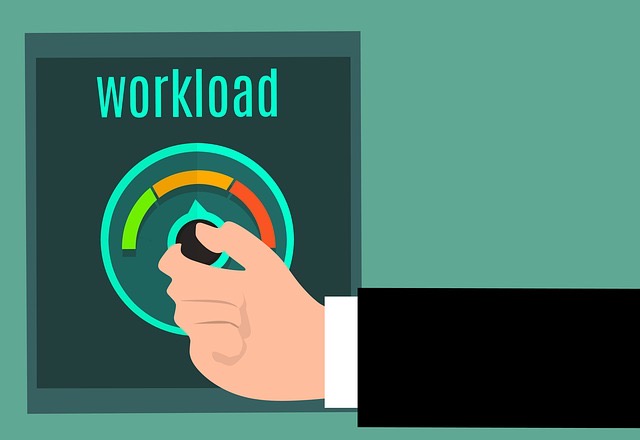
What I want to achieve in this post is to point out that life is full of demands and commitments, and managing one’s time is crucial. 
Whether a professional, a student, or in any other role in life, it is an essential life skill to be able to get things done to the best of one’s ability in a timely manner so that deadlines are met. 

For me – or anyone else – to be able to do that, other people need to pull their weight and do what is expected of them. Nobody operates in a vacuum, and one person dropping the ball or refusing to pick it up in the first place has flow-on effects that they might not ever see. 

The often hidden effect of someone not doing what they should is that others can’t actually meet all their obligations either. 

On the occasions when my own students don’t get their work in on time, that puts me behind in getting their assignments graded and in giving feedback that would help them in completing future pieces of work. It can also put me behind in writing reports, which can  cause other people further up the school “food chain” to be behind in what they need to do, too. 

On those days when I end up working late at school to meet my own commitments because someone else has been slack in meeting theirs, it either means my dad has to wait for his dinner or whatever else he might need, or that my husband, who already works one and a half full time jobs and does all the things I can’t do at home because of my back, has to do extra at short notice. That’s not fair on either of them. 

It isn’t always avoidable, I know. Some kids have issues that crop up, others have a lot of responsibilities. It’s also both fair and important to say that it’s not always the students who cause the issues, either.

More often than not, though, it’s a the result of someone’s laziness or poor priorities, and that tends to annoy me fairly quickly. 

In my dream world, everyone would sort their priorities, manage their time, and get on with doing things to the best of their ability. Nobody would be let down, and we could all enjoy the satisfaction of a job well done without extra pressure making things harder. 

Strange Inspiration.

As a writer, inspiration can come from anywhere.

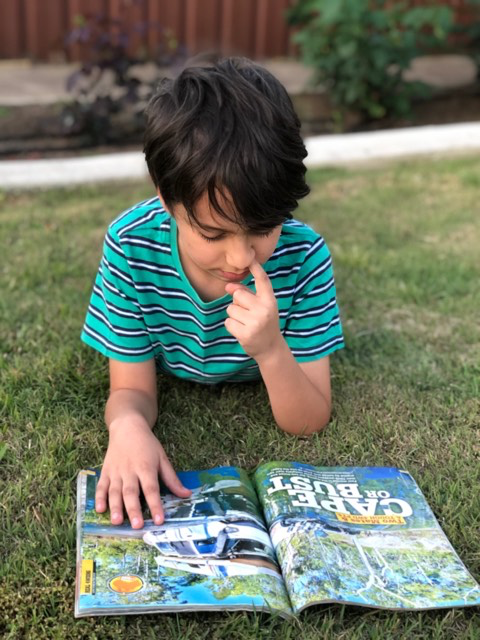
Last week, as my friends and I were sitting in a shopping centre food court, I watched a young boy carefully picki his nose, eating the booger, and follow it with a chicken nugget. He did this at least three times,

At a table nearby, another young boy watched too, with disbelief and horror written all across his face.

The scene amused me, and I filed a mental note about it. Did the second boy never pick his nose, I wondered, or was he just appalled by the thought of eating it?

As I was driving home, a story came to me.

It seems fitting that it is a macabre story, given that it is October and Halloween will soon be upon us.

However, when I went looking for a copyright free image of a kid with their finger up their nose, I couldn’t find a single one. You would think that with the world-wide resources of the internet at our fingertips, things like that wouldn’t be so hard to find. There were stock images available, but I generally refuse to use those because, like all Indie authors, I’m on a budget and that seems like a luxury to me.

One Facebook post later, my cousin came to the rescue. Her young son was only too happy to stick his finger up his nose for the camera, and now he’s my little hero. He loves creepy stories, so I’ve promised to write one for him. I just have to wait for a little more strange inspiration to come my way.

He’s a natural! Image by Geanette Saad. Used with permission.

I hope you enjoy The Final Blow.

wordynerdbird's avatar

Image by Geanette Saad 2019. Used with permission.

“How many times do I have to tell you not to pick your nose?”

Sam sighed. All he wanted to do was dislodge those crusty bits that stabbed the inside of his nostrils every time she made him blow into a tissue, and remained there stubbornly regardless of his efforts with the tissue. Those things hurt, and they didn’t let go on their own.The best way to remove them was gently, with his favourite finger, and then flick them into the bin.

She should just be thankful he never wanted to eat it. He didn’t understand how other kids could. Just the other day when they had gone out for lunch he had watched another boy in the restaurant eating his booger off his finger before picking up a chicken nugget and eating that. He shuddered at the thought.

“You don’t know…

View original post 482 more words