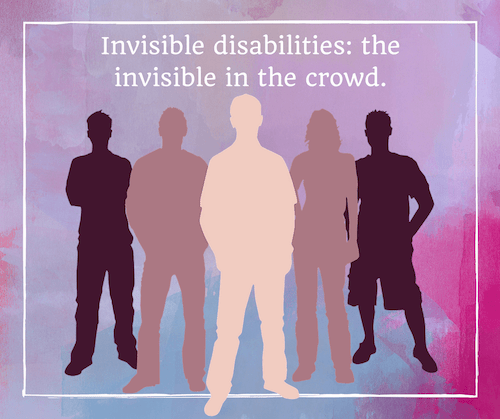
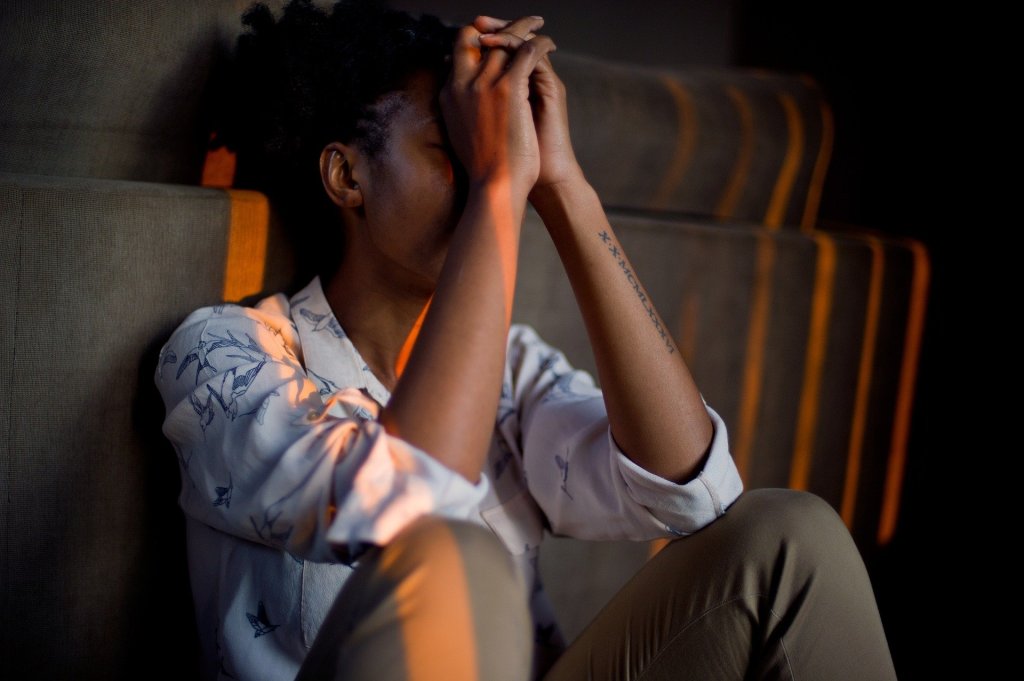
I, too, suffer from chronic, invisible illnesses.
I have fibromyalgia. I have a permanent back injury. I have depression and anxiety, and I work hard to keep those under control. I strive to take good care of myself, and to manage my conditions. I avoid aggravating them. I also make every possible effort to stay positive and to do the things in life that I enjoy doing.
The fact is, though, no matter what good care I take care of myself or how positive and proactive I am, I cannot heal or cast off my invisible disabilities.
The debilitation is real.
The exhaustion is real.
The misconceptions are real.
And the judgement? Many people would not be willing to believe how real, and how consistent, and how very, very toxic that is.
The critics are only right about one thing: I don’t look sick.
That’s because I’ve been faking being well for years.
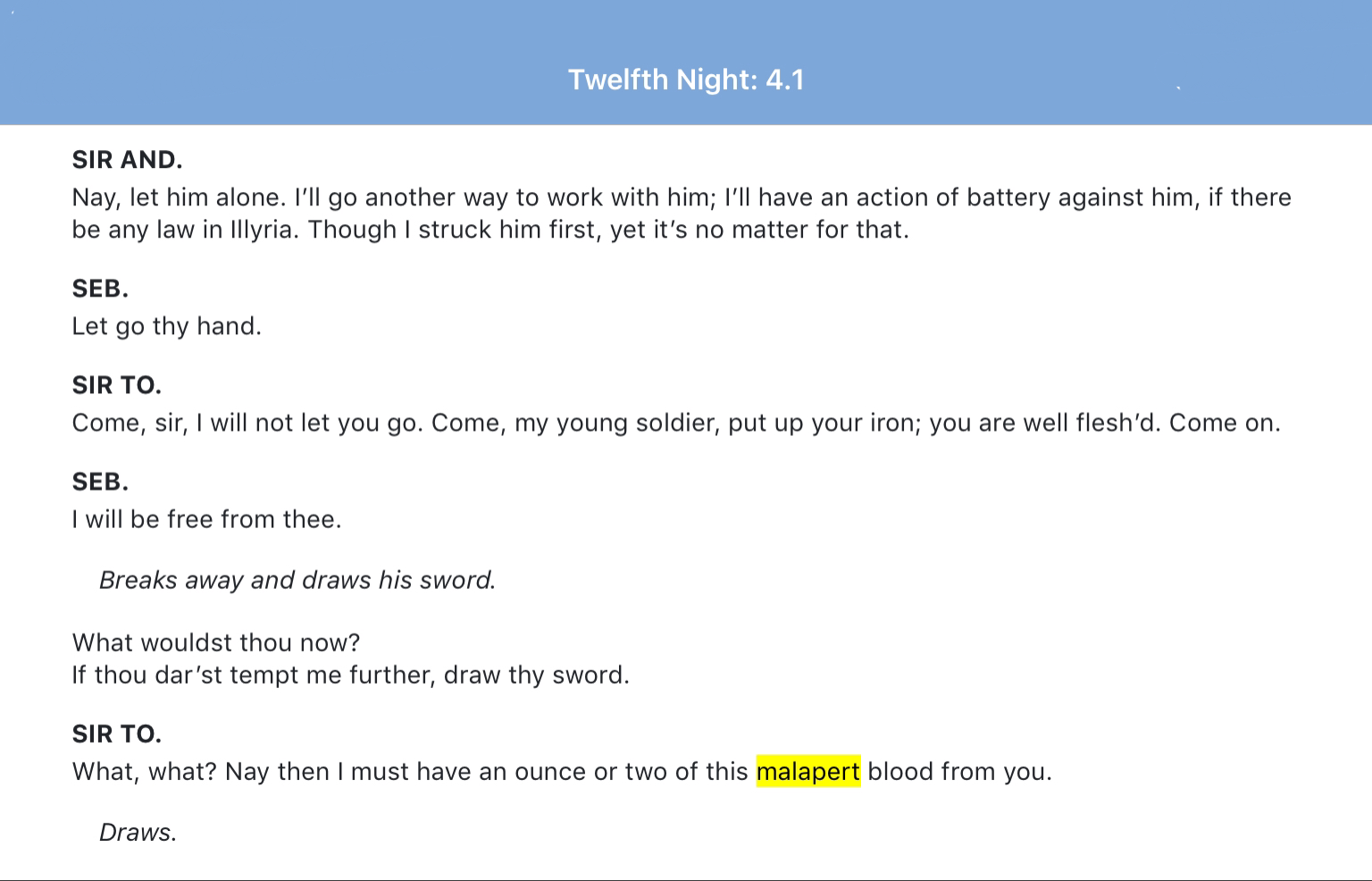
A malapert is a person who acts like they know everything and is confident that they are always right.
These days, we might call them a know-it-all. We could also call them a wise guy, a smart aleck, or an expert on everything. There are a number of less polite terms available to those willing to use them, too.
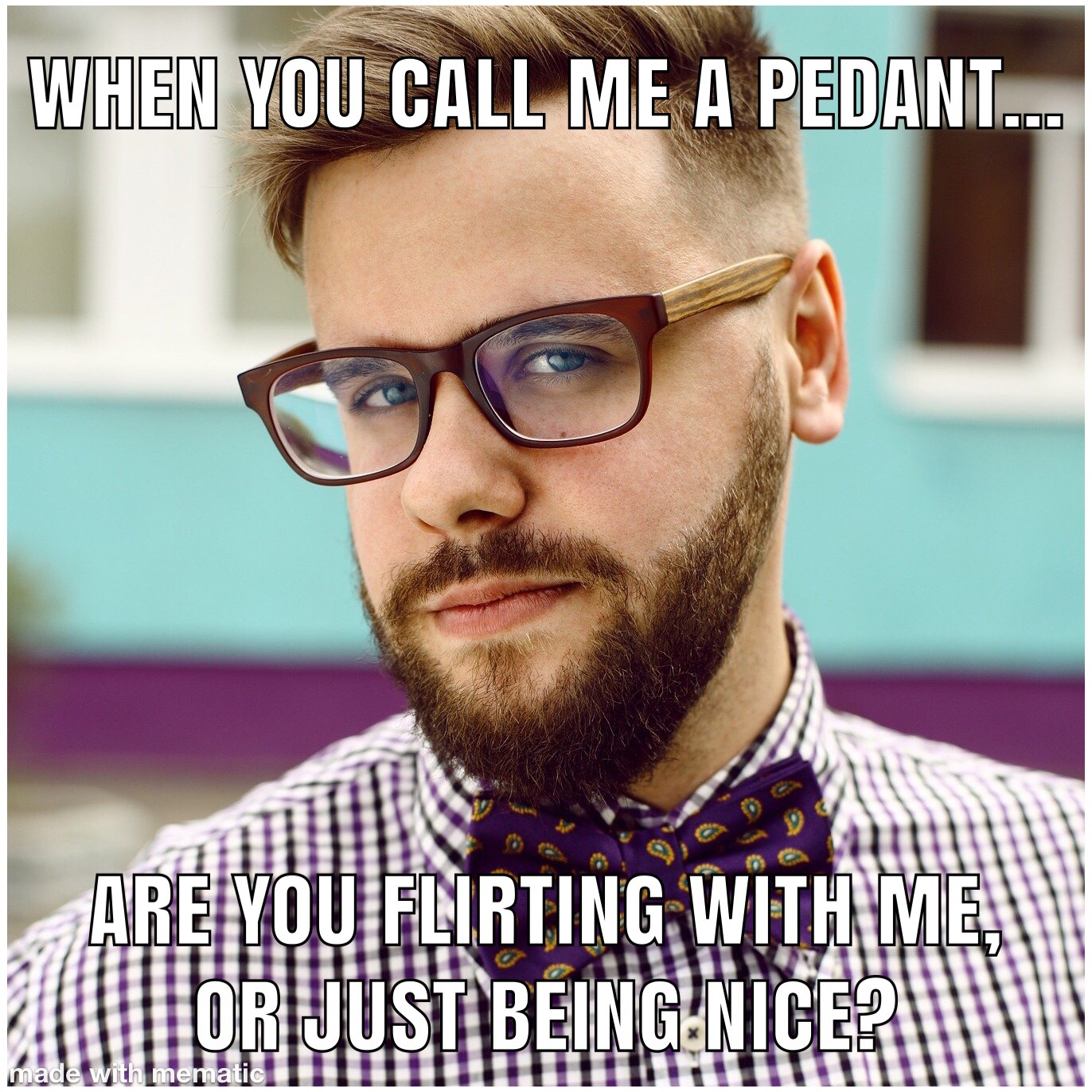
The difference between a pedant and a malapert is that a pedant knows they are right about something in particular, while a malapert thinks they are right about everything.
Malapert is a word that dates back to the 14th century, coming into English from the Old French words mal meaning bad or badly, and apert meaning skilful or clever. By the mid1400s, it was being used to describe a type of person rather than just a behaviour or attitude. Given that Shakespeare uses the word three times in his plays, each time without any explanation, one can assume that the word was commonly used and understood throughout the medieval and early modern periods.
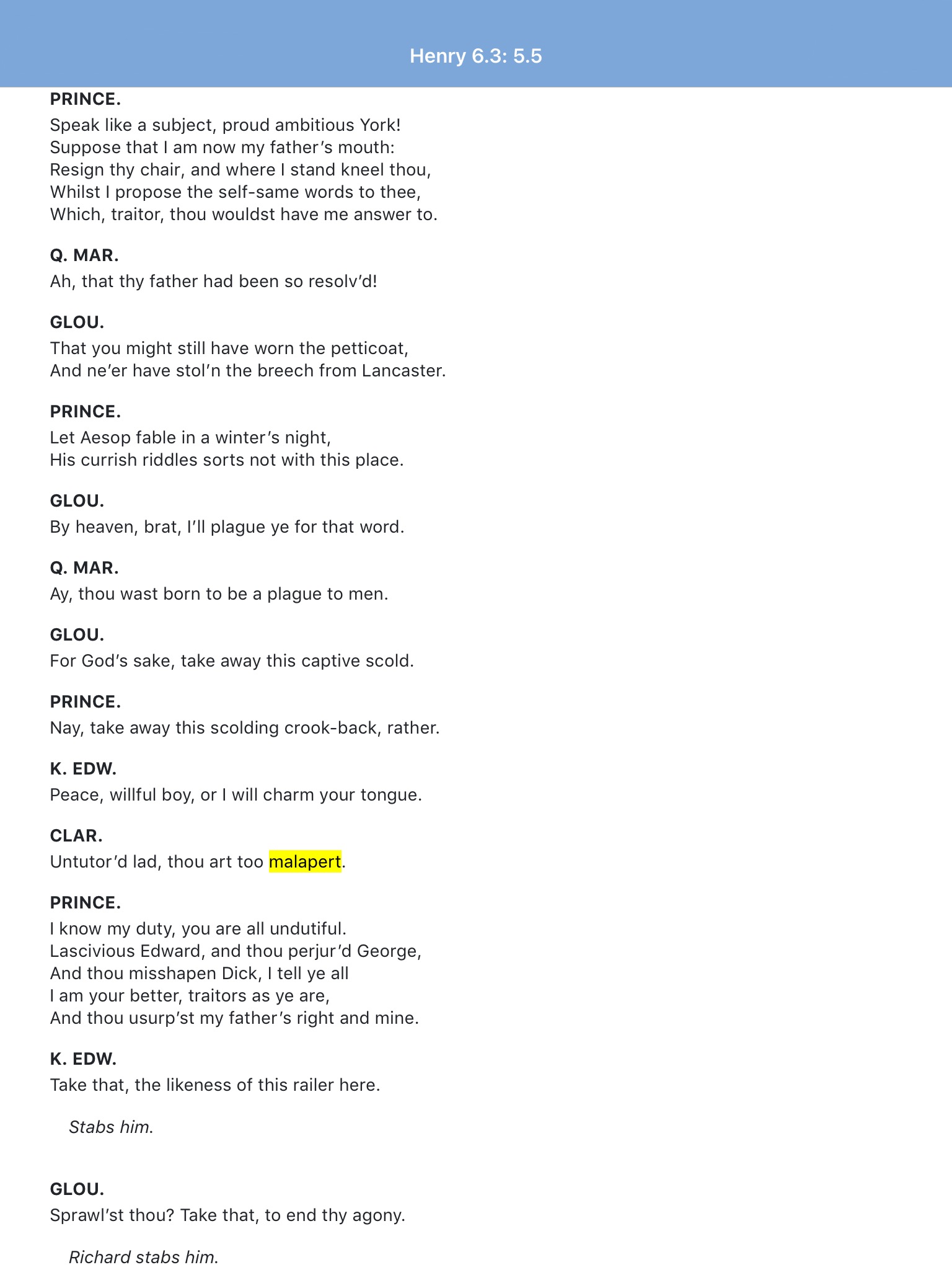
In Henry 6, Queen Margaret and her son, the young Lancaster Prince Edward, engage in a contest of insults with their captors: Clarence and Gloucester. As sons of Richard, Duke of York these two are the Lancastrian King Henry’s enemies, as the two houses are rivals for the English throne. Clarence calls the young prince malapert, highlighting his youthful confidence by calling him an “untutor’d lad”.
Almost as proof of Clarence’s assessment, the prince responds by insulting them again. Despite the clevernesand bravery of his words, this proved to be a bad move, as “perjur’d George” and “misshapen Dick” respond by stabbing him to death. End of argument.
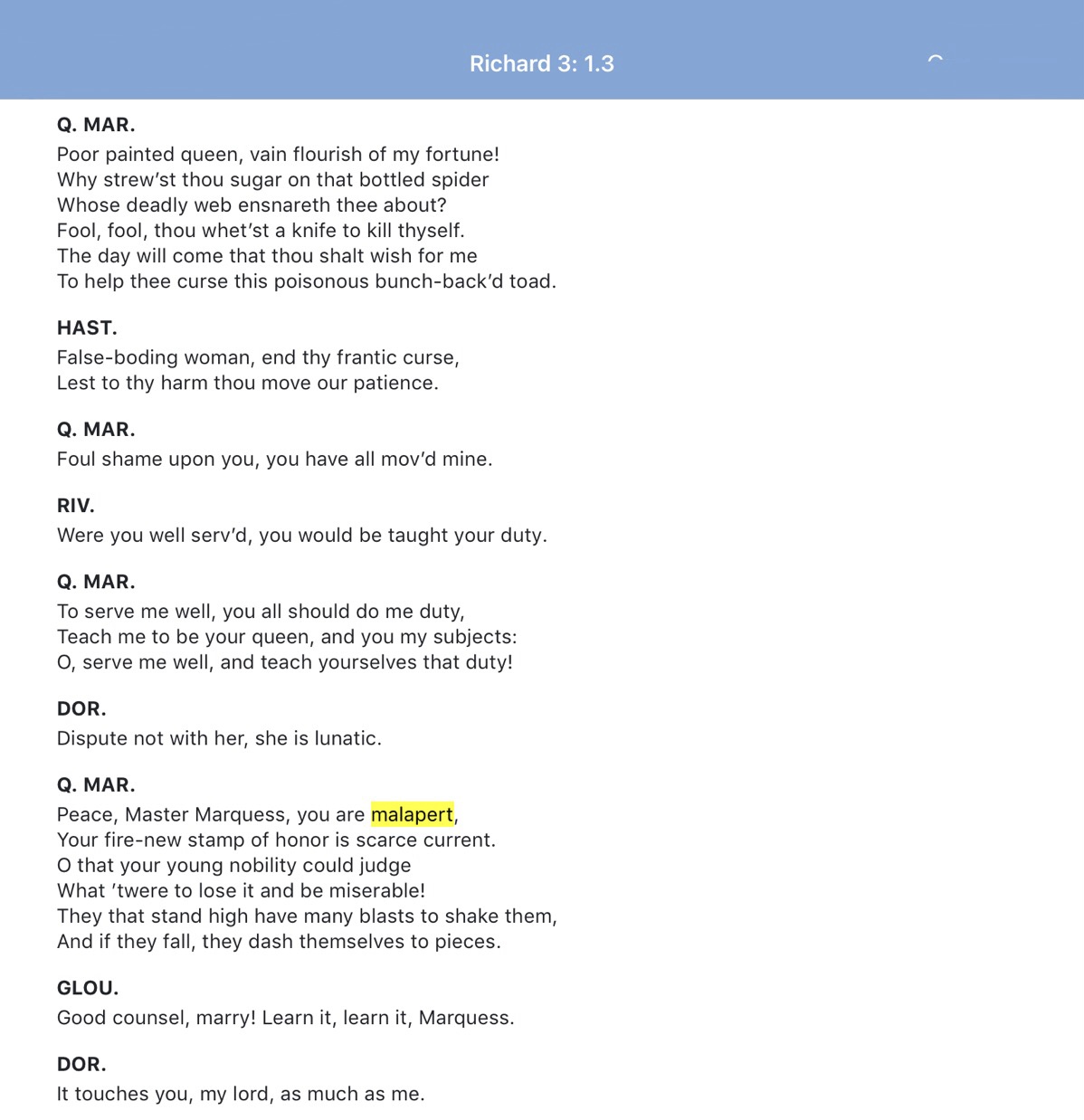
In Richard III, the same Queen Margaret tells the Marquess of Dorset that he is malapert and warns him that his newly found nobility won’t protect him from being destroyed by the Yorks, particularly Richard (Gloucester) whom she describes as a “bottled spider” and a “poisonous bunch-back’d toad”. Richard turns the insult back on Margaret, and Dorset promptly turns it right back on him.
In the comedy Twelfth Night, Sir Toby Belch and Sebastian are engaged in an argument when Sir Toby insists that he “must have an ounce or two of this malapert blood” from his rival.
This is a word I have long been aware of, yet I have definitely not made as good use of it as I could have done. This, however, is likely to change in the near future.
Most people use the term ‘pedant’ in a derogatory way, usually in reference to someone they perceive as being too fussy or too strict about rules.
On the occasions when I have been called a “grammar pedant”, I have generally responded as though someone is paying me a huge compliment. I invariably say something like “Oh stop it, you flatterer!” or “One day you’ll say that like it’s a bad thing!”
As a lover of the English language and words in general, there are things to we should be paying careful attention. There is value in pointing out where a student needs an apostrophe or a comma in their writing, or where they can express an idea or key point of information more clearly. That is part of being a teacher. It’s my job.
However, I try to restrain myself from correcting people’s grammar on social media, though, for two reasons:
I don’t have time. I have a life to live, and I need sleep to function.
They tend not to like it much.
What many people don’t know is that the word pedant was actually derived from the world of teaching and education. It came to English from either the Italian word ‘pedante’ or from its descendant, the later Middle French word pédant, both of which referred toa schoolmaster or teacher. It may be one of those words that came into English from more than one source. The Italian word is derived from the Latin word paedagogantem, which is the origin of the words pedagogue and pedagogy, which are also related to teaching and education.
By the late 16th century, though, the English were using the term in a negative rather than a neutral way. ‘Pedant’ had already come to be used for one who placed undue emphasis on the minor details of learning, or someone who focused on details or technicalities instead of looking at overall issues or taking a wider view of general learning and practice.
In that sense, correcting someone’s grammar on social media when it is clearly not appreciated is being unnecessarily pedantic. Perhaps that is the distinction that really needs to be made.
Alternatively, it might be a somewhat uncomfortable yet valuable opportunity to improve both one’s learning and professional credibility in an age where prospective employers and customers look at social media profiles before deciding to give a job or order to a particular person. This is particularly true for anyone who should be reasonably expected to have a sound grasp on the language, such as teachers, writers, bloggers and professionals who rely on clear communication in their work.
Let’s face it. I may not care if someone misspells an uncommon word, or one they’ve only heard and not read, but if they don’t bother to differentiate between ‘your’ and ‘you’re’ on social media, I’m neither going to buy their book, nor hire them to write my copy or teach my kids.
Fussy? Yes. Pedantic? Probably. Apologetic? Not one bit.
Why is it so satisfying to see horrible people get what’s coming to them?
Image by pixel2013 on Pixabay.
Poetic justice is the idea that someone will get, or has got, what they deserve as a consequence of their behaviour. It can be either a reward or a punishment, and these are sometimes thought of as two sides of the same coin: a perpetrator will suffer while their victim has the satisfaction of seeing that justice has been served.
It is similar to the concept of karma, by which one’s intent and actions have a direct effect on their future and wellbeing.
Another related idea is divine retribution: a divine being or the universe itself punishing someone for their actions.
Of course, these concepts are highly subjective. What someone deserves or not depends on one’s perspective. If person A has suffered as the result of Person B’s actions, then A is able to interpret B’s bad fortune as poetic justice or karma, while B might well consider that they are a victim and have reason to hope for their own vindication. Realistically, those two people may never join the same dots.
So why is the idea of poetic justice so appealing?
It can make someone going through a bad situation, or wearing the scars of previous suffering, feel that they are less alone. It can give them hope that and that someone or something somewhere might notice their situation and act in their favour. Ultimately, we would probably all want God or the universe or the supernatural or the powers that be to be on our side and rule in our favour.
The thought of someone having to pay or suffer for what they’ve done to us or to others we care about is powerful. It’s also relatable: as much as we decry revenge and know that it doesn’t solve anything, it’s still an attractive prospect— particularly if we haven’t had to actually do anything to make it happen.
Hoping for poetic justice, or karma, or divine retribution, can also function as a passive way of taking back some control from those who have hurt us. How many of us can honestly say that we haven’t thought “Well, he had THAT coming!” when something bad that has happened to a horrible person?
They are natural thoughts and feelings, and they need to be acknowledged and worked through.
Still, as understandable as those feelings may be, we cannot afford to unpack and live there, no matter how much some of us may want to. It’s not a healthy place to stay. We have to move on and find a way to prevent our feelings about someone else from controlling our behaviour and attitudes.
Perhaps that’s why seeing poetic justice delivered to fictional characters— or, indeed, to public figures who behave badly— is so satisfying. It may not be happening to our own nemesis, but at least it’s happening to someone else’s.
The Appeal of Poetic Justice #PoeticJustice #Karma #Retribution #satisfaction #observation #blogpost
Several of my books explore themes of poetic justice and seeing people who behave horribly punished for their actions in one way or another. They are available via jvlpoet.com/books and in all digital stores. Paperbacks are also widely available via Amazon and Book Depository.
Irony occurs when one thing is expected, but the opposite thing happens or turns out to be true.
When the audience knows or understands something that the characters in a story or on stage or screen do not, that is called dramatic irony.
It should be noted, too, that an event or outcome being ironic for one person or group does not preclude it being predictable for other people
Both irony and dramatic irony are much-loved devices for writers, but they do not only exist in literature and film.
In fact, one could argue that the reason writers use these techniques is because they know that these things happen in everyday life, and that people love it when they do. The profundity of natural irony, dramatic or otherwise, is like crack for writers, who are often keen observers of human nature and behaviour.
Irony is a powerful thing. It can evoke all sorts of responses, ranging from pity to laughter to judgement, depending on the perspective of each onlooker. It can bring about self-pity, humility or significant changes in attitude and behaviour for those who experience it.
When well executed by an author, irony creates plot twists and complications that add depth and complexity to a story, but which also make the experiences of the characters relatable and intriguing for readers.
When expertly executed by the universe, though, irony can blow one’s mind.
Likewise, Trump denied the existence or threat of the virus and casually dismissed the illness and death of thousands of his own people. He refused to wear a mask or observe social distancing, he insisted on holding social events and campaign rallies against all medical advice. That he has tested positive and ended up in hospital with the virus is loaded with both types of irony.
There is little doubt that 45’s illness is a plot twist that he didn’t see coming.
One would hope that his treatment with highly experimental drugs that others with the illness haven’t had access to doesn’t end up doing more harm than good. That would also be ironic.
Personally, I find it impossible to feel sorry for him.
My empathy lies with all those Americans who suffered the disease and who lost loved ones to it while he proclaimed it as fake, and with all those who cannot afford the instant access to hospital care and fancy drugs that he can.
Irony, Dramatic Irony, and the Plot Twists of 2020 #irony #PlotTwist #TrumpCovid #BorisJohnson #JustSaying #blogpost
Last week I asked my students to do something creative.
Today, Student A wasn’t very impressed with the outcome of their efforts. “I tried, but it’s turned out a bit 2020.”
“It’s a bit what?” I asked.
“2020.”
Obviously, I was expected to understand.
“Mine’s pretty 2020 too, to be honest,” Student B admitted.
I looked at their faces on my screen. They were being serious.
“So…” I asked, “Are we using that as a swear word now?”
They’re right. It actually works.
“More meaningful than swearing, Miss,” said Student B.
The rest of the class concurred.
“And we can’t even get in trouble for saying it.” Student A grinned, clearly rather pleased with that reality.
I smiled, told them their work was way better than 2020, and moved the lesson on.
I don’t know if they just started doing that by themselves or picked it up from somewhere else, but at least they’re finding some practical use for 2020. I may just follow suit.
I have a really handy social media skill. It may actually prove to be a talent: time will tell.
It’s super for my mental health, and has amazing benefits in maintaining positive content on my social media feed.
It is, quite simply, deleting rubbish content on social media and snoozing the people who post it.
Obviously, “rubbish content” is a highly subjective term. But since it’s my hobby, and since it’s my social media feed, I get to decide what’s rubbish and what’s not. I don’t dictate to anyone else what they post, or what they read, or what they want to see. But I do get to decide on what I allow to speak into my life.
Things that get an instant veto are racism, intolerance, and hatred. The chances of them changing my mind on those issues range at the lower end of remote to zero. Also high on the veto list are conspiracy theories, politics, and ignorance. I’m not limiting their right to free speech, nor am I insisting that they think or believe. I am simply choosing not to engage with them. All I am limiting is their ability to speak into my space and my mental health.
To that end, I have deleted comments. Obviously, people can see if their comments have been deleted. If that bothered me more than the comments do, I wouldn’t delete them.
I have also muted conversations in messenger. The person on the other end of the conversation won’t know I’ve muted them, because I don’t often respond to general content in messenger anyway. Forwarded messages, videos, chain letters, those virus-laden ‘OMG I can’t believe this!’ messages and spam only ever come to my inbox to die, friendless, unacknowledged and alone. If it’s a personal message, that’s a different thing entirely.
I have snoozed or unfollowed people on Facebook. The advantage is that you can do both without those people knowing and getting all offended and being weird with you when you see them at the next family gathering or in the supermarket.
Furthermore, I have zero shame about doing any of it.
I have chosen to not engage in debates because I don’t have the energy, nor do I have any inclination to enter into conflict. My social media feed is not the place for a bunfight about whose lives matter or whether or not something is real. And if I post something and someone disagrees, they’re completely free to do so without starting an existential debate on my thread. They can do what I do, and simply walk away.
As someone said to me last week, it’s a bit like peeing in a wetsuit: it gives you a warm feeling, but nobody else notices. That’s absolutely true, but that doesn’t matter one bit, because I’m not doing it for anyone else. I’m doing it for me.
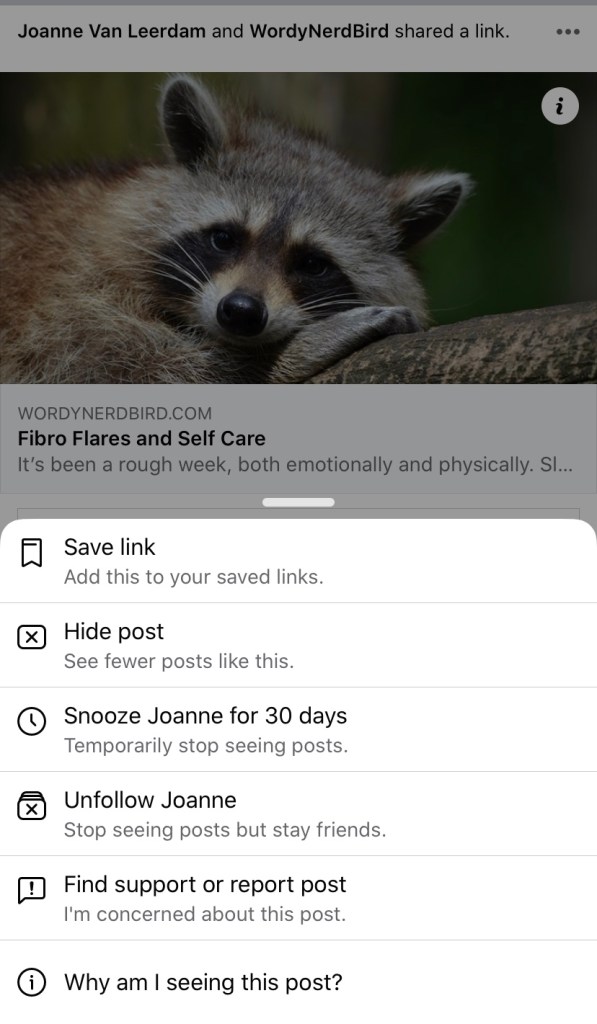
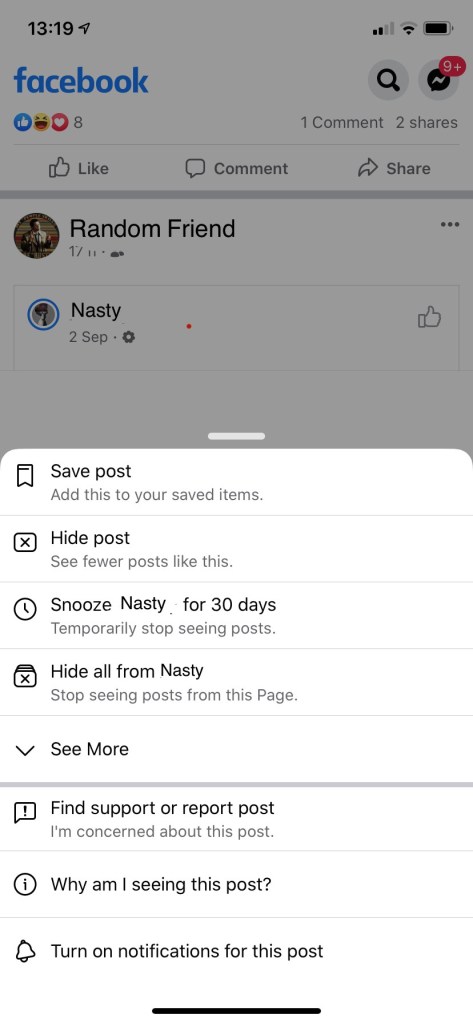
Here’s the how-to:
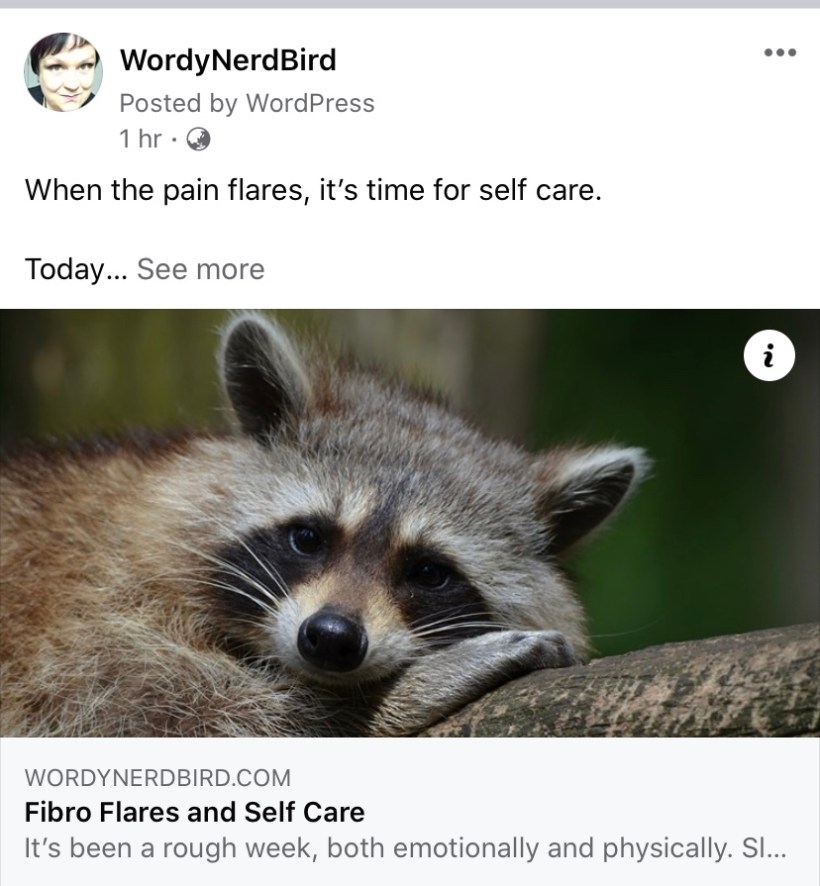
At the top right of a Facebook post are three dots, like an ellipsis. Click on those.
From the drop-down menu, you can choose to snooze the person who made the most for 30 days OR to unfollow them entirely. This means you won’t see anything they post unless you go to their profile.
If that person is sharing someone else’s post, you have another option.
I changed the names on this post so that there is no inferred suggestion certain pages should be hidden or unfollowed. I made this name up. Any resemblance to existing pages is entirely coincidental.
You can hide all content from the creator of the original post without affecting your friend’s usual posts. This is usually my first choice, and I don’t snooze or unfollow my friends until they have deliberately and repeatedly shared what I consider to be rubbish on multiple occasions: that’s when I understand that I am better off just not seeing their posts.
Finally, if people think something I post is rubbish or disagreeable, they’re welcome to ignore it or snooze/unfollow me, too. Fair’s fair, and I’m really not that easily offended.
Today in one of my classes, a student commented that they were ruminating on the answer to a question. I responded that I hadn’t even noticed her swallowing it in the first place. I laughed, and she looked at me blankly.
As I explained to my class, the word ‘ruminate’ has two different meanings which are related, but quite different according to context.
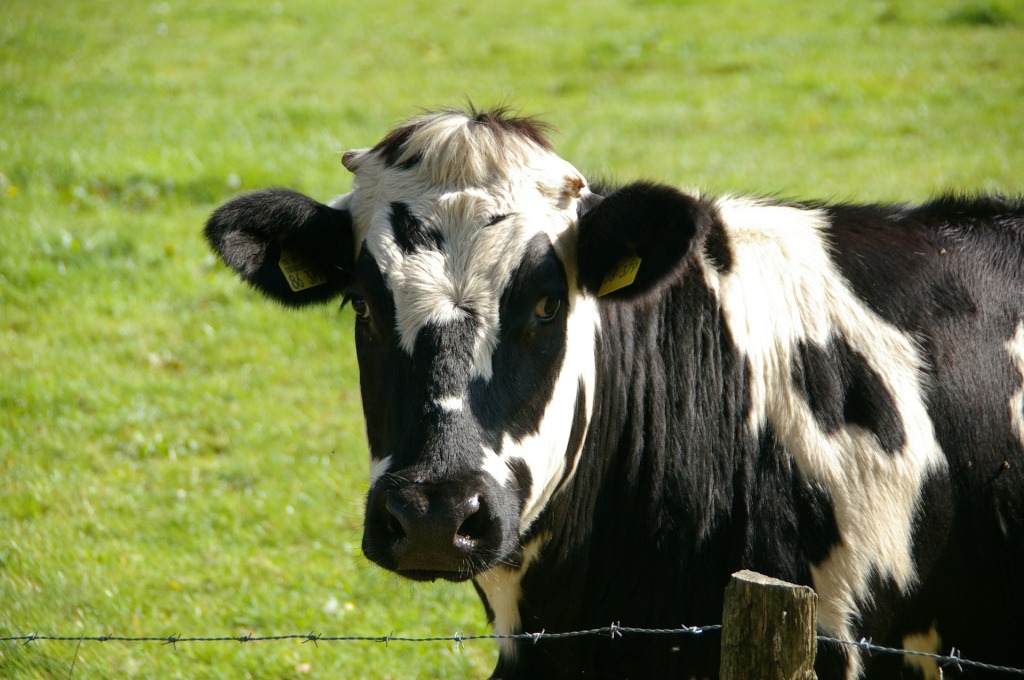
To ruminate means both “to turn over in the mind,” and “to chew cud” as cows and other ruminant animals do. Both senses of the word were being used in English by the early 16th century.
It comes from the Latin word ‘ruminatus’ and carried both meanings even in Latin. It is related to the name of the rumen, that part of the stomach from which cows, buffalo, deer, moose, elk, sheep, goats, llamas, camels and giraffes bring up their cud to chew it over again.
One might think it might be more of a challenge for a giraffe, a llama or a camel to achieve it because their necks are so much longer, but it does come naturally to them. Personally, I’m thankful that it’s not something I’m required to do at all.
It is this idea of bringing things back and chewing them over again that relates the two senses of ‘ruminate’.
It’s also normal and healthy for people to think things over carefully, especially serious or important matters. That can prevent hasty or unwise decisions being made.
The danger of rumination arises when thoughtful consideration gives way to overthinking.
Overthinking is a term that can describe behaviours that range from overly prolonged deliberation to being caught in destructive cycles of fear, doubt, criticism or agonised indecision.
Overthinking can result in drawing wrong and sometimes dangerous conclusions, relationship breakdown, self abuse, substance abuse, and self-destructive thoughts and behaviours. It can affect sleep, emotions, physical condition, and mental health, anxiety levels, concentration and performance.
Overthinking doesn’t solve anything, and often actually makes things worse.
It’s probably better just to leave the rumination to the animals.
Rumination and Overthinking #thoughts #words #language #psychology #emotions
Tonight, I am contemplating — somewhat anxiously — what tomorrow will bring. That’s fairly standard territory the night before returning to school for a new term, but right now it’s even more complicated than usual.
Phrases like “back into routine” and “good to keep busy” have been bandied about altogether too casually by people who don’t understand how I feel. In one sense, things may seem as though they are “returning to normal”, but I don’t feel that way at all. Instead, it feels very much like I’m stepping into the vast unknown.
The world out there is anything but normal.
The state in which I live ihas been cut off from the rest of the country by border restrictions because of the COVID-19 outbreak in Melbourne. We’ve all been quarantined to an extent, and Melbourne itself is locked down much tighter than we are out here in the western region of the state.
The distance between us and Melbourne is no room for complacency, though. Just today we heard the news that Warrnambool, the regional city in which I work, has reported its first active case in months. It’s sobering news, and terrible timing for the beginning of a new school term. Honestly, it just adds a greater sense of impending doom to the craziness that is going on out there.
I’m keen to see my students, though. My hope is that they will take my mind off things through each school day and keep me motivated when I’m feeling low.
So, I’ve invested in masks and extra sanitiser. I even have sprays to disinfect any work the kids hand in. I will be even more conscientious and deliberate about social distancing, because I don’t trust other people to do the right things. At least my natural cynicism about human nature is intac which, I suppose, is something.
Life isn’t ‘normal’ on a personal level either.
I miss Dad. I miss Helen. Enormously.
I have lost two of the constant, consistent encouragers in my life. I keep thinking of things I want to tell them, and photos I want to show them, and I can’t. I want them to know about my new great-nephew. I want to tell them I love them. It’s really, really hard.
I’m trying to work through my grief, but that isn’t going to happen according to any timetable. That’s a process that will take as much time as it will take.
The past three weeks have changed me, although I can’t define exactly how.
I feel like I should be more resilient, or better at handling things, or at least better at faking an appearance of being able to manage, but I’m not.
I feel like I should look different somehow, but I probably don’t.
That is, of course, if you don’t look too closely at the dark circles under my eyes. Sleep has been evasive ever since Dad was admitted to hospital with coronary issues on June 16. During the week in which both he and Helen passed away, I barely slept at all. Last night I managed seven hours, but it was in two instalments with an hour off at half time. It’s no wonder I feel like rubbish.
My purpose in expressing my thoughts and feelings here is not to moan or whine. I know I am not the only person experiencing these things. I am not the only person experiencing grief, or lugging emotional baggage everywhere.
I want others in similar situations to understand that there is nothing wrong with feeling the way they do. All of this is part of the grieving process, and it’s crucial to be kind and patient with ourselves while we sort our various burdens out.
I want other people to understand that they can’t expect people who are grieving, or anxious, or caring any other kind of burden for that matter, to feel a certain way or simply “get over things” in any set period of time.
Grief is not a tidy and well-organised domain. Everyone experiences it differently. It brings with it a whole variety of secondary emotions that are unpredictable at best. Denying it, suppressing it, or trying to make our grief fit preconceived expectations are futile and unhealthy ways of dealing with it.
That means each of us has to deal with it in our own time, and each of us can expect to be as messy as our grief. Each of us will, at some point, have to step out into a world that has changed significantly and irreversibly.
Acceptance, kindness, patience and self-care will help to make that a healthier process for everyone.
Stepping Back Into A Changed World #grief #emotions #anxiety #personal #blogpost
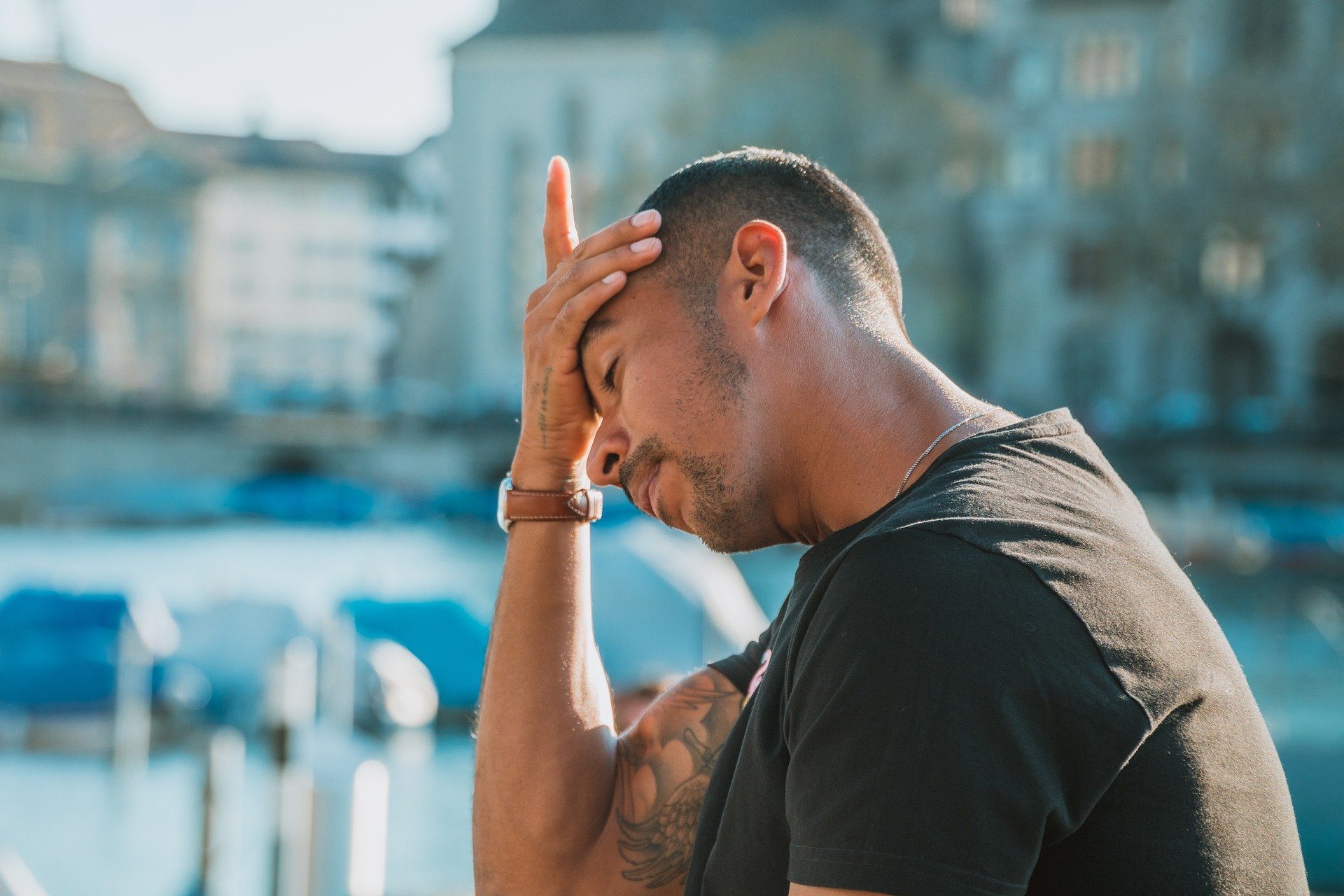
Yesterday a friend posted on Facebook that living in quarantine conditions “turns people into a**holes”.
My response was that this was true, but only for those already so inclined.
Thinking more about it since then, I have come to the conclusion that this extended quarantine/lockdown is proving to be an intensifier. It brings out the true colours that underlie each person’s character and makes them more evident.
Those who are inclined to be selfish have been increasingly inconsiderate of others. Those who sulk at not getting their own way have done exactly that, usually all over social media. Those who tend to be angry have been. Those who tend to resist being told what to do have defied the rules and done as they pleased.
On the other hand, we have also seen plenty of evidence that recent adversity has brought out the best of humanity, too.
Those who tend to be generous have definitely been so. Those who advocate for the underprivileged have done so relentlessly. Those who are kind and thoughtful have shown more kindness and thoughtfulness, often to the very great surprise and gratitude of others. The levels of commitment, giving, service and going the extra mile have been inspiring.
What we are seeing is more of each person’s true colours.
It’s also becoming evident that we will see even more of the same while social restrictions and slowed economies continue.
It is important to understand this because we should not be making excuses for anyone’s bad behaviour. We should not be dismissing things we would not normally accept or shrug off. And we certainly shouldn’t respond to appalling behaviour by explaining it away with lines like “they are under pressure”.
All that does is enable people to continue being nasty, with little fear of consequences for their words and actions.
We are all under pressure. Many of us are struggling one way or another. We are all missing people, places and things we love. We’re just not all being horrible about it.
Quarantine: Bringing Out the Best And Worst In People #QuarantineLife #LOCKDOWN2020 #COVIDー19 #Personality #behavior #blogpost








 WordyNerdBird